Simple Lunch Recipe Banishes Drowsiness in 20 Minutes


You have probably felt not refreshed but even more exhausted after lunch. Your stomach bloats, your eyelids feel heavy, and focusing on work becomes extremely difficult. Buckwheat with a cutlet seems like proper food, but somehow it turns into a stone in your stomach. Gastroenterologist and nutritionist Yulia Gorozhankina is certain: the problem is not in the amount eaten, but in which specific products end up on your plate. She explained what lunch will not lead to either bloating or drowsiness.
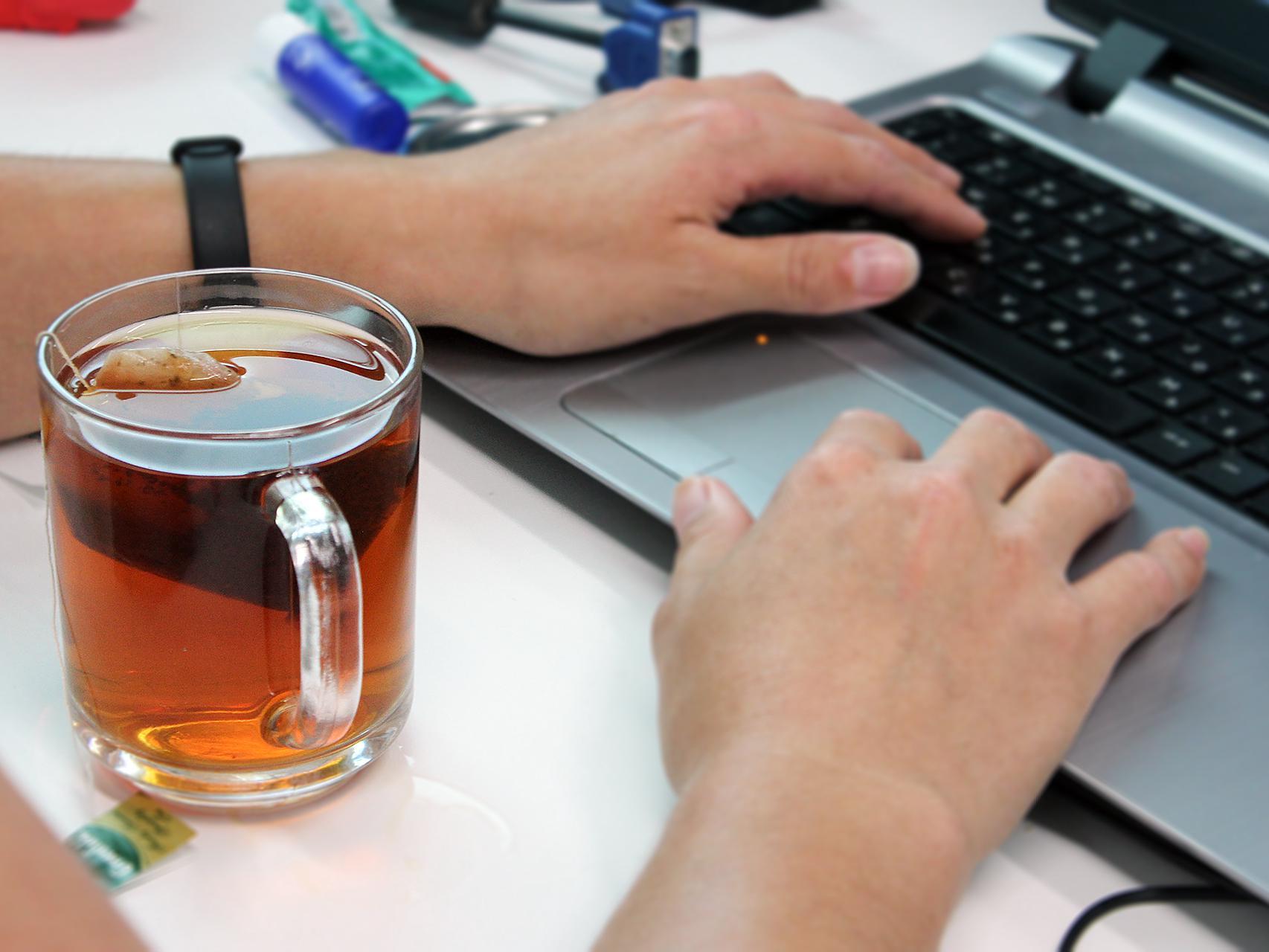
Why even “healthy” food makes you want to lie down
According to the expert, the reason lunch leads to unpleasant consequences is short-chain carbohydrates found in many healthy foods. They are poorly absorbed in the small intestine and become food for bacteria in the large intestine, causing intense gas formation.
Yulia suggests paying attention to the low-FODMAP approach — a diet that excludes those very “problematic” carbohydrates. This is not a strict restriction but a conscious choice of foods that do not cause fermentation.
The doctor notes that many people believe any raw vegetables prevent bloating, but in reality it depends on the specific type.
— Here are which fresh vegetables and greens almost never cause discomfort (low-FODMAP champions): carrots, cucumbers, tomatoes, bell peppers (especially green), iceberg lettuce, arugula, spinach (baby leaves), leaf lettuce. Zucchini in small amounts is also acceptable raw, for example as slices. Avocado — a portion of up to 30 grams (about 1/5–1/4 of a fruit) is usually perfectly tolerated, — lists Yulia Gorozhankina.
But white cabbage, broccoli, onion, garlic, asparagus, and celery are best not eaten raw — they often “explode” the stomach. According to the doctor, if you want to eat them at lunch, it is better to choose them thermally processed or replace them altogether.
What the ideal lunch looks like
The simplest and most effective way to assemble a lunch that will not put you to sleep or cause bloating is to use the 25-50-25 rule. According to this principle, half the plate should consist of vegetables from the safe list, a quarter — light protein, and the remaining quarter — proper carbohydrates.
— For light protein, fish, turkey, chicken, eggs, or tofu are suitable. No fried or fatty meat — it slows down the stomach for 5–6 hours. Half the plate is vegetables. You can take baked zucchini and asparagus, or a mix of fresh cucumbers, tomatoes, and arugula with olive oil. If you want crunch — carrot and green pepper slices will save the day. Proper carbohydrates are buckwheat, quinoa, brown rice, sweet potato. They provide energy without sharp sugar spikes and drowsiness, — advises the expert.
But even with the right choice of products, there are several pitfalls that can negate all efforts. As the expert notes, to ensure lunch does not “sit like a stone” and does not cause sleepiness, it is important to follow a few rules.
— Do not wash down your food with carbonated drinks. Season properly: turmeric, fennel, cumin, oregano reduce gas formation, while garlic and onion are provocateurs. Fruit — separately. An apple, pear, or watermelon eaten right after a cutlet guarantees fermentation. Berries or citrus fruits are better left for a snack 1.5–2 hours later. Movement always activates the GI tract. Even 5–10 minutes of walking after lunch works wonders. Alcohol at lunch reduces performance and causes drowsiness. I categorically do not recommend it, — warns the doctor.
Yulia also shared a specific example of an ideal lunch that meets all the rules.
— Grilled or baked turkey fillet with paprika and oregano, a salad of fresh cucumbers, tomatoes, and arugula (dressing: lemon juice + olive oil). Side dish: quinoa with turmeric and a drop of ghee. Afterwards: mint tea or water with lemon, — suggests the specialist.
The doctor notes that such a meal will not cause heaviness, will provide energy to finish the workday, and will not harm your figure.