Nectarine vs Peach: What Sets Them Apart
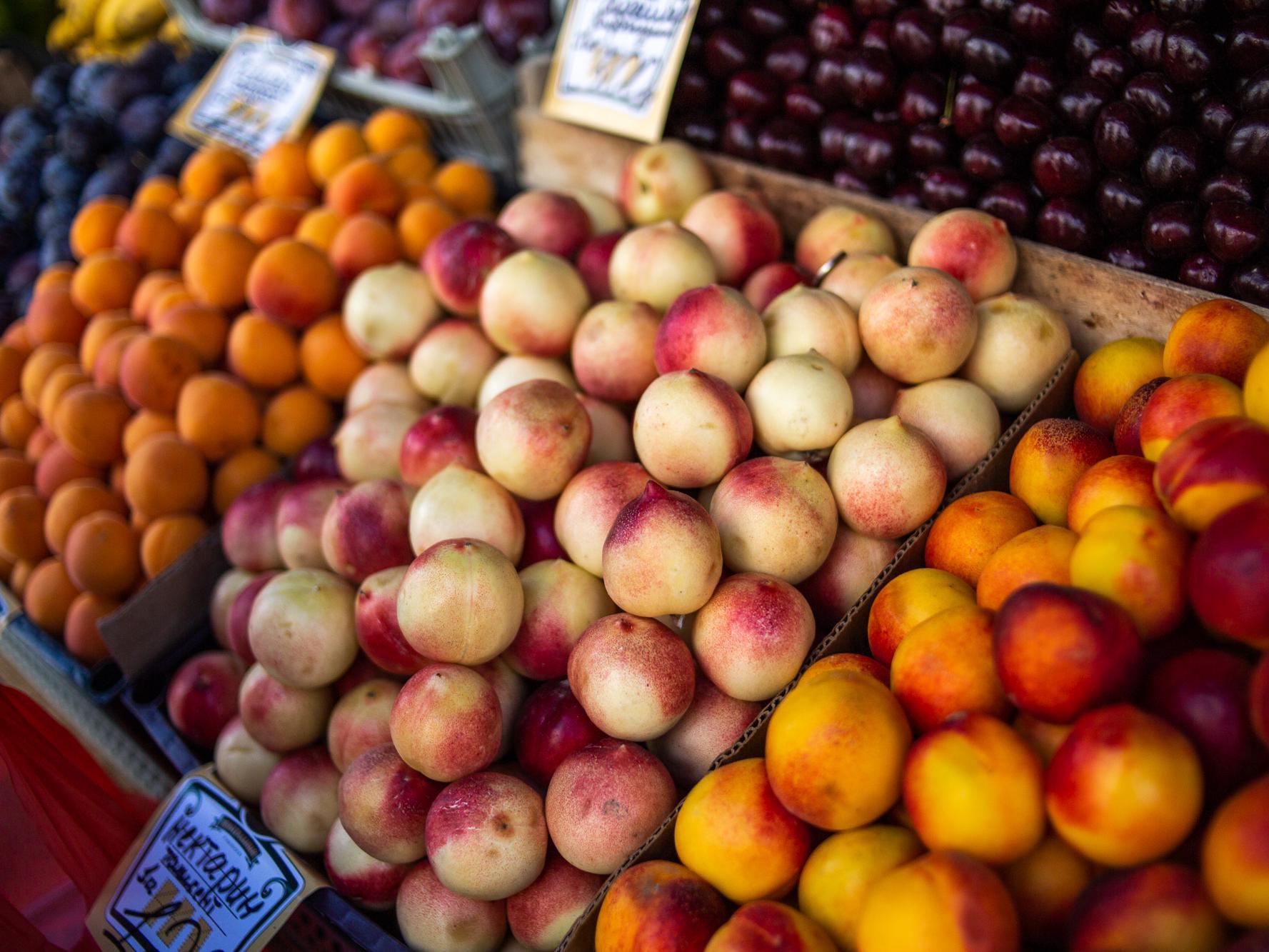

The nectarine came about completely by accident — it is not a hybrid
Some people believe they are completely different fruits; others think a nectarine is a hybrid of a peach and a cherry plum or plum. But what is the truth? According to Elena Alekseenko, a professor at the Department of Biotechnology and Bioorganic Synthesis at the Russian Biotechnological University, nectarine and peach are one and the same, a single biological species, Prunus persica. How did the smooth-skinned twin of the peach appear, and what are their differences beyond the flesh? Read in this material from Doctor Peter.
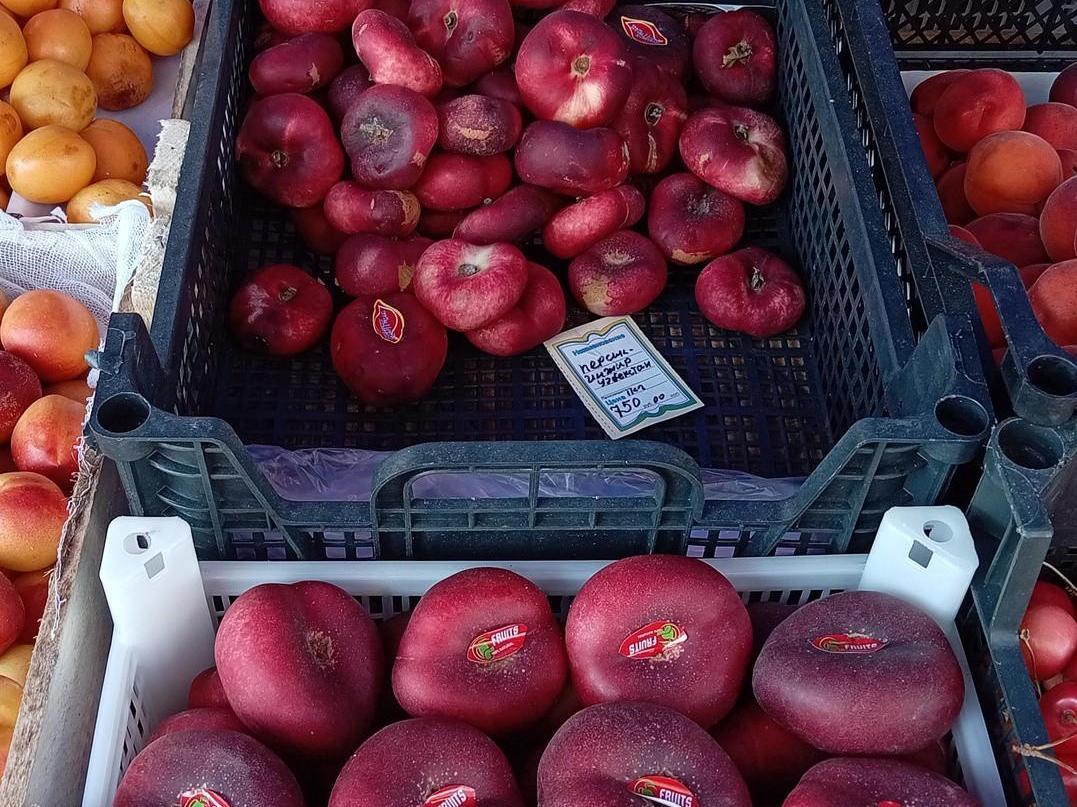
Look at the skin and smell
Where the Nectarine Came From
“This is a natural mutation (a recessive gene) of the peach, which causes the fruit’s skin to remain completely smooth, without the usual fuzz,” explains Elena Alekseenko.
Besides the lack of fuzz on the skin, the nectarine has other differences.
Flesh structure. The nectarine’s flesh is denser, crunchier, and more fibrous, whereas the peach’s is tender, juicy, and either easily separates from the pit or clings tightly to it (depending on the variety).
Shelf life. Because of its density, the nectarine’s skin is tougher, so it withstands transport better and keeps longer.
Sweetness and calorie content. Nectarines are usually sweeter and higher in calories: about 44 kcal per 100 g versus 39 kcal for a peach.
Vitamin and mineral content. Nectarines have higher levels of vitamin A, beta-carotene, potassium, and iron.
Nectarine: Benefits and Risks
The professor from Rosbiotech listed the fruit’s main beneficial properties:
Protects against anemia. Nectarines are rich in iron, which is needed for hemoglobin synthesis, and in vitamin C, which helps this iron be well absorbed;
Protects against kidney stone formation. A number of studies confirm that regular consumption of nectarines helps reduce the risk of kidney stones thanks to potassium and specific organic acids that regulate water-salt balance;
Good for skin beauty and youth. The high content of vitamins A, C, and E makes this fruit a source of powerful antioxidants. These substances protect cells from free radicals, slow photoaging, and help prevent age spots.
Due to their higher content of natural sugars compared to peaches, nectarines are recommended to be limited for people with type 2 diabetes and obesity. It is also better not to overdo them if you are prone to diarrhea or flare-ups of gallbladder disease: excess fiber and acids can cause discomfort. In addition, people with allergies should avoid nectarines.
“The smooth skin of the nectarine contains allergen proteins similar to birch pollen. They can cause a cross-reaction, itching in the mouth, or swelling of the lips in sensitive people,” warned Elena Alekseenko.
Peach: Benefits and Risks
Compared to nectarines, peaches also have their own advantages.
Satiating but less caloric. Thanks to its high water content and soft fiber, a peach quickly fills the stomach, satisfying cravings for sweets with minimal calories. Remember: about 39 kcal per 100 g;
Reduces swelling. Peaches have a mild diuretic effect, helping remove excess fluid and toxins from the body, which is useful for mild hypertension;
Good for sleep and calm. The magnesium and phosphorus in the fruit help combat stress, improve sleep quality, and increase concentration.
But besides the pluses, peaches also have contraindications. Consumption of peaches, like nectarines, should be limited in case of diabetes and excess weight: due to their fast carbohydrates, the fruits can provoke sharp insulin spikes. Also, fresh peaches are not recommended for children under one year old due to the risk of allergies and the immaturity of the enzyme system. However, according to Professor Alekseenko, heat-treated puree is acceptable from 7–8 months.
“You must never crack open and eat the kernels of the pits, as they contain a substance called amygdalin. It breaks down in the stomach into toxic hydrocyanic acid and causes severe poisoning,” emphasized Elena Alekseenko.
How to Choose a Sweet and Ripe Fruit: Three Signs
When buying peaches and nectarines, the specialist advises focusing on the following signs:
Aroma. At the stem, there should be a strong, fragrant honey-fruity smell. If the fruit smells of nothing or gives off grass, it was picked green and will be tasteless.
Firmness. When lightly pressed with a finger on the side, a small indentation should remain that slowly fills back. A hard “stone-like” fruit will never become juicy, while one that is too soft with dents has already begun to spoil.
Smoothness. The skin should be taut, without wrinkles. Folds around the stem indicate that the fruit has been stored in the refrigerator for a long time, has lost moisture, and along with it, taste and beneficial natural components.
By the Way, About Ripeness
As fruits ripen, their composition changes. Some become healthier, others do not. Peaches and nectarines, like apricots and plums, are best eaten fully ripe.
“Ripe fruits have softer fiber, lower flesh firmness, more pronounced taste, and usually less strain on the gastrointestinal tract. Unripe stone fruits are hard and sour, so even relatively healthy people tolerate them worse: heaviness, spasms, and bloating occur,” explained nutritionist Yulia Orlova.
It is better to eat bananas, apples, gooseberries, currants, cranberries, and lingonberries unripe — they contain more beneficial substances than ripe ones. True, they can cause bloating in sensitive digestion.
But persimmons, pineapples, kiwis, mangoes, citrus fruits, and most berries are best eaten fully ripe: unripe fruits can be harmful.