Botulism Risk: How to Can Vegetables Safely
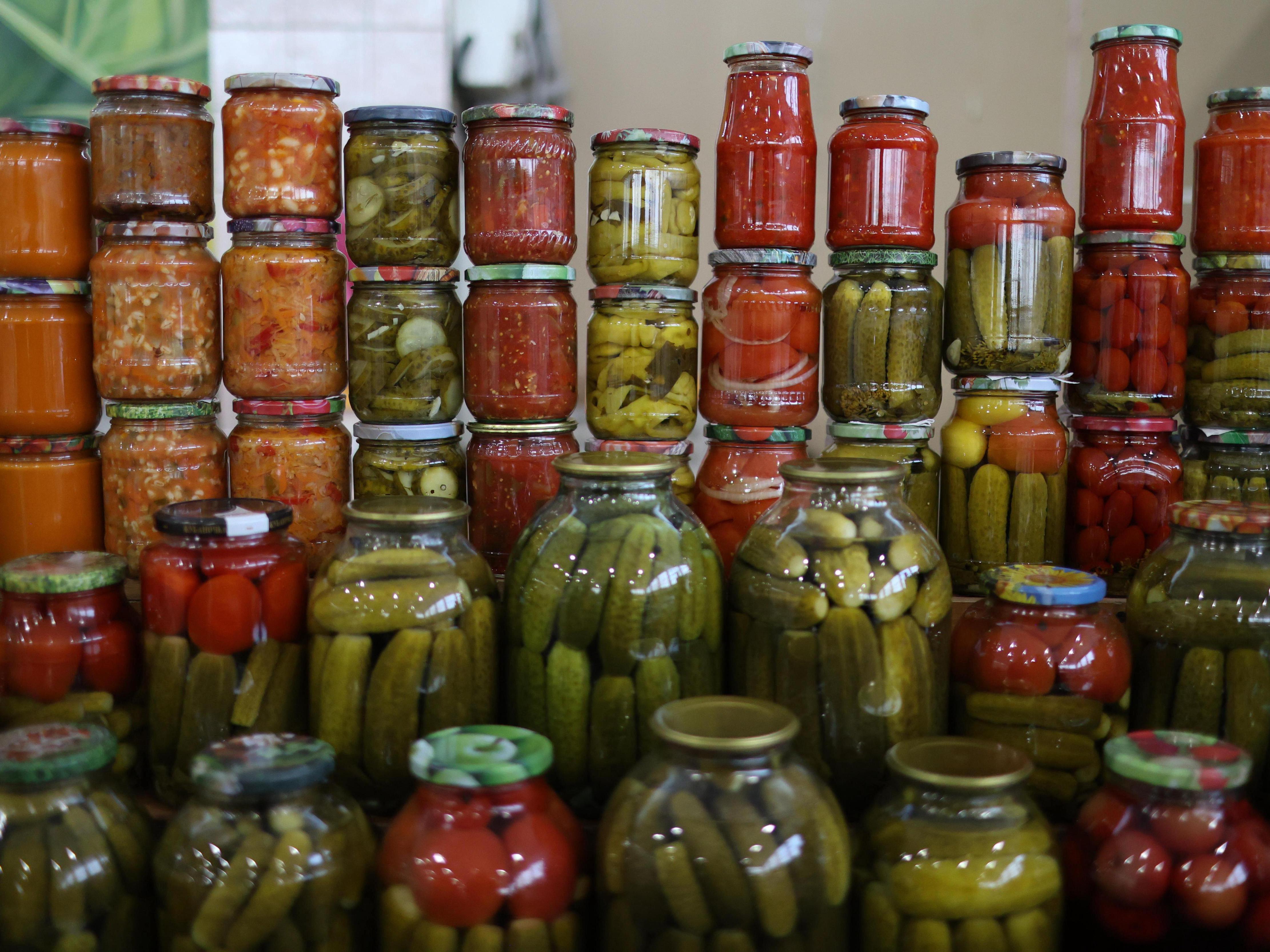

Mid-July is in full swing, meaning summer residents have started canning jars for winter. But not all preserves are equally beneficial. A beautiful jar of cucumbers or mushrooms can conceal deadly danger if the preparation technology was violated. Experts from the Zabaykalsky Branch of the Federal Center for Safety and Quality Assessment of Agricultural Products told how to preserve the harvest without risk to health.
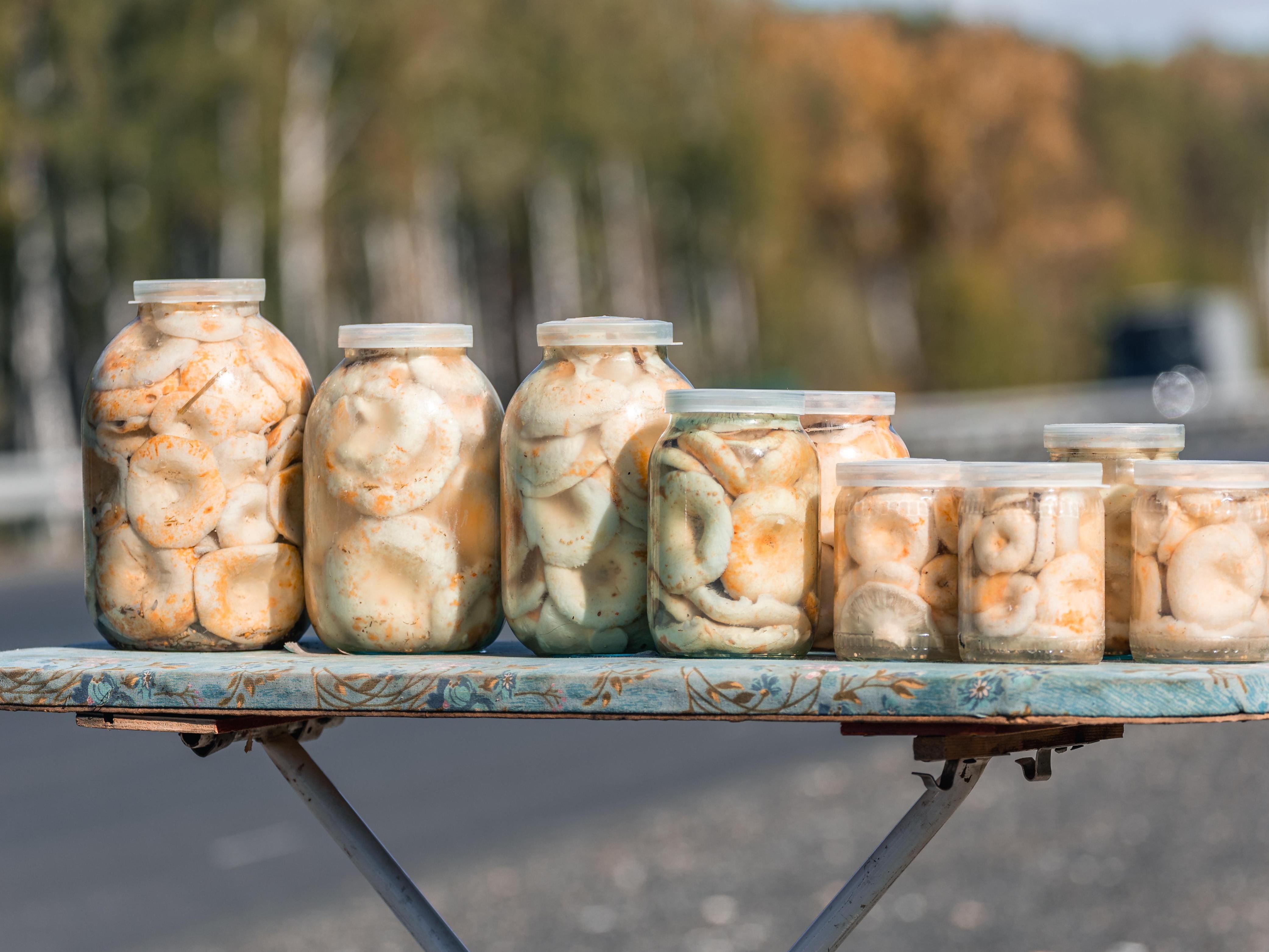
What Poses Danger
The main enemy of home canning is the bacterium Clostridium botulinum, which causes botulism. Often the taste, color, and smell of the product do not change, the jar looks perfect, but the contents are fatally toxic.
Spores of Clostridium botulinum are widespread in nature; they get onto vegetables, mushrooms, berries, and fruits along with soil particles. The spores themselves are safe, but when you seal the product in a jar, you cut off oxygen access. For most bacteria, this is death, but for Clostridium botulinum it is ideal conditions. They are anaerobes, meaning they live only without oxygen. In an oxygen-free environment with moisture and nutrients (protein in mushrooms, meat, fish, or vegetables), the spores «awaken» and begin to actively multiply, releasing a deadly toxin.
The first officially documented outbreaks of botulism occurred in the late 18th century in Germany and Austria. People became ill after eating smoked sausage. Hence the name: botulus in Latin means «sausage». German physician Justinus Kerner was the first to describe in detail the clinical picture of the disease: he conducted experiments on animals, feeding them spoiled sausage, and proved that the cause of the disease is a biological «sausage poison».
How to «Kill» the Deadly Bacterium and Where It Is Most Common
Botulism spores are very tenacious: they survive boiling at 100 °C (212 °F); to kill them, a temperature of 120 °C (248 °F) is needed, which is only achieved in special autoclaves. It is impossible to obtain such a temperature in a regular pot of water.
Experts identify products with the highest botulism risk:
Mushrooms — the protein environment creates ideal conditions for bacterial spores that fell into the jar with soil;
Low-acid vegetables — beans, peas, corn, zucchini, cucumbers, herbs, etc., because they lack natural acid that could inhibit bacteria;
Meat and fish — preserves without industrial sterilization (at temperatures above 120 °C (248 °F)) are extremely dangerous.
So what to do to make preserves safe? Experts recommend following two important rules.
Thoroughly wash vegetables and mushrooms with a brush under running water. Even one grain of sand can contain spores. No less important is the hygiene of the container: jars must be sterilized over steam or in the oven for at least 10–15 minutes immediately before filling, and lids must be new, without signs of rust or deformation.
Add vinegar or citric acid according to proven recipes. Acid is the best enemy of botulism; it suppresses the development of dangerous toxins. Ready jars are best stored at temperatures below +4 °C (39 °F).
Experts categorically do not recommend buying home preserves at spontaneous markets and from unfamiliar sellers.
— You don«t know under what conditions the mushrooms were collected, how the jars were washed, and whether the technology was followed. Buying »homemade like grandma«s» means you take on all the risks, — the specialists note.
In the laboratory of the Zabaykalsky Branch of the Federal Center for Safety and Quality Assessment of Agricultural Products in the first half of 2026, specialists conducted more than 110 studies of canned products for the presence of pathogenic microorganisms, mold, yeast, and toxic elements.
According to the results of studies of industrially produced preserves, no non-compliance facts were established. Unlike the spontaneous market or home preparations «without a recipe», industrial production operates according to strict regulations.
However, if you still prefer home preparations, treat them with care and caution. Follow the technology, do not skimp on sterilization, and remember: health is more valuable than a jar of pickles.
If after eating preserves you feel nausea, blurred vision, or difficulty breathing — call an ambulance immediately.