Krasnoyarsk residents pay to trace ancestry
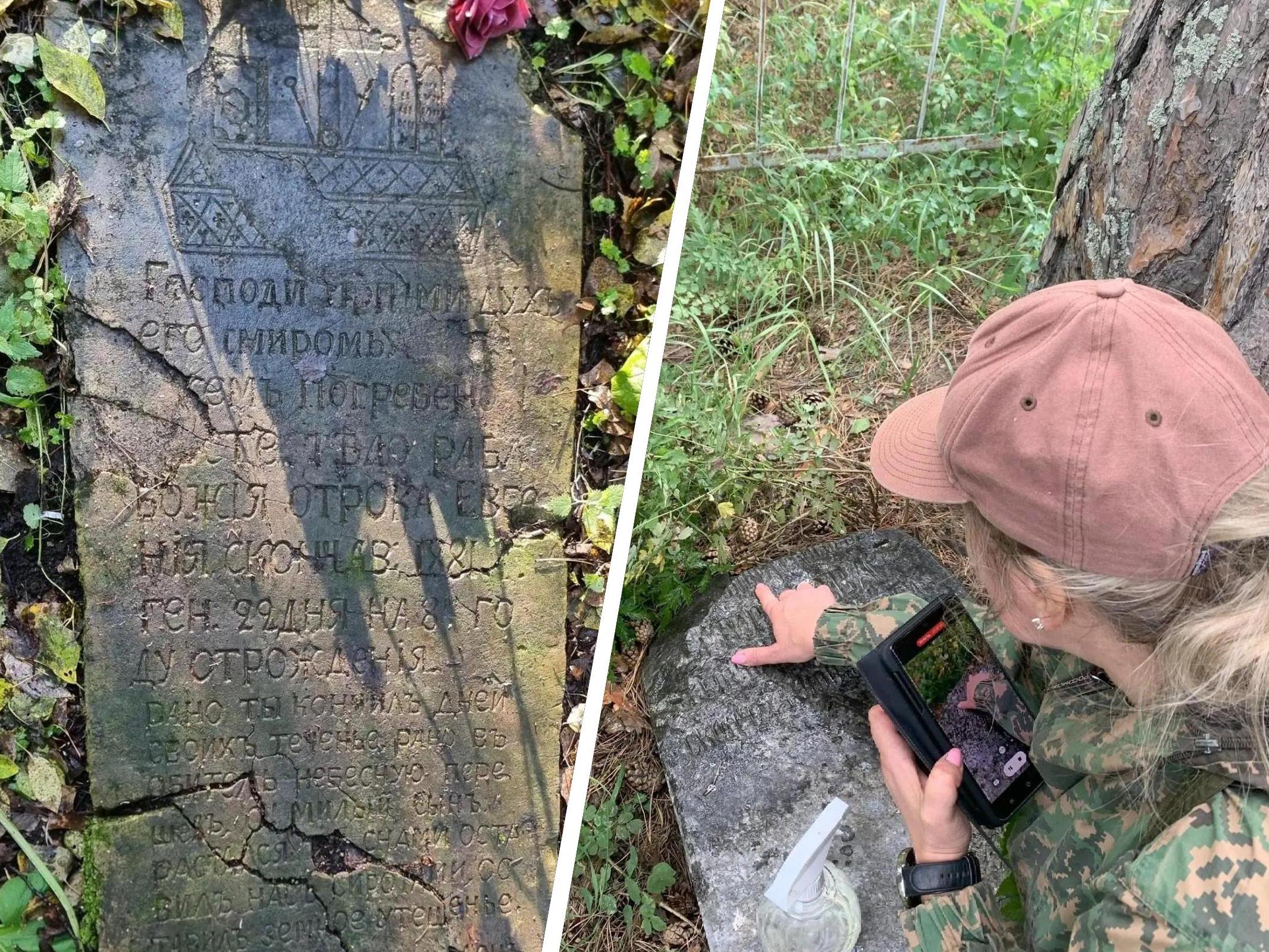

Genealogy is also reconstructed from such materials
Krasnoyarsk genealogist and necropolist Ksenia Redkina told NGS24.RU that there is currently a high demand for restoring family trees in the city. However, people are turning to specialists less often because much archival material is now available online. The boom in ancestral history across the country began in 2008, when the Central Archive of the Russian Ministry of Defense made documents about Great Patriotic War veterans publicly accessible.
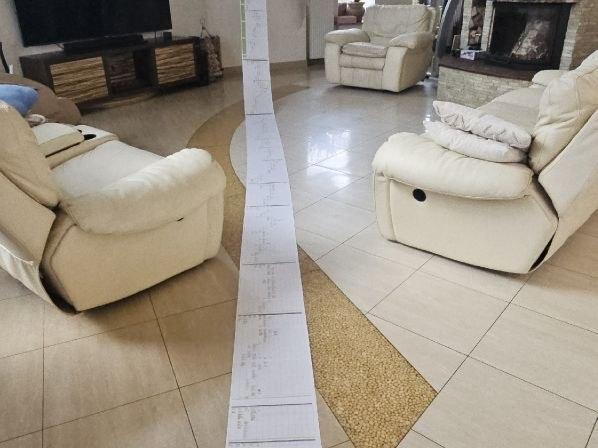
Part of a family tree
“Different people come to us, from businessmen to pensioners. There was an interesting case: at the request of a client (I won«t name him), we traced his family history back to the 1850s. His ancestor was a serf, a shoemaker, who earned money and bought himself and his family out from the landlord. However, later the landowner claimed he never received any money and that the receipt was allegedly forged.
The serf and his wife were exiled to our region, and their daughter was born along the way. Here, as an exile stripped of all rights, he nevertheless asked permission to build bathhouses on the Kacha River just a few years later. And when he was freed, he got it. He lived next door to the Gadalovs — major figures in Krasnoyarsk at the time.
Descendants of that serf became very famous people. In the Soviet period, some were repressed, others later became scientists, and some worked in the Kremlin. And currently, one family member sits in the Duma. Imagine such a family destiny. You can see that, at the very least, these people always knew how to earn money,” says Ksenia Redkina.
Since the region«s population consisted mainly of settlers, local genealogy can usually be traced no further back than the 17th–18th centuries, using metric books, confession registers, and revision tales, or indirect sources such as tax records and even gravestones with names.
“Before the revolution, knowing one«s ancestors was the norm. In early Soviet years, these memories began to be erased for ideological reasons. In 1937, many people did not want to mention their relatives at all, even cutting faces out of photographs or blotting them out with ink due to their »incorrect« class affiliation.
Personally, my own family tree has not many people—about 2,000 or so. Some relatives are from Belarus, where few documents survived because archives were burned during World War II. There are also ancestors from Kaluga Governorate: there I traced back to 1590. In 1850, my relatives arrived in Krasnoyarsk. It was interesting to see how the fates of my great-grandfathers intertwined—they literally crossed paths before there was any talk of their descendants becoming kin,” says Ksenia.
Fully restoring a family history over a century, according to Ksenia Redkina, costs around 100,000 to 200,000 rubles (approximately $1,200 to $2,400 at current rates) at specialized firms. And people are willing to pay.
Earlier we reported that a Krasnoyarsk woman has been digitizing vanishing cemeteries in the region for years. During her work, a volunteer movement formed that helps preserve the history of people from abandoned burial grounds.