Safe Connections: 5 Ways Animals Use Natural Glue
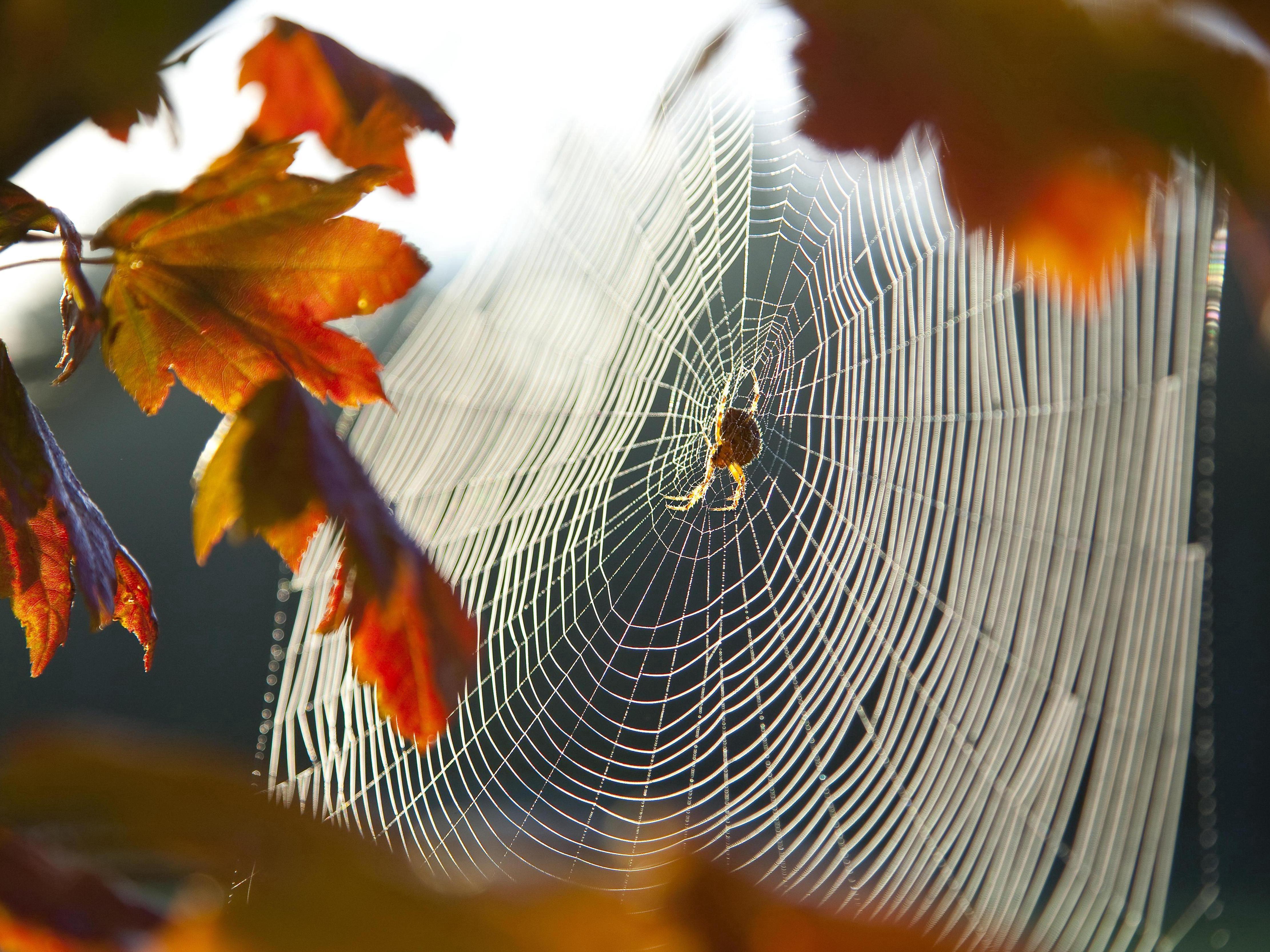

The ability to produce adhesive substances is often a matter of life and death in the wild. Natural glue takes various forms: from the sticky tongue of a chameleon and the viscous propolis of bees to the strong threads of silkworms and the digestive enzymes of sundews. In each case, the composition is perfectly tailored to solve a specific task—whether it«s hunting, movement, or construction.
A female golden orb-weaver spider (Nephila sp.) at work. Tropical spiders of this genus weave giant webs up to two meters in diameter. Their silk threads are stronger than steel and are considered one of the strongest natural materials—even small birds sometimes get caught in such traps.
Spider Tricks

Scanning electron microscopy of the leg of a black vine weevil (Otiorhynchus sulcatus). The image shows two hairy adhesive pads (bottom center) and two curved claws (right center). The pads provide grip on smooth surfaces, while the claws help cling to rough substrates.
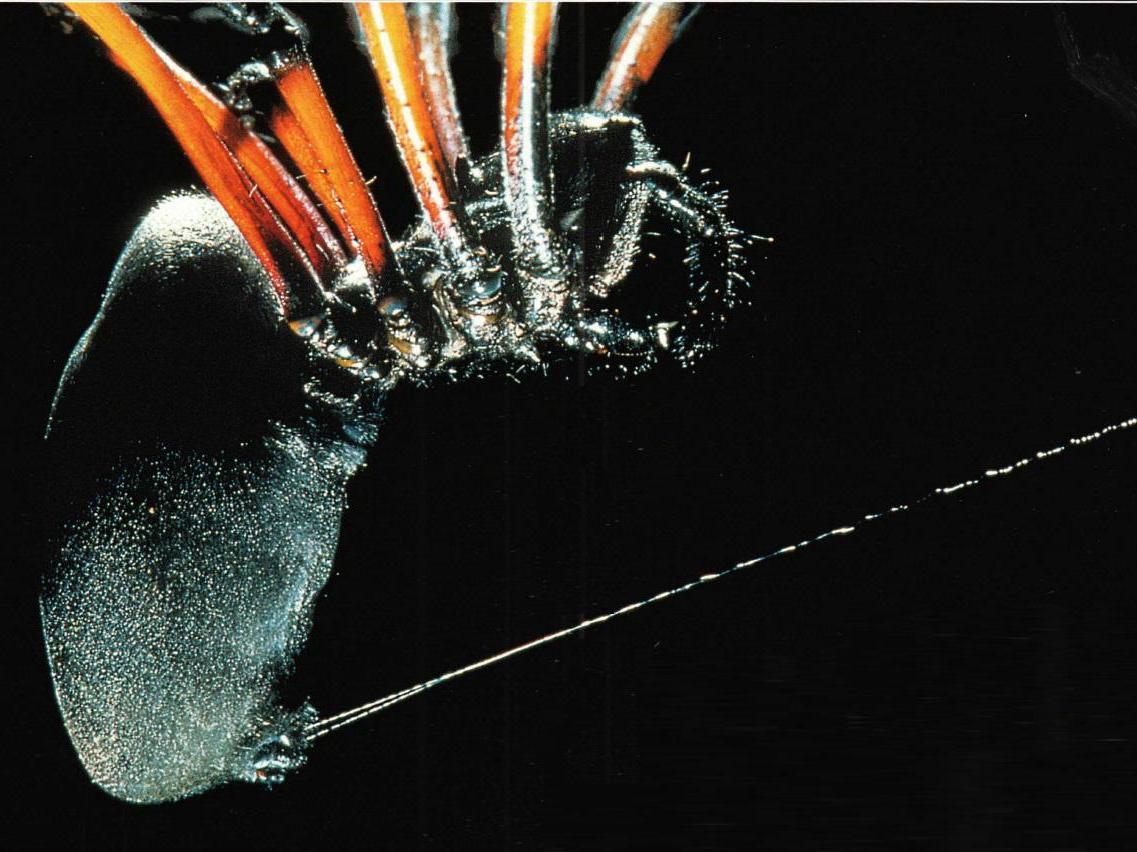
Spider webs are one of the most famous examples of natural glue. Silk threads are produced in glands in the spider«s abdomen. Initially, the silk is in a liquid-crystalline state, but when passing through special projections—spinnerets—it turns into solid protein fibroin. Sticky threads form the spiral sections of the catching net, while non-sticky silk is used for the frame, cocoons, or wrapping prey.
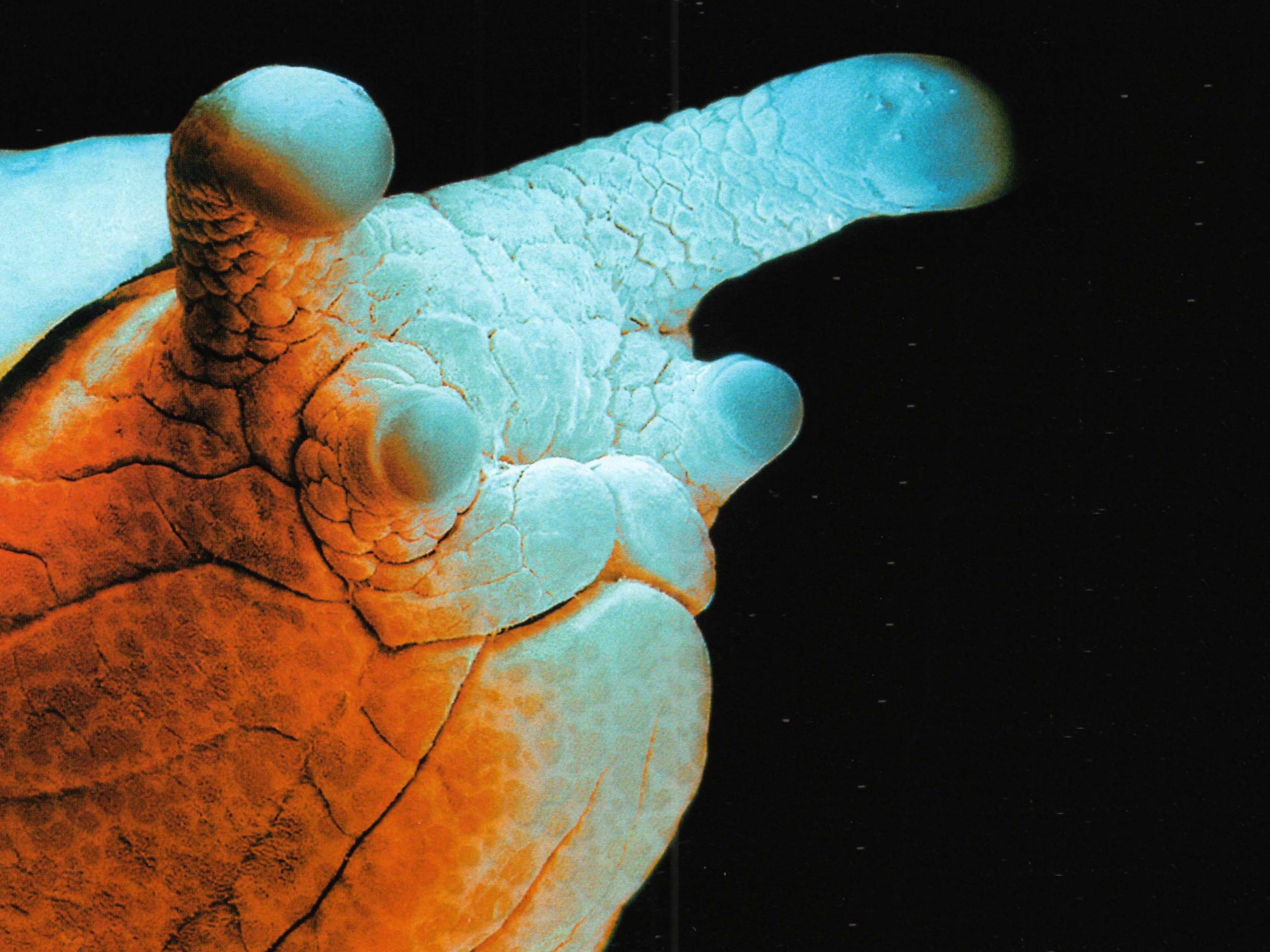
Electron micrograph of the head of a garden slug (Agriolimax laevis). In the center left, the mantle is visible—a fold of skin covering the internal organs. Above the tentacles responsible for touch, there are visual antennae. The mouth apparatus includes a rasp (radula) with which the mollusk scrapes food. The absence of a shell makes slugs more mobile than snails, and therefore they often become pests in gardens.
To avoid sticking to their own webs, spiders use a unique leg mechanism. Between the two main claws on each leg, there is a third one equipped with microscopic hairs and comb-like teeth. When the spider needs to grab a thread, the hairs are retracted, and the claw captures it. To release, the hairs are moved forward—this system works equally effectively with both sticky and dry threads.
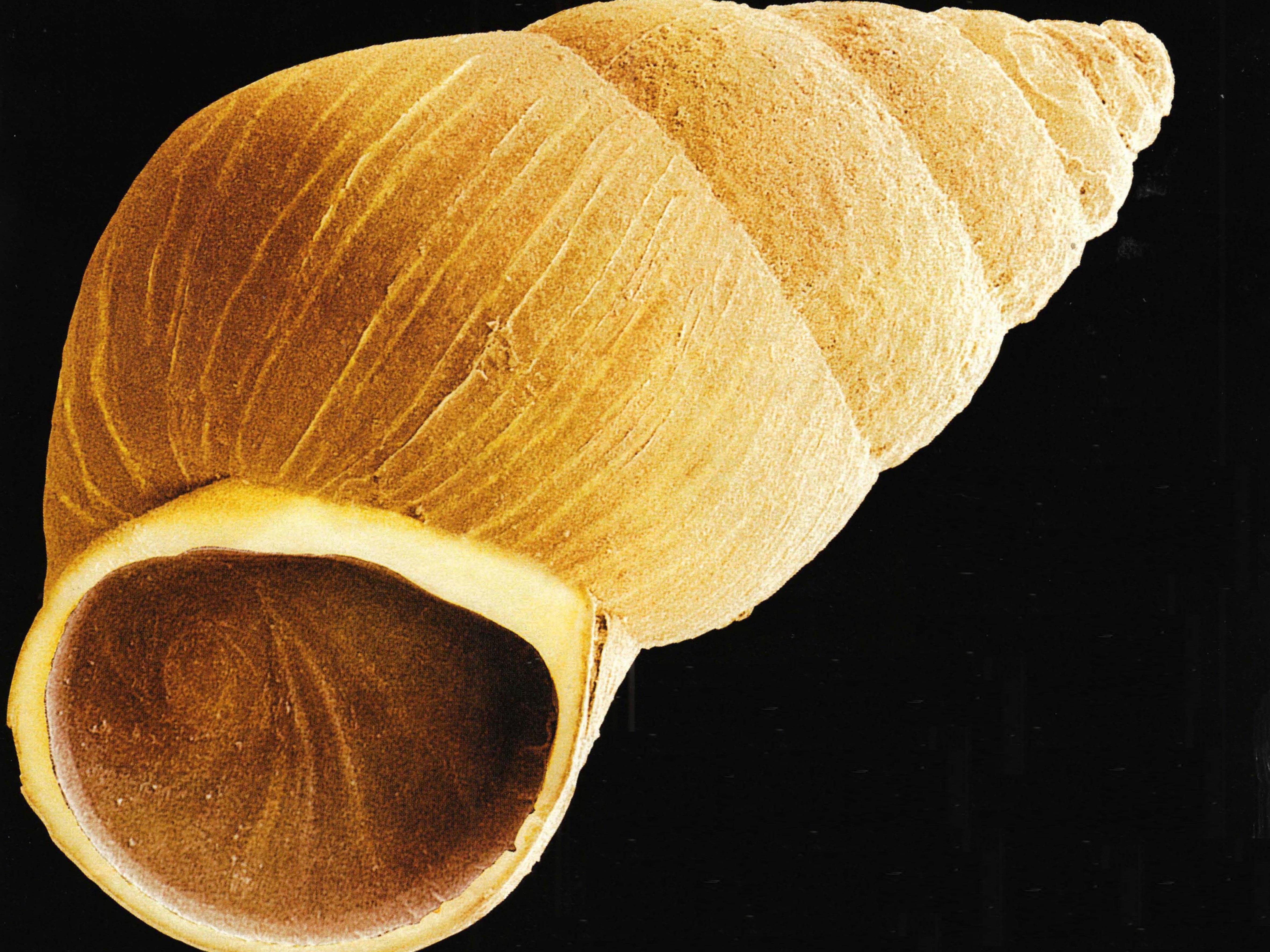
Electron microscopy of the snail Hydrobia ulvae with a sealed entrance to the shell. This small mollusk up to a centimeter long inhabits river mouths and coastal salt marshes. The plug made of hardened secretion reliably protects it from drying out and adverse conditions.
Born to Crawl
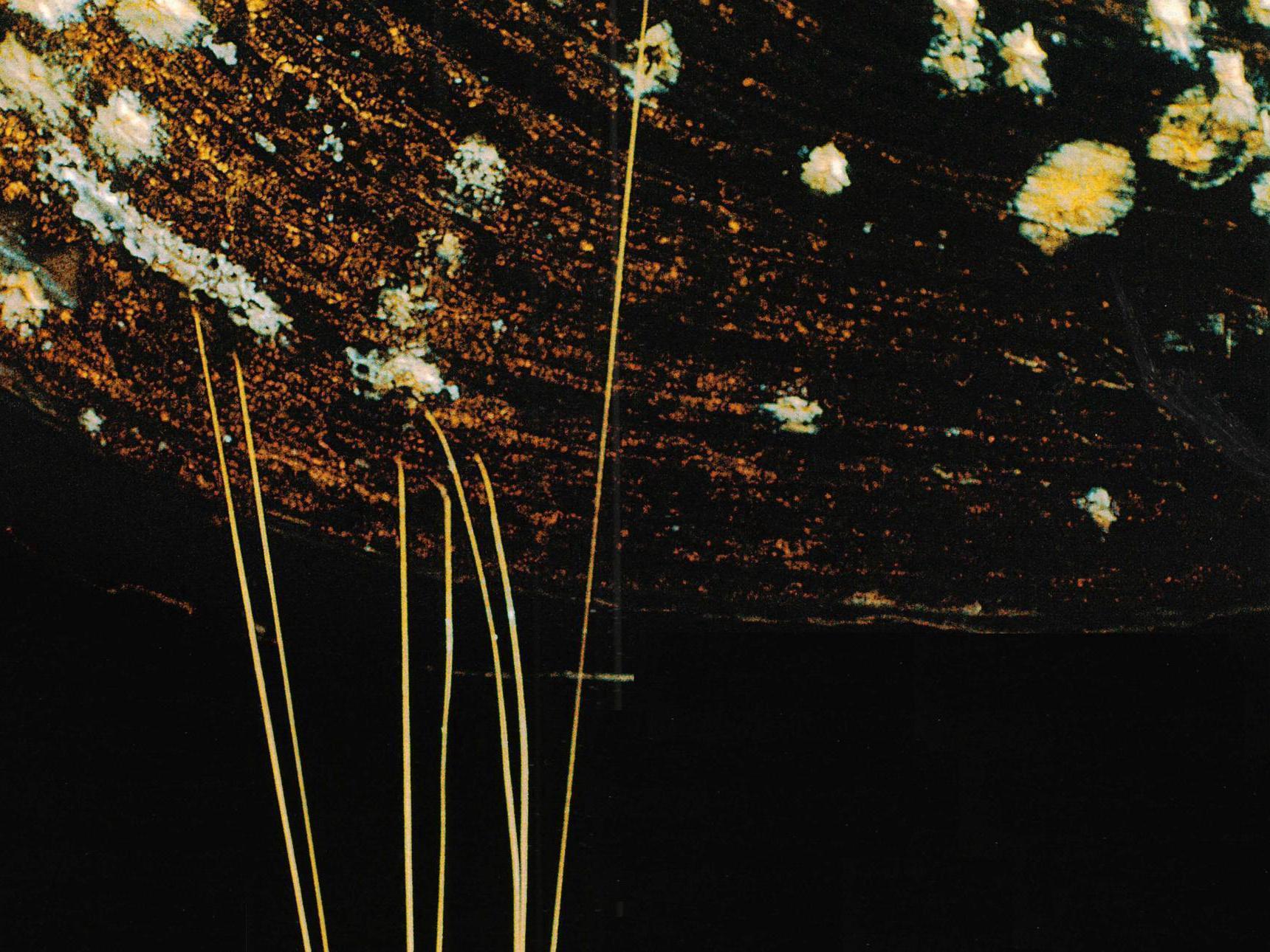
Close-up of the byssus (or «beard») of a mussel (Mytilus galloprovincialis). These strong threads contain a protein glue that firmly attaches the mollusk to the rock. Mussel glue is not afraid of water and is twice as strong as epoxy resins. Based on it, medical adhesives are being developed for bonding tissues and even bones, since the proteins do not cause rejection by the body.
Slugs and snails demonstrate wonders of adhesion, crawling upside down on wet leaves and stones. The secret lies in the mucus secreted by glands on the sole of their «foot». This mucus is a polysaccharide glue of incredible stickiness: it«s hard to pull a snail off a surface, but it itself slides easily, controlling grip with muscles and microscopic hairs on the sole.
Snails also use glue as a protective mechanism. During drought or hibernation, many species seal the entrance to their shell with a «door» made of hardening protein secretion with lime. This plug reliably isolates the mollusk from the external world. When conditions improve, the snail simply eats it and returns to active life.
Family Nest
To secure their offspring, some animals require particularly strong bonds. Butterflies glue eggs to plant leaves, some species of swifts build nests from hardening saliva, and sturgeon fish fix their eggs on bottom stones. In all these cases, special compositions are used that harden after application, creating a reliable bond.
Mussels and Their Superglue
Marine inhabitants are champions at creating strong bonds in an aggressive environment. Their glue must set underwater, so its chemical composition is particularly complex. For example, mussels attach to rocks using byssus—a bundle of strong threads that are secreted by a special gland and harden almost instantly in water.
Mussel byssus is one of the strongest natural glues. It is twice as strong as epoxy resin and does not dissolve in water. This protein composition is now actively studied for creating medical adhesives capable of, for example, bonding bone tissues in conditions of high humidity.