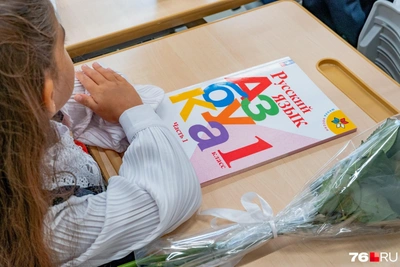
Omsk Teacher Reveals First Grade Requirements
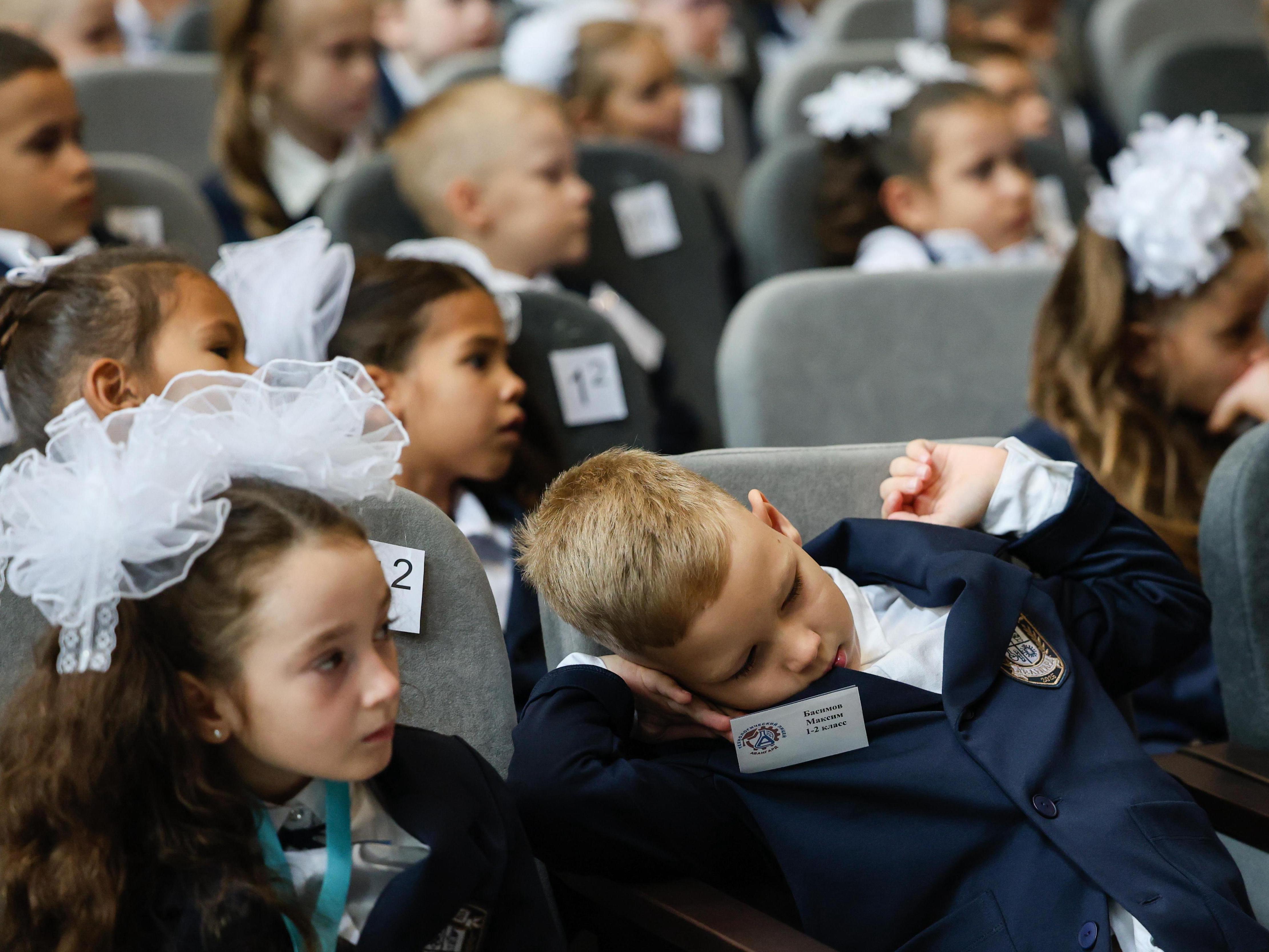

By school age, a child should know basic things—letters, numbers, and traffic rules
Knowing the alphabet, counting to 10, not confusing vowels with consonants, and finding one«s way through school hallways—what else does a future first grader need? Parents often panic: they imagine their child must write without mistakes, solve math problems instantly, and answer confidently at the blackboard. In reality, the requirements are more modest. And the main thing is not to show off knowledge, but to smoothly integrate into a new rhythm.
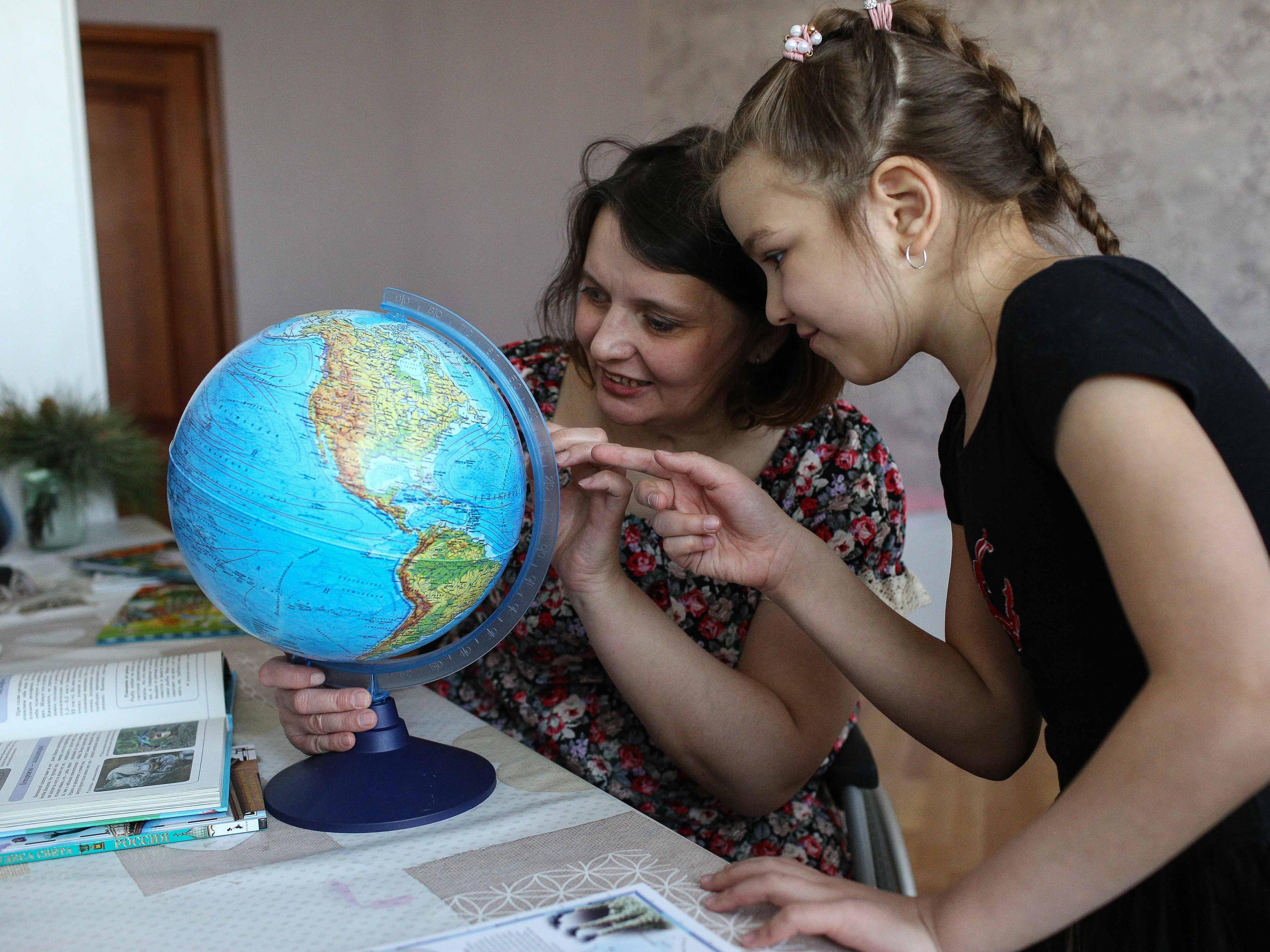
It is important that children find it interesting to explore the world
An NGS55.RU correspondent spoke with Irina Solodkova, an elementary school teacher at Omsk Secondary School No. 30 (BOU g. Omska «SOSH No. 30»), and compiled a realistic list of what will actually be useful for tomorrow«s student.
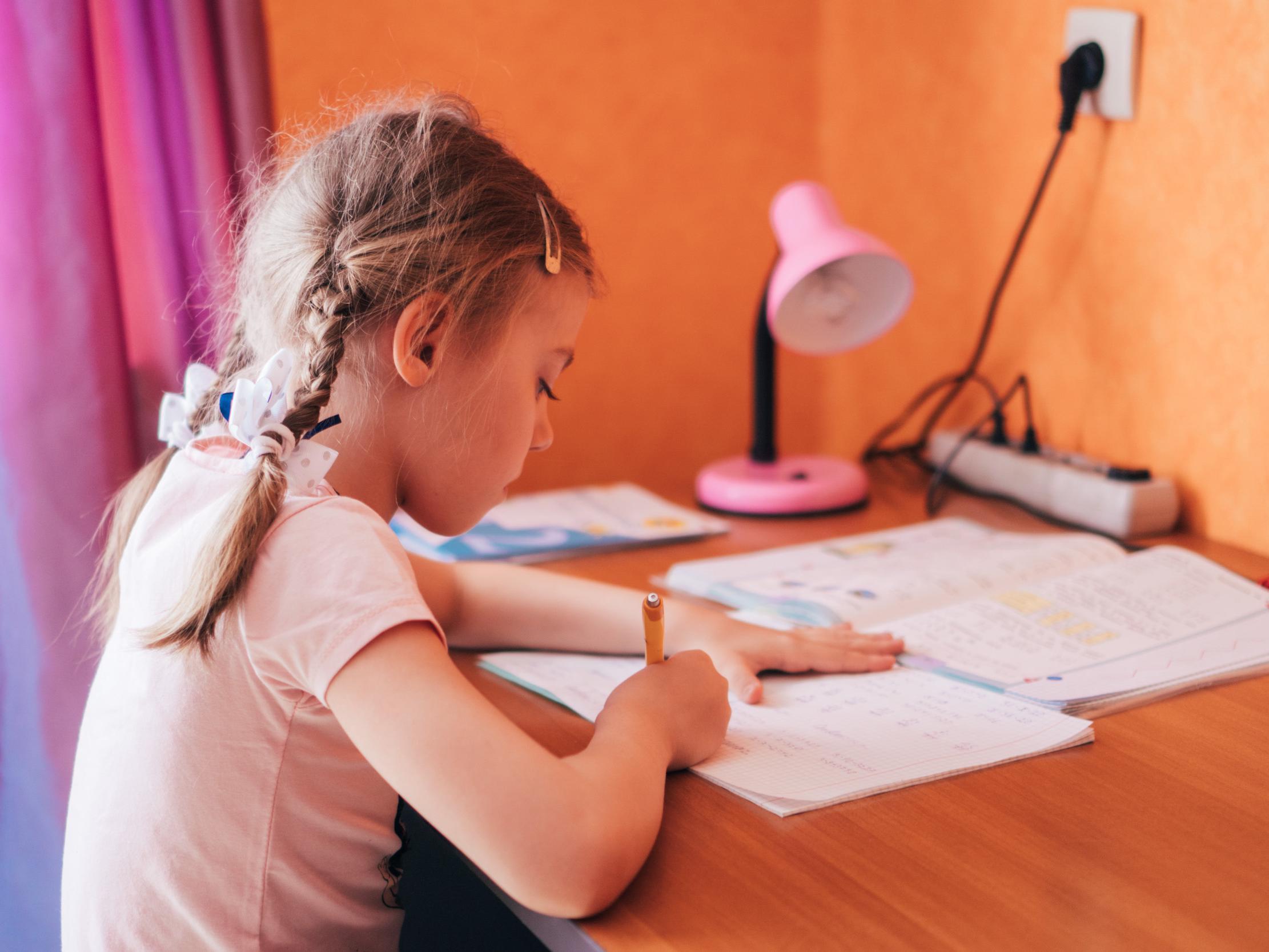
Children will be taught to write correctly at school
What Is Required for First Grade
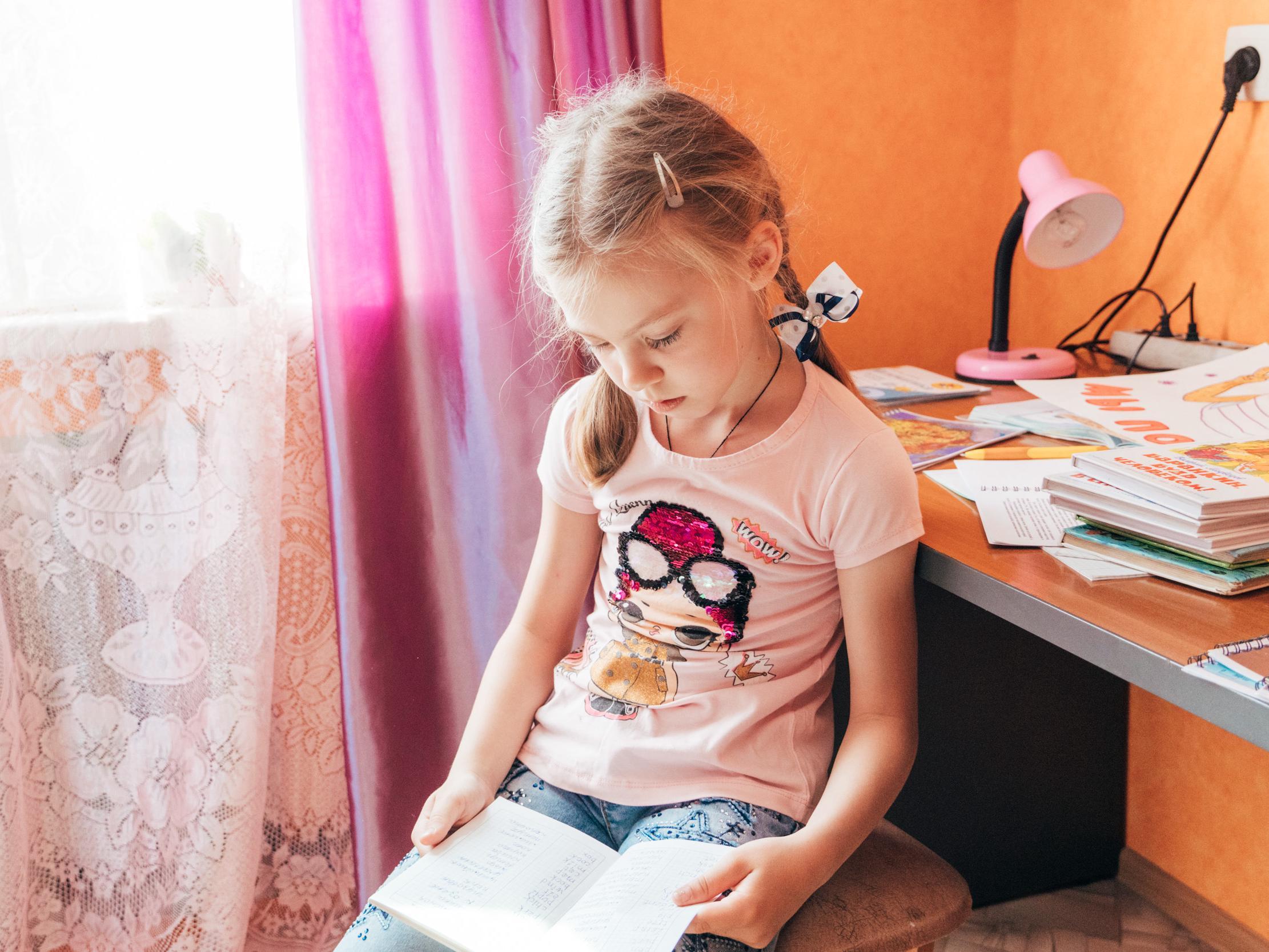
Read books to children at night; information is absorbed faster that way
Parents are not the only ones who worry. Teachers who welcome newcomers are also on edge: the first weeks of school are difficult for both sides. Mothers and fathers worry about whether their child will cope, while teachers wonder whether every student will feel calm and engaged.

Do not try to teach your child to write in your handwriting
«With each passing year, the older and more experienced a teacher becomes, the more this anxiety grows,» shares Irina Solodkova.
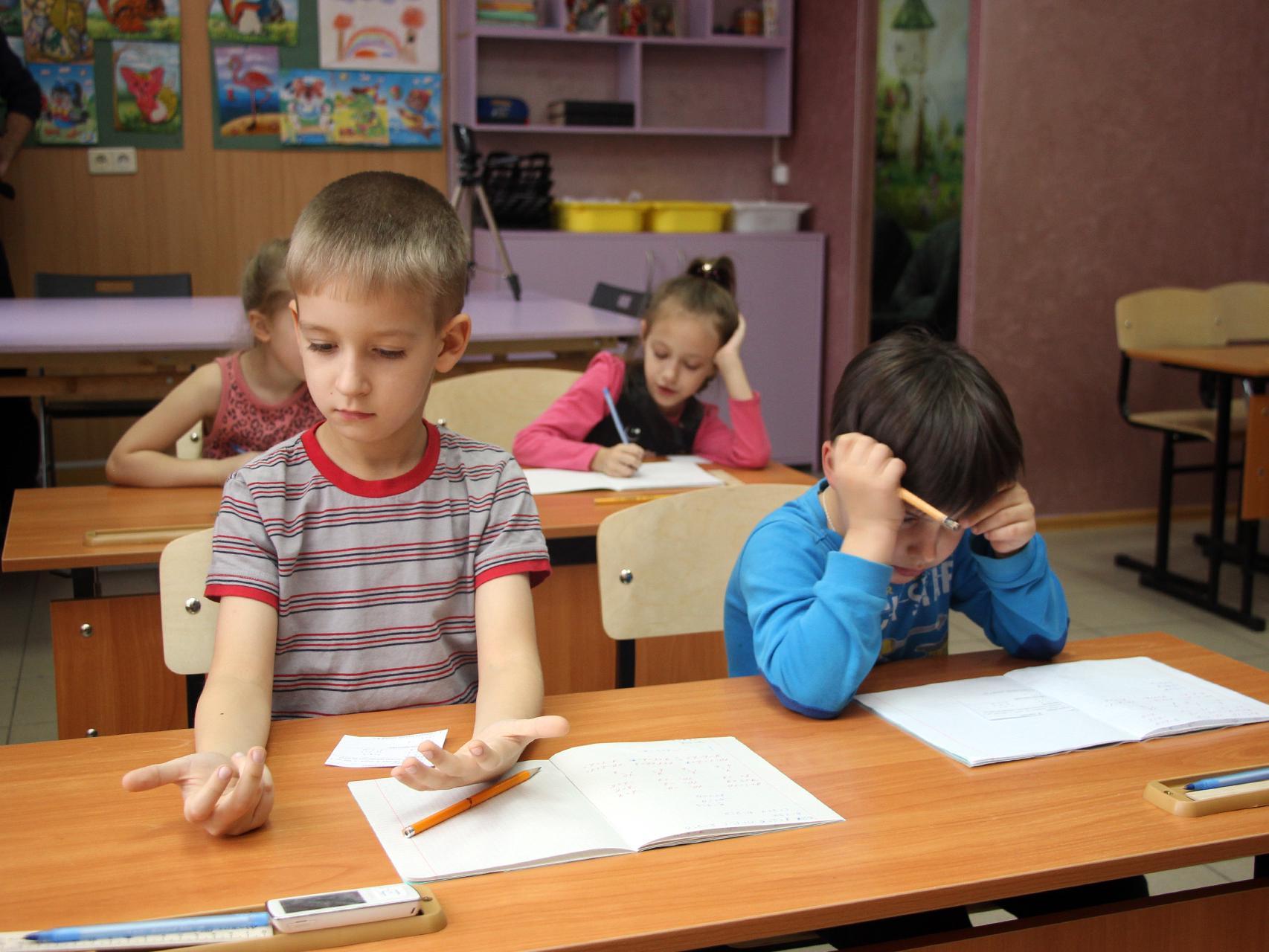
By first grade, a child should be able to count to 10
The main fear among parents is that without reading and cursive writing skills, a child will not be admitted to the classroom. In reality, this is not true. The goal of the first year is not to test knowledge, but to gently immerse the child in learning so that they run to class with enthusiasm.
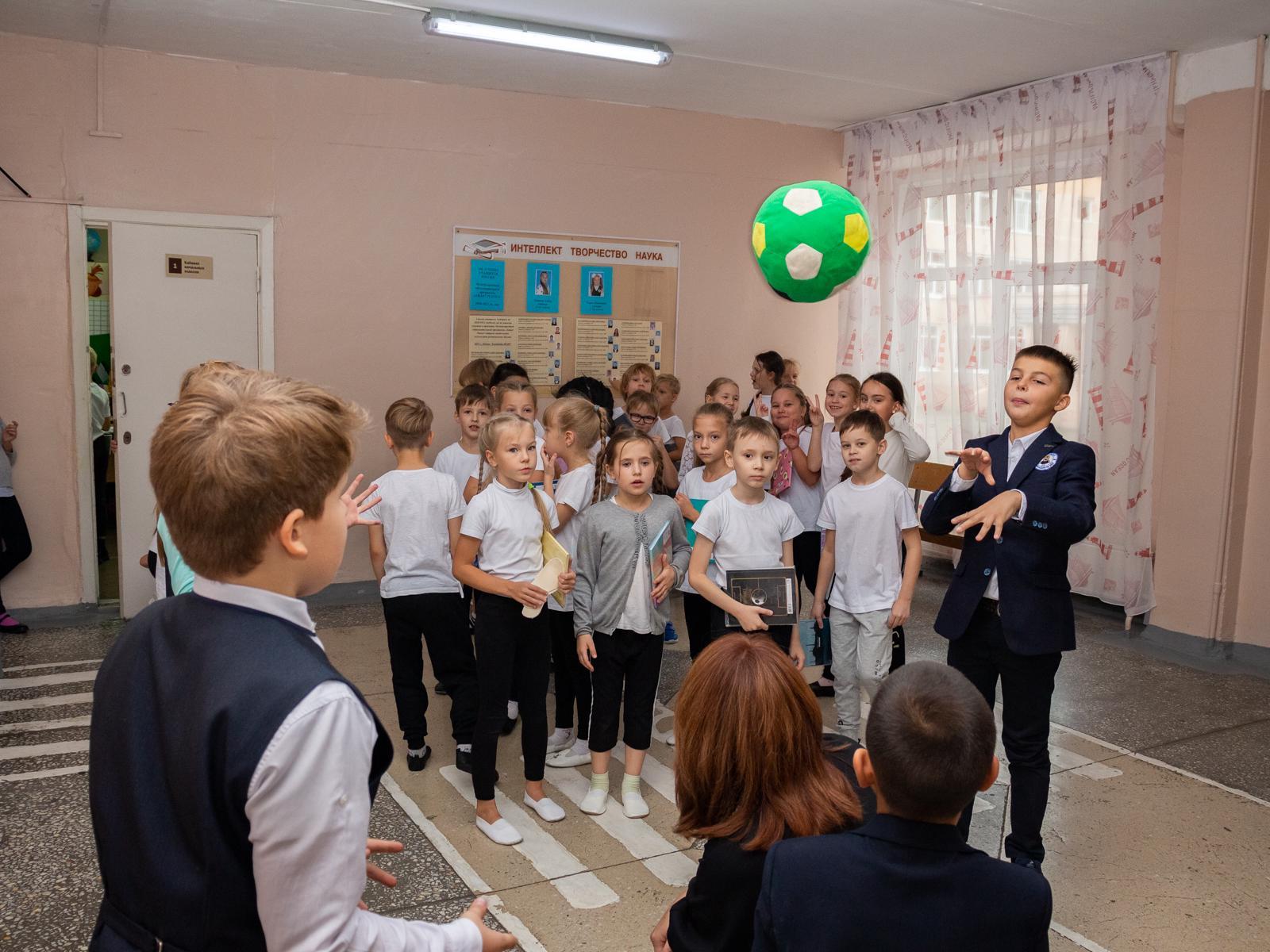
Children can bring toys to school
«We would like to see children who want to learn, who are interested in gaining knowledge, arguing, and expressing themselves—that is what matters. It is important not only to hear but also to listen to teachers and classmates. That is when the learning process becomes interesting,» says the teacher.
According to the teacher, the foundation is laid from birth. The ability to be surprised, ask questions, and make small discoveries—that is the real «baggage» with which a child can comfortably start first grade.
Basic Knowledge
Knowledge is needed not for an admissions committee, but for safety. A first grader must be able to state their address, full name, and, if needed, a few words about their family. At school, this information will be reinforced through games, but the foundation is laid at home.
«At school, a child should develop certain knowledge about the world around them that will genuinely be useful in the first month: what season it is, the days of the week, the names of animals,» emphasizes the specialist.
These things are covered in kindergarten. A child should be able to calmly answer questions about themselves and understand the basics of traffic rules: what is acceptable on the road and what is deadly dangerous. Rules will be studied in depth during lessons, where inspectors are invited to explain complex things in a playful way.
The teacher adds: there is no need to specially memorize traffic rules. A basic understanding of street risks is more important—the rest will be taught at school.
Is It Important to Be Able to Read
The most common parental fear is whether a child needs to read before school. Even if a child has already mastered syllables, mothers and fathers panic: what if, due to different preparation levels, they fall behind their classmates? Irina Solodkova reassures: this skill is not mandatory.
«If a child can read—that is wonderful, but not obligatory. Something else is far more important: the ability to listen and the desire to learn. A child goes to school to learn, and they will study the alphabet.»
At the same time, the role of reading at home remains. Through communication with parents, information is absorbed better, and before bed, a student will remember the last thing their parents read to them and absorb the material more effectively.
«The last thing a child will remember is reading a book. That is how a love for books develops, and that is far more valuable than simply being able to put letters into words.»
What is truly important is speech. By first grade, it is desirable to resolve all issues with a speech therapist. Moreover, the problem is not the pronunciation of individual sounds, but phonemic hearing. If a child confuses similar sounds by ear, this requires correction, and it should not be delayed.
Is It Important to Be Able to Write
There is no need to write letters before school. In first grade, there are workbooks for this: the teacher shows the slant, connections, and height of elements—everything will be taught from scratch.
What is far more important is developed motor skills. And here parents definitely have something to help with.
«Coloring books, building blocks, and modeling clay all contribute to developing a child«s motor skills. The more a child engages in these activities, the better their motor skills develop. And we know that the hand»s grip takes a very long time to form, so your help will be needed here,» advises the teacher.
The most common parental mistake is teaching writing in their own way. Over the years, adults develop an individual handwriting style that is incomprehensible and even harmful to a first grader. It is important not to recall how you were taught 20 years ago, but to follow the rules currently explained at school.
What to Do About Math
«In math, recognizing numbers is important. By this age, children usually already recognize them—especially since they now use various gadgets. It has always been considered the norm to know counting to 10 and backward. That is where math begins—these are basic skills. If a child for some reason still confuses them today, pay attention to this. But do not worry: when the children in class start studying this, they will repeat it again, and the teacher will help,» notes the teacher.
For an easy start, it is enough to solve examples within five and understand what «more» and «less» mean. Everything else—number composition, problems, examples—is mastered during lessons.
With geometric shapes, it is the same story. If a child knows a circle and a square—great, there will be extra interest. But even that is not mandatory: shapes are also covered at school.
Homework
There is no homework in first grade. The entire academic year is dedicated to adaptation.
«There have always been requests to practice, but that is exactly practice, not mandatory assignments. Our task in first grade is to teach a child to follow the requests and requirements of teachers. A whole year is given for this,» explains the teacher.
It is better to teach your child to listen to the teacher. If a child did not manage to do something at home, it is no big deal: during the lesson, they will repeat the material along with everyone else.
«There will be no punishment, but they will feel uncomfortable because other children will receive attention and praise for having listened to the teacher. This is very important: at this age, a child is very sensitive to affection and praise, and they strive and learn for that.»
What to Do About Toys
And another parental fear: what if a child drags toys to class? We will answer right away—it is allowed.
«Let them bring them. There are breaks for that, where children socialize. In first grade, the leading activity—play—still remains. It is gradually replaced by the leading activity—learning—but nevertheless, a child should play and spend breaks usefully,» reassures Irina Solodkova.
A separate topic is routine. By September 1, it is worth establishing it now.
«At 08:00, a child must be ready for classes: not just awake, but ready for lessons. Therefore, following a daily routine should already begin now, in August,» concludes the specialist.