Summer Saving: 7 Tips to Save Without Sacrifice


Summer is the ideal season for a gentle financial reset. Not a strict diet, not tightening belts, but a conscious review of habits. A journalist from 63.RU spoke with an expert, dug through statistics, and found practical ways to save money without feeling deprived. It turns out it«s simple: you don»t need to give up pleasures, but to redirect energy and finances in the right direction.
Why the Wallet Melts Faster Than Ice Cream

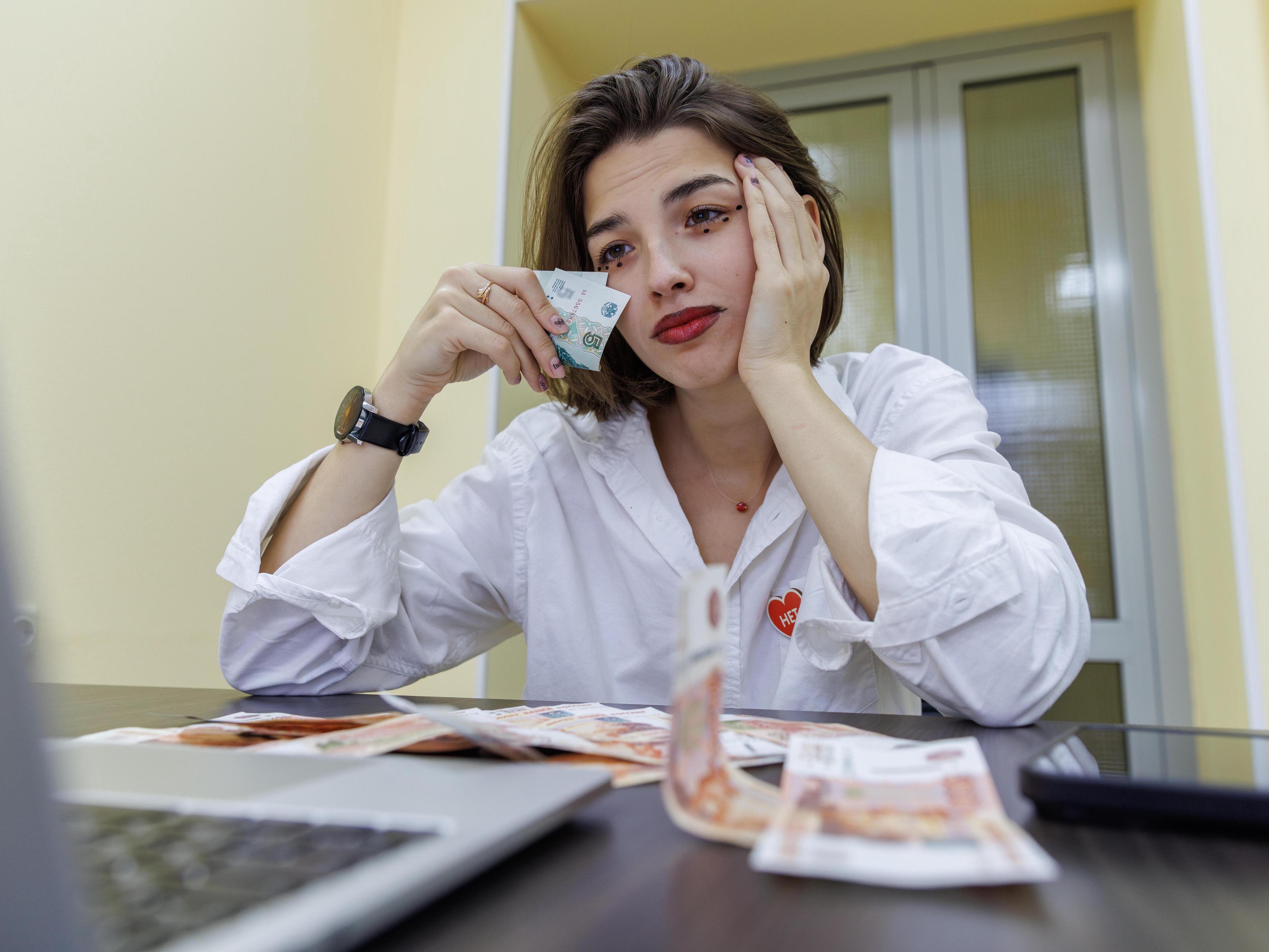
Why does the wallet slim down faster than we do? First, we are attacked by marketing tricks: sales, last-minute tours, discounts on beach accessories. Second, social activity increases: birthdays, picnics, weddings — everyone wants to meet, eat, drink, and give gifts. Third, psychology: in summer we feel freer, we want to pamper ourselves, and rational control weakens.

According to data from the analytics service FinExpertiza for 2025, an average family of three spent 3,500 rubles ($39 at current rates) per month on eating out (cafes, restaurants, food delivery). A year earlier, that amount was noticeably smaller — 2,700 rubles ($30 at current rates). That is, expenses grew by about 27% over the year.
A real example: Olga from Samara told us that in June she spent 15,000 rubles ($167 at current rates) on ready-made food delivery and coffee to go.
«I was tired and didn»t want to cook, but then I calculated and got scared. For that money, I could have bought a spa membership for the whole summer,« she admits.
And there are thousands of such stories.
To avoid ending the summer with the feeling that «the money evaporated,» you don«t need to lock yourself at home. You just need to switch on mindfulness mode.
Summer Financial Detox
Ellie Dolganova, director of social project development at Rosgosstrakh Life Insurance Company, suggests viewing summer savings not as a restriction, but as an experiment with a pleasant result.
«The point is not to forbid yourself everything,» she says. «It»s to eliminate invisible leaks and redirect money to what truly brings joy. And in three months, a habit can be cemented for good.«
Step One: Asceticism in Numbers, Freedom in Thoughts
Start with the most boring but important thing — tracking expenses. Don«t be scared, it»s not about a «penny notebook.» Download an app that automatically categorizes purchases. Within a week, you«ll be horrified to see how much goes to »random« chips, taxis instead of trams, and yet another unnecessary swimsuit.
Next — introduce a rule: one pleasure a day in exchange for one spontaneous purchase. Want breakfast at a coffee shop? Go ahead. But then don«t buy that cute vase on the marketplace today. That way you don»t feel deprived, but simply choose something more pleasant.
«Summer financial detox is not a hunger strike. It»s about balance. Replace taxis with a bicycle, coffee with homemade lemonade, and evening fireworks with a walk by the river. The taste of summer won«t change, but your bank balance will change for the better,» explains Dolganova.
Step Two: The 24-Hour Rule for Purchases Over 2,000 Rubles ($22 at current rates)
Don«t fight spending, fight impulsiveness. See a dress, hammock, or portable speaker? Take a deep breath and put it in the cart for 24 hours. According to statistics, 70% of such purchases cease to seem vitally necessary after a day. During that time, you»ll find the item cheaper from competitors or simply realize you don«t need it.
Step Three: Automate Savings
Set up an automatic deduction of 5–10% of your salary to a separate account. Also transfer there your card cashback and the amounts you «earned» through summer activities (more on that below). That way, you«ll save without even noticing it.
A Marathon of Movement and Summer Activities
This is the most lively and engaging part of the plan recommended by our expert. Turn two or three summer months into a challenge. For example, after each pleasant activity, you send a fixed amount to your piggy bank. You get a double dose of dopamine: from both the walk and the money transferred.
Woke up early and walked to the embankment? +300 rubles ($3 at current rates) to the piggy bank;
replaced an hour on the phone with a book in the shade of trees? +200 rubles ($2);
found the perfect swimming spot? Boldly add 500 rubles ($6);
instead of delivery, made a salad from seasonal vegetables? Savings of 300–500 rubles ($3–$6).
Let«s calculate. An average lunch delivery costs 800–1,000 rubles ($9–$11 at current rates). Over three months, that»s 48,000 to 90,000 rubles ($533–$1,000 at current rates). But if you make cold gazpacho (blended in 3 minutes) or zucchini spaghetti, you«ll save both time and money, and still get +200 rubles ($2) to the piggy bank for the activity.
Ellie Dolganova suggests going even further and organizing competitions with friends. Who walks more in a week or cycles farther. Each participant puts in 500 rubles ($6 at current rates), and the winner takes the whole pot. Isn«t that great: you move, socialize, and save!
Culinary Season: Summer on a Plate
The tastiest item on our plan. In summer, markets are bursting with seasonal vegetables and fruits. They are cheaper and healthier. According to analysts, prices for tomatoes, cucumbers, and berries drop by 30–40% during the season. That«s a reason not only to eat well but also to save money.
Each day, buy one seasonal product and find a quick recipe for it. Zucchini noodles, berry smoothies, tomato soup, roasted bell peppers — it«s simple, fast, and cheap. And closer to autumn, mushrooms come into play: quiet hunting (for mushrooms) will give you not only emotions but also supplies for winter. For each such »catch,« boldly put 300–500 rubles ($3–$6 at current rates) into your piggy bank.
How to Stay on Track?
Any change in habits is a marathon, not a sprint. The expert advises making a visual calendar of emotions to avoid quitting in the second week. Each day, stick a sticker or circle: green — the day was productive, yellow — there were slip-ups but you«re holding on. The main thing is regularity.
If 300–500 rubles ($3–$6 at current rates) per activity seems like a large amount, set aside 100 rubles ($1) instead. In a month, you«ll be surprised how quickly you get used to it and how pleasant it is to see the growing balance in your account.
«In autumn, many people pull out their credit cards and try to remember where the money went. But you will open the banking app and see the accumulated amount that was gathered thanks to an active lifestyle and positive emotions,» summarizes Ellie Dolganova.
Summer Is Not the Enemy of Your Wallet
Summer is not the enemy of your wallet. It«s simply a time when you can practice a new financial habit in the most enjoyable format. You don»t need to clamp yourself in a vise and give up meetings with friends. You just need to slightly reconsider your daily choices.
«Replace taxis with a walk, delivery with cooking from seasonal products, impulsive purchases with conscious decisions. And every time you choose in favor of health and reason, reward yourself with a ruble sent to the piggy bank,» advises the expert.
Over the 90 days of summer, you will not only rest and gather impressions, but also be able to surprise yourself with a pleasant amount in your account. And that, you«ll agree, is much better than the autumn surprise of a credit card and the question: »Lord, where did I spend all the money?«