Fashion Bankruptcy Trend Engulfs Arkhangelsk Clothing Market
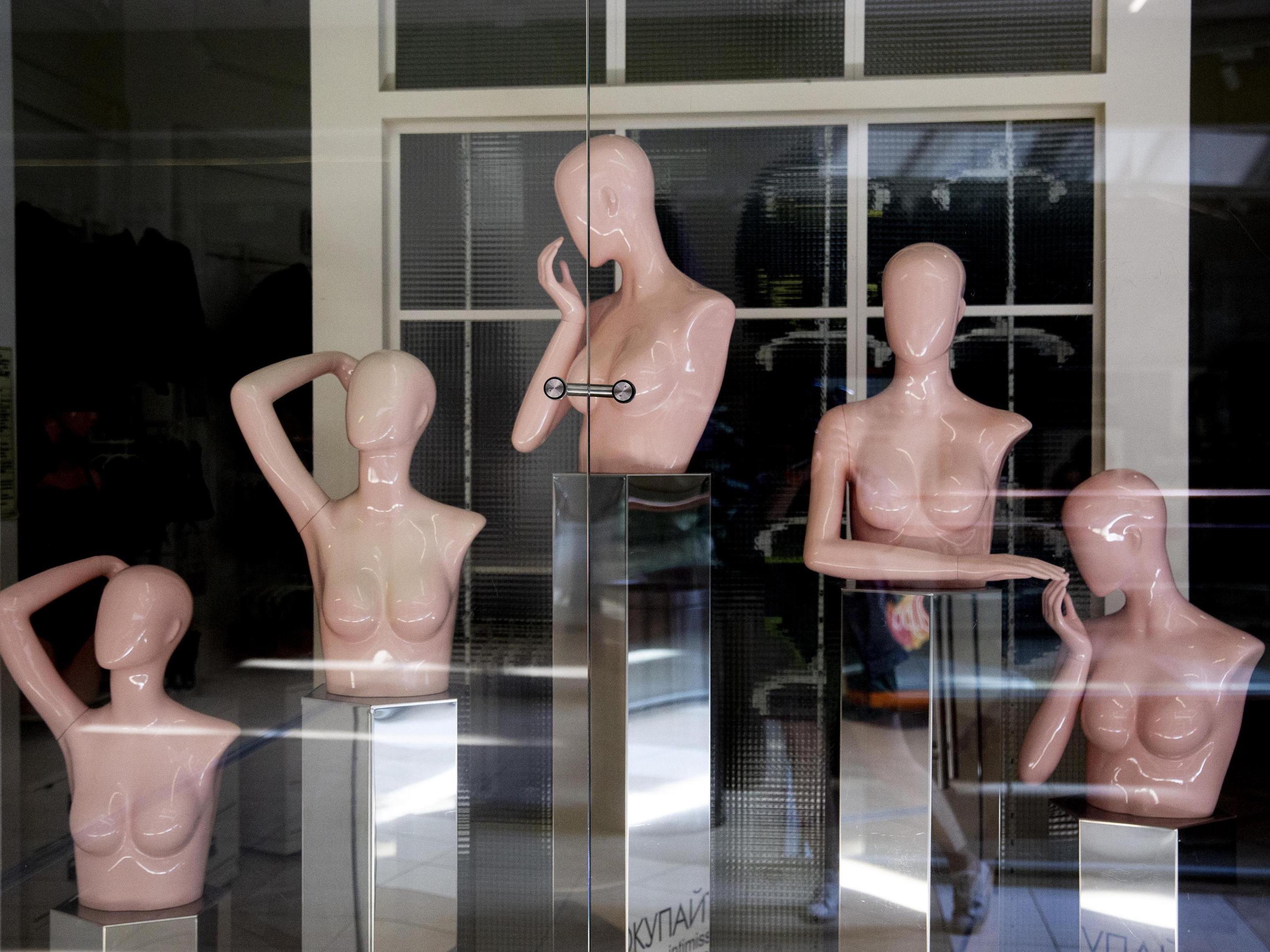

Clothing manufacturers and sellers in Russia have grown accustomed to boasting growth figures — in rubles, in square meters, in the number of store openings. But in reality, it all turned out to be a fiction: every third brand in the mass segment ended last year in the red, while the premium segment collapsed entirely — there, every second business is now unprofitable.
The clothing, footwear, and accessories market in Russia shrank by five percent over the year. Moreover, for the first time in many years, it wasn«t small semi-artisanal workshops that fell into the red, but market leaders: the chain Tvoy, the brand Oodji, and retailer Zenden.
An industry that just yesterday celebrated the departure of Western giants as a «window of opportunity» is now burying its own children — and doing so methodically, store by store. Details in MSK1.RU«s report.
Numbers That Make You Want to Look Away
At the request of MSK1.RU, the market situation was analyzed by Sofia Bergman, founder of the communications agency Be Famous PR. According to her calculations, in the first half of 2026, 39 brands were forced to revise their offline presence strategies: a third reduced their retail networks, another third completely liquidated their physical stores.
«The Clothing 3000 chain (Modis) has shrunk from 120 to 31 stores and is in bankruptcy proceedings, while Zenden has faced tax claims of 24 billion rubles ($240 million at current rates),» says Bergman.
Since the beginning of 2026, 11 brands have completely closed their retail operations (a year ago, 20 domestic players left the market). As a result, the share of unprofitable clothing chains in the country has almost doubled — from 18% to 34%.
The main pressure on businesses today comes from rising taxes, expensive rent, and complex logistics, says Bergman. On the other hand, the market is hit by a sharp decline in citizens« purchasing power.
Clothing sales in 2025 fell 8–10% compared to 2024 levels. At the same time, in monetary terms, the market nominally grew by 6%. This means that due to inflation, consumers are paying more but taking home fewer items, says Bergman. In the regions, due to lower income levels, this trend is felt even more acutely than in the capital.
In these conditions, the pricing of many local brands has, so to speak, clashed with buyers« capabilities. A price tag of 24,000–40,000 rubles ($240–$400 at current rates) for a dress by a Russian designer makes the audience at least stop and think.
«After all, this price is not always backed by the quality of the material, and in terms of design, the market has been offering essentially variations on the same themes from Western collections for the past few years,» says Sofia Bergman.
Blame the «Ducks from Patriks»
Clothing designer and head of production for the brand AltraNatura, Artur Nakhapetov, does not mince words with his diagnosis. He attributes the causes of the market collapse to four points: the avalanche-like emergence of small and random brands, a sharp drop in purchasing power, fierce competition from Kyrgyzstan and China in the economy segment. And, of course, marketplaces with their, in Nakhapetov«s words, »suffocating policy of imposing discounts«.
According to the expert, after the departure of large Western players, everyone rushed into the industry — «bloggers, psychologists, doctors, even security officials.» People who suddenly decided that making clothes was easy and fashionable.
«Thousands of brands, workshops, salons, and so on have opened. At the same time, the population»s ability to pay has gone down. Thus, a sharp oversupply of products occurred in the market,« says Nakhapetov.
However, many «couture stars» refused to produce economy-class clothing, and manufacturers from Kyrgyzstan and Uzbekistan quickly took advantage of this, simply being ready to work in that field.
Nakhapetov also took aim at pseudo-designers without their own style and identity:
«Everyone just copies each other, there is no brand that stands out in style and recognizability. There is no individuality now. I»ve had many visits from «ducks from Patriks» (a slang term for wealthy Moscow socialites from the Patriarch«s Ponds area) who call themselves couturiers and shout that they have their own brand. And they just show me photos from the internet and ask me to sew that item, but with their label. That»s the kind of «couturiers» that are now closing in droves,« the designer relates.
In his opinion, the most flexible and professional companies will survive in the current situation.
Read also
In Arkhangelsk, the shopping center «Alexander» at 16 Ioanna Kronshtadtskogo Street has closed. It is impossible to enter the building through the main entrance, and notices on the doors say that the stores have moved.
There have been other cases: Sportmaster closed in the Europark shopping center — even large federal chains are leaving. In Severodvinsk, an entire shopping center will be closed. At the same time, statistics show that the number of enterprises is growing. Small and medium-sized businesses in the region are supported in various ways.
Food prices in the Arkhangelsk region are rising, which is expected but obviously unpleasant. Many things have to be saved on, especially by pensioners.
By the way, cod liver has recently become more expensive in the city. But this did not affect all stores — check the prices.
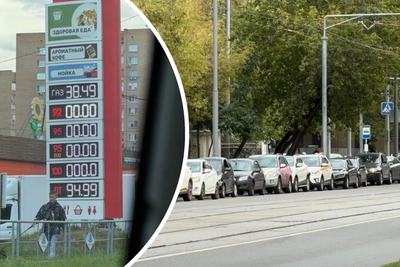
We are also monitoring the fuel situation in the region: in recent weeks, drivers have been standing in long queues for fuel, and in some places there is none at all. High prices have been noticed at gas stations in Pinezhye, Onega, Arkhangelsk, and also in the Leshukonsky district (where gasoline is the most expensive — 150 rubles per liter, about $1.50 at current rates). Find details in our separate report.