Young Samara Residents Defy Parents to Enter SGIK

The admission campaign for higher education institutions is in full swing, and at creative universities this means entrance exams. We visited the Samara State Institute of Culture (SGIK) to see what young people dreaming of becoming actors, artists, and musicians go through. There was everything: unusual requests from the commission, songs and dances, laughter and tears…
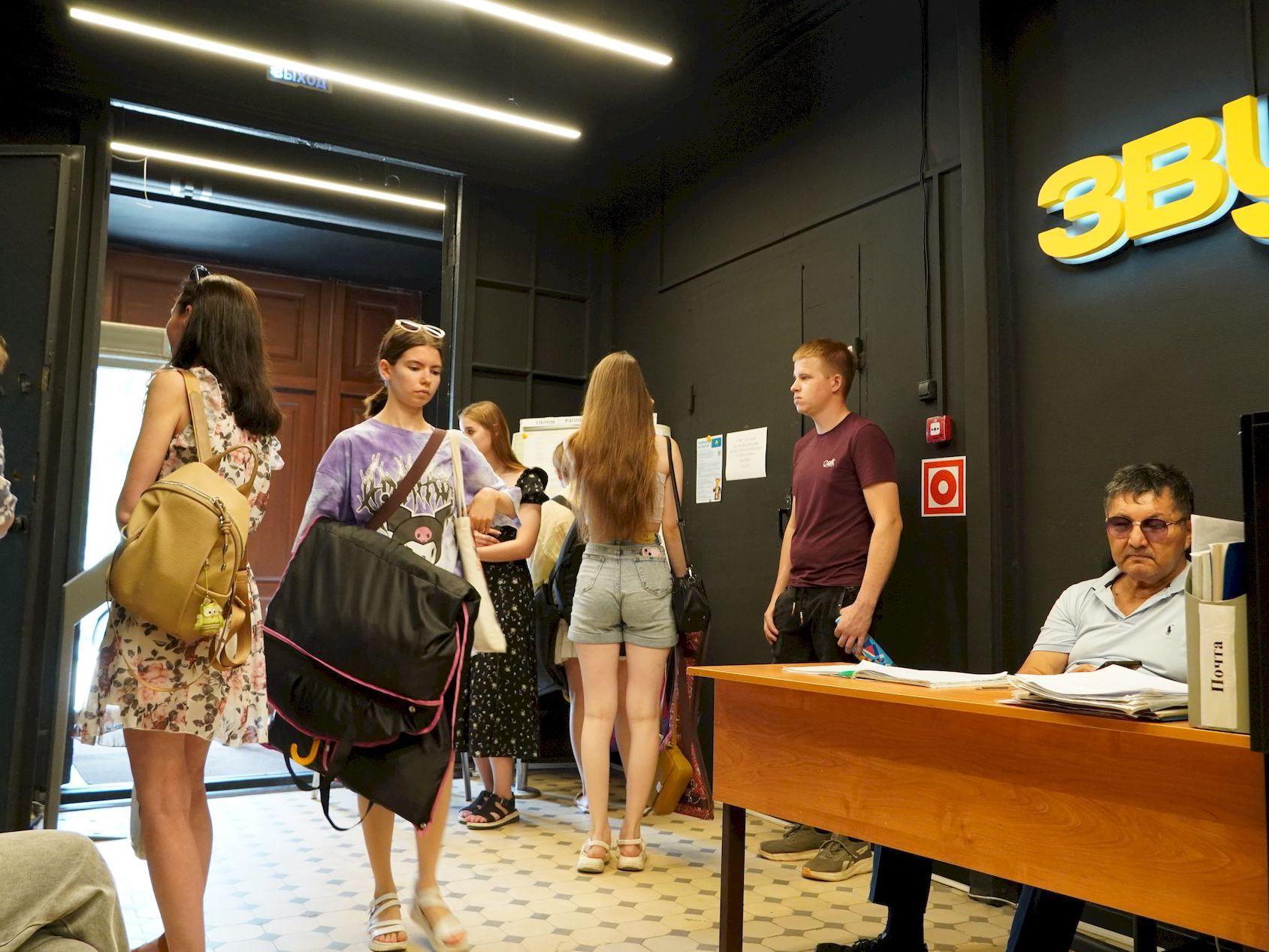
«My parents were against it, but I didn»t really ask them«
In the institute«s inner courtyard, silence and tranquility reign. From a window, piano sounds flow, accompanied by singing birds.
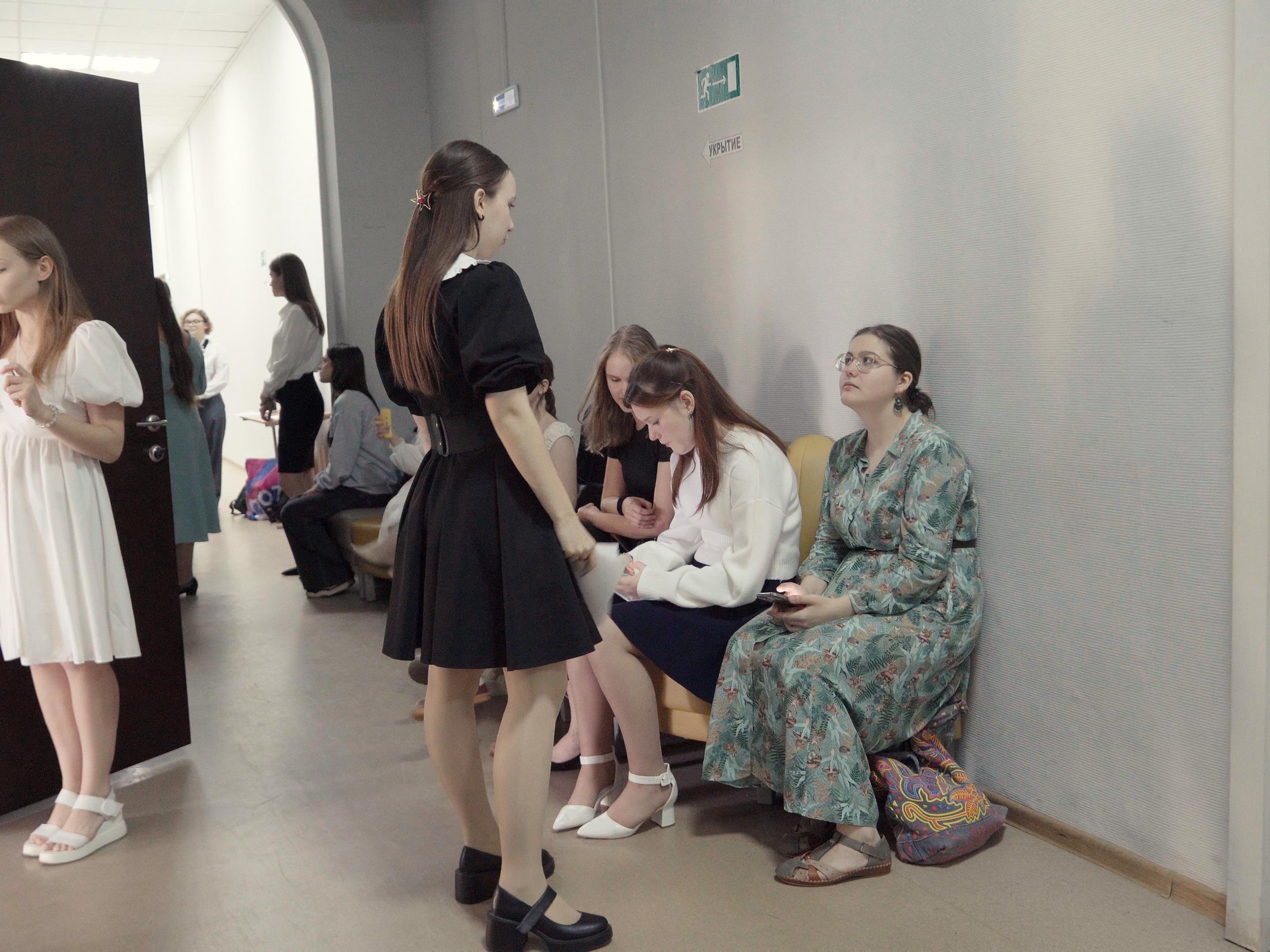
Inside, however, it is not so blissful and calm: everything hums like a beehive. This is where applicants for the acting program are preparing to show themselves.
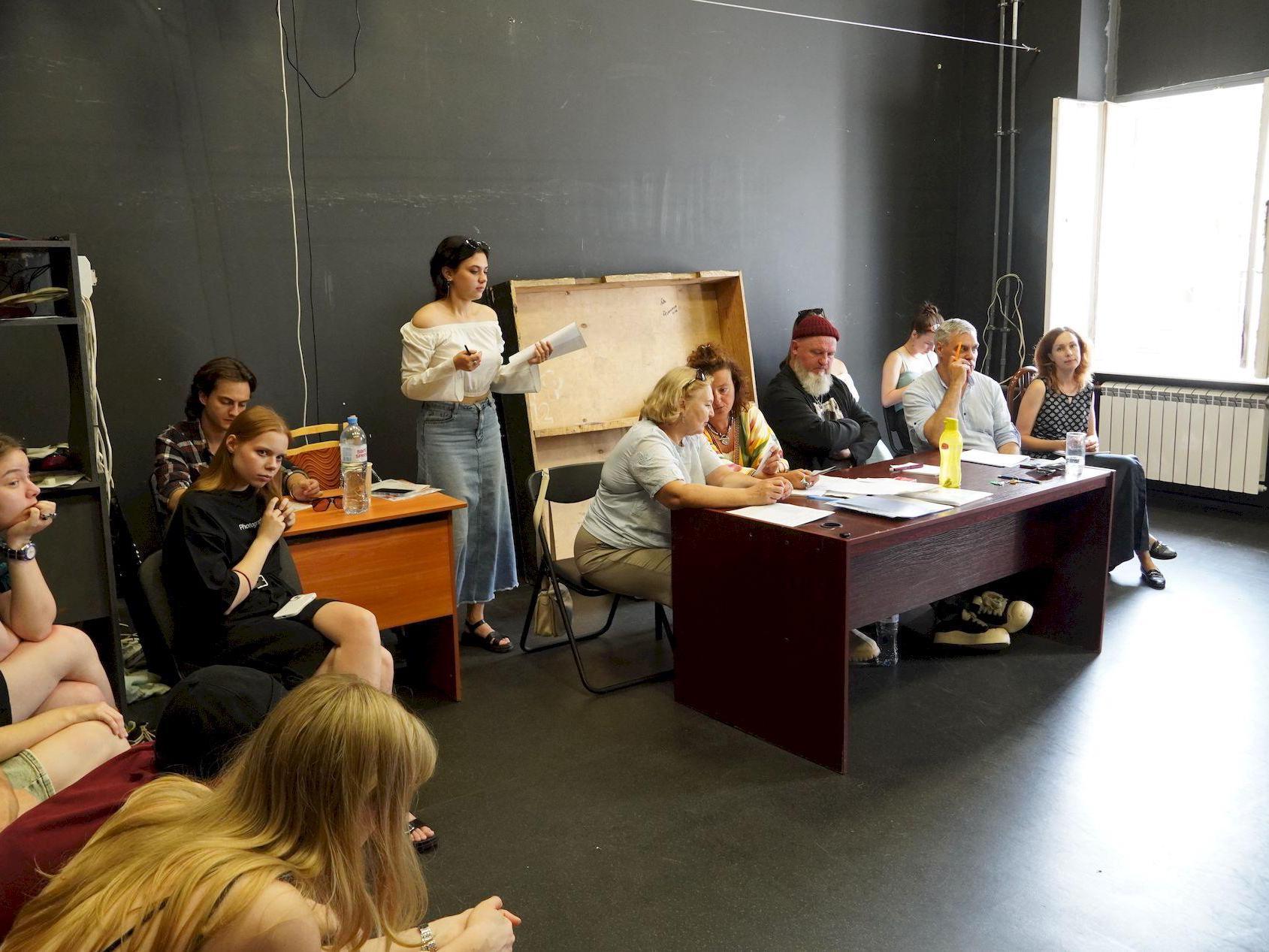
— The admissions process is fun, interesting, exciting, and difficult. Future students come into the classroom in groups of five, and then the magic begins. We tell fables, poems, prose, dance and sing. Then from this, the teachers, the commission, and others select the best. We evaluate everything: appearance, charisma, talent, stage presence, vocal abilities, energy, — describes the process Tatiana Naumova, senior lecturer at SGIK and actress at the SamArt theater.
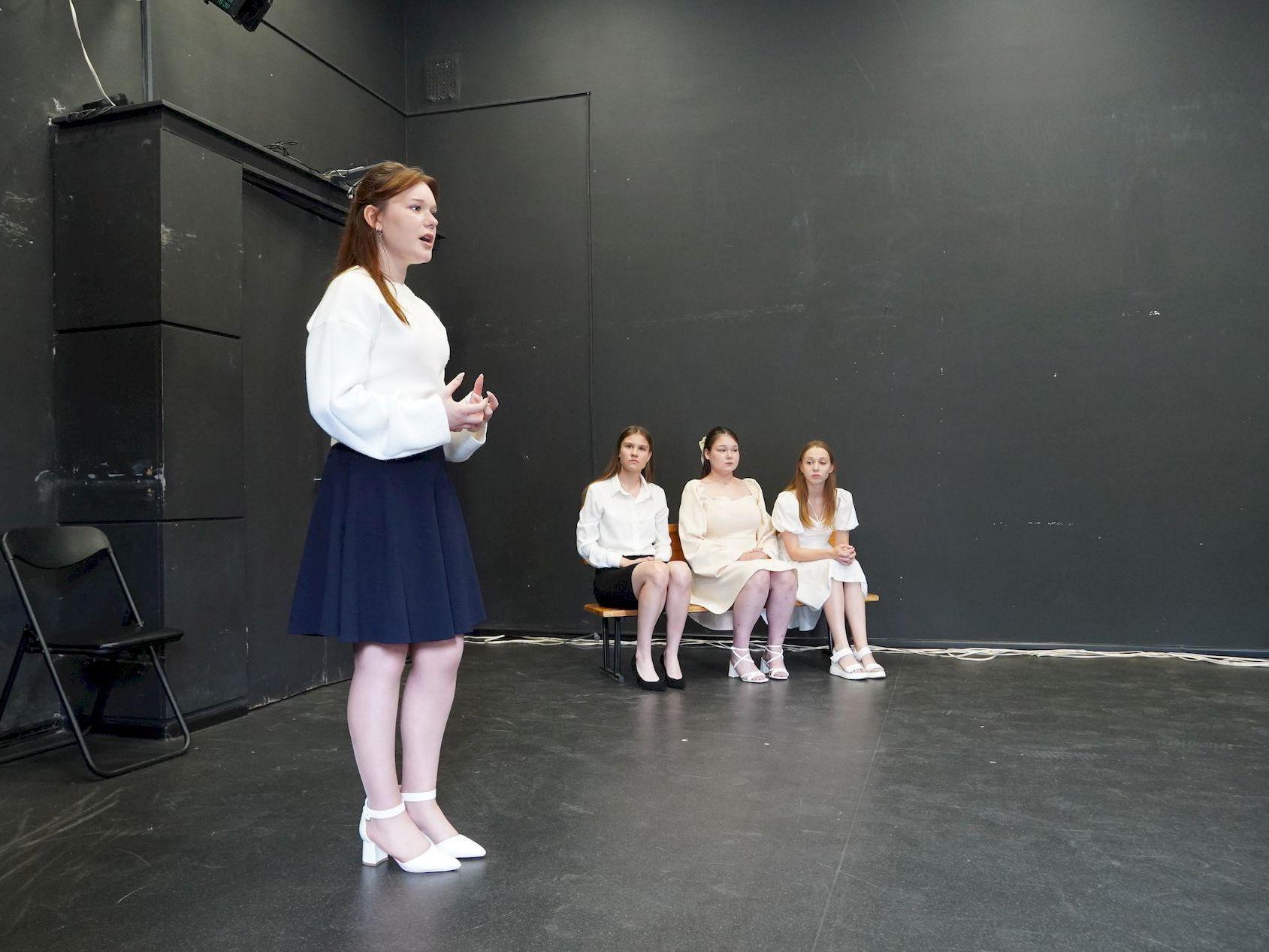
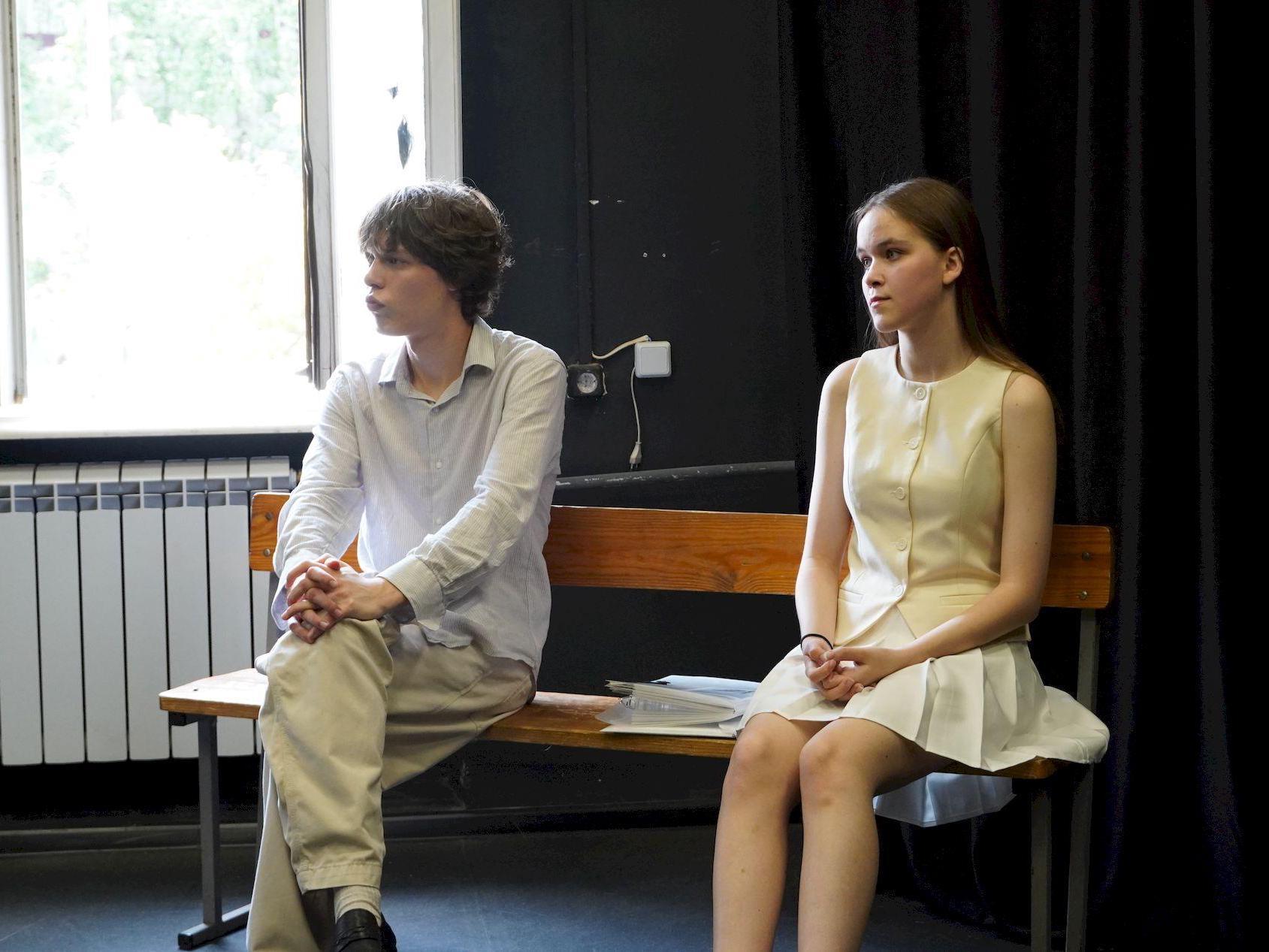
While waiting for their performance, applicants rehearse their prepared pieces in front of each other. These beautiful, dressed-up young people have been nurturing the dream of shining on the big stage for years.
— In the early grades, I accidentally ended up in a theater studio, and I never left, — says Alexandra Klyuchagina. — My parents objected to my applying to theater school, but I honestly didn«t really ask them. It just happened somehow, and they silently agreed.
A young man named Roman claims he wanted to become an actor as soon as he was born. He has loved theater and the stage since childhood:
— I like, you know, coming up with characters, developing them, and writing scripts.
At age 14, Roman joined the team of Samara director Igor Katasonov and spent three years there. Together, the guys performed at festivals and showed themselves in private theaters.
— In one play, I played both the father and the son simultaneously. It was very interesting because they are completely different, and I had to switch between different personas right during the performance. I also played a guy who is, well, basically bullied — to put it bluntly. That wasn«t great because my type is completely different. But it also builds professionalism. You learn to step out of your comfort zone, to play against type, — Roman says.
To win over the admissions committee, the young man prepared a foolproof package: ease, confidence, improvisation. The possibility of failure does not frighten him. After all, according to Roman, failure is also experience, and any experience is useful.
Alexandra Klyuchagina, without false modesty, tells us: she is confident in success. She has experience and knows her strengths and weaknesses.
— I«m definitely not a heroine. I won»t play that sweet little girl for you. My typical casting is mother, grandmother, some villainess. But it«s still interesting to play — whether it»s a heroine or a grandmother. What«s the difference? You still have to know how to play a grandmother, — Alexandra declares importantly.
Many kids have acting experience, but they believe that a self-taught person also has a chance to get into a theater institute. For example, three friends — Alevtina Gracheva, Arina Shubanova, and Olya Savchenko — say that the main thing is talent, one«s own organic nature, and sincerity. But what is this talent and where do you get it…
— I think you«re born with it, — says Alevtina.
— I think it«s developed, — disagrees Olga.
— Yes, you can certainly learn it, but there must be some rudiments. As we were told, the «Three Ts»: creativity, talent, hard work, — summed up Arina.
In their dreams, the girls see themselves as classic female characters from Russian literature: Natasha Rostova, Turgenev«s Asya…
— I would like to play a doctor, I think. I watched medical series my whole childhood and I think I would do well, — Alevtina said.
— An evil saleswoman. With long nails and eyelashes like this — Olga dreamed. — And a gangster«s wife.
— Also, I would like to play a temperamental heroine, maybe a femme fatale, because I don«t behave like that in life, but I would be interested to try living through it all, — Arina admitted.
This is exactly what acting applicants find interesting — analyzing a role, the psychology of a character, why this character behaves this way. At the same time, the friends believe that fame is secondary. According to the girls, every person who goes into this profession goes not for fame, but for the theater.
A Moroccan plays an Estonian, a kite yells at builders
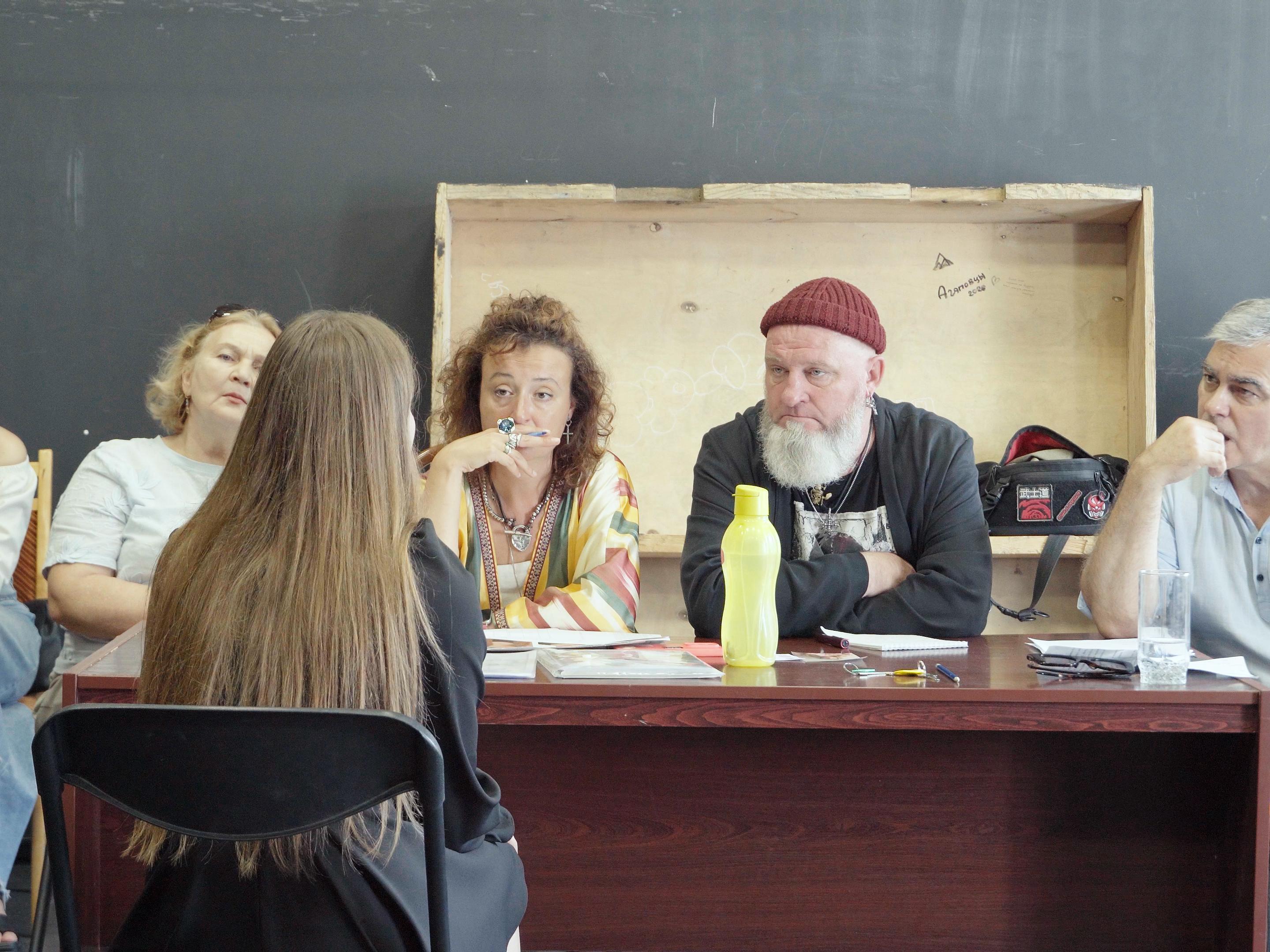
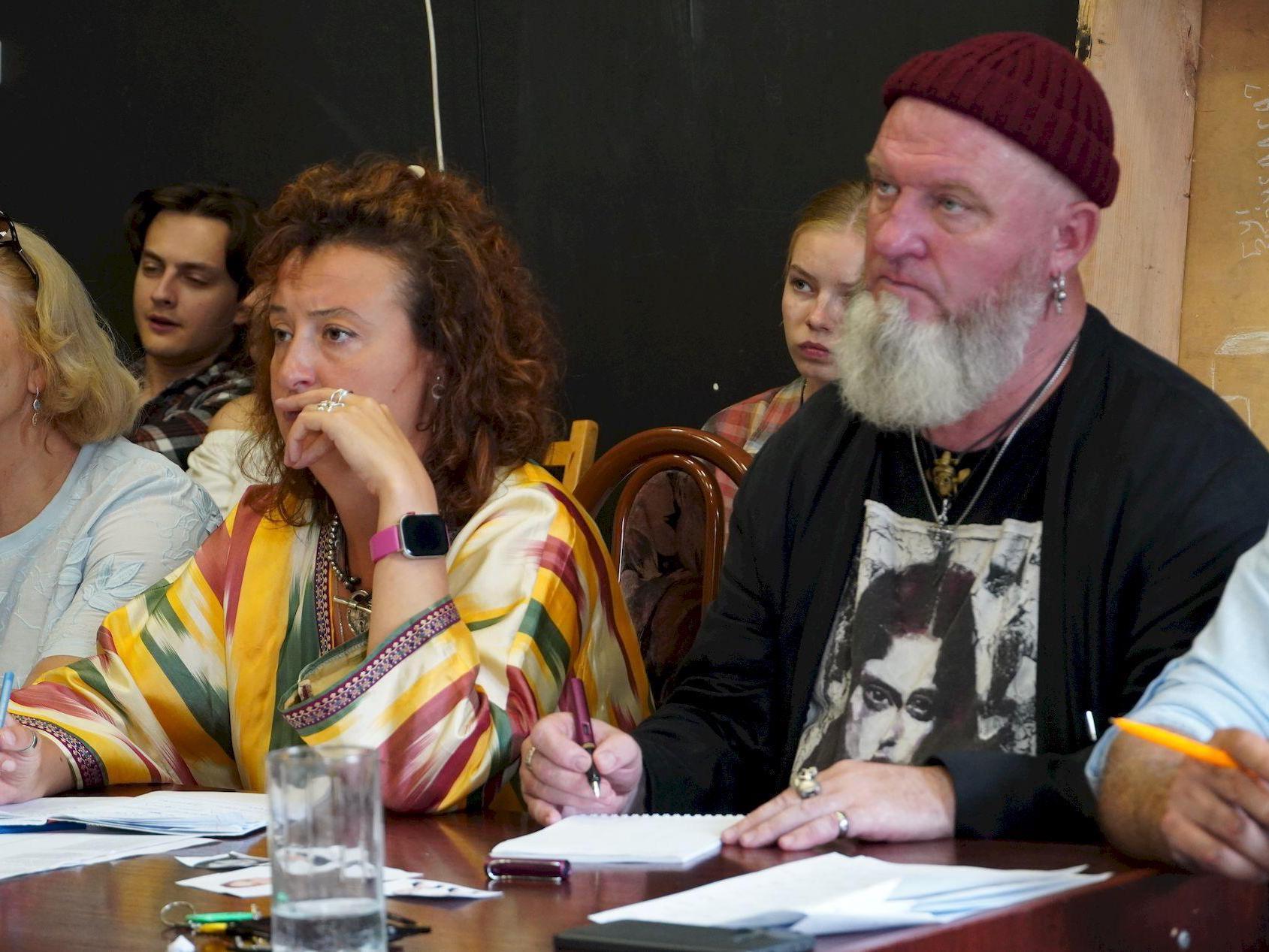
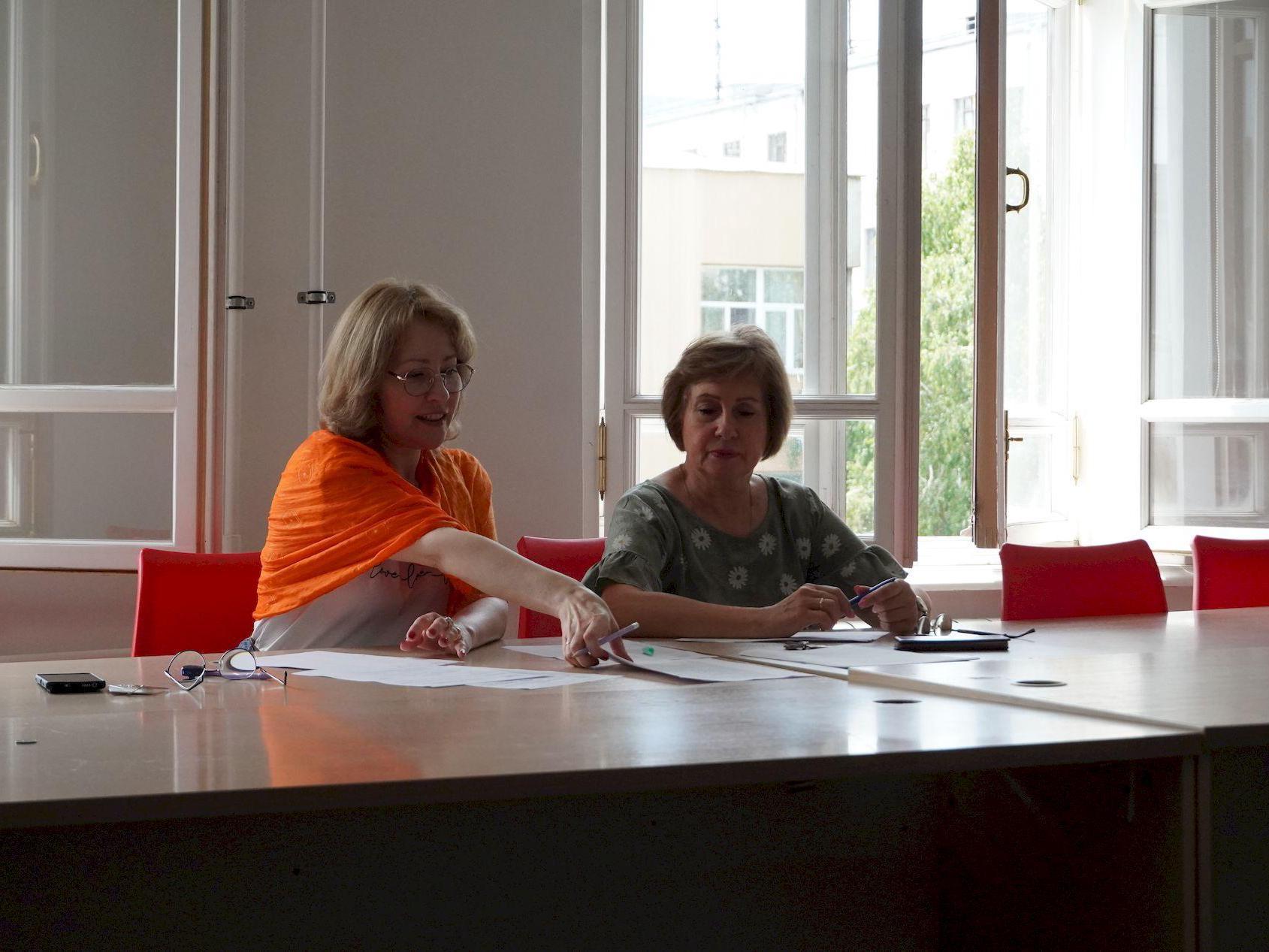
Time to enter the classroom. Seated at the table are the future course masters: senior lecturer Tatiana Naumova, movement teacher Pavel Samokhvalov, speech coaches Vadim Gorbunov and Honored Artist of Russia Elena Lazareva. The unique aspect is that the courses are being assembled by the future masters. They will be the main ones in the educational process: they will think through the entire course concept, stage productions, and so on.
The windows in the hall are open, and all sounds from the street enter the room, in particular the roar of passing cars. It«s interesting to wonder if the drivers are aware that while they are going about their routine day, the echoes of their vehicles are intruding into a fateful event for these young people.
Additionally, the entrance exams coincided with the renovation of the institute«s facade. But the resourceful commission even managed to use this. For example, a girl who was reading a fable about a kite and a moth, in which the kite shouts to the moth from afar, was ordered to lean out the window and shout the kite»s lines to the builders, loud enough to reach the fifth floor.
Yes, it turns out that many myths and jokes about the unusual requests of admissions committees are true. For example, when we first entered, the masters could not get a girl to deliver the line «Vera Nikolaevna returned home late in the evening» from Kuprin«s »The Garnet Bracelet« in the desired way.
When the group of five applicants was dismissed, one girl was asked to stay. She was offered to try applying to the «Musical Theater» program as well. Whether this was perceived as a rejection or due to nervous tension, the girl burst into tears. The entire commission consoled her.
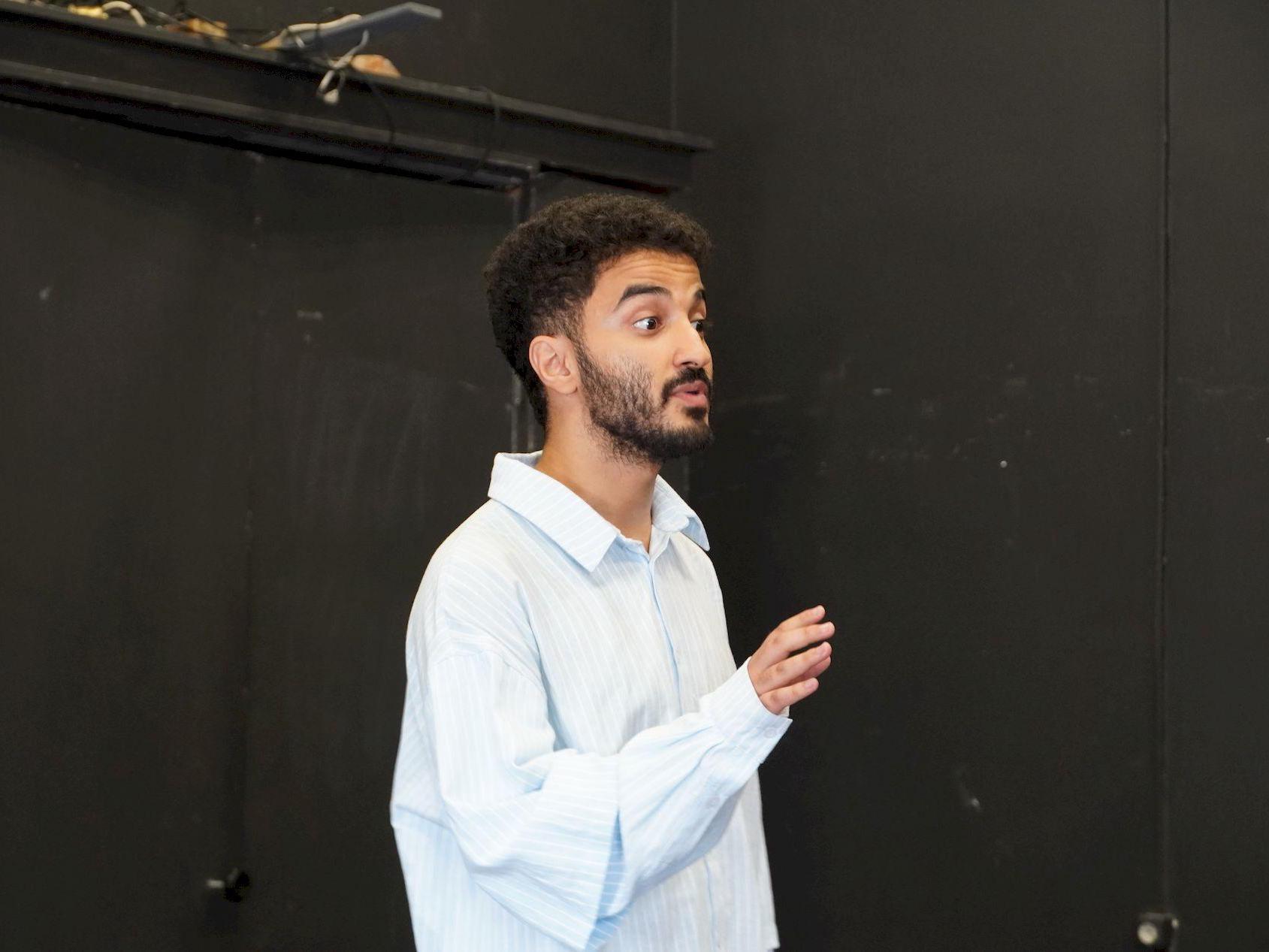
Applicants also came from neighboring regions. For example, we helped a female applicant from Dimitrovgrad in Ulyanovsk region find a print shop to print her photos. We also met Hamza from Morocco. This modest young man was not talkative with us, but we found out that he originally came to SGIK just to take Russian language courses, which he learned from scratch in a year.
Hamza hasn«t gotten rid of his accent, but he chose a recitation program that made it a highlight. The young man read an excerpt from Leonid Andreyev»s work «The Story of the Seven Who Were Hanged» — about an Estonian named Ivan Yanson who spoke Russian poorly.
Another girl was instructed to go to the opposite end of the hall and shout to the commission a short line from Bulgakov«s »The Master and Margarita«: »Latunsky! Latunsky! It was he who destroyed the Master!«
— The level of preparation is changing: year after year, the kids come more and more prepared, — believes Tatyana Naumova.
Of course, it is not yet known how the kids will perform in the future. Theater teachers often encounter «dark horses» — students who were not initially expected to succeed.
— This is a story of dark horses to whom we give a chance to start, but how they reach the finish line really depends only on their personality. How much energy, how much motivation they have, and so on and so forth. It«s a chance. Actually, the acting profession, like any creative one, is a chance, — says Pavel Samokhvalov.
Act, dance, sing, and then we«ll talk
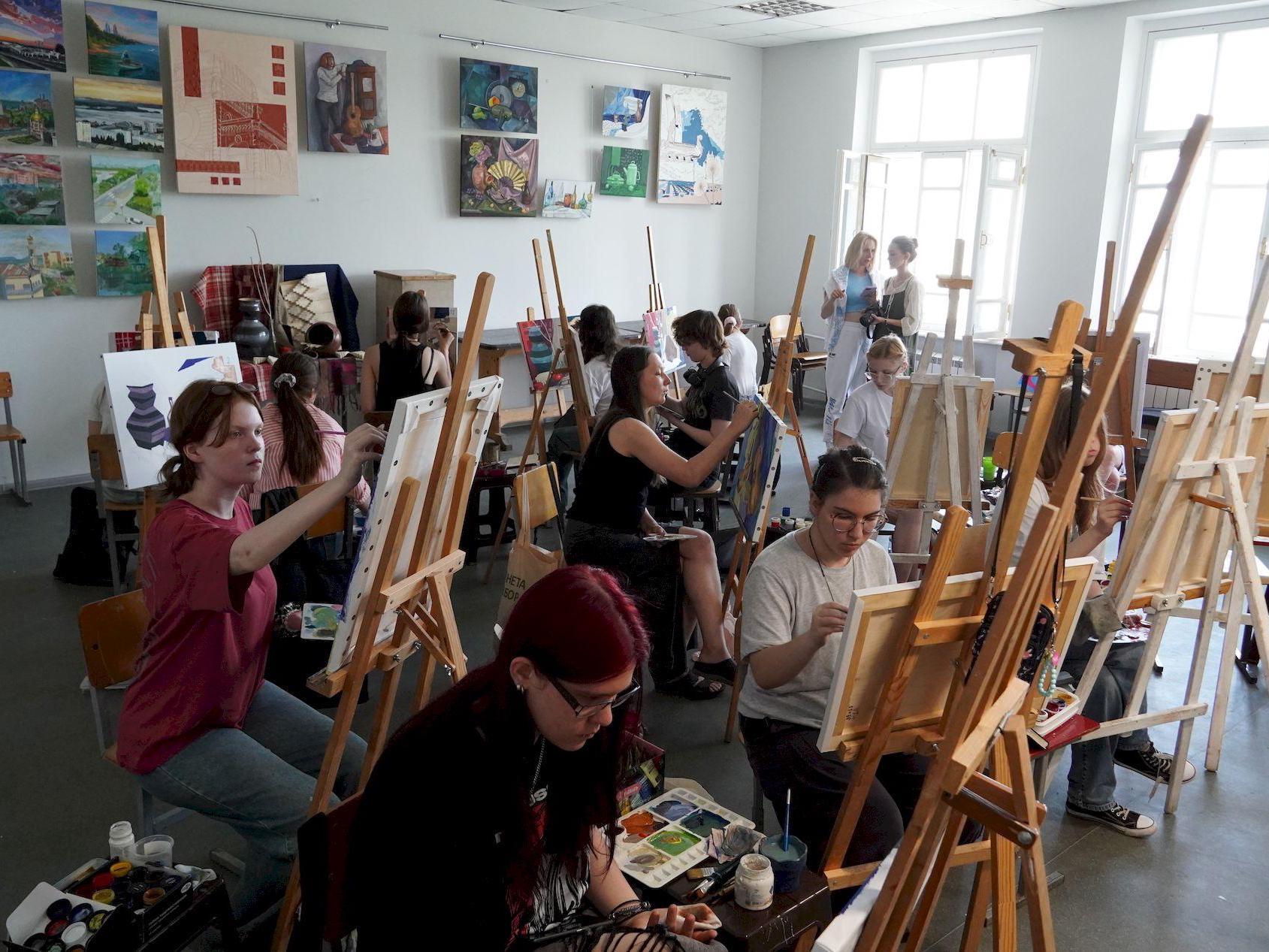
A completely different atmosphere among the artists. Here, ringing silence and maximum concentration reign. Applicants must depict the proposed still life: a violin with a jug and a napkin, a spindle, or two cellos.
It is incredibly interesting to watch how simple brushstrokes gradually form a single image. Even more interesting is that each applicant chooses their own style. For some, the round jug becomes angular; for others, the cellos seem to merge into one. For still others, the image seems to consist of flowing colored streams.
But let«s return to the noisier applicants. Let»s see how things are going for the folk singers. Their program is even tougher: they must sing a cappella, then sing with accompaniment, sing while accompanying themselves, and play a classical piece on the piano. And they can also dance.
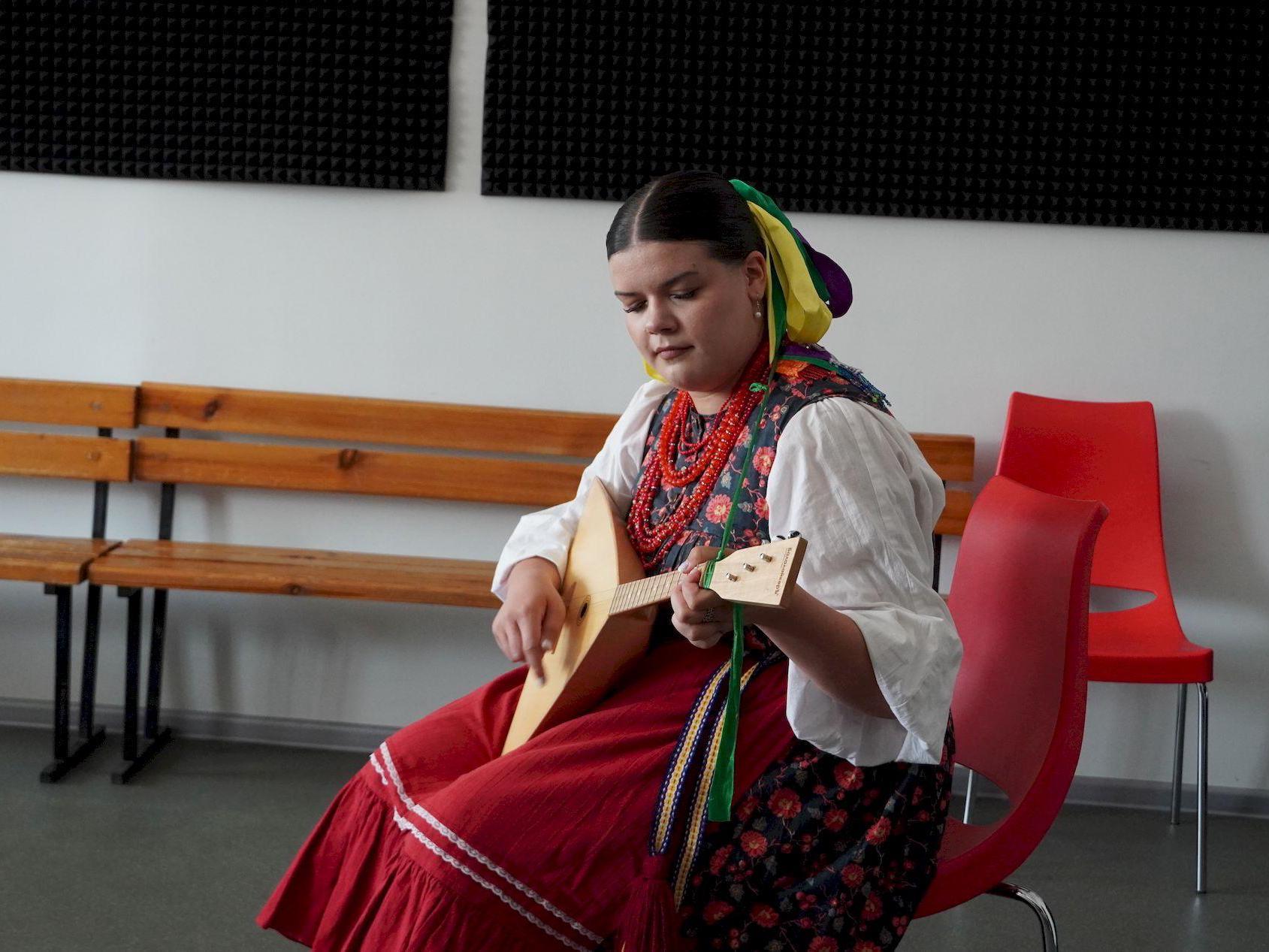
The concentration of colorful sarafans, scarves, headscarves, and beads in one hallway is overwhelming. Someone is tuning a balalaika, someone else spoons.
— We look at the creative component: how much the applicant feels the song, how much they put their soul into it, how much they can convey the depth laid down by traditional performers. We look, naturally, at the applicant«s vocal abilities: how they control their voice, how they manage it, how they express the song through it. In what style they perform, in what registers they can sing, — explains the head of the choral and solo folk singing department, Professor Tatyana Machkasova.
Since applicants come from all over the country, the commission allows them to sing songs in their national language and use instruments traditional to their ethnicity. But it«s not enough to simply show one»s musical gift. One must also shine with erudition. The second part of the exam is the colloquium.
— This is an interview where we test knowledge in all major areas of folk singing art. This includes the history of folk singing performance, knowledge of styles. We may ask about knowledge of state ensembles, folklore groups, knowledge of the work of solo performers, — explains the department head.
The teachers also assess the level of preparation of folk singing applicants as solid. At the same time, SGIK accepts not only those who graduated from music schools, but also those with secondary vocational education: arts colleges, music colleges, music schools.
— Although, in principle, we can also take students after the 11th grade. If it«s a talented person who is vocally prepared and vocally gifted, then we cannot miss such a diamond, — says Tatyana Machkasova.
Folk singers will also have a second round of exams. They face a test of music theory preparation. The kids write a dictation and answer exam ticket questions. All classic.