Son of Writer Lichutin Jailed in Fraud Case
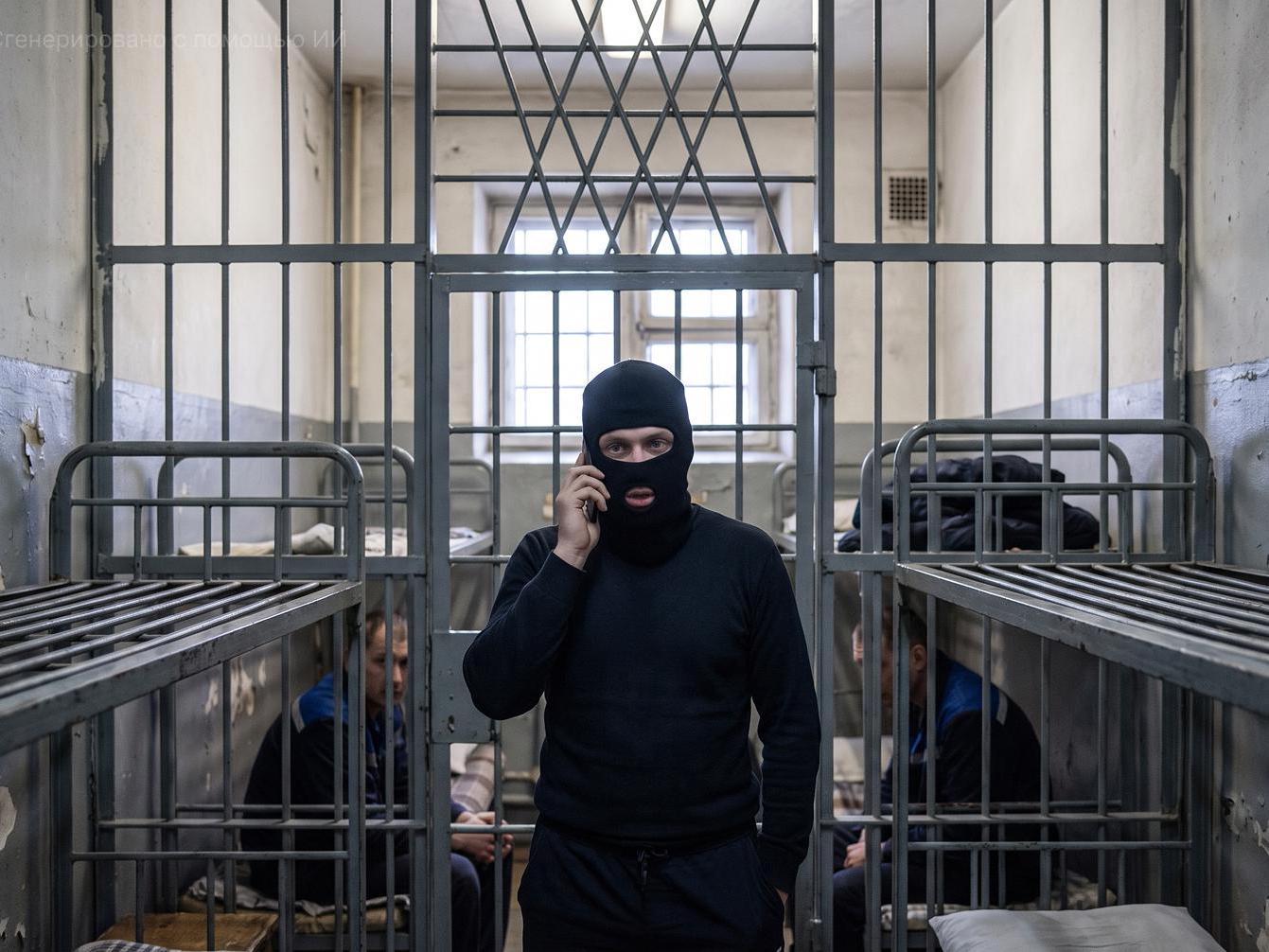

Alexei Lichutin is asking to be acquitted because he was influenced by fraudsters
Alexei, the son of writer and publicist Vladimir Lichutin, was placed in pretrial detention center No. 1 in Yekaterinburg in early 2026. Investigators believe he worked for fraudsters and was involved in stealing four million rubles from a resident of the Ural capital. The defense, in turn, insists that Lichutin Jr. himself fell for a telephone scammers« trick and carried out their instructions under duress, unaware that he was committing a crime. Here are the details of the case.
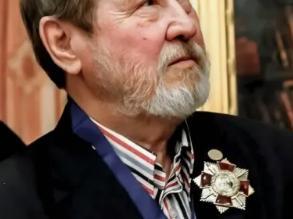
Writer Vladimir Lichutin is 86 years old
Vladimir Lichutin was born on 13 March 1940 in the town of Mezen, Arkhangelsk Region. He graduated from a forestry technical school and, after military service, enrolled in the journalism faculty of Leningrad State University named after Zhdanov. His first novella, The White Upper Room — the work that brought him wide fame — was published in 1972 in the newspaper Sever (North).
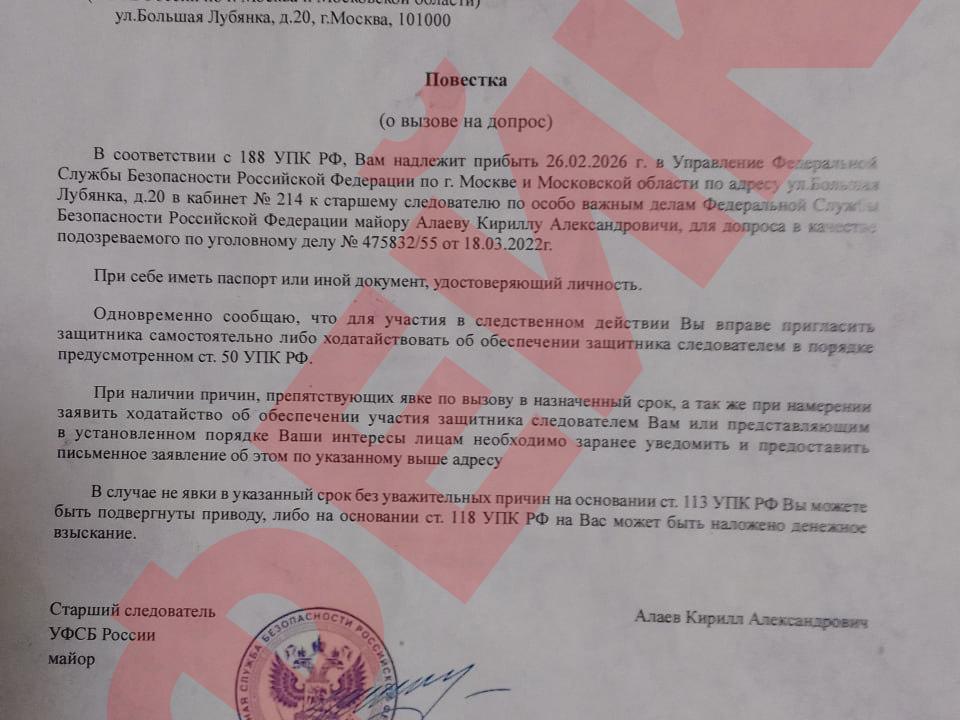
A fake document summoning Alexei for questioning. Note that the sham criminal case was opened on 18 March 2022, although by then it was already 2026
Lichutin is a prominent representative of Russian village prose, and his work is tied to his native region. He is the author of numerous novels and novellas and has repeatedly received various literary awards.
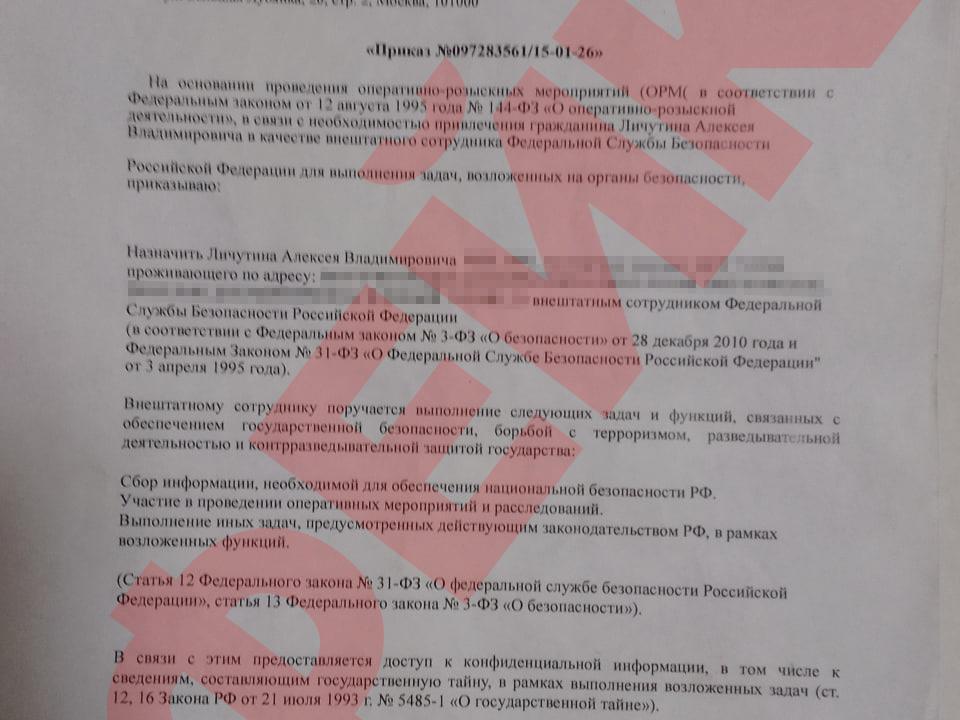
This is the fake order Alexei signed to become a “freelance FSB employee.” The document specifically states that he “faces” a criminal charge for disclosing this false information
Vladimir Vladimirovich«s son is 34 years old. He lived with his father in the dacha settlement of Peredelkino outside Moscow. As his father is already elderly, Alexei helps him. He himself worked as an electrician there.
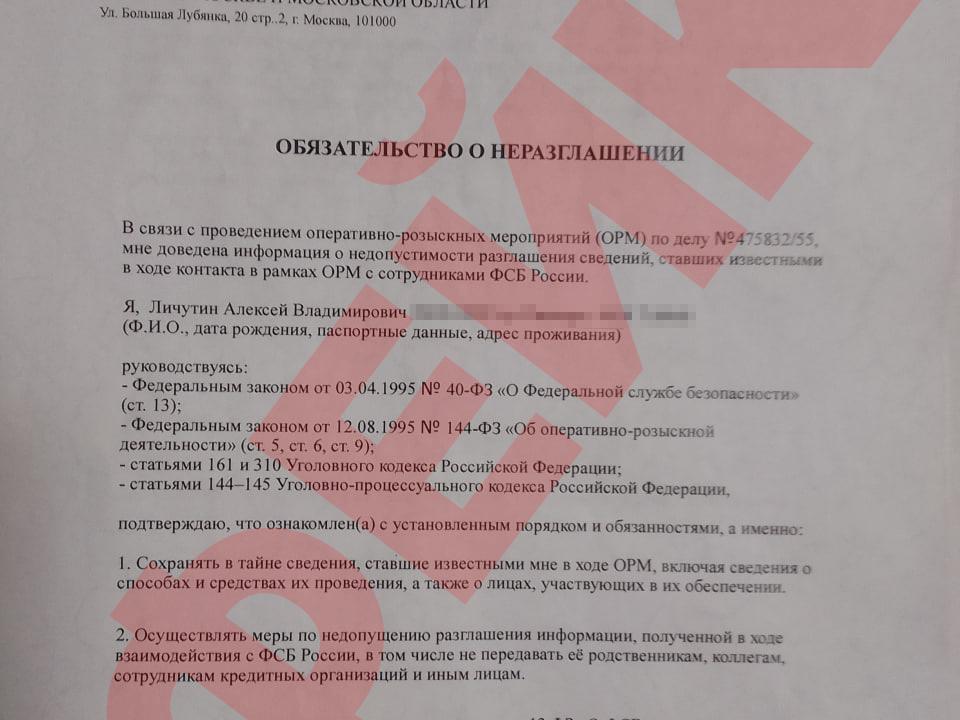
Another fake document signed by Alexei Lichutin
In late January, Lichutin Jr. received a call from a stranger who introduced himself as an employee of a polyclinic and said that his father urgently needed to replace his insurance policy. The call did not alarm Alexei, since he had regularly taken his father to the hospital and had left his contact details there. To submit an application to change the document, the writer«s son was asked to give the policy number, which he did.
After that, a “security service employee of Gosuslugi” called and claimed that Alexei«s account had been hacked. The stranger explained that Lichutin would be called by other services to help restore his profile on the portal and gave him a special number.
Alexei was told to speak to anyone who named that number. Next, a fake Central Bank specialist contacted him and said that Rosfinmonitoring had “stopped his transfer” of 220,000 rubles (about $2,800 at current rates) to a Ukrainian terrorist, supposedly made from a bank where Lichutin Jr. does not even have an account.
Soon a man reached out to him who introduced himself as an FSB officer with the surname Alayev. He claimed that a criminal case for aiding terrorism had been opened against Alexei. The fraudster frightened him with a long prison term and offered a way to atone.
Alexei was asked to become a secret agent of the security service and carry out instructions from law enforcement. The deceived electrician initially refused, but under pressure from the scammers (who threatened that his father would also be jailed), he eventually agreed. He was brought documents on non-disclosure of information to sign, stating that he was now a “freelance FSB employee,” and was tasked with transporting “confiscated funds.”
So on 6 February, Alexei flew to Yekaterinburg. He arrived at a certain location and met a man who gave him the code word “Benelli.” The stranger handed over a black bag containing 4.3 million rubles (about $55,300 at current rates). That same evening, Lichutin was detained by officers from the city police«s 15th division. It also emerged that the money had been given to him by a Yekaterinburg resident who had likewise been scammed.
A criminal case was opened against Alexei for fraud on an especially large scale (Part 4 of Article 159 of the Russian Criminal Code). He immediately told law enforcement everything that had happened to him, but the investigation does not believe him. According to his lawyer, Sergei Ankudinov, law enforcement officials are convinced that Lichutin Jr. knew his actions were unlawful but went ahead with the crime in order to make money. For six months now he has been held in the Yekaterinburg “central.” His father believes in his son«s innocence. In his defense, he published an appeal in the newspaper Slovo.
“Dear court, I am so afraid that my son Alexei Vladimirovich Lichutin, who is in the pretrial detention center in the city of Yekaterinburg, will be drowned in other people«s sins, and this may well happen when the ‘secret vulture and jackal’ who dragged the young man into his vile schemes is breathing down his neck, and the huge cartload of their crimes and delusions will have to be hastily dumped on the helpless and defenseless,” Lichutin Sr. began the piece published on 23 July.
According to his father, Alexei is loved and valued in Peredelkino, where he worked as an electrician for four years. Vladimir Vladimirovich did not learn right away that his son had become a suspect in a criminal case.
“Over the past five months, officials never notified me that my son had been arrested. I was informed by random strangers. Then it turned out that he had been abducted by fraudsters and, under threat of harsh reprisal, enlisted for public work in a certain closed organization to carry out secret FSB assignments for the good of the state. When Alexei doubted the very essence of the secret enterprise, he was intimidated with reprisals against his father. My son told his lawyer about all his misfortunes, and I attach his testimony to this letter,” the writer and publicist noted.
Lichutin asked that his son be released from custody. He believes Alexei fell for the trick because of his upbringing, since Vladimir had taught him from childhood that one must “be kind to people and magnanimous.” According to his father, the state should review the question of holding accountable those who commit such crimes under the influence of fraudsters.
“My son Alexei got burned because, as a respectful person, he answered a question over the phone, and the scammers latched onto him like piranhas… But how are we to know that a fraudster is on the phone, how are we to remember hundreds of calls, and who is the person addressing you at that moment, and how do you recognize the intentions of an invisible interlocutor? We are advised: don«t pick up, don»t talk to a stranger. But what if they ask for help, what if a person has gotten into trouble in a strange place?
Some kind of absurdity is happening before our eyes, a disintegration, a fragmentation of Russian society to please moneychangers, swindlers and usurers who make money out of thin air. There are thousands of deceived young people in Russia, and who will save them, who will extend a helping hand, because prison will only drag them deeper into an abyss of sins from which there is ever less chance to break free into a creative life,” Vladimir Lichutin said.
In June, the case of the writer«s son began to be heard in a district court in Yekaterinburg. Lawyer Ankudinov noted that the victim, from whom Alexei took the money, does not consider him a criminal, since he was influenced by telephone scammers. Moreover, the man received the entire sum back the day after the defendant»s detention. Lichutin Jr. faces up to ten years in prison.
Earlier we reported how unknown individuals hacked the social media accounts of singer Klava Koka. The E1.RU editorial team also published three phrases after which scammers will hang up themselves and never call again. Read also how criminals suppress the will of their victims and who is prone to believe them.
We describe other schemes used by telephone scammers in a special section.