Russian Driver's Perilous Far East Routes
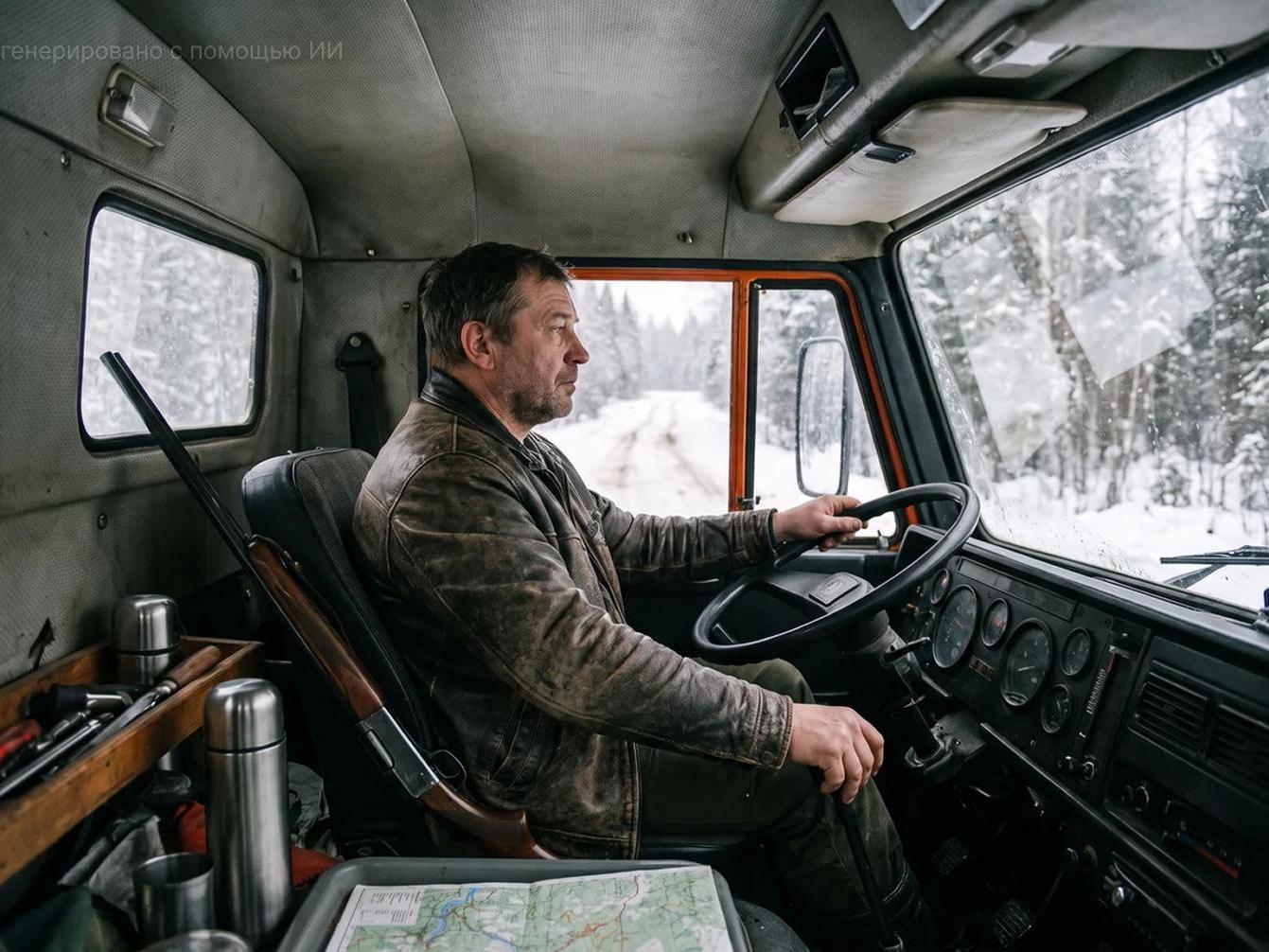

Car couriers often carried weapons with them (photo is illustrative)
TV series, podcasts and films are now being made about the 2000s and the 1990s. After the collapse of the USSR and the opening of borders, impoverished people seeking a better life tried their hand at risky business — importing foreign cars, appliances and household chemicals. They tried to earn money and survive: not to become another corpse in a burned-out car on the highway and not to disappear without a trace halfway through the remote taiga.
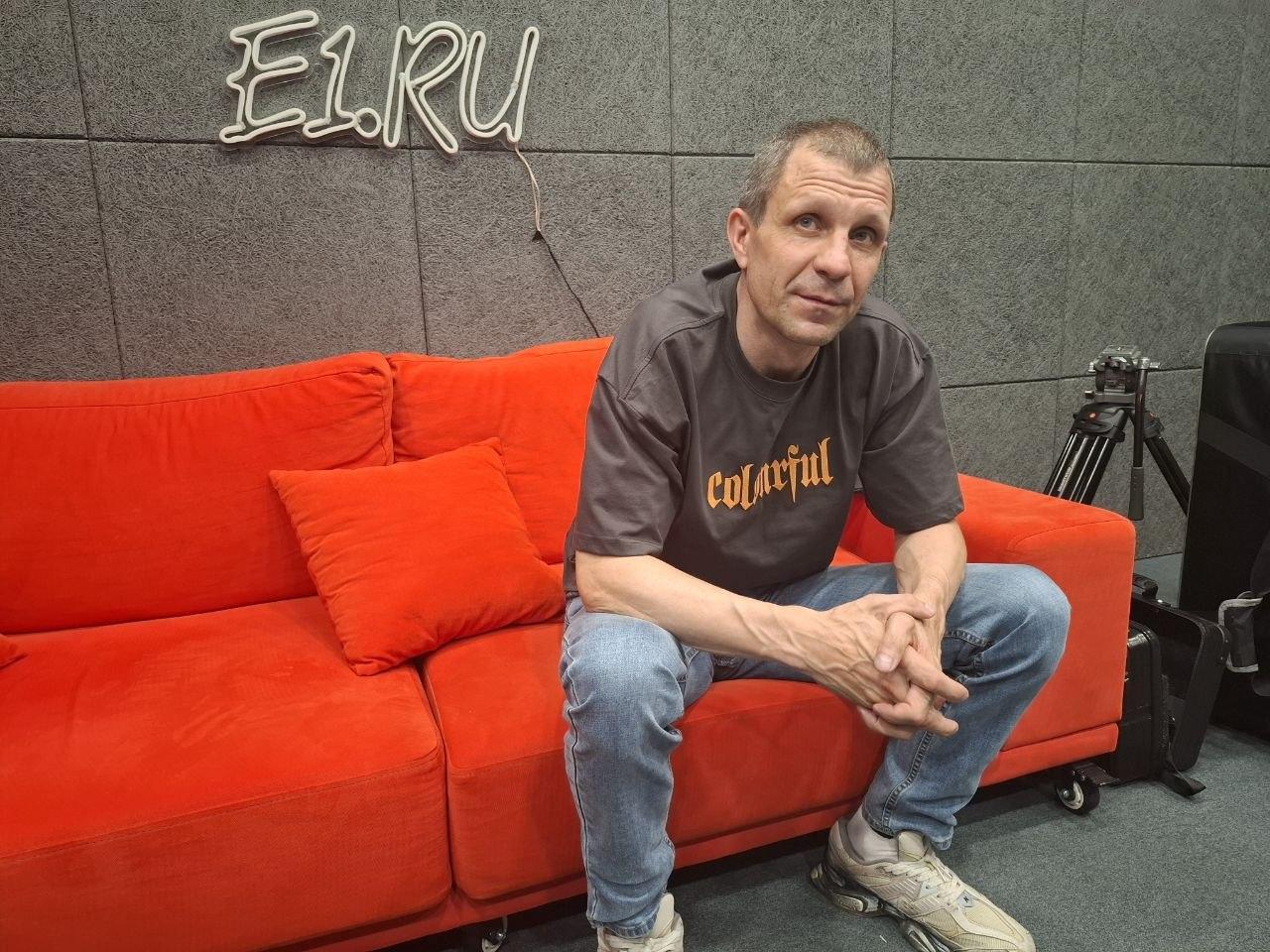
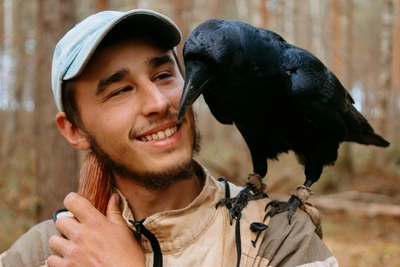
Igor first built a business from scratch, then lost everything due to a series of mistakes
For almost 10 years, Igor Sukhanov drove cars and trucks from the Far East to Yekaterinburg: without navigators or GPS, with cash sewn into his clothes and a «Rys» pump-action shotgun in the cab. He recalled how he had to shoot back at bandits and break through the criminal city of Khabarovsk in a convoy, ford rivers and drive for several days without sleep, dismantle broken heavy trucks in -40°C (-40°F) taiga and carve parts out of wood for repairs.
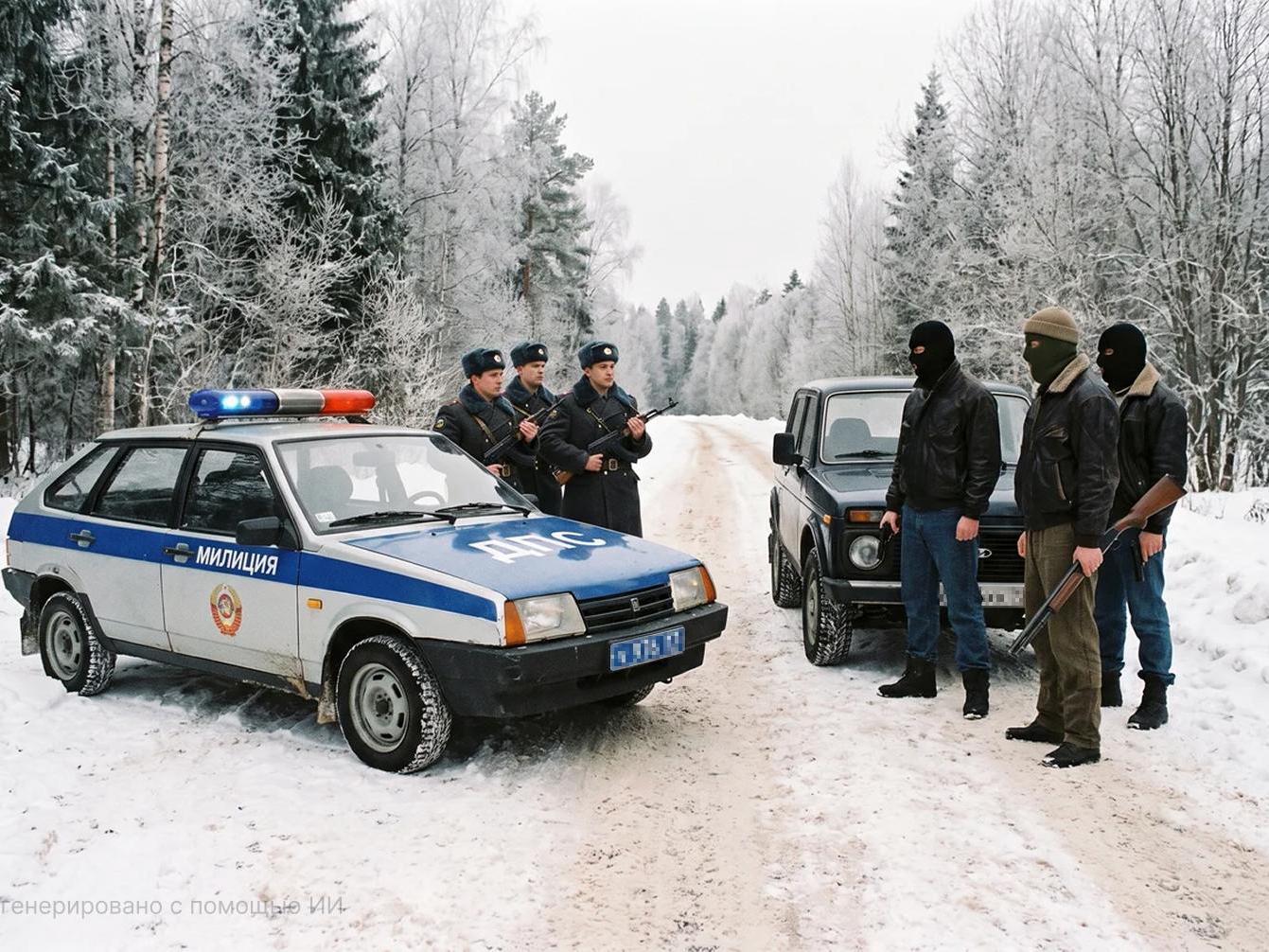
At that time, the «tribute» for passage had to be paid either to bandits or to traffic police (photo is illustrative)
Starting with a loan and a plane ticket, he eventually founded his own company. We publish his first-person account.
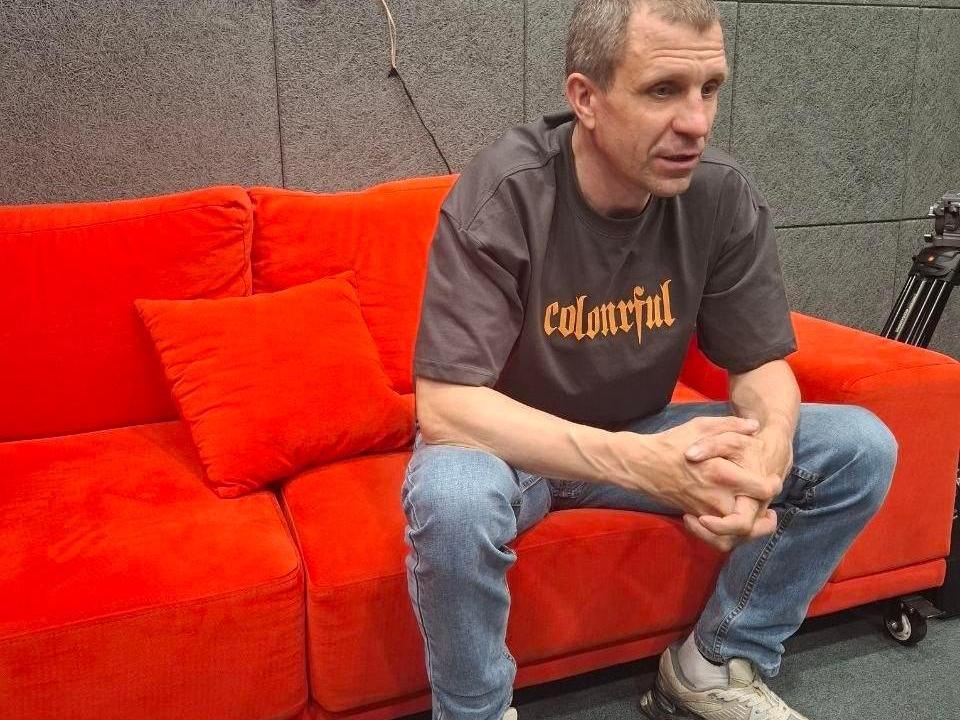
Igor Sukhanov drove cars from the Far East — this is very hard work
My parents worked, but they weren«t paid
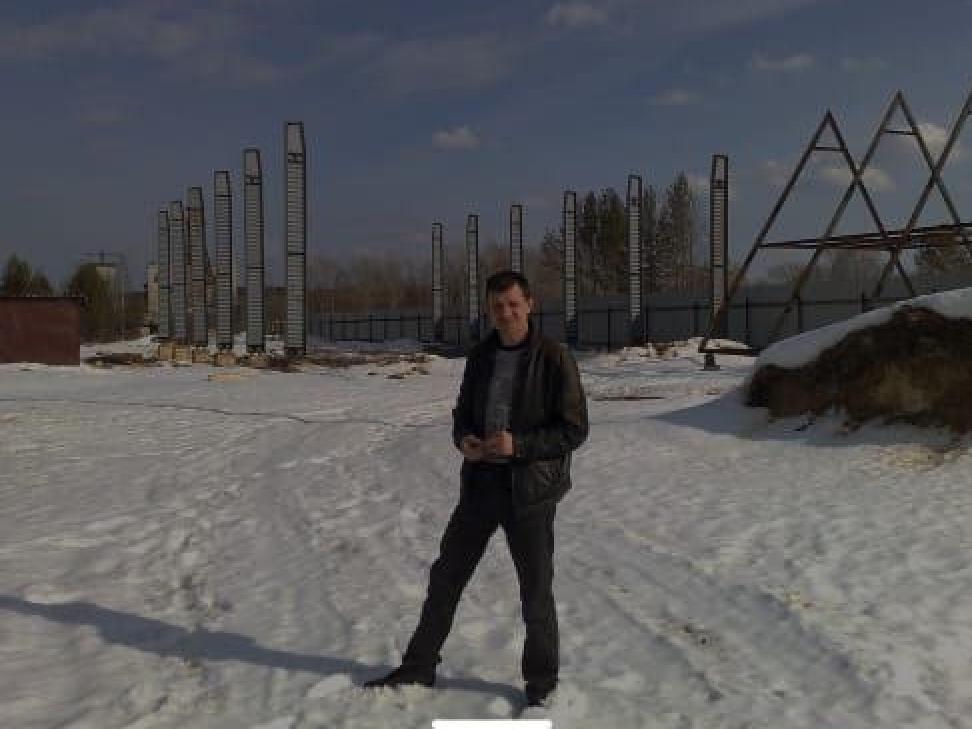
Igor Sukhanov ran a risky business in the 2000s, survived, and then lost everything
I was born in Berezovsky, in a very ordinary working-class family. My father worked his whole life in a hot shop — he«s a foundry worker. It was the Ural Precision Alloys Plant, the town-forming enterprise at the time. I remember how they were paid their wages in their own products, which nobody needed. My mother worked at »Uralskiye Samotsvety« as a gem cutter.
Times were very hard. My father and mother weren«t paid, but they still went to work. That had a big effect on me as a child. And when my mother told me, »Son, it«s time for you to go to work,» I said «no.» I cited my father as an example. He worked his whole life, and in the end we barely scraped by.
We children were needed by no one. Simply no one. We had no entertainment, nothing at all! In the courtyards we belonged to ourselves: do whatever you want. We made bows and arrows, we set fires, we got up to all sorts of crap.
I didn«t smoke or drink, but my father, to his own misfortune, taught me to drive. I drove very well from childhood — by age seven I could already do it. I grew up and started taking my father»s car without asking. He hid the keys, he took off the wheels. But I always found them, then drove for weeks. I didn«t sleep at home, I lived in the forest — that was normal for me. I wanted personal space and independence.
Again, times were hungry, and we were needed by no one. We hung out in basements where gyms were set up. A friend«s mother worked in a store, and he brought us food. Basements and the forest — that was my childhood. At school I got C»s, but I was given passing grades because I did cross-country skiing and competed in regional tournaments. Later I finished a vocational school as an electric and gas welder. I was 21 or 22, I wanted adrenaline and to earn money.
If you don«t pay — they»ll burn it
It all started in 2002. I, a young kid, took out a bank loan — 1.2 million rubles ($38,000 at current rates), got on a plane and flew alone to Vladivostok. There I bought my first truck. It was a green Nissan Diesel with a red loader crane (boom). Although at the time my license only had category B (passenger cars). Later I specialized in crane units and transported them separately.
I had no money for the trip back, so I got behind the wheel and drove to Yekaterinburg. There were no navigators — we just drove by road signs. Somewhere drivers gave directions. The route was already well-traveled, but in some places the road surface simply didn«t exist: they»d blast a hill, dump the rubble, and we«d drive over that gravel, over those boulders. Over rocky embankments. It wasn»t a road yet — it was still being built. They«d dump crushed stone and rock right in front of you, and you somehow drove between them. After Ulan-Ude the road was already normal.
Somewhere we had to ford rivers. We were towed across on MT-LB tracked carriers. The military units had lots of them left, and locals made money that way. They«d hook us up and drag us across the channels.
The MT-LB (Object 10) is a Soviet amphibious light multi-purpose tracked chassis with a universal hull. It was developed in the late 1960s.
It«s amphibious military equipment. They»d station themselves at the riffles where the road ended, or where everything was dug up and you had to leave the main road, which was still being built. That was their income. They also bought nuts from them and transported pine nuts, and from Baikal — omul.
Truck drivers tried to stick together for safety. You«d join up with someone and drive. At least two or three trucks. But you could only count on yourself. If your truck broke down, who would wait for you? They»re going to Moscow, you«re going to Yekaterinburg — they»re not particularly interested in you. Only if it«s something small.
In a crowd it was easier to break through Khabarovsk or fight off bandits who charged money for the road. If you didn«t pay, they could burn you. You had to pay or try to break through.
But paying was expensive — especially if you were driving three or four trucks — there was no point. So we grouped up in big packs. But even then they tried to pick someone off. We had to defend our goods. Those of us who were armed fired into the air in the direction of the pursuers. It was a way of signaling that we would fight. And they«d fall back.
«How are you going to get through Khabarovsk?»
Say you drive into Khabarovsk — there was a gas station right there. Someone could calmly walk up to you and say: «So, how are you planning to drive? How are you going to get through Khabarovsk? On your own or what? Or for $100?» The car couriers either paid tribute or settled the matter with the cops. But with cops it was also money. And if you paid at one checkpoint, then at every subsequent one they«d shake you down.
Passage for one car cost $100. The first time I explained to them [the bandits] that I had no money, I was driving empty. But they still took something from me. Later I got a permit to carry weapons. I had my own pump-action shotgun — a «Rys,» eight-shot. I had to shoot myself sometimes.
They«d box you in, say, in a Toyota Mark 2 (they loved those cars). One on the side, another braking in front of you. If you had a gun, you»d unholster it and start firing into the air. They wouldn«t come at you, but they»d start herding you along the bypass, driving you to a traffic police checkpoint. And they worked in tandem with the cops. You«d be stopped at the checkpoint no matter what.
And there, either your gun wasn«t in its holster, or there was a round in the chamber, or the barrel smelled of gunpowder — you understand, right? That»s a violation, pay the fine. And no matter how you squirmed, you«d still pay — either to the bandits or to the cops.
If you were driving alone, they could kill you, take the power of attorney and the car, and that«s it. They»d never even find your body. Many people disappeared that way. That«s why we tried to group up. When you»re driving as a gang, no question, it«s easier to slip through. But when you»re alone, there aren«t many options.
Corpses on the roadside
We were driving and saw a corpse in a wrecked car. A young guy had crashed and died. He was driving a passenger car to either Novosibirsk or Krasnoyarsk.
I never figured out what he hit or what hit him, because he was standing alone in the middle of the road. There were very many cases like that. Corpses on the Far Eastern highway didn«t surprise anyone back then.
One of the drivers stopped and tore a gold chain off his body. He said the dead man wouldn«t need it anymore, but it would help him get home. Things like that happened.
On the way back everyone usually traveled without money, because besides cars they tried to carry as much goods as possible: caviar, household appliances, Japanese chemicals and so on.
In any case you didn«t drive empty, because at least that way you recouped a little. If you were carrying not a couple of jars of caviar for yourself but a proper volume, you»d pay $100 at every traffic police checkpoint for carrying it illegally. It was brought to Yekaterinburg and distributed at markets.
They carried everything: household appliances and cars, caviar and chemicals, VCRs, the first TVs. True, they were still in Chinese, with hieroglyphs. But we had no equivalents then. Often the cars were heavily overloaded, plus they were old to begin with — they broke down often.
A moose on the windshield and other adventures
Once I loaded two car carriers with passenger cars and followed in a Nissan Sunny. And at night I simply hit a moose that jumped out. I smashed up the Nissan. I took everything valuable and burned the rest.
What else could I do with it? Nobody would take it, nobody would haul it. Everyone was already loaded up heading out of there. If it had at least been drivable, but no. That«s how we burned cars ourselves. We also set tires on fire to keep warm in winter. Korean cars are very cold.
One time I was extremely tired. I«d driven more than 2,000 kilometers without sleep. I could feel myself just shutting down. And then there was a truck parking area. I parked behind a long semi-trailer, it was night. His marker lights were on. I pulled up right behind him and passed out. In the middle of the night I woke up in a wild panic — I thought I was driving and those lights were burning right in front of me. I slammed on the brakes with all my strength and nothing happened! I nearly went gray. Only later did I realize I»d been asleep. When a person goes too long without sleep, the brain starts to fail.
What did we eat? Well, we took something with us: eggs, bread, sausage, instant noodles. So we could snack on the go. Sometimes we stopped in villages. We lived right in the cars, in the cab. We didn«t shut off the engine. You drive dirty, overgrown, reeking of sweat and grease. In summer we could bathe in a river, but in winter we endured until we reached civilization.
You drive over rock, and there are sharp edges, and the truck is loaded. You hit a rock somewhere — you«ve lost a wheel. A huge, heavy wheel. You mount it alone.
All the truckers« illnesses come from that. It»s cold, you get into the warmth of the cab, you start to thaw out, and then you have to get out somewhere. You go out again, and it«s minus forty outside. What I remember well for the rest of my life: it was very cold.
The most dangerous places
The main thing was to make it to Chita. Before that we tried to stop as rarely as possible. The places were remote, as you can imagine. Forests for thousands of kilometers, no civilization. But if you made it to Chita, then everything was fine.
Though Chita, I«ll tell you, was also a pretty criminal town. The whole Far Eastern side is like that — anywhere you can, as they say, get burned.
Before that you«re driving either through the pampas, where there are two guys per thousand kilometers, or through villages of two or three houses. In places like that we tried not to even stop.
We slept in the cab. First, from Vladivostok to Chita there was often simply nowhere to sleep. There were no big cafes. If we did come across one, they were, you know, all staked out by crooks. You couldn«t even stop to eat — we»d drive past. They could sit down with you, pour you a drink, slip you anything.
But if you made it to Ulan-Ude, it meant you survived. You arrive, and right at the exit there was a traffic police checkpoint and next to it a cafe where they sold a national dish — buuzy. It was the first cafe where you could stop and eat in peace. And the cops were nearby. And you could wash up there too. After Ulan-Ude the rest was nothing, 4,000 km. From Ulan-Ude to Irkutsk people lived very poorly.
Baikal itself is very interesting, beautiful places, but I always disliked how the people there lived. Very badly, unlike the Far East. Big factories had been bankrupted by our state. People had nowhere to go, so they poached, caught fish. They lived off omul.
So you understand, houses were built from tar-soaked railway ties, you know? Old ones get replaced, given away, and people built houses for themselves out of those ties. There were whole settlements of them. Ties are treated with chemicals. And people live in them, breathe that. Along the whole shoreline of Baikal at that time everything was destroyed. The houses were all kind of crooked.
I personally got into a situation like that. We flew off into a ditch in a «centipede» (slang for a multi-axle truck with four or more axles. — Editor«s note). We stopped overnight on the highway. We woke up in the morning and everything had been stolen. All the cargo we were carrying — caviar, chemicals. You sleep like the dead. Even though we were already traveling armed, the road wore us out so much that we simply got robbed while we slept.
8,000 kilometers in three days
The trips varied in length. Sometimes you«d do a round trip in a month. And there were long trips of half a year. It depended on how many cars and how much cargo you took. When you carried small stuff, of course you went often. But on average, 8,000 kilometers took at least two weeks.
The fastest was three or four days. There«s a passenger car — a Toyota Vitz. One-liter engine. I bought the car for my girl and just drove it without stopping. I barely slept. When you feel yourself starting to nod off, you doze for 15–20 minutes, it gets easier, you open your eyes, and then you»re fine again. When you drive often, your body gets used to it.
Accidents happened, of course: cars got wrecked, we flew into ditches. We broke down very often. Because the Korean cars were old, with high mileage, and the terrain was difficult — hills everywhere. Besides, the overload was huge. There was a lot of cargo, and we had to haul it in big volumes.
We often met people. Some were riding motorcycles, some were walking or cycling. What«s the right word — tourists! And they often went without money, without anything. That always amazed me: what made you walk from the Urals to Vladivostok?
They often bought a motorcycle there and rode it here under its own power. And that«s very hard. Somewhere they»re blasting hills, dump trucks are hauling rock, and that dust is everywhere. It clogs everything completely, even inside a car. And there he is riding that motorcycle, all white, covered in dust from head to toe, only his eyes visible.
My longest and hardest trip lasted half a year. I remembered it for the rest of my life.
A Far Eastern Odyssey
We were driving three trucks, and one burned out its clutch. Can you imagine what a 25-ton truck is? You have to dismantle it, remove the gearbox in the forest at -40°C (-40°F) and find a spare part thousands of kilometers from civilization. You can«t shut off the engines. Otherwise you won»t be able to start it again. So basically we were stuck there. It was scary, of course.
The years were, I repeat, very hard. The local population lived very poorly. There was no aluminum, no copper, nothing. Everything was sold for scrap, everything was cut up everywhere. We arrived in a settlement called Yerofey Pavlovich. We went into some forestry enterprise, decrepit beyond repair. A watchman met us. We said: «We need a clutch.»
We rummaged around, searched, found an old clutch from some bulldozer or tractor. We got the friction lining out of it.
«Ferodo» is the colloquial name for the friction linings of a clutch driven disc, and also the name of a well-known global brand. The term comes from the popular Ferodo brand.
Then we had to look for aluminum for the rivet. Because you can«t just fasten metal to metal if we»re banging on the flywheel. But all the aluminum people had was turned in for scrap. There wasn«t even a piece for riveting. We sat in that hangar for a week, and the whole time the truck engines ran in shifts. We couldn»t shut them off at all.
We started dismantling and remounting the gearbox, and it weighs half a ton. We lifted it with cargo ratchet straps, removed it. But you can«t just take the disc and stick it in. The difficulty is that there has to be a guide between the gearbox so the shaft goes in correctly. We got it in somehow.
We repaired it for about two and a half weeks. While we were repairing the first truck, the second one«s air froze inside the engine. Later it turned out that because of the dust, some linkage got stuck between the compressor valve. So the engine runs, the compressor pumps into the receiver, but the air doesn»t go through. And because there«s no air, the brakes don»t release. They run on air.
Here«s what we came up with: in the truck bed there was a small truck with a small engine. We found an oxygen hose and powered the compressor from it. To do that we lit a fire right there in the bed, warmed up that vehicle, started it. And it sat there in our bed, running and pumping air for the truck we were driving. But that air was enough to press the brake literally twice. Because that engine»s volume was much smaller. We drove and tried to brake as rarely as possible, using gears instead. And there are hills there, can you imagine?
Only in Yekaterinburg did we understand what the cause was: there was no seal, the air filter was sucking in outside air, pumping all the dust through the compressor, and it got clogged. So in principle it was all very simple, but it wasn«t visible.
The conditions there are such that you don«t have much time to think, especially when it»s -40°C (-40°F) outside. How many wheels we left on that highway. Anything could happen. The engine could die, the gearbox — you never knew what would fail.
How the business worked
Despite all the risks, it was very profitable. I made about 100,000 rubles ($3,200 at current rates) per car driven. For example, the purchase price was 200,000, and deep in Russia it reached half a million. Of course, depending on the year and make.
They bought cars in Japan, cleared customs and sold them at Zeleny Ugol, a market in Vladivostok. There was also a big market in Ussuriysk. That«s where they picked cars to drive to Russia. There was no point buying in Khabarovsk — prices were higher there and the city was more criminal. Both robberies and bad cars being palmed off. And Vladivostok, though also a rather gangster city, the gangsters themselves lived off that business and didn»t particularly interfere.
The biggest problem was finding a more or less intact car. They were all damaged. You had to pick what was repairable, when the whole structure of the car was preserved. The diagonals were fine, the pillars were all in place. Yes, it might have a dented door or a raised hood, broken fenders, bumper, something like that. But if it was welded from two halves, that was a different story.
We carried cash. Back then there was no such thing as going to a bank, depositing it and transferring it. We took it with us, sewed it into clothes or taped it to our bodies, slept with it. There were robberies with knockout drops, and simple thefts.
Now there are lots of electronic documents when buying, but back then you just had a handwritten power of attorney and a clean title. That is, how it was: you«re the owner of a Far Eastern car, you brought it, cleared customs, and you have a clean title with only your details on it. I, a reseller, buy the car from you and drive it to Russia. Why would I want to dirty the title? That was considered very foolish. We avoided registering and deregistering it, and just drove on a power of attorney.
Why did so many people disappear on that highway? You get thrown out of the car, the power of attorney gets rewritten, and there«s already a clean title. Well, the signature is different — so what? Who»s going to look for you and check that signature? That«s why very many people died and disappeared without a trace.
Later I started transporting passenger cars not one at a time but in whole car carriers. We did that for about 10 years. But the passenger car market soon became oversaturated and it stopped being profitable. I changed direction and started transporting only crane units (loader cranes). Separately, without the vehicles.
In 2007, Igor Sukhanov founded the company Gidrospetsmontazh LLC, which installed loader cranes on KAMAZ trucks. The business turned out to be in demand and grew actively.
The scheme was basically the same. There«s a tax declaration, back and forth, you buy a big Korean truck, a »centipede,« load about 20 crane units on it. By then I»d obtained a license for installing booms, and that became the main direction of my work: installing loader cranes on trucks.
Then I stopped going myself. Goods were delivered to me in containers. One container held 10 units. I always had 20–30 units in stock, and I knew that would be enough for my business for a year. The process was already running.
Today it«s much easier to travel, but there»s no profit like there used to be. It«s easier to buy a car and have it shipped to you.
The businessman«s subsequent fate turned out sadly. In 2013, Sukhanov was convicted of murdering his financial manager and business partner, Alexander Zabelin. A conflict arose between the men: Sukhanov suspected him of stealing money from the firm, and Zabelin responded to the accusations by saying he was sleeping with his wife. In the fight, Zabelin pulled out a traumatic pistol, and Sukhanov grabbed a knife. For the murder and the theft of another person»s car, the businessman received 11 years and 4 months in a penal colony.
He served his term from start to finish, and when he was released in 2025, he learned that his entire business, through a series of clever transactions, had passed to his live-in partner, who had previously been an accountant. She refused to return the firm voluntarily and accused him of threats. In the summer of 2026, Igor Sukhanov filed a civil lawsuit demanding the disputed property be returned. In parallel, he is fighting for his son and contesting an attempt to strip him of his parental rights.