Kozheparov brothers terrorized Ufa with child attacks
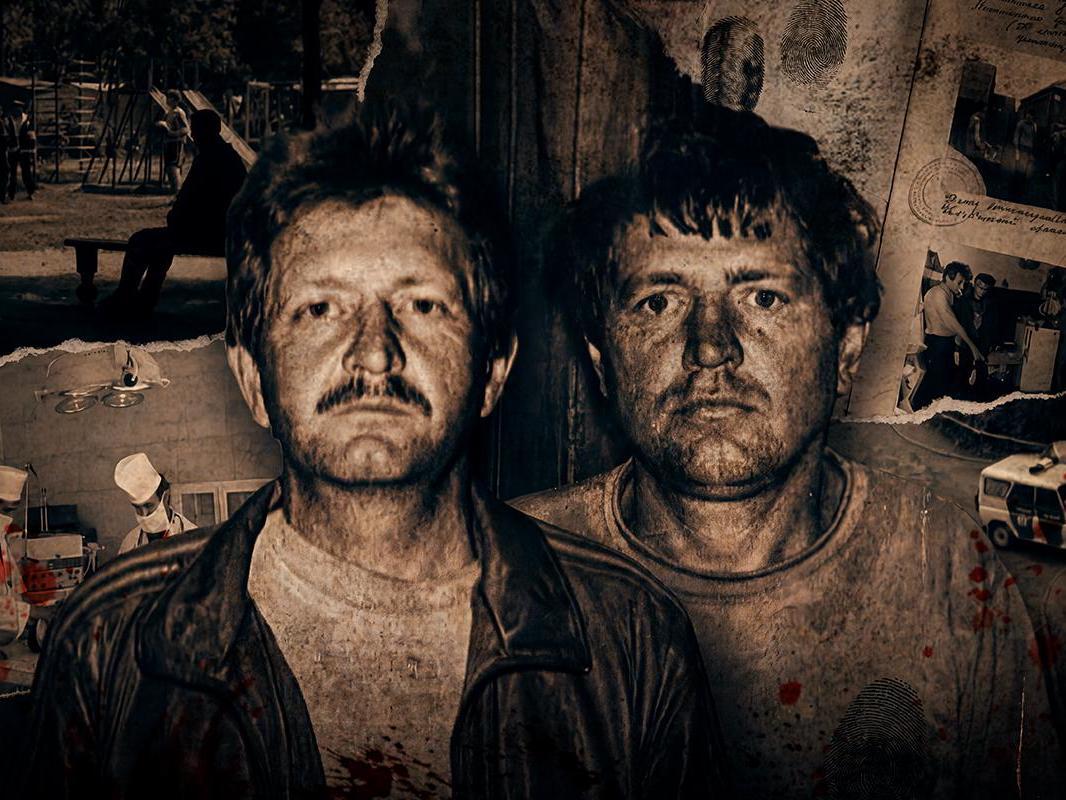

The Kozheparov brothers lived in the Chelyabinsk Region but were accused of crimes committed in Ufa.
In the 1990s, brothers from the Chelyabinsk Region became the defendants in a high-profile case involving a series of attacks on children. In Ufa, the perpetrator sexually assaulted his victims and then blinded them to protect himself from the risk of being identified. The victims were between 5 and 13 years old. It was far from immediately clear that more than one person was responsible. The story was shown on NTV in the true-crime series Criminal Russia, in the episode “Brothers in Blood” (16+).
The story began in Ufa in the mid-1990s.
In 1996, in Ufa, a five-year-old boy was found unconscious on the landing of one of the multi-storey buildings. It was the evening of a hot summer day, 2 June. The child’s parents were already at home at the time. His mother was cooking dinner and had let her son go out to run around in the courtyard.

A doctor was shocked by the boy’s injuries.
“Literally five or ten minutes passed when a neighbor came running: ‘Help, a boy is in a bad way out there,’” recalled the first victim’s mother. “She didn’t recognize my son. When I ran to the landing on the fifth floor, a boy was lying near the garbage chute — my son, completely blue. Blood was dripping from his eyes. I sent for my husband, and he called an ambulance.”
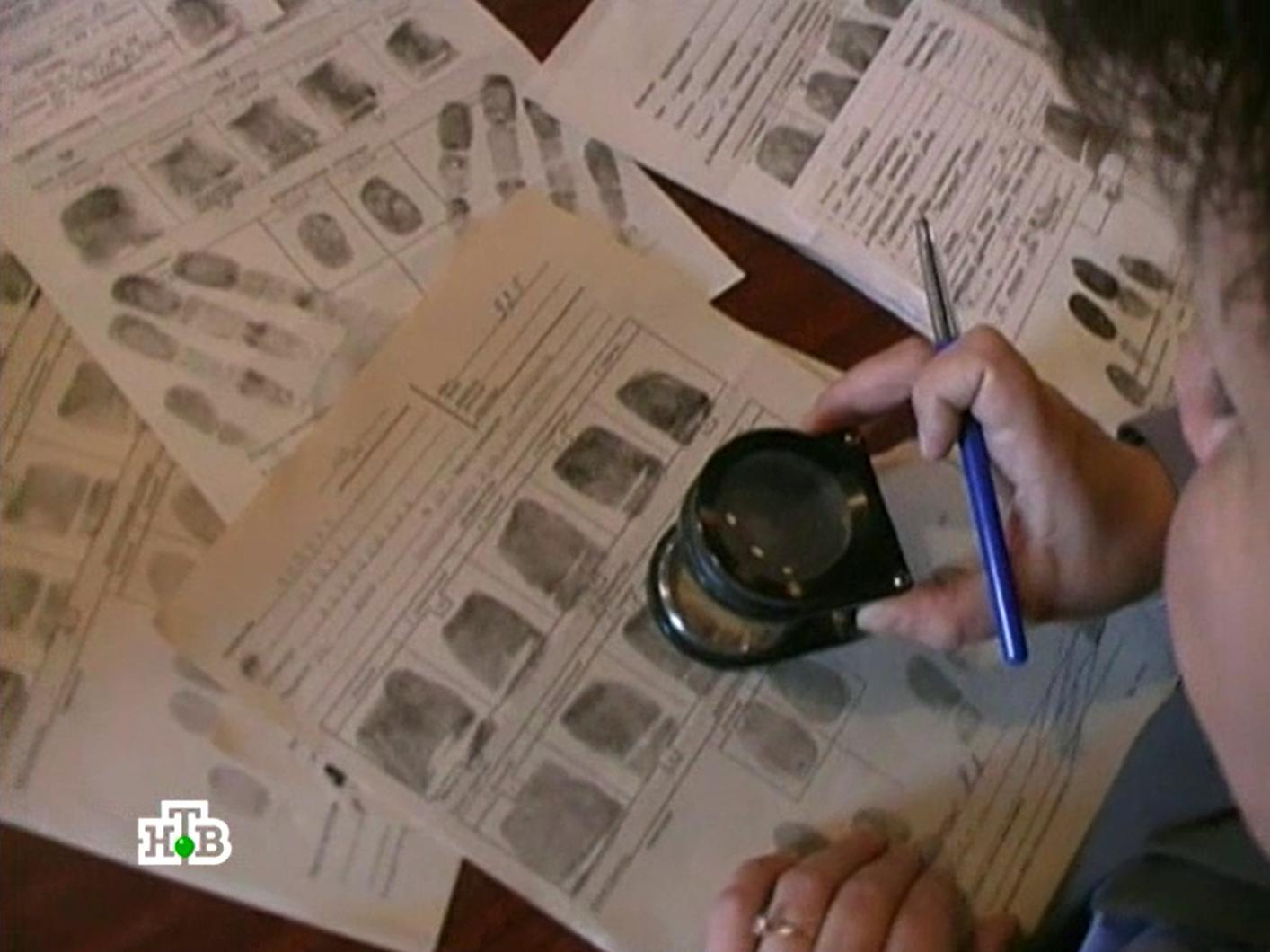
The perpetrator left no traces at the scene of the first attack.
The boy was unconscious, and first aid was given by his mother — a professional pediatrician. The ambulance crew that arrived managed to bring the child round temporarily, and he was taken to the intensive care unit of the central children’s hospital.
A second attack soon followed, also in an entrance hall.
“The first thing that struck us was that the boy had heavy bleeding from both eye sockets,” recalled neurosurgeon Tamara Murovina. “On his neck there were multiple areas of bleeding into the soft tissue and a groove typical of cases in which violent injuries are inflicted on a child — that is, strangulation.”
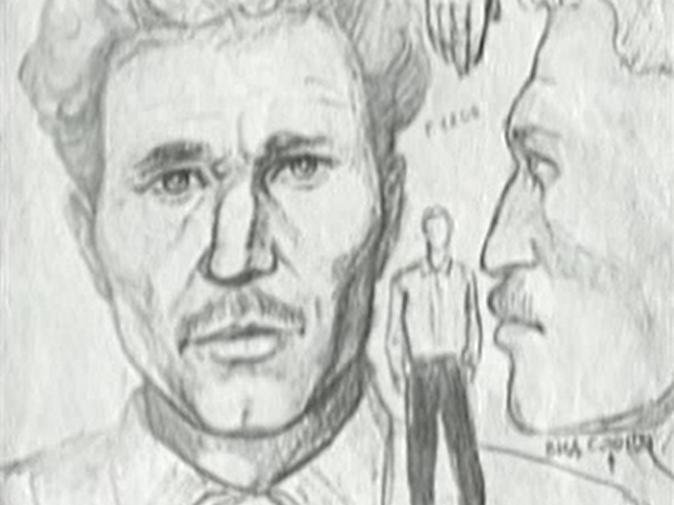
An artist drew the perpetrator from the witnesses’ descriptions.
Doctors fought for the child’s life for several days, and only after the crisis had passed was it possible to examine the boy’s eyes thoroughly.
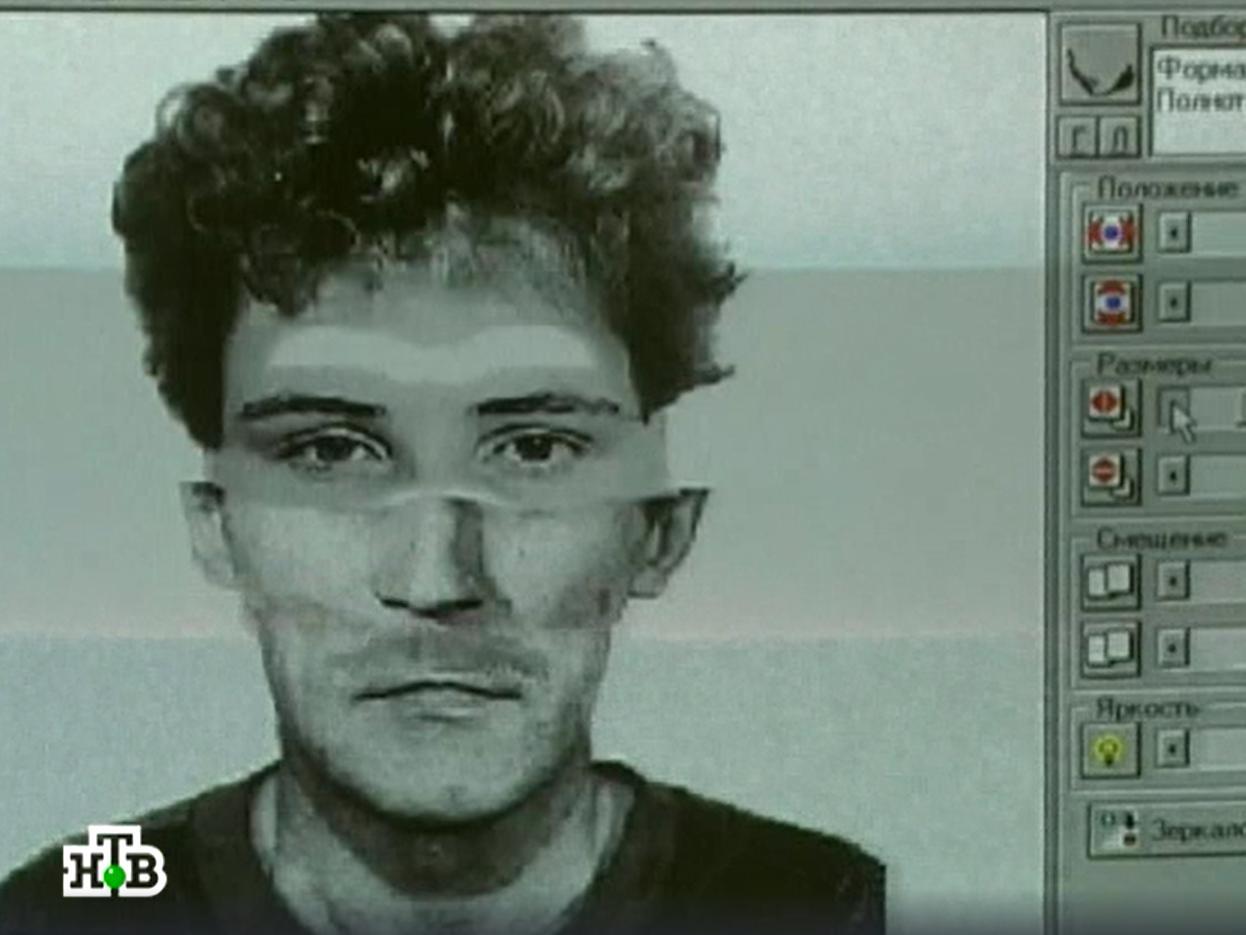
The composite sketch helped the investigation make progress.
“The injury was inflicted deliberately,” neurosurgeon Tamara Murovina said of the findings. “The rapist gouged out the child’s eyes with a needle.”
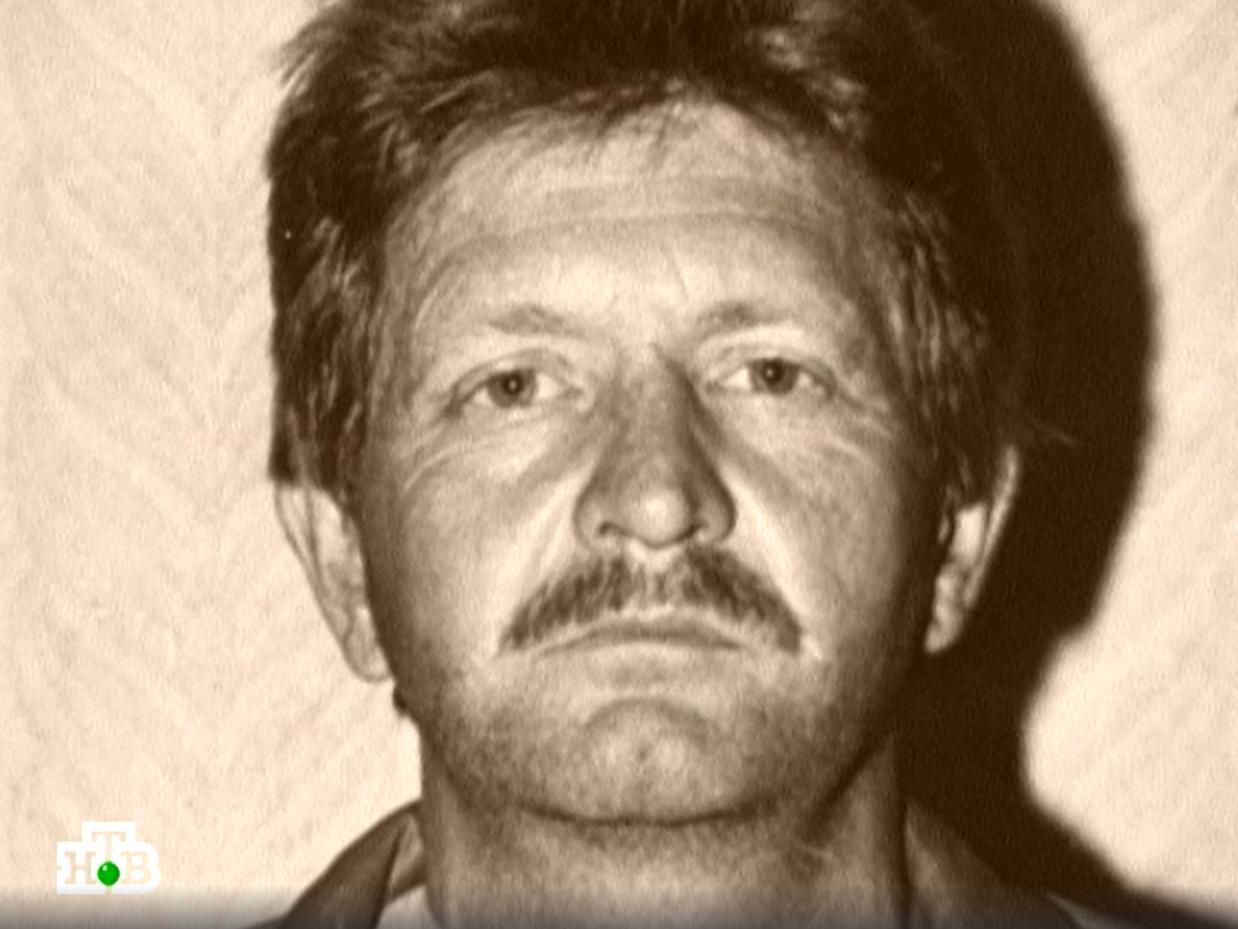
And led investigators to Mikhail Kozheparov.
Who would need to attack a defenceless child, strangle him and then gouge out his eyes? Alarming rumors of a maniac immediately began to spread through the city. The entire Ufa police garrison was immediately put on alert. Investigators questioned neighbors, while forensic specialists examined the landing, the lift and the entrance hall where the injured child was found. But the perpetrator could not be detained in the immediate aftermath, and so the police turned to residents for help. They asked people to report suspicious men in courtyards and near children’s institutions, and then checked every such tip-off.
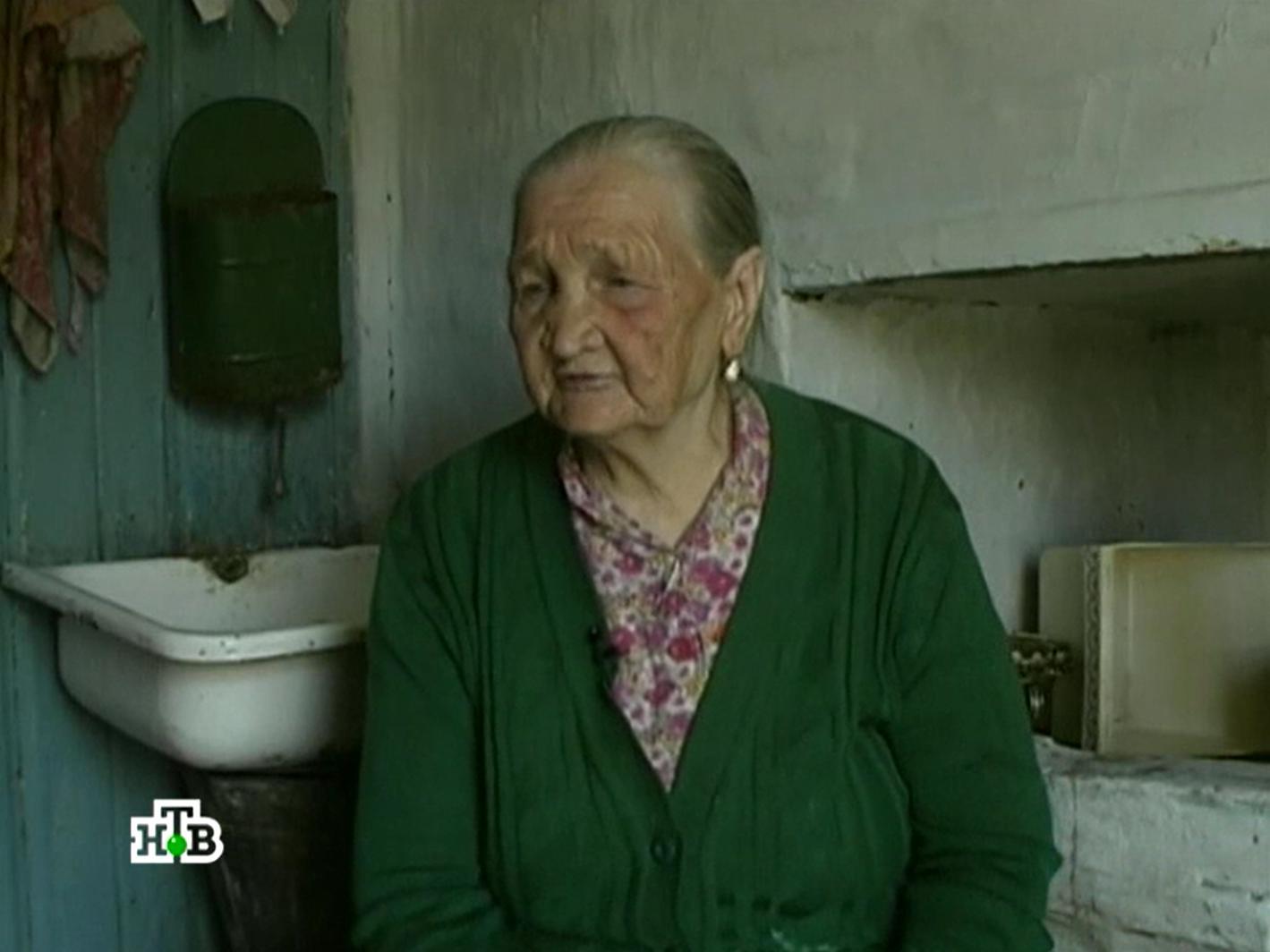
Pelageya Kozheparova could not believe her son was guilty.
Doctors meanwhile tried to save the injured child’s sight.
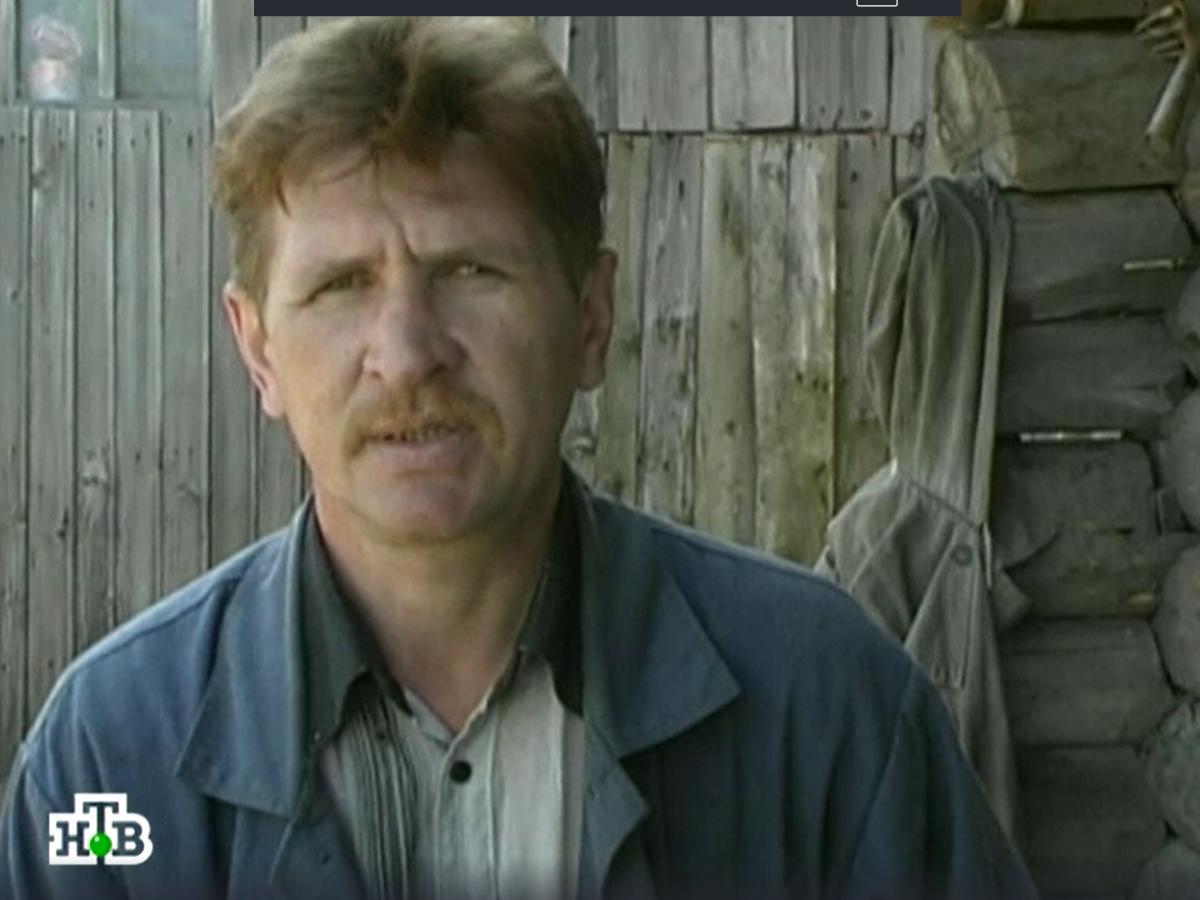
Viktor Kozheparov defended his younger brother.
“That night I stayed overnight with my son in the hospital. In the morning my son woke up and asked me: ‘Mama, why can’t I see anything?’” recalled the first victim’s mother. “I was so taken aback! I told him he had fallen and his little eyes had been hurt. And I cried.”
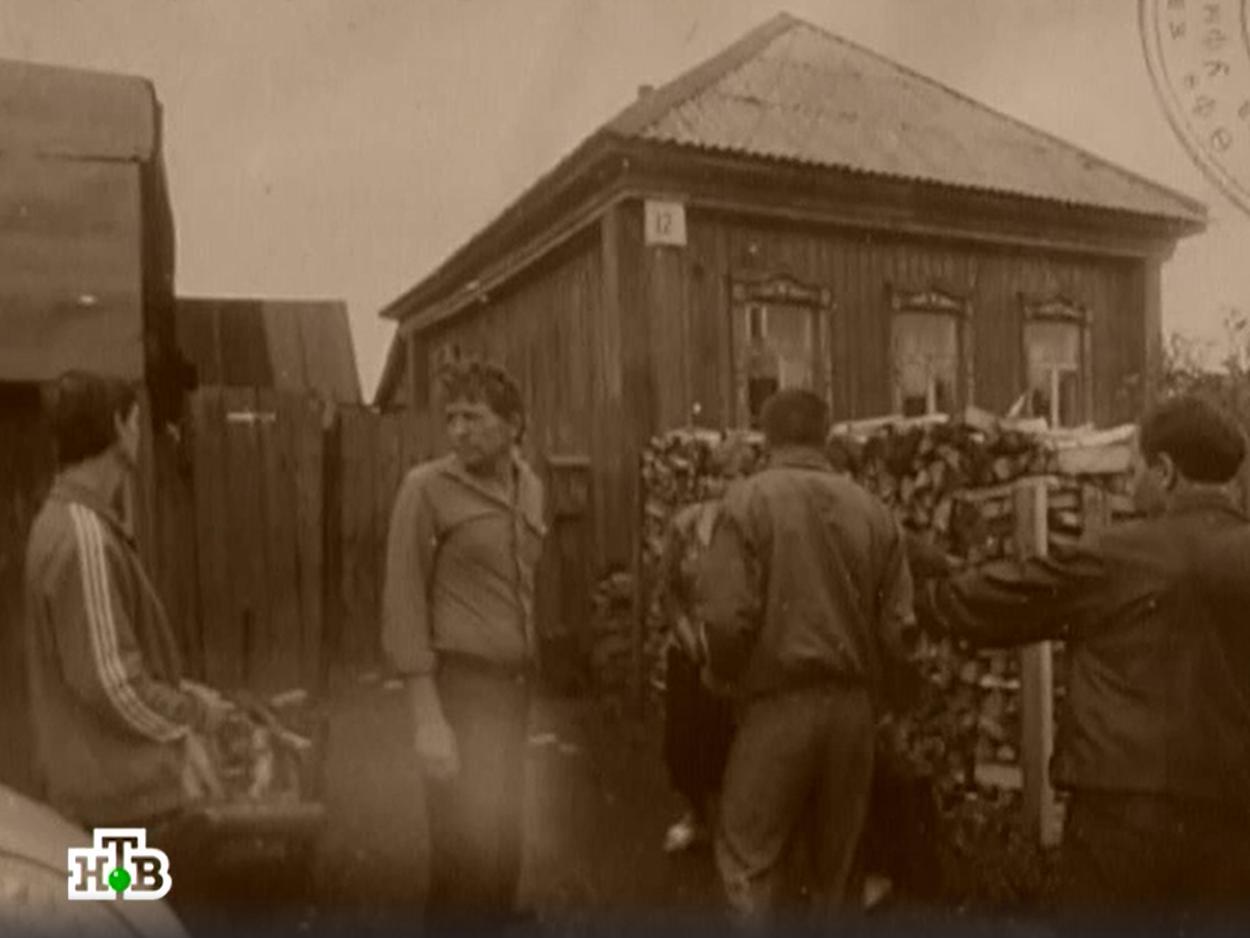
But the man was still taken to Ufa for questioning and arrested.
The woman tried carefully to find out from her son what had happened to him. The boy said “some man” had grabbed him in the entrance hall. Light hair, a grass-green sports jacket, about the same age as his dad — that was how the child described the attacker. The little boy did not know who he was, because he had never seen him before the attack.
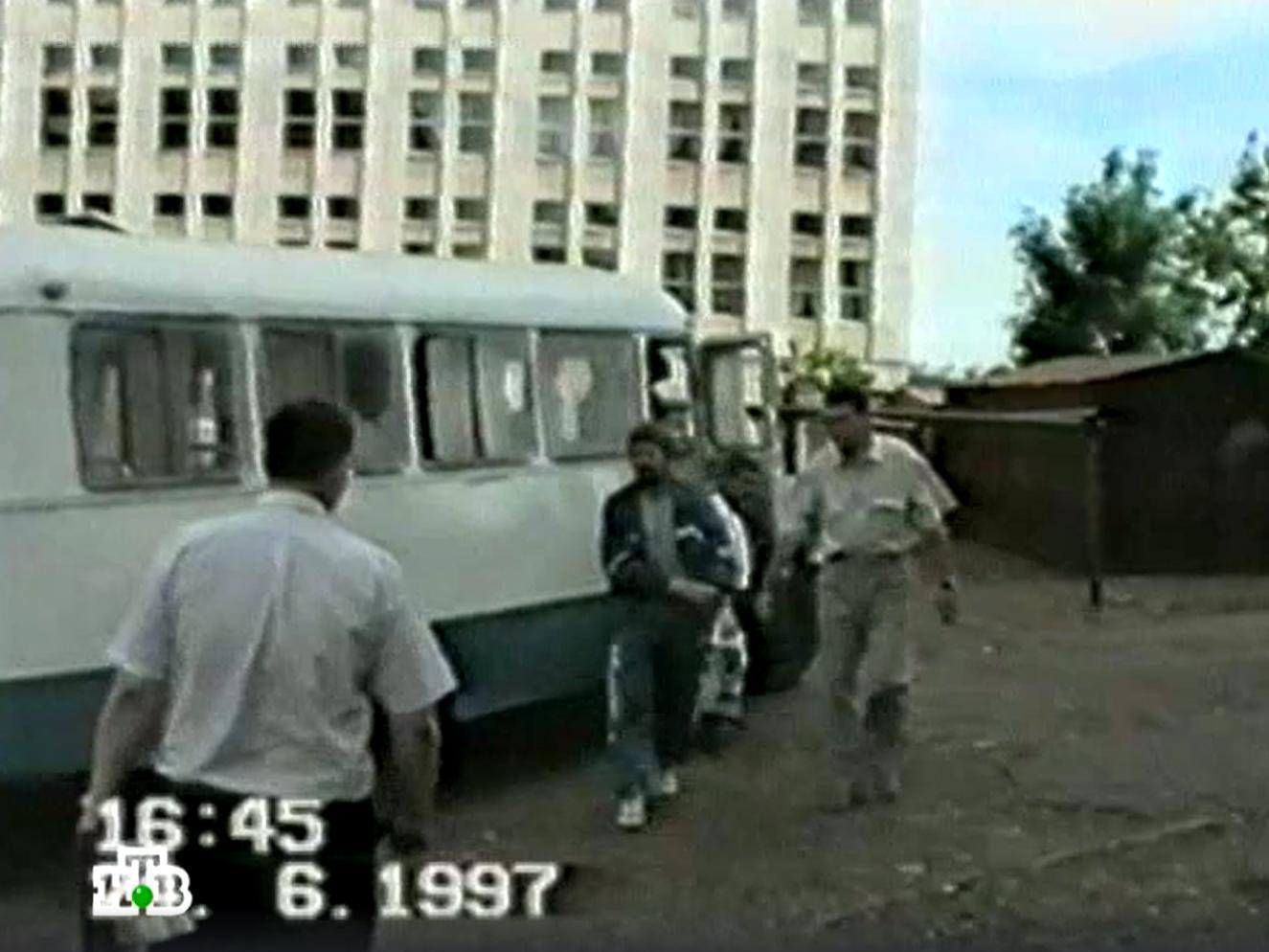
Mikhail Kozheparov initially denied involvement in the crimes.
Soon the first witnesses appeared — sisters who were walking their bicycles into the entrance hall. They saw the injured boy with a stranger and were able to describe him. Work then began with the archives of the republic’s law enforcement agencies. Perhaps the few identifying features of the attacker would match someone from past years’ criminals? Or perhaps one of those convicted had already used a needle? Requests were also sent to psychiatric clinics. Just in case, bulletins were sent to Moscow too: if the maniac was a traveling offender, sooner or later he might turn up in the capital.
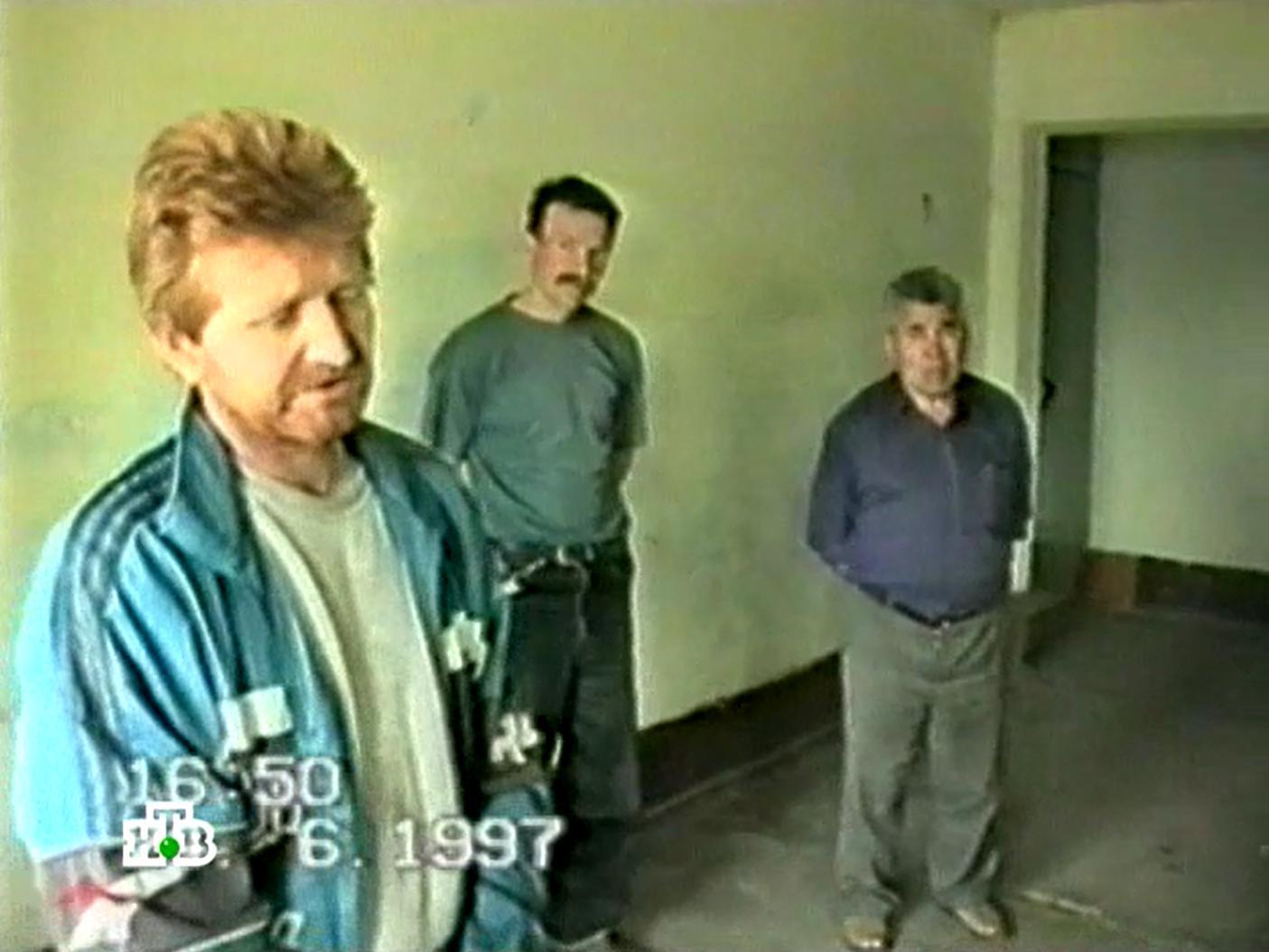
The examination results forced Mikhail Kozheparov to confess.
At the height of the security services’ work, a new tragedy occurred. In the afternoon of 13 June, on the landing of one of the buildings, an unknown man tried to rape a ten-year-old girl. During examination, doctors found signs of strangulation on her. It also emerged that the schoolgirl, like the first victim, had had her eyes pierced.
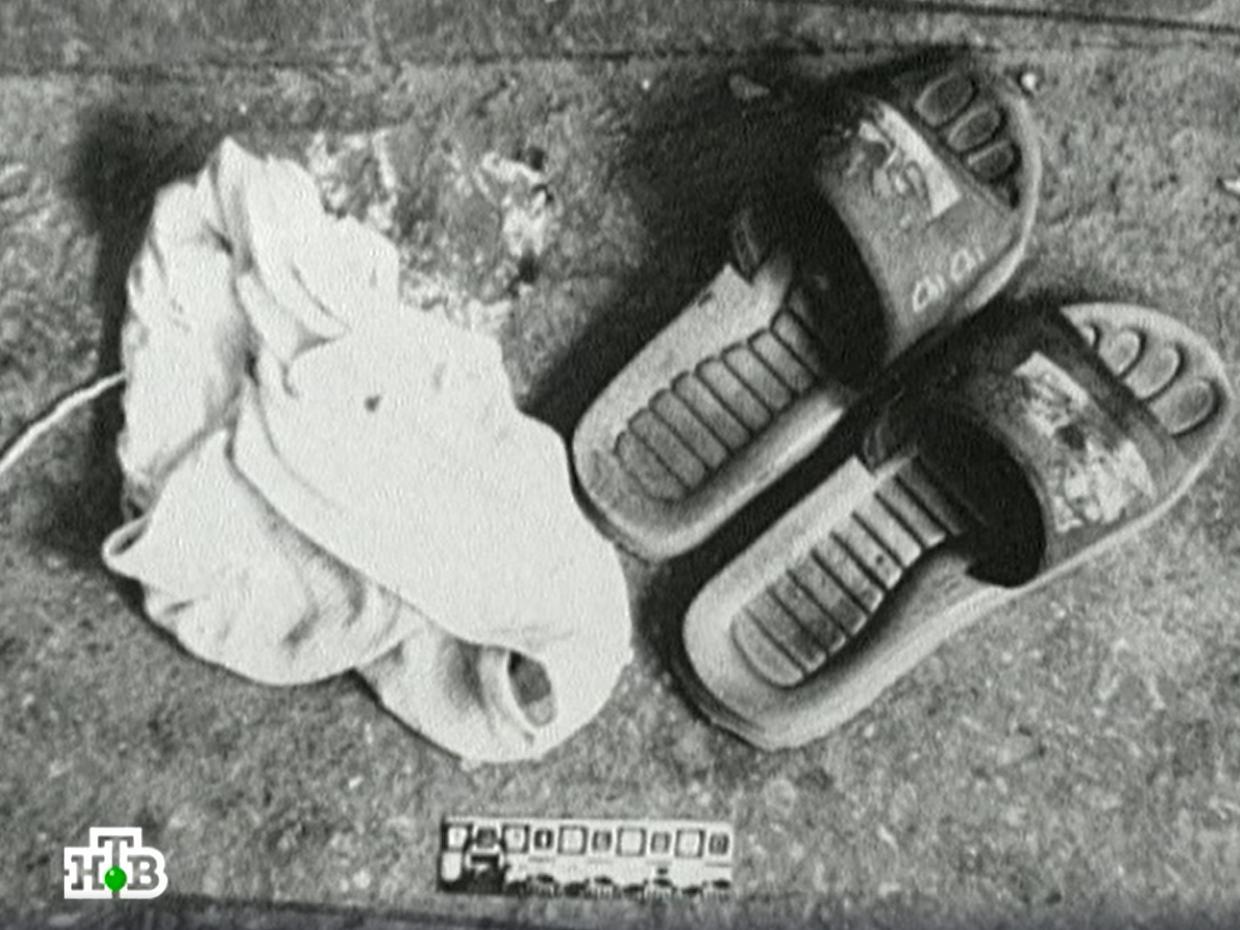
At first the killing seemed to follow the pattern of the earlier attacks, but details differed.
“A man came in after her, so they got into the lift together and went up to the seventh floor,” the injured girl’s father said. “The man grabbed her by the throat from behind, strangled her, hit her head against the wall and began to rape her. Then a woman came out, saw them, and he ran away.”
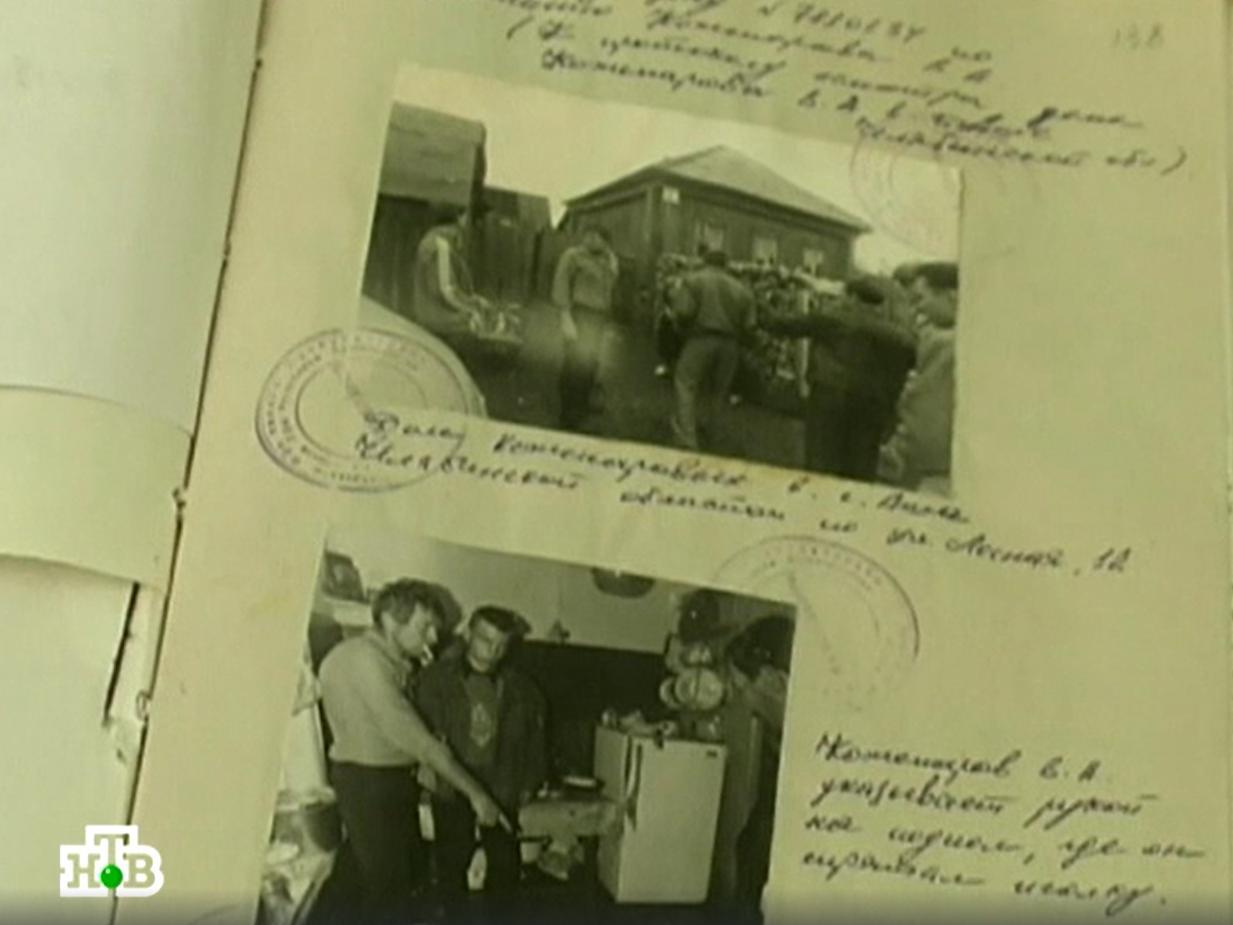
The detention of her second son was a blow to the mother.
There were several witnesses to the new attack. Some saw the man running away, while others saw him watching children in the courtyard even before the attack.
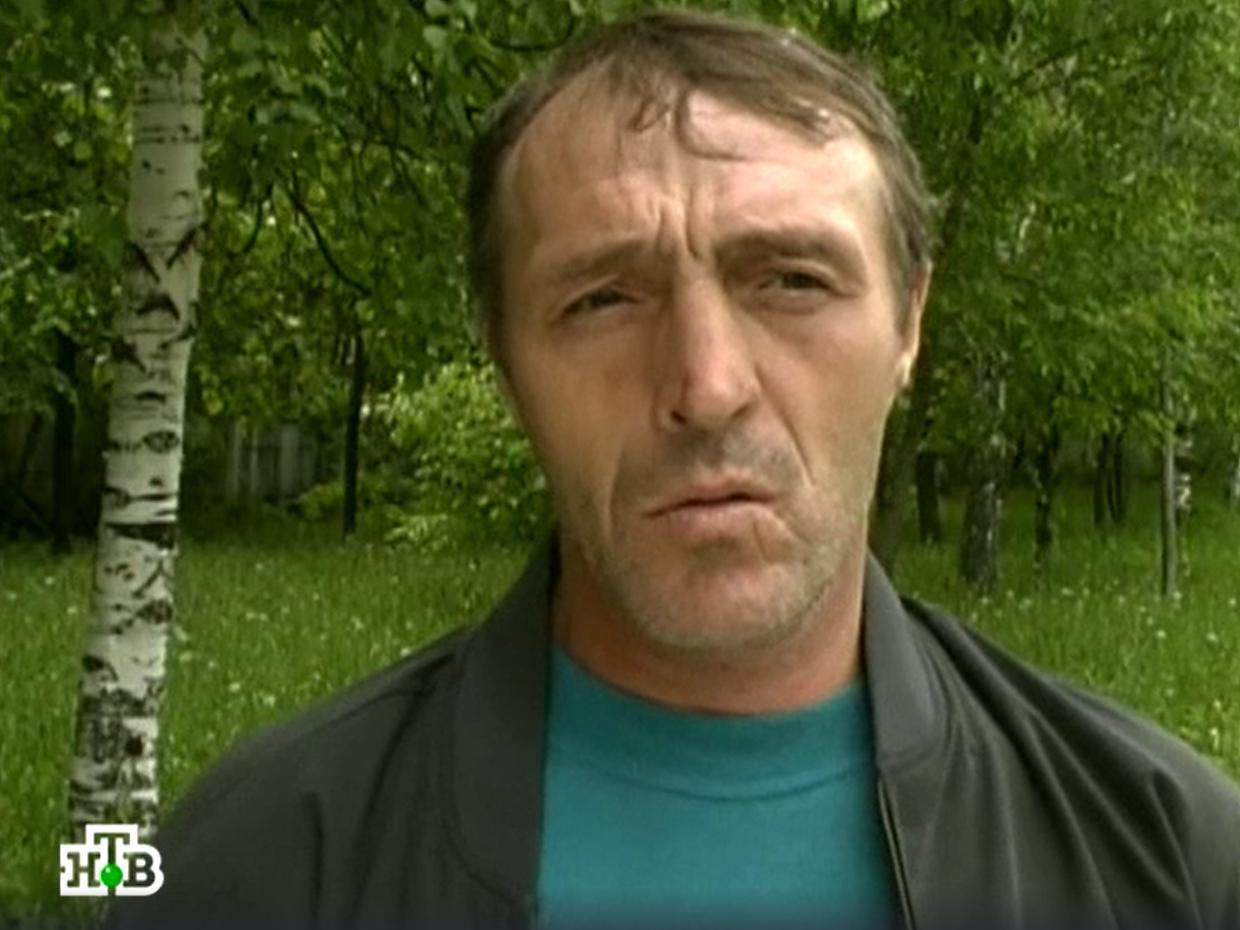
Kozheparov’s friend initially did not know why the brothers had been detained.
“I saw him. He was sitting there watching the children, seeing who was doing what,” one of the witnesses said. “He was a noticeable man, striking, so I remembered him.”
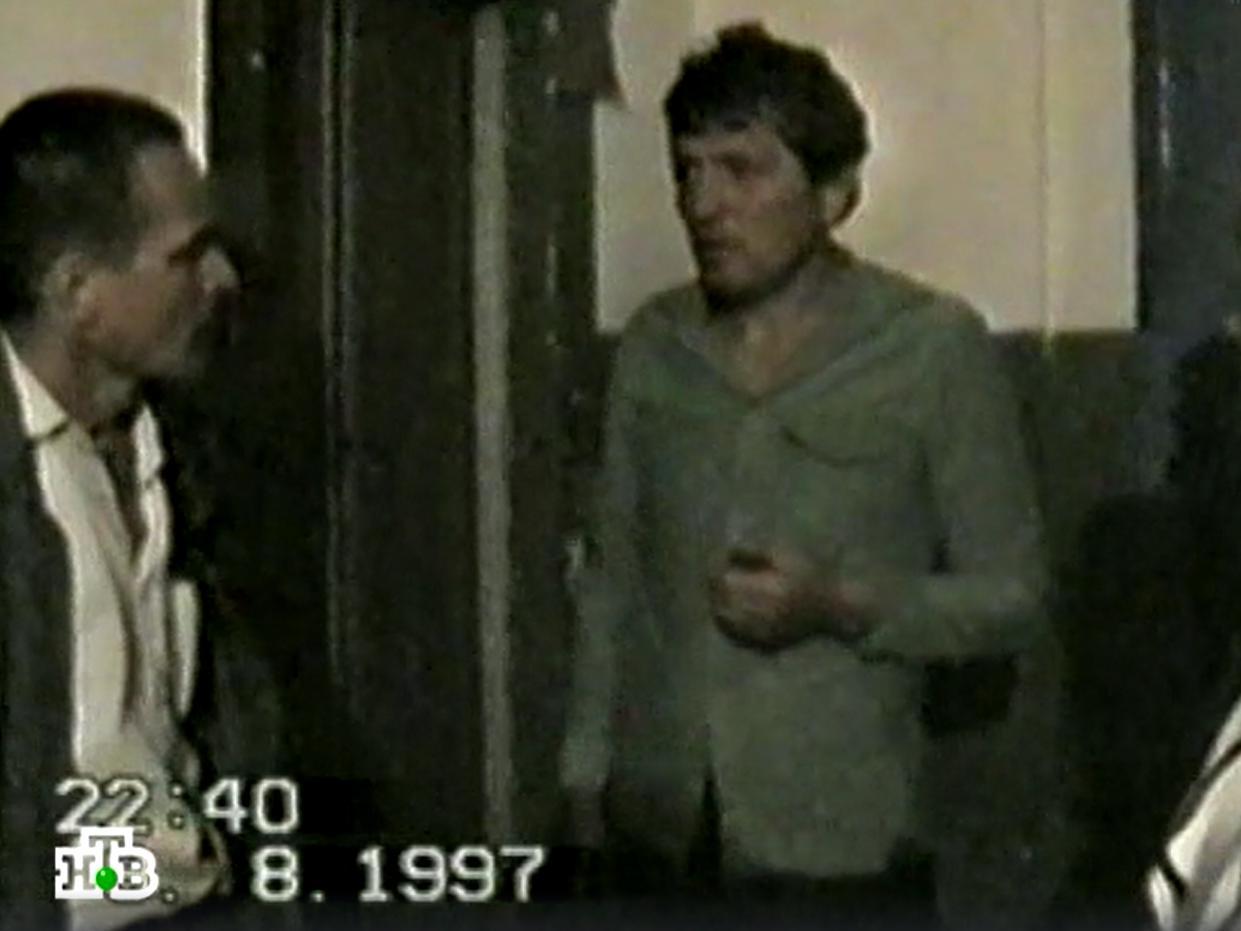
Vladimir Kozheparov gave detailed testimony during the investigation.
A forensic artist was brought in for the interviews. Each witness had remembered some detail, and these had to be combined into a single portrait. Medium build, no taller than 170 cm (5 ft 7 in), yellowish, almost ginger hair and a moustache. After questioning the eyewitnesses, the first composite sketch of the perpetrator was produced.
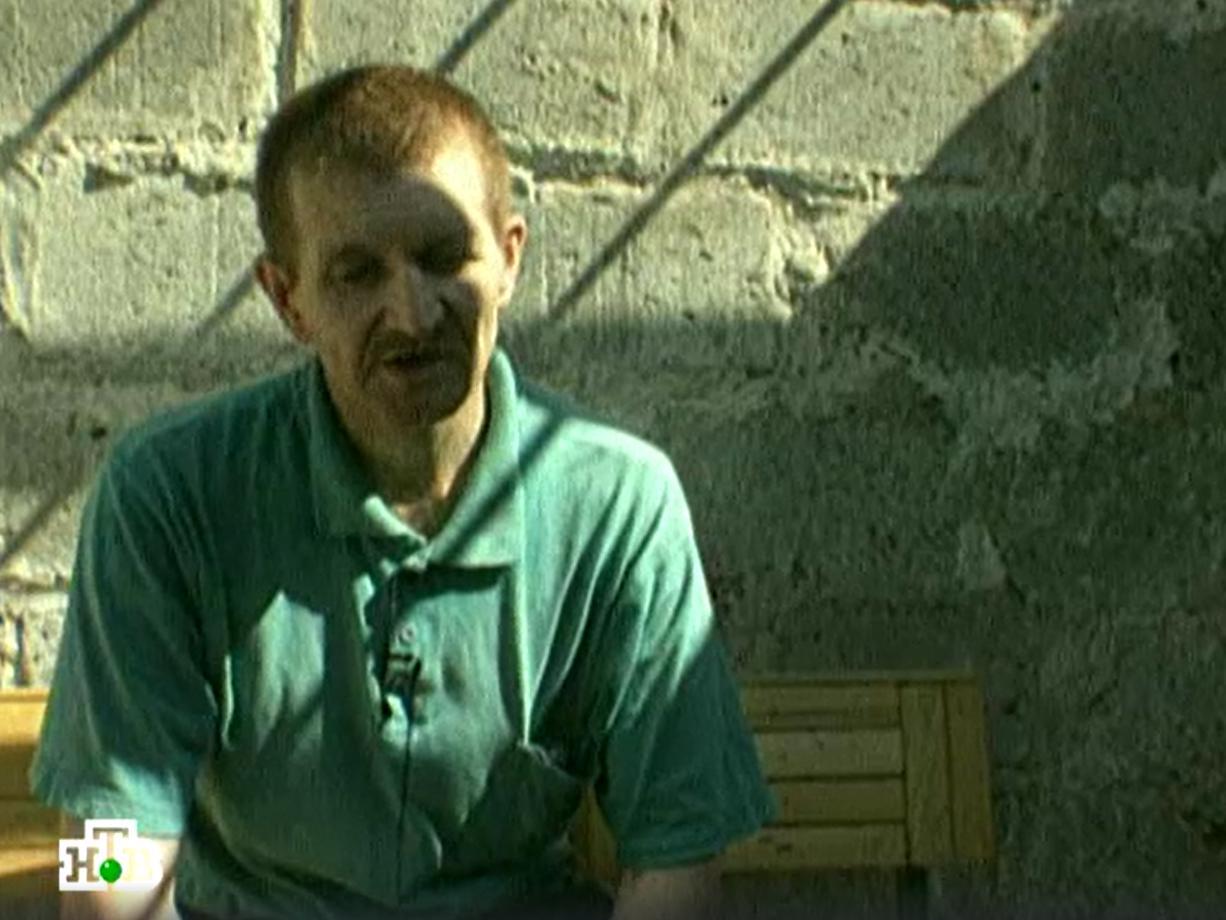
Both brothers were sent to a colony and are said to have been released.
One of the investigators recognized in the sketch a resident of a workers’ dormitory located not far from the scene of the first attack. Police began questioning people on the spot, and a neighbor gave them a name: “Why, that’s Misha Kozheparov. An old friend of mine.” It quickly emerged that Kozheparov had been in Ufa and had passed by that dormitory on 2 June, but the suspect permanently lived in the town of Asha in the Chelyabinsk Region. Investigators set off for his home.
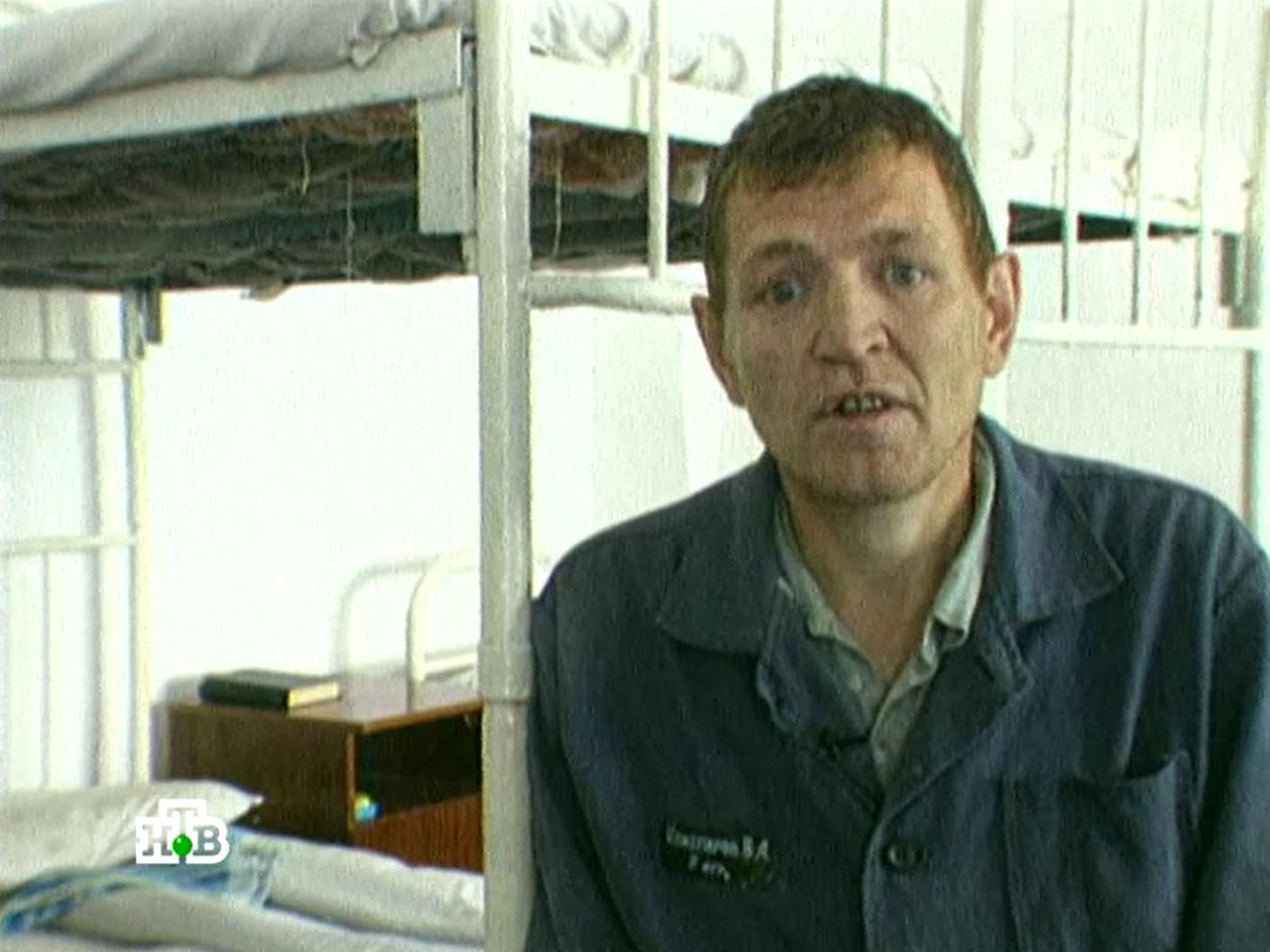
But they abruptly denied guilt in the attacks on children once the case reached court.
“They arrived and asked: ‘Where were you on the 13th?’ We said: ‘We were at home on the 13th, we didn’t go anywhere,’” recalled pensioner Pelageya Kozheparova, the suspect’s mother, of that visit. “There were two people, and they took witnesses along.”
Among those who knew the Kozheparov family, the news of Mikhail’s arrest caused shock. No one believed he was guilty. The police were even suspected of trying to pin a horrific crime on an innocent man. The investigators also questioned the suspect’s family.
Mikhail Aleksandrovich Kozheparov, born in 1959, Russian. Born in the Kostanay Region of the Kazakh SSR. Higher education, divorced, previously unconvicted, unemployed.
“On the 13th the factory wasn’t working after Russia Day,” recalled the detainee’s older brother Viktor. “So I took my daughter to kindergarten and came to Mama’s. Mikhail and Volodya were here. Volodya went off to get firewood, and we stayed. Mikhail was hungover, in a bad state. He couldn’t have gone anywhere, let alone left town.”
Neighbors also confirmed that Mikhail Kozheparov had been in Asha on the day of the second attack. They recalled how the suspect had helped unload firewood and had been at home until the very evening.
A forensic medical examination could resolve all the doubts that had arisen. After the attack, textile fibers remained under the injured girl’s fingernails, and biological traces of the perpetrator were found on her clothing. DNA testing did not exist at the time, but experts assigned the samples from the attacker and from Mikhail Kozheparov to the same group, not ruling out a complete match.
For Kozheparov’s friends and acquaintances, shaken by the examination results, there was only one explanation for what had happened:
“Personally, I think this: if it was him, then his mind has gone,” one of his friends said. “Though I don’t believe it either. He was a normal man, he had his head screwed on before this. In all the time we knew each other, he had his head screwed on.”
“Sober, sociable, a normal person,” another acquaintance agreed. “He could talk properly. When he drinks, he becomes unstable, neurotic.”
Kozheparov was ordered to undergo a forensic psychiatric examination. There, incidentally, he did not try to feign insanity, but remained calm and confident.
“He denied what he had done. He emphasized his love of children, which he used to explain his choice of profession as a teacher,” one of the psychiatrists said. “Externally he gave the impression of a blinkered person, reluctant to make contact, a grey, inconspicuous personality in a crowd. Kozheparov was found mentally healthy and sane.”
Doubts remained among those involved in the investigation, but then Kozheparov made an unexpected move. During a crime-scene reconstruction, he admitted guilt in the attack on the first victim. He described and demonstrated in detail all his actions, without missing a single tiny detail. How he followed the boy into the entrance hall, tried to rape him and, realizing that it would not work, began to strangle the child and pierce his eyes.
It seemed that little remained — to finish gathering evidence and send the case to court. The city began to return to normal life when a terrible piece of news spread through Ufa. On 5 August there was another attack. In the entrance hall of a residential building, the body of a new victim was found — a 13-year-old girl — with signs of strangulation, sexual assault and eyes pierced with a needle.
“That day I came home at twenty past five. At a quarter to six I went out to take out the bucket,” a neighbor said. “When I turned toward the garbage chute, I saw a woman lying there. Later I recognized her as a neighbor — the granddaughter of our neighbors on the ninth floor. The police arrived quickly, in about 15 or 20 minutes, and they determined that she was already dead.”
The investigation reached a dead end. Mikhail Kozheparov, who had confessed to everything, was under investigation and in custody. Who, then, had killed the girl? Emergency meetings were held at all city police stations, and officers were urgently recalled from leave. And panic again gripped the city. Rumors spread that the maniac had escaped from prison and that the police were covering it up.
However, the examination showed that this time the perpetrator’s pattern differed. Whereas Mikhail Kozheparov had inflicted five or six needle punctures on his victims’ open eyes, the murdered girl had more than 30, inflicted on eyelids that were already closed. True, according to the examination, the needles in both cases were practically identical. How would the new perpetrator know what his predecessor had used?
A thought crossed the detectives’ minds: someone was trying to throw them off the scent. They immediately recalled that Kozheparov’s brother had come to the station on the very day of the murder and again tried to prove Mikhail’s innocence. Moreover, after long conversations with investigators, he was by then as familiar with the circumstances of the case as they were. A capture team was sent to Asha again, and once again the door was opened by the brothers’ mother, Pelageya Kozheparova.
“I opened the door, and Volodya was asleep,” the woman later recalled. “He got up at once, jumped up. They went over to him. ‘Come out,’ they said. I went out and stood there for a while. I looked — Volodya was gathering his clothes. I said: ‘What’s the matter? What’s going on?’ He said nothing. He gathered everything — and Volodya was taken away.”
Kozheparov Vladimir Aleksandrovich, born in 1963, a native of the village of Mikhaylovka in the Ufa District, Russian. Secondary education, divorced, worked as a branch trimmer in Asha, previously unconvicted.
The detectives began checking alibis. It was already known that the elder Kozheparov had been in Ufa on 5 August. But it turned out that he had come with a friend — the very witness who had claimed that on the day of the second attack, 13 June, he had been unloading firewood with the brothers in Asha.
Vladimir Kozheparov himself claimed that he and his friend had arrived in Ufa at 12 noon on 5 August and gone to the prosecutor’s office. They left there at 14:00 and drank vodka in a public garden until the train left. The witness, however, had a different version. According to him, they spent no more than 10 minutes together in the garden, and then Kozheparov left by bus — promising to go for something to eat. He returned an hour later with a sausage and a loaf of bread.
“I noticed that his hands were shaking,” the witness said. “I asked him: ‘What’s wrong?’ He explained to me that he had met an old girlfriend and hit her in the face over some old grievance. I also noticed that one of his cheeks, left or right, was scratched. I said: ‘And what’s that?’ He said: ‘I hit her, and she scratched me for it.’”
The investigators then told the witness why they were so interested in the brothers.
“He clutched at his heart and said: ‘Guys, I didn’t know. They explained to me that he was being charged with hooliganism. We didn’t unload any firewood [on 13 June]. That was on a completely different date. Forgive me, I didn’t know the children had been maimed,’” an investigation participant said.
Having learned what the Kozheparovs were accused of, the witness sharply changed his testimony. And the last doubts of the investigators were dispelled by the results of the examination of evidence left at the crime scene. Under the third victim’s fingernails, blood was found that could have belonged to Vladimir Kozheparov, as well as fibers from his T-shirt. After that, the second suspect finally began to give testimony.
All that remained was to establish the perpetrators’ motives. Mikhail said that, drunk, he had lured his first victim — the five-year-old boy — “striving to obtain the greatest sexual satisfaction.”
Vladimir, like his brother, initially claimed that he had attacked the third girl while drunk and had also taken her into the forest, and then carried her into the entrance hall of a building. Then he confessed: he had committed the crime to save his brother — to show that the crimes continued even after Mikhail’s arrest, and therefore that Mikhail was not involved in the attacks. The detectives began to question the elder brother’s sanity and also sent him for a forensic psychiatric examination. The doctors, however, reached an unequivocal conclusion: Vladimir was sane and had no mental abnormalities.
After the trial began, both brothers retracted the testimony they had given during the investigation and stated that they had been subjected to physical pressure. The Supreme Court of Bashkortostan, however, considered the Kozheparovs’ guilt proven and in March 1998 sentenced both to 25 years in a strict-regime colony.
What else to read from true crime
Sold their flat, were planning to go south: how a family with children vanished without a trace in Chelyabinsk in the 1990s;
“I step back, and he orders: ‘On your knees!’”: how a policeman shot four Chelyabinsk residents in the street and avoided prison;
Kirill Plankov, convicted together with his brother for the high-profile murder of his schoolgirl girlfriend, has returned to Chelyabinsk from the war in Ukraine;
Forest-park maniac or victim? What is wrong with the case of a former soldier who served 20 years for rapes and murders;
Who will shed light on the investigation? Why the mysterious murder of the head of Chelyabenergosbyt and his wife has never been solved.