Omsk Village Burns Pigs as Officials Hide Diagnosis
In Kaban'ye, Omsk Region, hundreds of pigs were culled and burned over an unnamed "especially dangerous" virus, while residents say authorities concealed the diagnosis and gave them unsigned papers.
Oct 21, 2026 0
Residents of Kaban«ye are left without boars and pigs
Source:
Yevgeny Sofiychuk / NGS55.RU
A deadly infection is sweeping through pig herds in Omsk Region. The disease, which veterinary services call «especially dangerous,» has already reached 12 districts, including Kalachinsky. There, in the village of Kaban«ye, something terrible happened last week: a huge pit was filled with the carcasses of piglets and sows, and then all of it was burned. Local residents are in shock: no one even explained what their pigs had been sick with. The Main Veterinary Directorate is not disclosing the diagnosis either.
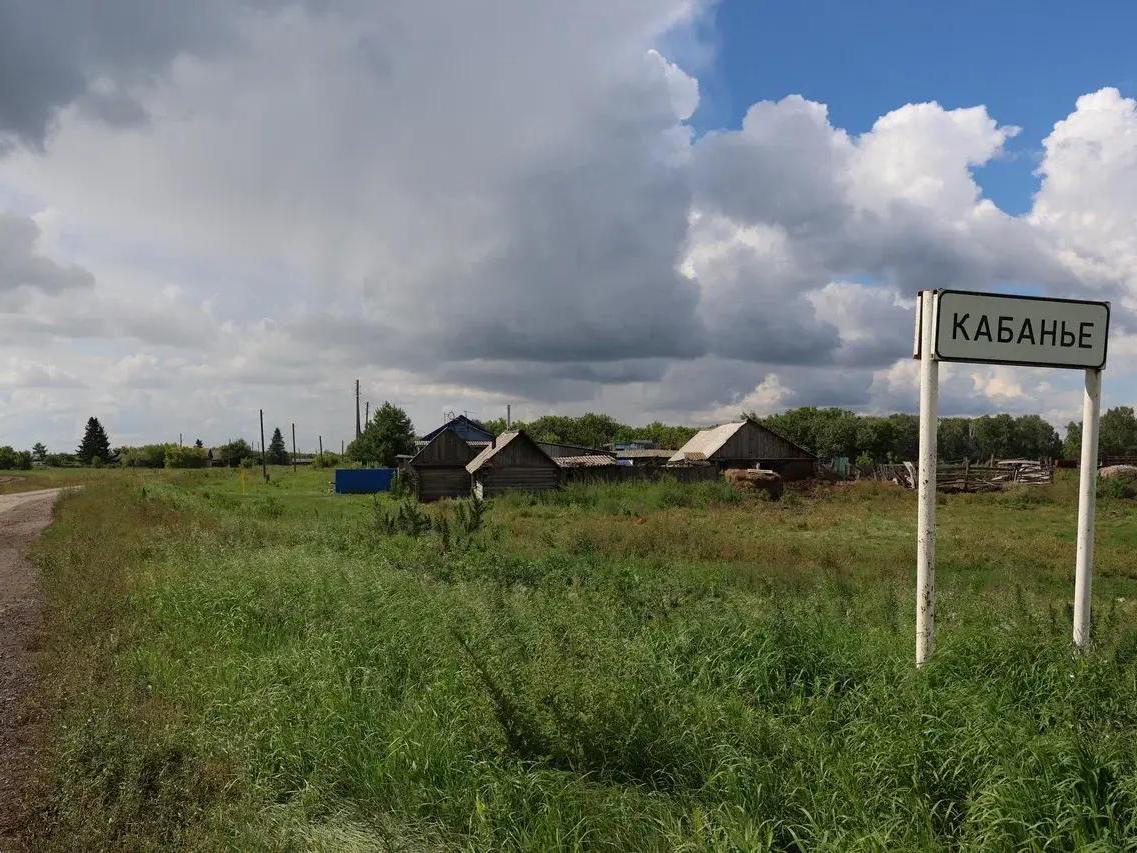
At the village entrance there are no veterinarians and no information that an especially dangerous infection is present
Source:
Yevgeny Sofiychuk / NGS55.RU
NGS55.RU correspondents traveled to Kaban«ye to see everything with their own eyes. The main questions: what disease has come to the village, are pigs still getting sick now, and how are the authorities, who maintain silence, reacting to what is happening?
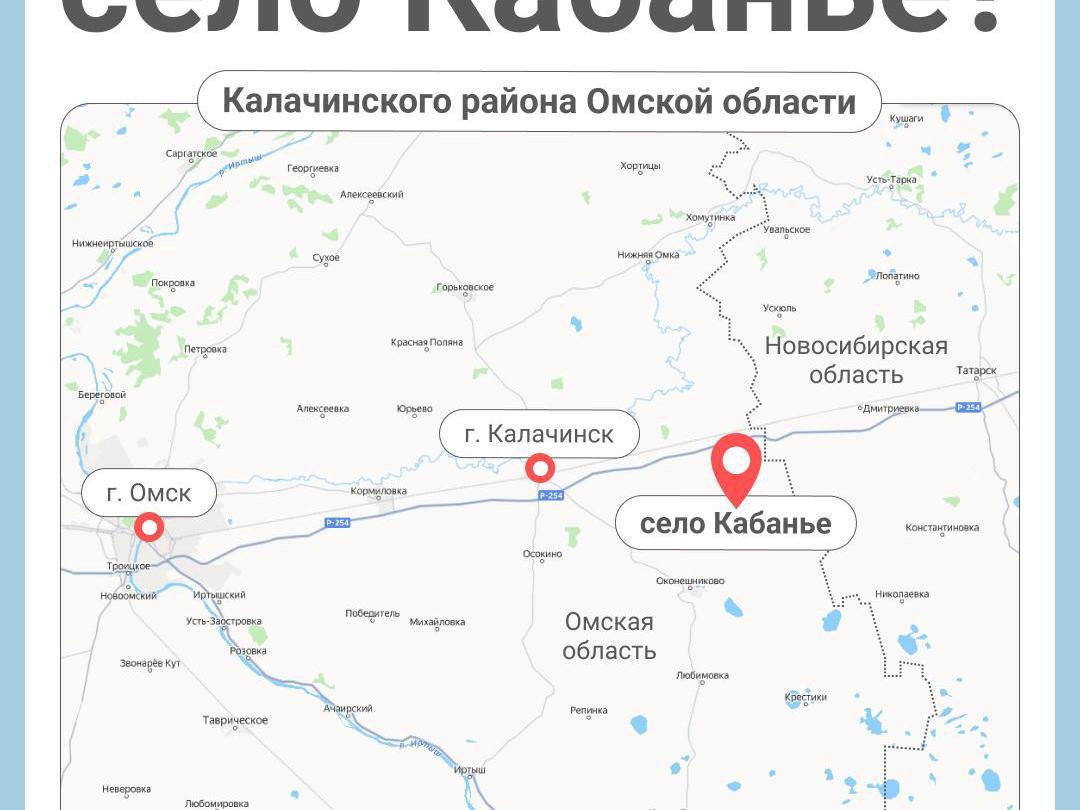
The village is located on the border with Novosibirsk Region
Source:
Polina Avdoshina / Gorodskiye Media
How we got to the village where pigs are burned
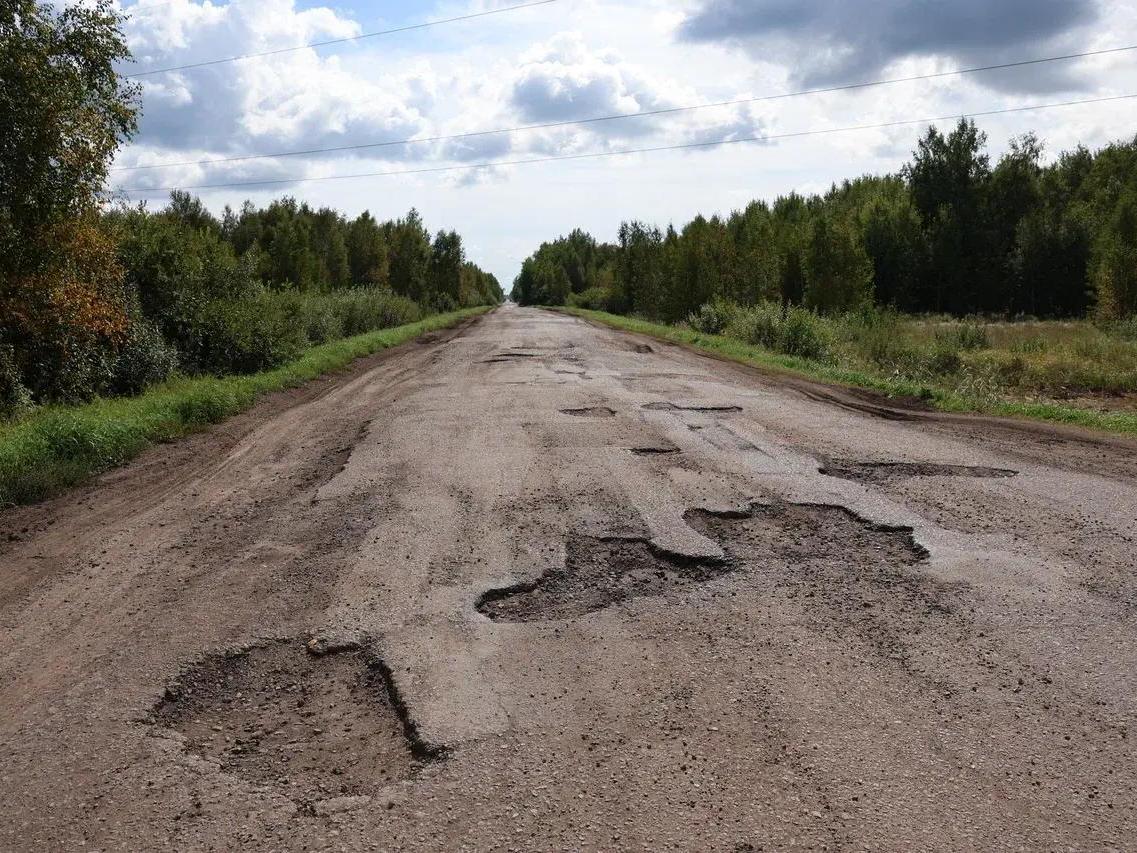
This is what the road to Kaban«ye looks like. There is not even pothole repair here
Source:
Yevgeny Sofiychuk / NGS55.RU
Kaban«ye sits right on the border of Omsk and Novosibirsk regions. It is 155 kilometers (96 miles) from the city, and that is not even the hardest part. The main challenge is the Kalachinsk–Ivanovka–Kaban»ye road. Of its 73 kilometers (45 miles), only part has been properly repaired; the remaining 50 kilometers (31 miles) to the village are a mess of potholes, ruts, and deep wheel tracks. You cannot go faster than 20–30 km/h (12–19 mph) here.
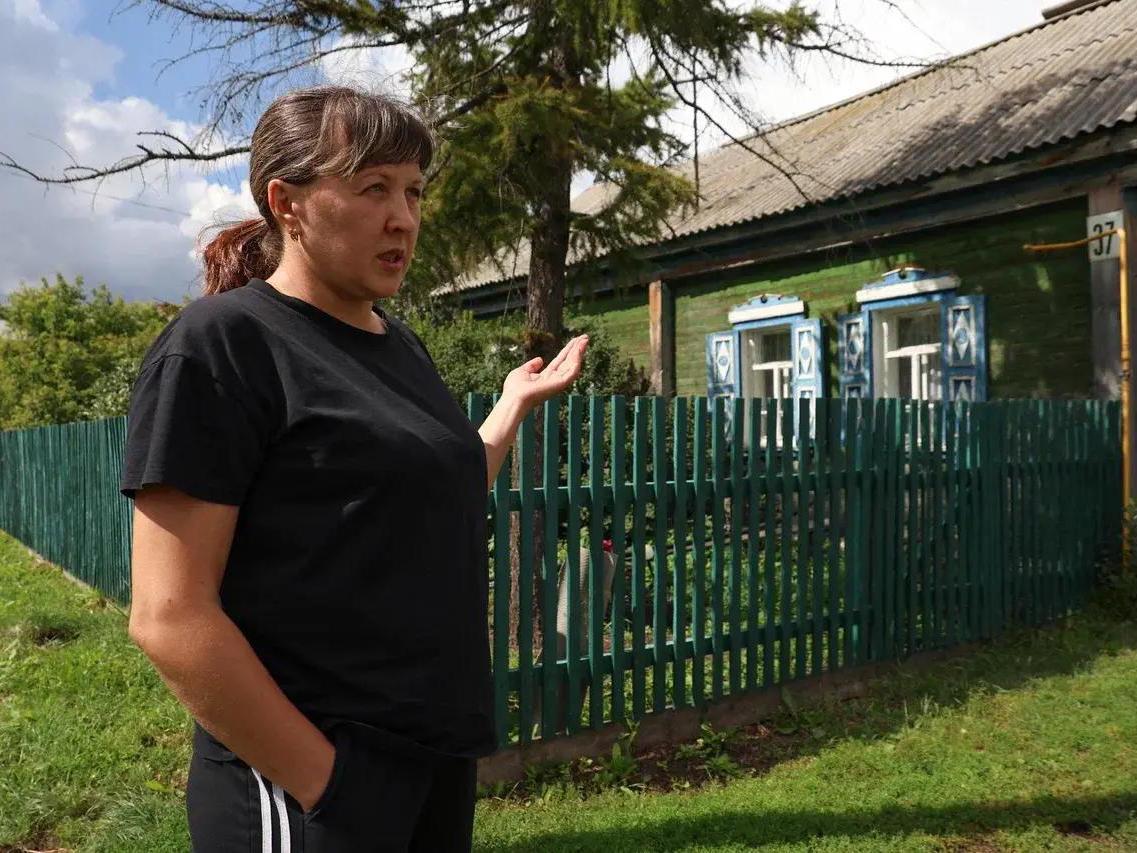
The Zaskalko family lost 11 animals
Source:
Yevgeny Sofiychuk / NGS55.RU
After 2.5 hours of shaking, we enter Kaban«ye. We had pictured a quarantine scene: a barrier, stern veterinarians in protective suits, disinfection mats. After all, an »especially dangerous infection« is raging nearby.
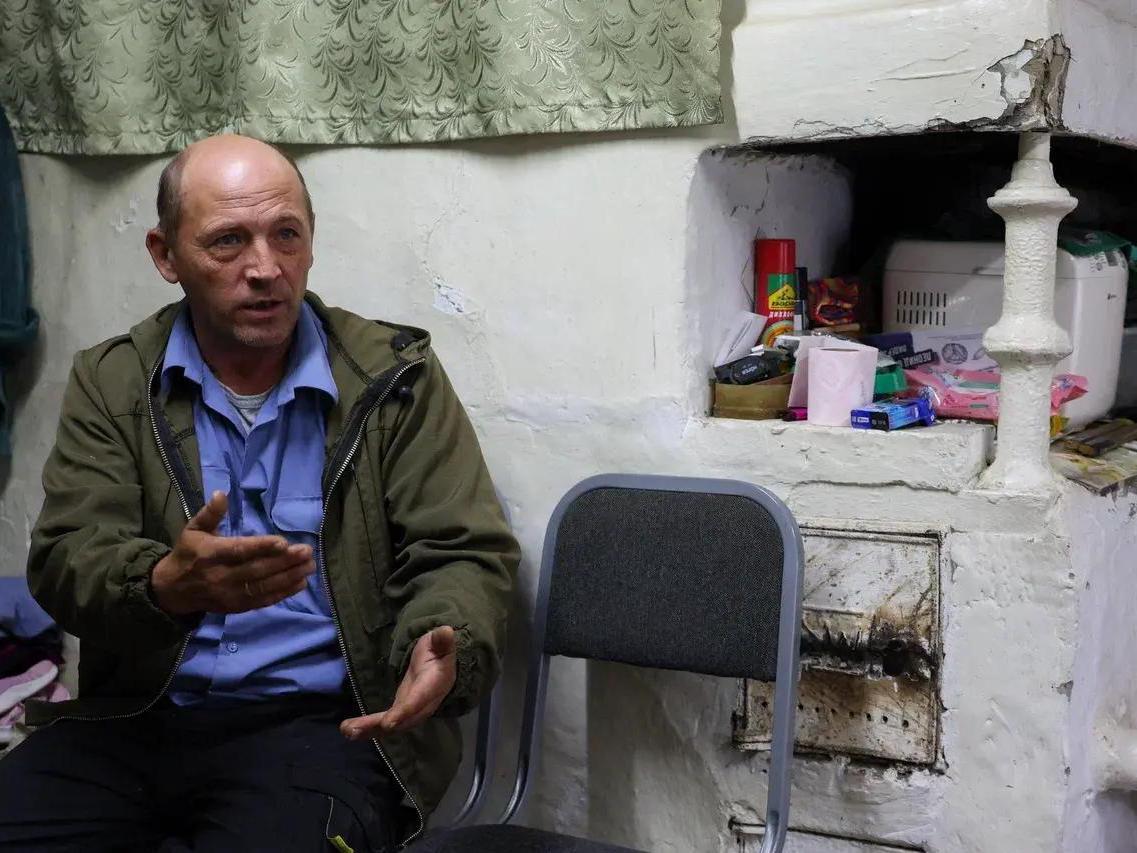
Sergei Zaskalko demanded to see documents. He was not given any
Source:
Yevgeny Sofiychuk / NGS55.RU
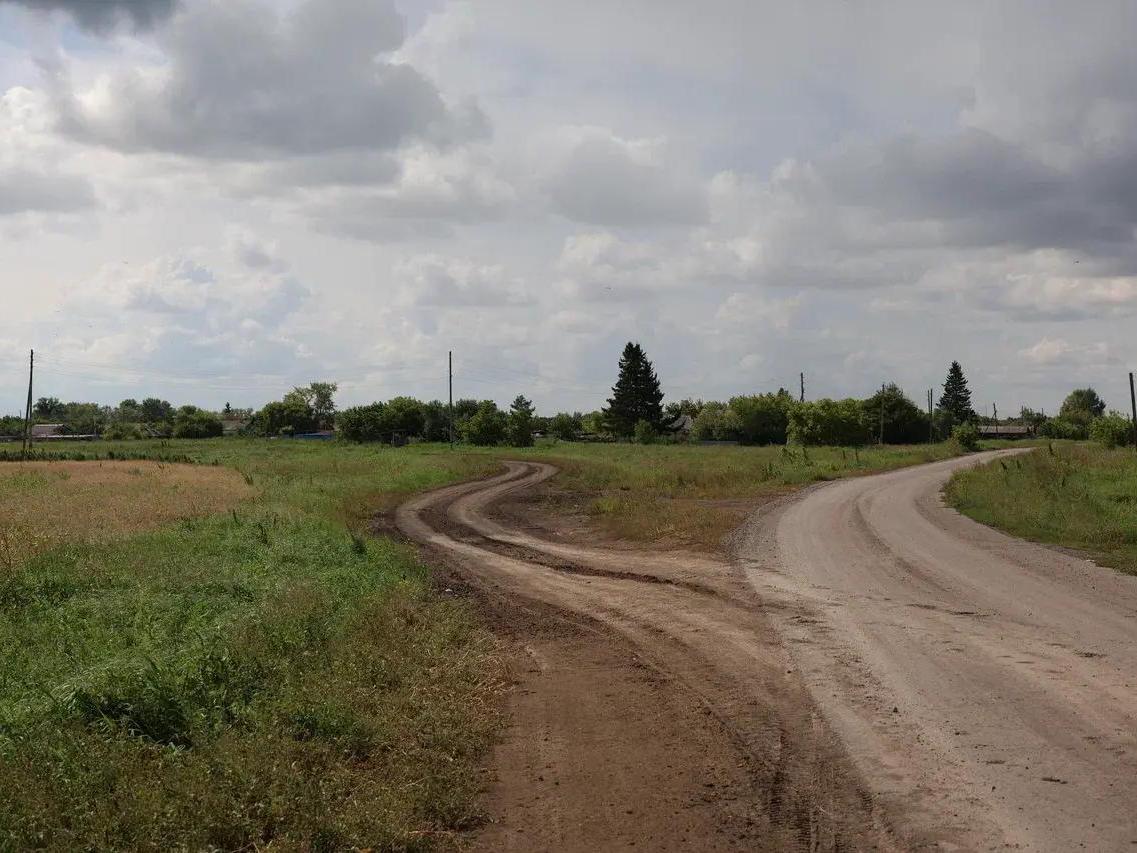
But reality defies expectations. The battered inter-village road unexpectedly turns into a smooth village street. But there is not a soul here. The silence is broken only by the wind from the nearby Lake Kaban«ye — it carries the smell of reeds and silt. Somewhere in the distance, combine harvesters rattle in the field. There are no checkpoints.
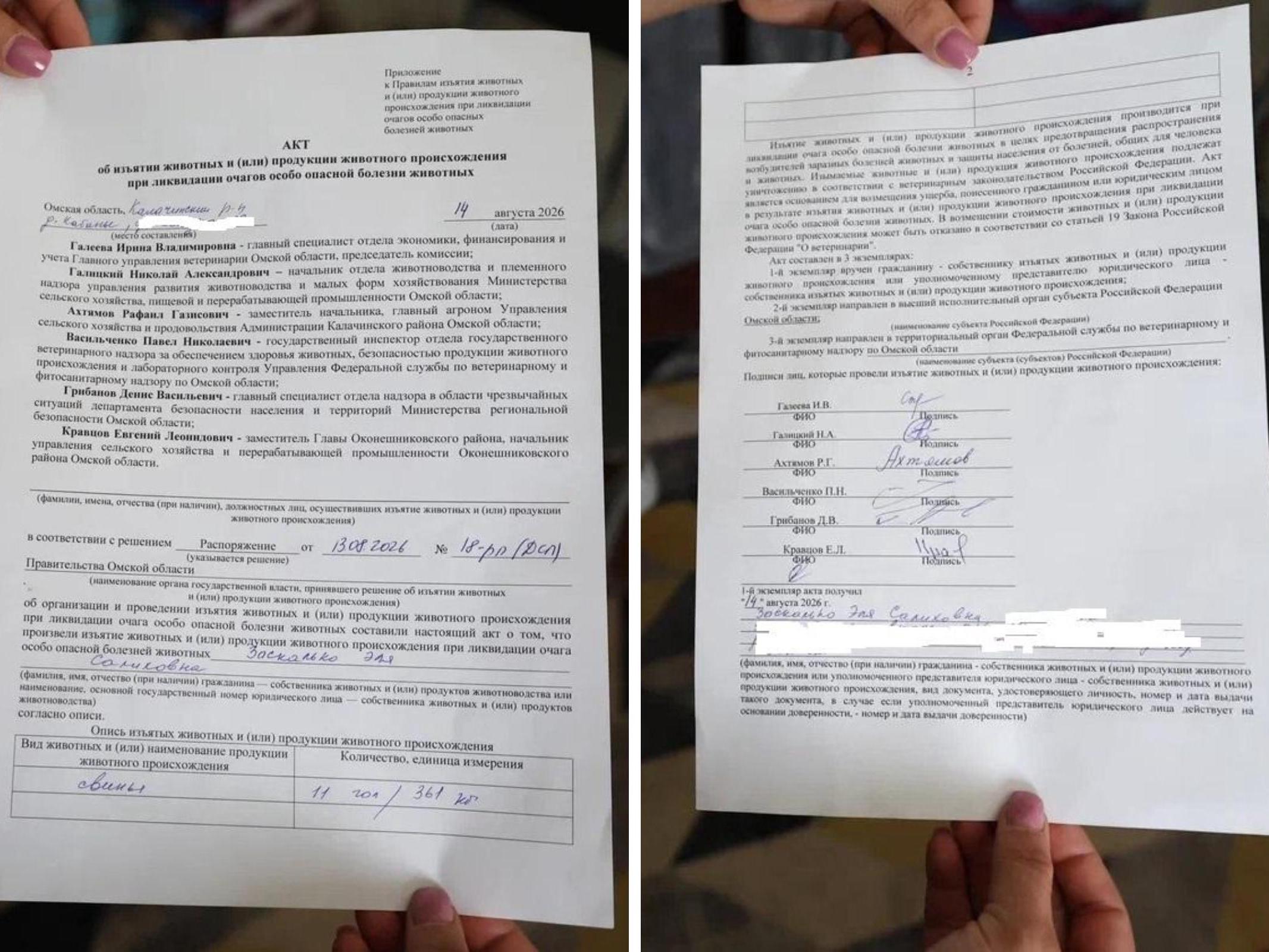
The only document given to the villagers. The name of the disease is not in it either
Source:
Yevgeny Sofiychuk / NGS55.RU
When African swine fever, considered an especially dangerous infection, was detected in Omsk Region in 2017, every village where animals were sick had a checkpoint, a disinfection barrier, and all transport was treated. Some villages admitted only local residents. In 2026, during the mysterious «especially dangerous disease,» there is nothing of the kind.
The pigs were caught in pens and given poison
Source:
Yevgeny Sofiychuk / NGS55.RU
The Chronicle of the Pigs« Death Through the Eyes of Witnesses
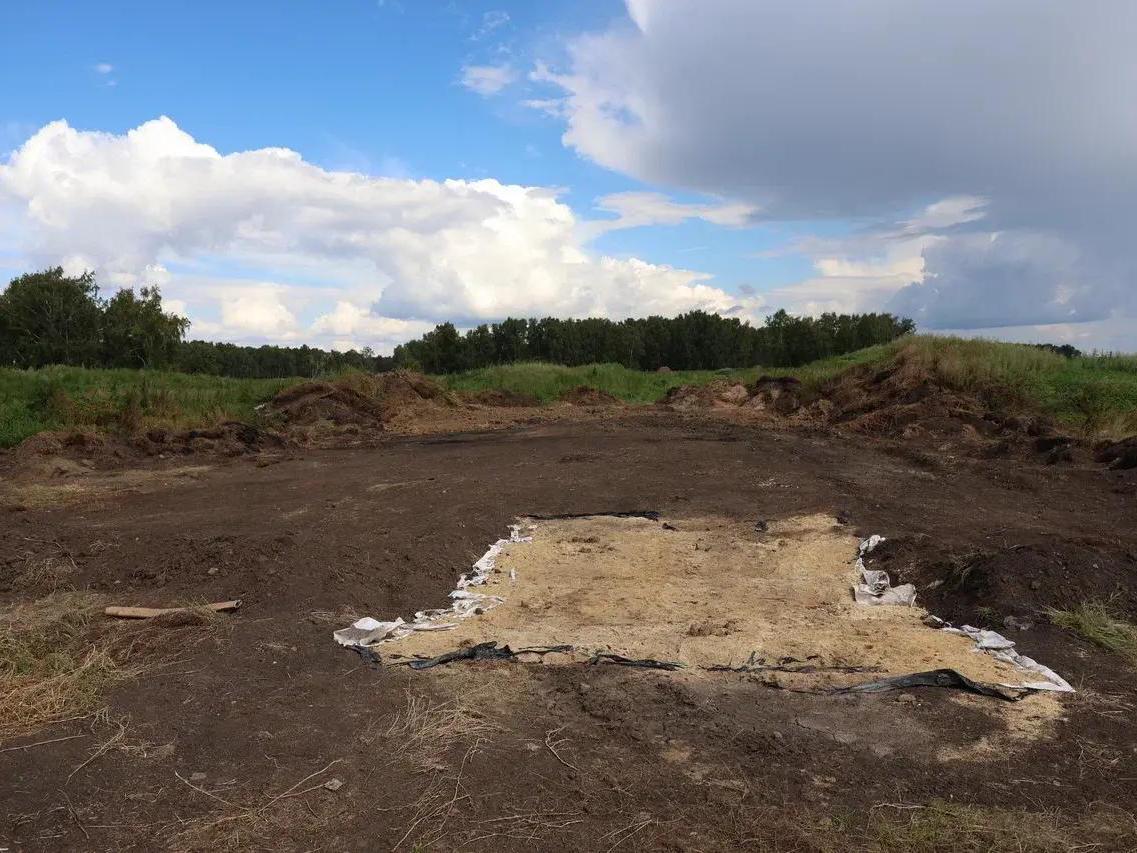
This is what the place where the pigs were burned looks like
Source:
Yevgeny Sofiychuk / NGS55.RU
«All the men are out harvesting in the field, and the women are doing household chores,» Elya Zaskalko greets us at her gate.
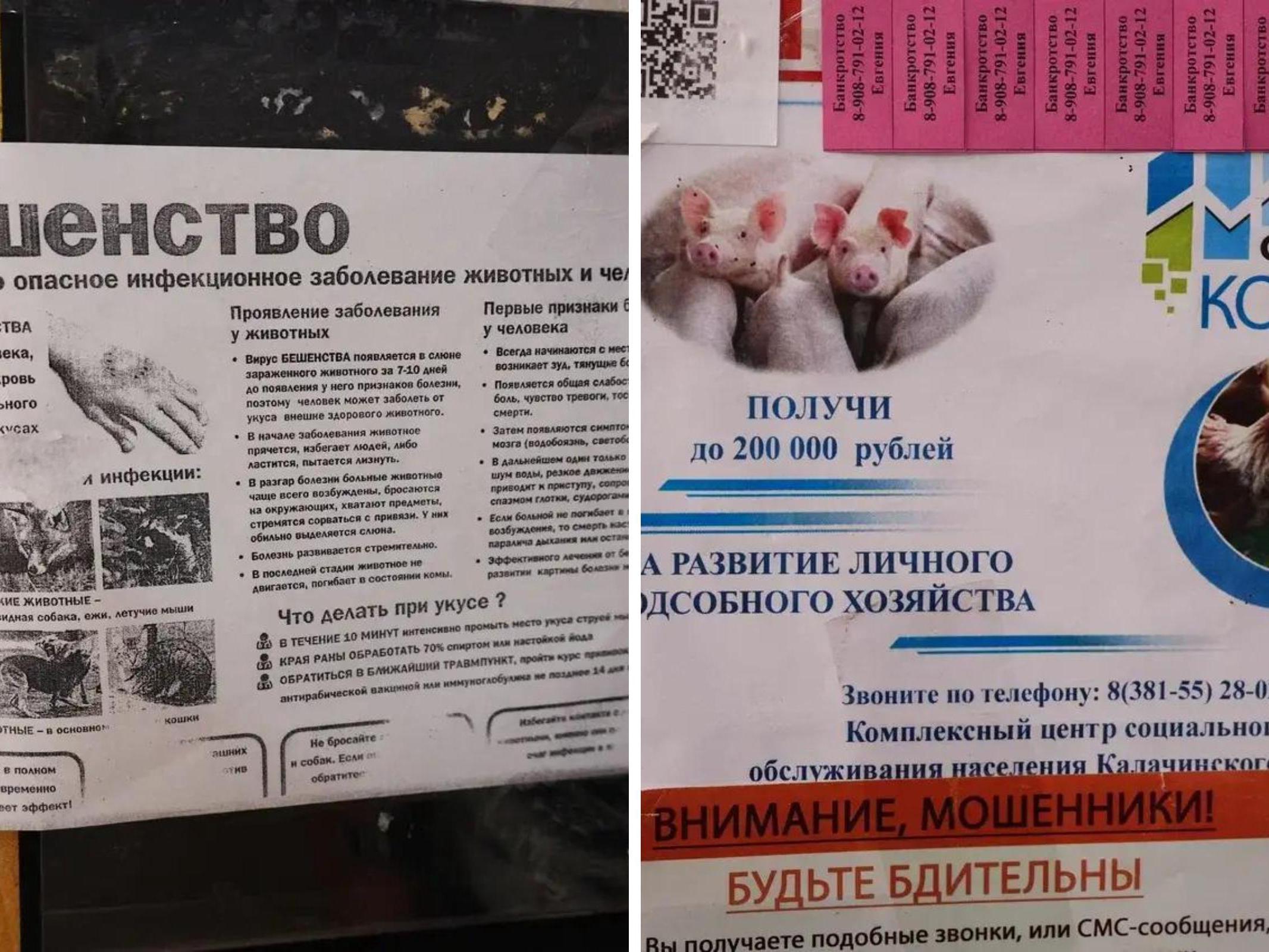
The notice board has information about rabies and about getting money for raising pigs
Source:
Yevgeny Sofiychuk / NGS55.RU
The Zaskalko family is one of dozens in Kaban«ye whose pigs were taken away and burned. Elya says that in early August, deaths began in the village. Carcasses were simply hauled to the dump until one family called in veterinarians. Specialists took samples.
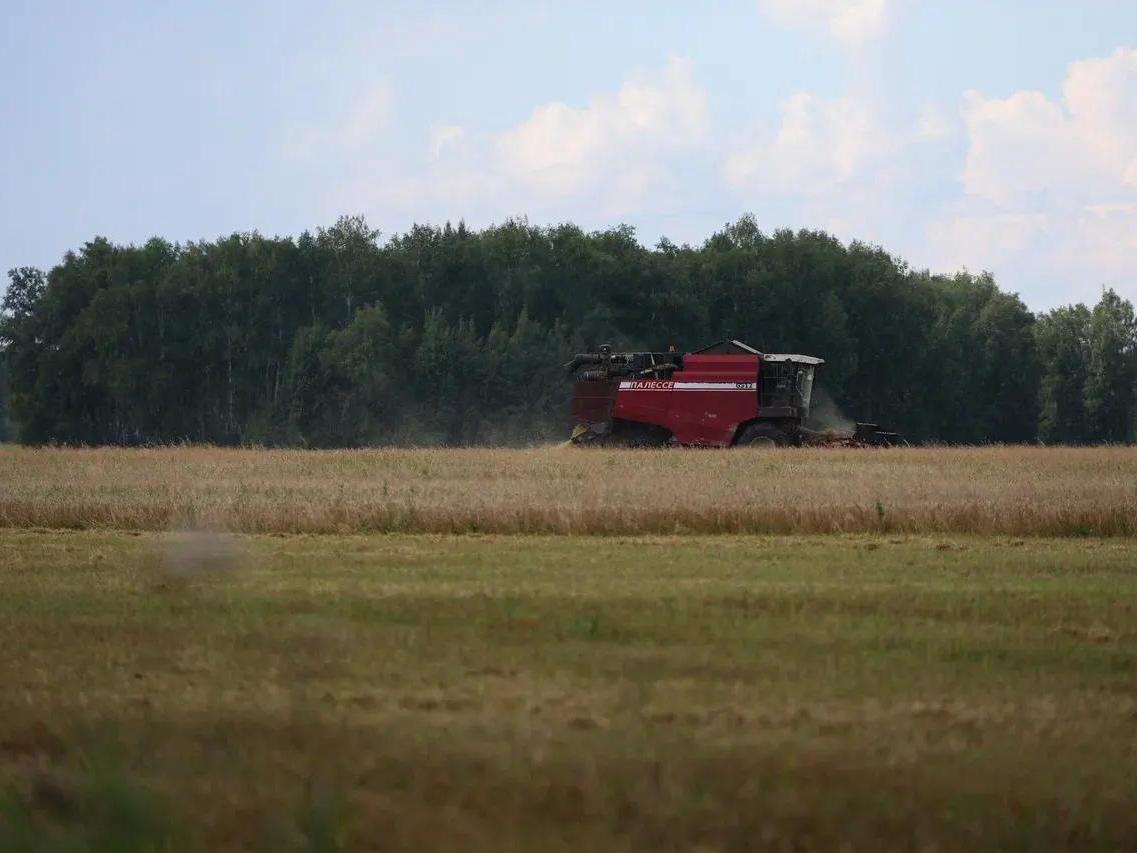
Almost all the men of the village are now in the fields harvesting the crop
Source:
Yevgeny Sofiychuk / NGS55.RU
«And after that it began. Rumors spread that it was some kind of infection. Then we were told: slaughter the pigs, in two days they will come to take them away,» Elya says.
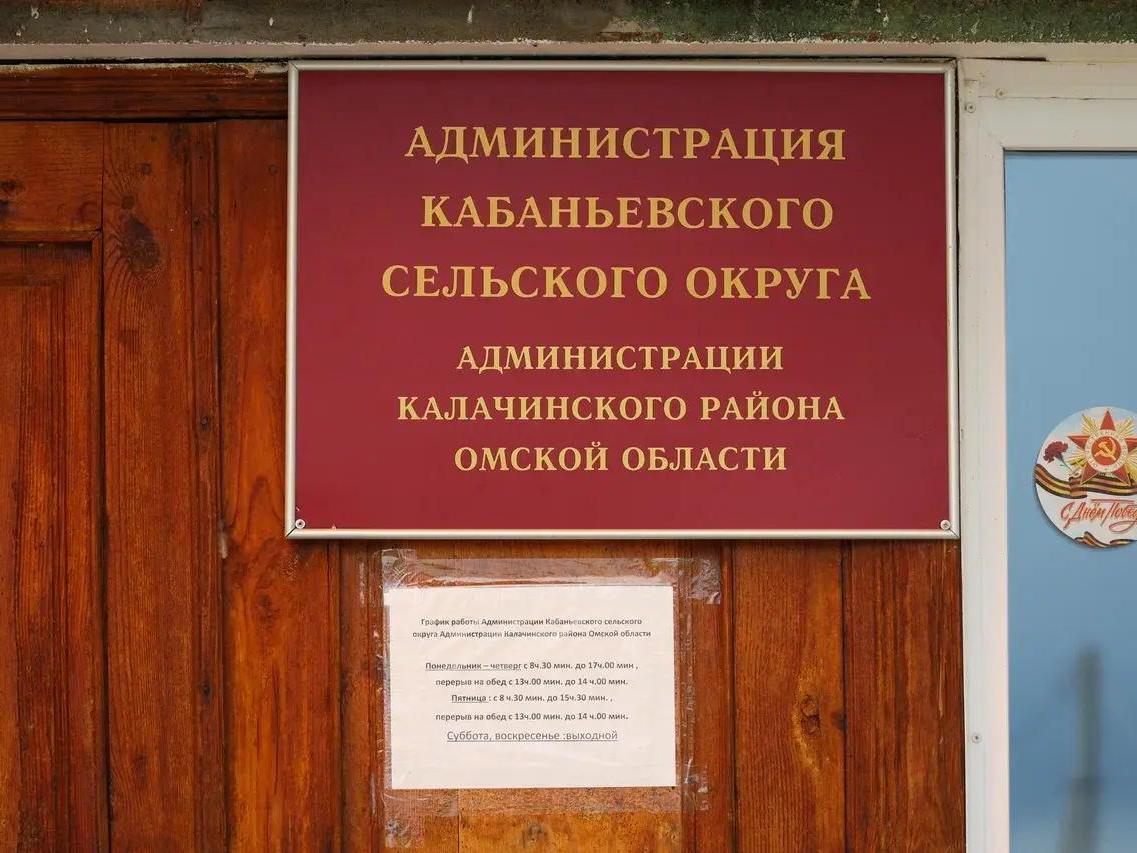
Local authorities also do not say what happened to the pigs in the village
Source:
Yevgeny Sofiychuk / NGS55.RU
The Zaskalko household had 11 pigs: two sows, a boar, and eight month-old piglets. They did not slaughter them — they could not bring themselves to do it.
Alsou Gainullina does not understand why one family has kicked up a fuss
Source:
Yevgeny Sofiychuk / NGS55.RU
«The sows were thin after farrowing, there was no point in slaughtering them. Same with the piglets — a month old, what would you get from them?» the woman says, holding out her phone.
On the screen is a video shot just a week ago. Cheerful, healthy piglets nudge their snouts into the trough. The shed rings with a friendly crunch and grunting. Now it is empty and quiet.
«Information for Official Use»
«On the evening of August 13, a whole commission showed up in our yard — five or six people. Only one showed a veterinarian»s ID,« says Sergei Zaskalko, Elya»s husband, who has just come in from the field. «They tell us the pigs are sick with an »especially dangerous infection.« Which one — they did not say. They showed no documents, citing that the information was for official use. They demanded we sign a nondisclosure paper, but we did not sign anything. Although everyone else in the village signed, as far as I know.»
The man is indignant: no one explained anything to the villagers.
«They take us for fools. They threatened us with the prosecutor»s office, saying that since we did not sign the nondisclosure document, a prosecutor would come to see us. But a week has passed, and no one has come. I believe my pigs were seized illegally, because they did not name the disease. No one took tests, no one examined the animals.«
Elya shows the only paper issued in exchange for 11 animals. It is an act on seizure during the eradication of outbreaks of an especially dangerous disease. It states that the family«s pigs weighed a total of 361 kilograms (796 lb). The basis is Omsk Region government order No. 18-rp of August 13. The document is marked »for official use,« so it cannot be found publicly. What the disease outbreak was is also not stated in the papers.
«Look, it does not even have a seal,» Elya says, jabbing her finger at the sheet. «Only in a month will we be able to apply for compensation. They told us it is 157 rubles ($2) per kilogram of live weight. But is that money? We are left without a farm.»
In 2017, during the seizure of pigs because of African swine fever, household owners in Omsk Region received compensation of 133 rubles per kilogram of live weight. From 2017 to 2026, accumulated inflation according to the Central Bank of Russia (CBR) was 78%, which means compensation should now be at least 236 rubles.
Sergei hits the sorest point:
«Fine, those whose pigs were sick. But ours were healthy. Try buying meat in a store at 400 rubles ($5) a kilogram. And what kind of meat is that?»
«My daughter and I cried»: how piglets were killed in the village
Sergei Zaskalko takes out his phone and shows a video from August 14. People in white coats enter the shed and catch the piglets. Each is given an injection. Two or three minutes — and the piglet convulses, then goes still. The whole herd was gone in 15 minutes. Villagers insist the animals were healthy.
«My daughter and I cried when it happened,» Elya«s voice trembles. She can no longer hold back tears. »African swine fever, rabies, erysipelas — what is it? «An especially dangerous animal disease.» What is it? What disease? I say: provide a document! Nothing! We would not have made a fuss if they had told us what the disease was. We told them: take blood for testing. No one did. If it is a dangerous disease, why has our shed still not even been treated?«
Besides Kaban«ye, the villages of Kovalevo, Lvovka, and Yermolayevka in Kalachinsky District were included in the animal culling zone. A similar situation occurred in 2017 with African swine fever, when animals were killed in villages within a 20-kilometer (12-mile) radius of the outbreak. Back then, the authorities named the disease and detailed support measures for villagers. There were veterinary cordons at village entrances. Now there is nothing of the kind.
People are bewildered — it is as if no one cares about them. They simply came and deprived them of their farms without explanations or documents.
And the school year is approaching. According to the villagers, this is usually the time when they slaughter livestock, sell meat, and use the proceeds to get their children ready for school. Now there is no money — and it is unclear where to get it.
«Flames higher than the poles»: how hundreds of pigs were burned 100 meters from homes
All the pigs from Kaban«ye, Kovalevo, Lvovka, and Yermolayevka — several hundred head — were burned on the night of August 15. The pit was dug 100 meters (328 feet) from residential houses. Residents stood and watched their labor burn.
«The flames were higher than the poles. And it seemed to us that the pigs were still grunting. And the smell — of burnt lard. We saw it all right from our porch. It was City Day in Kalachinsk, and here there was such a slaughter,» Elya Zaskalko recalls that terrible night.
The animal burial site was set up on the grounds of the former Luchi joint-stock company (AO) farm. It fell apart exactly 30 years ago. We drive there past ruined barns and grain yards. At the scene of the tragedy there is only an earthen mound and some sawdust. Nothing recalls what happened here a week ago.
In Kaban«ye itself, people are reluctant to talk. Those who no longer have pigs keep quiet. Some claim they heard nothing.
On the notice board in the local store there is information about rabies and about how to get a social contract of up to 200,000 rubles ($2,500) for… raising pigs. Not a word about the «especially dangerous infection.»
One villager agrees to talk, but only anonymously — he signed a nondisclosure agreement. The man says he, too, was not told the disease.
«I had pigs, and my mother had some too. Hers were even pregnant — they were due to farrow soon. At least 15 head. No one was sick. First rumors spread, then we were told: slaughter them, you have two days. So we slaughtered them and filled the cellars. They went around the village with a paper that had to be signed about nondisclosure and that I undertake to keep it for a year. I signed the papers, and that was it,» he says.
The man has a large family. Every two months he would slaughter a piglet — there was enough meat for everyone. Now he does not know where to get it. You cannot drive to the district center on such a road, and villagers do not accept store-bought meat.
Locals are afraid to raise livestock and poultry: they have heard about pasteurellosis in cows and bird flu. They fear that people will come again and burn everything. But Sergei Zaskalko does not give up.
«And I will raise pigs. I will fence them off so no one knows, and I will raise them. I have to feed my family,» he says in parting.
The district head on the burned pigs and compensation
We found Alsou Gainullina, head of the Kaban«ye rural district, at her workplace. At first the official brushes us off: she does not want to talk to journalists. Then she does explain.
«I do not think I can say anything. Yes, an especially dangerous disease, but no one says it is African swine fever. Of course there will be compensation. We will only help with the paperwork for compensation. How soon residents will receive the money, I do not know,» Gainullina says.
And she adds, not hiding her irritation:
«Only the Zaskalkos have kicked up a fuss; the rest keep quiet and understand everything.»
The Main Veterinary Directorate of Omsk Region never named the disease to the NGS55.RU correspondent. But it stressed that it is not dangerous to humans.
«Domestic pigs and wild boars are affected. The disease poses no danger to humans. In epizootic foci, restrictive measures (quarantine) are set for 30 days. Restocking farms with pigs is allowed 1 year after the quarantine is lifted,» the agency said.
So what exactly are the pigs in 12 districts of Omsk Region sick with? Why do the animal seizure documents lack a seal, and why is the diagnosis hidden under the «for official use» label? And will the residents of Kaban«ye receive compensation that will barely cover buying meat in a store?
NGS55.RU will continue to follow the development of the situation.
Earlier we reported that Kaban«ye residents demanded that their dirty water be returned — clean water is too expensive.