Costly repairs: why 92-octane gasoline is not for all cars
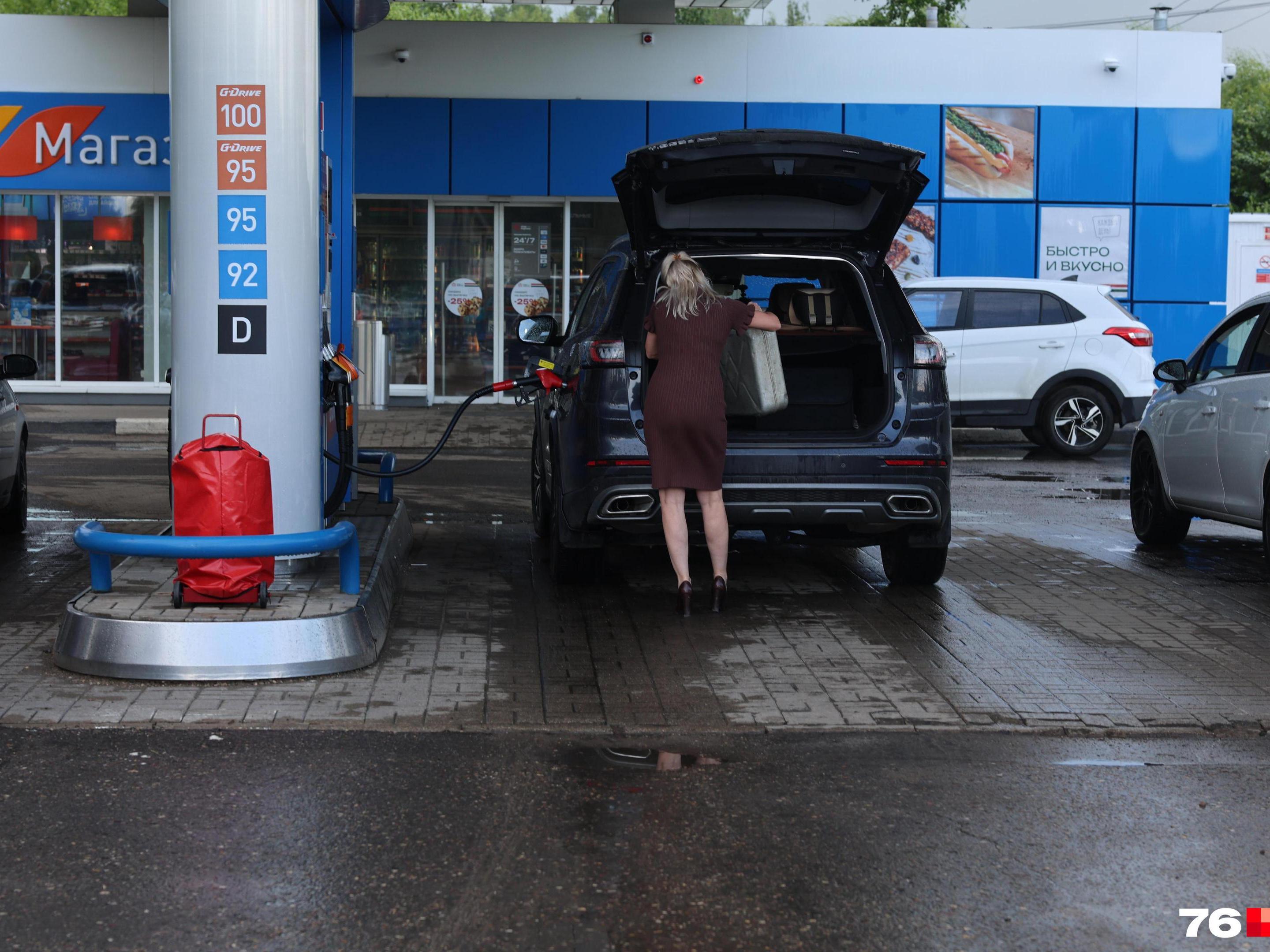

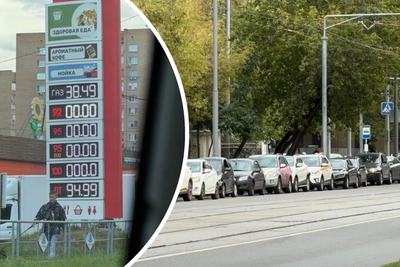
A fuel shortage at gas stations across the country has prompted many drivers accustomed to filling up with 95-octane gasoline to consider 92-octane. Many are taking this risk, and online car chats are abuzz with discussions about mixing the two grades.
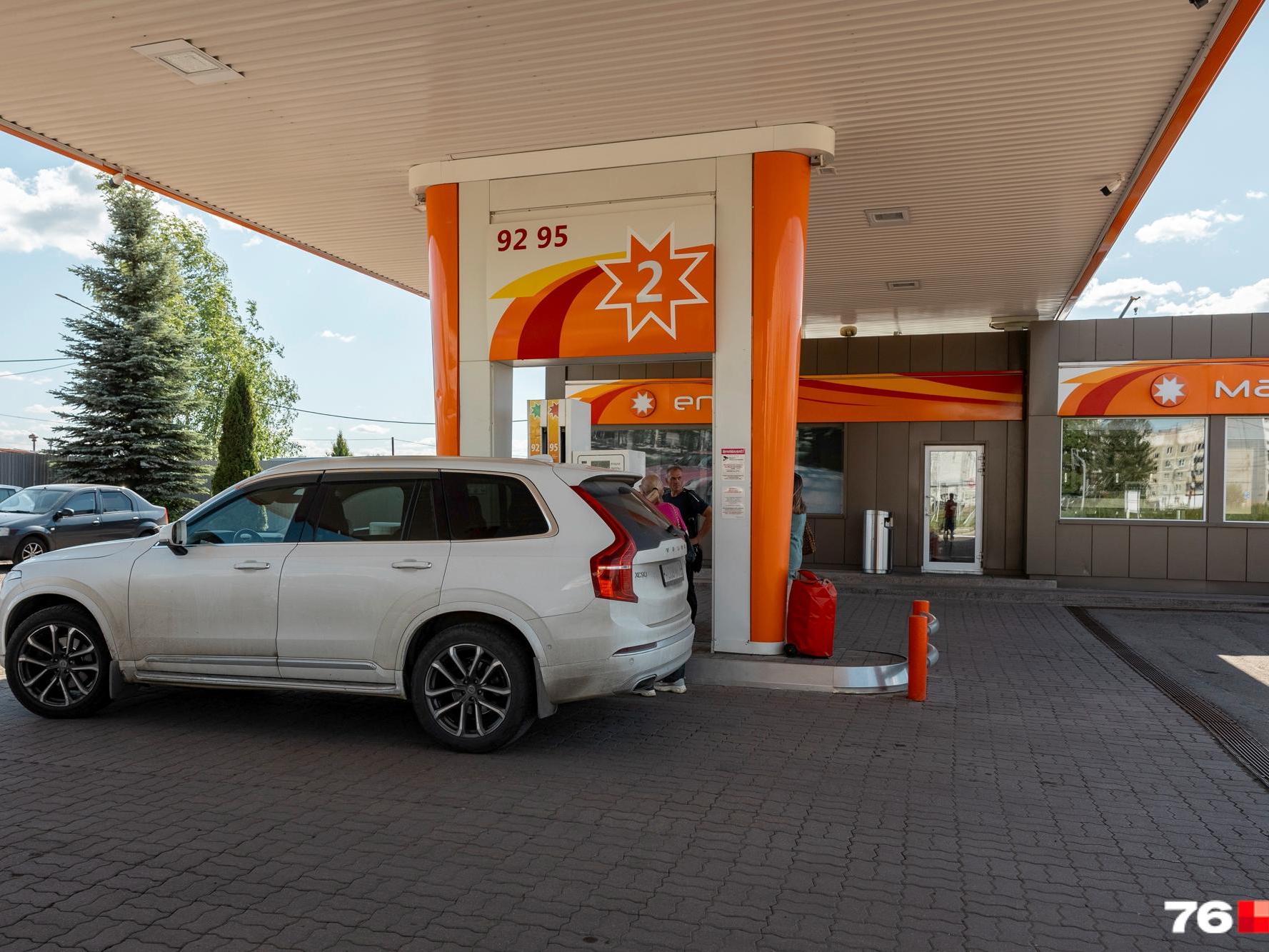
But such a decision could eventually lead to a breakdown and repairs costing hundreds of thousands of rubles (at current rates, several thousand dollars).
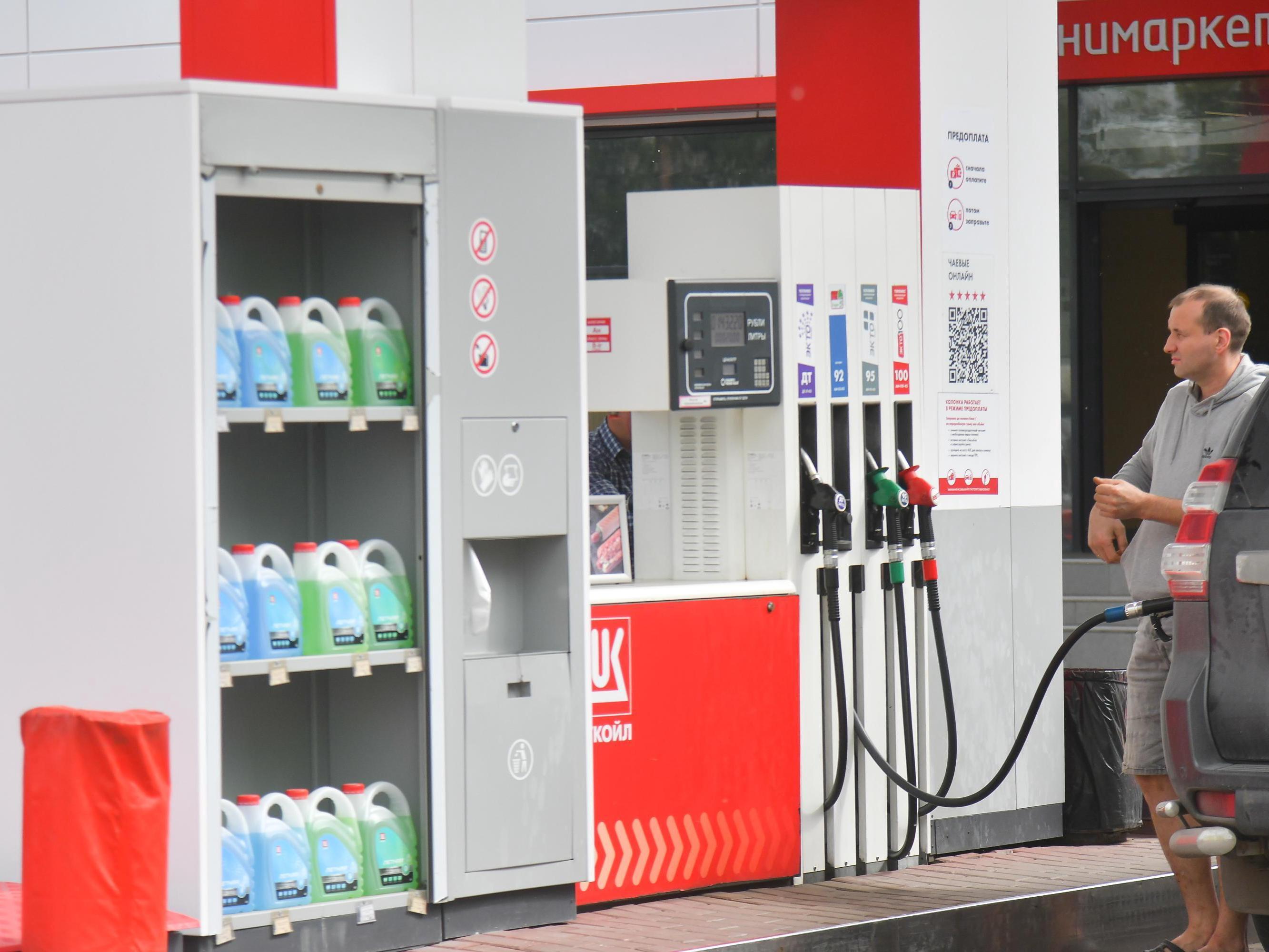
Sergei, a mechanic at a Yaroslavl auto repair shop, explained to 76.RU what using unsuitable or low-quality fuel means for your wallet.
Who can and cannot use 92-octane
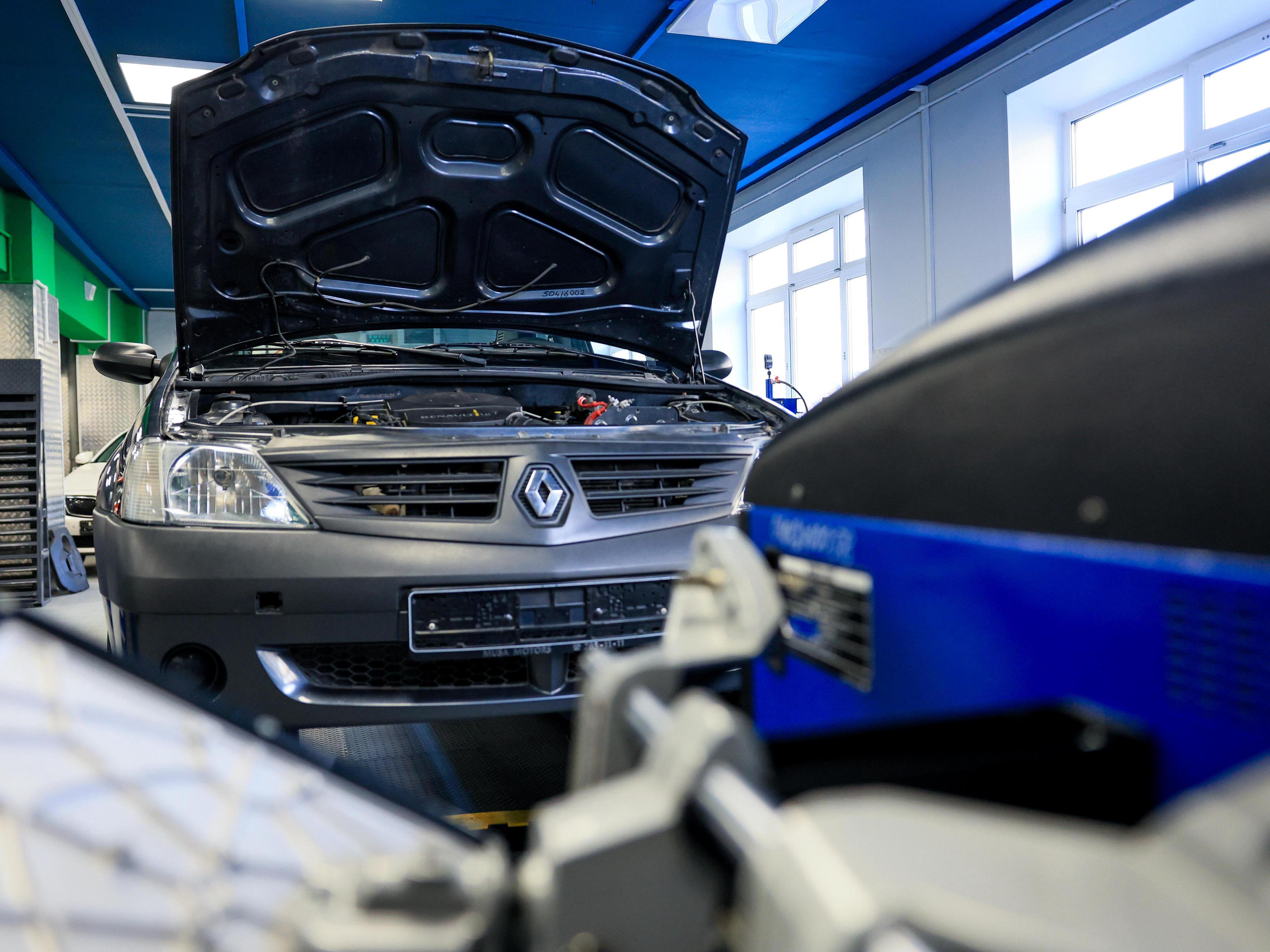
When choosing fuel, you need to consider the characteristics of your car. If the manufacturer has allowed the use of 92-octane gasoline, you can safely put it in the tank, even if you normally use 95-octane.
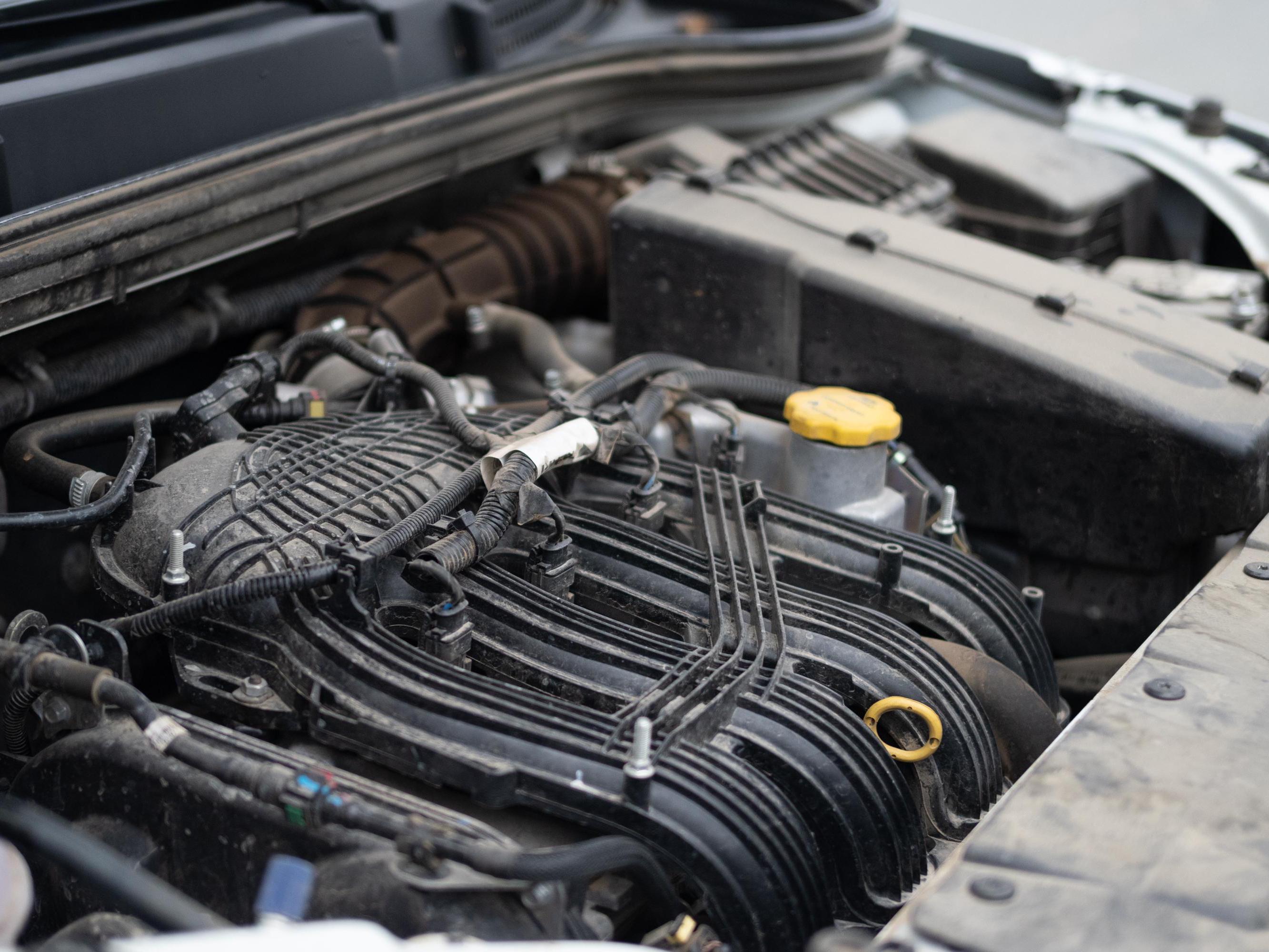
“There’s nothing wrong with that. But if the car is designed to run on gasoline of at least 95 octane, there could be engine problems. That means increased detonation, which modern engines don’t like, especially those with a high compression ratio. The knock sensors will send incorrect data to the control unit, which will improperly adjust the air-fuel mixture. The engine will shake, and extra vibrations mean extra wear and tear on the engine,” Sergei explained.
Engine detonation is the explosive, rather than smooth, ignition of the air-fuel mixture in the cylinder.
According to the mechanic, mixing different fuels in the tank, such as 92-octane and 100-octane, also negatively affects the car.
“In practically all modern cars, 95 octane is, so to speak, the lowest grade. It’s actually better to run on 100 or 98 octane,” the mechanic said.
“The outcome: engine destruction”
How long a car will run on 92-octane gasoline that is not intended for it depends on the fuel quality.
“Modern cars have catalytic converters and emissions systems. New gasoline engines have an EGR valve. All of this will eventually clog up, leading to expensive repairs. It’s good if the owner manages to replace the catalytic converter in time and fix the problem. Otherwise, the outcome is engine destruction,” the mechanic said.
The time between filling up with unsuitable fuel and a breakdown varies. It depends on how often the car is serviced and the condition of the engine.
“For some, just filling up and driving 100 kilometers—or even less than a kilometer—is enough: the engine seizes up. Others might make it to the nearest city. People service their engines differently. Some don’t change the oil for 15,000 km; in that case, they might not even make it out of the gas station. Others get longer, if they service the car on time with quality materials,” Sergei said.
How Euro 3 gasoline affects your car
Currently, almost all gas stations in the country sell Euro 5 fuel. Amid the shortage, authorities have allowed the production of low-quality Euro 3 fuel with higher sulfur and other impurities. For modern cars, it is harmful.
“That is, it’s old fuel. The kind used in the days of carburetor engines, which could ‘digest rocks.’ Modern engines in almost any car, regardless of price segment, are more advanced, more complex. They contain more sensors and parts to be more powerful, work faster, and respond better to the driver’s demands,” the specialist explained.
When using ‘dirty’ gasoline, the fuel system will eventually clog with sulfur and other deposits, disrupting the spray pattern and leading to injector failure.
Injectors are high-precision electromagnetic or mechanical devices for metered injection and spraying of fuel under pressure into the combustion chamber or intake manifold of the engine.
According to the mechanic, the consequences of using low-quality fuel are already visible.
“There are already cars that filled up with this gasoline and are slowly starting to behave improperly. The fuel grade does matter. That’s also bad,” Sergei said.
Information about the fuel quality class should be available at the gas station. Fuel documents are usually in plain sight or at the cash register. They indicate K5 for Euro 5 and K3 for Euro 3.
Don’t skimp on maintenance
According to the mechanic, it’s best to pay attention to any changes in your car’s behavior immediately. This can save you a large sum on future repairs.
Don’t ignore timely cleaning of the fuel system. A fuel flush every six months is recommended for all cars that have passed the 100,000 km mark.
“It makes sense to flush the injectors, change the filters, and not neglect service. It’s better to service the car a little more often, change the fuel filter more frequently. I understand it’s a costly procedure, but the better we take care of everything, the longer it will last. And the financial scale of repairs will be smaller. Spend a few thousand rubles now on replacing a filter, or later several hundred thousand—maybe even up to a million rubles (about $11,000 at current rates)—on engine repairs,” Sergei said.
The oil system also needs care. Euro 3 fuel degrades engine oil quality.
“There are special additives to boost octane. But you need to buy them not from marketplaces, but good ones from well-known brands with a proven track record. Because you could only make things worse. You have no idea what’s in those pills,” the mechanic warned.
How to save fuel
The auto repair shop also listed fuel-saving tips:
Smooth acceleration without ‘pedal to the metal’—free savings of up to 30%. Hard pressing dumps extra fuel into the cylinders.
Speed of 80–100 km/h—at higher speeds, aerodynamics start to slow the car, and consumption rises sharply.
Proper tire pressure—makes it easier for the engine to spin the wheels.
Replace spark plugs. Poor spark means incomplete combustion. Some gasoline escapes into the exhaust. New plugs restore power and economy.
Clean injectors: clogged injectors don’t spray gasoline but pour a stream. Cleaning restores the ‘mist,’ and fuel is injected economically and burns completely.
Replace the air filter. A dirty filter reduces engine power; you press the gas harder, increasing consumption.
Use oil of the correct viscosity—more noticeable in winter, but now every 100 grams count.
Tidy up the cabin and trunk—a minor but real saving from weight reduction.
Clean the throttle body. An effective measure for saving fuel in traffic jams and city driving.
Replace the fuel filter. Protects injectors from dirt—extends the car’s lifespan.