Chita Man's Pigeons Fly 600 km Home
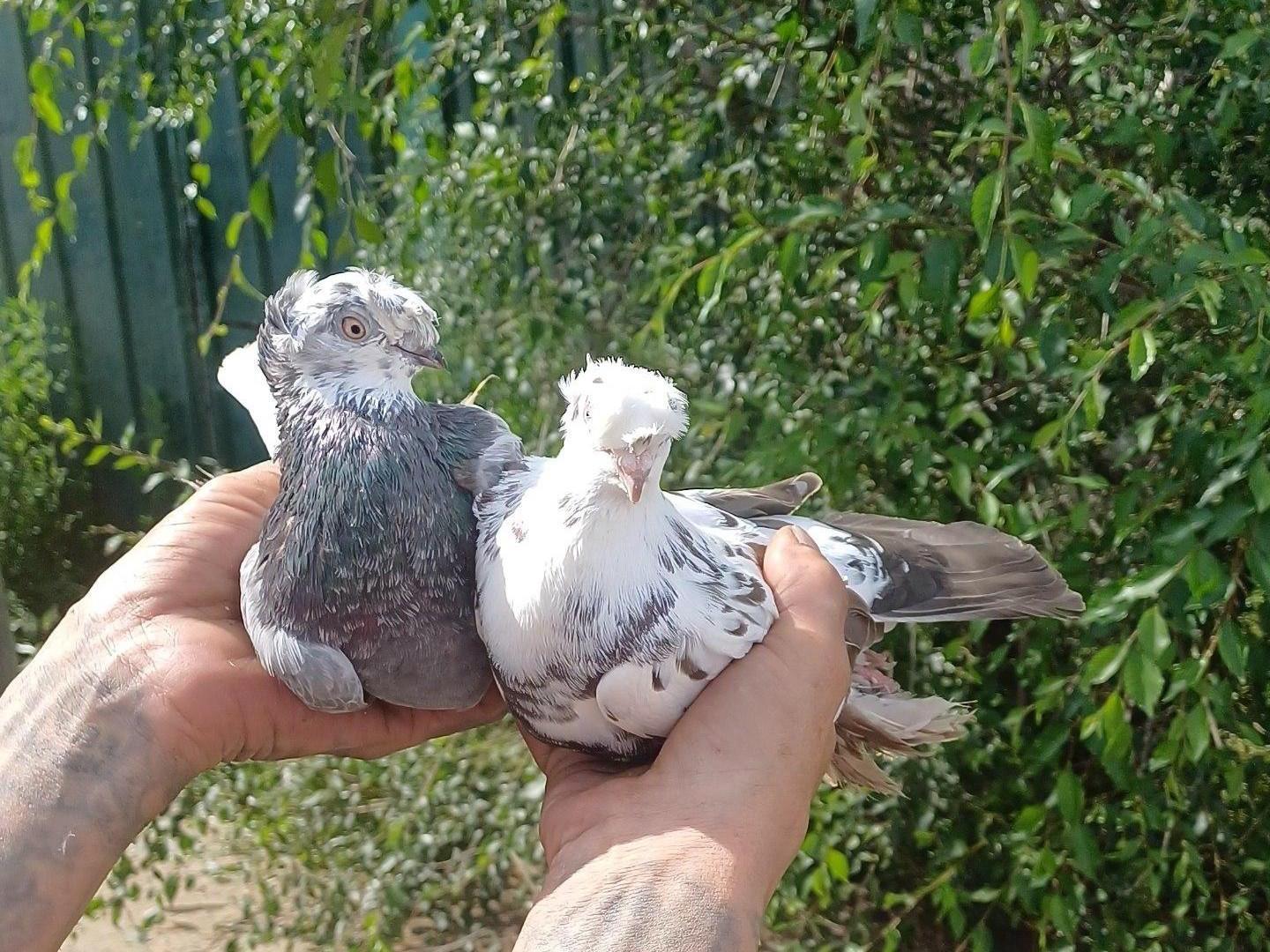

He now has about 70 birds.
In Soviet times, people bred birds en masse. They built dovecotes in courtyards or on their own plots, like in that famous film. Now only four people in Chita continue this practice. We spoke with one of them to learn how he started breeding pigeons, why they always return home, and what it takes to keep them.
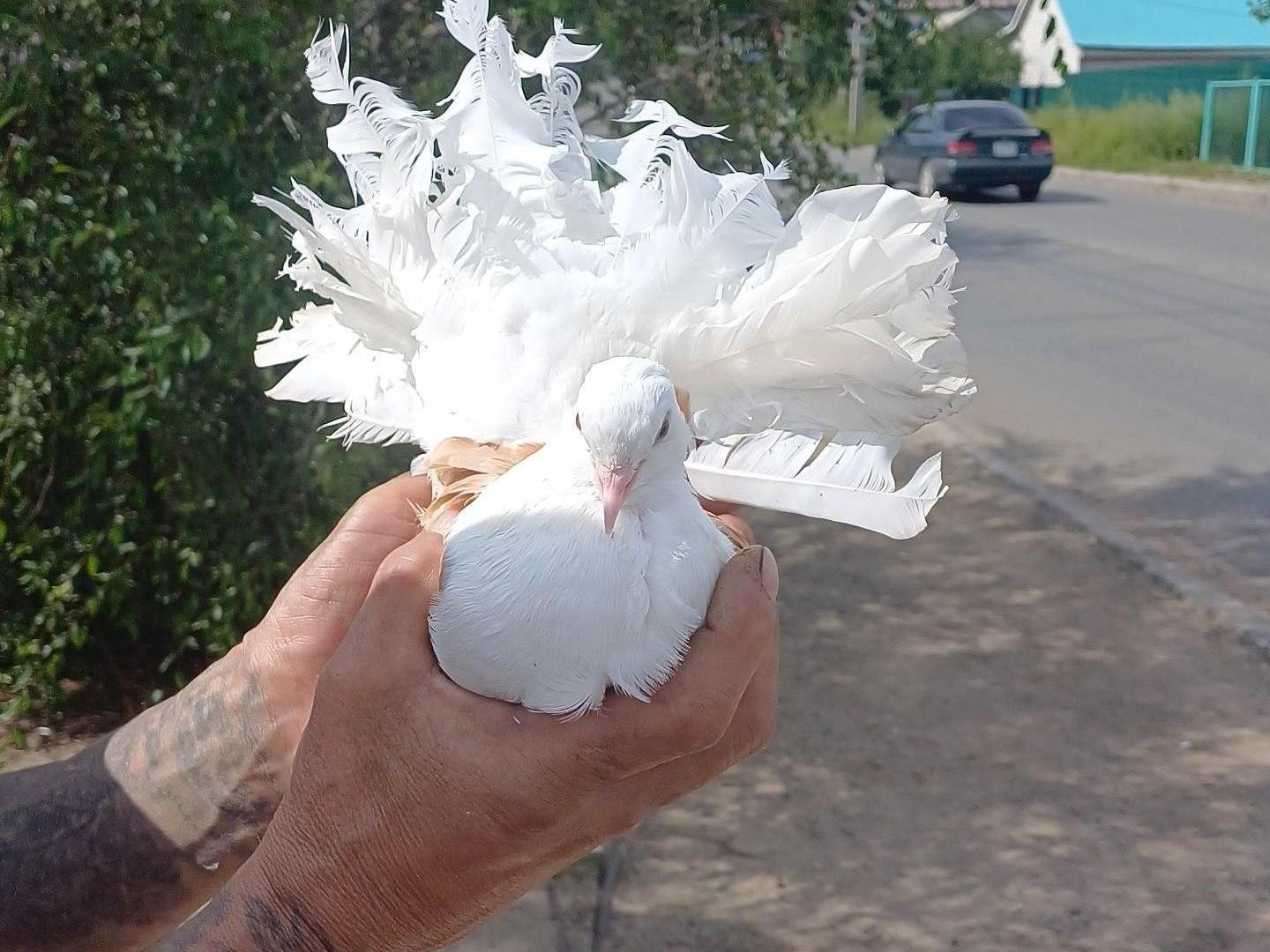
Fantail pigeon
“I Just Felt It Was Mine”
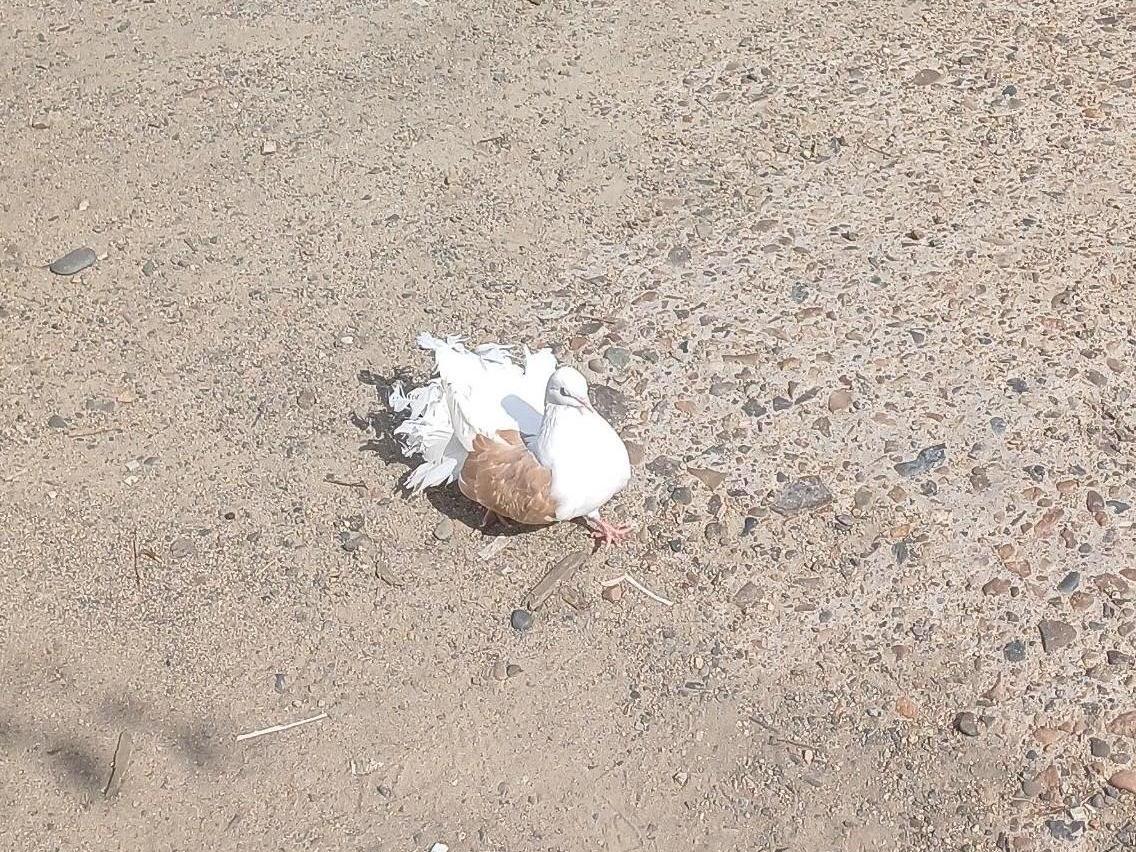
Vitaly Korolev keeps a dovecote on the grounds of his home on Titovskaya Sopka. He has been breeding birds for 40 years. A family friend instilled this love in him back in 1986.
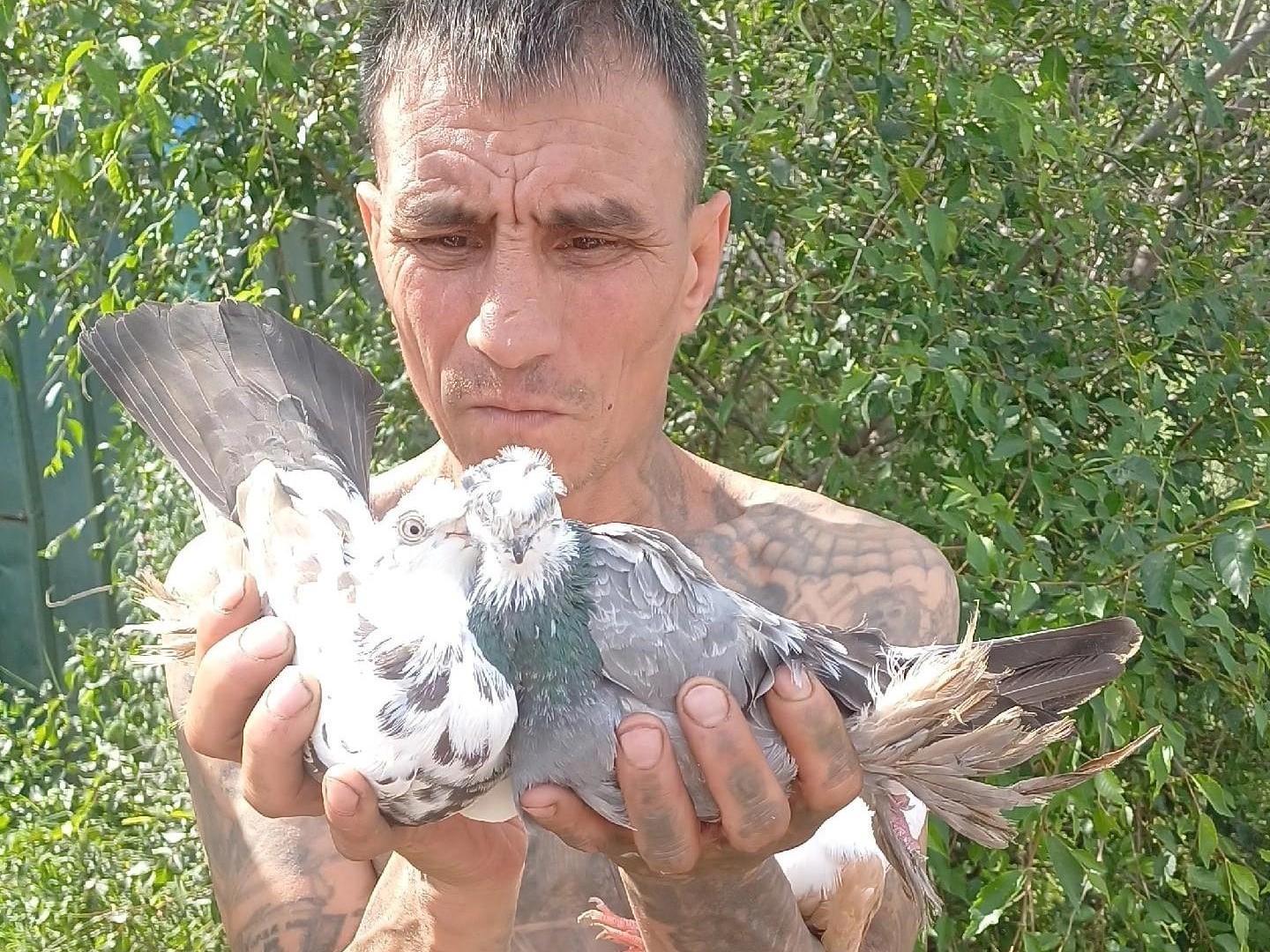
Vitaly Korolev
“I was 14 years old then. Grandfather Valera got me and other kids into this business so we youngsters would have something to do. That«s how I got this hobby,” the man recalls.
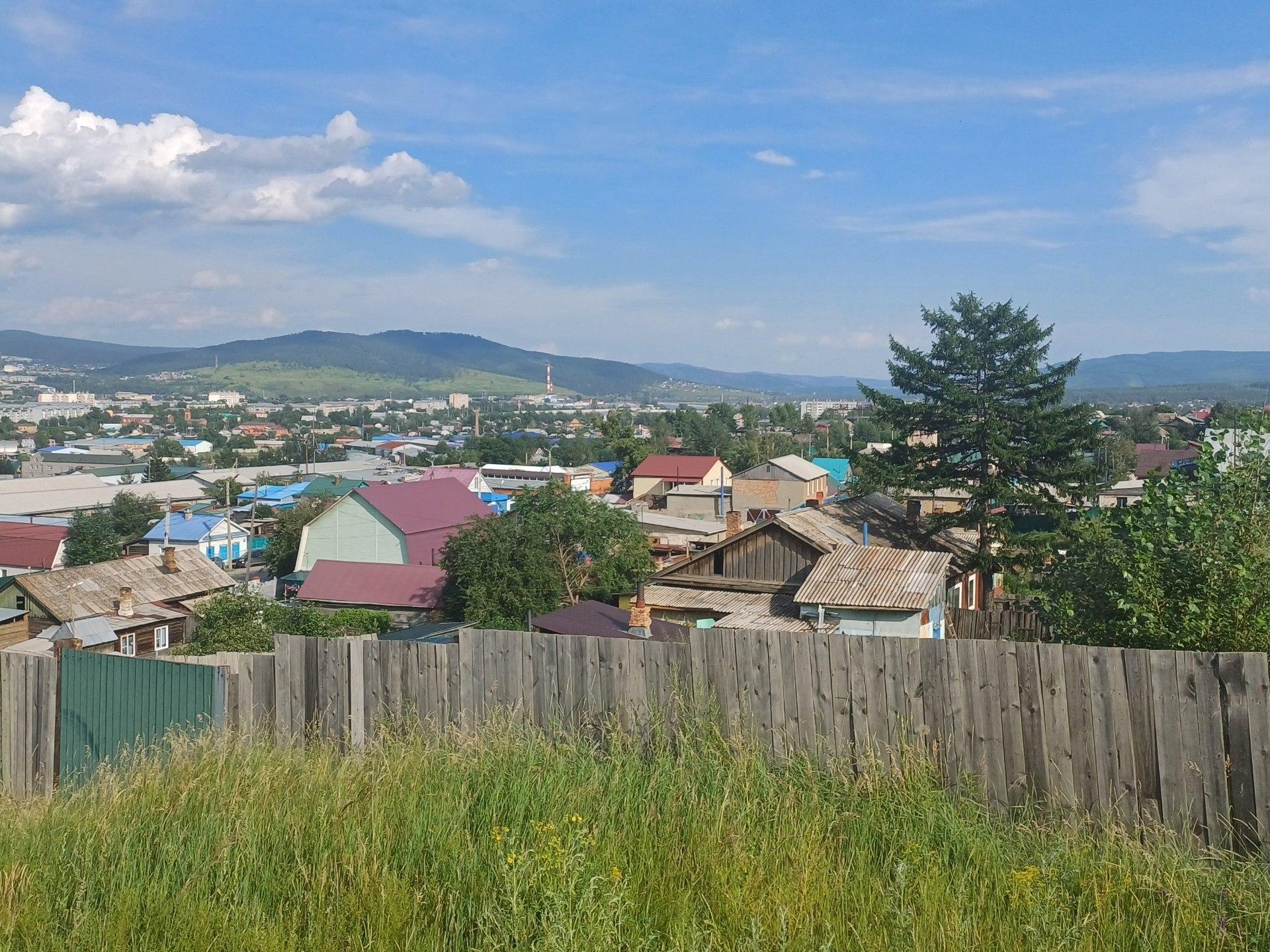
Two dovecotes are located in this picturesque spot.
Vitaly«s first wife, whom he met when he was 17, also encouraged him. She kept racing pigeons and still does to this day.
The man cannot explain exactly what he loves about this pastime. He just felt it was his. He quit for a few months, but then his second wife suggested he try his favorite hobby again. That«s when the man realized he could no longer live without pigeons.
“I really enjoy watching the flight and the tricks the birds do,” Vitaly says.
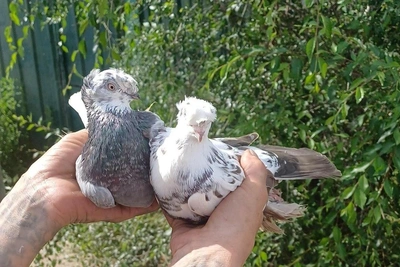
He now has about 70 birds. Besides those that show their potential in flight, Vitaly also keeps another variety — the fantail pigeon. This breed got its name for its wide and lush tail. He loves showing them to others and enjoys their beauty himself.
“All the Money a Pigeon Earns, I Spend on It”
Almost every weekend, the man rents out pigeons for weddings. Newlyweds release the birds at the chapel on Titovskaya Sopka. Sometimes very young pigeons don«t return because they don»t know the way well. But more often they fly back. They navigate by weather, air, and the smell of home.
Vitaly admits that pigeon breeding is generally a profitable business. On average in the city, one bird is rented out for a thousand rubles ($10), but he charges much less — only 200 rubles ($2). For the man, it«s important that the bird pays for itself.
“With all the money a pigeon earns, I buy grain, feed it, water it. I don«t take anything for myself,” Vitaly says.
According to the man, he already has a stable income. He is a sixth-grade slinger, working for a large developer. He keeps the birds for his soul.
Pigeons Always Return Home
In Chita, mostly decorative birds are kept now, though there used to be many racing pigeons. It was they who once delivered mail, because they can easily cover distances of several hundred kilometers.
Although Vitaly doesn«t have such pigeons, he and his friends don»t miss a chance to joke: “What if the Wi-Fi goes out, how will you communicate? We«ll be fine.”
The greatest distance Vitaly«s pigeons covered was 600 kilometers. This happened in February 2004. Vitaly traded 12 of his pigeons to a friend for a horse. The friend took them in a box to the village of Engorok in the Khiloksky district of Transbaikalia, which is 400 kilometers from the man»s home.
The new owner released the birds from the box, and they returned to Vitaly. Then the man took them back to the owner, who released them even farther, 600 kilometers away. But despite such a great distance, all 12 pigeons flew back again. Only one returned without feet, having frostbitten them in flight.
“My friend then told me not to bring them to him a third time, they«d come back anyway. So I ended up with both the horse and the pigeons,” Vitaly says.
“The Owner Will Come Now, Feed Me and Water Me”
Vitaly takes good care of the birds — all have clean feathers, feet, and all pigeons are vaccinated.
Vitaly says pigeons have an interesting feature. Impure-breed birds have different eyes. They differ in color, for example one yellow and the other dark brown.
“Pure pigeons are also pure in flight,” Vitaly says.
The man taught himself to treat them. When birds get sick, he gives them tetracycline in tablets and can even give injections himself. If this is not done, the pigeon may die.
Sometimes a veterinarian«s help is needed. Then Vitaly calls an ornithologist, who comes and gives injections. It is very important to ensure that none of the pigeons get sick, because one can infect the others.
Specifically for the birds, the man built a hangar 4 by 5 meters. According to him, this space somewhat resembles a chicken coop. In it, from top to bottom, are nests 30 centimeters long and 45 centimeters wide.
“I bring the pigeons sawdust, pebbles, twigs. From them, they build their own nests,” Vitaly says.
To feed and water the birds, he always enters the dovecote at the same time.
“In the morning — at seven o«clock, when I wake up, in the evening — at five, when I return from work. The pigeons already know: »The owner will come now, feed me and water me.« Of course, I could get up at six, but I won»t go in to them before the set time,” the man says.
If fed off schedule, the birds can gain weight and stop flying. At night, Vitaly always locks them in the dovecote and turns off the light.
“If a bird doesn«t sleep, it won»t be able to fly in the morning, it«ll just stumble around. I don»t need that,” the man explains.
He Doesn«t Sell His Pigeons
Vitaly communicates with other pigeon breeders. In Chita, besides him, there are three. One is nearby, another on Ostrov. Where the last one is located is unknown.
The man said he visited the famous boxer Mike Tyson, who also breeds birds and owns hundreds of racing pigeons across America. They greatly impressed Vitaly.
“Figuring out pigeon fanciers is very easy, by the way. Their dacha plots always have cross-shaped perches,” the man says.
Very often pigeon breeders from other cities passing by Vitaly«s house ask him to show specific birds. Then he releases them, and the interested people start asking how much they can buy them for. However, Vitaly does not sell pigeons, but he can give them away for free.
“I give them away for free and tell people that if they deem it necessary, they can later give me one or two chicks from my birds,” he says.
In such cases, pigeon breeders always exchange contacts. However, Vitaly cannot give a bird to just anyone. It is very important to him to understand that the person will truly take care of it.
“There are people, as they say, grabbers. They grab, grab, and then they don«t like the pigeon, and they just throw it out somewhere in the city. But why? You can»t do that, it«s a bird,” Vitaly says.
The pigeon breeder plans to continue his favorite pastime.
“I will keep pigeons until I die,” Vitaly says.