Barnaul woman breeds prize-winning ornamental chickens
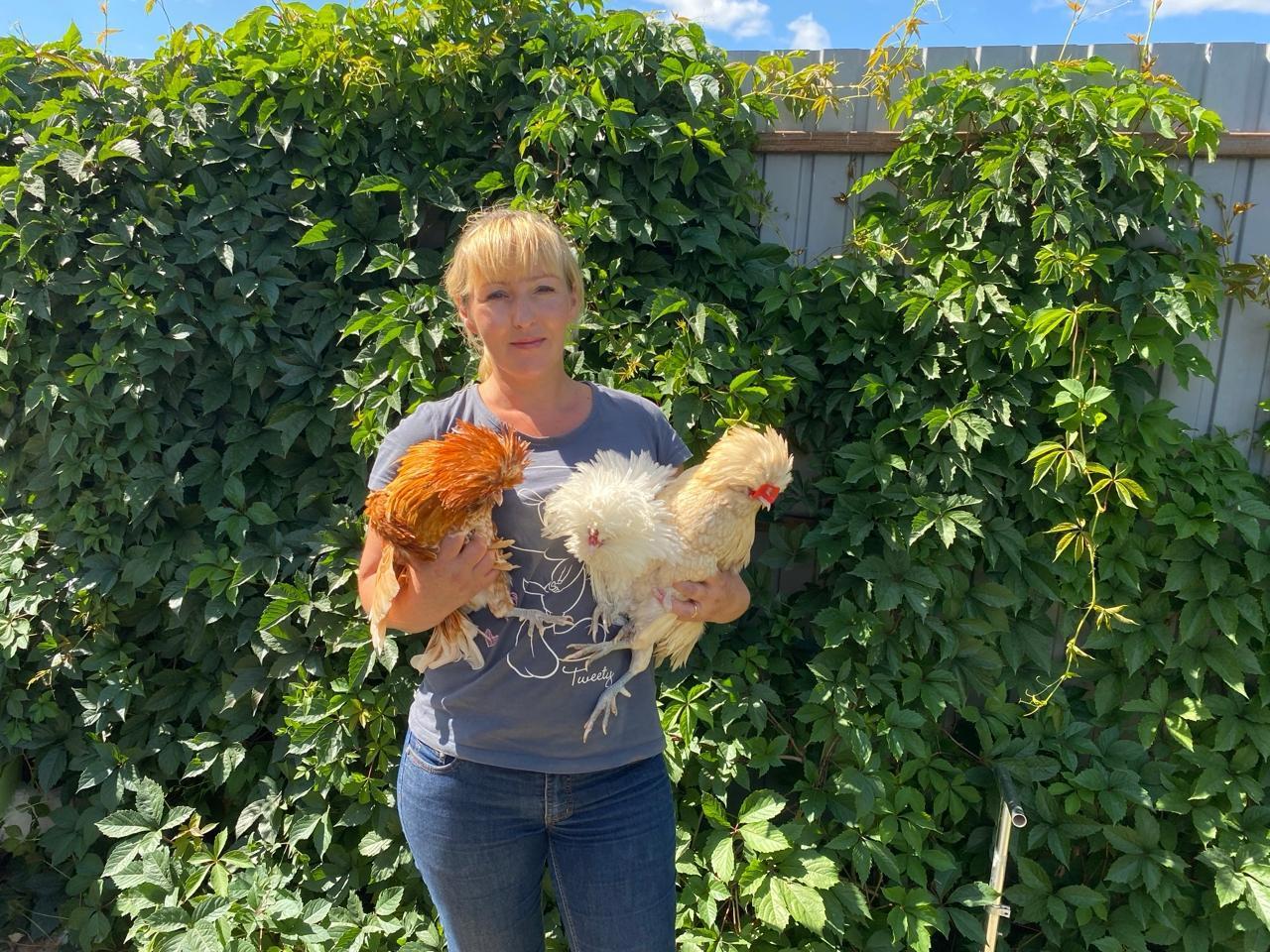

The woman has been breeding birds for four years
42-year-old Victoria Khabarova from Barnaul (Altai Krai, Russia) breeds ornamental chickens. Her farm holds 150 birds, among them Chinese silkies, Paduans, Sumatras and other exotic breeds.
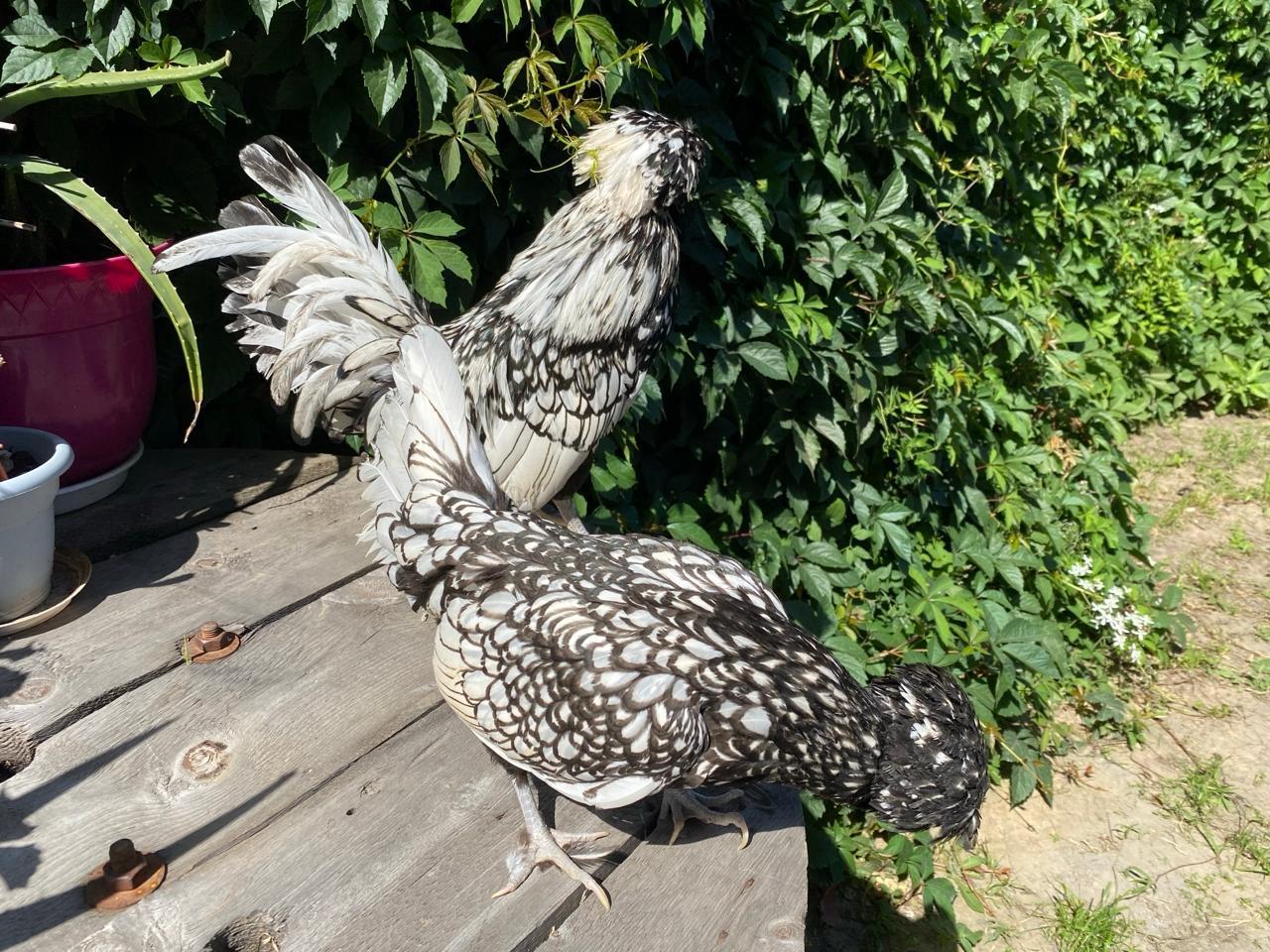
Victoria got chickens after she took in a kite
Read the interview with NGS22.RU about how a single egg can cost 400 rubles (about $5 at current rates), which chickens make the tastiest broth, and how a rooster of a rarest color from Italy became the pride of her collection.
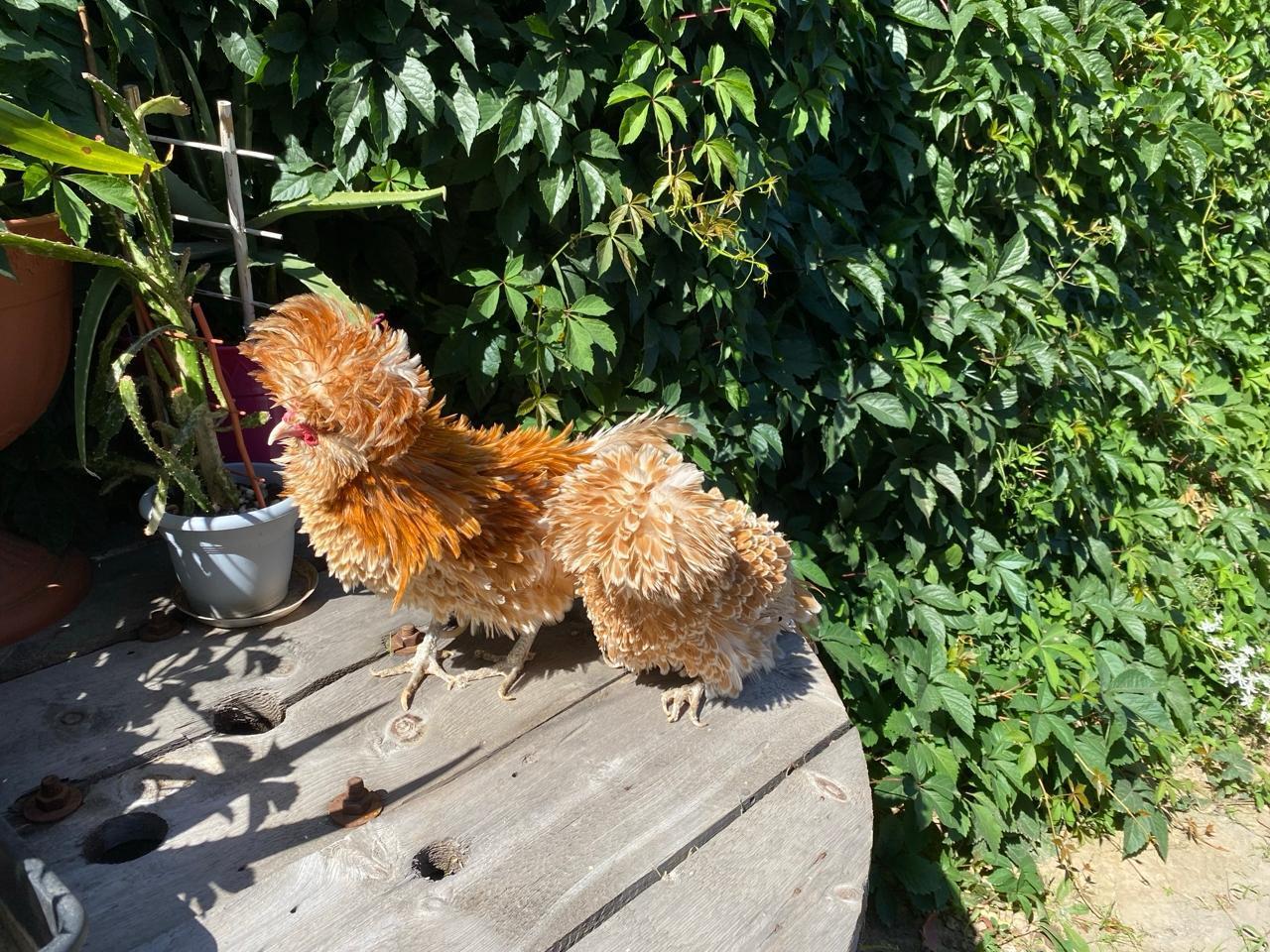
Among the first in the collection were Paduans — multicolored birds with a large crest
From a kite to a henhouse
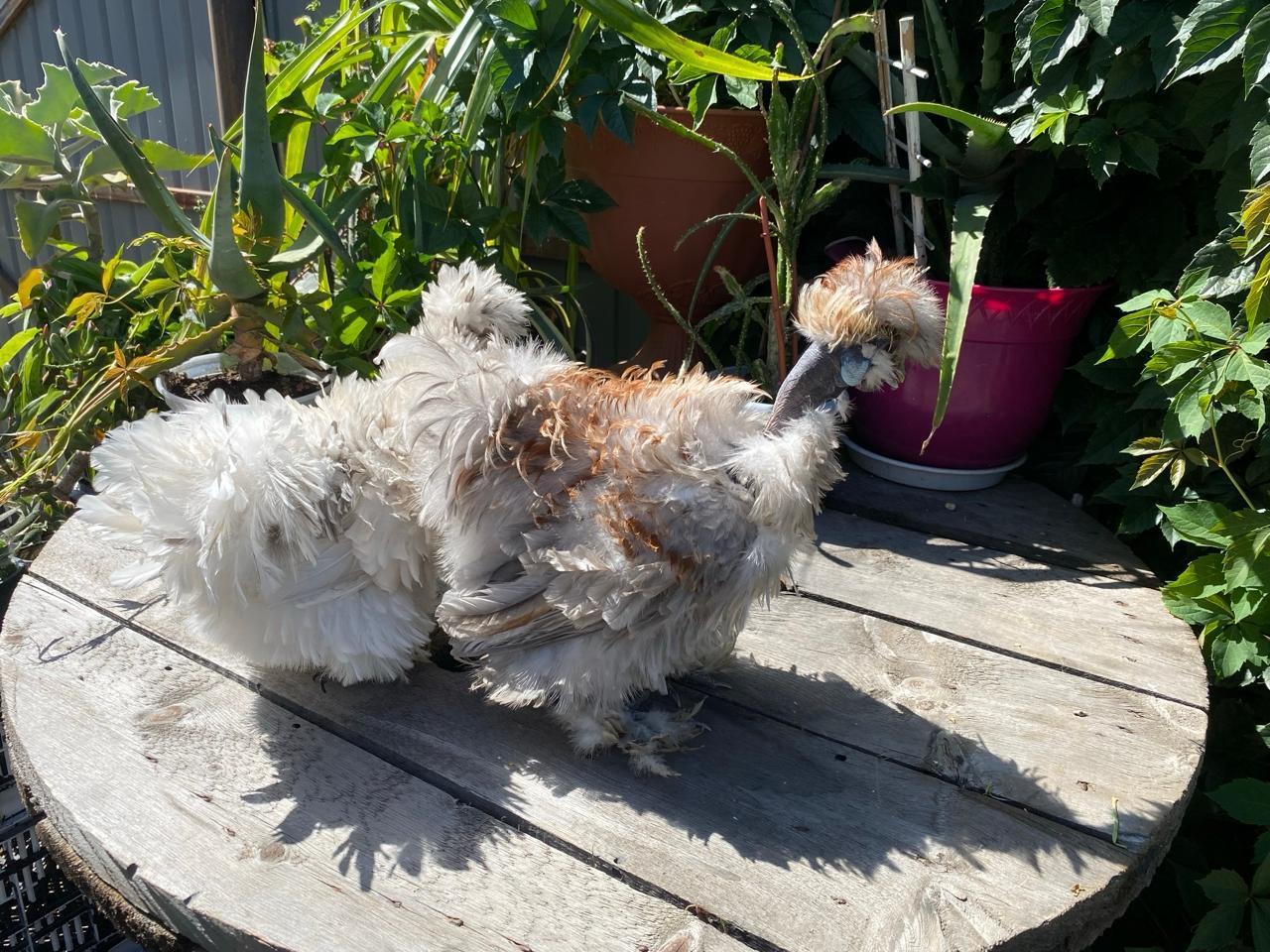
Chinese silkies are notable for black skin and feathered legs
Victoria lives with her young daughter and mother in the cottage settlement of «Sibirskaya Dolina». Her home resembles a mini-zoo: a henhouse for 150 birds, quails in the conservatory, a tame turkey, a Tibetan mastiff and an elderly pug.
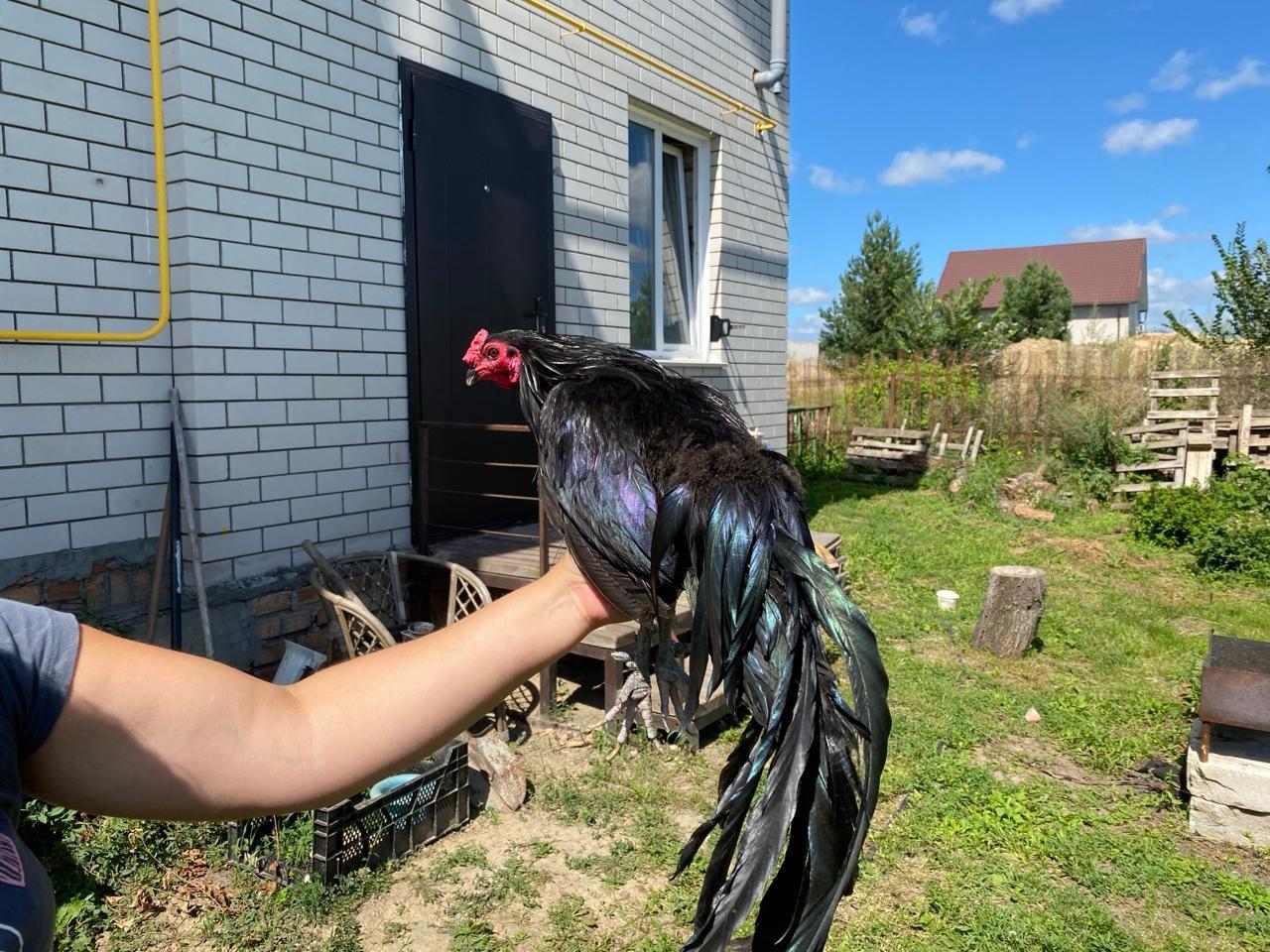
Sumatra chickens shimmer green in the sun but have a very independent character
She began breeding birds four years ago, after the coronavirus pandemic. Before that she ran a flower business. It all started by chance — with a single injured kite (a bird of prey), and now birds have become her life«s work.
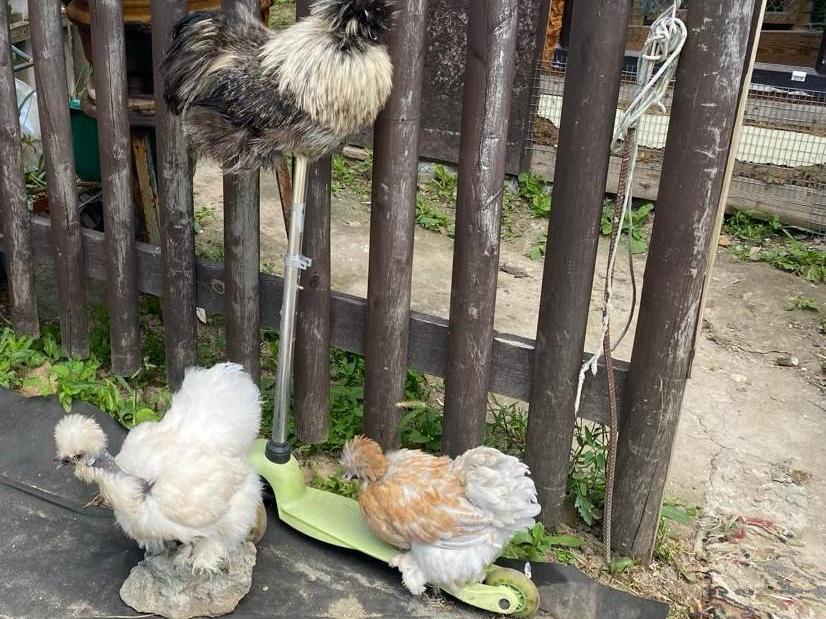
The down of Chinese silkies feels like rabbit fur
— They brought him in when he couldn«t fly. I took him in, he lived in the garage. The turkey hen walked around him, first snorting, then they became friends and sat together, she shared.
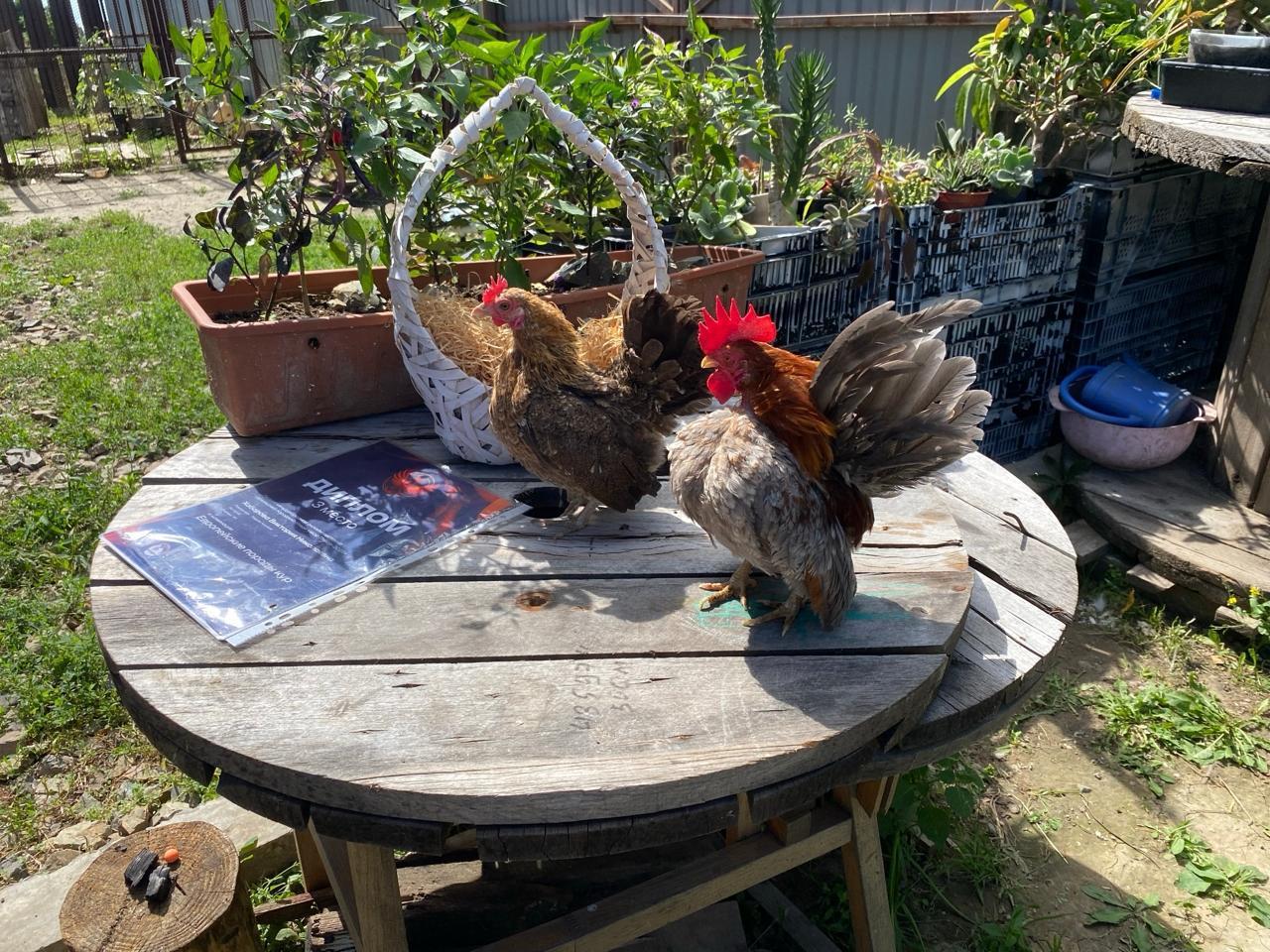
Seramas are the smallest chickens in the world and are even kept in apartments
The kite lived with Victoria for two months and then flew away. But he left her with a cage and a wish to get chickens.
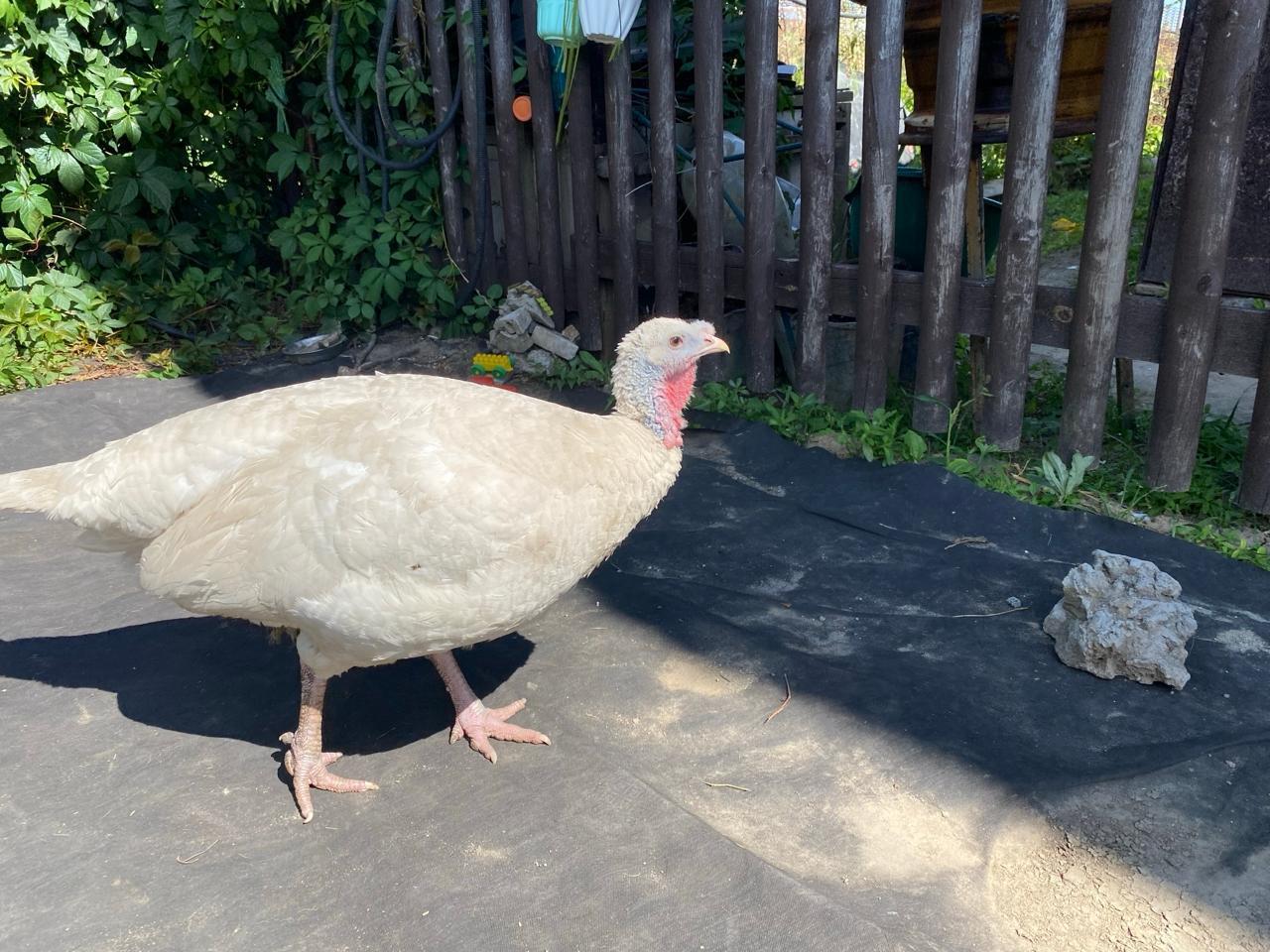
Besides chickens, Victoria keeps a tame turkey hen that lets itself be petted
— I sat through the autumn thinking: maybe I should put chickens in there? I chose Chinese silkies, they were the first. But I«m a maximalist: if it»s a bird, then I need to collect the most unusual and rare colors available in Russia, the Barnaul resident noted.
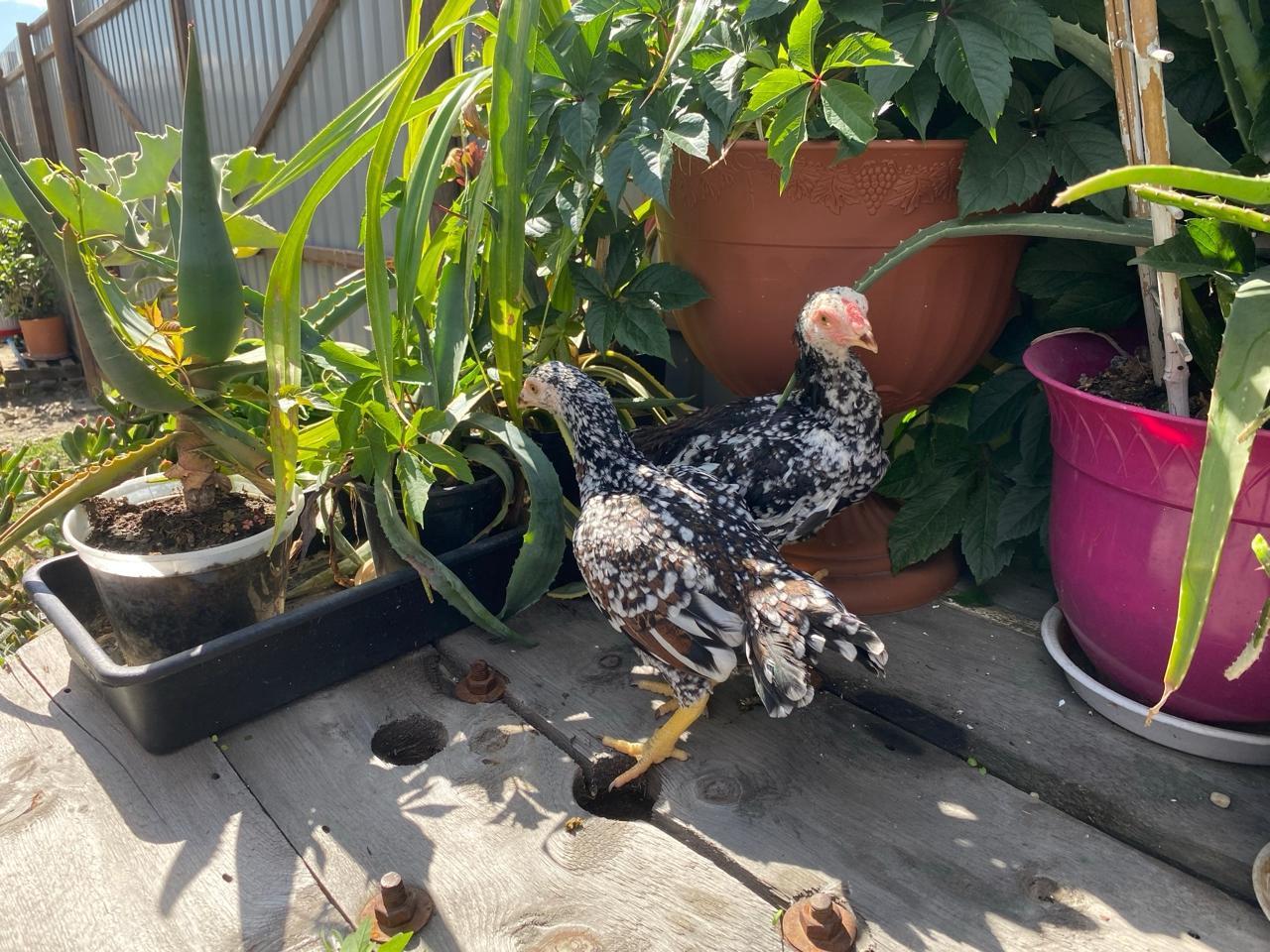
The bantam Asil is a miniature ornamental version of the Indian fighting breed
Next, Paduans appeared on the farm — small multicolored chickens from Italy with a large crest on their heads. Victoria bought eggs, put them in an incubator and got 70 chicks at once.
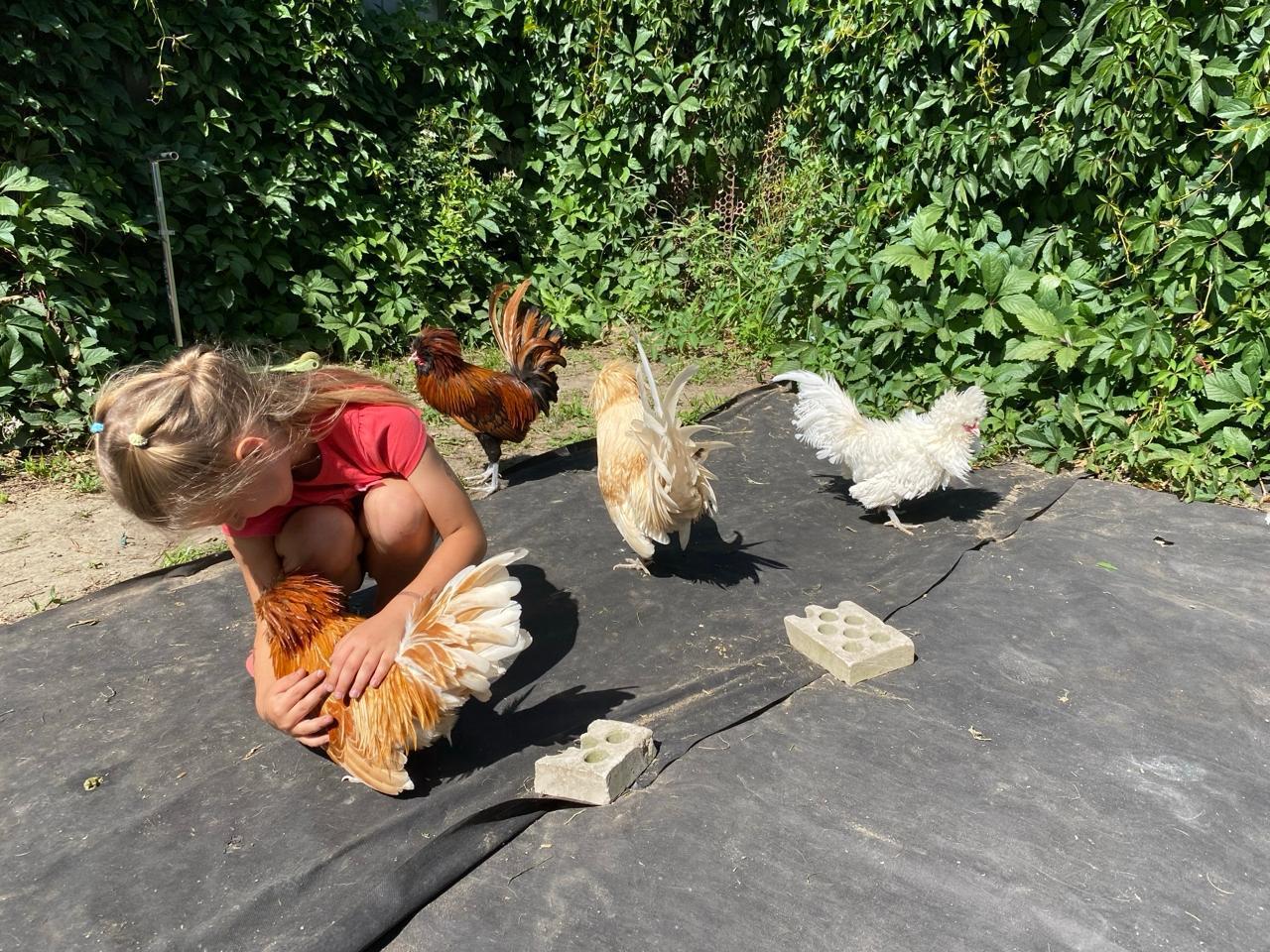
Victoria would like to expand her collection with other rare breeds but has no space yet
— I like something unusual, exotic. Silkies are found in Barnaul, but Paduans — almost no one has them. Serama is the smallest chicken in the world. Sumatra — it isn«t even in Siberia. You look for what no one else has, she noted.
So her collection gradually began to grow. Victoria gathered her charges through poultry-keeper chats from across Russia and beyond. An acquaintance brought her Chinese quails from Vietnam.
— I realized I needed to build a big henhouse. I quickly gathered friends and we built it. I don«t keep chickens free-range. I»d like to, of course, but small breeds can easily fall victim to predators. You have to build enclosures for them, Victoria explained.
For herself, she looks for the best breeders who raise purebred birds. Eggs were mailed to her from Moscow, St. Petersburg, Irkutsk and Yaroslavl.
— You buy 30 eggs, and maybe one hatches. While they grow, something may happen to some of them. It takes a year for them to become adults. It«s a lottery, she noted.
Ornamental breeds are an expensive pleasure. A single hatching egg of a rare breed can cost up to 400 rubles (about $5). A chick of a rare breed costs an average of 300–350 rubles (about $4). But even that doesn«t guarantee a perfect result.
— You buy eggs, chicks hatch, and a few months later it turns out it«s not that breed. I bought eggs of a black bird for 12,600 rubles (about $160 at current rates), and chicks hatched with feathered legs. The breeder said: «A Sultan rooster must have run over», and hung up, Victoria said.
«Attached to the birds specifically»
She now has about 150 chickens, including 45 young birds. Victoria sells surplus chicks as well as hatching eggs. She also sells adult birds on request, when they stop being interesting to her for breeding.
— After two years a hen starts laying less often, so eggs for hatching must be taken before that. Adults are bought too. But everyone needs something to eat, while mine are for beauty, she stressed.
Victoria«s collection includes many breeds. For example, Chinese silkies with black skin, black bones and fluffy plumage that resembles rabbit fur. Their meat, according to her, is considered a delicacy, and the broth is especially tasty.
Paduans are an Italian breed with lush crests and beards. A rooster with the «conchicorne» coloration, according to Victoria, is the only one in the country. Others like it can be found only abroad.
In addition, her henhouse houses Seramas — the smallest chickens in the world. Adults have a calm temperament and can sit on a palm, so they are even kept in apartments. Victoria also has somewhat wild Sumatras — large black birds with long tails that shimmer green.
Caring for such a farm is difficult and expensive. Vitamins alone cost about 2,000 rubles (about $25) a month. The birds have a rich diet of wheat, corn, soy, peas, oats, buckwheat, as well as fish and meat-and-bone meal, marble grit, small crustaceans and yeast. Everything is mixed by hand according to a special recipe.
— I mix the feed myself. Each breed has its own nuances. For molting — some vitamins, for egg-laying — others. Each age gets its own vitamins. In summer you can give more greens and vegetables, in winter — fish and apples. The water in the henhouse is changed every day. In hot weather it spoils quickly and the birds get sick. So you get up in the morning, check, feed, water. In the evening — again, she explained.
By the way, the chickens themselves actively diversify their diet. In their enclosures they catch mice unlucky enough to climb into the henhouse.
— I come in one evening and turn on the light. And they had caught two mice and started fighting over them, snatching them from each other. I posted a status online, and the girls write to me: «Sell those hens so they eat mice», she recalls.
And in general, as Victoria stresses, the idea that chickens are stupid is nothing more than a myth.
— They«re very smart. They have their own hierarchy. It»s not the rooster that rules the flock, but the senior hen. The rooster can gather them together, but the leader is her, she explained.
In addition, the birds need vaccination and medication because of the many diseases.
— Newcastle disease — 90% mortality within two days. So I vaccinate chicks four times in their first year. Another dangerous disease is Marek«s — they must be vaccinated in the first 36 hours after birth. It»s 0.02 ml in the neck — and the risk is almost gone, the Barnaul resident noted.
Victoria admits she is proud of her collection, but she cannot go away and leave the birds with someone else. The chickens require feeding twice a day, cleaning and an individual approach that only she can provide.
— I can«t even leave for a full day. I»m attached to the birds specifically. By 7 a.m. I have to be with them, check how things are. In summer heat I have to watch the temperature and water. Even collecting eggs means going to the henhouse several times a day. Otherwise I love the forest, we try to go there and walk. For me that«s rest, she shared.
The «Zhar-ptitsa» show
Like any purebred animals, chickens have their own shows. However, to Victoria«s regret, Altai Krai does not yet hold its own shows.
— There is one in Novosibirsk, and in the European part of Russia. I«d like us to have our own show too. They»re even ready to provide space at the covered market on Kosmonavtov Avenue, but there«s no one to organize it all. And I»m sure many here would like to show themselves, she stressed.
Victoria herself took part for the first time in late 2025 in the international online show «Zhar-ptitsa» (Firebird). Her rivals were breeders from Russia, Belarus and Ukraine — about 200 people in total.
To take part, she had to send photos of the birds from different angles. Judging was very strict. The judges checked every feather.
— A broken feather somewhere — minus a point, dirty feet or molting — too. The wrong shade — a defect. There are no perfect ones. But now I better understand the breed standards and will prepare for the next show, Victoria noted.
In the end, her blue Paduan took third place. The jury scored it 93 out of 100. The only issues were the lightened tips of the feathers in the crest and tail.
— Other birds got less, but all from 80 points and above. From Altai Krai, from Siberia, I was probably the only one, she said.
Victoria does not intend to stop there. She plans to acquire a couple more rare breeds.
— I want a Sultan or an Uzbek Bantam. Or something with a colored egg. But there«s no space left. I need to update the flock first, Victoria added.