Why a Krasnoyarsk Museum Stores Mammoths and Meteorites
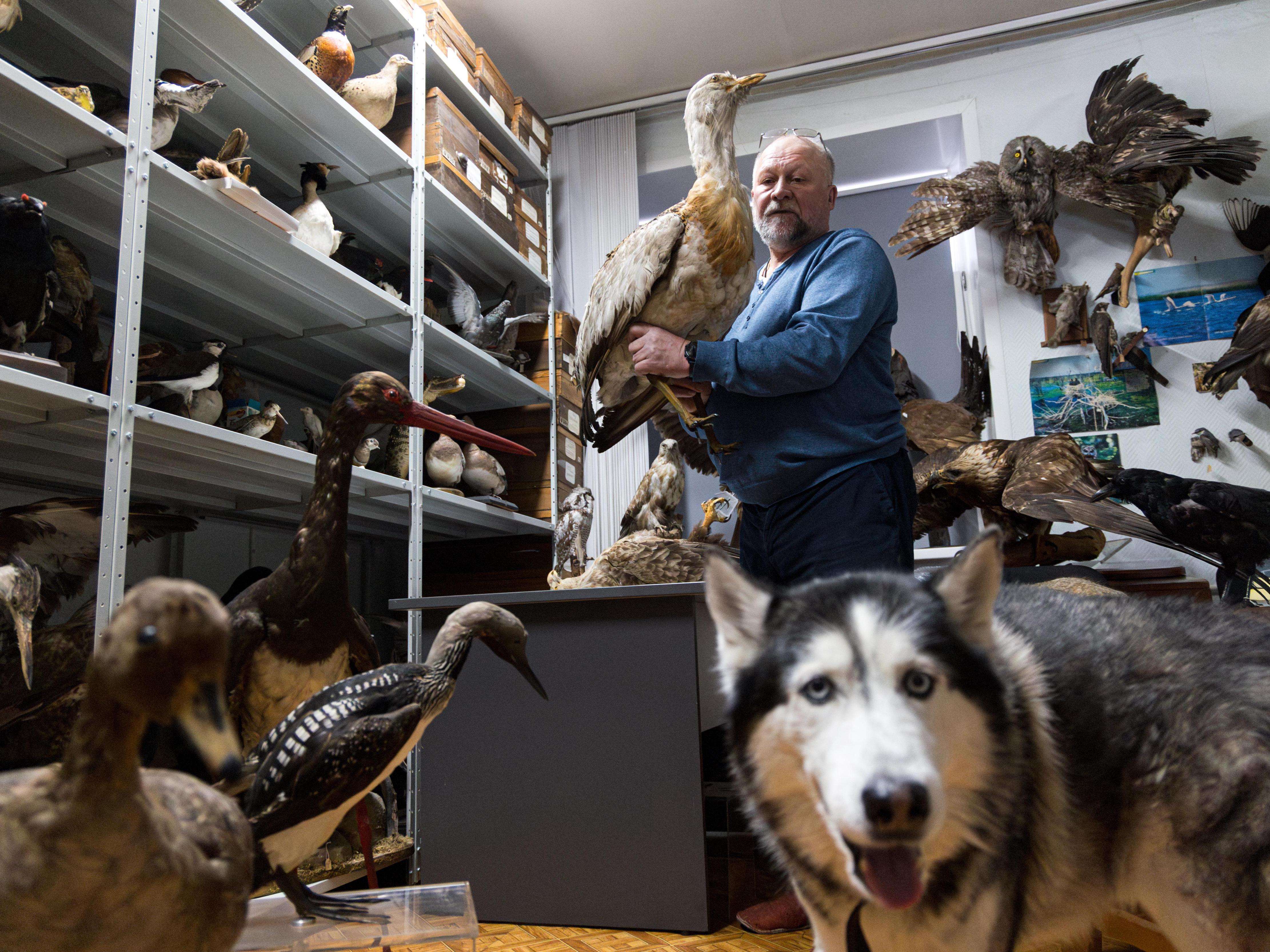

All, or almost all, of the region«s history is stored in the funds of the Krasnoyarsk Regional Museum of Local Lore. About half a million exhibits. More than 60,000 of them are natural specimens from zoology, botany, mineralogy, and paleontology. Some of them visitors will never see. They are stored in the natural science department and used only for scientific purposes. What kind of exhibits are there, was shown to NGS24.RU correspondents Alexey Tayganaut and Masha Lents by the head of this department, candidate of biological sciences, associate professor of the department of hunting resource studies at Siberian Federal University Igor Gavrilov.
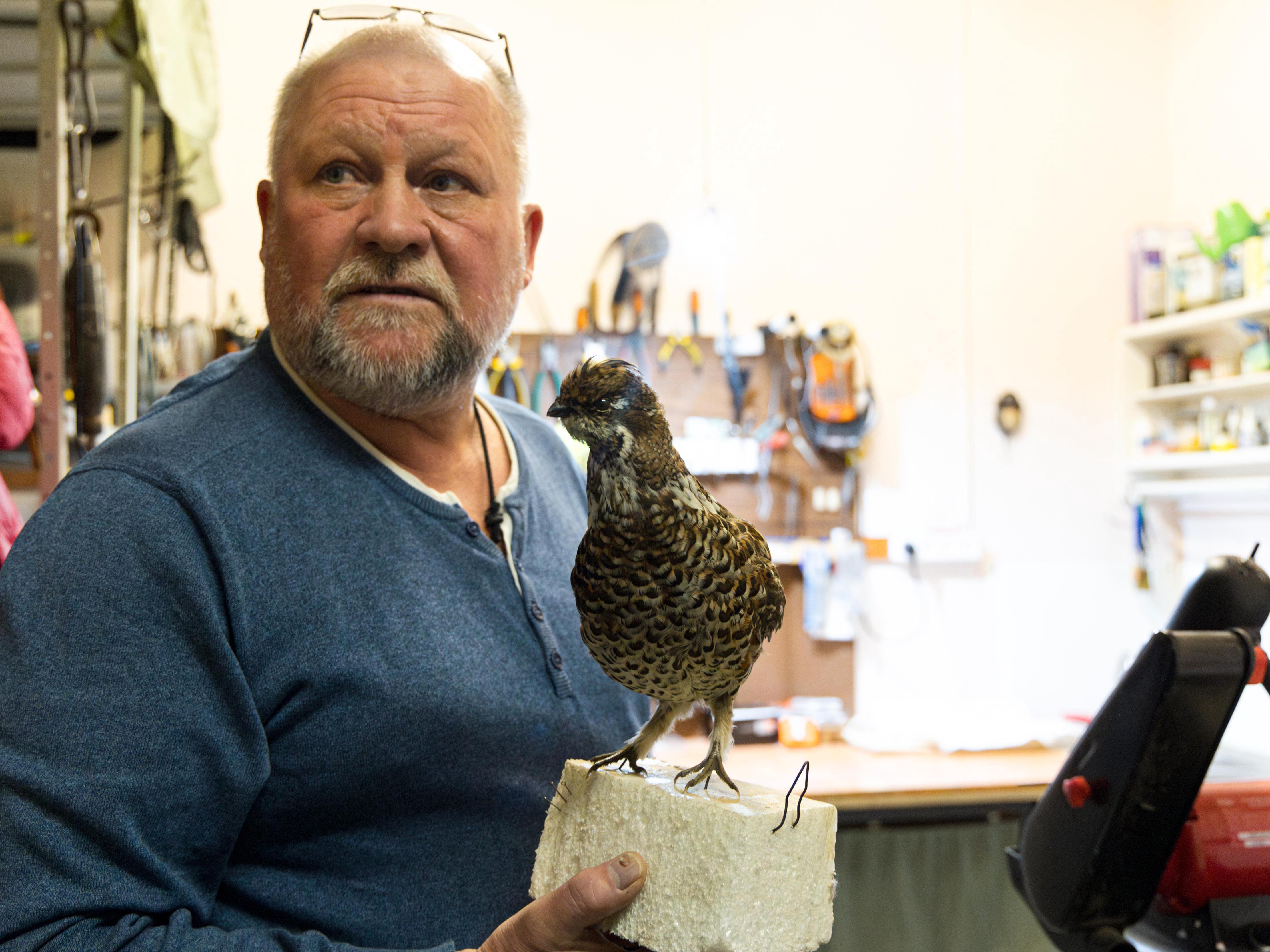
It«s Easy to Get Into the Museum, But Not So Easy to Get Out
The three-story building of the natural science department is hidden in an industrial zone on Kalinina Street. From the outside, you wouldn«t guess that »living« history of the region is stored here. High fence, reliable gates, access control.
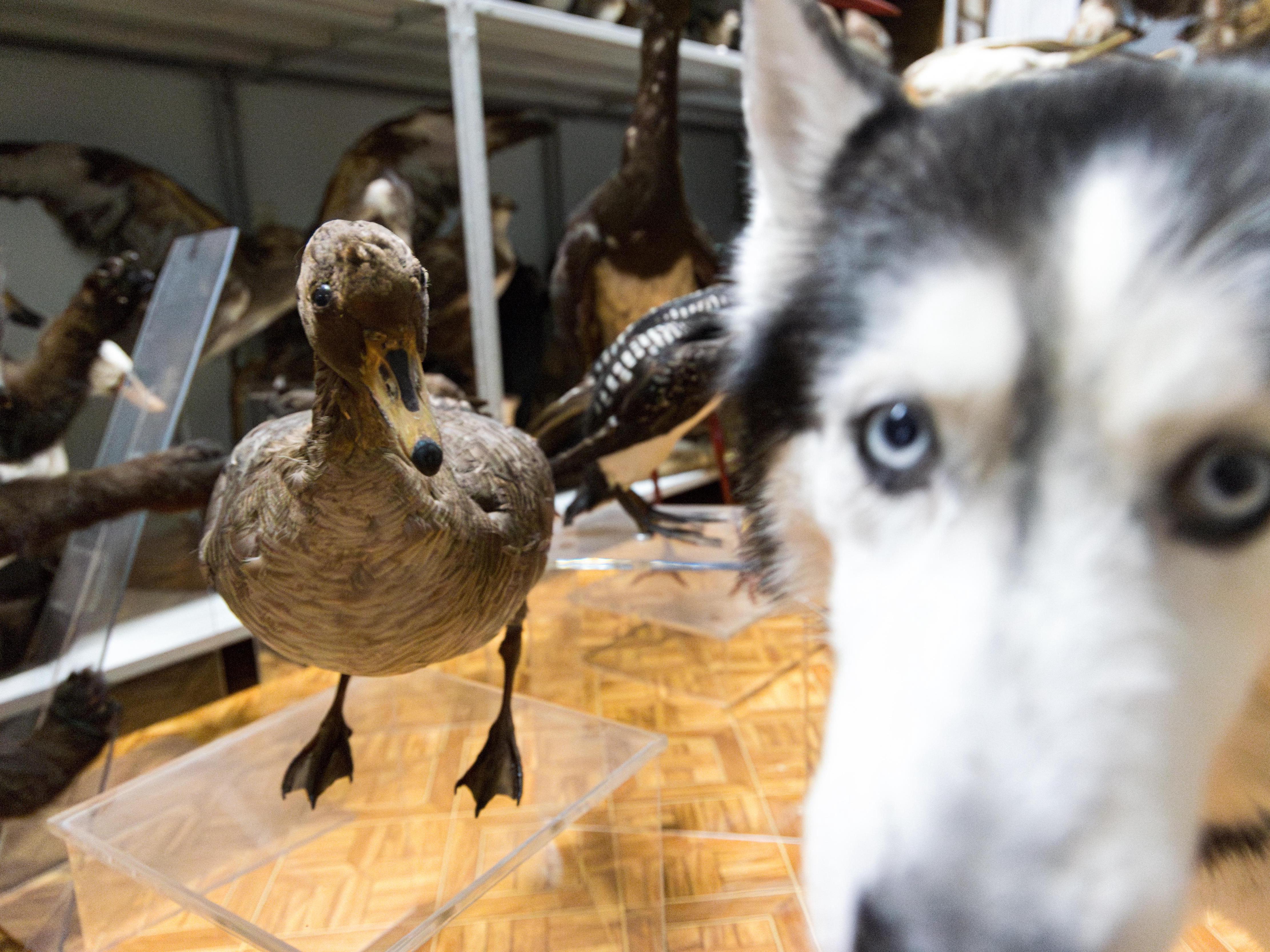
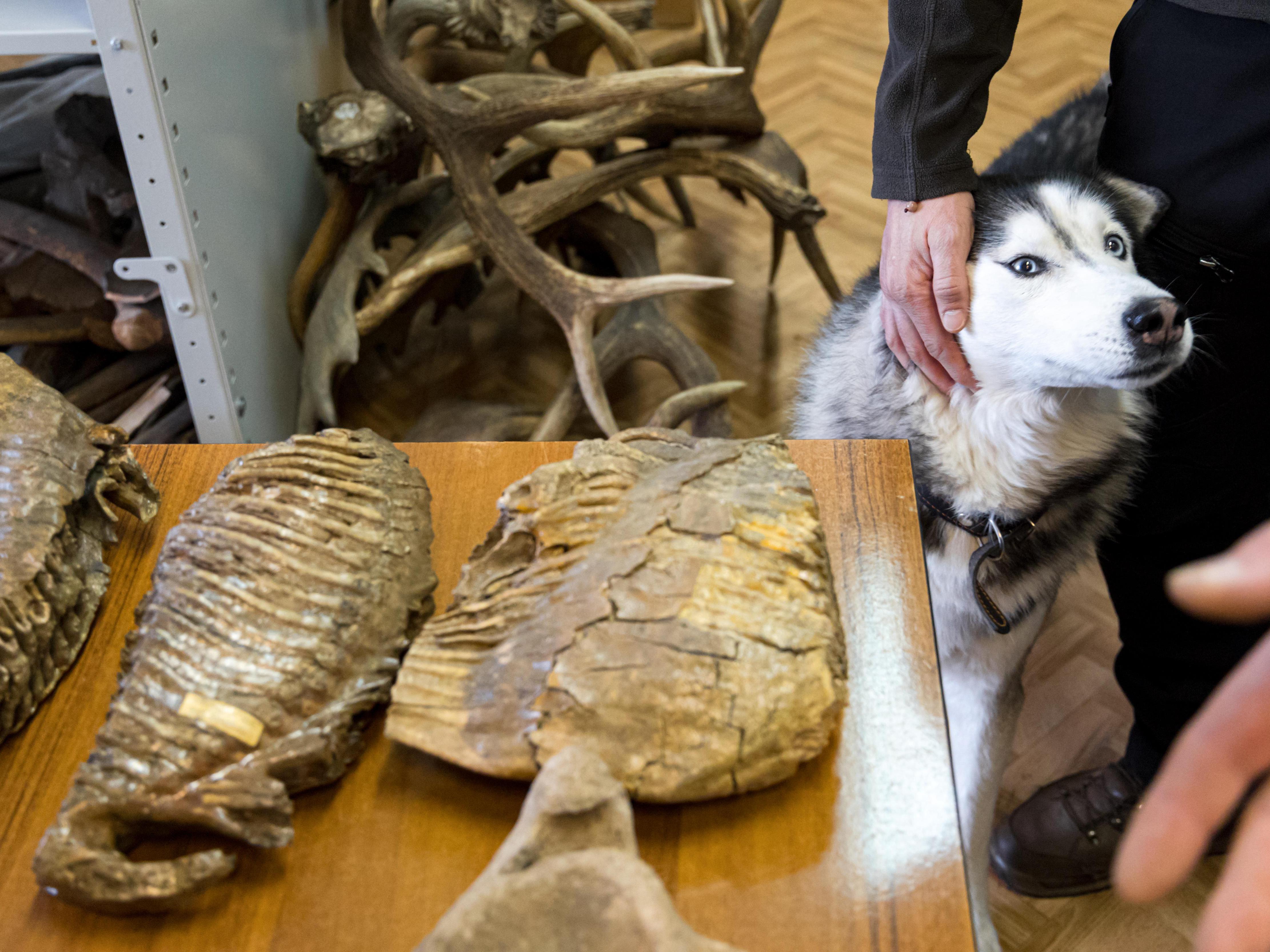
Igor Gavrilov meets us at the entrance. Not alone. A husky approaches us with him.
— This is Joy — the department head«s assistant, official title: a terribly unnecessary employee, — introduces him the head of the natural science department of the Krasnoyarsk Regional Museum of Local Lore Igor Gavrilov. — He»s 12 years old, before him I had a Laika, who went on expeditions with me. He died, and I really missed having a dog. And one day my children advised me to get a husky puppy. So I got one, to my own detriment, and now he works with me.
Joy looks approvingly at his keeper and sets off to accompany us on a tour of the storerooms like a boss. In general, everything is as it should be in a repository where almost all specimens are related to nature.
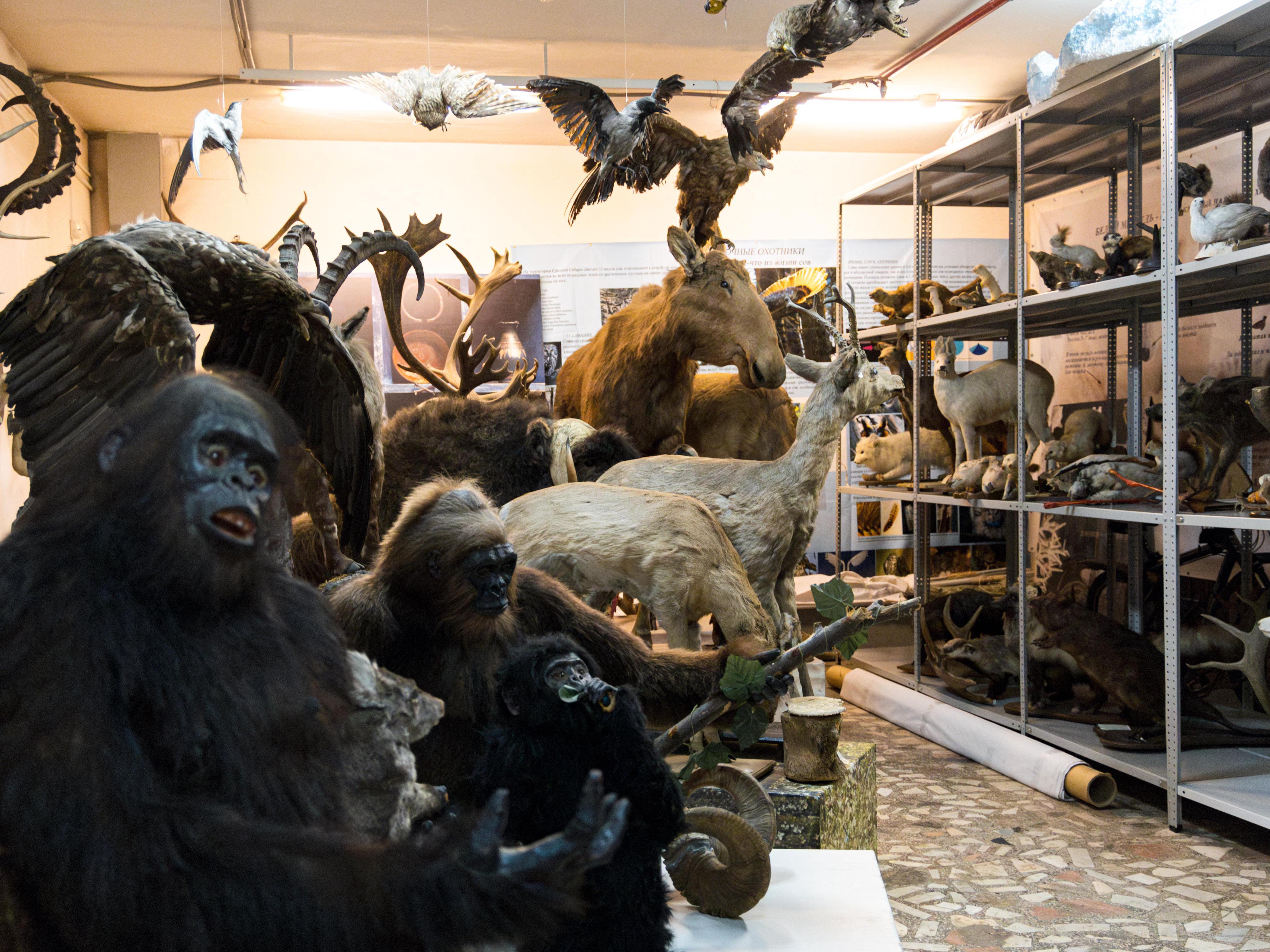
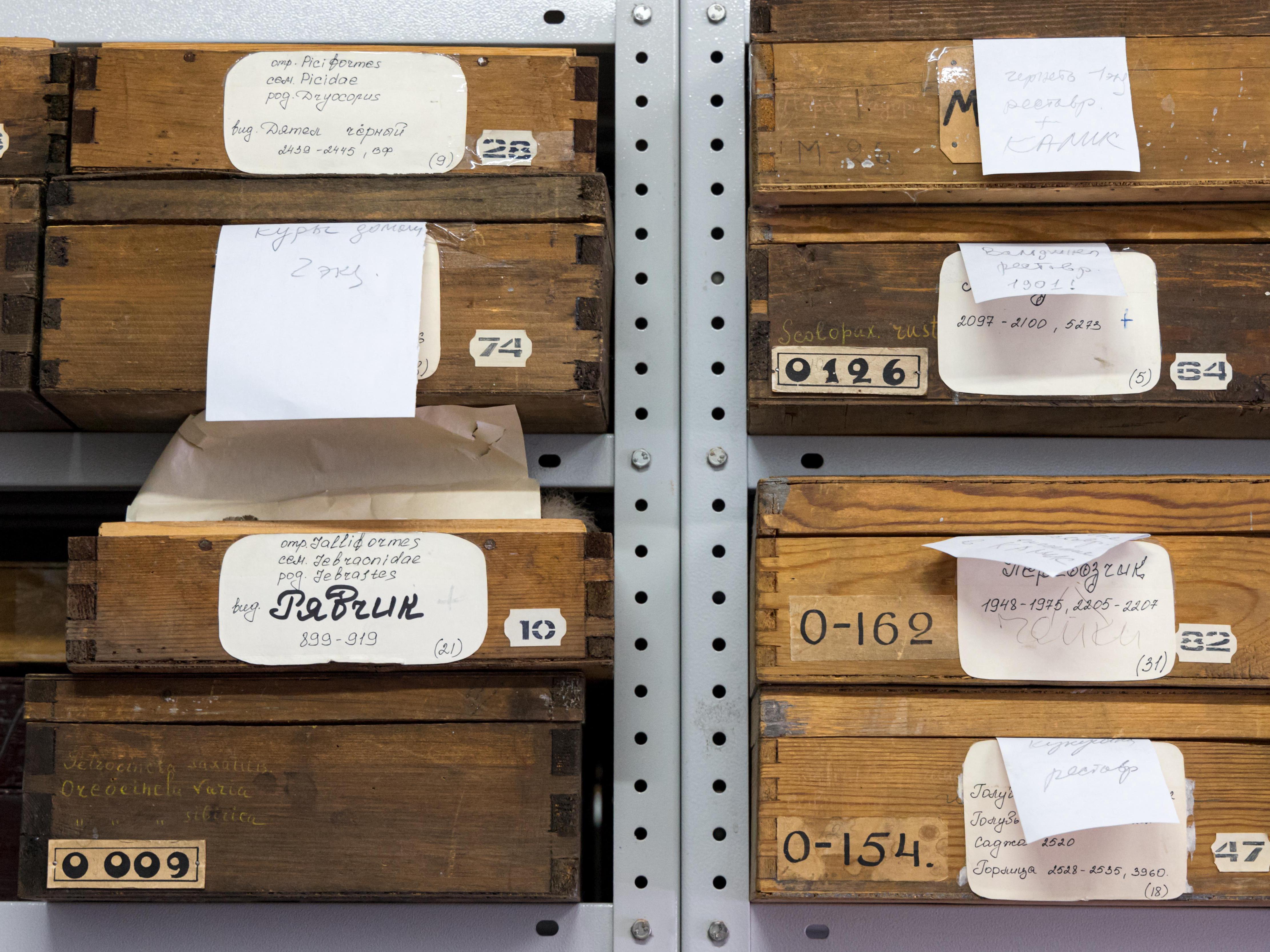
Here you feel a bit like in the movie «Night at the Museum»: the exhibits haven«t come to life yet, but it seems they»re just a step away. Thousands of stuffed animals, birds, fossils, collections of insects and plants. Recently found and ancient ones.
— Here«s our local attraction — a roe deer, it»s unassuming, it«s over 100 years old after all. There are other quite ancient exhibits here. It»s very easy to get into the museum, but not so easy to get out. I came here temporarily, from the pedagogical university, and I«ve been working here in the nature department for 12 years already, — says Igor Gavrilov.

— There are exhibits that we won«t display. Here, for example, a white-tailed eagle. It»s also quite ancient, about a hundred years old. But it«s in the register of the main fund and writing off such items is extremely difficult, so here there are things that are constantly used in scientific-educational and exhibition work, and there are things that are scientific material.
— Will no one see these exhibits?
— No one except scientists. Some of our specimens are for exhibition, but most — for scientific purposes. We sometimes conduct one-time tours, there«s a project called »Secrets of Museum Storerooms«: we take visitors to places they would never visit if not for such tour formats. But that doesn»t happen often.
— Is all this taken from nature or are there reconstructions too?
— Everything here is natural, except for these three subjects (points at chimpanzees). They were recreated artificially. Like, for example, in the main building we have a woolly rhinoceros — a long-extinct animal — also a complete reconstruction.
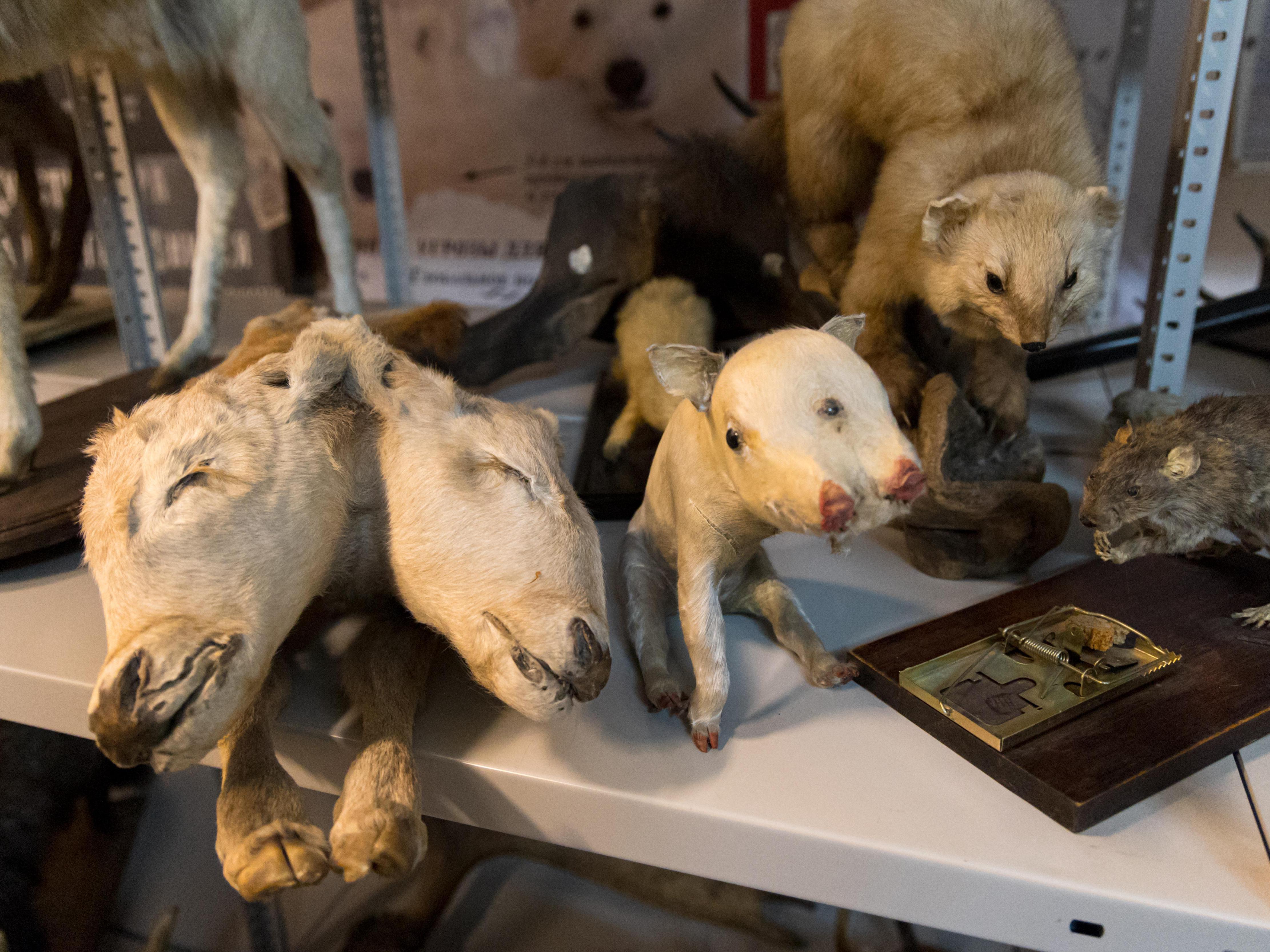
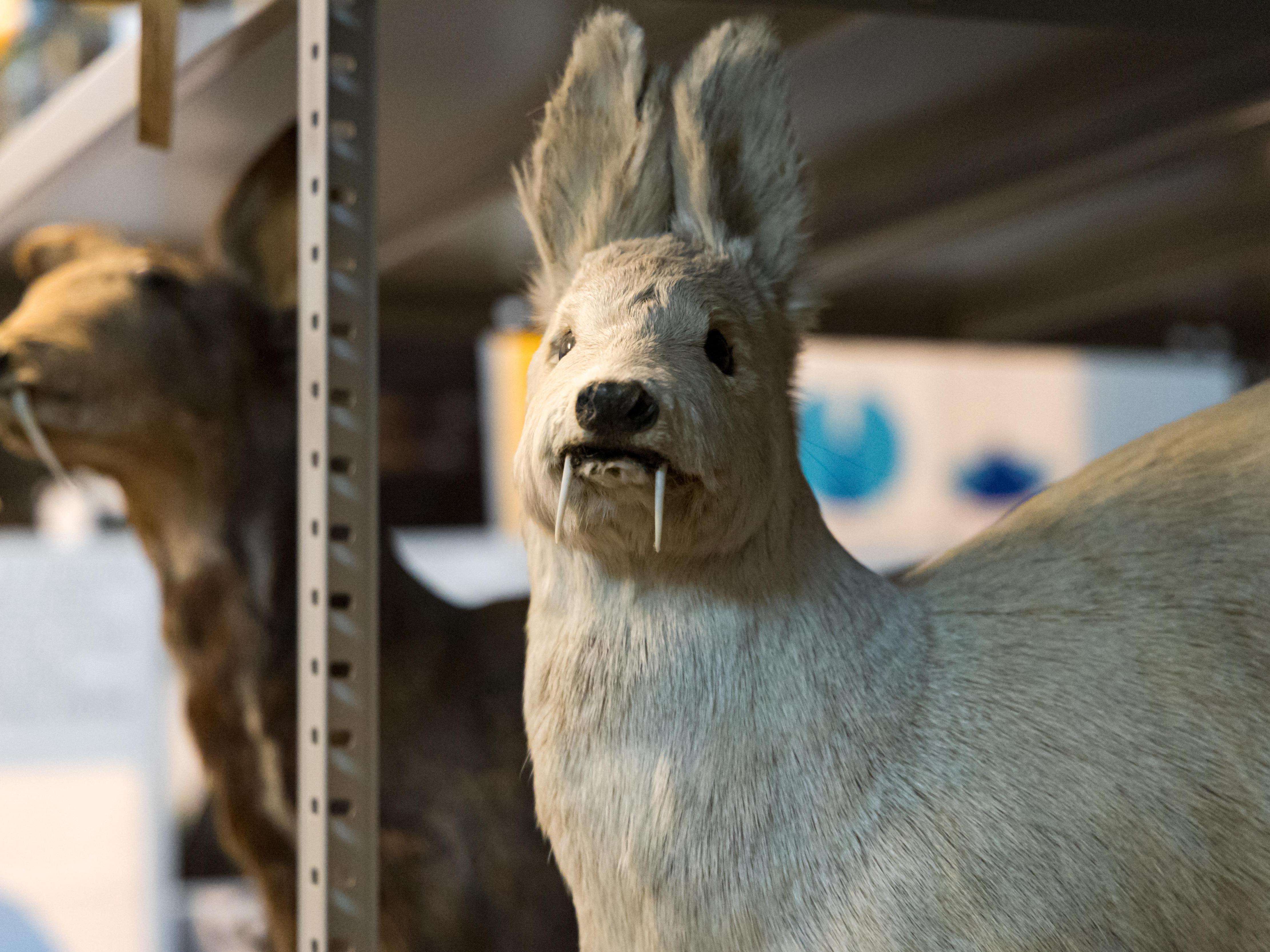
— Overall, there«s a lot of unique stuff here. Look, a two-headed calf — it was brought in 1908 from what is now Uyarsky District and made into an exhibit here. This specimen was seen in its time by our parents, grandparents. Recently I made an exhibition »Kunstkamera on the Banks of the Yenisei« from such curiosities, — says the scientist. — Here»s a three-eyed piglet, it was brought to us in the early 2000s. Or here, an albino musk deer. Due to this deviation, its chances of survival in the wild are zero. Too conspicuous a coloration.
Woolly Rhinoceros, Mammoth, Muskox
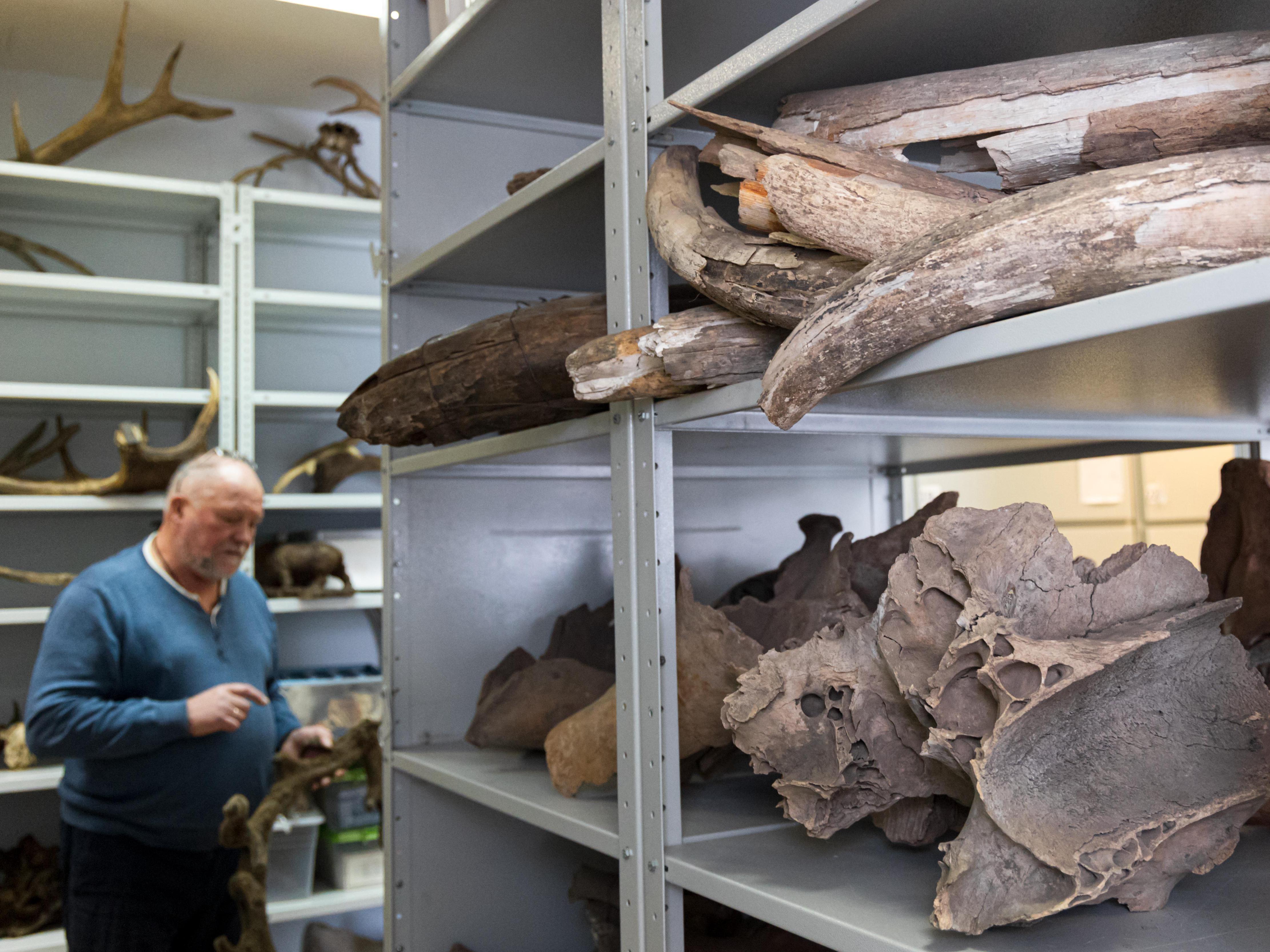
We go up to the second floor. Boxes, crates, bones, tusks, fossilized teeth. Neatly stacked, as if they aren«t tens of thousands of years old.
— This is a classic repository where paleontological materials from different time epochs are collected, mainly what we call «mammoth stuff.» That is, fauna from the time of mammoths — animals that inhabited Siberia from 100,000 to 10,000 years ago. The territory of Krasnoyarsk Krai is rich in such fauna. Preserved in layers of sedimentary deposits, especially where there are sand-clay quarries. On the Krasnoyarsk reservoir, the shoreline is periodically eroded, exposing a huge number of such remains, — tells Igor Gavrilov.
— Whose remains are most often found?
— Fauna from those years: woolly rhinoceros, mammoth, muskox. The latter — the only one that still exists from that time. It now inhabits the Putorana Plateau.
— You have a whole fortune stored here.
— In our area, the preservation of tusks in natural conditions is not very good. But in Yakutia, with its permafrost — yes. There, a whole trading industry is built on this: a good specimen of a tusk is sold for 90,000–100,000 rubles (approximately $900–$1,000 at current rates) per kilogram.
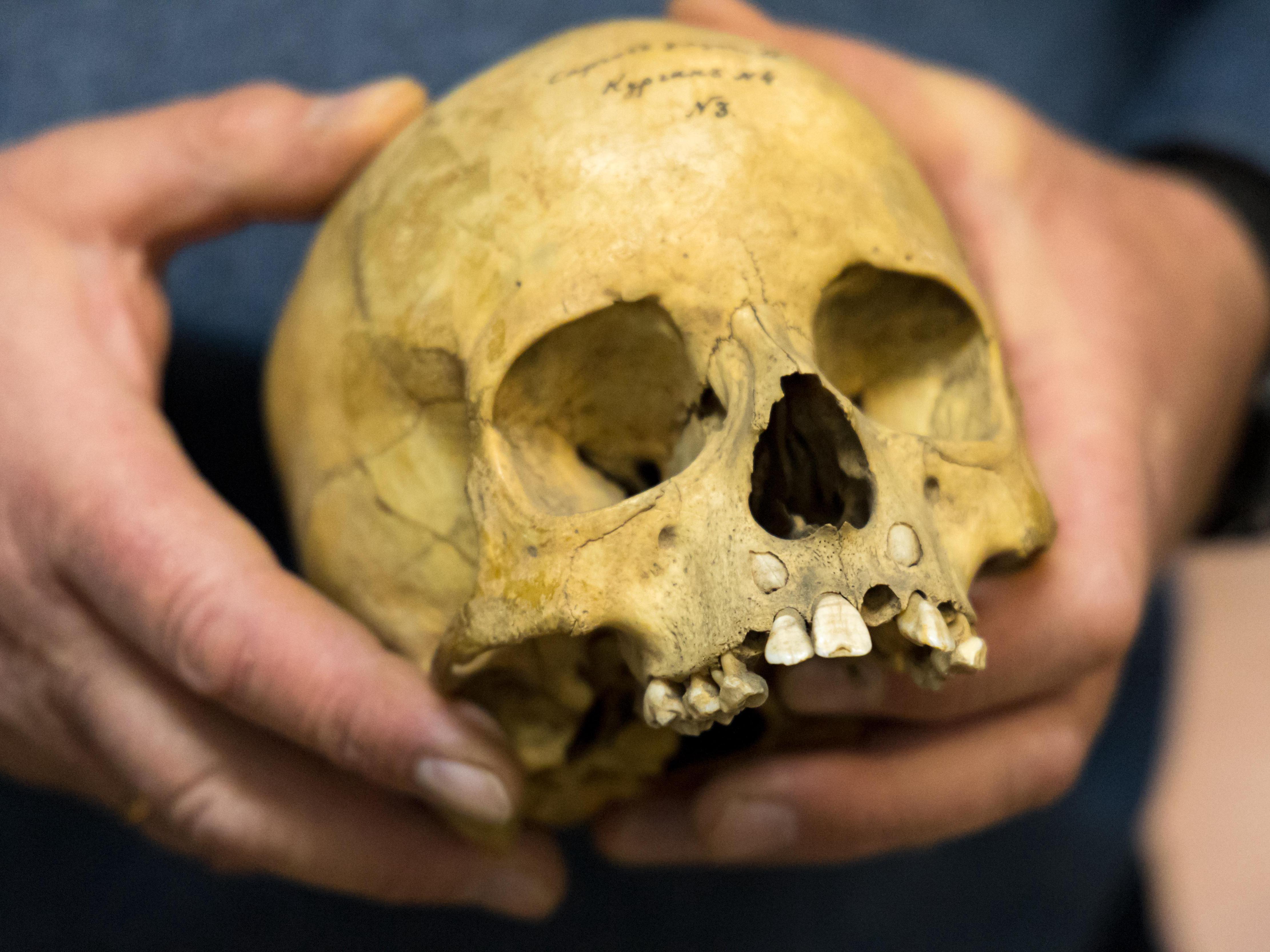
Igor Gavrilov takes boxes with skulls out of a cabinet. He says:
— I«ll show you a unique collection of skulls from the Oglakhty culture. Just the other day I was working with it, expert in paleogenetics, scientific director of the European University in St. Petersburg Artyom Nedoluzhko. He took samples for DNA — in his laboratory conditions he will determine their age, kinship relations. They study peoples who inhabited the territories of Khakassia and Tuva.
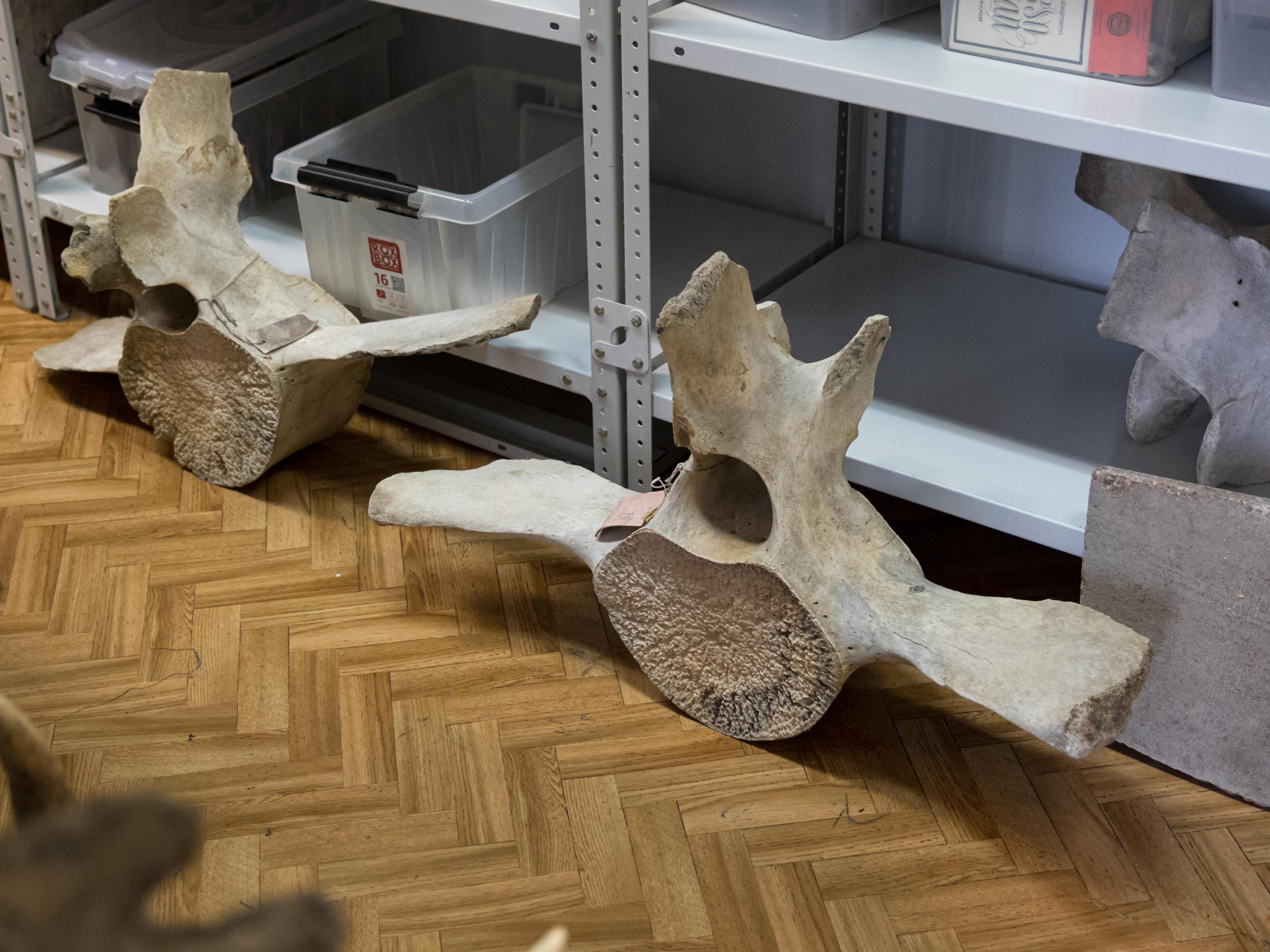
Igor Gavrilov draws our attention to huge vertebrae lying on the floor. These are from marine inhabitants of the region.
— There«s a skeleton of a beluga whale — assembled from bones that were once obtained at the mouth of the Yenisei. Beluga, narwhal, these are all species that inhabit the Kara Sea and enter the mouth of the Yenisei. Here, for example, a fin whale jaw and vertebrae of a bowhead whale. In the early last century, bones were transferred to the museum by a fish processing plant from Dudinka.
Krasnoyarsk Krai — Capital of Meteorites
— We opened a new hall, which repeats the previous name: «Tunguska Phenomenon.» There we collected meteorites that fell from the sky to the ground here.
— Did many fall?
— As for the Tunguska meteorite — here, as they say, «no body, no case.» One hypothesis says that this body entered the Earth«s atmosphere at a shallow angle, passed tangentially and disappeared into space. I like this hypothesis. Actually, there are several dozen more versions of the Tunguska phenomenon. But 117 years have passed, nothing has been found. But we also have two more unique objects. This is the Pallas iron in Novosyolovsky District, a meteorite weighing 700 kg, which a blacksmith accidentally found in 1749, and the Popigai astrobleme on the Taimyr Peninsula. Later, when it was described, it turned out that this is the first meteorite that was more thoroughly studied, fell on the planet and was described in detail. And from it came the science of meteoritics.
The Popigai astrobleme — a meteorite crater in the Popigai River basin, the fourth largest among impact craters on Earth, the crater diameter is 100 kilometers, depth is 200 meters. It contains the largest deposit of natural technical diamonds — 147 billion carats.
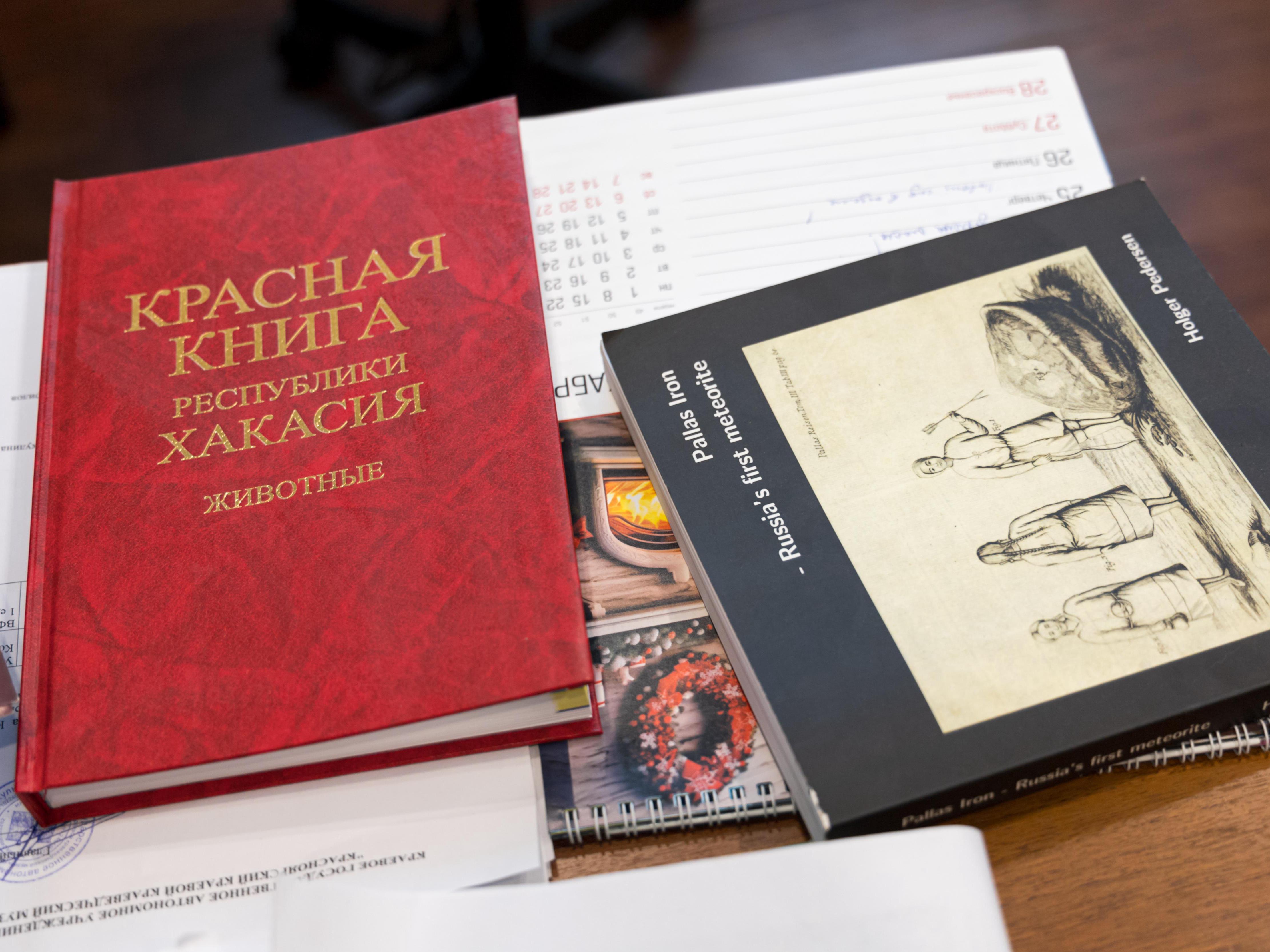
— The combination of these three phenomena, actually, can be considered the brand of Krasnoyarsk Krai. As a kind of center of all these cataclysms related to space, — concludes the scientist.
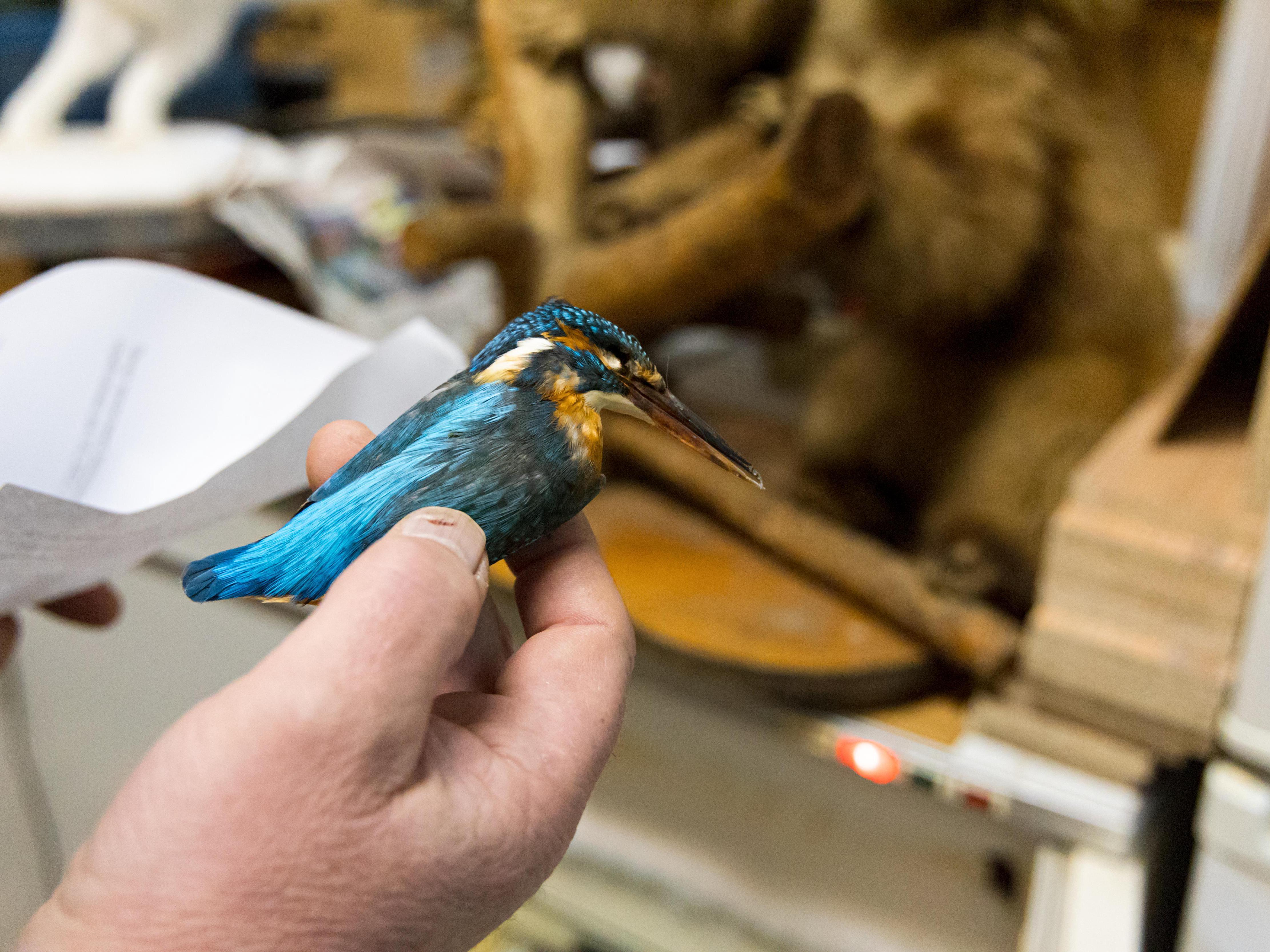
Birds Died Because They Collided with Stained Glass Windows
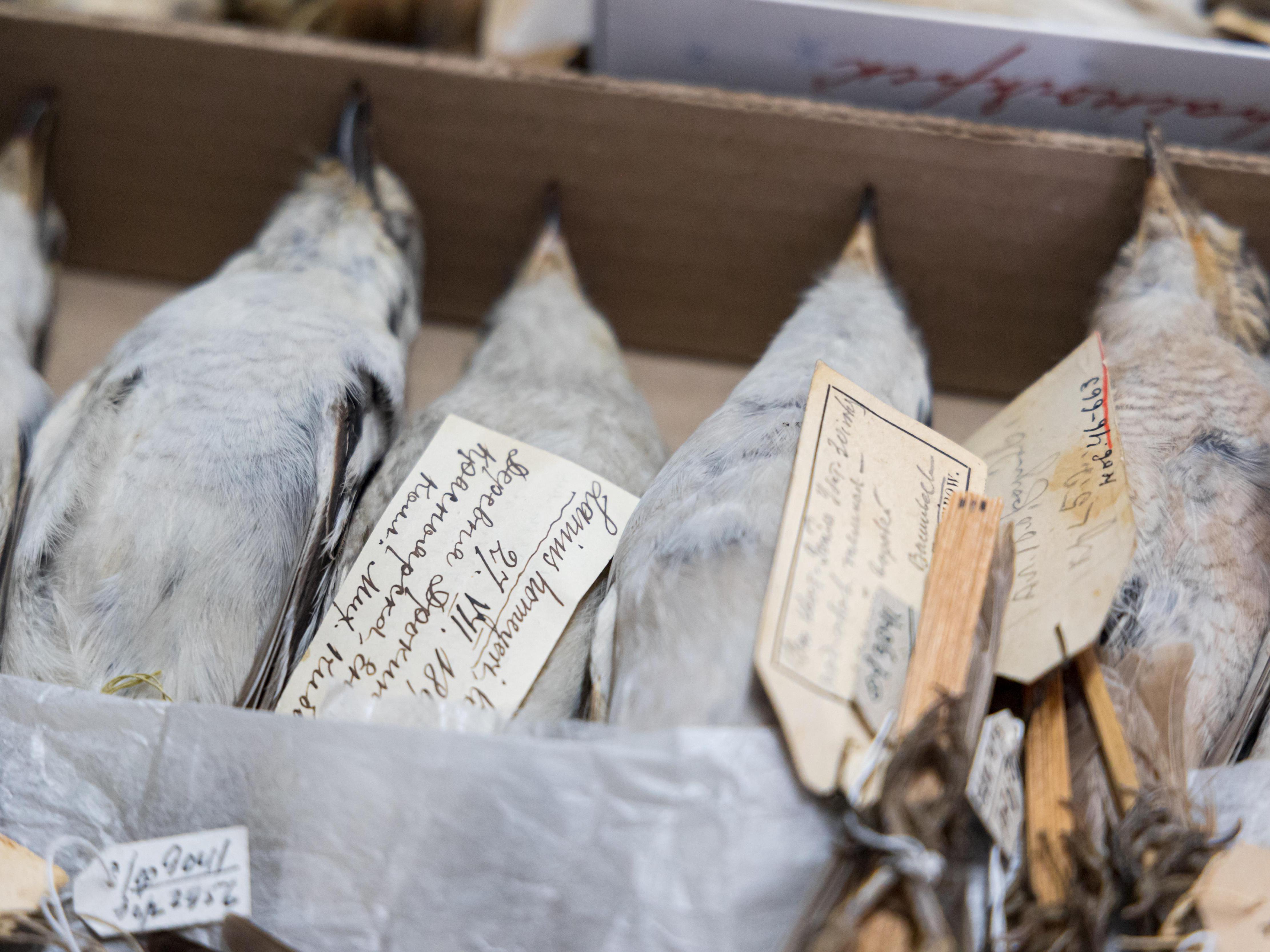
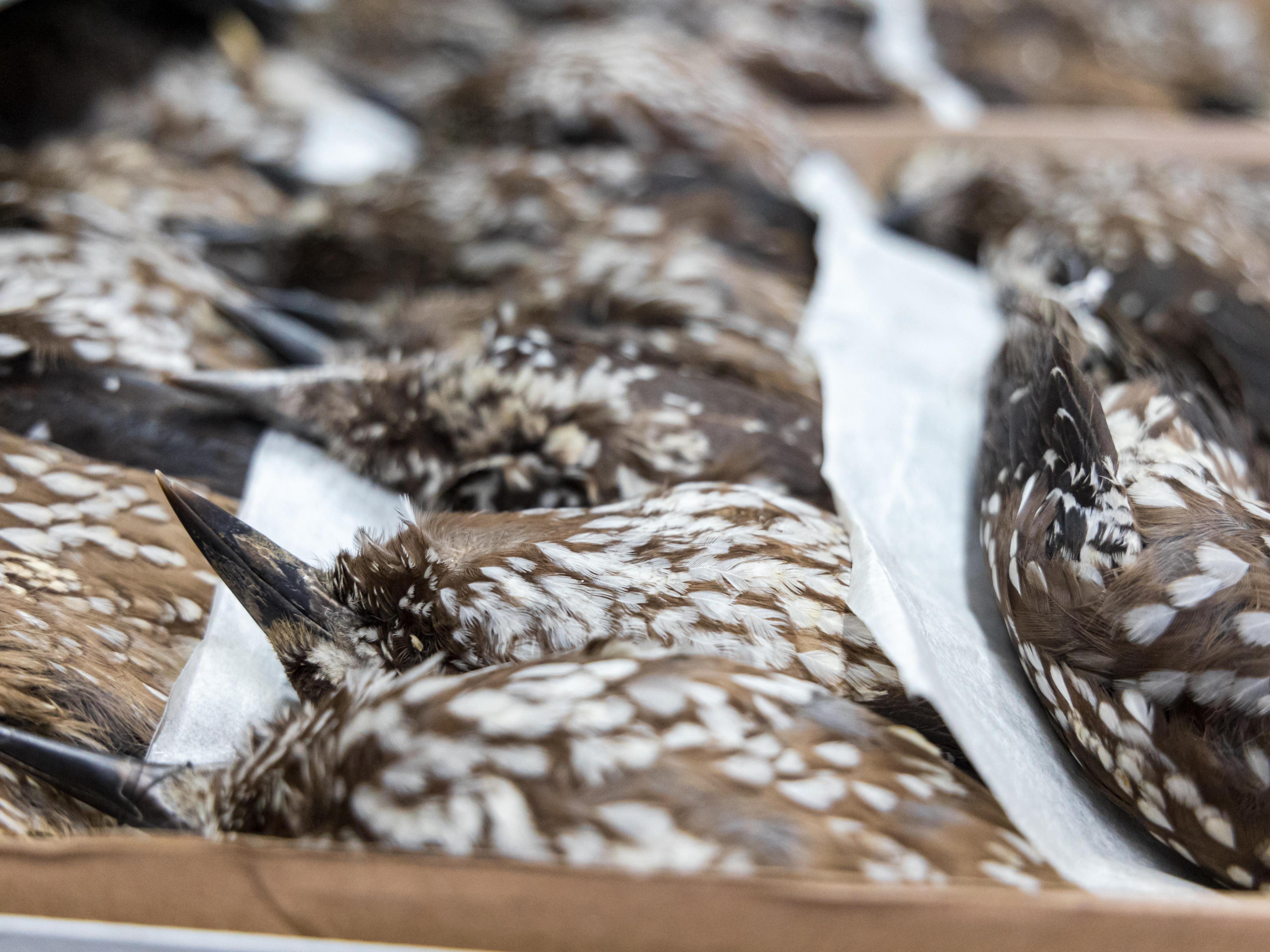
— I find a lot of dead birds in winter. Frozen, weakened. And they also replenish the museum collection. Here we opened a national center, and for several months birds died because they collided with stained glass windows. Glass is a danger for them. Look, there, for example, a kingfisher crashed. It«s a red-listed species, listed from Krasnoyarsk Krai, — tells Igor Gavrilov. — Overall, here is a unique collection, which numbers almost 10,000 storage units. Nests, eggs, birds. In Russia, we are in fifth place by the number of exhibits.
— How many years was it collected?
— For a long time and in different years. To not be baseless, I take any exhibit and look. Bluethroat — February 12, 1889. Here«s another — this one from the early 20th century. To accurately describe a species, a series of individuals is collected. That»s why there are so many of each.
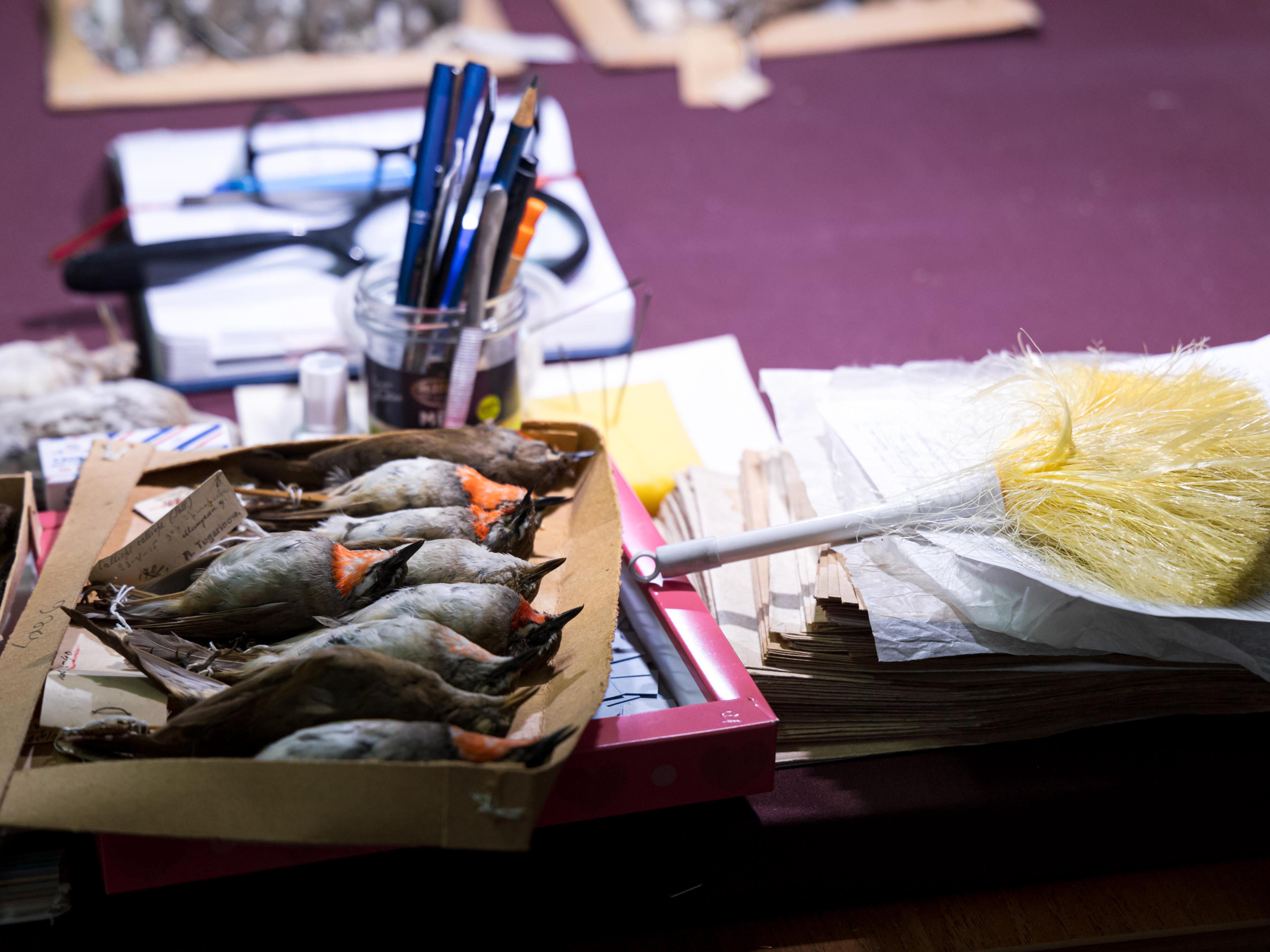
— Here«s a bird — the scourge of many small forest inhabitants, although in appearance it»s a bit larger than a sparrow. The red-backed shrike catches frogs, mice, snakes, sometimes lizards, and impales them on a twig for later. And this is the smallest bird in the fauna of Siberia. This is a goldcrest. I found it on the street, — says Igor Gavrilov.
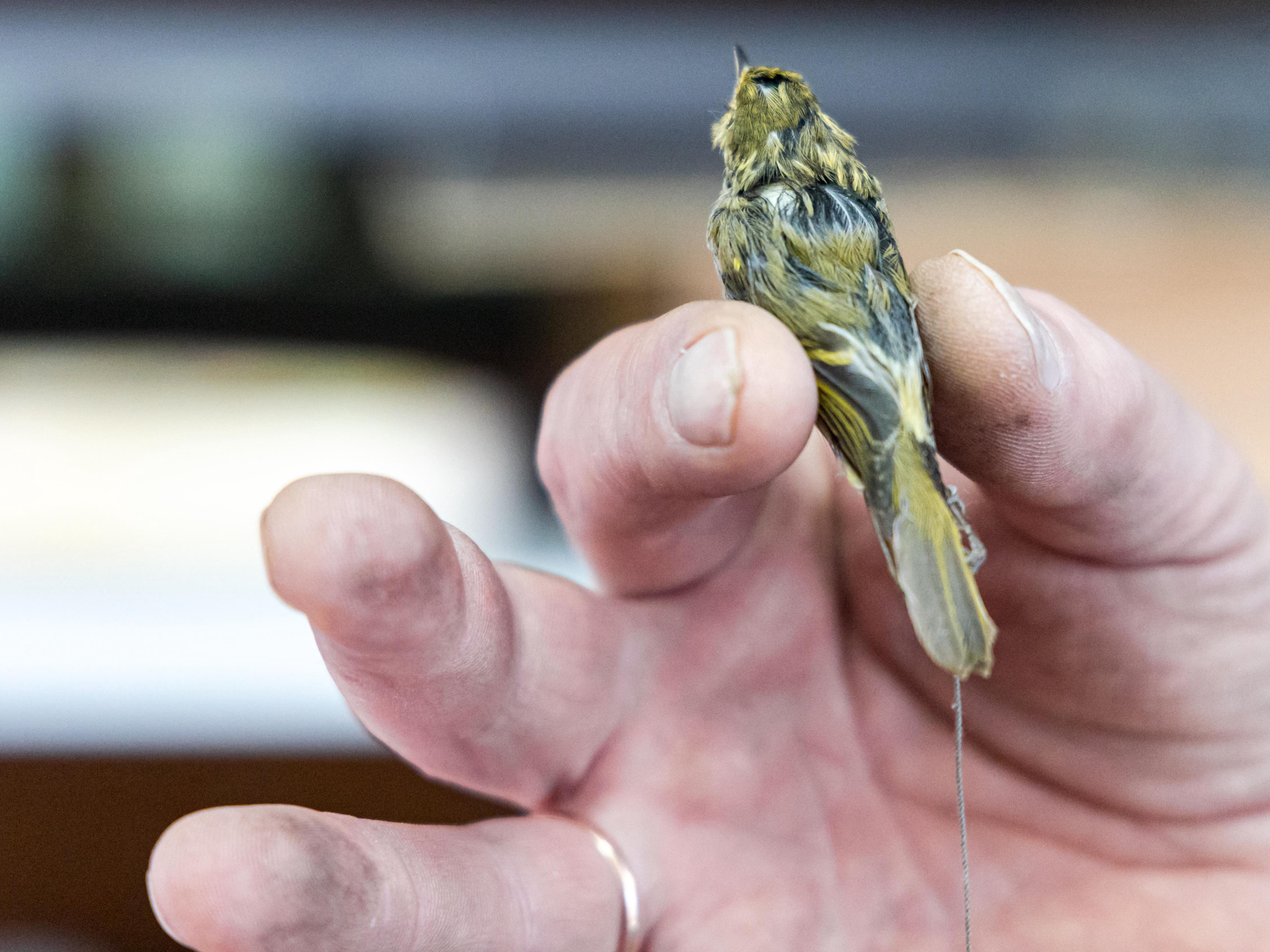
— Is this an adult?
— Yes, an adult bird. It was lying on the ground. I walk with Joy, and I always look under my feet. And so I found it in the city, right on the street. In the city, sometimes such interesting finds happen — the kingfisher is a taiga bird, you would think, what is it doing here.
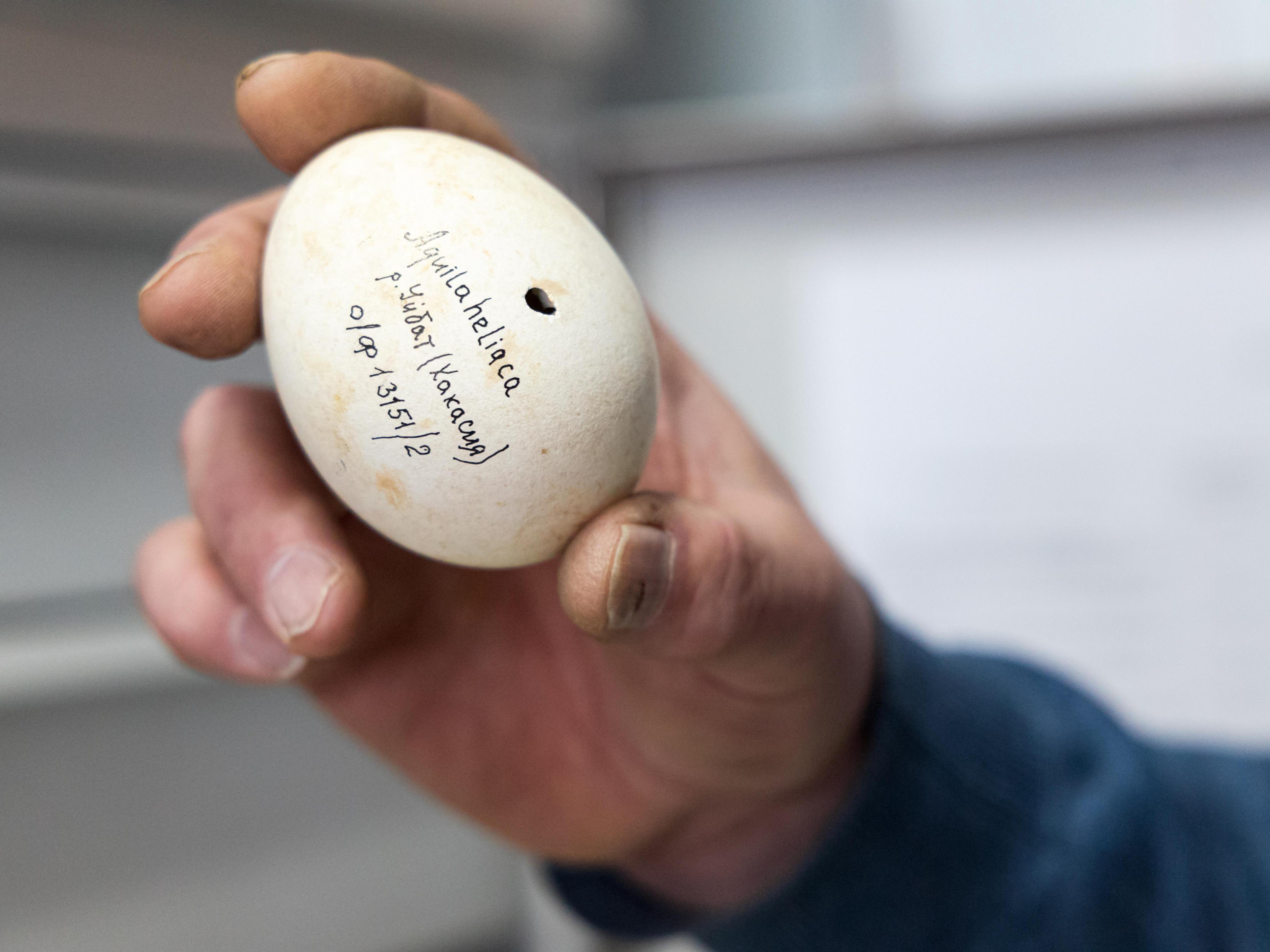
— An egg of a rare species, the eastern imperial eagle, or burial eagle, as it«s called. In the international »Red Book,« by the way. I found it on the Uybat River — when you see a nest with chicks and an egg nearby, it means it»s a «chatterbox,» that is, unfertilized. And we remove such eggs, — tells Igor Gavrilov.
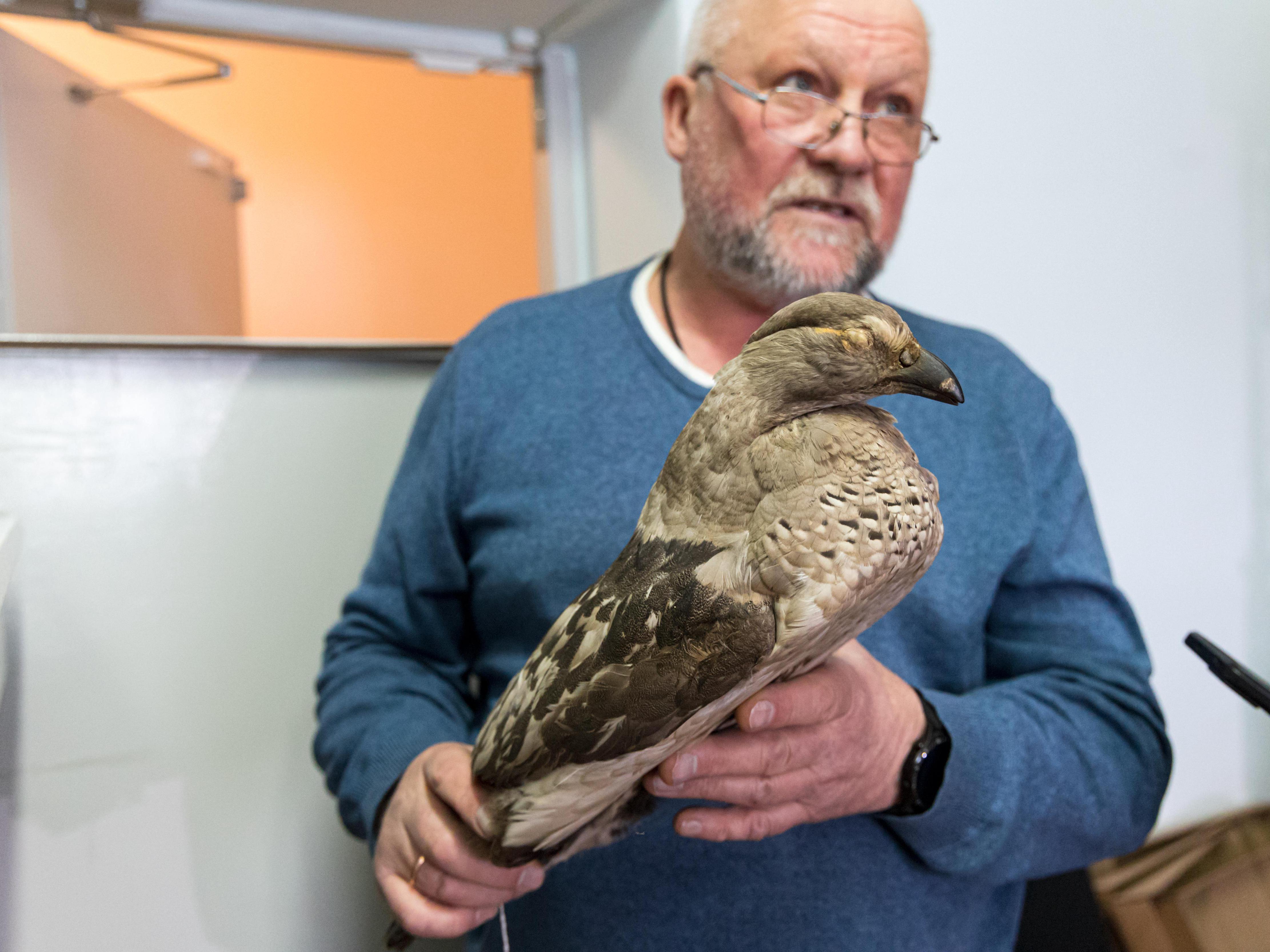
— The Altai snowcock inhabits high in the mountains, a red-listed bird. In its time, when Genghis Khan went through the Altai and Sayan Mountains, he sent his hunters to capture these birds alive. It was believed that their blood was a powerful tonic. And the meat was dried, ground and added to food, like strong dietary supplements, — continues the tour the scientist.
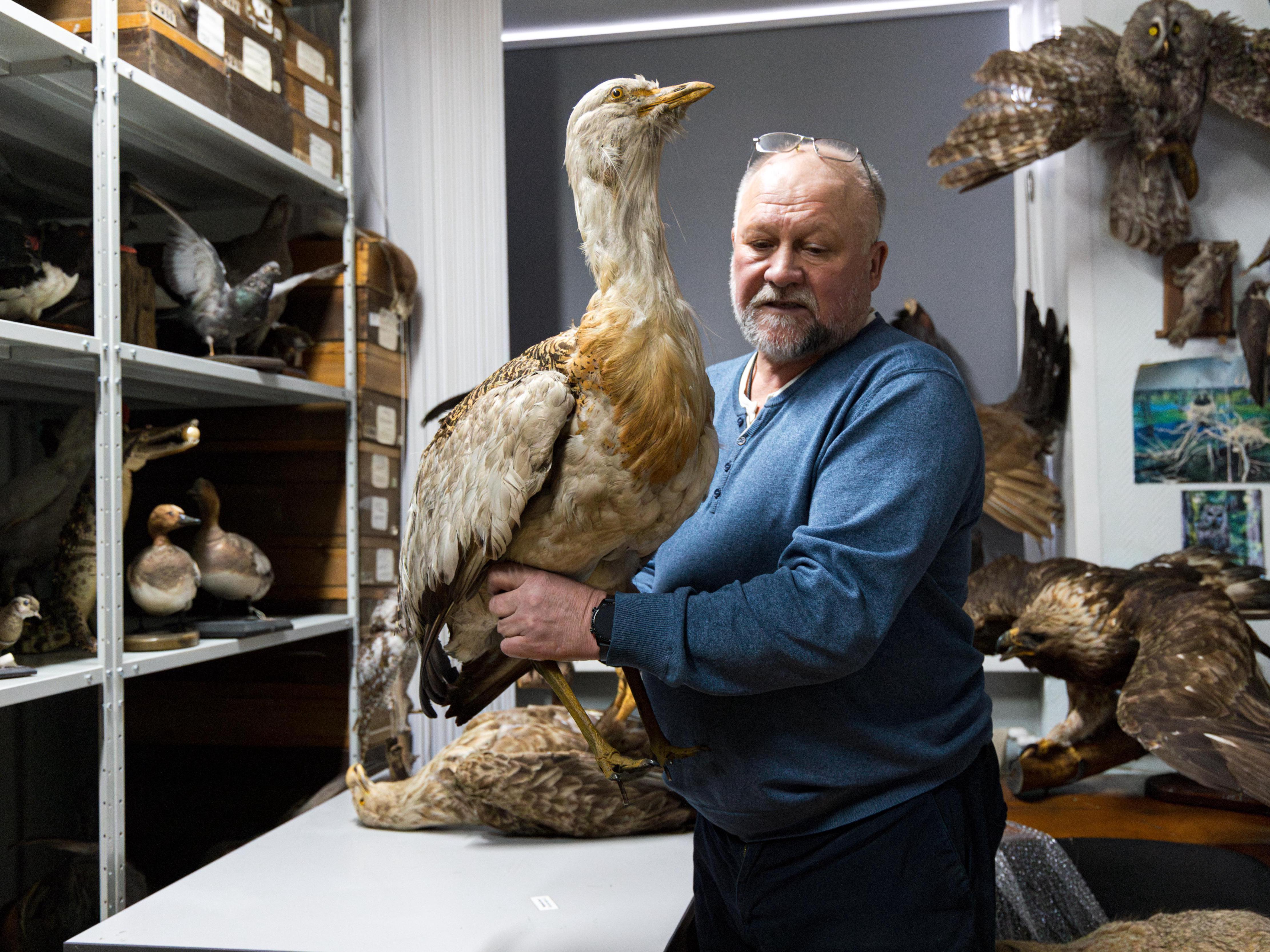
— Here we have a great bustard. It used to inhabit the Minusinsk Basin, now it remains only in Tuva and even then — in single numbers. The last time I saw it was on the border with Mongolia. This is the largest flying bird in the fauna of Russia. Its weight reaches, probably, 16 kilograms (about 35 pounds).
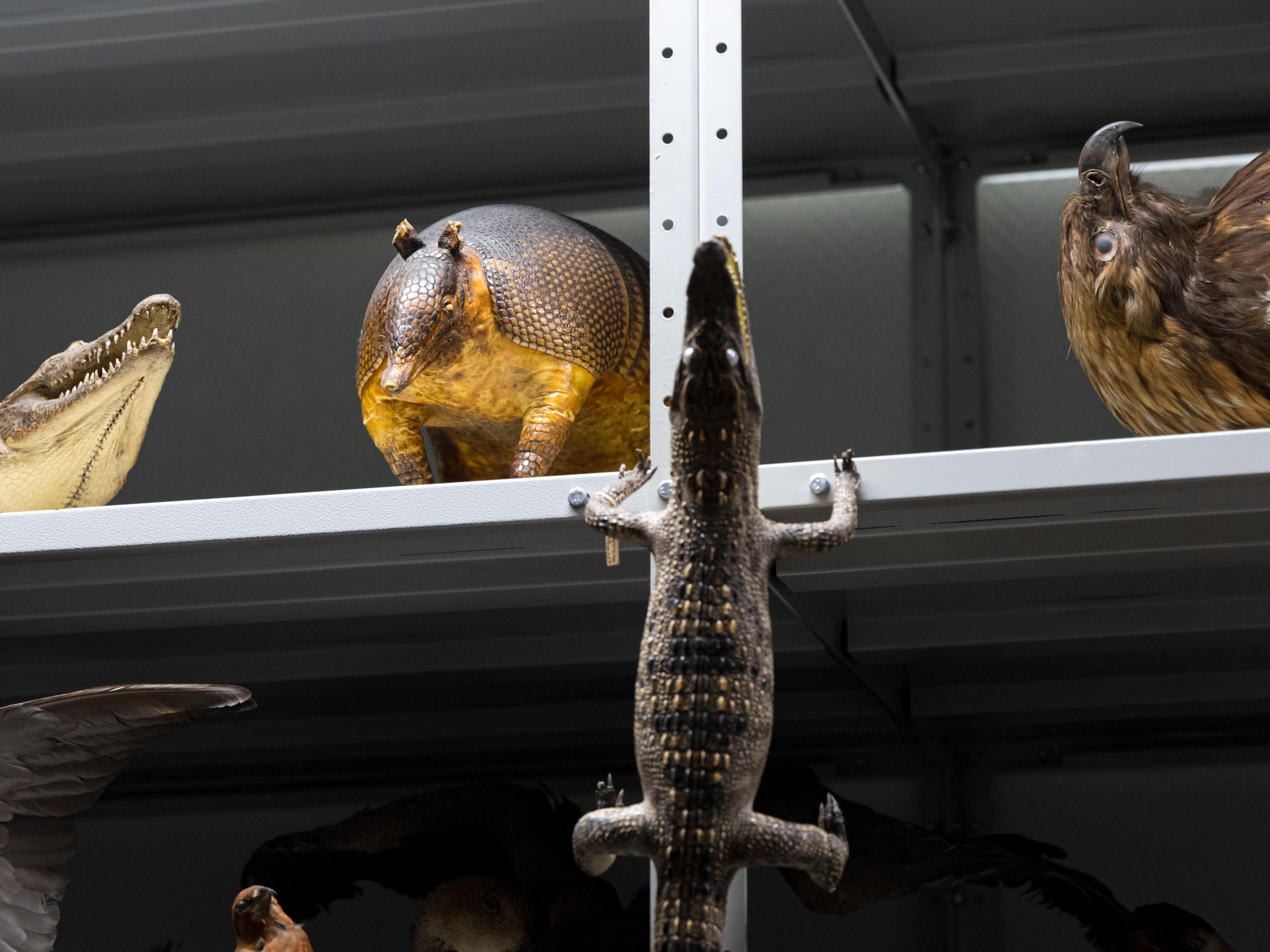
Together with Igor Gavrilov, we walk around all three floors. Among the exhibits, there are exotic ones: stuffed rare species of crocodiles, an armadillo, and others. They were illegally attempted to be imported into Russia, and customs officers seized them and transferred them to the museum.
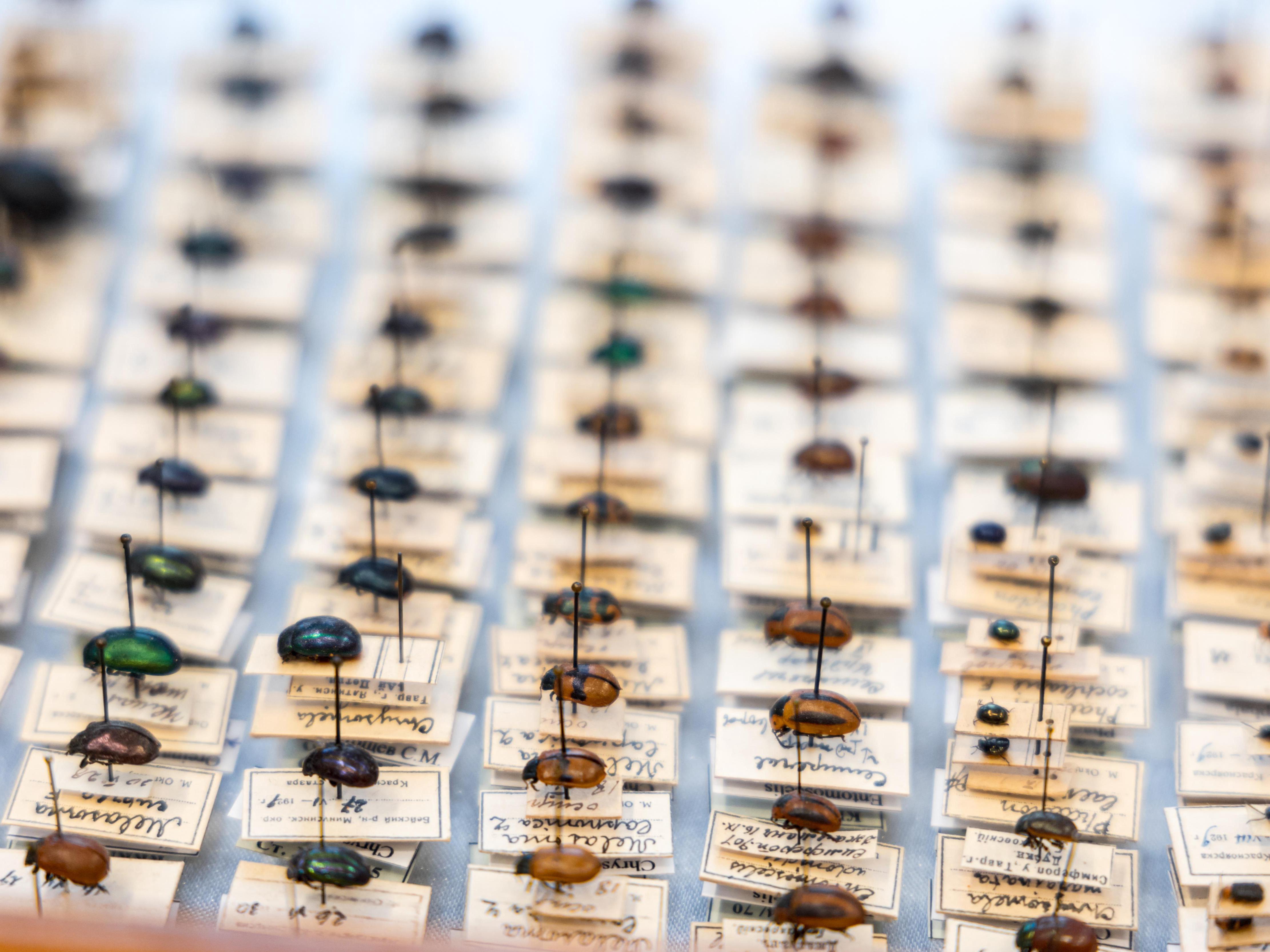
On the floor, there are still thousands of insect specimens and sheets with herbariums. But we leave them for next time — today was only the beginning of immersion in the diverse history of the region.