‘When Will I Die?’: Yekaterinburg Scientist Debunks Radiation Myths

Most people, when they hear the word «radiation,» start imagining horrifying pictures, as from horror movies. This phobia is so ingrained in minds that scientists have stopped saying this word out loud to avoid scaring people unnecessarily. Meanwhile, progress has advanced so far that radiation is used to sterilize medical instruments and even process food.
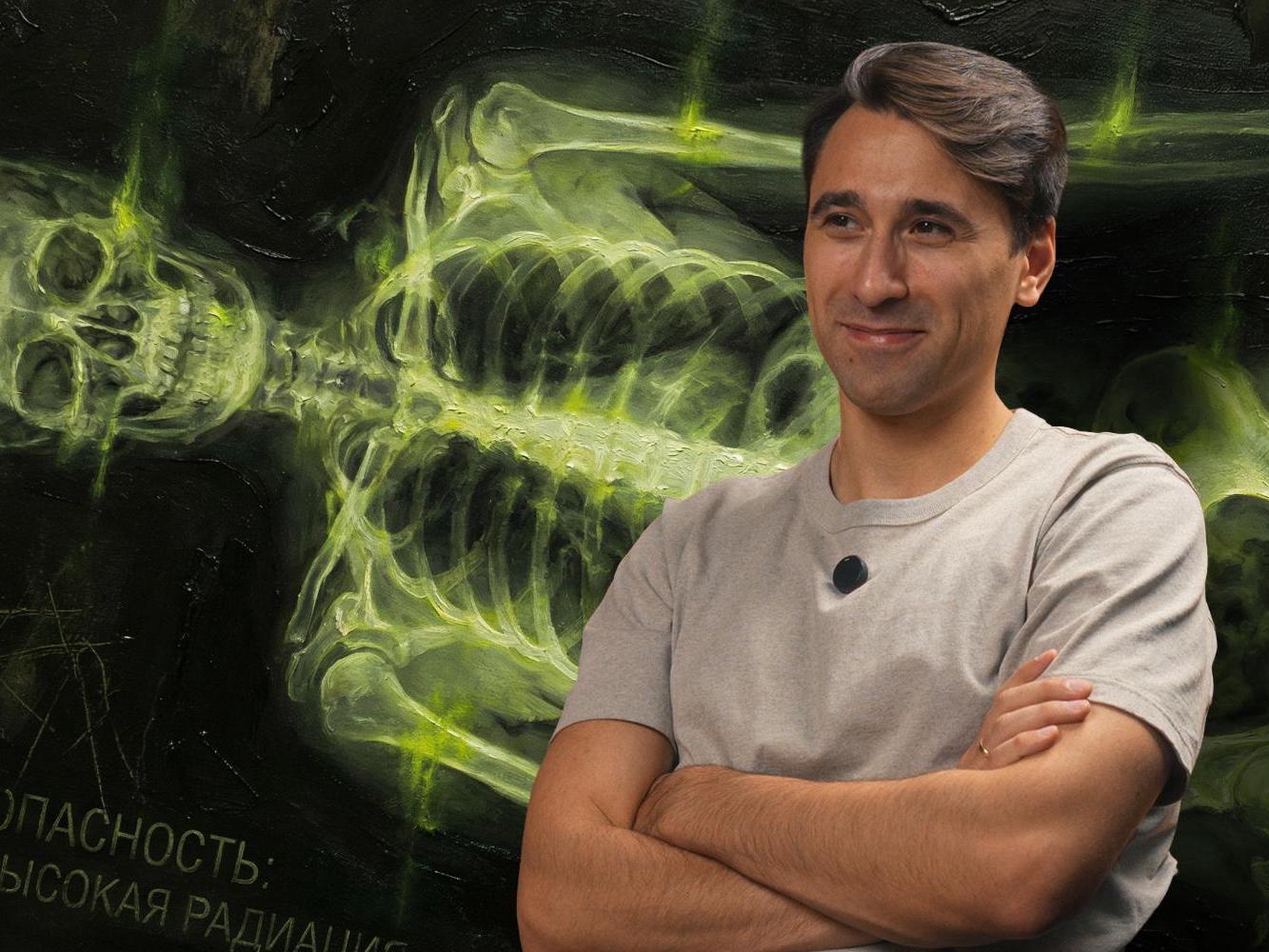
They try to combat the fear of radiation—radiophobia—in the Urals as well. Associate professor at Ural Federal University and PhD in radiobiology Ruslan Vazirov, in a conversation with E1.RU, exposed the stupidest myths and explained why we shouldn«t be afraid of radiation. Further—from the first person.
«If I go to Chernobyl, when will I die?»
It all depends on what you do in Chernobyl. The radiation background there now is not as high as it was after the accident. Also, at the moment, the reactor is covered by a sarcophagus, and you can be there, exist, but not for very long. So, within an hour, you definitely won«t die. But if somehow you go back in time, to the day of the accident, then it will be, so to speak, »slightly« more dangerous.
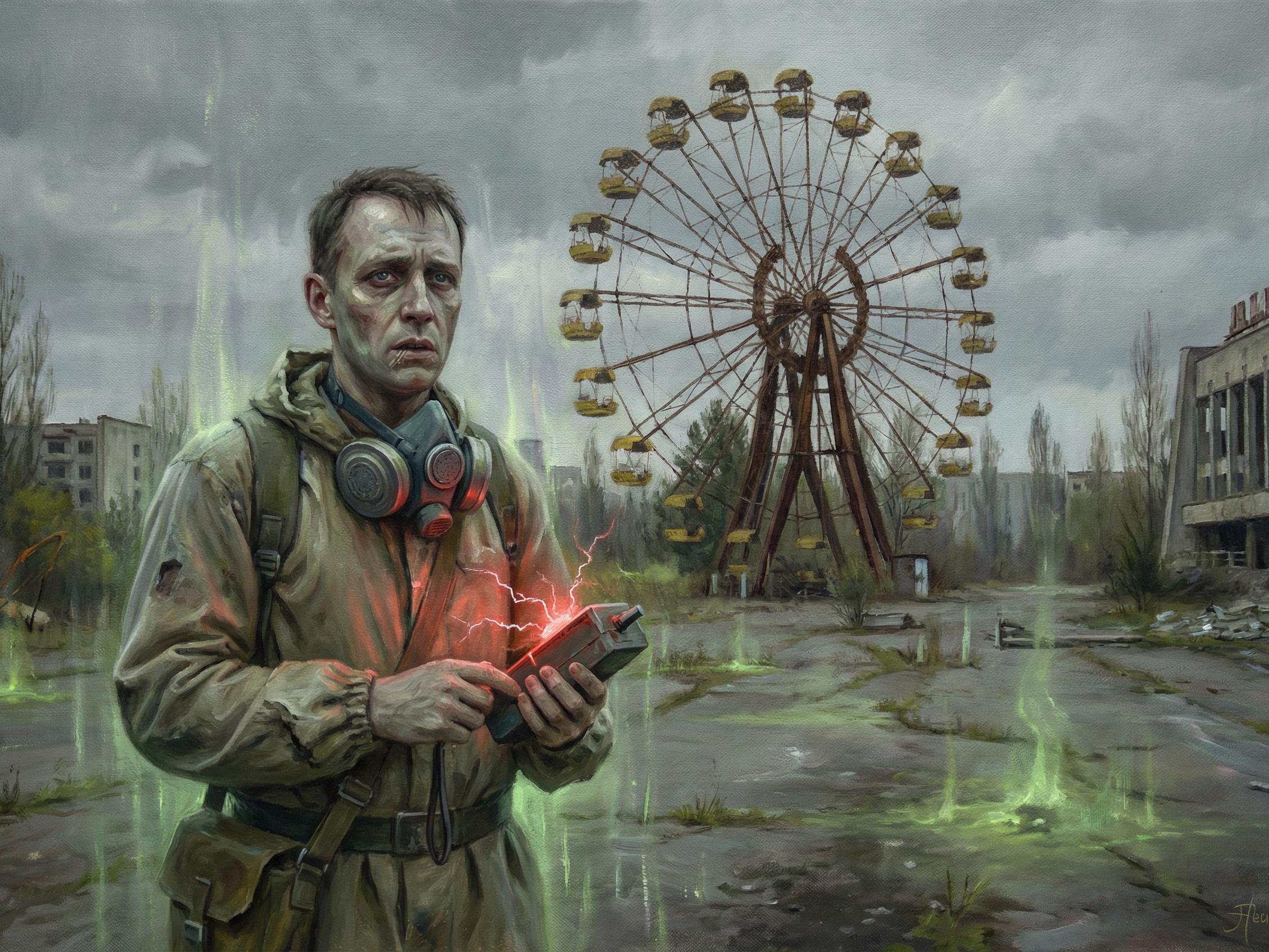
In 2025, the radiation situation in the exclusion zone remains uneven. Most of the reserve has a natural background, permissible for short-term stays. However, closer to the nuclear power plant area, the radiation level is higher.
«Do I need to »lie down« after an X-ray to let the radiation wear off?»
I immediately recall a story I tell my students. Once Wilhelm Röntgen, who discovered radiation, received a letter from a sailor. He complained that he had a bullet in his lung and asked to put a little radiation in the envelope to do a fluorography. He promised to return all the radiation. Röntgen wrote to him: «I can»t send radiation, I«ve run out for now, but you can send me your lung, I»ll photograph it and send you the picture.«
Of course, you don«t need to lie down after fluorography, because the radiation passes right through. It doesn»t «linger» from the dose that forms in the human body after fluorography. Because it is so insignificant that you don«t need to worry about it and can return from the hospital even running.
«Can you heat food in a microwave so that it becomes radioactive?»
A microwave is not a source of ionizing radiation. There is nothing in it that will make the product radioactive. It uses radio waves (electromagnetic radiation), which do not accumulate in food and do not change its structure. The energy of microwave radiation is too low to change the structure of atomic nuclei.
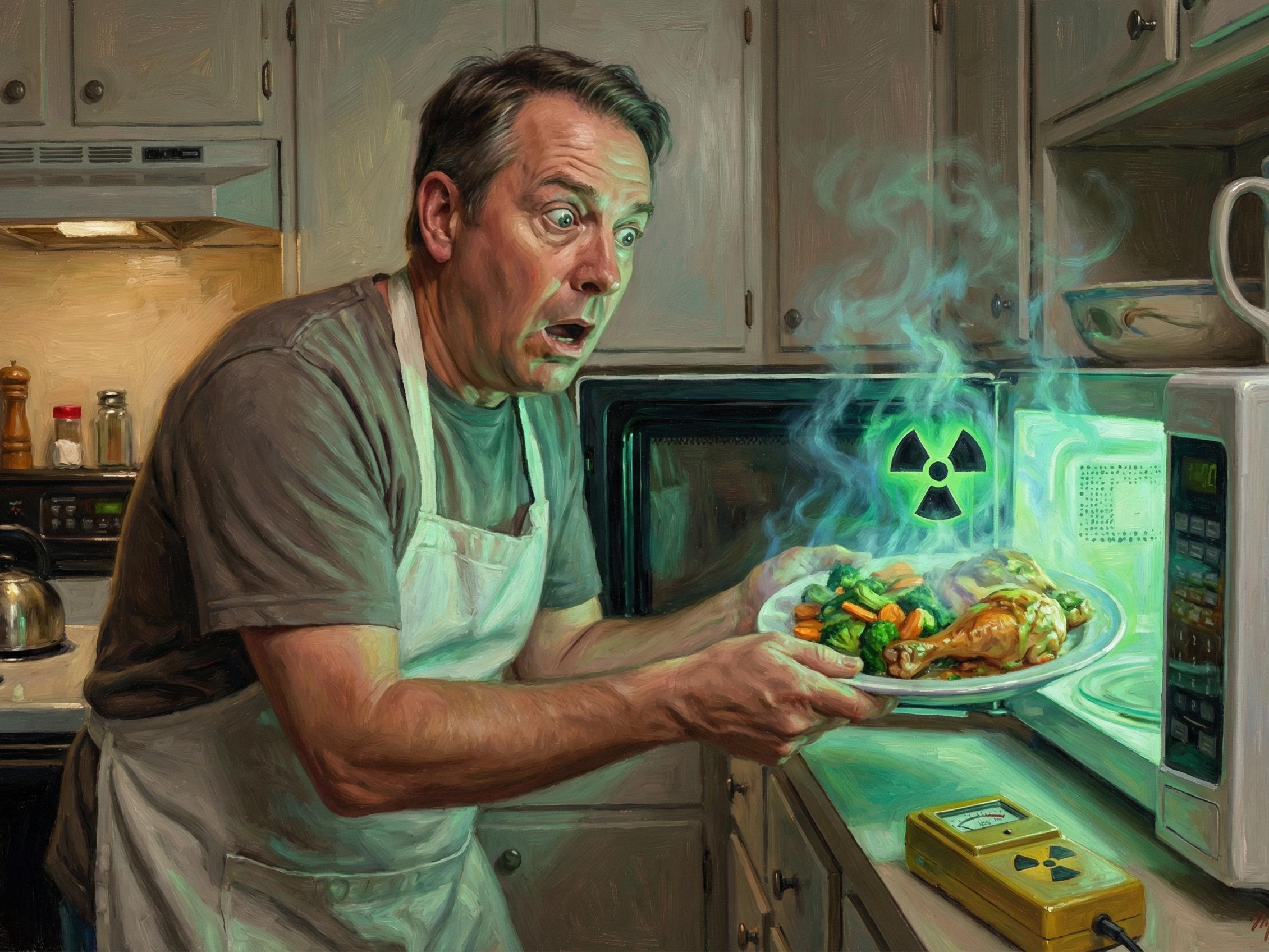
The oven«s design is such that the waves do not escape beyond the housing. For this, airtight seals are provided around the perimeter. If the door opens, the oven immediately turns off.
«Can you get a dose just by living next to someone who underwent radiation therapy?»
It depends on what kind of radiation therapy it was. It is divided into remote and contact. The first implies a course with a source that is not introduced into the patient«s body, and after completion, the patient is not a source of radiation, just like after fluorography.
Sometimes, contact therapy is conducted, when a source is introduced into the patient«s body. If it»s a radiopharmaceutical, it accumulates in the focus. But it all depends on the source itself. Depending on the activity of the drug, the patient may either strictly stay in the hospital or can move around freely.
If it«s some source in the form of alpha radiation (it allows targeted impact on tumor cells, minimizing harm to healthy tissues), then the radiation does not leave the body and it is safe for others.
«How much ionizing radiation do I get when taking a selfie in front of a plane?»
You get 0.13 microsieverts per hour, which is the Earth«s natural radiation background. But there is a grain of truth in this myth—radiation and airplanes are related because during flight, exposure to radiation is different due to atmospheric features at altitude, where protection from solar and cosmic radiation is weaker than on Earth»s surface. But while the plane is standing on the runway and you take a picture against its background, the radiation background does not change.

Pilots who have flown more than 5000 hours have a 20–30% higher incidence of blood cancer, leukemia, and melanoma, and flight attendants with more than 15 years of experience are 30% more likely to develop breast cancer than other women.
At the same time, airplanes do not have any means of protection against radiation. The airliner«s hull and its interior lining practically do not weaken radiation exposure at the altitudes where flight occurs.
What else to read about science
Do you believe in the existence of unicorns? Or dragons? Paleontologist Yaroslav Popov, author of a series of children«s books about dinosaurs, graduate of Moscow State University named after M.V. Lomonosov and science popularizer told E1.RU, where legends about mythical creatures came from and how found remains of ancient animals contributed to this.
Another scientist from the Ural Branch of the Russian Academy of Sciences Arseny Galimov told what the weather will be like in the Urals in a million years (and what plant pollen has to do with it). We also spoke with a zoologist and learned amazing facts about domestic and wild animals.
All about how scientists debunk myths, we collect in a special section.