Great Lent in 2026: When It Begins and What Not to Do
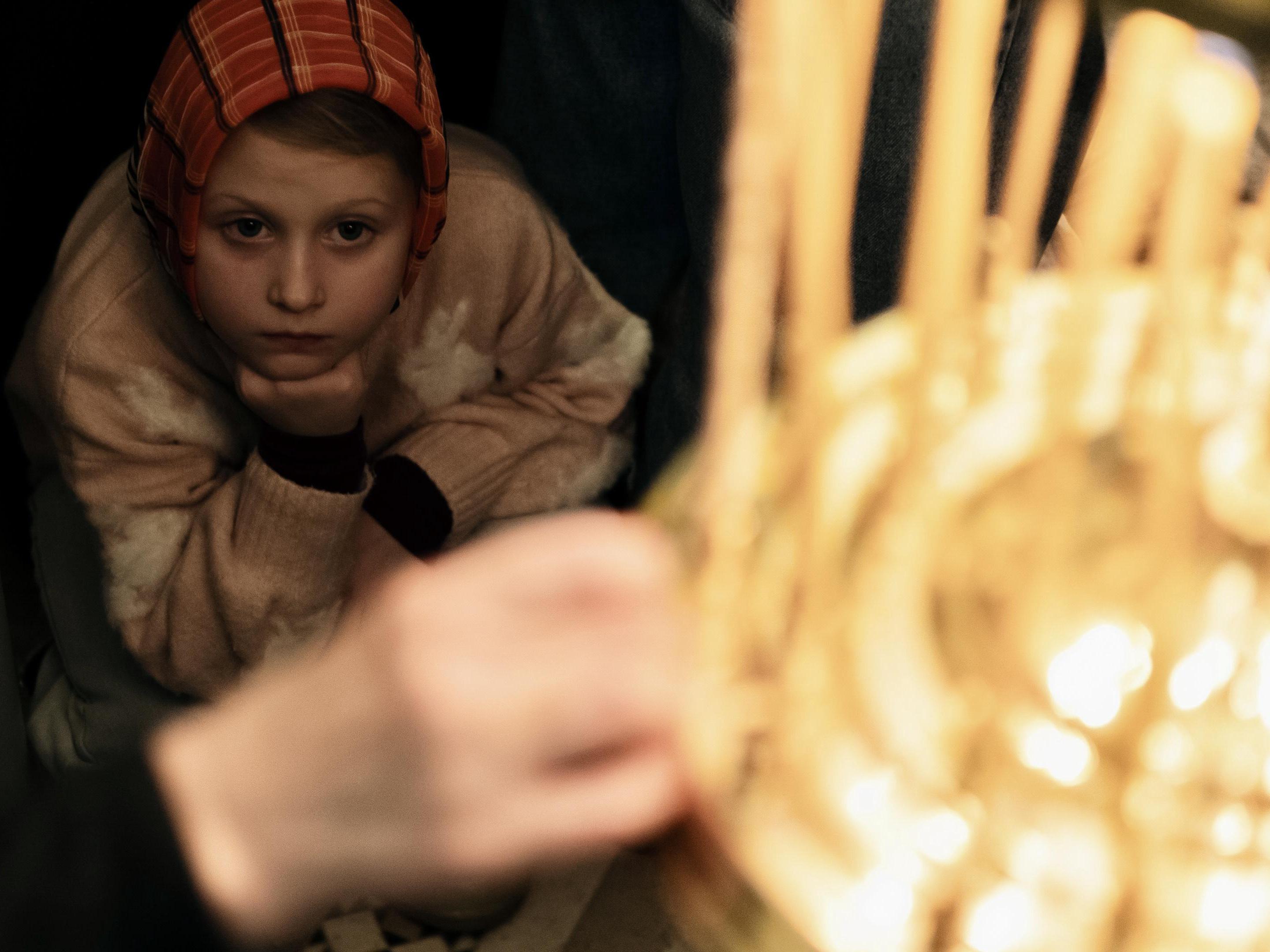

In 2026, for Orthodox Christians, Great Lent will begin on February 23 and last until April 11. It traditionally ends on the eve of Easter, which falls on April 12 this year. Great Lent is considered the strictest and longest fast in the Orthodox calendar — it lasts 48 days and precedes the main Christian holiday — the Resurrection of Christ.
What is the essence of Great Lent?
The meaning of the fast is not only about dietary restrictions. The church emphasizes that it is primarily a time for spiritual work, repentance, prayer, and abstaining from excess. Believers are advised to pay more attention to their inner state, relationships with loved ones, and to avoid conflicts, anger, and judgment.
Clergy repeatedly clarify that fasting is not a diet, but a path to Easter, and it should be observed according to one«s strength and health condition.
What can and cannot be eaten?
During Great Lent, animal products are excluded:
meat and meat products,
milk and dairy products,
eggs.
Fish is allowed only on certain days — on Annunciation (April 7) and Palm Sunday (April 5).
The basis of the Lenten diet consists of:
vegetables and fruits,
cereals,
legumes,
mushrooms,
nuts,
bread without added milk and eggs,
vegetable oil (not allowed every day).
The strictest periods are considered to be the first and last weeks of the fast, as well as Passion Week — the week before Easter. On certain days, the church charter prescribes dry eating or abstaining from hot food.
Weekend days — Saturday and Sunday — are not considered fast days. Therefore, for example, wine in small quantities is not a violation of the fast. However, strong alcohol is still prohibited.
Who is allowed concessions?
The church notes that concessions are possible for:
children,
elderly people,
pregnant and breastfeeding women,
people with chronic illnesses.
In such cases, believers are advised to focus on their health and, if necessary, discuss the extent of the fast with a priest.
What other prohibitions are there?
Great Lent is not so much or only about dietary prohibitions. There are other restrictions. Thus, believers must not:
consume alcohol and smoke;
attend entertainment events and indulge in leisure — watching TV for long periods, surfing the internet, playing computer games and the like;
engage in intimate relations;
provoke conflicts, harbor grudges, think bad thoughts, envy, and show aggression.
Also, during Great Lent, weddings are traditionally not held, and noisy celebrations and lavish feasts are not organized.
When does the fast end?
The last day of Great Lent is April 11, which is Holy Saturday. That night, Orthodox Christians will celebrate Easter, and dietary restrictions will be lifted after the festive service.
Orthodox believers annually celebrate the Baptism of the Lord on January 19. Epiphany bathing takes place over two days — January 18 and 19 until midnight. Our team visited the Tura River in Tyumen. See how it was in the report.