Filippov Day: Why Laziness Is Prohibited on January 22
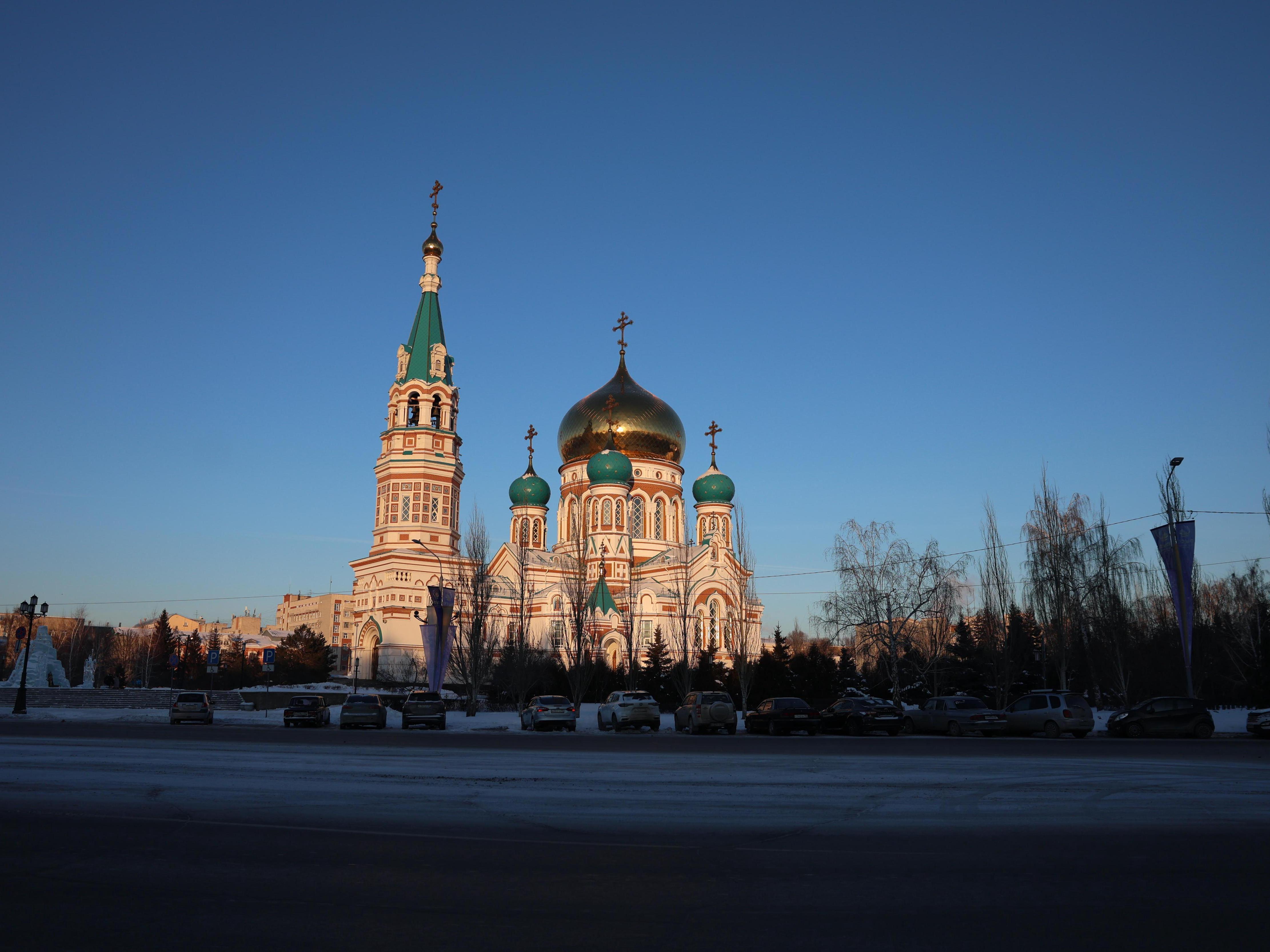

After the Christmastide, it is time to bring order and return to daily affairs. January 22 in the folk calendar marks Filippov Day, dedicated to the memory of St. Philip of Moscow, a metropolitan who lived during the time of Ivan the Terrible. He suffered for the truth and was killed by order of the tsar.
In Rus, this day was considered ideal for household chores. After the festive hustle and bustle, many tasks had accumulated, and people sought to put their homes and themselves in order. It was customary to do general cleaning, wash laundry, and visit the bathhouse to «wash off» the remnants of festive carefreeness.
Folk omens helped predict the future. Clear weather on Filippov Day promised a good harvest in summer. If domestic cattle, let out into the yard, hurried back to the stall, it meant the approach of cold and snow.
However, on this day, there were also strict prohibitions aimed at protecting from troubles and misfortunes. St. Philip did not favor laziness and disorder. Therefore, it was strictly forbidden to idle, so as not to bring financial difficulties for the whole year. Also, one could not sew on buttons, so as not to «sew up» old problems.
It was important to avoid quarrels, conflicts, and clarifying relationships, as negativity could become entrenched and lead to the appearance of enemies. Alcohol, deception, and hiding the truth were also prohibited. Noisy feasts, spontaneous constructions, long trips, walking in dirty clothes, and neglect of animals — all this could turn into failures.