Easter and Trinity 2026: Complete Orthodox Holiday Dates
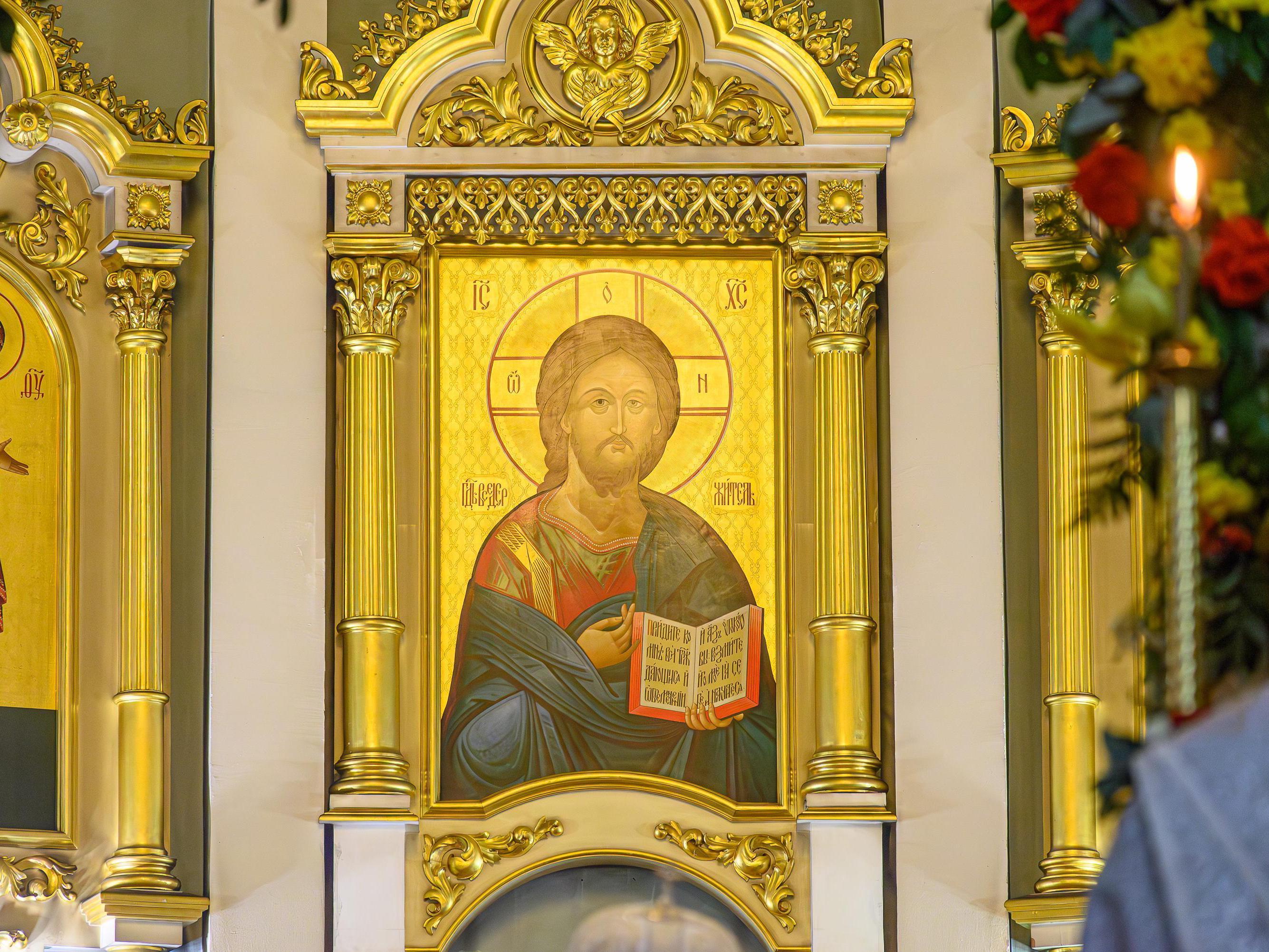

The most important Christian holiday is considered to be Easter. On this day, believers celebrate the miracle of the resurrection of Jesus Christ, the victory of life over death. According to the Gospels, women were the first to learn of this when they brought spices to his tomb early on a Sunday morning. Near the open tomb on the stone that was meant to block the entrance, an angel sat who announced the resurrection. There is no fixed day for celebrating Easter. About when Easter is celebrated, as well as the preceding and subsequent Orthodox holidays—in our material.
What Comes Before Easter
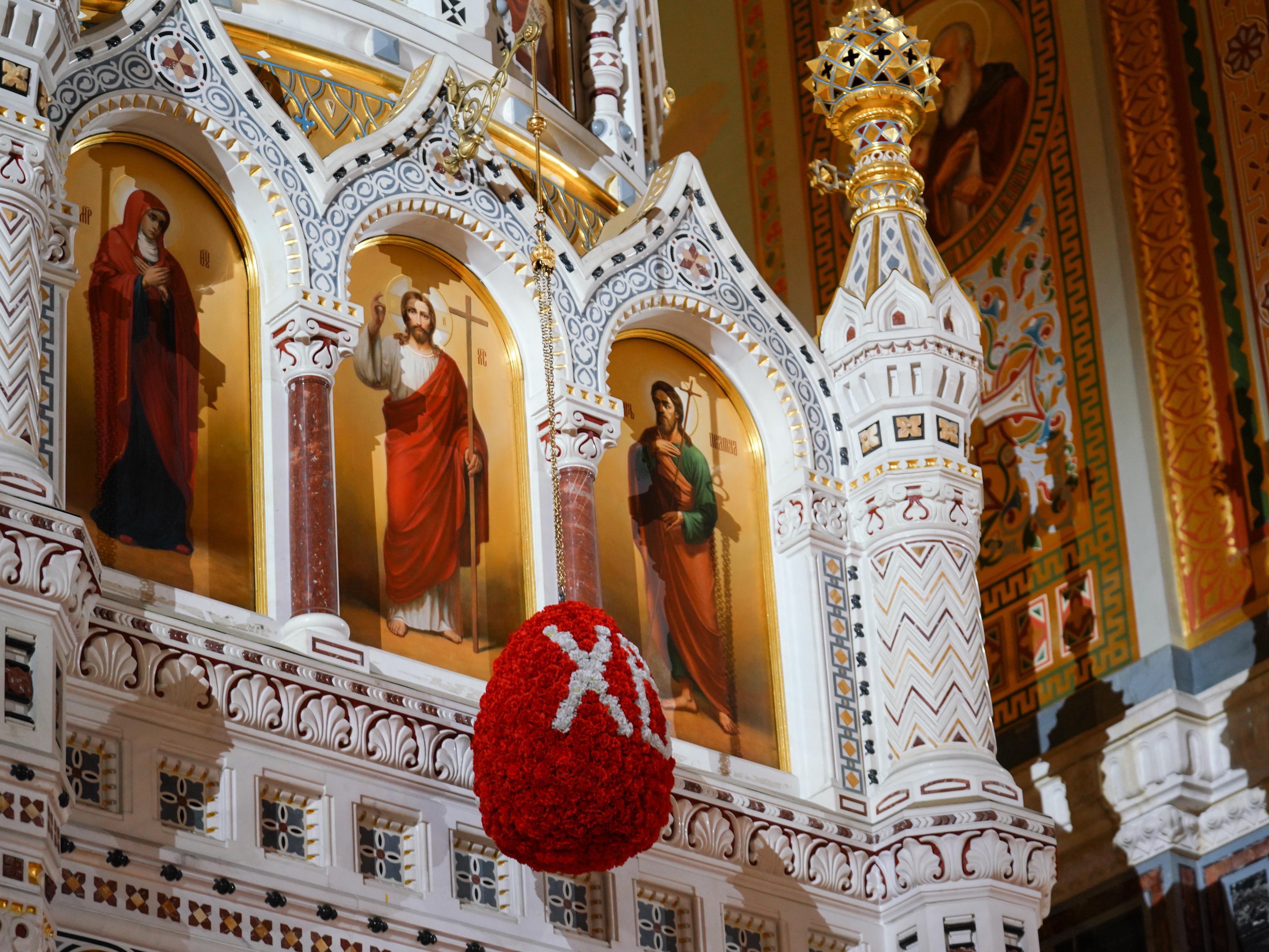
Eight days before Easter, on April 4, Orthodox Christians will celebrate Lazarus Saturday, which falls on the Saturday of the sixth week—the week of Great Lent. Christians on this day remember the miracle of the resurrection of the righteous saint Lazarus by Jesus Christ as a sign of the future resurrection from the dead.
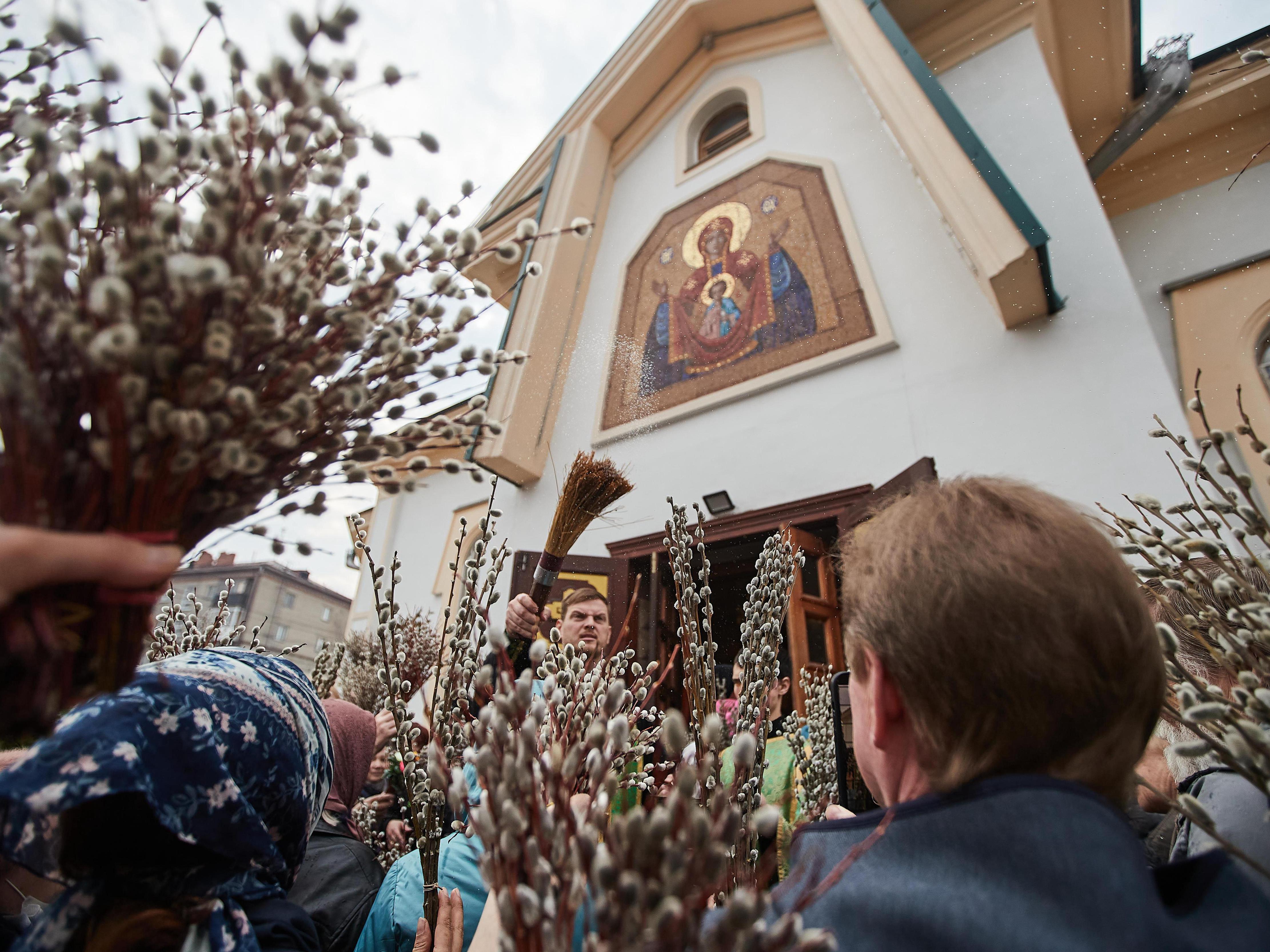
The next day, April 5, will be Palm Sunday. This holiday is celebrated a week before Easter and a day before the start of Holy Week. Palm Sunday is associated with the entry of Jesus Christ into Jerusalem. The New Testament describes the moment when he rode into the city on a young donkey and all the inhabitants came out to meet him. The townspeople greeted Jesus as a king and strewed his path with palm branches. It is believed that the day of Jesus Christ«s entry into Jerusalem symbolizes the future reign of God on earth.
From April 6 to 11, Holy Week begins. Each of its days describes events that occurred in the earthly life of Jesus Christ before its end. Many believe that Holy Week is part of Great Lent. But this is not so. Holy Week is distinguished from Great Lent, although the fast itself ends on Easter Sunday.
On Great Monday, a strict fast begins—only dry food. Believers clean their homes and go to evening worship with Gospel readings. On this day, believers can confess.
On Great Tuesday, the strict fast continues. Orthodox Christians finish cleaning, laundry, and shopping for groceries for the near future, including for Easter. In the evening, they go to service with parable readings.
Great Wednesday is the last day of strict fast before the strictest on Friday. Believers can confess and listen to worship with the prayer of Saint Ephrem the Syrian. They reflect on fidelity and betrayal, repentance.
On Great Thursday, also called Clean Thursday, Christians remember the Last Supper, during which Jesus established the sacrament of the Eucharist, that is, the consecration of bread and wine and their consumption by believers as a sign of union with Christ, as well as His washing of His disciples« feet, His prayer in the Garden of Gethsemane, and His betrayal by Judas. On this day, before sunrise, believers must bathe. Then they finally complete cleaning the house. In the second half of the day, they go to vespers. After the service, they bake kulich, paska, and dye eggs. On Thursday, free time is dedicated to contemplating the sacrifice of Jesus for humanity.
On Great Friday, the strictest fast occurs. Christians remember on this day the condemnation of Jesus to death by Pontius Pilate, the Passion of Christ—His suffering on the cross in the last hours of earthly life, from arrest and trial to scourging and execution, the taking down of His body from the cross and burial. On this day, it is forbidden to rejoice, work, clean, or even speak loudly. During the day, believers go to the temple, where the shroud, an image of the dead Christ, is brought out; in the evening—to the service with the burial rite, they perform a procession with the shroud.
On Great Saturday, Christians remember the burial of Christ«s body and its stay in the tomb. On this day, the descent of the Holy Fire occurs at the Church of the Holy Sepulchre in Jerusalem. In the morning and afternoon, churches begin to bless Easter food. Believers, if they have blessed the kulich and other items, prepare everything for the festive table. Throughout the day, they remember the deceased and await Bright Sunday. And in the evening, they go to one of the most beautiful and solemn services—the Easter service, which lasts until morning.
When Is Easter in 2026?
The date of the holiday is movable, calculated according to the lunisolar calendar called Paschalia.
There are certain rules:
Bright Christ«s Resurrection cannot be earlier than the Jewish holiday of Passover, which traditionally begins on the 14th day of the first biblical month in the Hebrew calendar—Nisan, which corresponds approximately to March–April in the Gregorian calendar. In 2026, Jewish Passover falls from April 2 to 9;
Easter is celebrated on a full moon, as the Gospel says that when He was crucified, the sun darkened;
Easter must always fall on a Sunday.
In 2026, Easter will be celebrated on April 12. On this day, it will be marked by both Orthodox and Catholics.
In churches on this day, a special solemn Easter service with liturgy is performed. Starting from Easter night for all the next forty days until the leave-taking of Easter, it is customary to exchange the Easter kiss. Great Lent is over, and after visiting church, Christians break the fast, that is, sit down at an abundant festive table and enjoy various dishes and delicacies. Large-scale folk festivities are held.
When Is Radonitsa
The date of Radonitsa, like many Orthodox holidays, depends on the date of Easter. Parents« Day falls on the ninth day after the main Christian holiday, on Tuesday. In 2026, Radonitsa will be marked on April 21.
Radonitsa was celebrated by ancient Slavs, who believed that several days a year the living could communicate with the dead. Radunitsa, as it was then called, lasted a week. On these days, Slavs commemorated their deceased loved ones with kind words, danced in circles, and sang songs. And they also held rich memorial dinners near the graves. This was done so that the dead would not bring disasters to the world.
After the conversion of the Slavs to Christianity, Radonitsa changed little, however, some memorial traditions began to be perceived by the church as remnants of paganism. For example, it is not recommended to hold a dinner near a grave; it is better to give food to the needy.
What Follows Easter
On the eighth day after Bright Christ«s Resurrection, Antipascha is celebrated—the day when the risen Jesus appeared to his disciples and the apostle Thomas believed, although he refused to believe in the resurrection of the Savior until he saw Him with his own eyes. In 2026, Antipascha is celebrated on April 19.
On the fortieth day after Easter, Ascension of the Lord is celebrated, marking the ascent of Jesus to heaven. The holiday always falls on a Thursday. In 2026, Ascension of the Lord will be celebrated on May 21.
On the fiftieth day after Easter comes Day of the Holy Trinity and Spirits Day. Christians celebrate the descent of the Holy Spirit upon the apostles. In 2026, Pentecost, also Trinity, is celebrated on Sunday, May 31.