Coca-Cola from the Tap: Tyumen District Residents Complain About Water
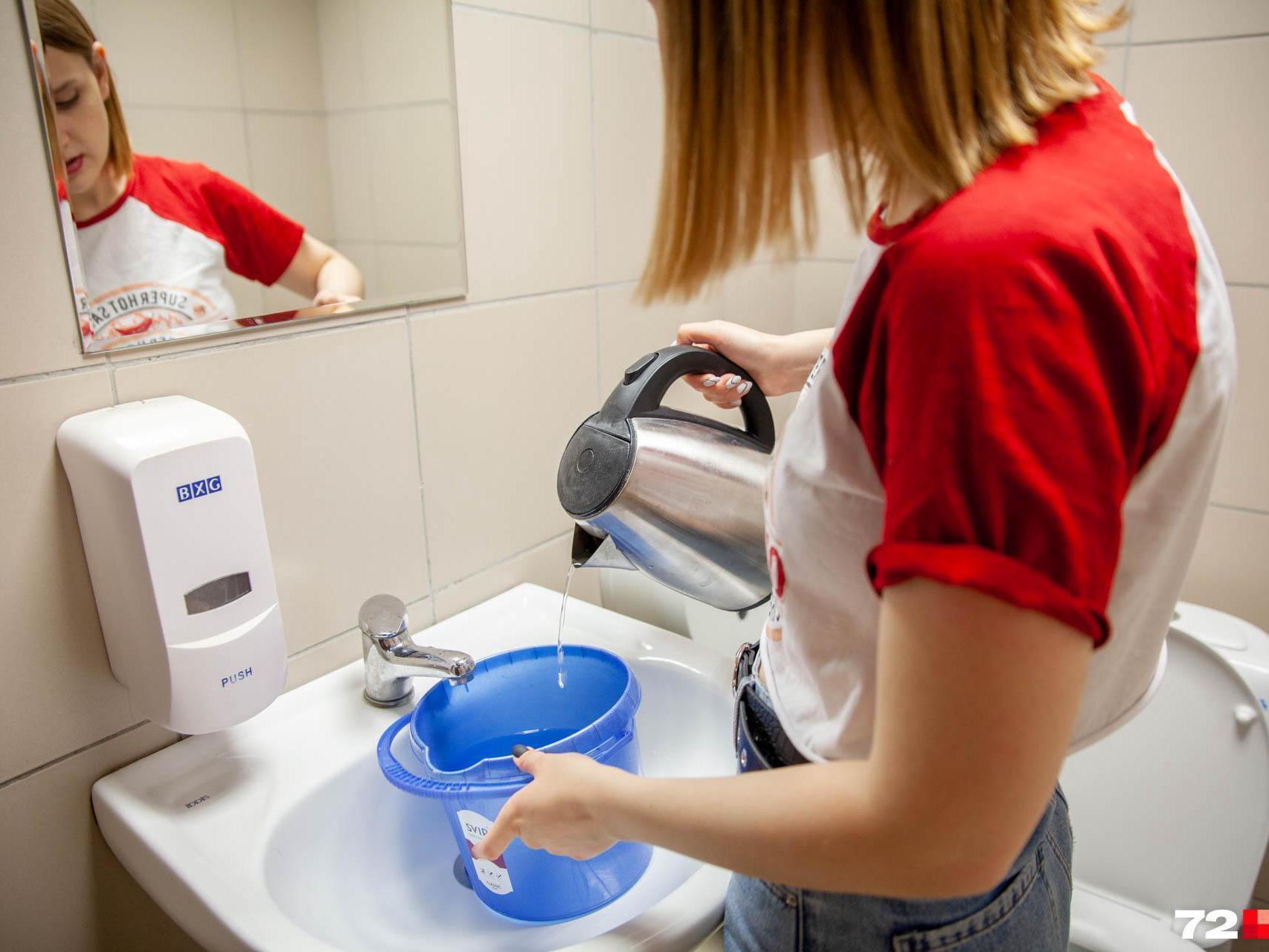

In 2019, the whole country learned about water problems in the suburban Tyumen District. A resident of the village of Kaskara got through to the president«s hotline and during the live broadcast told about the lack of street pumps and water supply in houses. “Is this some remote village?” Vladimir Putin wondered then, hearing the question from a pensioner from Kaskara. A few days later, a water pipeline was connected to the house of the pensioner who had called the president.
Maria Kuznetsova helped her fellow villagers draw attention to a problem that had not been solved for many years. And by the end of that year, a concession agreement was signed between the regional government, the municipal administration, and the Tyumen water utility. A private company replaced the municipal utilities companies. What did this lead to? We studied the complaints and received comments from representatives of the water utility.
Rosvodokanal Group of Companies is the largest Russian private operator in water supply and wastewater disposal. The group«s enterprises provide access to clean water for 8.4 million users in the cities where it operates, annually supply 830 million cubic meters of water to the network, and treat 678 million cubic meters of wastewater. The company operates 28.9 thousand kilometers of water and sewer networks. Rosvodokanal accounts for 34.5% of the market of private water supply and wastewater disposal operators.
The arrival of a private operator for water supply and wastewater disposal in the Tyumen District triggered a wave of complaints about deteriorating drinking water quality. Residents of Chervishevo, Borovsky, Vinzili, and Bogandinsky began to note that it became impossible to drink water from the tap. People who worked in the utilities sector believe this could be a consequence of optimization. In rural enterprises, with the arrival of the new owner, laboratories that controlled water quality on site were removed.
“Previously, water quality was checked twice a day in a local laboratory, and filters were replaced if necessary. In addition, water was regularly taken for testing to the sanitary-epidemiological station,” former employees of a municipal utilities company in one of the settlements of the Tyumen District told 72.RU.
How is water quality controlled now?
Rosvodokanal Tyumen company said that water quality control is carried out according to a protocol approved by the regional Rospotrebnadzor (the Federal Service for Surveillance on Consumer Rights Protection and Human Wellbeing). The latter, by the way, recently noted that there is a positive trend in drinking water quality, and called identified deviations from the norms insignificant.
The quality of the resource, according to Rosvodokanal employees, is checked both at large urban water treatment facilities and at local water treatment stations. The central analytical laboratory is accredited to monitor water quality by more than 60 indicators and is equipped with modern equipment. Small rural laboratories did not have such capabilities.
“Most often, the cause of secondary water contamination is in the in-house networks. One resident complained about dirty water and sent a photo of a rusty toilet. We took water samples from the tap several times, and the water quality always met the standards, which caused the subscriber«s bewilderment and even dissatisfaction. The cause was in the pipe leading to the flush tank. After it was replaced, the problem was solved,” Irina Aydanova, head of the press service of Rosvodokanal Tyumen, told 72.RU.
Why is water chlorinated?
The most common complaint from residents of the Tyumen District is the smell of chlorine. Its presence is now noted in the settlement of Borovsky, where the city water supply recently arrived.
“Last year, the water utility connected us to a different branch of the water pipeline, and the water quality became unfit for consumption precisely because of chlorine,” a resident of a private house in the settlement of Borovsky told 72.RU.
Last year, according to Rospotrebnadzor, 19 appeals with complaints about drinking water quality were received from residents of Borovsky (4 from Vinzili, 1 from Chervishevo. — Ed. note). Each application was checked, but a deviation was found in only one sample. Cold water from the settlement of Borovsky did not meet the standards for smell. According to Rospotrebnadzor representatives, such a deviation is not considered significant.
“At small water treatment facilities, water was not chlorinated, so the slight smell of chlorine is unfamiliar to residents. A chlorine-based product is used for water disinfection. The bactericidal properties and mechanism of action of chlorinated water are similar to the previously introduced liquefied chlorine. The introduction of chlorine prevents the spread of bacteria and microorganisms, has a prolonged effect, and protects water along the entire path from the treatment facilities to the consumer«s tap,” the Tyumen water utility notes.
The chlorine content in drinking water is regulated by international and national standards. Tyumen residents receive water with a concentration of combined chlorine — from 0.8 to 1.2 mg/l (these are the requirements of SanPiN, the sanitary rules and norms). This amount is harmless to humans and sufficient to ensure water safety.
In Vinzili, the settlement neighboring Borovsky, they are also dissatisfied with the quality of drinking water. The city water supply has not yet arrived here, and a reddish or brown liquid periodically flows from the taps of local residents.
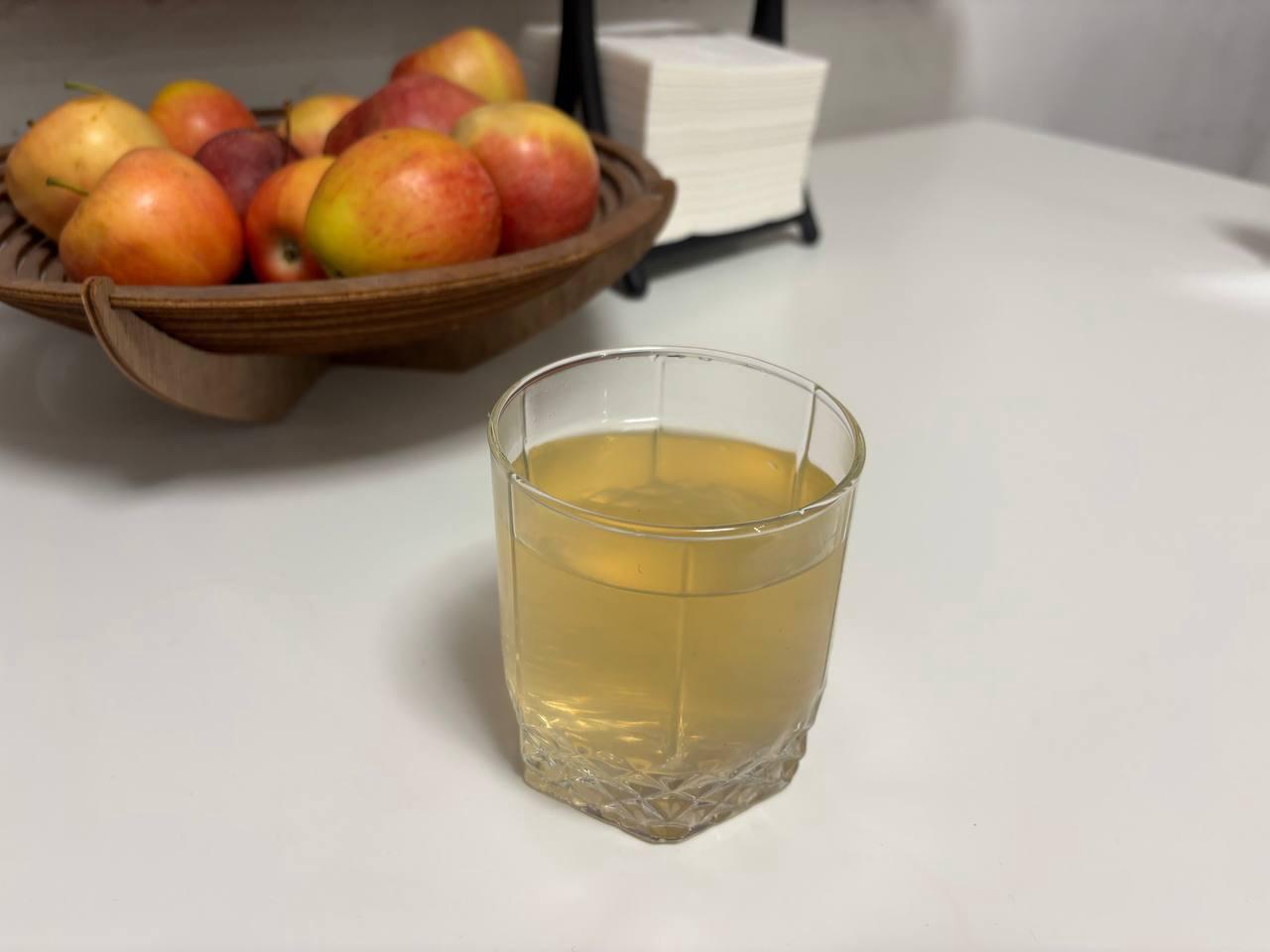
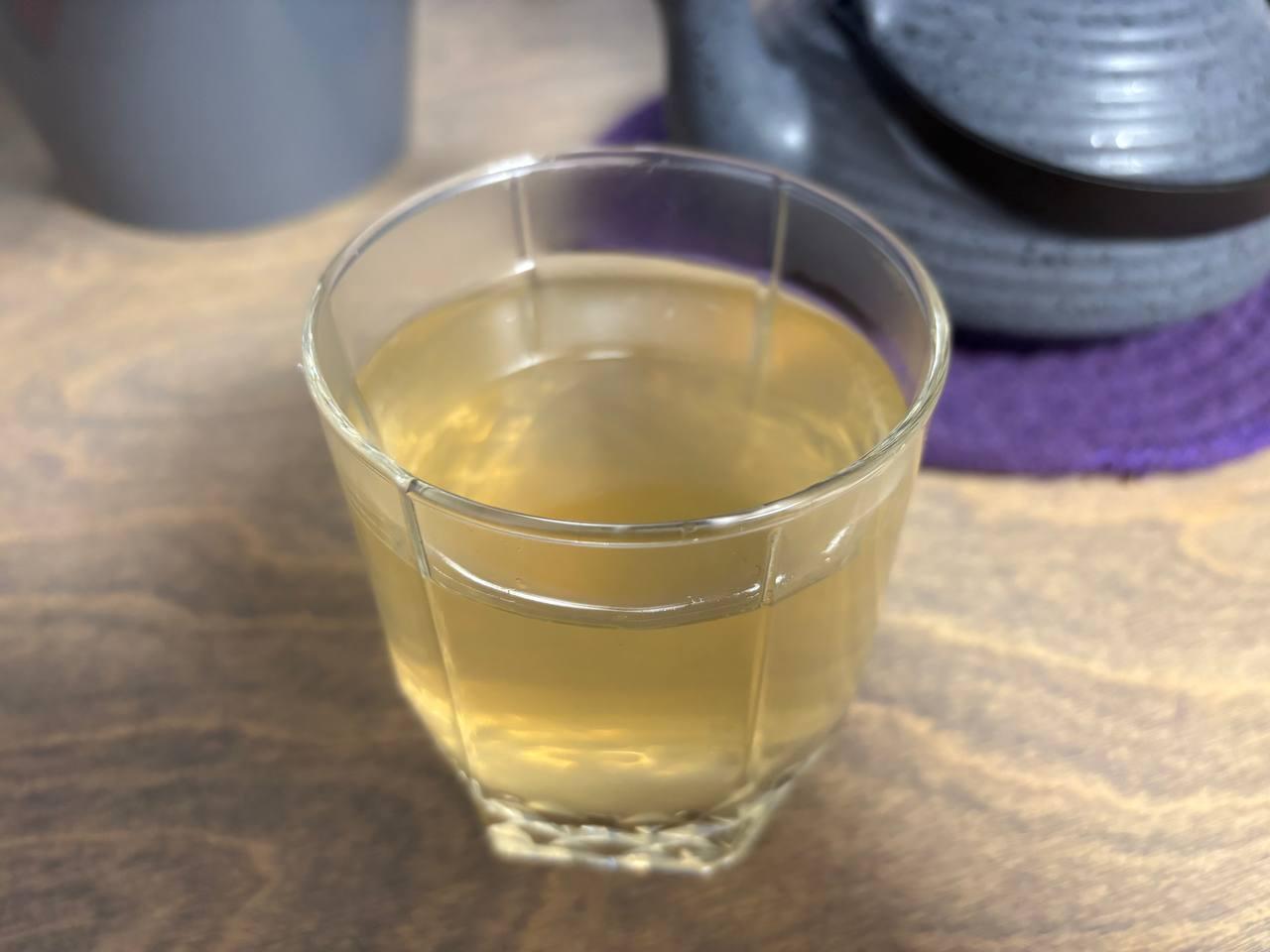
“This is not water, it«s Coca-Cola, judging by the color. Everyone tries to install filters, but even that doesn»t help,” residents of Vinzili complain.
According to the Tyumen water utility, old treatment facilities that purify water from underground sources operate in the settlement of Vinzili. Resource quality control is carried out in the company«s central analytical laboratory according to a schedule approved by Rospotrebnadzor (it turns out that water quality control from Rosvodokanal is controlled by Rosvodokanal»s laboratory. — Ed. note). And the cause of water contamination, according to specialists, should be sought in the in-house networks.
“We installed automatic water analyzers in Vinzili, which conduct analysis every 2.5 minutes,” specialists from Rosvodokanal Tyumen specified.
According to information from specialists at Rosvodokanal Tyumen, after switching settlements to city water, the number of complaints from subscribers has significantly decreased. For example, from 2020 to 2025, the annual number of complaints about water supply quality from residents of the village of Onokhino decreased from 97 to 7, and in Chervishevo — from 79 to 12. In addition, connection to the city water supply system helped solve the acute problem of water shortage.
“Before connecting to the city water supply system, residents of the Tyumen District experienced a water shortage every year from May to August. On hot days, water did not reach all streets and did not rise above the first floor. In 2025, we did not receive a single complaint about low pressure and lack of water from settlements connected to the centralized water supply system,” the water utility notes.
What has already been done in the Tyumen District under the concession agreement?
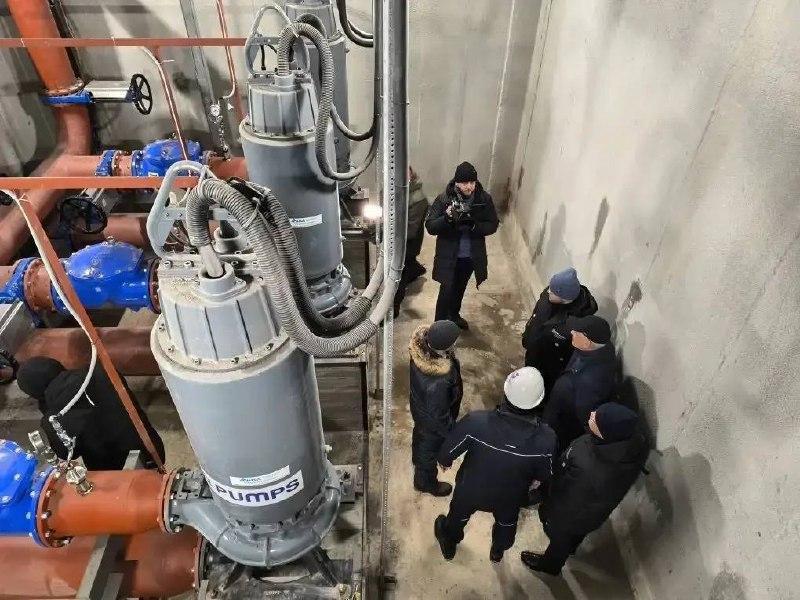
Over the past five years (since the signing of the concession. — Ed. note) main water pipelines and pumping stations have been built, and the following have been connected to the city water supply system: the villages of Yembaevo, Turaeva, Yar, Kaskara, the settlements of Novoturinsky, Moskovsky and Borovsky, Kulakovo, Gusevo, the villages of Derbyshi, Paderina, Patrusheva and Dudareva, the villages of Perevalovo, Chervishevo and Onokhino, and the villages of Bolshiye Akiyary and Golovina.
A modular water treatment station has been installed in the village of Kamenka, which purifies water to SanPiN standards. Before that, residents received water directly from a well without purification. A water pipeline has been built to the settlement of Bogandinsky. It will be put into operation this year.
From 2020 to 2025, the number of damages on water networks in the Tyumen District decreased by 49%. At the same time, the length of water pipelines doubled from 311 kilometers to 701.5 kilometers. The number of subscribers (residents of the district provided with centralized water supply) also doubled, from 31.1 thousand people in 2020 to 72.6 thousand people in 2025.
In 2021, a second concession agreement was concluded, and in 2025 — a third. Now the entire territory of the municipal district is serviced by the water utility.
“With a twofold increase in subscribers in the Tyumen District, we observe a 1.6-fold decrease in complaints from 751 in 2020 to 470 in 2025. Every appeal has been processed. Laboratory indicators testify to an improvement in resource quality,” noted Irina Aydanova.
Earlier we told you about the results of drinking water quality checks in Tyumen and the Tyumen District. The regional Rospotrebnadzor noted a positive trend, but subscribers disagreed with the agency«s conclusions and shared their opinion on water quality.