Volgograd Pulmonologist Explains Pneumonia and Lung Cancer Risks
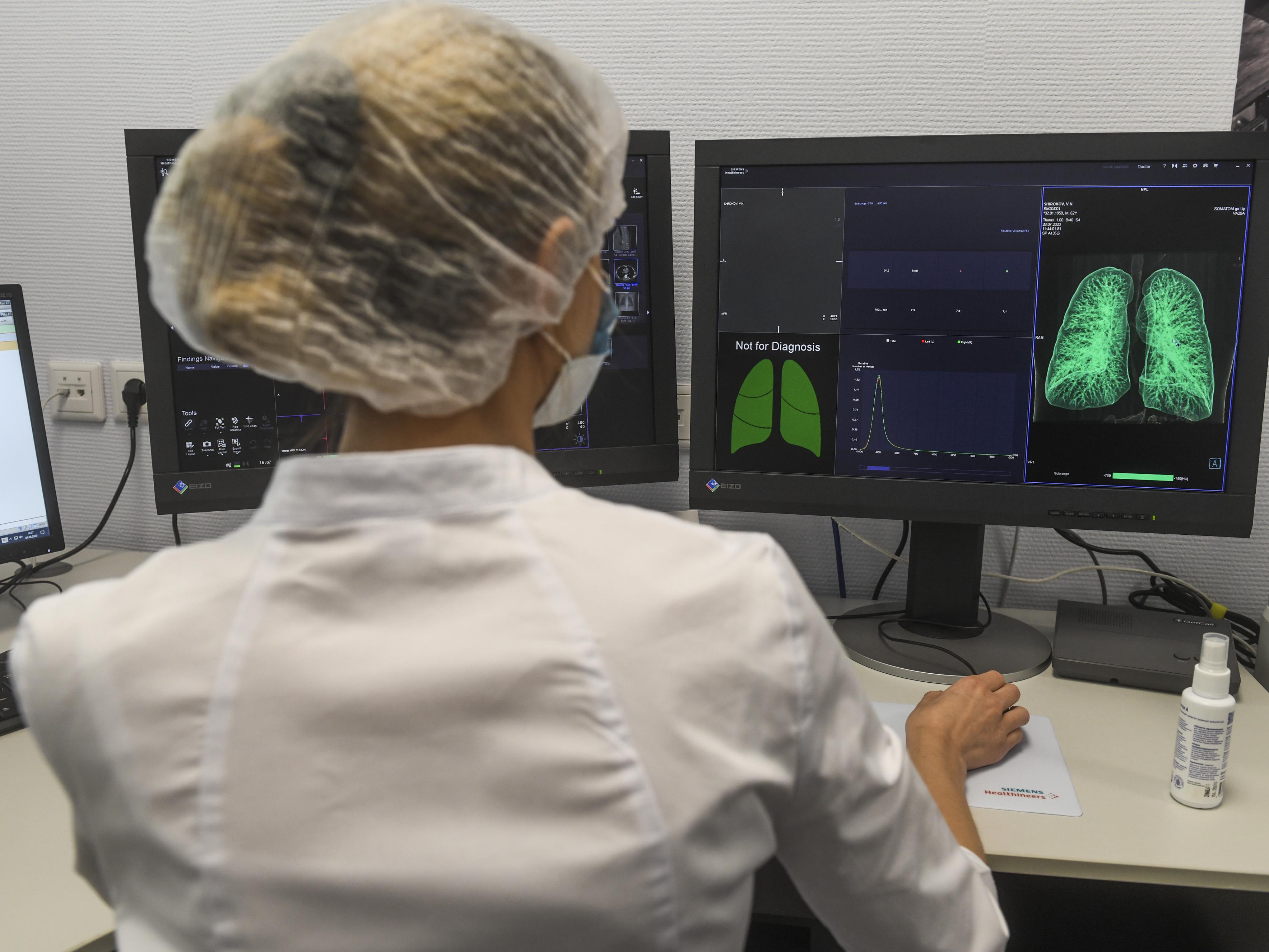

Many lung conditions share common symptoms, making accurate diagnosis challenging without professional medical evaluation.
Can pneumonia and chronic bronchitis cause lung cancer, and what symptoms of this serious disease are easily confused with other respiratory illnesses? This was explained by Olga Meshcheryakova, a pulmonologist at Polyclinic No. 30 in Volgograd, in the Telegram channel of the Volgograd Region Health Committee.
According to Olga Meshcheryakova, bronchitis itself is not a risk factor for cancer, but in some cases it can contribute to it.
“Bronchitis is a reaction of the bronchial mucosa to viruses, bacteria, dust, tobacco smoke, and allergens entering the body,” says Olga Meshcheryakova. “The main complaint of patients is an exhausting cough that can last up to 10 days. During this time, with adequate treatment, sputum gradually begins to be expelled, and the inflammation of the mucosa subsides. In addition to taking medication, the patient is advised to drink more fluids throughout the illness, give up bad habits, humidify the air in the room, and if their condition allows, to walk in the fresh air dressed appropriately for the weather, and practice postural drainage exercises. But if we are talking about chronic bronchitis, it, like any chronic inflammation, can cause changes in tissues that may later lead to cancer.”
Pneumonia or inflammation of the lungs can also cause significant damage to a person«s health, and it is under this condition that cancer can mask itself.
“Pneumonia cannot cause lung cancer because it is an acute infectious disease. The cause is viruses, bacteria, fungi, or protozoa that enter the body through airborne droplets or blood,” says the pulmonologist. “The development of the disease is influenced by immune status, age, hypothermia, and the presence of chronic diseases. Symptoms of pneumonia include weakness, headache, temperature of 38°C (100.4°F) or higher, chills, body aches, sweating, shortness of breath, chest pain, chills, and cough with phlegm. And here we see the similarity with the clinical picture of lung cancer. Sometimes cancer can hide behind the mask of pneumonia. It is difficult to distinguish these diseases by X-ray. Therefore, a patient with pneumonia requires X-ray monitoring and doctor«s observation. For diseases with such manifestations, one should not self-medicate and take drugs prescribed by a neighbor or pharmacist. Pneumonia is especially dangerous in young children and adults over 65 years old.”
According to Olga Meshcheryakova, a risk factor for developing cancer pathology is more likely to be chronic obstructive pulmonary disease, as its cause is most often smoking or long-term exposure to polluted air. The symptoms of the disease are again similar to other respiratory system pathologies—constant cough, shortness of breath, increased fatigue. Therefore, to differentiate diseases at an early stage, it is necessary to consult a doctor in time and undergo the necessary examination.