Tyumen family fights Duchenne muscular dystrophy


Saule Ibraeva and her husband are raising four children. The family is ordinary; they never dreamed of millions. Daulen works as a bus driver; she is a preschool teacher, currently on maternity leave. This year their life split into before and after. Their son Adis was found to have a terrifying disease — Duchenne muscular dystrophy. Below is their story — about how not to give up, charitable bureaucracy, and how much the life-saving injection that will prolong the child’s life costs.
Duchenne muscular dystrophy is a rare hereditary disease. It is caused by mutations in one of the genes responsible for producing a protein important to the structure of muscle cells. If it is lacking, the muscles gradually weaken. Then problems with breathing and heart function begin. The course of the disease is individual; it can manifest in early childhood. Special medications can slow the progression.
«I was afraid to open the test results»
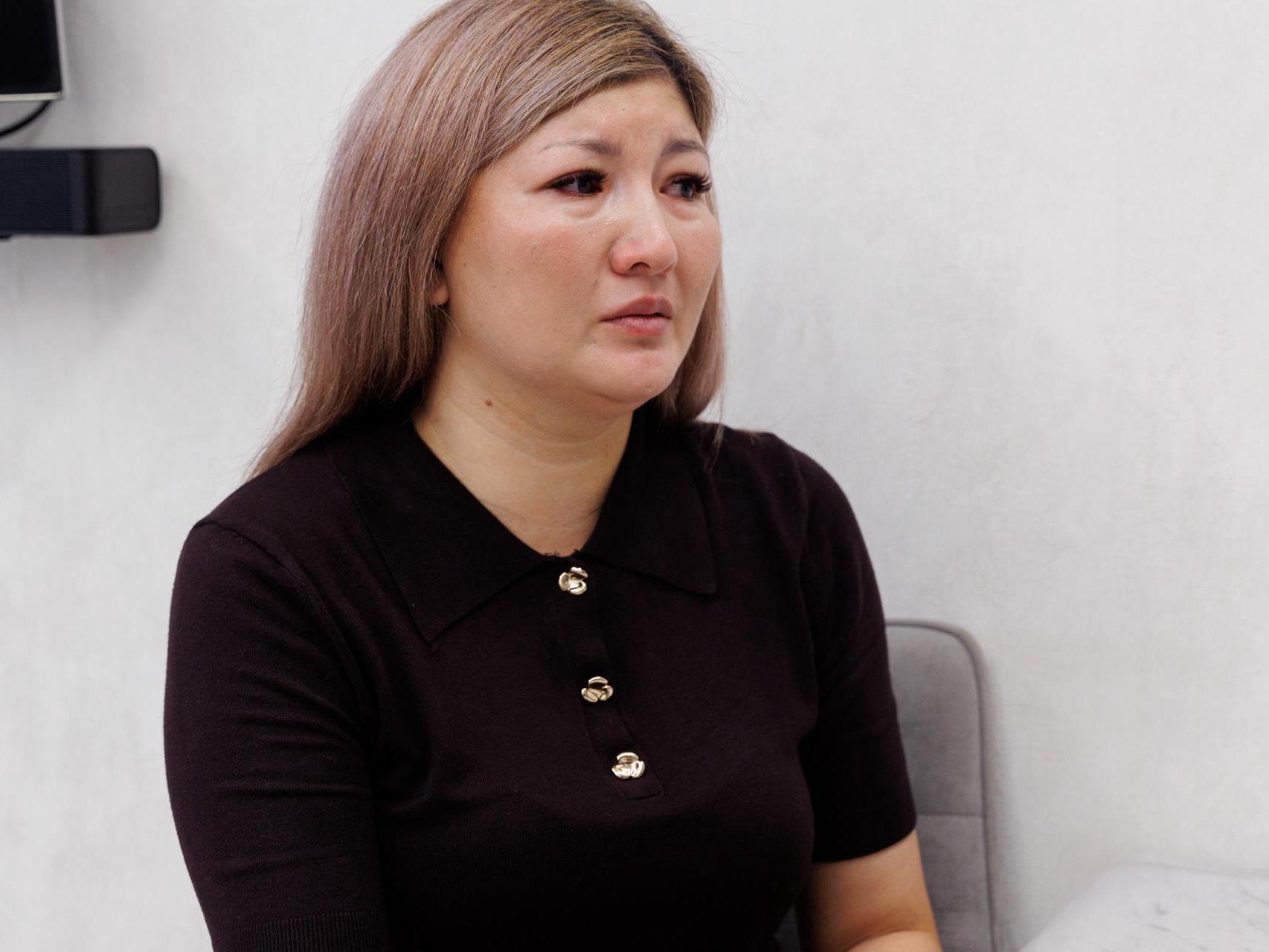
Adis is a serious boy. In all the time we spoke with Saule, he did not smile once. It feels as if he senses his parents’ anxiety — after the diagnosis became known, his mother has cried a lot. And as she told her story, more than once she could barely hold back tears.
— In November 2024 we noticed that the child had some strange allergy, — begins Adis’s mother. — The redness didn’t go away for a week; when you touched him, marks were left. It was scary. We went to a private gastroenterologist to run various tests.
The doctors ordered every possible test to understand what was wrong with the child. As the results came in, they ruled out different diseases — hepatitis of various types and other ailments. After the New Year, the Ibraevs decided to see an infectious disease specialist at the local clinic. He suggested the child had the Epstein–Barr virus. As it turned out, Adis had had it, but it was not the cause of the strange spots on his body.
— We were prescribed supplements and vitamins to normalize liver function. Every two weeks we had blood drawn from a vein to track the dynamics. The child didn’t feel any better; the numbers only got worse, — Saule recalls.
The doctors prepared a referral to hospitalize the child in the Second City Hospital for further examination. They did a CT scan and an ultrasound — Adis was healthy.
— My husband was in the hospital with the child. He called and said they suspected some Duchenne. He said it so casually, and I felt sick. I knew what that diagnosis was, because I had helped such children — sometimes by reposting appeals for help, sometimes with money, — the young woman says.
Saule hoped it was just a mistake. Nevertheless, on the doctors’ recommendation, Adis took genetic tests. A month later the first result came — according to the studies, no deviations were found in the child. The second part of the tests, a more extensive panel, was supposed to arrive in two weeks. But after that time there was no news or messages from the doctors.
— On 15 July they sent us the test results without any explanation. My husband said everything was fine and forwarded the documents to me. I was afraid to open the results. I was out walking with the children; I came home and finally overcame the fear. There was a recommendation to urgently consult specialists. We contacted one of them — and he said that, unfortunately, Duchenne muscular dystrophy was confirmed in Adis, — Saule recalls, barely holding back tears.
«There was hope it would be provided free of charge»
— At first I lost heart; I was extremely distressed. I needed to calm down. The support of loved ones helped a great deal, — the Tyumen resident recalls.
Of course, Daulen and Saule immediately began turning to doctors and various charitable foundations that could help treat the child. He needs the drug Elevidys — it covers about 90% of the body’s need for the protein. The cost of a single injection is three million dollars, or nearly 300 million rubles (about USD 3,000,000 at current rates).
— The child gets the chance to live a practically normal life, into old age. It’s administered once; the disease is quite rare. That’s why the price is so high, — says Saule.

The drug can be obtained free of charge. This is possible thanks to the help of one of the charitable funds that pays for treatment of this quite rare disease. But the Ibraev family does not meet one of the criteria.
— In May this year we had hope that it would be provided to us for free. We’d tell no one about it; we’d raise a child with a disability quietly and calmly. It’s clear you need a pool, daily physical therapy, and so on. But the fund refused us — they are ready to provide the drug to those who have no therapy. And we have a powder prescribed that gives about 10% of the needed protein. But Elevidys covers about 90%, — the young woman says.

The American drug can be administered from the age of four. Adis is three — so they decided to start a fundraising campaign. The family is appealing to various benefactors, bloggers, and ordinary people. Even though they are told it’s unrealistic, the Ibraevs hope they can complete the fundraising — they currently have about 3 million rubles (about USD 30,000 at current rates).
— Our son’s age still allows us to open a fundraiser. The drug needs to be given as early as possible, before the muscles are destroyed, because afterward they don’t regenerate. Then the changes affect the heart and the airways. All I can do is pray that there are no deteriorations, — says Saule.
«We must fight for Adis’s life»
— We had planned a vacation for the autumn; that was our tradition. But after I learned about my son’s illness, my world collapsed. Of course I didn’t even think about it anymore, — says Saule.

Now the parents are worried about their son’s fate. The Tyumen resident admits she cries very often.
— It feels like the child senses all our emotional burden. After he was diagnosed, he started getting sick more often. Recently he had a high fever. I’m even afraid to send him to kindergarten, — the boy’s mother admits.
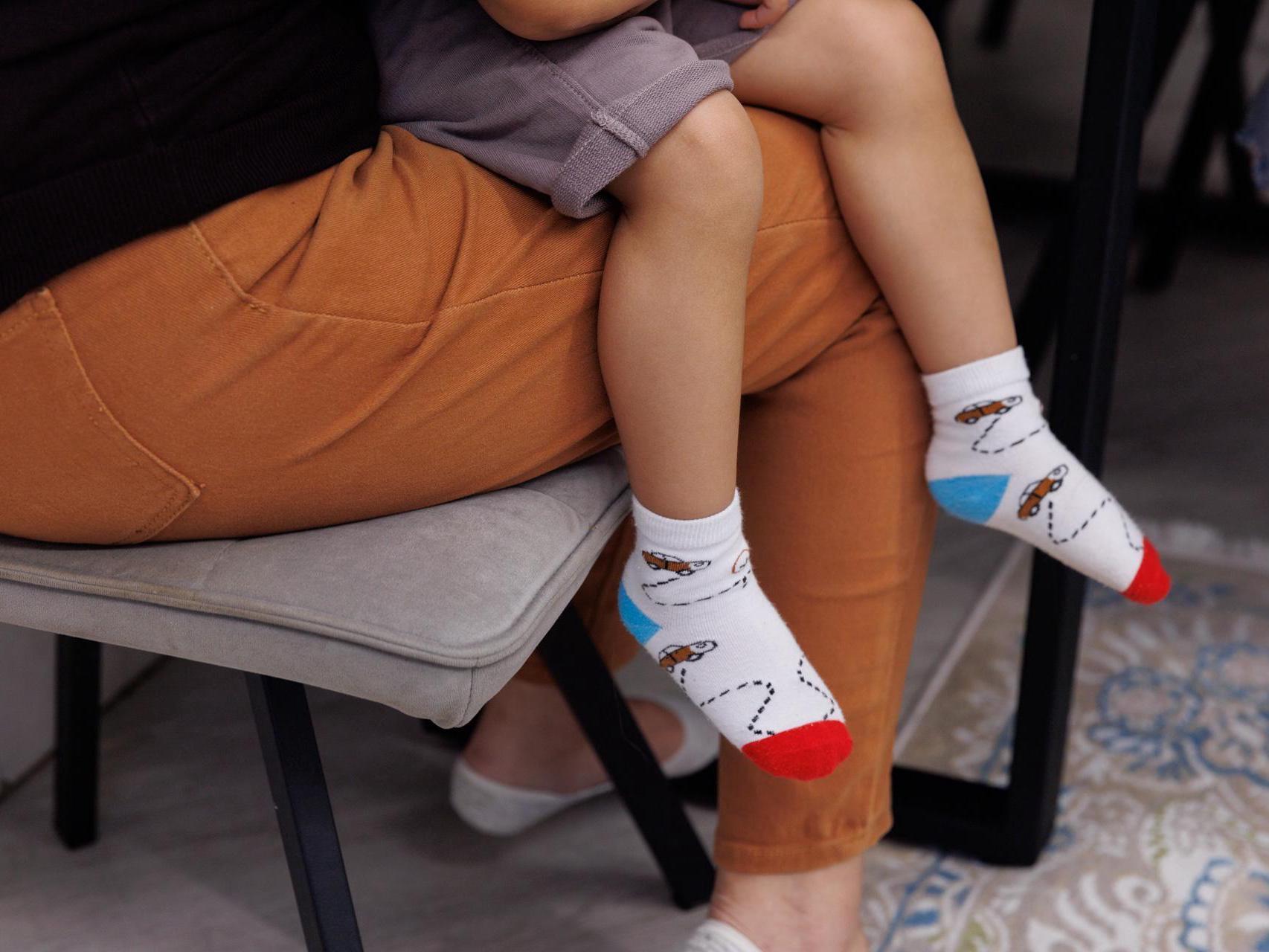
Adis smiles less and tires more. Even walks are becoming a burden — he constantly asks to be carried by his mother.

— The disease is probably starting to manifest. Recently I was putting my younger son to bed. I saw Adis crawling — his legs had simply given out. He crawled to the bathroom and that was it; he couldn’t stand up, — says Saule.
For now, the Ibraev family still has hope that they can administer the drug their child needs.
— We have the strength to fight. We understand that no one but us will help our child. We must fight for Adis’s life, — says Saule.
The Ibraevs have reached out to those who have already gone through a similar ordeal. The Tropynin family’s son also fell ill with the deadly Duchenne muscular dystrophy. Fortunately, they managed to raise the required sum and get the injection for 300 million rubles (about USD 3,000,000 at current rates).