Sexologists Discuss Common Problems Patients Bring to Appointments


«Everything is fine with us, we just don»t feel like it« — this phrase is heard increasingly often today, especially if partners in a couple are over 30. But what problems truly lie behind this »don«t feel like it» and why do they manifest at specific ages? Medical journalist Ksenia Marinina from E1.RU discussed this with expert sexologists.
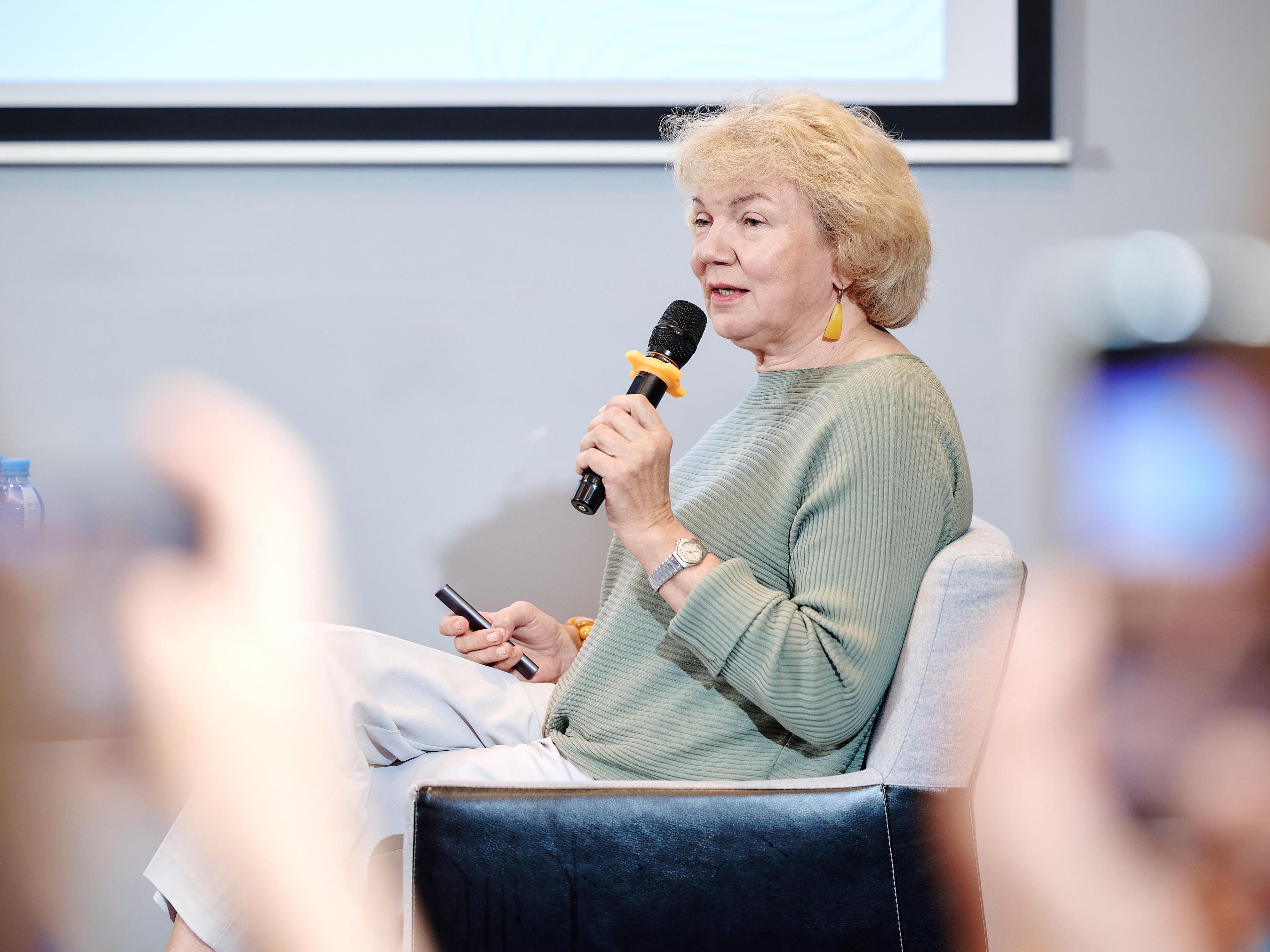
Anna Fyodorova and Dinara Berezina shared what problems patients come to them with and how these change depending on age (spoiler: if at 20 partners most often seek orgasm, after 50 they seek meaning).

20–30 Years: «I Want To, But I Can»t«
Patients aged 20–30 rarely come in as couples. More often, it is women who are first encountering the fact that sex does not bring pleasure.
Anna Fyodorova — Doctor of Medical Sciences, a sexologist, professor at the Department of Psychotherapy and Sexology of the North-Western State Medical University named after I.I. Mechnikov of the Ministry of Health of the Russian Federation.
«Very often, young women complain of decreased sexual desire,» says Anna Fyodorova. «At the beginning of a relationship, sex is perceived positively even without orgasm — against the backdrop of emotional attachment. But when it becomes routine, physiology fails: women cannot quickly »turn on« — they need foreplay, discussion, but few take this seriously.»
Obstetrician-gynecologist and author of books on sexuality Dinara Berezina confirms: at 20–30, the main complaint is the absence of orgasm in women. Essentially, 20-year-olds are yesterday«s teenagers. They got information about sex from peers and the internet, where pornography and idealized images dominate. Young people who have watched a lot of porn sincerely believe that a woman should immediately want sex, like in movies, and when that doesn»t happen in reality, they are at a loss.
Anna Fyodorova believes this is also influenced by the fact that many young people (both girls and guys) missed the platonic stage of libido development. This is a period of romantic infatuation without sex, which forms the basis for future relationships. At this stage, they should have learned to build emotional contact. For them, this stage is often replaced by virtual experience, making real contact frightening.
Libido development has three stages: platonic, erotic, and sexual.
The first — platonic — arises in early adolescence (around 10–14 years) and is expressed in romantic, idealized attraction without sexual subtext: the emphasis is on emotional closeness, admiration, friendship.
The second — erotic — develops in late adolescence (about 14–17 years): interest in physical attractiveness, flirting, kissing appears; attraction becomes sensual but not necessarily aimed at sexual intercourse.
The third — sexual — forms in young adulthood (from 17–18 years and older): libido acquires a mature form, including conscious sexual desire and striving for intimate closeness, with emotional, sensual, and physiological components potentially combining harmoniously.
Men who seek out sexologists at this age often experience so-called «debutante disorders.»
Debutante disorders — initial, often temporary sexual dysfunctions arising during first sexual experience or at the start of sexual life, when fear of failure, anxiety of expectation, insecurity, and psychological pressure can lead to problems such as premature ejaculation, anorgasmia, or erectile dysfunction, which usually respond well to psychotherapy or correction with the right approach.
«If a young man hasn»t started sexual life by age 25, by the time he attempts partner sex, he has already formed an inadequate stimulation stereotype due to solo practices, which cannot be replicated with a real partner,« explains Anna Fyodorova.
But there is a deeper reason — fear of failure. According to sexologists« observations, Gen Z grew up in conditions of informational overload, where social media showcases perfect sex, so they believe intimate contact should be fantastic. Better nothing than bad — that»s their mindset.
30–40 Years: «It Was — And It»s Gone«
According to both specialists, age 30–40 is a time of family conflicts and waning sexual interest, especially after having children.
«Couples come with complaints about loss of libido, problems with orgasm and sensitivity in both partners,» says Dinara Berezina.
Dinara Berezina — obstetrician-gynecologist, gynecologist-endocrinologist, sexologist, author of the books «Sex Is Great» and «Plus One. Pregnancy: From Preparation to Birth.»
Anna Fyodorova adds that some men at this age develop premature ejaculation. The sexologist noted that at this age, often a partner comes alone and says: «I want to break up. What do you have to say? Can anything else help?» That is, often the decision is already made, problems started long ago, and the couple hasn«t addressed them.
But there is another type of patient who, after parting with first partners, don«t want to repeat past mistakes and come for help in advance. Doctors are sure: stress — the main enemy of libido.
40–50 Years: «Hormones Are Gone — And We Follow Them?»
This age, according to sexologists, is a turning point. Women begin menopausal changes, and here not only psychological but also hormonal support is required.
«For such patients, we prescribe menopausal hormone therapy — a great tool for these purposes,» shares Anna Fyodorova.
Men also undergo changes at this time: testosterone levels decline, and if there is no emotional closeness in the relationship, there is nothing to compensate for it.
«It»s usually thought that sexuality declines with age due to physiological disorders, but in practice we see that very often it declines when there are no good, warm relationships in the family. When both the man and woman say they are not interested in it,« the sexologist explains.
And here a new trend emerges. Women say: «Better to live alone than do what I don»t want to.« Men, in turn, increasingly focus on the quality of erection — it should be very strong, and it»s also important to them that the partner is fully satisfied, but they don«t want to invest in the relationship.
«Those who didn»t learn to build harmonious relationships in youth are especially vulnerable. This prevents them from achieving success later in life. They complain that they mainly have solo practices, their request — to find a woman who would like everything they do. At the same time, they are not ready to spend much time and effort on building relationships. And then many simply stop having a sexual life,« explains Anna Fyodorova.
50+: «It Hurts. I Don»t Feel Like It. Why?«
After 50, requests become even more specific — and often related to physical discomfort. Dinara Berezina listed the main complaints: no libido, pain during sex, absence of orgasm, problems with erection.
There are always many debates around the topic of sex: some say its absence doesn«t affect anything, others are sure it provokes illnesses. Anna Fyodorova believes that neglecting sexuality can lead to chronic pain.
«Orgasm and bodily contact — are ways to release excess excitation. If it isn»t released, so-called somatoform disorders arise: cardioneurosis, chronic pelvic pain in women, especially against the backdrop of endometriosis. We treat the focus, but the pain remains — because sexual function is impaired,« believes Anna Fyodorova.
Doctors believe that sexual problems — are not just a matter of pleasure. They are an indicator of mental, hormonal, and even somatic health. Sexuality allows a person to feel harmonious in the world, maintain partnership, cope with stress. But most importantly, there is no single standard for what intimate connection should be.
«Sex can be different: one way today, another tomorrow. And that»s normal. It doesn«t have to be »heaven on earth« every time,» reminds Fyodorova.
And so, instead of chasing an ideal — it«s worth learning to trust yourself, your body, and your partner — and, perhaps, seek help in time, without waiting for a crisis after 40 or pain after 50.
Other useful materials on the topic of sex can be read in previous issues of the series «Sex Education»:
why the desire to have sex disappears and how to bring it back;
how to diversify sex: an instruction with exercises;
top most dangerous sex toys, according to a urologist-sexologist;
a guide to sex toys from doctors — follow the link for an adult review with descriptions;
who can (and should) have sex while expecting a child;
what problems can arise in intimate life after childbirth and how to solve them.