Novosibirsk Dietitian on Apple Benefits for Blood Vessels
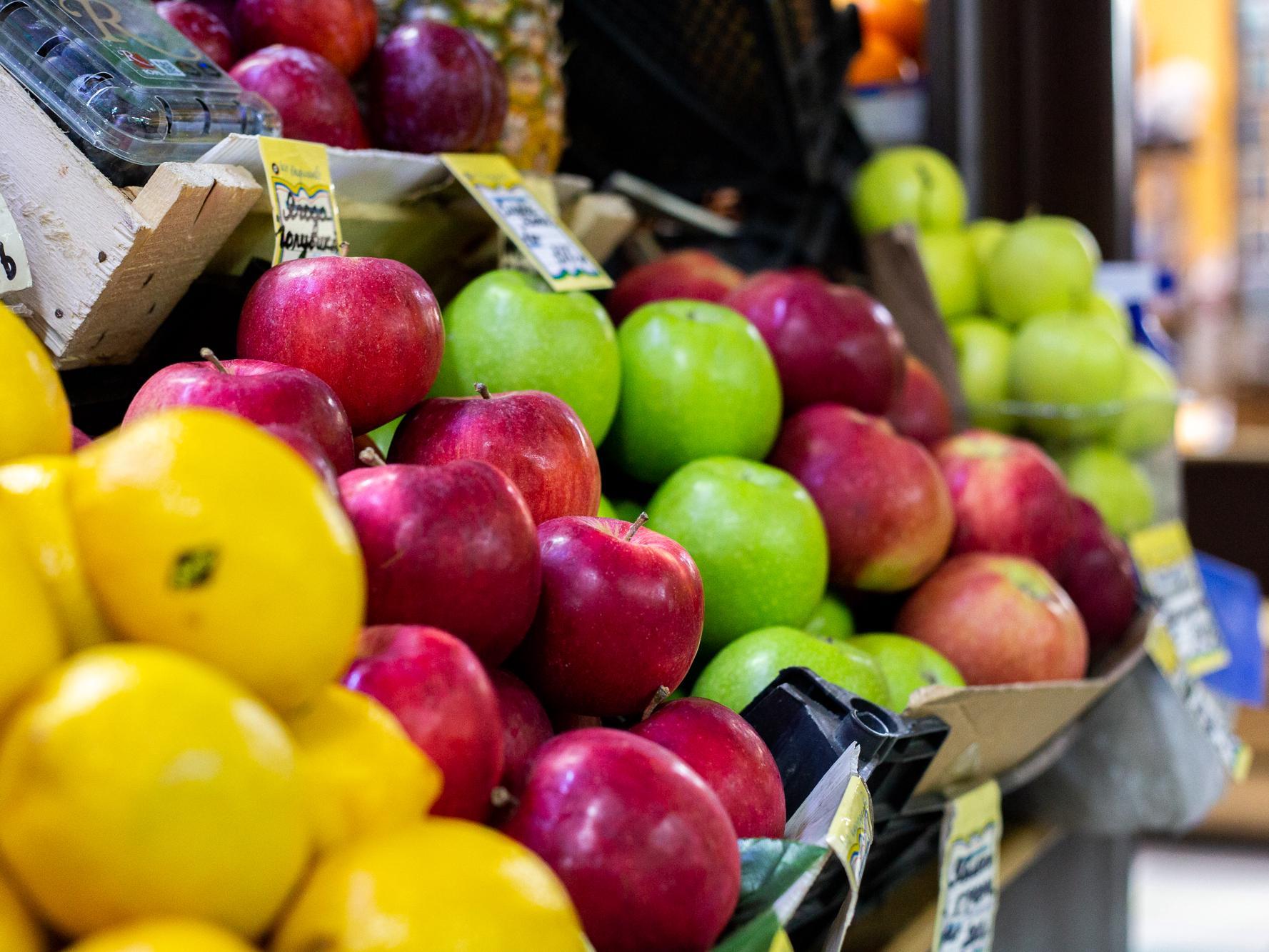

Crisp, juicy, and familiar from childhood, the apple has long been a symbol of health and a benchmark for a healthy snack. We«re taught from infancy about its benefits, but sometimes it can cause stomach discomfort. NGS learned from a Novosibirsk dietitian about the benefits and harms of apples. Here»s who should eat them, how much, and in what form to ensure they work exclusively for good.
Benefits of Apples
This familiar fruit is a true champion in containing substances important for the body. Dietitian and nutritionist Anna Ivanova notes first its benefit for the cardiovascular system. Apples contain fiber (pectin) and antioxidants (quercetin) — they help reduce «bad» cholesterol levels, strengthen blood vessel walls, and normalize blood pressure.
Apples are also beneficial for digestion: plant fibers stimulate intestinal peristalsis, serve as food for beneficial microflora, and gently prevent constipation.
The fruit«s low calorie content (about 52 kcal per 100 grams), high water and fiber content provide a feeling of fullness, helping to avoid overeating. Apples contain vitamin C, which, combined with a complex of antioxidants, fights oxidative stress, supports immunity, and slows aging processes.
«Research shows that regular consumption of apples is associated with a reduced risk of developing type 2 diabetes,» adds the dietitian.
Harms of Apples
Despite many advantages, in certain situations apples require caution.
«With gastritis, peptic ulcer disease, especially with high acidity, raw sour apples can irritate the mucous membrane, causing discomfort and pain. In such cases, baked apples are recommended,» warns Anna Ivanova.
Be cautious with irritable bowel syndrome: apples are rich in fructose and FODMAP carbohydrates, which can provoke bloating, gas, and pain in people with sensitive intestines.
«It is rare, but allergies are possible both to apple pollen (with hay fever) and to proteins in the fruit itself. More often it manifests as itching in the mouth and swelling of the lips,» says the nutritionist.
FODMAP is a group of short-chain carbohydrates (oligo-, di-, monosaccharides and polyols) that are poorly absorbed in the small intestine, actively fermented by bacteria in the large intestine, causing bloating, pain, and gas. These carbohydrates are found in many foods (wheat, onions, garlic, dairy products, apples, honey).
Apple seeds contain amygdalin — a substance that in the body turns into hydrocyanic acid. Accidentally swallowing 3–4 seeds poses no danger, but consciously eating them in large quantities is strictly not recommended.
The acids contained in apples can soften and slightly damage tooth enamel, causing cavities. After eating a sour apple, dentists recommend rinsing the mouth with water.
How to Eat Apples Correctly
The nutritionist notes that apples are the basis of a healthy diet, but it is important to observe moderation and consider the characteristics of the body. The optimal dose for an adult is 1–2 medium apples per day. It is better to eat them with the peel (after thoroughly washing), as up to 70% of beneficial substances, including fiber and antioxidants, are concentrated in it.
«The apple was and remains one of the most useful and accessible fruits. Its harm is not absolute, but situational and most often associated with overeating or existing diseases. With a reasonable approach — 1–2 fruits per day considering your health condition — you will get maximum benefit and minimum risk from this natural gift. Listen to your body, and may your apple only have a »plus« sign,» explains the nutritionist.
Alternate varieties: green ones have less sugar, red ones have more anthocyanins. Ideally, eat apples as a snack between main meals or 20–30 minutes before eating to avoid causing fermentation in the stomach. If you have chronic gastrointestinal diseases, prefer baked or stewed apples without sugar. An apple is not a dessert, but a separate meal. Do not eat an apple immediately after a heavy meal — this can cause bloating, concludes the expert.
Recently, the nutritionist told about the benefits and harms of persimmons.