Deadly Nipah virus outbreak in India: threat to Russia?
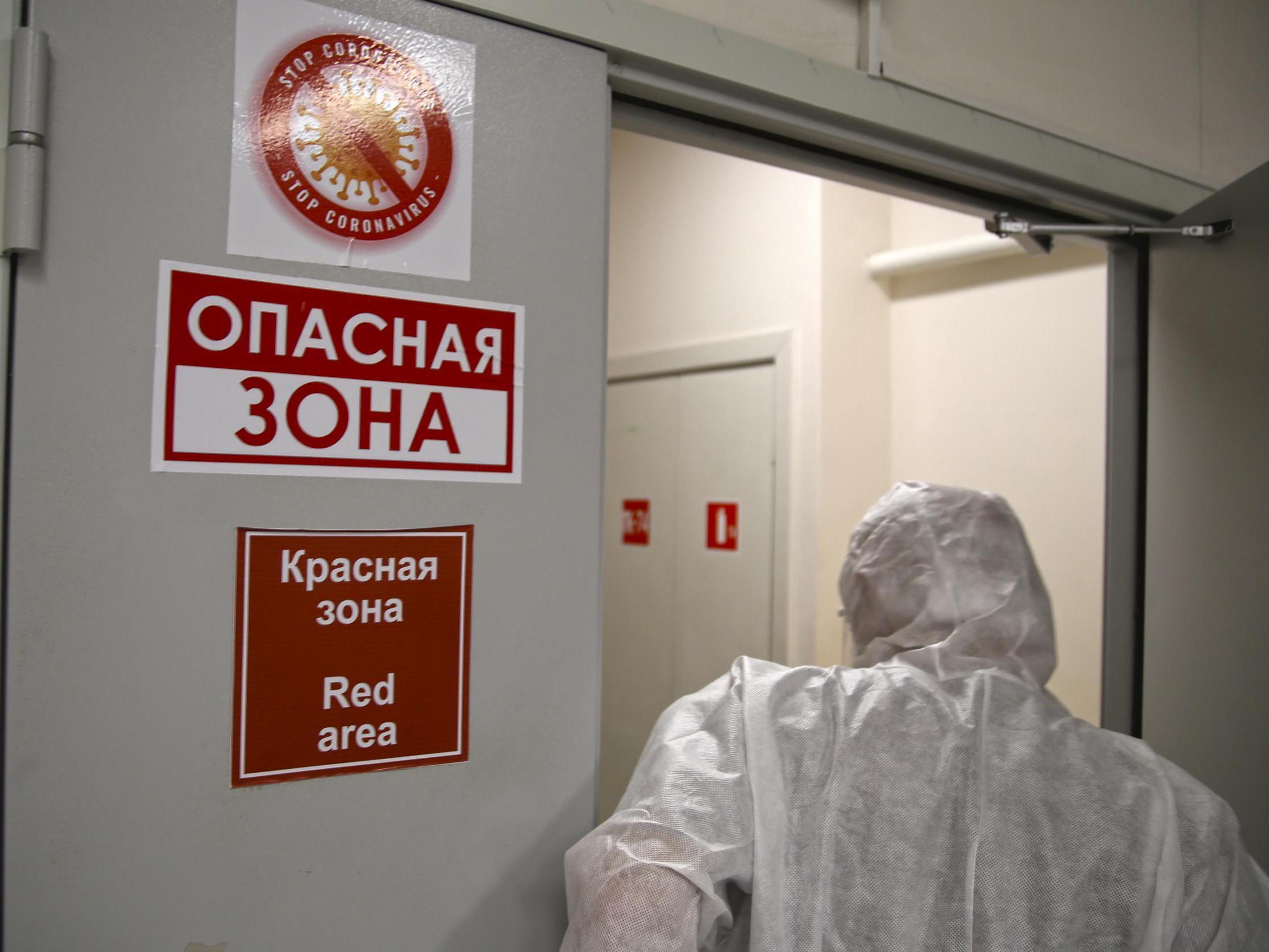

A new outbreak of the Nipah virus—a rare but deadly infection for which there are no vaccines or specific treatments—has been recorded in India. The disease can be asymptomatic, but in severe cases it leads to brain inflammation, coma, and death. How the Nipah virus manifests, whether it can be treated, and if it could spread to Russia are covered in a report by MSK1.RU.

What is known about the Nipah virus

The Nipah virus is a zoonotic infection: it is transmitted to humans from animals. The main carriers are considered to be bats and pigs. Infection is possible through contact with animals or contaminated food, as well as from person to person.
«This is a virus that is characteristic specifically of tropical regions. It can cause various kinds of diseases, including encephalitis—inflammation of the brain. But generally, outbreaks occur in Southeast Asian countries,» Elena Meskina, Doctor of Medical Sciences, Head of the Children«s Infections Department of the Therapy Division, Professor of the Pediatrics Department at the M.F. Vladimirsky Moscow Regional Research and Clinical Institute (MONIKI), and Chief Freelance Specialist in Infectious Diseases in Children for the Moscow Region Ministry of Health, told MSK1.RU.
The World Health Organization (WHO) also reports that there are no drugs or vaccines for either people or animals. Only symptomatic care is provided to those who fall ill.
The Nipah virus was first identified in 1999 during an outbreak among pig farmers in Malaysia. Later, cases were recorded in Bangladesh, and in recent years outbreaks have regularly occurred in India. In 2024, two people died from the infection in the region.
In January, the Nipah virus was detected in the Indian state of West Bengal—near Kolkata. The disease was confirmed in five people, three of whom were hospitalized.
All those infected are healthcare workers. Two of them work at a private hospital in the city of Barasat and are in the intensive care unit; their condition is assessed as extremely serious. The other patients are showing improvement, the newspaper The Economic Times reported.
In addition, about 100 people in West Bengal were placed under home quarantine, with 30 of them under enhanced medical surveillance.
Symptoms
In humans, the disease can progress in different ways—from an asymptomatic form to severe respiratory infection and fatal encephalitis. The incubation period varies from four to 45 days.
In the early stage, patients develop high fever, headache, muscle pain, vomiting, and sore throat. Dizziness, drowsiness, confusion, and other neurological symptoms may then follow. Some patients develop atypical pneumonia and respiratory failure.
In severe cases, the disease leads to encephalitis and seizures, and the condition can deteriorate into a coma in just one to two days. The mortality rate, according to various estimates, ranges from 40% to 75%.
Most patients who survive acute encephalitis make a full recovery over time. However, about 20% face residual neurological impairments—convulsive disorders and personality changes. In rare cases, relapses or the development of encephalitis some time after recovery are possible.
Is the Nipah virus a threat to Russia?
Alexander Gintsburg, Scientific Director of the Gamaleya National Research Center for Epidemiology and Microbiology (Gamaleya NRCEM) of the Russian Ministry of Health, and Academician of the Russian Academy of Sciences (RAS), believes the virus could be imported into Russia because it is now spreading more widely. He noted that Nipah could appear in countries neighboring India, from which tourists and workers arrive.
«Russia is precisely one of those countries, as we know, especially now when the flow of people from India to us and back is increasing,» Gintsburg stated.
Meanwhile, Professor Elena Meskina believes the spread of the virus in Russia is unlikely. In a conversation with MSK1.RU, she noted that Nipah is a classic virus for tropical regions.
«It belongs to the paramyxoviruses, representatives of which also circulate in our territory. But as far as I know, infection occurs mainly from bats,» Meskina noted.
The doctor recalled that infection with the virus is associated with contact with animals. According to her, if these contacts are minimized, then the risks of spread are reduced. But although Nipah is transmitted from animal to human, the risk of person-to-person transmission cannot be ruled out.
«It»s impossible to completely rule it out, but overall it«s quite unlikely. Because this is a classic imported virus. That is, for it to be transmitted to a person, certain conditions must be met. Therefore, the occurrence of outbreaks in our climate is very unlikely. After all, this is a virus for warm countries,» Elena Meskina explained to MSK1.RU.
The professor added that Russia has various methods for detecting viruses. For example, the AIS «Perimeter» system operates at state borders. It allows for the real-time identification of those showing signs of illness and prevents the spread of viruses, according to Rospotrebnadzor (the Federal Service for Surveillance on Consumer Rights Protection and Human Wellbeing). The agency added that there have been no cases of the disease being imported into Russia so far.
Further reading:
State Duma proposes including basic genetic testing in medical checkups;
Why you should soak your feet every day, even if you«re not sick: a neurologist explains;
How in Moscow children who have had strokes are given a healthy, long, and active life.