Brain Pacemaker' Helps Moscow Children with Strokes Live Fully
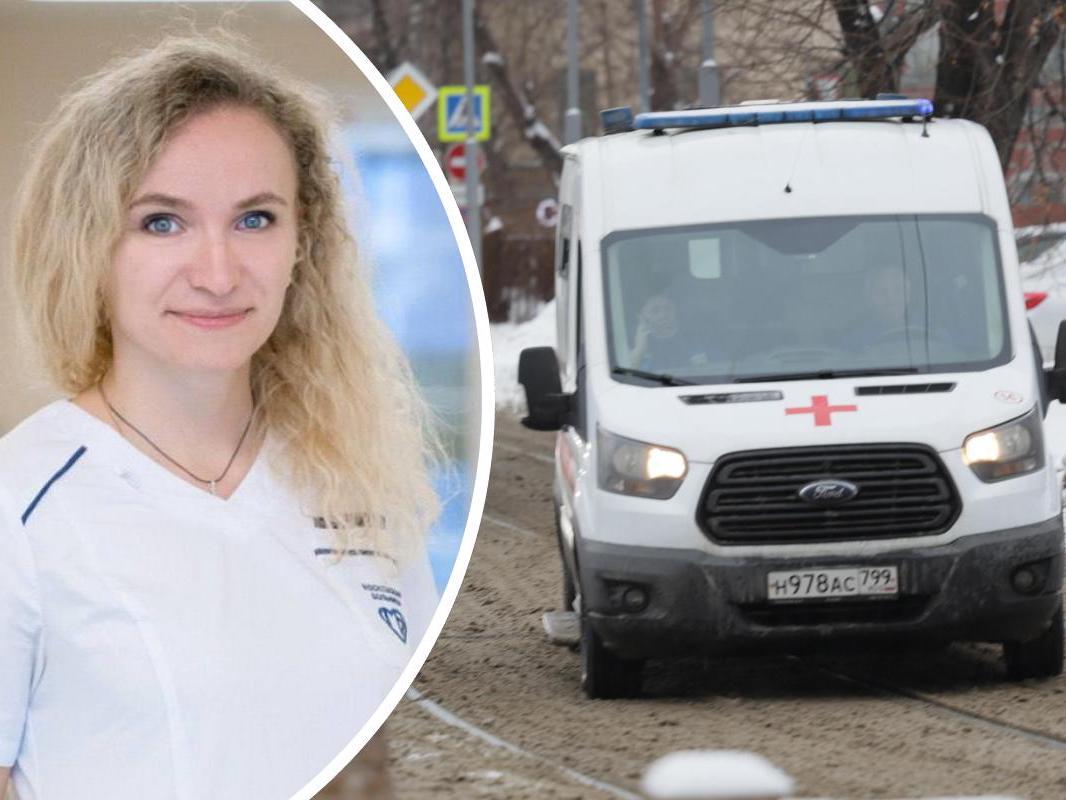

Stroke has long been considered an «age-related» disease, associated with chronic diagnoses and a «worn-out» body. But today, doctors are increasingly encountering strokes in young people—teenagers and even children. The illness, often seen as a companion of old age, can strike suddenly—without warning and with no regard for age. Alexandra Kuznetsova, head of the Center for Child Stroke, told MSK1.RU why this dangerous diagnosis spares no one, even the very young, and how Moscow doctors come to the aid of children, restoring their health.
Why Stroke Occurs in Children
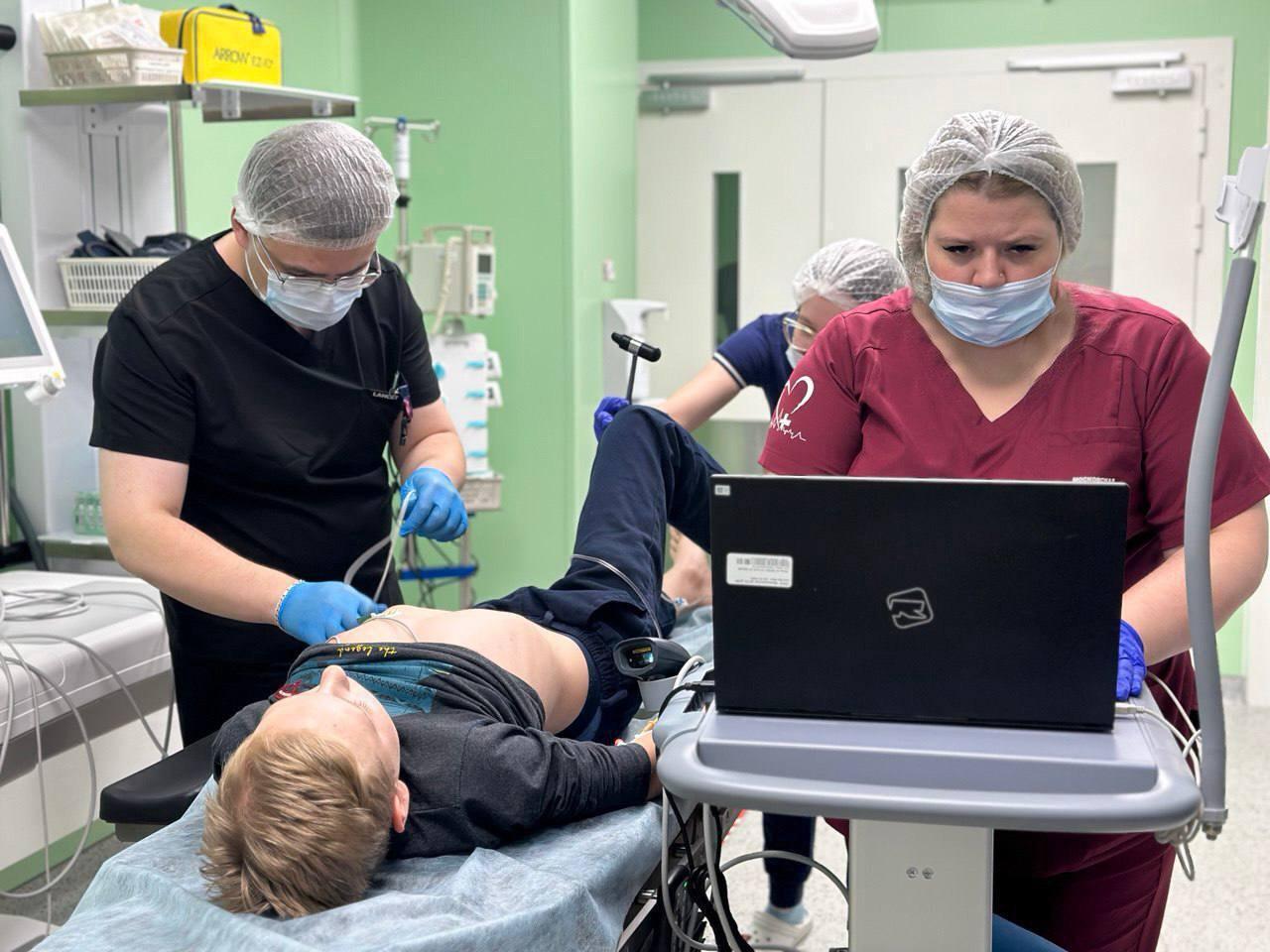
A child«s ringing laughter can suddenly turn into complaints of a severe headache. The little one starts mixing up words or can»t lift an arm… It sounds like a nightmare, but such situations are, unfortunately, real. Childhood stroke is rare, but its consequences can change a life forever. Therefore, Moscow specialists have learned to recognize alarming symptoms, even if they «mask» themselves as other ailments, and they apply technologies that were once only dreamed of.
Strokes in children and adults differ: at a young age, symptoms are often more blurred and easily confused with other problems—this complicates diagnosis. It is most difficult to notice warning signs in toddlers who cannot tell what is bothering them.
Symptoms can arise abruptly, even if the child felt well before: this includes a «thunderclap» headache, vomiting, sudden weakness, confusion—the child seems to «switch off,» not responding to words.
Depending on the structural damage to the brain, more specific signals appear, for example:
Problems with facial expressions and speech—one corner of the mouth droops, the child cannot smile or show teeth, they mix up words or cannot utter a simple phrase.
Weakness in one arm and leg, the child finds it harder to control them, unsteadiness appears when walking, the toddler may lean to one side.
The causes of childhood stroke can also differ. Among them are head injuries, congenital anomalies of brain vessels, blood diseases (for example, clotting disorders), and even childhood infections. And if treatment is not started in time, the consequences can be very severe.
How the Center for Cerebrovascular Pathology Saves Lives
To ensure young patients receive qualified care, Moscow has the Center for Cerebrovascular Pathology in Children and Adolescents at the Morozov Children«s City Clinical Hospital.
«Our main task is not just to cure the child, but to give them a chance at a full life after a stroke,» said Alexandra Kuznetsova, head of the Center for Child Stroke. «We have brought together the best specialists, advanced technologies, and proven methods so that every little patient gets everything they need—from the moment an ambulance is called to rehabilitation.»
When a stroke is suspected, time is of the essence, so Moscow has a clear system: from calling an ambulance to arriving at the hospital takes on average no more than 1 hour and 14 minutes. A special scale for assessing the likelihood of stroke in children over three years old, used by emergency teams, helps quickly decide if hospitalization is needed.
At the hospital, the child is immediately examined by specialists: a pediatrician, neurologist, hematologist, and if necessary—an anesthesiologist-resuscitator or neurosurgeon. Next—urgent neuroimaging (magnetic resonance or computed tomography), available 24/7.
«MRI and CT are the gold standard for stroke diagnosis. At the center, such studies are conducted around the clock: whenever a child arrives, doctors can accurately determine what is happening in their brain and choose the right treatment tactics,» explained Alexandra Andreyevna.
The Center for Child Stroke has another very precise method for examining brain vessels, which helps clarify the cause of intracranial hemorrhage—direct cerebral angiography.
First, the doctor makes a tiny puncture and inserts a thin, flexible tube (catheter) into an artery, and under X-ray control, carefully advances it upward through the vessels—to the neck or head. When the instrument reaches the right place, a special fluid—contrast—is injected through it, which «highlights» the vessels and makes them more «visible» in images.
This method helps precisely understand what is happening in the child«s brain and choose the most correct treatment.
The Most Modern Treatment
The center saves the lives of children with strokes using the most modern methods—both with medications and with surgeries. One method is thrombolysis: a special drug is administered to the child that dissolves the thrombus (blood clot), after which normal blood flow is restored in the brain vessels.
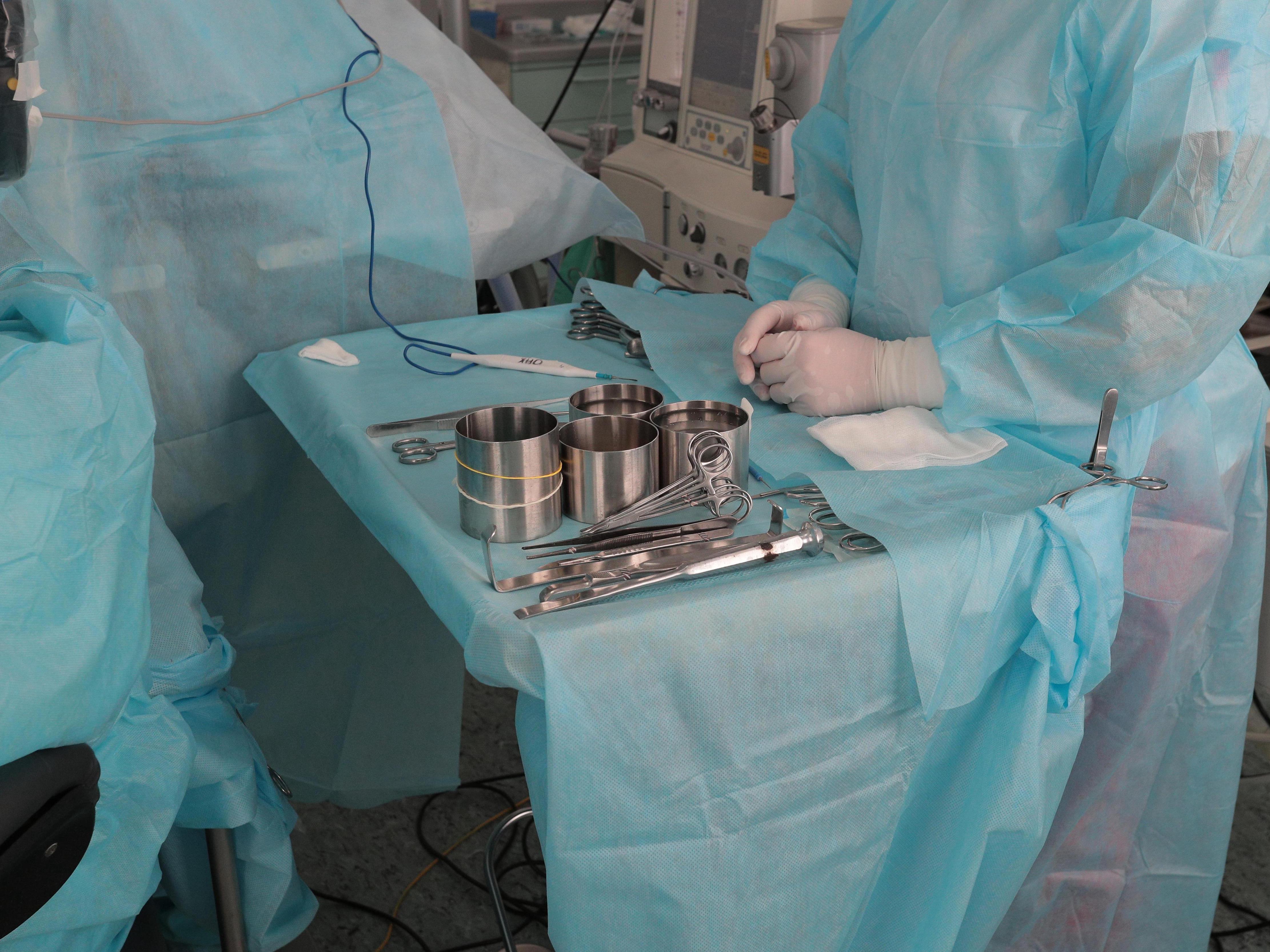
If surgery is unavoidable, modern minimally invasive techniques allow everything to be done without incisions. Doctors make a tiny puncture in an artery in the leg and introduce the finest instruments through it. Everything happens under X-ray control. Such interventions are called endovascular.
If the stroke occurred due to a vessel rupture, embolization is performed—microcoils, special medical glue, or small balloons are delivered through the catheter to the damaged area. These materials fill the rupture and stop the «leak,» simply put, like a patch. As a result, doctors help the child as gently as possible without interfering with brain structures.
Embolization helps the center«s specialists effectively cope with such a rare congenital anomaly of brain vessels as Galen»s vein malformation. Normally, arteries carry blood to the brain under high pressure, and then through a network of the finest vessels (capillaries) blood smoothly drains into veins.
With malformation (an anomaly where an organ or vessels formed incorrectly before birth), arteries connect directly to a large vein (Galen«s vein). Blood under enormous pressure »crashes« into the thin vein. Then it swells up like an overfilled balloon that could burst at any moment, and blood would start pouring into the brain.
To prevent this, doctors carefully «seal» the extra connections using embolization. As a result, pressure in the vein normalizes, reducing the load on the heart and the risk of stroke. The center«s specialists successfully perform such operations even on newborns!
«The Most Complex Modern Techniques in Neurosurgery»
Moscow doctors help children with the rare and progressive disease Moyamoya, due to which the main internal carotid arteries that supply the brain begin to gradually narrow and may eventually completely «collapse.» A person can be saved with revascularization, which helps «lay» new pathways for blood flow.
Medics explain: there is direct revascularization, when a surgeon takes a healthy artery and sutures it directly to a vessel on the brain«s surface, and indirect—the doctor does not suture vessels but simply places blood-rich vessels or tissues on the brain, which over time itself »grows« new vessels into these tissues, like plant roots into fertile soil, forming a new blood supply network.
The center also successfully treats post-stroke epilepsy. The fact is that after impaired blood circulation in the brain, «scars» sometimes remain—areas of dead tissue. Neurons—nerve cells around them—start working incorrectly: they suddenly emit powerful electrical discharges and cause epileptic seizures.
Surgeons find such clusters and carefully remove them. If the focus is located too deep and cannot simply be cut out, doctors act on the nerve fibers around the problem area. If brain surgery is not possible, a special device—a vagus nerve stimulator—is implanted under the skin. It can be compared to a «brain pacemaker»: the device sends weak but regular signals that help «calm» the brain and avoid seizures.
«Our specialists successfully apply one of the most complex modern techniques in neurosurgery—craniotomy under awake conditions,» said Alexandra Kuznetsova. «During the operation, the child is carefully awakened after opening the skull so that neurophysiologists and linguists can conduct tests and precisely determine the areas of the brain responsible for speech and movement. Thanks to this, the neurosurgeon can remove the pathological focus without touching important areas or damaging healthy tissue. The safety and success of such an operation at the center are ensured by a highly qualified team—neurosurgeon, anesthesiologist, neurophysiologist, linguist, and other specialists.»
The sooner doctors start treatment, the more chances there are to avoid severe consequences. Childhood stroke is a serious disease, but with timely treatment and competent prevention, the child can return to a normal life. And today, Moscow medicine has all the capabilities to provide young patients with the highest quality comprehensive care, support, and accompaniment on the path to recovery.
Capital neurosurgeons can now also save people with the most severe brain and spinal cord injuries. Moscow doctors have also learned to «repair» the heart through a small puncture—a cardiovascular surgeon from the Sklifosovsky Research Institute talked about the latest technique.
Note what to do in case of a heart attack: three important rules that everyone should know. And these five signs will help recognize a «silent» stroke. Also read a candid interview with an oncologist who has worked in death and pain for 20 years.