'Brain feels frozen': Neurologist on surviving cold-induced headache
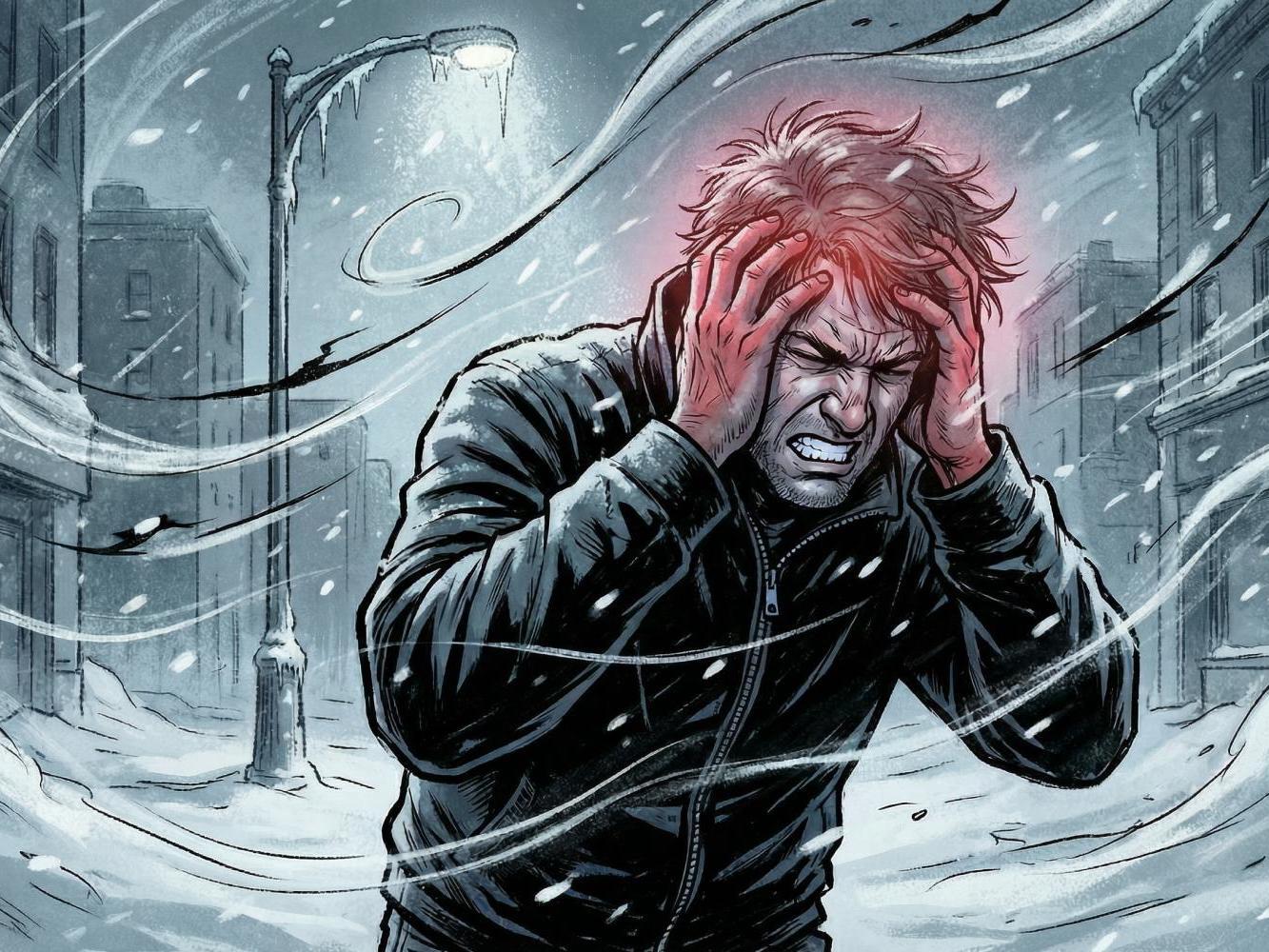

A severe winter condition causes headaches so intense they feel like the head might burst.
The winter that has plunged Volgograd into a real ice age is full of genuine dangers lurking for citizens at every step — snowdrifts, treacherous ice hiding under a light layer of snow, burning cold wind, blizzards, and most importantly — treacherous, sharp headaches leading to nausea and disorientation, caused by hypothermia. What happens to the body when it feels like the head is about to burst from pain, and how to save oneself from the torment and pain-induced fainting, was explained by neurologist Oksana Lisina, an assistant at the Department of Neurology, Neurosurgery, Medical Genetics of Volgograd State Medical University (VolgGMU).
«Agonizing and exhausting, similar to migraine»
— In the international classification of headaches, there is an ailment that is neither migraine, nor tension pain, nor cluster pain, but a separate type of neurological headache associated with direct physical stimuli, namely — with exposure to cold — cold-induced headache. What distinguishes it from migraine and other types of neurological disorders is the nature of the disease, — says Oksana Lisina.
The cause of the ailment, according to the doctor, is strong contact with cold, both external — from cold wind, and internal, when the palate and back of the throat are irritated by inhaling icy air or consuming drinks and food at low temperatures.
— For example, when a person eats ice cream or walks without a hat, they can get a very severe headache. In character, this pain differs from migraine, but it can also have a migraine-like pattern, — says Dr. Lisina. — The pain can be pulsating, similar to migraine, or stabbing, in the forehead or temporal area, one-sided or two-sided, which is already atypical for migraine.
You can understand that you have a true cold-induced headache by its duration. Shortness — is the main criterion of this ailment.
— Usually this pain goes away within 10–30 minutes of a person being in warmth, — says the doctor. — Of course, intense pain sensations can cause nausea, lethargy, reduced work capacity, and in rare cases even loss of consciousness. The main thing a person with this pain needs to do — is to warm up as soon as possible.
The head won«t burst, but it will hurt
Sometimes cold-induced headache resembles the sensations that a person experiences with vascular spasm, when it seems like the head is about to burst. In reality, however, this ailment is not related to the circulatory system and pressure:
— As with most types of headache, particularly migraine, vessels here are secondary and become involved in the nature of this pain at the molecular level. True cold pain arises from irritation of cold receptors, — says the neurologist. — This is an example of so-called referred pain, when irritated cold receptors lead to such pathological impulses that appear in the nerve.
According to the doctor, cold can be one of the additional triggers of migraine and provoke attacks by irritating cold receptors, but this happens rarely, when a person does not treat migraine and often suffers from pains.