What to see in Nizhny Novgorod Oblast's Golden Ring cities
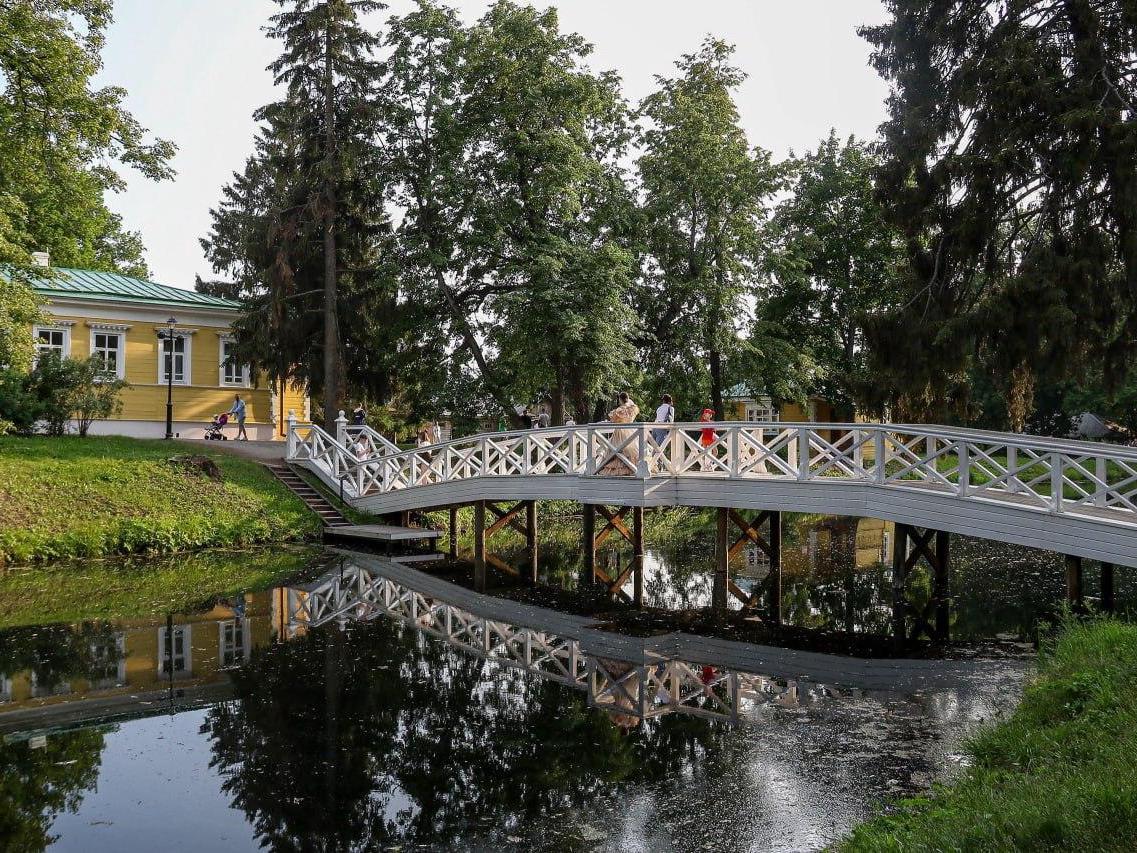

By 2027, the legendary tourist route «Golden Ring of Russia» plans to include 49 more settlements — including cities and villages of Nizhny Novgorod Oblast. The list includes not only the well-known Nizhny Novgorod but also small settlements like Purekh, Bogorodsk, Chkalovsk. What attractions can be seen in a day outside the «Sunset Capital» and what will (not) surprise the region, read in the material by NN.RU.
Arzamas
Arzamas, a gem of Nizhny Novgorod Oblast, is famous for its unique architecture and many churches.
One of the most famous places in the city is Sobornaya Square, home to the Voskresensky Cathedral. It was built to commemorate the victory in the Patriotic War of 1812, constructed with public funds over 28 years. There is also a unique museum here that tells about the lives of Russian Patriarchs.
From the square, you can walk to Gostiny Ryad — once the city«s main trading street. After renovation, the houses built on the hillside have noticeably transformed. One of the main symbols of Arzamas is the goose. In the late 17th century, a special elite breed of this bird was even developed here.
Also in Arzamas, you can visit museums dedicated to children«s writer Arkady Gaidar and the park of the same name. There is also time and distance to go to the neighboring village of Peshelan. There, you»ll find a one-of-a-kind museum in an active mine.
Bogorodsk
Throughout its history, Bogorodsk has been a center for leatherworking and pottery crafts. So, you can start by visiting the ceramics museum, located in the former profitable house of merchant Obozhorin. It features a collection of ceramic items from all over Russia.
One of the locals« favorite places is Krutaya Gora (Steep Hill). At the top, there is a viewing platform, and at the foot — a picturesque pond. Also among the recommended places is Kabatskoye Lake, the area around which was recently renovated. A figure with the silhouette of the lost Church of the Nativity of the Most Holy Theotokos is installed on the reservoir.
If time allows, you can drive to the neighboring village of Podvyazye. There, you«ll find the ancestral nest of the wealthiest nobles, the Priklonskys, and the millionaires, the Rukavishnikovs. The territory around the estate can be viewed independently, or you can arrange a tour with the owner.
Vyksa
One of the oldest industrial cities in Russia. The settlement is known not only for its metallurgical industry but also for contemporary art. Art objects can be found in parks, on embankments, and on building facades. And next to the factory, there is a street art park with works by famous modern artists.
Art is closely linked to the Vyksa Festival, popular beyond the region, which combines music, art, and sports. The event takes place in Central Park, which can be considered a separate attraction of the city. Once, there was a menagerie, one of the best estate theaters in Russia, and even greenhouses where pineapples were grown and delivered to the court of Catherine II. Now, you can find cozy alleys, a pond with swans, and a six-meter statue of a unicorn, which, by the way, is also depicted on the city«s coat of arms.
Bolshoye Boldino
The history of this small village is inextricably linked with the life and work of Alexander Pushkin. In his family estate, the poet spent three autumns and wrote dozens of his famous works. To start, take a tour of the house-museum, where the setting of the rooms in which the writer lived has been recreated. By the way, the museum-reserve recently completed reconstruction, so visitors can expect new exhibitions.
On a hill not far from Boldino, the protected grove Luchinnik spreads out. It is said to have been one of Pushkin«s favorite places for walks. The museum complex also includes an estate in the village of Lvovka. It was owned by the poet»s son. In the former master«s house, you can visit the museum »The Tales of Belkin.«
Gorodets
A city of masters and an open-air museum that many have heard of. You can learn about the history of the place by walking through the «Museum Quarter,» where houses with carved window frames recreate the atmosphere of the 19th century.
Gorodets is also known for its crafts. An example is Gorodets painting, with a history spanning over a century and a half. The works of local masters are collected in a recently opened museum.
Moreover, it«s worth climbing the Gorodetsky Val — an outstanding monument of Russian military engineering art from the 12th–13th centuries. It is a semi-circular fortress towering over the steep bank of the Volga River.
Another hallmark of Gorodets is gingerbread. They are sold almost everywhere. And if you want to try something more refined, you can go to the village of Kurtsevo, where there is a local cheese dairy.
Diveyevo
Thousands of pilgrims from all over the country come to Diveyevo every year. The main attraction of the village is the Holy Trinity Seraphim-Diveyevo Convent. Here, in the Trinity Cathedral, the relics of St. Seraphim of Sarov are kept.
Behind the Transfiguration Cathedral lies one of the main shrines of the monastery — the Holy Kanavka (Ditch). Also, near the monastery, there are many holy springs.
Purekh
A small village located in the Chkalovsky District. Purekh is the patrimony of Prince Dmitry Pozharsky, who during the Time of Troubles, together with Kuzma Minin, gathered a militia and liberated Moscow from Polish invaders.
Moreover, in Purekh, you can see many «gingerbread» houses decorated with carvings and decorative elements. And in the local history museum, you can learn about the copper-casting craft, which was once the main occupation in the village.
Chkalovsk
Nearby is the main city of the district — the birthplace of the great pilot Valery Chkalov. In the house-museum, you can see his personal belongings and household items. Next door is a pavilion-hangar featuring aviation technology from the 1930s, including the aircraft used for the non-stop flight from Moscow — North Pole — USA in 1937.
Another must-visit is the Museum of Speeds. It is dedicated to Rostislav Alexeyev — the developer of hydrofoil ships.
Another highlight of the city was the local craft — making guipure lace. In the local exhibition hall, they will tell you about a special type of drawn-thread embroidery that developed in the late 19th century.
And to enjoy the beauty of nature, you can climb the «Dubovaya Roshcha» (Oak Grove) viewing platform, located on the high bank of the Volga. It offers a stunning view.
Pavlovo
In the past, Pavlovo was mainly settled by blacksmiths, tinsmiths, and coppersmiths. Their workshops later became the basis for the metalworking craft that brought fame to the city. Therefore, you can start getting acquainted with the city at the historical museum, located in the luxurious estate of merchant Gomulin. By the way, it features tiny exhibits by master Pavel Kulikov — a knife smaller than a match head, a flea forging its own horseshoe.
Moreover, Pavlovo is famous for its buses (paziki), a special variety of lemon, and beautiful, interesting architecture.
One of the most attractive places in the district is the lakes Toscanka and Klyuchik with transparent turquoise water. However, the reservoir is unlikely suitable for swimming — due to underground springs, the water is always cold. So, you can ride a SUP or visit the «Russian Tuscany» festival with a parade of stylized boats.