Volgograd warns of deadly temperature swings
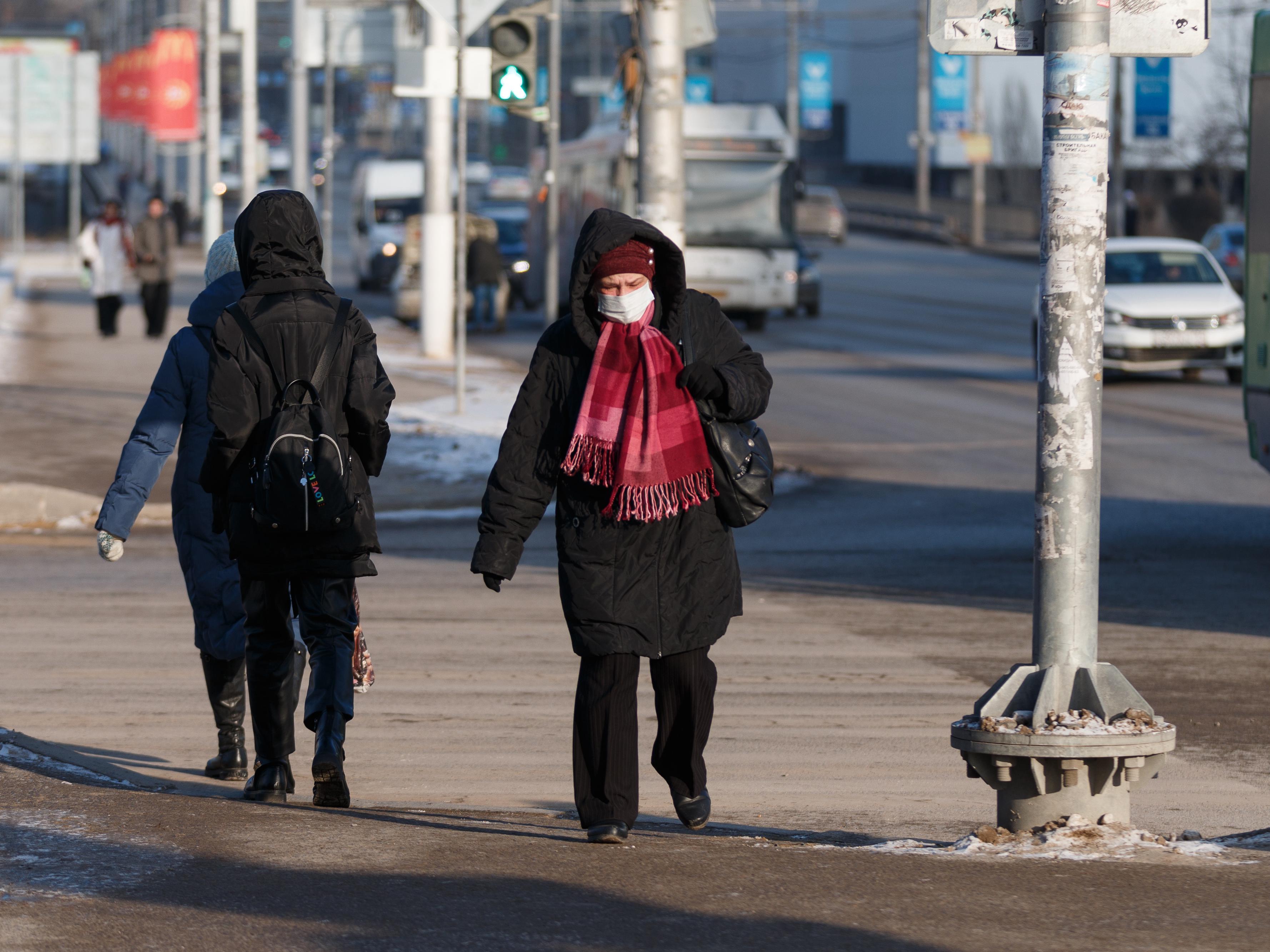

The long-awaited thaw following January«s deep frost is advancing across the entire region. However, according to weather forecasters, freezing temperatures will return to the city by the start of the first week of February, but for now, residents must navigate several days of slippery, foggy streets. We look at the meteorologists» forecast and heed the warnings from doctors about the deadly danger of such temperature fluctuations.
On Friday, 30 January, light precipitation in the form of rain mixed with snow and wet snow is expected in parts of the region, with fog, icy conditions, and accumulation of wet snow on power lines and trees in some areas. Nighttime temperatures will range from +1°C to -4°C (34°F to 25°F), daytime from -1°C to +4°C (30°F to 39°F).
On the last day of January, light precipitation in the form of rain, rain and snow, and wet snow is possible in places overnight, with precipitation intensity increasing to moderate in some areas during the day. Fog, icy conditions, and accumulation of wet snow on wires and trees are possible, and roads will be slippery. Nighttime temperatures will range from 0°C to -5°C (32°F to 23°F), daytime from +2°C to -3°C (36°F to 27°F).
Precipitation will continue on 1 February, with heavy snow possible in places overnight and in the morning. In some areas, expect fog, icy conditions, accumulation of wet snow on wires and trees, and black ice. The wind will shift from southerly to northwesterly, and air temperatures will begin to drop. Nighttime temperatures will range from 0°C to -5°C (32°F to 23°F), in the north from -8°C to -13°C (18°F to 9°F). Daytime temperatures will range from +3°C to -2°C (37°F to 28°F), in the north from -5°C to -10°C (23°F to 14°F).
In Volgograd on Friday, 30 January, there will be no precipitation, but fog and icy conditions are possible. Nighttime temperature -1°C (30°F), daytime +1°C (34°F).
On 31 January, no precipitation overnight, but rain and snow, wet snow are not ruled out during the day, with periods of fog, icy conditions, and black ice. Nighttime temperature -2°C (28°F), daytime around zero (32°F).
On 1 February, precipitation in the form of rain and snow, wet snow, with periods of fog, icy conditions, accumulation of wet snow on wires and trees, and black ice on roads. Nighttime temperature -1°C (30°F), daytime +1°C (34°F).
However, by Monday, 2 February, temperatures are forecast to drop sharply—down to -17°C (1°F) overnight, and by the night of Wednesday, 4 February, down to -22°C (-8°F). It will remain cold even during the day, with thermometers not rising above -16°C (3°F).
Mariya Derevyanchenko, Doctor of Medical Sciences and head of the Department of Outpatient and Emergency Medical Care at the Volgograd State Order of Honour Medical University, warns that such temperature fluctuations can be deadly dangerous, especially for those with heart and vascular problems.
«First and foremost, such temperature spikes affect the condition of patients with cardiovascular system pathologies, as they provoke vascular spasms,» explains Dr. Derevyanchenko. «This leads to increased blood pressure, and if a patient is diagnosed with atherosclerosis, ischemic heart disease and their vessels are already narrowed by atherosclerotic plaques, then additional narrowing from a spasm will lead to even less blood flow through these vessels and a state of hypoxia, or insufficient blood supply. Consequently, the risks of vascular catastrophes, including myocardial infarction and strokes, will rise. Elderly and senile patients are the most vulnerable here.»
The doctor advises people with such conditions to avoid going outside during sharp temperature swings if possible, and to avoid hypothermia, especially in frosty weather, as inhaling cold air can directly cause spasms in people with ischemic heart disease or exertional angina. «If possible, stay home; if not, dress warmly in natural fabrics using the »cabbage« principle, meaning layering your clothing. If it warms up, you can remove a layer to avoid overheating,» explains Mariya Derevyanchenko. «A person can overheat, sweat, and then, upon going out into the cold air, risk contracting ARVI (acute respiratory viral infection) and other colds.»