Russian Expedition Uncovers the Dead City of Khara-Khoto
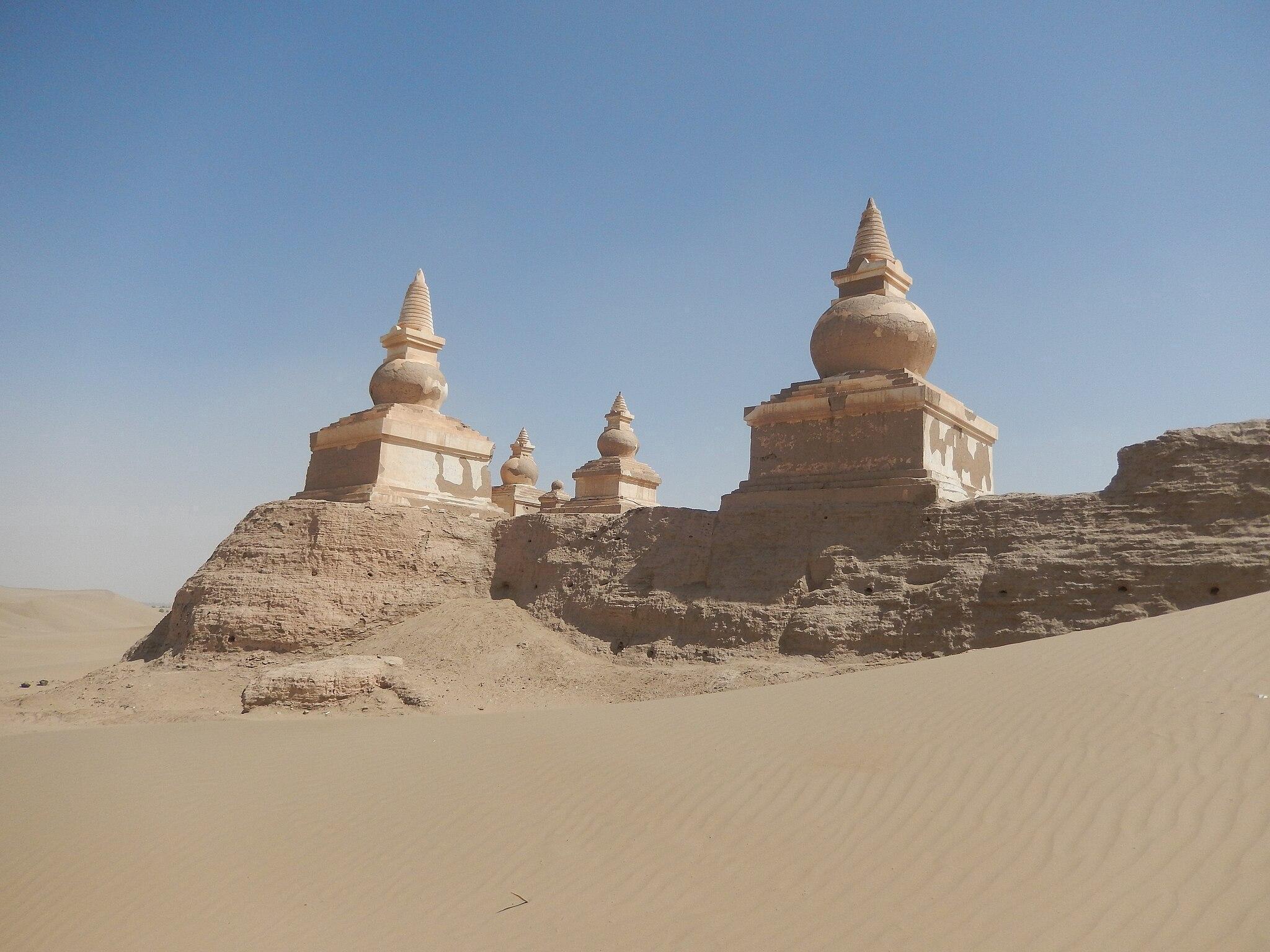

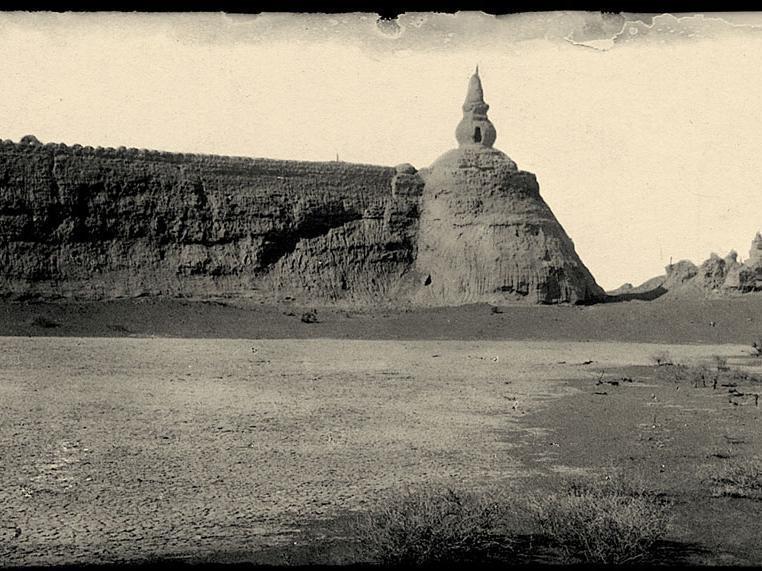
In the summer of 1907, Lieutenant Colonel Pyotr Kozlov, preparing a new expedition to Asia, received an unusual letter. His old companion, Buryat Cossack Tsokto Badmazhapov, wrote from China«s Gansu province: «During my trip to Edzin Gol, I made a very interesting discovery — at least I think so. Near the sands between the valleys »Goizo« and »Edzin Gol«, I came across the ruins »Khara-Khoto«.» The letter included photographs — the first images of the city lost in the sands. Badmazhapov, who had served as an interpreter on Kozlov»s previous journeys and later represented a trading firm, had discovered the ruins during a business trip to purchase livestock. He requested assistance in publishing the materials, hoping to tell the world about the unknown ancient settlement.
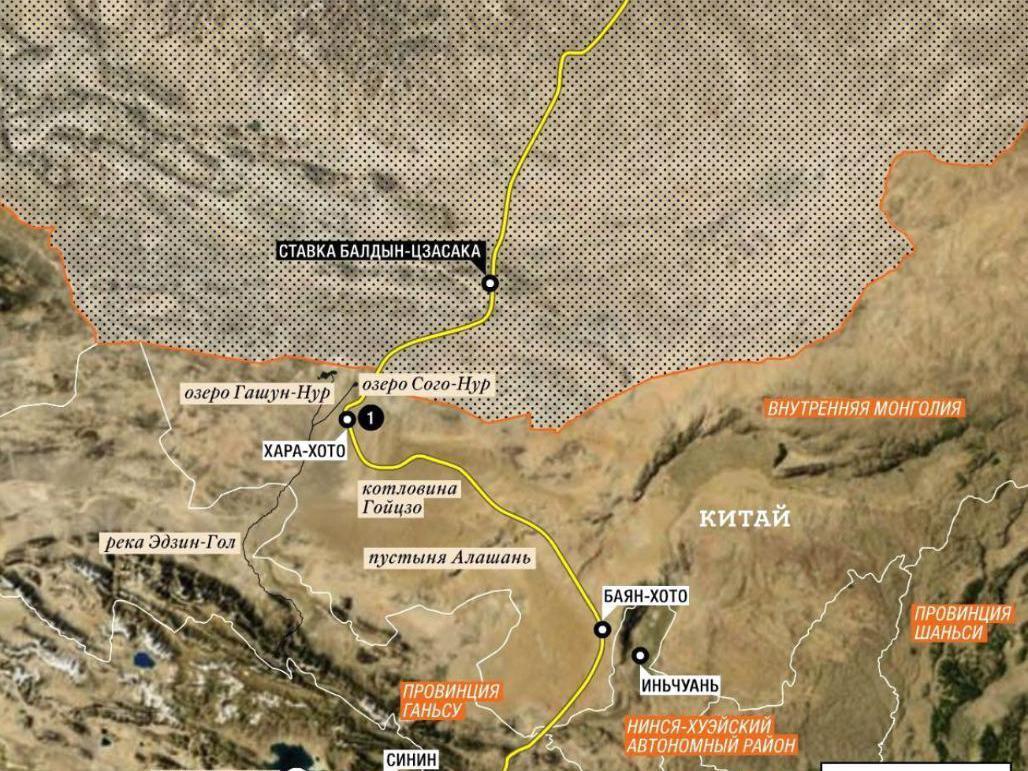
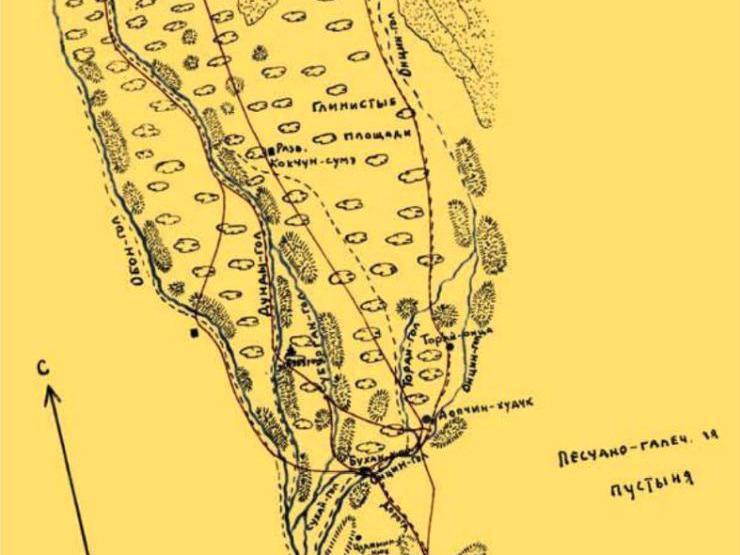
The Edzin Gol River, which flows into lakes in the middle of the Gobi Desert, creates an oasis where the Torgut Mongols lived. They knew about the abandoned city but kept it hidden from outsiders for centuries, believing treasures were hidden there. When geologist Vladimir Obruchev passed through these lands in 1893, guides led him hundreds of kilometers away just to avoid showing the way to the ruins. Later, in 1900, Kozlov«s companions, including Badmazhapov, again tried to extract information from the Torguts, but they only replied: «You Russians want to know more about our places than we do.» The secret of Khara-Khoto was kept until the chance discovery by the enterprising Cossack.
An Expedition That Changed Plans
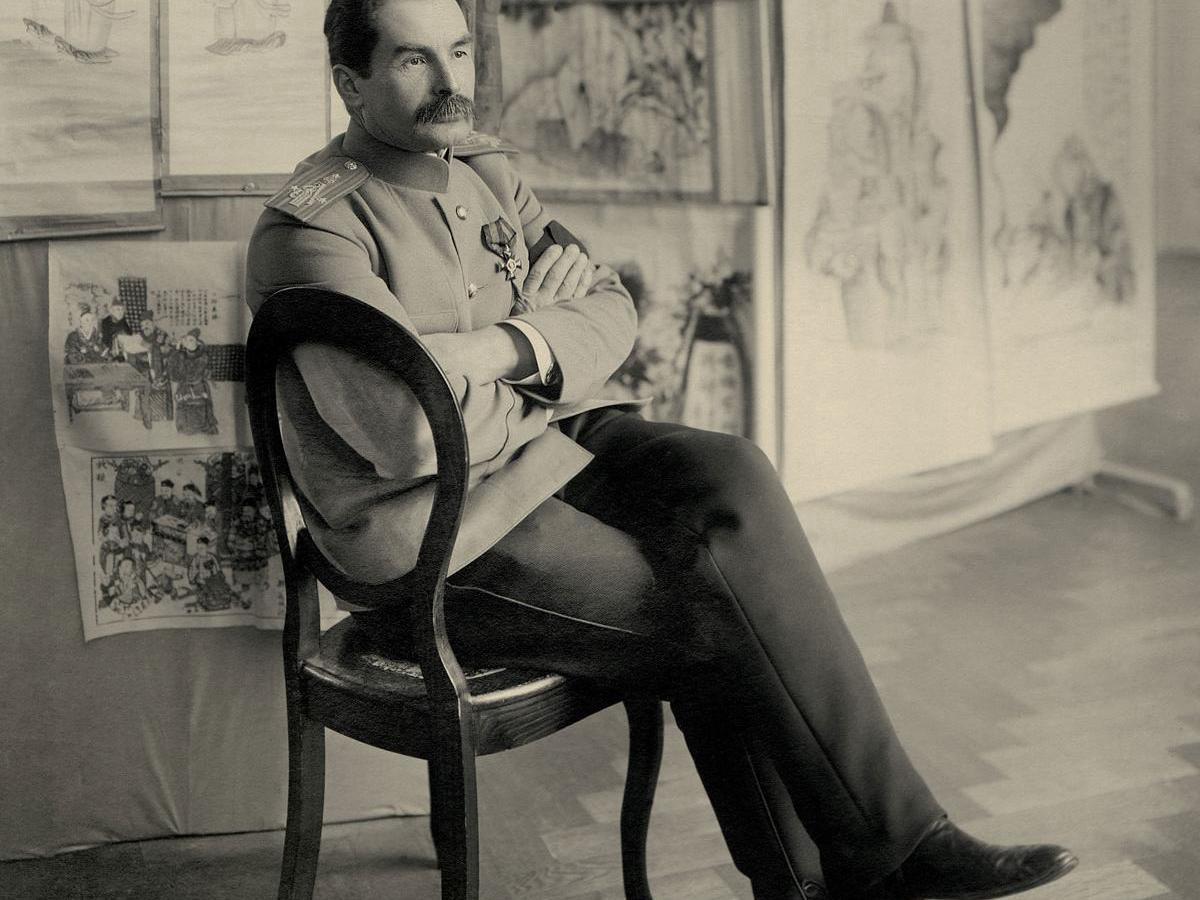
At that time, Pyotr Kozlov was planning a major journey to Sichuan Province with reconnaissance, diplomatic, and scientific goals. Upon learning of Khara-Khoto, he decided to make a detour and examine the ruins along the way. Kozlov, a student of Nikolai Przhevalsky, was not a professional archaeologist — he expected to find, at best, a few ancient artifacts. No one anticipated that this stop would lead to the discovery of an entire civilization.
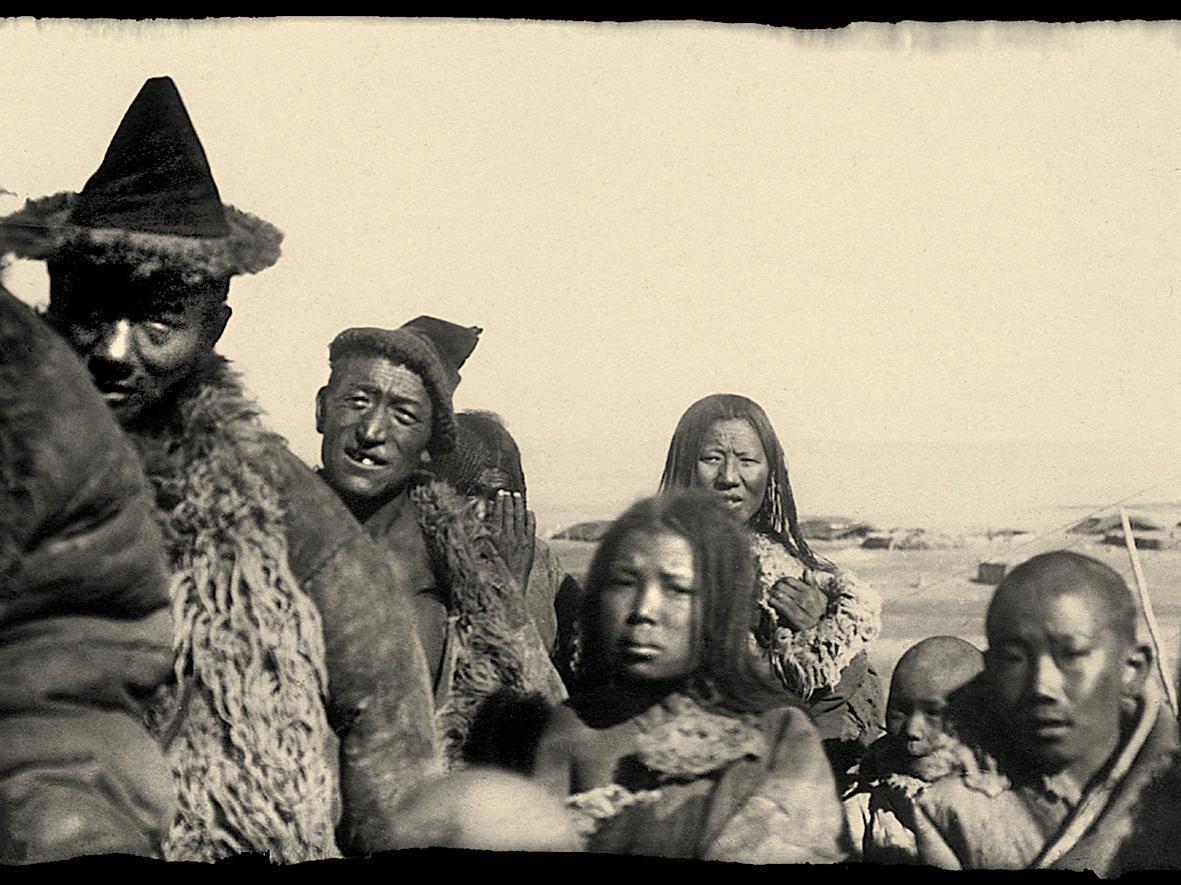
Kozlov was not unfamiliar with the Tanguts — the people who inhabited these lands in the Middle Ages. As early as 1884, while participating in Przhevalsky«s expedition, he received his first order for a skirmish with a band of Tangut brigands. In the early 20th century, the Tanguts appeared as nomadic Buddhists, often preying on caravans. Little was known about their great past, the state of Xi Xia, which existed from 982 to 1227. Only the finds at Khara-Khoto allowed the restoration of the history of a people who had their own script, printing two and a half centuries before Gutenberg, advanced agriculture, and laws.
Timeline of Key Events
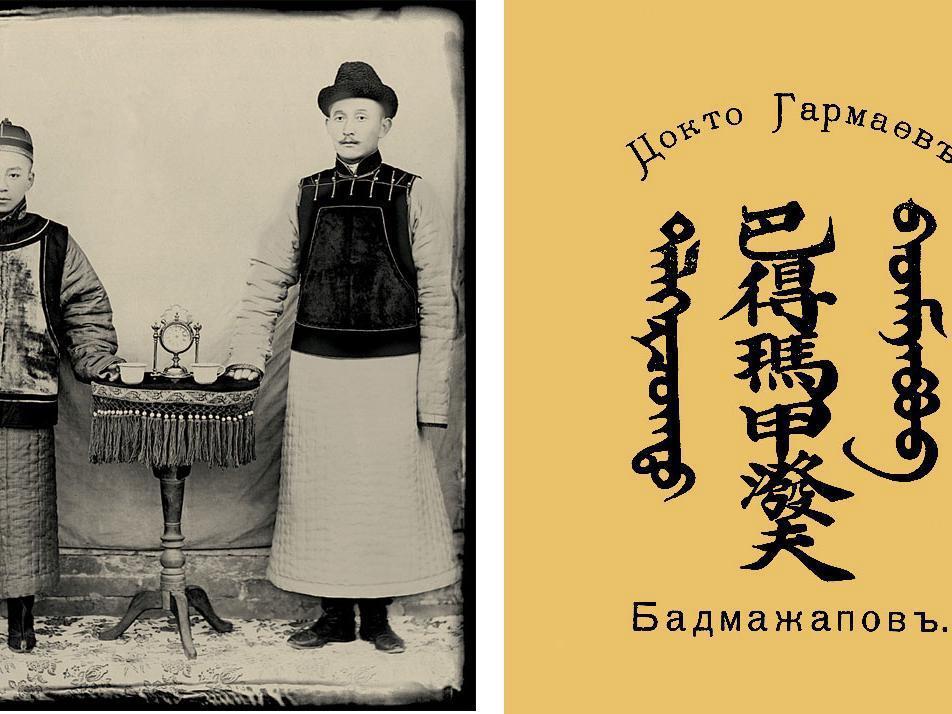
- April 1907: Tsokto Badmazhapov discovers the ruins of Khara-Khoto.
- 28 December 1907: Kozlov«s expedition departs from Kyakhta.
- 19 March 1908: The first detachment arrives at Khara-Khoto; excavations begin.
- 30 March 1908: The oldest paper money — Yuan dynasty banknotes — are discovered.
- April–June 1908: The expedition stays at Badmazhapov»s house in Bayan-Khoto, surveys the Alashan Range.
- 7 December 1908: At the Guidui oasis, Kozlov receives a letter from the Russian Geographical Society strongly recommending his return to Khara-Khoto for more detailed research.
- Night of 12–13 January 1909: Attack by Amdo Tanguts on the expedition camp; Kozlov and his men manage to fight them off.
- 22 February – 7 March 1909: Meeting and negotiations with the 13th Dalai Lama at Gumbum Monastery.
- 22 May 1909: Return to Khara-Khoto, beginning of full-scale excavations.
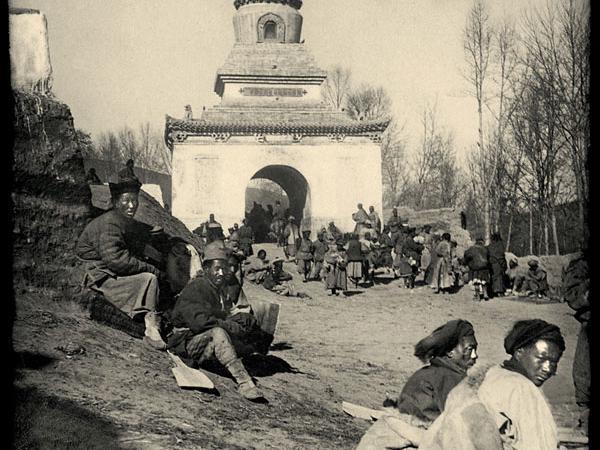
- 30 May – 7 June 1909: Excavation of the «famous» suburgan (Buddhist stupa), where sensational finds are made: a library of manuscripts, icons, sculptures, the city archive, and a Tangut-Chinese dictionary.
- Autumn 1909: The collection is safely delivered to St. Petersburg.
A People That Almost Vanished
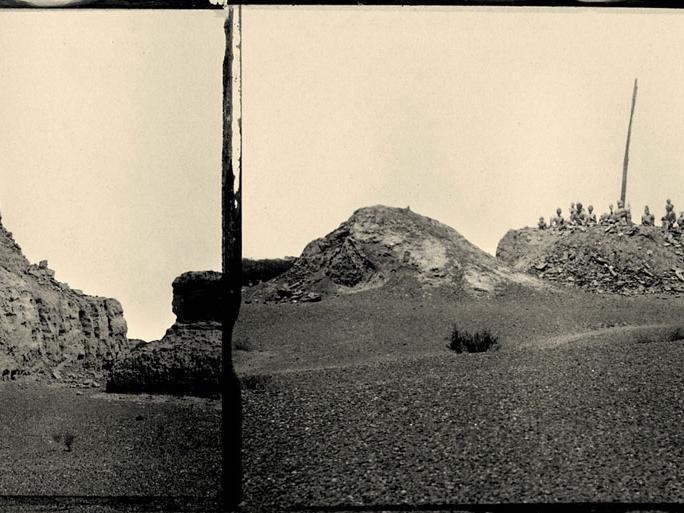
The Tangut state of Xi Xia, which the Chinese called Western Xia, was a powerful empire that even conquered part of China. The Tanguts, whose self-name was Mi, had a complex hieroglyphic script created for translating Buddhist texts. They built monasteries, developed crafts and agriculture, and their laws, as it later turned out, were meticulously detailed.
In 1227, Genghis Khan«s armies destroyed the capital of Xi Xia. The Mongol conquest led to gradual assimilation of the Tanguts: the nomads moved to Tibet and adopted the Tibetan language; the sedentary population in some areas converted to Islam. By the 16th century, the Tangut language was forgotten. Only the finds at Khara-Khoto — hundreds of manuscripts in an unknown language — allowed scholars to begin the work of decipherment. Today, the Tangut script is largely deciphered, and the culture of Xi Xia is studied as an important part of Central Asian history.
Treasures of the «Famous» Suburgan
The city of Khara-Khoto, called Edzina by the Tanguts («city of the Black River»), was a fortress measuring 450 by 380 meters with powerful walls. Inside and outside stood suburgans — Buddhist cult structures. It was in one of them, sealed in 1225 shortly before the Mongol invasion, that Kozlov found the main treasures: not only religious objects but also the city archive, dictionaries, and a code of laws. Thanks to these documents, Tangut law is now even better known than some medieval legal systems of East Asia.
Among the first finds were also the oldest paper money — Yuan dynasty banknotes. Their presence in the abandoned city puzzled Kozlov: where had the metal coins, clothing, and footwear gone? The answer lay in the history of Edzina«s destruction. After the fall of the Mongol Yuan dynasty in China (1368), their heirs tried to use Edzina as a springboard to regain power. The Chinese commander Feng Sheng besieged the city in 1372 and, according to legend, diverted the river, cutting off the water supply. The inhabitants, left without water, abandoned Edzina, taking their valuables but leaving behind the devalued paper money of the Yuan dynasty. Irony of fate: it was because of the siege and the disappearance of water in this arid climate that organic materials — paper scrolls and textiles — were preserved in the sands for centuries.
Dangers Along the Way and a Meeting with the Dalai Lama
The return journey to Khara-Khoto nearly ended tragically. In the Tangut principality of Lutza, the hospitable prince Lu-Khombu first treated Kozlov to tea and liquor, then at night organized an attack to seize the expedition«s modern rifles. Thanks to the vigilance of the sentries and the coordinated actions of the small detachment, they managed to repel the assault.
Afterwards, Kozlov held successful negotiations with the 13th Dalai Lama at Gumbum Monastery, receiving a personal invitation to Lhasa. This meeting strengthened the expedition«s scientific-diplomatic status.
Legacy and Fates
The collection brought back by Kozlov to St. Petersburg caused a sensation in the scientific world. It became the foundation for the study of Tangut civilization. Today, these artifacts are kept in Russian museums, and Khara-Khoto remains an important archaeological site attracting researchers.
The fate of Tsokto Badmazhapov was tragic. Although he received awards for his discovery, an officer«s rank, and was received by the Tsar, he was arrested on false charges in the 1930s. In 1937, Badmazhapov was executed, and his role in the discovery of Khara-Khoto was long suppressed. Only in recent decades has his contribution received due recognition.
The discovery of Khara-Khoto is a story not only of archaeological luck but also of human curiosity, persistence, and willingness to take risks. It reminds us how one chance find can overturn perceptions of entire eras, bringing back from oblivion a people that seemed to have vanished from the map of history forever.