Novosibirsk's Central Department Store closes on final day

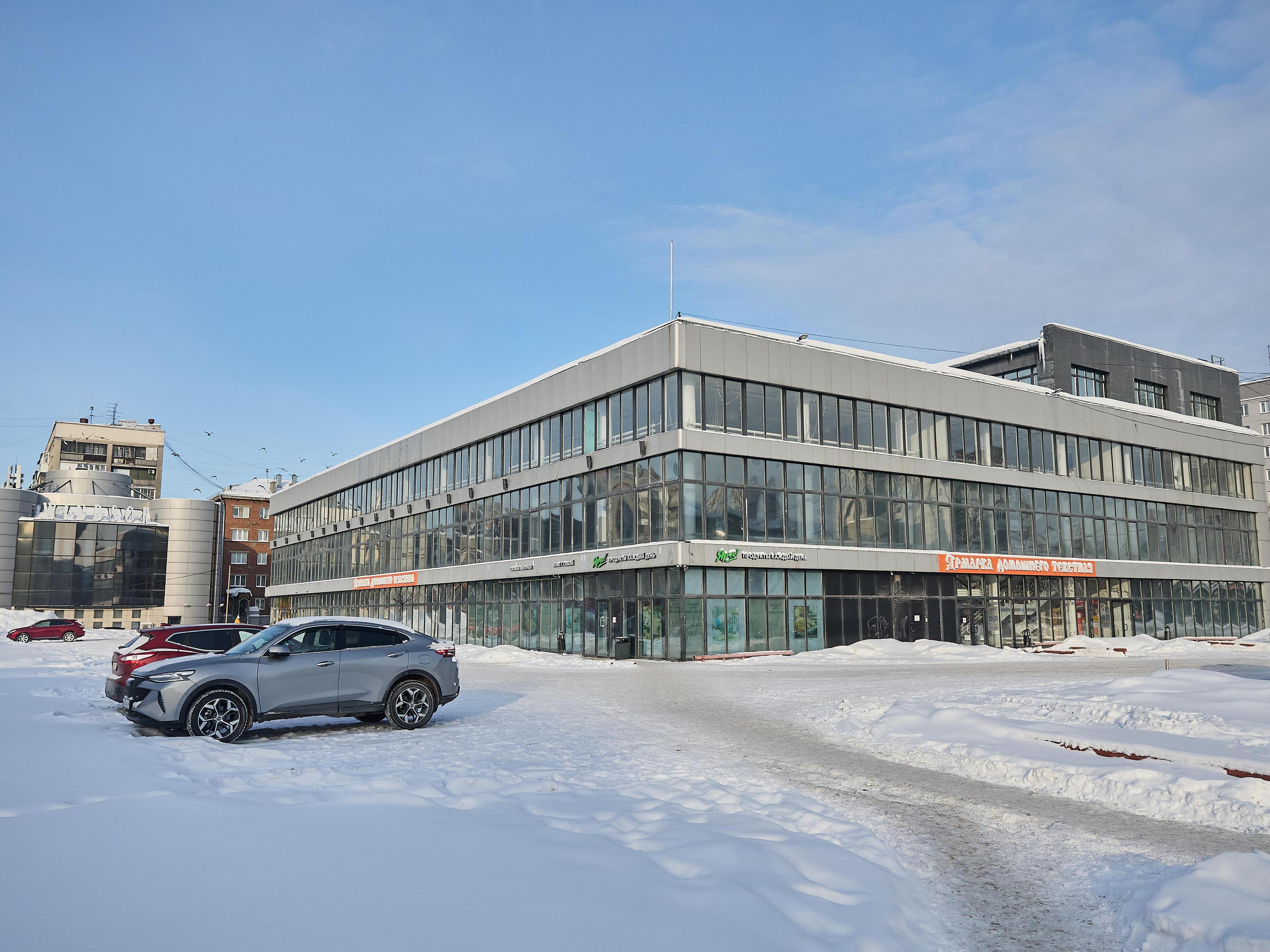
The Central Department Store (TsUM) in central Novosibirsk is operating its last day. It will be closed on February 1 and then demolished — in its place, two residential buildings and a business center with underground parking will be built. Employees of the once vibrant shopping center, where customers came not so much for purchases as for socializing, are clearly bewildered, and some refuse to talk about the impending demolition. Some shops have already found new premises, others are in limbo, and some sellers are even being laid off. NGS (Novosibirsk City News) visited TsUM in its final hours and spoke with those who have worked there for decades.
Empty counters and sales
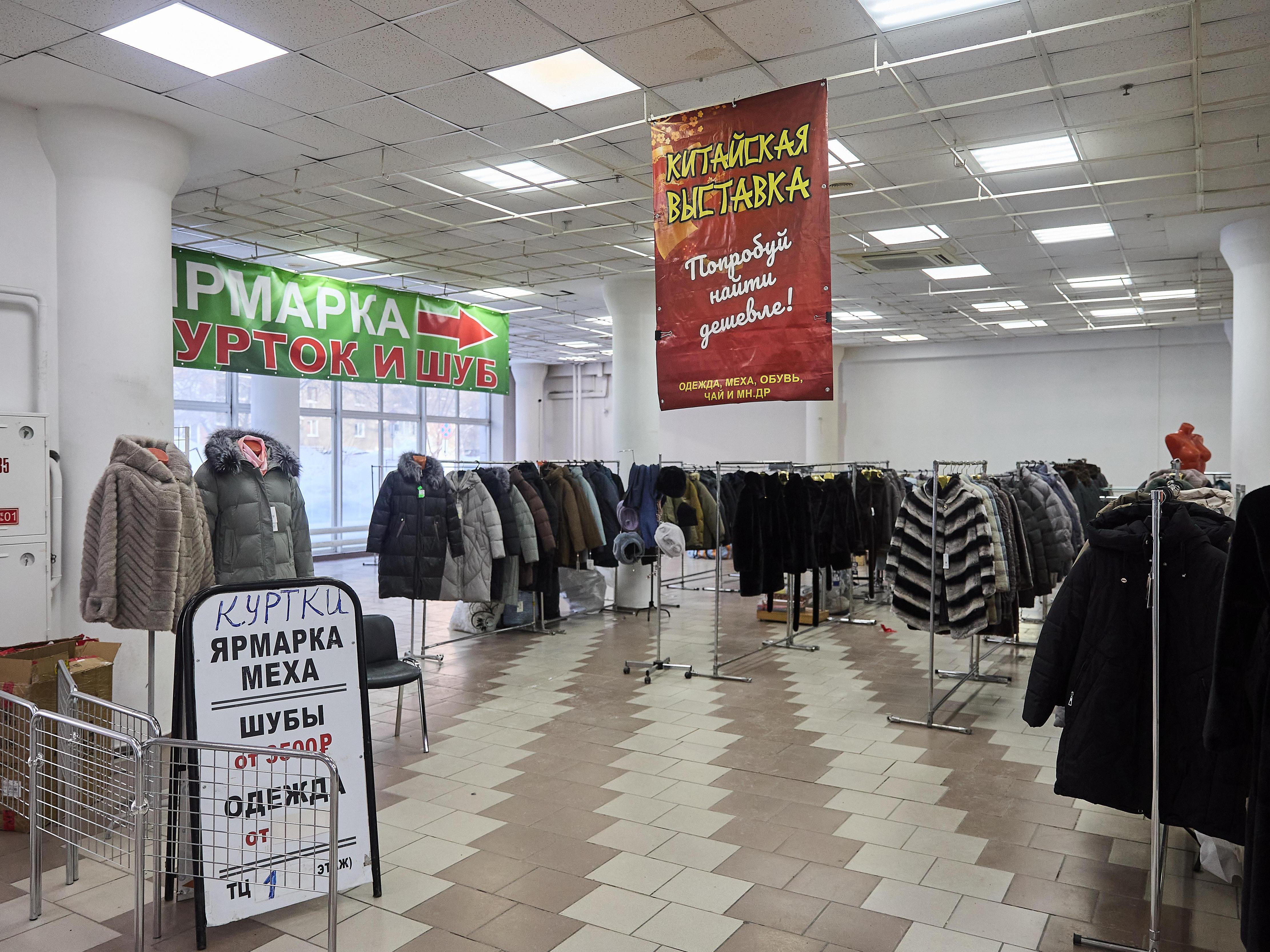
Over the past few days, shops in the already deserted TsUM have been closing down. Some have already moved their goods to new locations, others are selling off remaining stock at a discount, and even equipment like shelves and storefront glazing is up for sale.
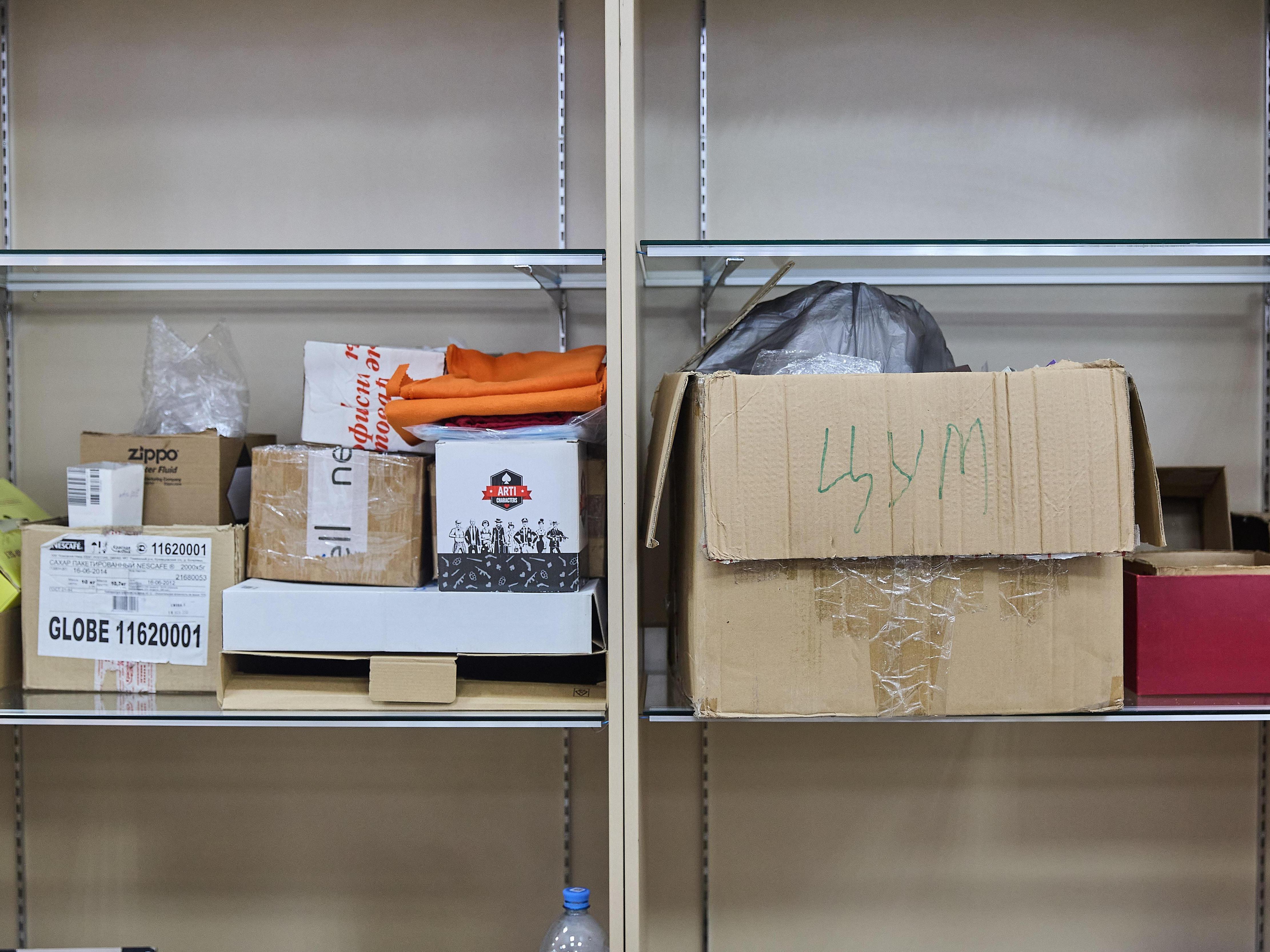
Sellers admit that rumors about the imminent closure of the shopping center have circulated for several years, so many did not believe it would actually shut down. Now, most of them are sadly packing up goods, reminiscing about having worked here for decades.
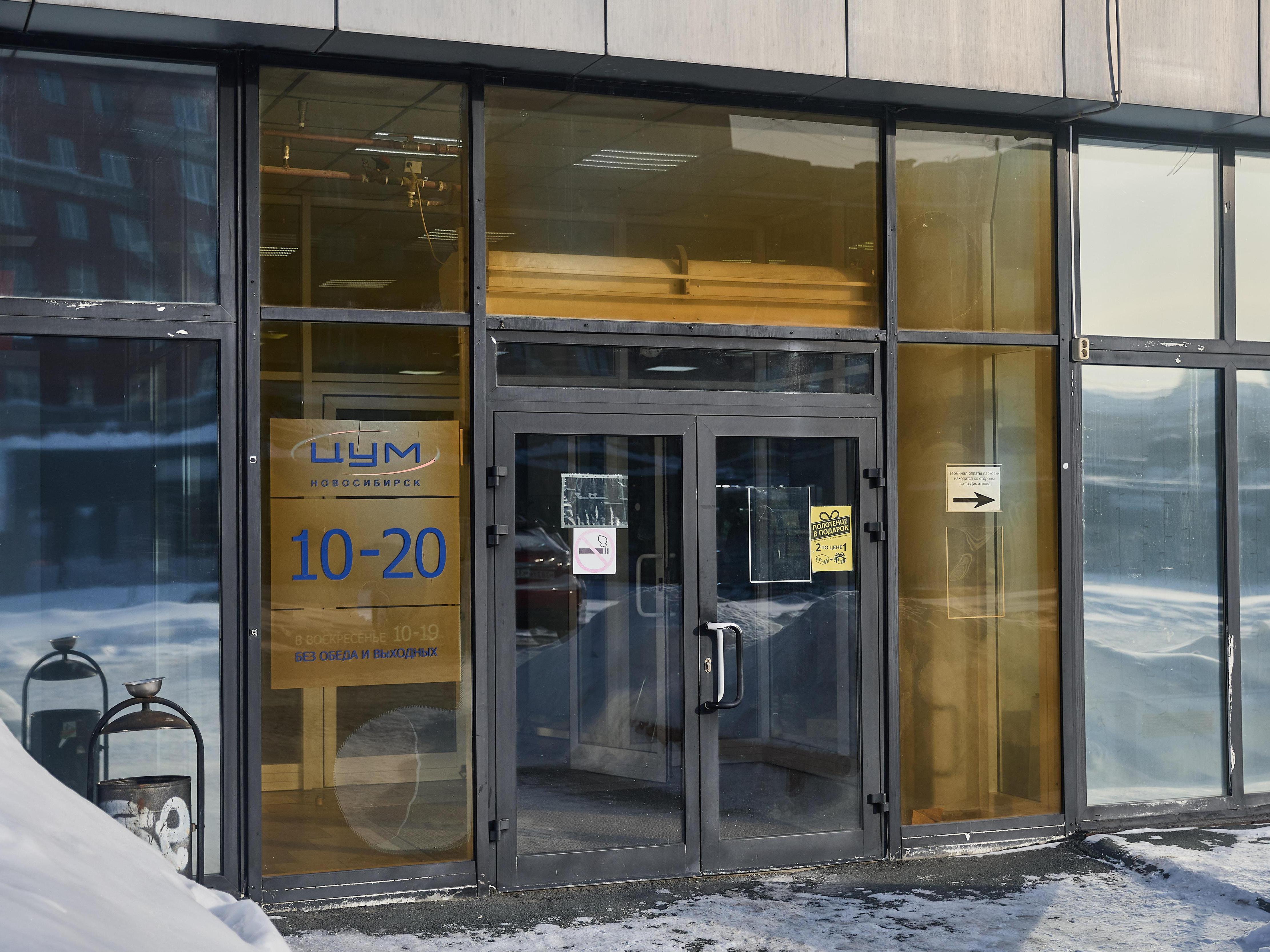
Overall, the atmosphere in the building is tense: sellers do not want to talk about the move, noting that it is a sore subject for them. It turned out that some stores have not found a new place and have decided to dismiss employees.
“Of course, it«s sad. Many will end up on the street. I don»t want to talk,” one of the sellers remarked while packing goods into boxes.
Natalia from a jewelry store started working at TsUM shortly after it opened. In those years, according to her, it was the best department store in the city: compact and conveniently located.
“There was so much merchandise here. The best china in the city, you couldn«t find it anywhere else. They sold chandeliers, there was a large sports department, clothing. You could buy everything. There was even a children»s room: parents would leave their kids there while they shopped,” Natalia recalled.
The shopping center declined after it was sold to a private individual, the woman believes. Stores became fewer, and customers were mostly regulars. TsUM was sustained by an anchor tenant — the supermarket Yarche: there are no other large grocery stores nearby.
“It«s a shame. We have such a friendly team. And anyway, TsUM is the face of the city, it must exist. Unfortunately, things turned out differently for us,” Natalia sighed.
The team, or rather the employees of the stores located in the building, indeed actively communicate with each other. In the final working days, sellers constantly move from counter to counter, discussing that journalists are not the first to visit them, sharing their concerns, and remembering what the building was like before the fire.
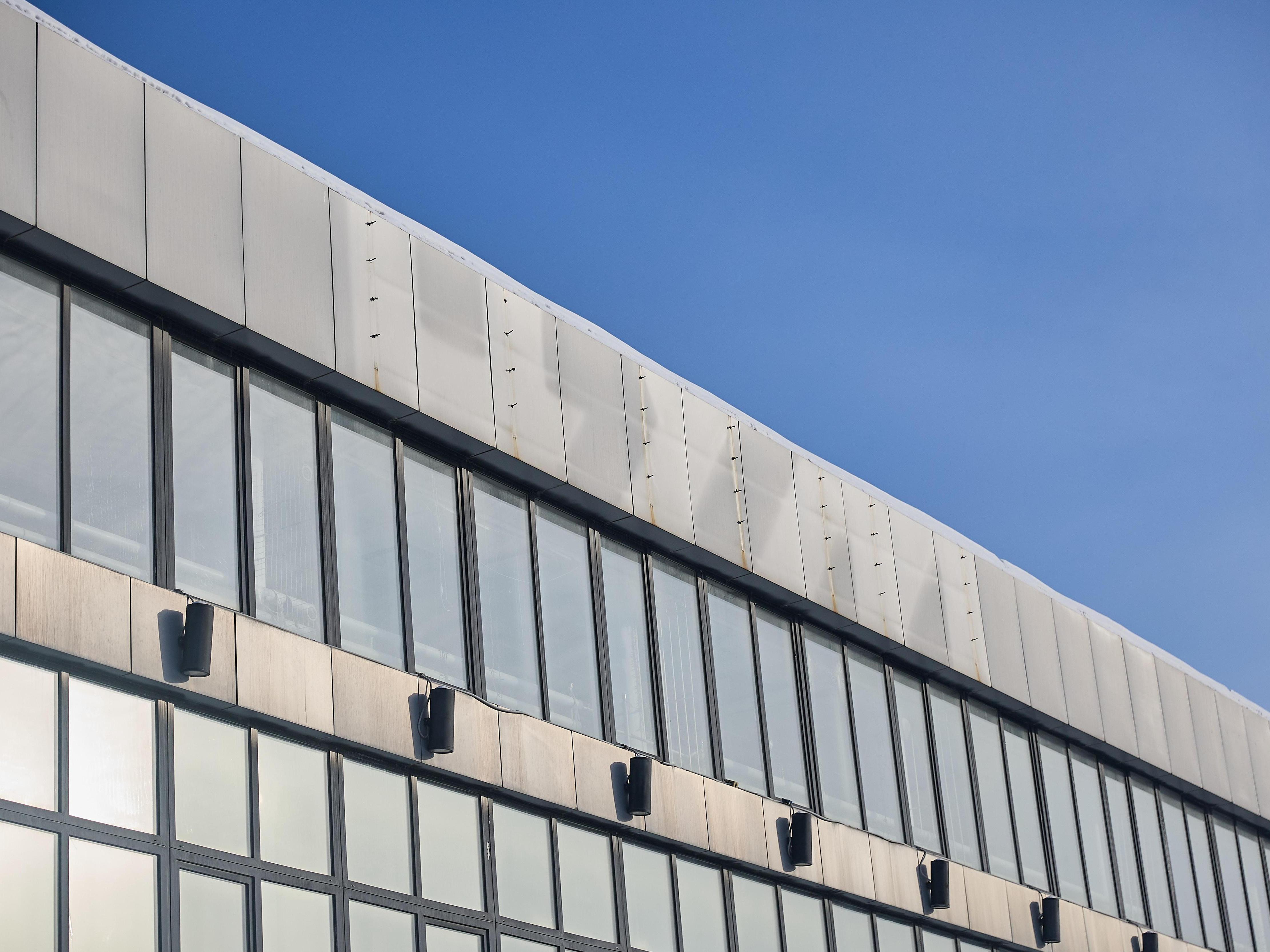
Igor Popovsky, an associate professor at the Department of Architecture at NSUACE (Novosibirsk State University of Architecture, Civil Engineering and Fine Arts), said that the building was originally constructed in the style of Soviet modernism. In the 1960s–1970s, the microdistrict was being built up around it, and TsUM«s structure is a typical solution for many stores of that era.
“Light, with glass. Later, the building was clad with metal plates, the style changed, becoming more in line with contemporary architecture at the time,” the architect described TsUM«s metamorphoses. “The object is very ordinary; similar buildings of analogous character exist in other cities. Today it is technologically outdated and in many ways inferior to modern shopping centers.”
Customers are also upset about the closure — mainly pensioners who are accustomed to coming here not so much for goods as for socializing with beloved sellers.
“There used to be a lot of people,” recalled Olga, who worked here for 12 years. “Now for the second day, they come with tears, women clutching their hearts. It«s a pity that everything will be destroyed.”
Employees also recall the passage to the upper floors closed about five years ago. The previous owner planned to renovate the building, started work, but abandoned it.
Tatiana from a jewelry store worked at TsUM for 20 years: first as a seller, then as a merchandiser. After working so many years in one place, it is difficult to say goodbye.
“It«s very hard. In recent years, there have been fewer people: the owners stopped advertising, removed the bright sign that glowed. Customers were sure we were closed, asking in surprise: ‘What, are you still working?’” she said.
According to one seller, TsUM was supposed to operate until March, but Yarche«s lease agreement expired. The building owner allegedly offered to extend it for several months, but it was unprofitable for the supermarket»s management. The agreement was not extended, and along with the anchor tenant, it was decided to evict the small stores as well.
Olga, who participated in the construction of TsUM during her student years, came to bid farewell to the building on its last day of operation. The woman said that at that time, students simultaneously studied at university and worked, and she, a student of Sibstrin (Siberian State University of Water Transport), was assigned to work on the department store«s construction site.
“I«m very sorry: I lived nearby for many years, we bought everything here, and now there are fewer and fewer stores,” Olga noted.
NGS sent an inquiry to the Rastsveyay group asking when the company plans to begin demolishing TsUM — under the terms of the comprehensive territory development (CTD), the building must be dismantled by 2028.
“We are working out the timing of the demolition, which will depend on a combination of technical and climatic factors. As for the Yarche store, within the framework of contractual obligations, tenants have the right to make independent decisions regarding their further activities,” the press service of Rastsveyay reported.
Plans for a giant project
Talk about the fate of the building on Dimitrov Avenue has been circulating for years. TsUM passed from one owner to another. Three years ago, the building and the land under it were purchased by the company Ellada, which is part of the Rastsveyay group.
According to the Kontur.Focus service, LLC Ellada was established in 2022; the company«s director is Gleb Polovnikov, and the founder is Vladislav Savelyev. At the end of 2024, the organization»s net profit amounted to 4.6 million rubles (approximately $51,000 at current rates).
Ellada is part of the Rastsveyay group of companies, which is, among other things, reconstructing the building of the Nauka publishing house into an apartment complex and constructing the Sakura residential complex on Ippodromskaya Street.
Initially, the territory could only be used for commercial buildings up to four stories high. But changes were made to the General Plan and Land Use Regulations, transferring the plot to a mixed public-business development zone that allows for buildings up to 30 stories.
The changes were not without scandal. Before the mayor«s office organizing committee during the days for submitting proposals for changes to the General Plan, a crowd gathered. To the surprise of the officials and activists themselves, those gathered spoke in support of the development, and forms with statements were filled out in advance and simply lay in front of the office entrance awaiting signatures.
Meanwhile, residents reacted negatively to the idea of building high-rises in place of the small building and tried to defend the territory. The developer offered bonuses to future neighbors in exchange for a «non-opposition» agreement: for example, repairs and improvement of the courtyard. Some houses agreed to this.
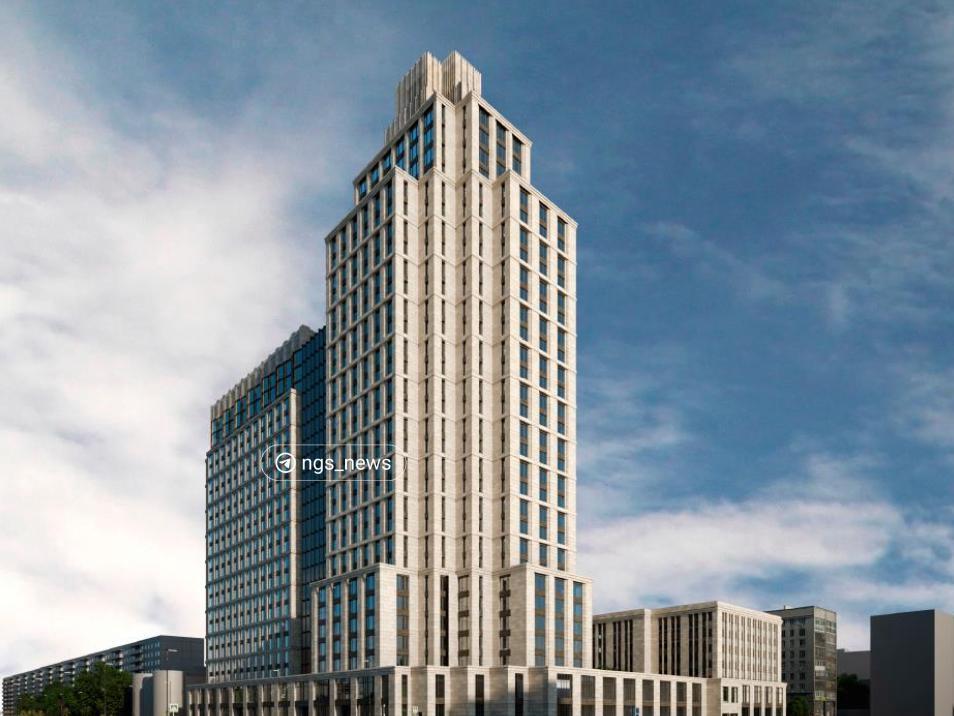
The mayor«s office has already concluded a comprehensive territory development agreement with Rastsveyay. On the site of TsUM by 2031, Ellada plans to build a 30-story building at the intersection of Vokzalnaya Magistral and Dimitrov Avenue. Nearby, along Dimitrov Avenue, a 24-story building may be erected. The two buildings will share a common courtyard.
Along the perimeter of the plot, a business center of varying heights will also rise: from two to eight stories — opposite the building at Vokzalnaya Magistral, 11, an 8-story part is planned. For the entire complex, a three-level underground parking lot with 750 spaces will be built: the -1st floor for visitors to the business center, the remaining for future residents.
Everything known about the development of the territory, NGS collects in one story.
Another plot in central Novosibirsk planned for development is the territory of the former infectious diseases hospital. It has already been transferred to a multi-story residential development zone and preliminarily intended to be developed under the MIP (municipal investment project) scheme. In that case, the land goes to the developer for free, and in return the company must provide part of the apartments to orphaned children.