Krasnoyarsk gravediggers talk about their work
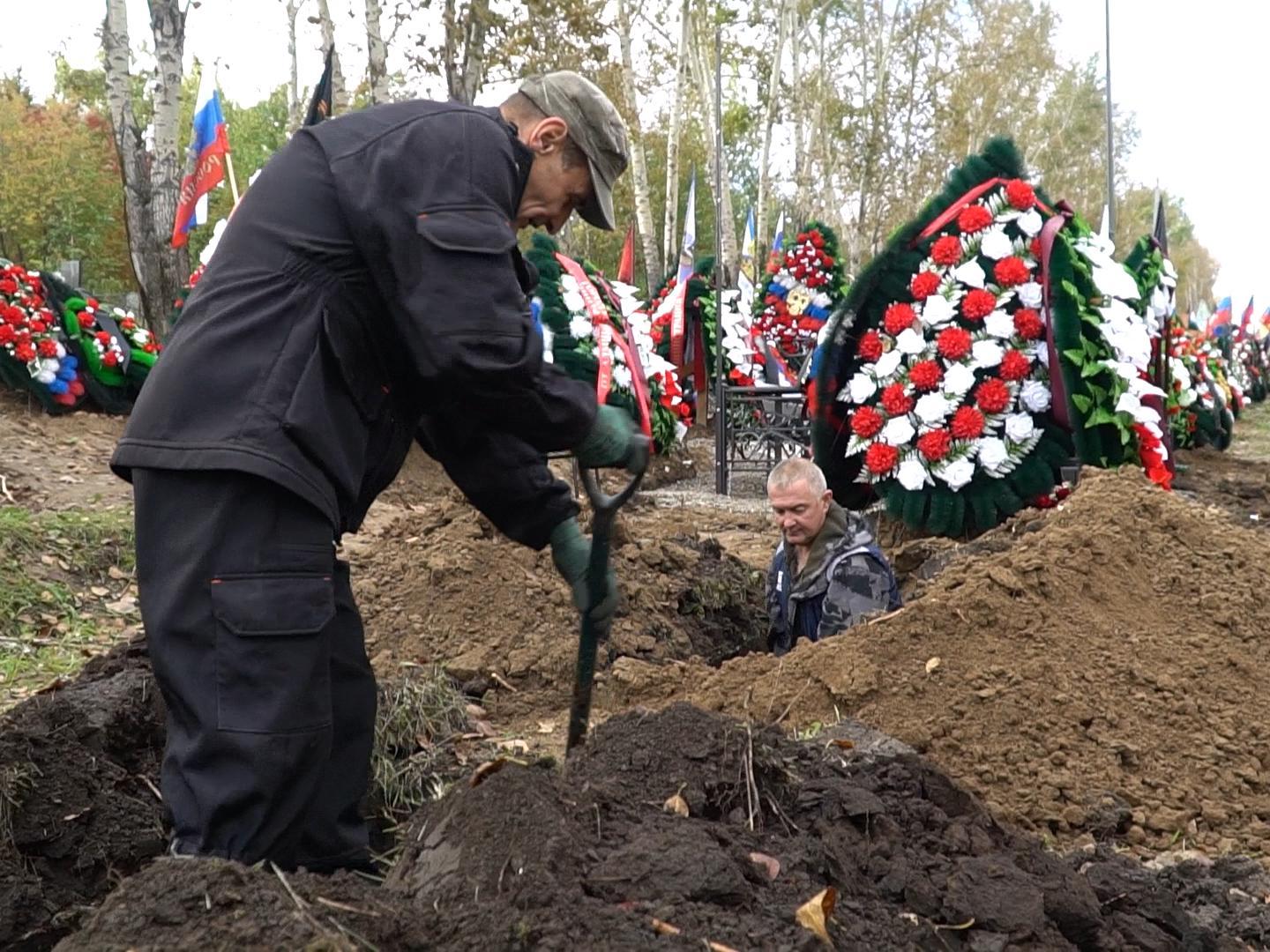

The shovel sinks into the earth with a dull sound. Damp soil crumbles, mixing with the smell of moisture and pine. For most, it’s a grim scene you want to turn away from. For Alexey and Alexander from Krasnoyarsk, though, it’s an ordinary workday. Gravedigger — a profession rarely spoken of aloud. It’s hard, dirty work, wrapped in dozens of superstitions. Where the path of the living ends, their work begins. NGS24.RU correspondent Maria Zarukina spoke with Krasnoyarsk gravediggers to learn how they enter the trade, how much they earn, and what they deal with every day.
«We do it so as not to shock people»
— Alexander, how did you get into this line of work?
— I went into this line of work because, well, I needed to earn money at the time. In 1999 I came to the cemetery, back when there was still a municipal enterprise. And that’s how I stayed on.
— Why did you choose this job?
— You know, no one dreams all their life of this profession. Back then I actually avoided it.
— You avoided it?
— Well, yes, I was embarrassed.
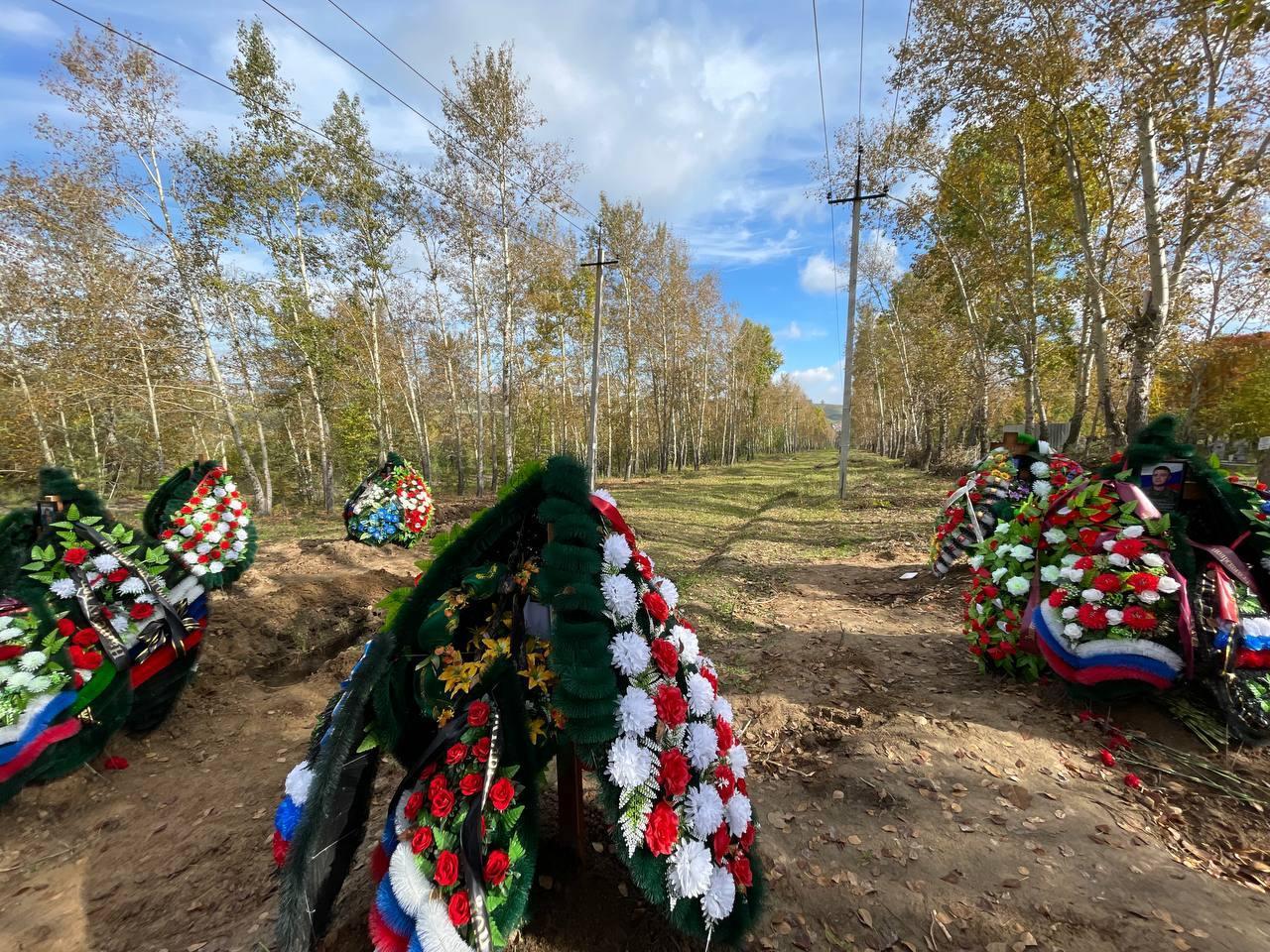
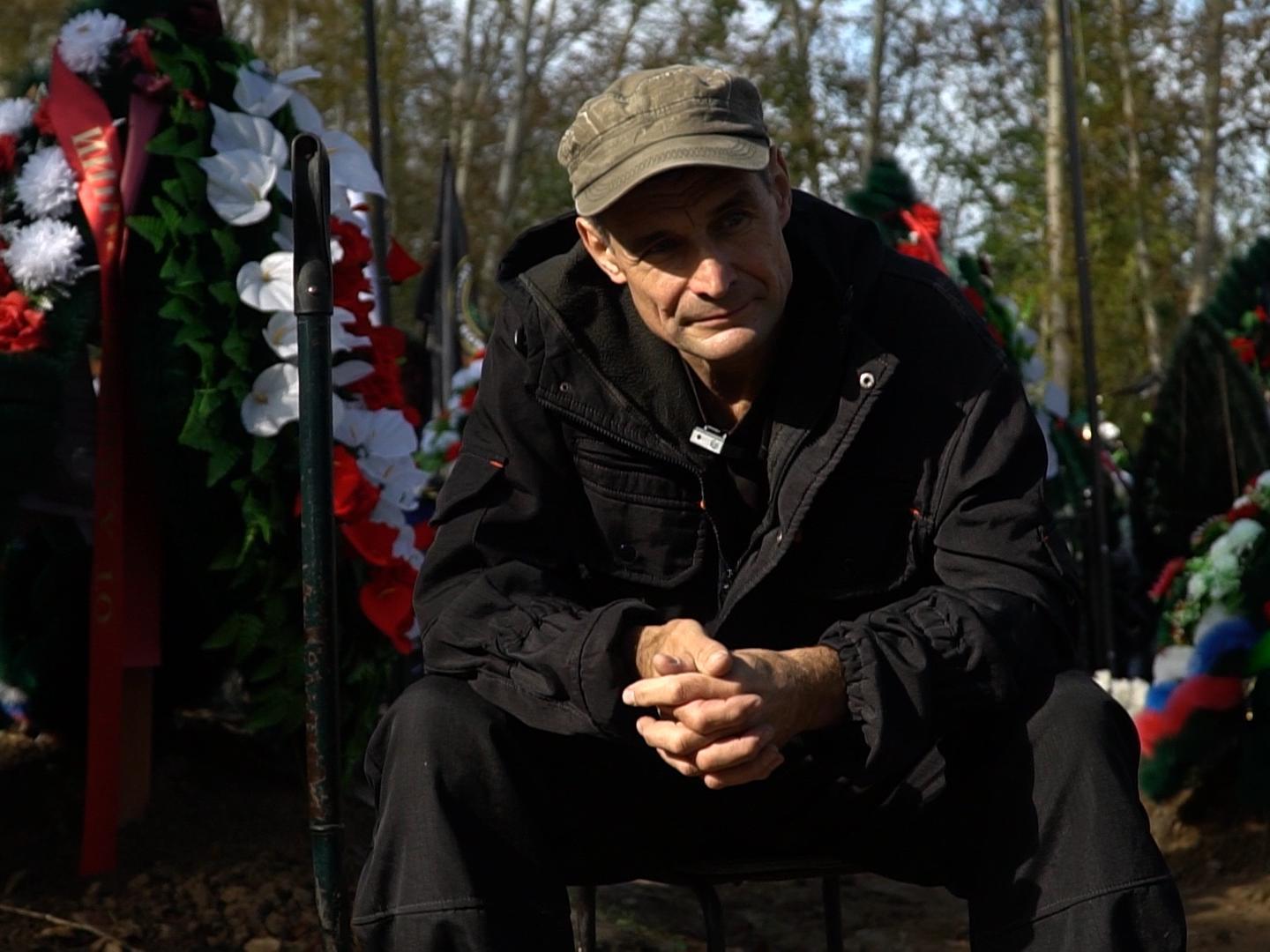
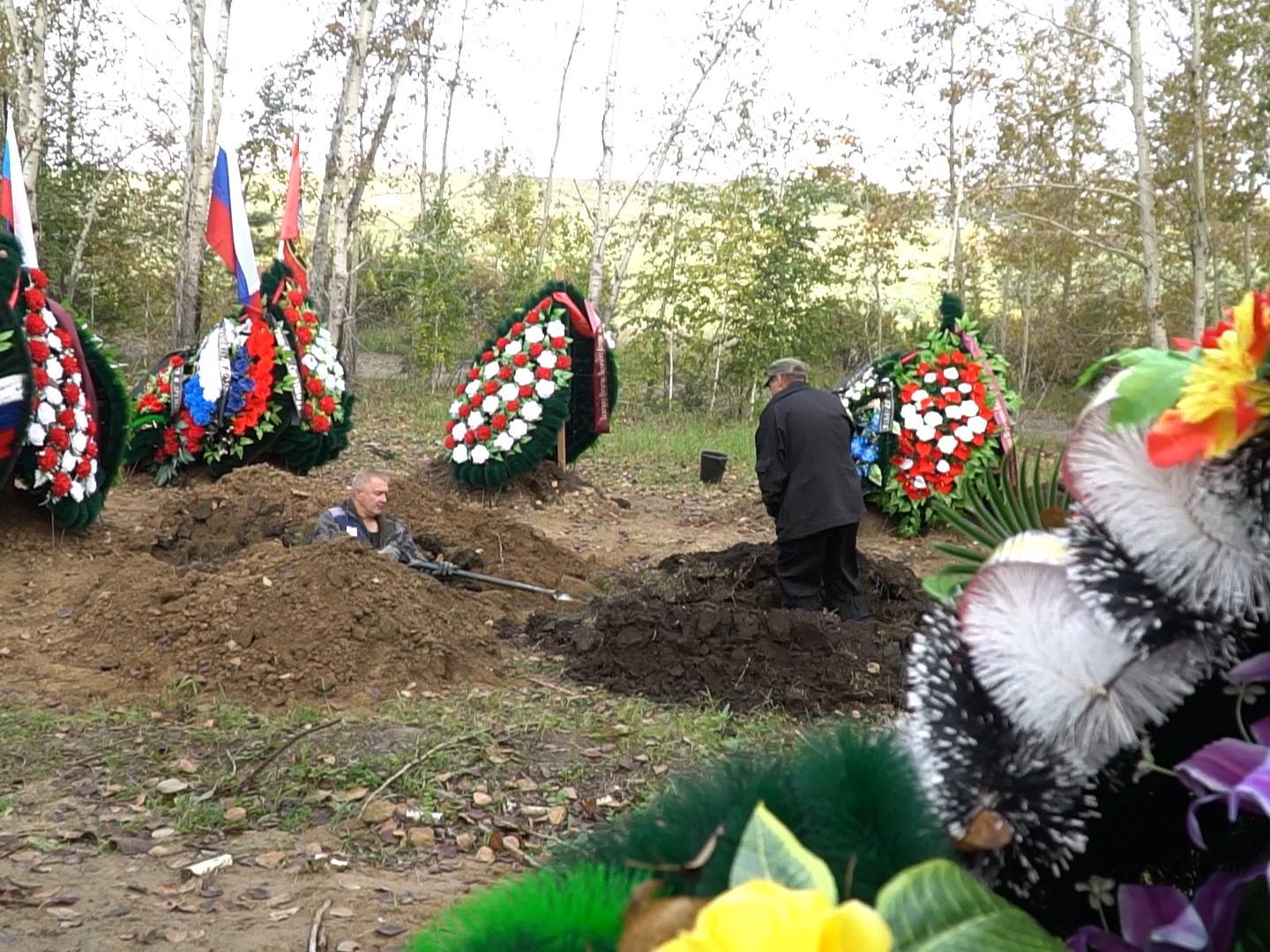
Alexander Simanovich is 57. He calls himself a gravedigger. We meet at Badalyk Cemetery in Krasnoyarsk, in its farthest back corners. The alley where Alexander has just dug another fresh grave has been set aside for participants in the special military operation.
The cemetery watchman says that in early 2022 the alley was laid out right at the entrance, but when it became clear there were too many burials, it was moved deep into the cemetery, farther away, «so it wouldn’t be so in-your-face», the guard says.
The section studded with Russian flags has no visible beginning — it’s hard to count the exact number of graves, but there is still space.
— Alexander, do you remember your first day on the job?
— I was just shy of 30 when I came into the profession. Not a kid — I’d seen a thing or two. And I’d dealt with funerals. I’m a driver by trade, and there were times I’d say hello to someone in the morning and by evening learn he was gone — crashed. Not once. Before this I worked ten years as a professional driver. We were working for acquaintances. I didn’t seek this out, maybe, but they asked me to come. I came. The schedule, the pay — it all suited me. I even agreed to less than before, and I stayed.
— Digging a grave is physically hard work, isn’t it?
— Yes, especially in winter. In winter the process is this: first we lay a pozhog — a coal bed for thawing — that’s coal piled up, covered, lit, and closed. Under the heat of the pozhog the ground loosens. After a day we start digging. But sometimes there’s no time to wait — then we urgently have to dig with a jackhammer for five to six hours.
— The pozhog is to soften the earth?
— Yes, so you can at least dig with a shovel. If the pozhog burns longer, the soil thaws deeper. If only a short while — about forty centimeters. Then you either have to break through or lay the pozhog again.
— How many people and how much time does it take to dig one grave?
— According to SanPiN — sanitary rules and norms — grave depth is roughly around 1.8 meters. Sometimes one person manages, sometimes two if we need to go faster. It all depends on the soil: sometimes it’s lighter, sometimes heavier; the difference is especially noticeable between winter and summer. Heavy rains can come, too. We’ve had to bail water out of a grave. You can’t predict nature. So, as far as possible, we do things so as not to shock people.
Said goodbye to the deceased woman
— How do people react when they learn what you do?
— Nowadays, generally fine. (He smiles shyly.)
— Does their attitude toward you change once they know?
— I don’t think so. Because in the end no one will escape this. (Laughs.)
— Or do they get curious and start asking questions?
— That’s unhealthy curiosity, I think. Why rush events? We’re all human, and sooner or later we face the loss of acquaintances or relatives. When it happens, a person begins to see and understand things for themselves.
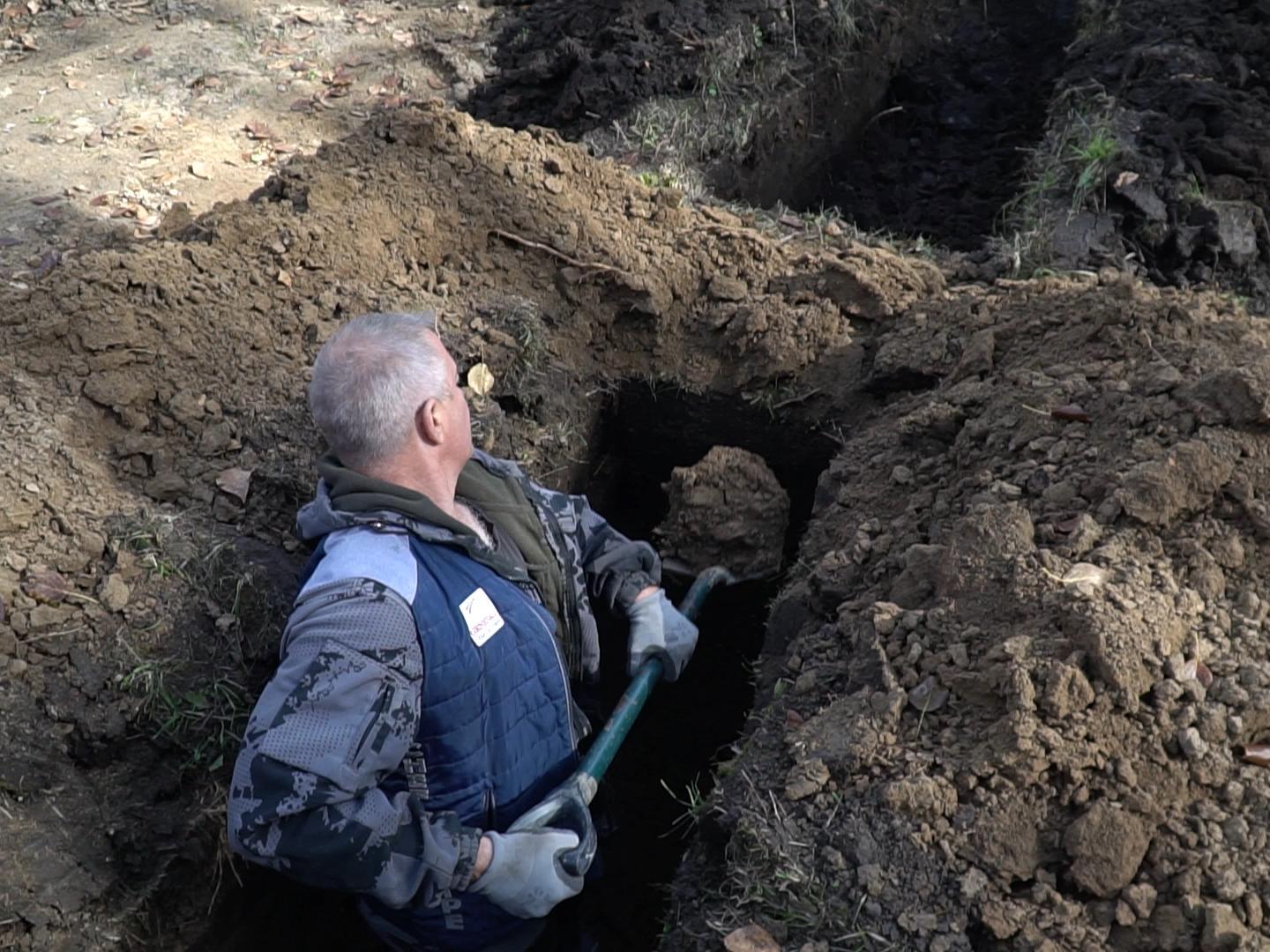
Alexander’s partner, Alexey Zhavnerchik, sees it very differently. He frankly admits the job leaves a noticeable mark — he constantly feels people’s fixed, sometimes wary, gazes.
— You feel it, you feel it… strongly. And people’s attitude does change. Once I went into an ordinary cafeteria just to eat, and I had a funeral emblem on my back. People immediately start stepping aside, even try not to stand next to me. When traffic police officers stop us, at the sight of a coffin and a funeral emblem they also gradually step away, wave us on.
Alexey has been digging graves since the early 2000s. Like many colleagues, he landed in the profession by chance. Without extra details — characteristic of men working in physically hard and emotionally taxing fields — he only hints that he once faced funerals of close relatives. And the procession he observed didn’t go the way he would have wanted.
— A chain of tragic accidents in my life brought me to the point where I settled on this profession and began helping people. The people who conducted that funeral back then may have treated the job too frivolously and extremely superficially. So now, working in this field, I want to share my experience so people understand how it should happen, and how it can happen. I’ve always wanted to improve the way people are treated in this sphere.
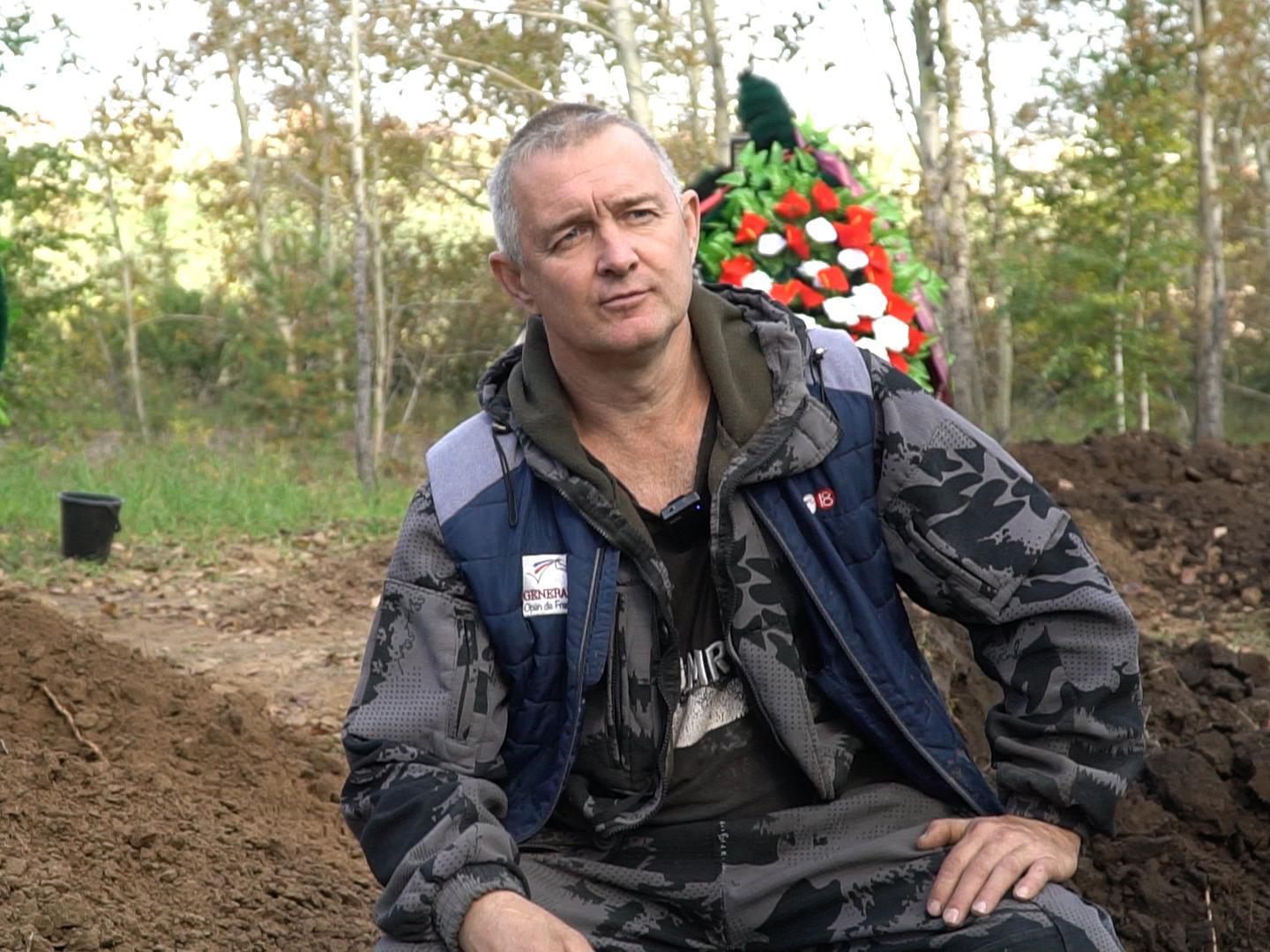
— Sasha, tell us how you yourself said goodbye to the deceased woman, — comes a voice from behind the owner of the ritual agency «Sibir» (Siberia Funeral Agency), where Alexey and Alexander work.
— Well, there were times when we wanted to show some respect to the deceased, — Alexander answers shyly.
— Would you share?
Most likely the woman was elderly. Perhaps through acquaintances — you know how it goes: lonely women leave a will for their funeral either to acquaintances or in some other instruction. Here there was likely a mercenary interest. At first they tried to bury her on a minimal budget, even for free. But when we explained they still had to buy a coffin and a cross, they did. They came to the funeral: drove up, asked which grave; we showed them; they said they were in a hurry, they had a taxi. They handed me a little bouquet of flowers. We just spread our hands — what can you do. Most likely the elderly woman left them some inheritance, and they rushed off to divide it. I understood everything. We did what we could: we stood there, offered condolences. We reminded ourselves that life can be like this. We set the cross, filled the grave, laid the flowers.
— Does that happen often?
— In my experience, that’s the only time it’s happened to me. What stands out most, of course, is when you bury children or the young — that’s very hard emotionally.
Funerals of a killer’s granddaughter and great-granddaughter
— How do you cope with the emotional side of your work?
— Probably thanks to experience: you understand and sympathize. I think men take it more calmly, because women may have a stronger fear of death, whether for genetic or other reasons. Even when children approach a funeral vehicle, mothers say: «Oh, don’t go near it». I don’t quite understand that. For me it’s just a job — I deal with this constantly. If you fixate on it, you could probably lose your mind. Of course there are worries, moments when you start to remember and wonder: why and how.
— What do you remember?
— Do you remember there was a murder here on Shchorsa Street (Krasnoyarsk) — a girl, five or six years old. A grandfather killed his granddaughter and great-granddaughter. It’s shocking — you can’t understand what happened to a person, to what level the madness rose. He probably had serious mental problems.
— Were you at those funerals?
— We buried them.
— And what was it like?
— Oppressive. There were many friends, young guys, acquaintances, it seems. It was all very hard. What’s more, it turned out that this elderly man killed not only the child. A week later we buried another person from that family — I think it was the girl’s mother. I don’t remember for sure anymore, but I remember that a week later we buried another person from the family.
The story Alexander recalls happened on 7 June 2024. A 75-year-old pensioner had nowhere to go after his partner asked him to move out. His granddaughter agreed to take him in; she lived in an apartment with her two-year-old daughter and husband. After some time, the pensioner decided to retrieve documents for a dacha plot and go there, but the relative didn’t approve. Then he began stabbing her in the abdomen. Her little great-granddaughter ran to the screams, and the old man slashed her neck. Later the child’s body would be found to have 14 stab wounds, and the mother’s — 16. After the killings, the pensioner smashed the plumbing in the flat, flooding it with hot water. That’s what the victim’s husband saw when he came home from work. The deceased woman’s grandfather had been in the apartment the whole time. The pensioner faced a life sentence, but after a psychological evaluation he was sent for compulsory treatment instead of prison.
— Do you have any professional code of conduct for speaking with relatives of the deceased?
— Yes, you should. First of all, speak to people with respect. Understand they have lost a loved one. They’re already under stress. Honestly, people are very stressed; they don’t understand what’s happening; sometimes they even fall into a stupor. So you need to calm them somehow. A lot also depends on a person’s denomination, which faith they practiced. He might have been Muslim, Christian, or non-believer. All the more so since when a person dies, a whole universe dies — each their own, with its own pulsars and black holes, — Alexander says thoughtfully.
— When tragedy strikes, people become like blind kittens, — adds Alexey. They misunderstand many things, don’t quite hear — these are normal reactions. We have to repeat something or prompt somewhere. I think we must be in full contact with the relatives of the deceased.
— Is it ethical to try to calm people at that moment?
— You know, the service is called «ritual» for a reason. It’s a specific ritual that must be observed for a specific denomination. Muslims have one, Christians another; even among Christians there are differences, as between Catholics and Orthodox. You have to take all that into account, — Simanovich explains.
«They forgot me!»
— Does anything help you cope with stress?
Honestly, humor. Our own, special kind — you could call it black humor. But it’s not offensive and doesn’t mock anyone. It’s just humor that’s natural to us and helps us live. There are so many different situations, including mishaps when digging graves. The work really is hard. But despite it all, we can’t leave this profession — someone has to do it, despite all the difficulties and hardships, — says Zhavnerchik.
The men didn’t go into detail about mishaps on the job, but NGS24.RU spoke with an employee of another funeral service. He’s also around 50 and asked to remain anonymous.
— Once our crew mixed up the address — we arrived at the neighboring house. I think it was on a Friday. We lifted an empty coffin — back then bodies weren’t yet taken to morgues. The guys are cheerfully carrying the coffin and ring the bell. The door opens — and the person inside is celebrating a birthday! Can you imagine? I don’t know how their faces didn’t get smashed in — they say they got away with lots of apologies. There’s a superstition in the funeral trade: if you get the address wrong, it means a long life.
There was another case, he continues, when a coffin-bearer was forgotten in the bathroom. The removal crew was taking a body, and one of the guys asked to use the restroom. While the crew was carrying out the coffin, they forgot him: they locked the apartment, and all the relatives left. And he’s already shouting from the window: «They forgot me!».
But let’s get back to our protagonists.
— Are people who work so close to death superstitious?
— Personally, I have one superstition — not to wear white socks. Put on white socks — and the work starts coming in waves. Just floods in. That’s me, — answers Alexey Zhavnerchik.
— I don’t know; you probably need to treat the process itself with respect. Writers describe Death as an old woman with a scythe. And a science-fiction writer once said that she used to be a beautiful girl who welcomed the dead with flowers. But then either fears or dread of the inevitable did their work — and people, with their fears, turned her from a beauty into an old crone with a scythe, — shares Alexander Simanovich.
— And you believe death is…
— Well, it’s something inevitable, and dwelling on what she’s like — that’s already…
— In your view, who is this profession definitely not for?
— The hardest part of the job is probably not the physical labor — though that matters, too — but the psychological factor of life and death. Either you have that way of seeing things, or you don’t. A lot of guys have passed through our ranks. It happened that after one funeral — they didn’t even finish it out — they left. They just can’t look at the dead, or at the grieving either, — Zhavnerchik reflects.
— And you have to know how to work, — adds Simanovich. — From the outside it seems easy until you pick up a shovel and try. In any job, even a loader’s, there are nuances: you need to assess the soil, understand where it’s best to start, how to start. And yes, you probably need a person with a healthy psyche and a normal attitude toward people — the living, and the deceased as well.
How much can you earn in such a job?
— Enough, — Alexander replies.
How much do you earn?
— I’ll say it again — enough. To live.
— Is that more than 100 thousand or less?
— More.
— For me this job is helping people, — adds Alexey. First and foremost, probably, it’s helping people. Not the money side. The money, of course, also matters. We’re not pulling stars from the sky or raking in gold, but we make enough for bread — maybe even with butter.
— Alexander, has your attitude to the work changed over time?
— No, it doesn’t change. Everything stays the same. The same understanding that people are grieving, and you have to help somehow. You probably have to take a philosophical view of all this. It’s all very simple. These days everyone chooses: a burial or cremation. I don’t know what the Orthodox Church thinks of cremation, because it’s a throwback to our pagan past. In Rus’ they used to burn, and with the arrival of Christianity they began to bury.
— Do you feel competition from the crematorium under construction?
— No.
— Why?
— Well, what kind of competition is that? Me and the crematorium…
— What, will fewer people be buried?
— That’s people’s choice. Some want this, others that. So crematorium — fine, crematorium; burial — fine, burial. It’s not competition; it’s people’s choice.
— How do you spend your free time?
— In summer I like rafting on the Mana River (Krasnoyarsk Krai). Alone. I like being in nature.
— Do you prefer solitude?
— Well, seclusion. In nature, with several elements: fire, water. You never tire of watching three things: a fire burning, water running, and a comrade at work.