Homeless in Moscow: Stories of a Poet, Engineer, Pensioner, and Migrant
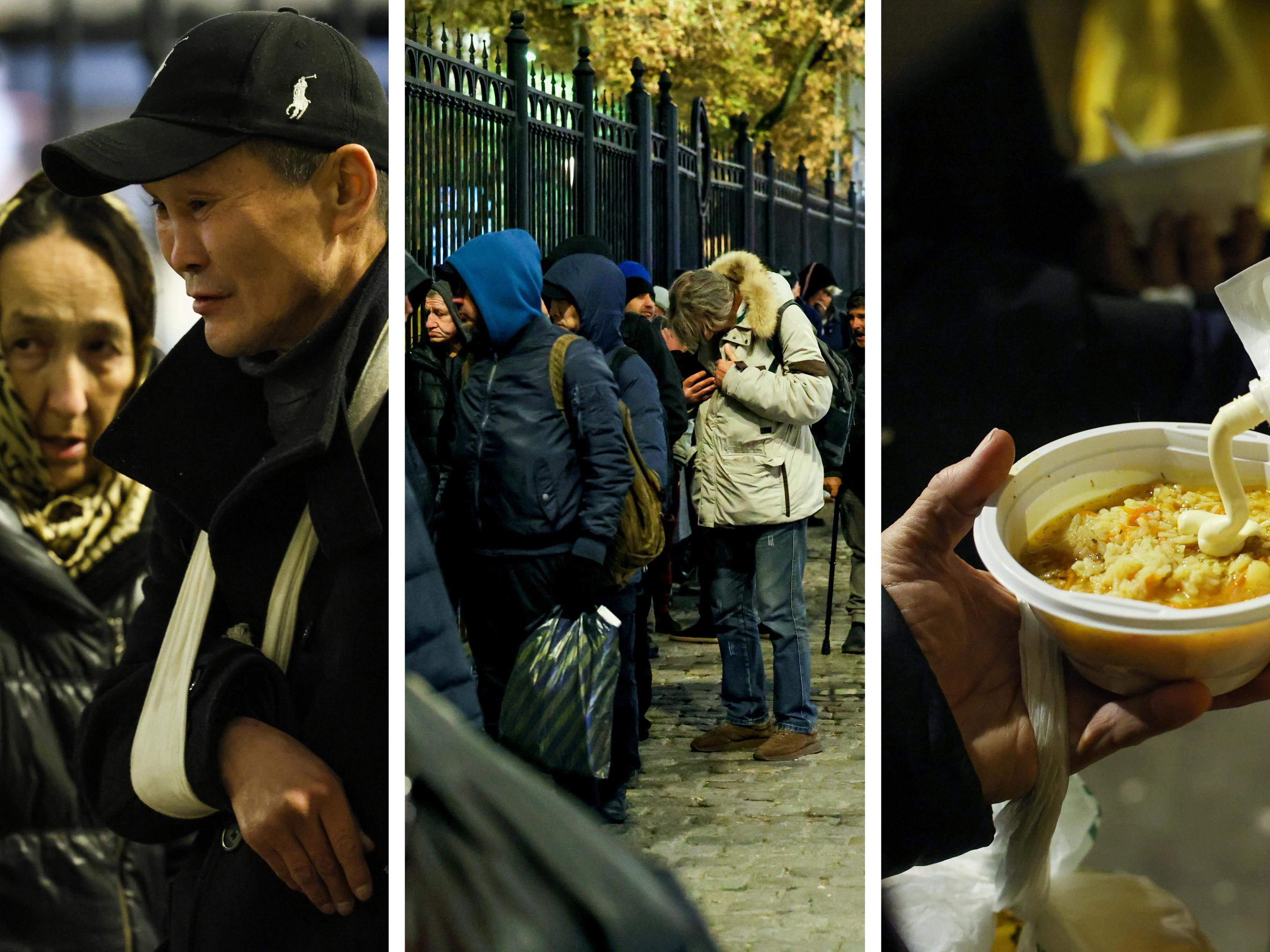

A chilly October evening. The bell tower of the Church of Florus and Laurus near Paveletsky Station stretches into the dark, starless sky. A small crowd gathers at the wrought-iron gates of the church, and upon seeing them, passersby press against the opposite side of the sidewalk. In the dim light of street lamps, it’s hard to make out faces, but the clothing, like the heavy smell surrounding the gathered people, leaves no room for error: these are homeless people.
Every Monday and Thursday at eight in the evening, they gather here to receive a hot dinner. Today, besides food, warm clothing will also be distributed. We move closer. Our task is to find out why they are here, what they fled from, what mistakes they made? How did they end up on the street?

‘You can talk with this man. He’s a poet,’ advises Maria, the volunteer coordinator of the organization ‘Nebomzhyvy.’
I approach a gray-haired man in a light jacket with fur on the hood. Under the jacket, the neat collar of a jumper is visible.
‘Yes, a poet. Kirill,’ introduces my interlocutor. ‘How can I be of service?’
While I’m choosing my words, the man talks about some football match, a new phone, and an upcoming book release. For a moment, I completely forget that I’m facing a homeless person.
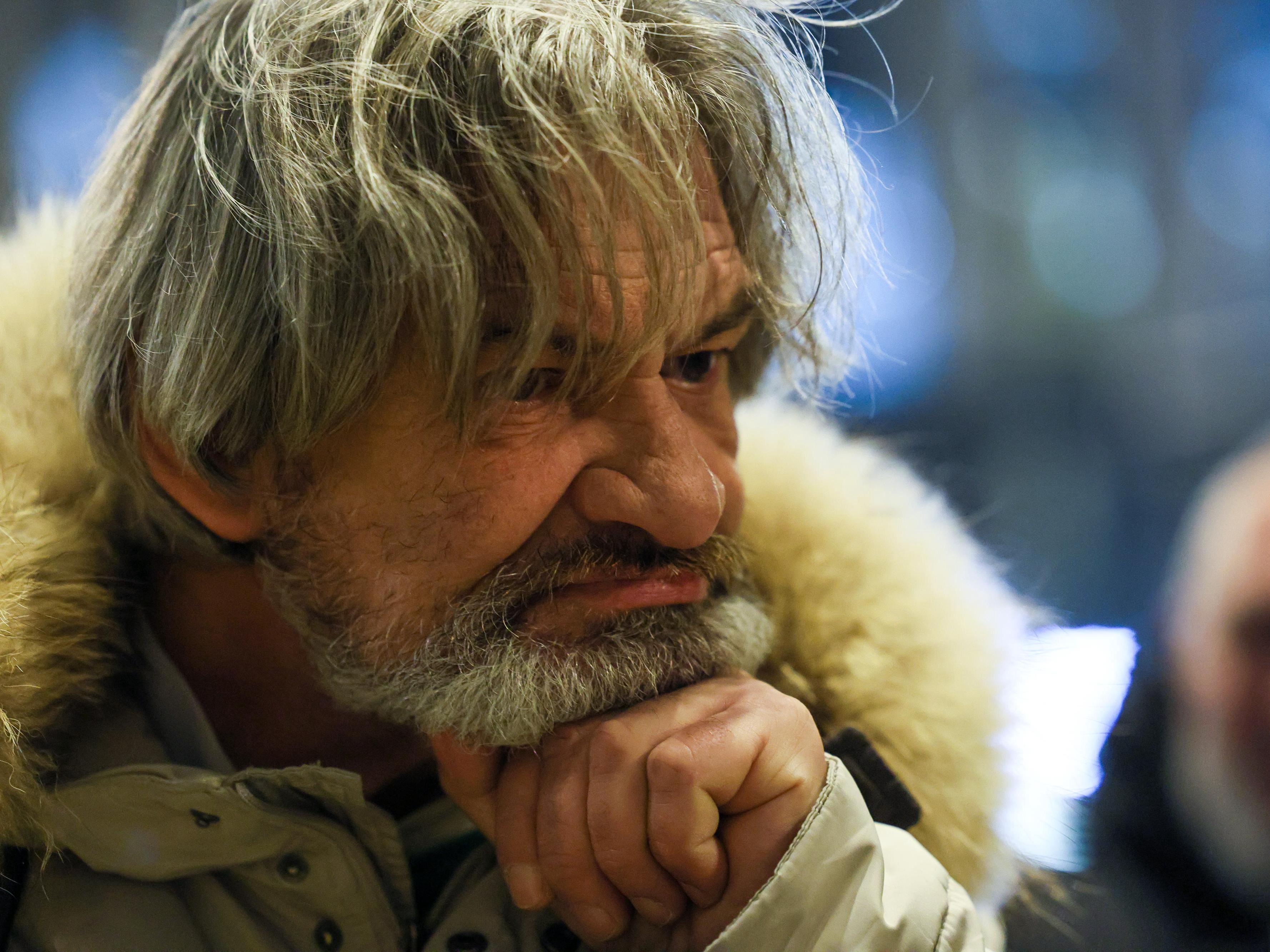
Kirill Fridlyand ended up on the street after selling his apartment in Yegoryevsk, but there wasn’t enough money for one in Moscow. He has no relatives in the capital who could take him in, and he has nowhere to live. Although, according to coordinator Maria, the poet has his own small house somewhere near Kaluga or Kolomna (I didn’t remember), he stubbornly refuses to leave Moscow. Here, he has fans, and it seems the city itself provides themes for his poems. He readily recited several of them to me. One of the first was a slightly mischievous but lyrical poem about a bench on Tverskoy Boulevard.
Meanwhile, the chaotic group of homeless people formed a queue along the church fence. Some are chatting, sharing news, someone even turned on music.
Not all those gathered are as friendly as the city poet: a couple of people just shied away when I spoke to them, others smirk and joke that ‘they don’t work for free.’
I approach a man of Eastern appearance. He has a very lost look. I ask:
— What’s your name?
— Human.
— Very nice, glad we have something in common. How did you end up here, do you have a place to live?
— Well, I came for a work shift. I’m from Kyrgyzstan myself. I gave my documents for checking, they said they would check them in the database. They’re still checking. It’s been a month already.
There are several more migrants in the queue, one of them clearly drunk. The stories are similar—lack of necessary documents, difficulties in finding work. They say it has become much harder in Moscow in recent years.
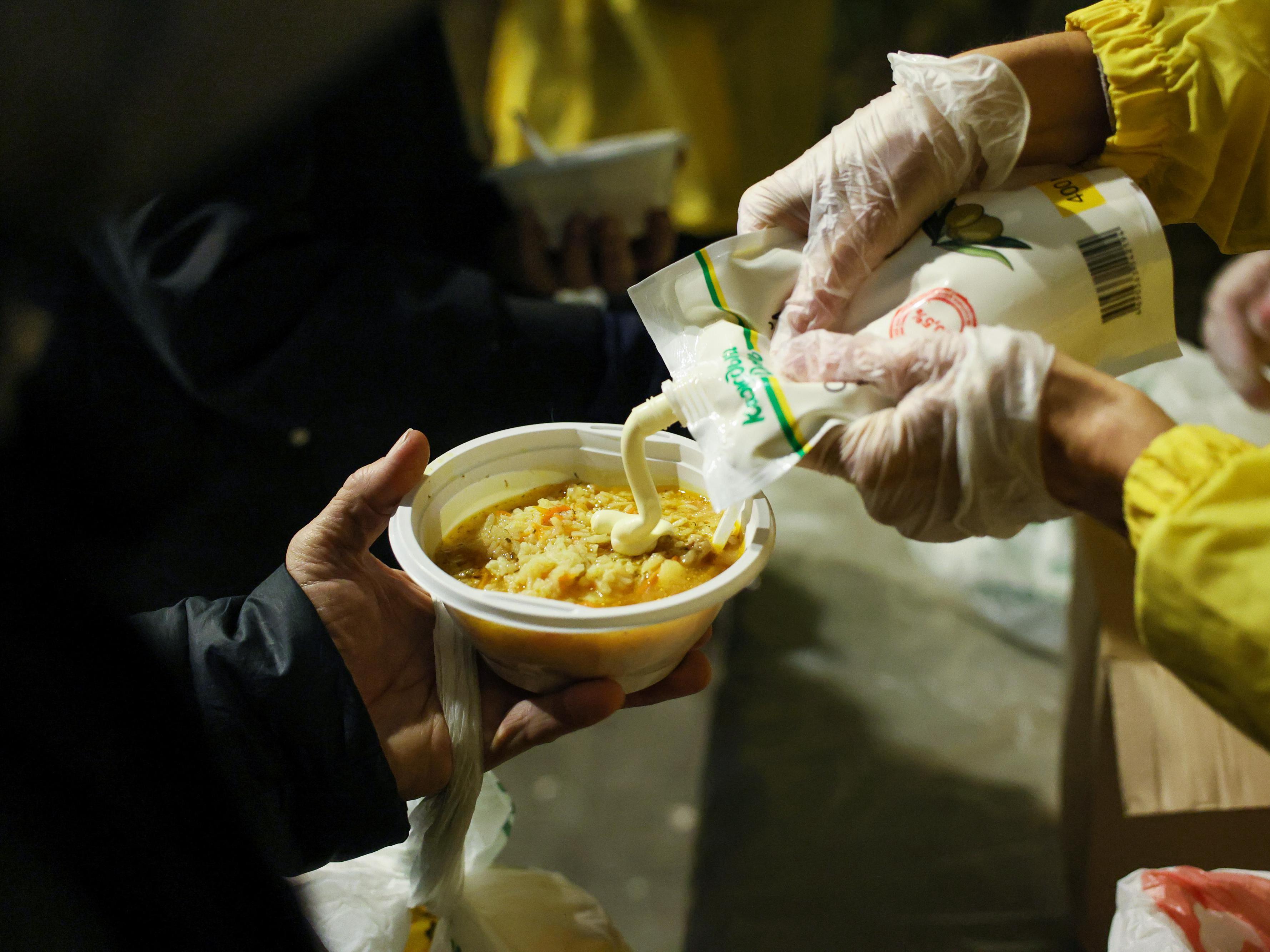
In the church courtyard, thermoses have already been set out on tables. For dinner, the gathered have a thick stew with rice and meat, where you can add mayonnaise or mustard. With the soup, they offer to take bread, and with tea—pastries.
When I start talking to a middle-aged man in a hood, the queue begins to move, but he steps aside with me, letting people pass so as not to interrupt the story.
The man’s name is Ruslan. Three weeks ago, his phone was stolen on the street. He lost his job, as well as his accommodation—it was provided by his employer.
— And what did you do?
— Oh, I’ve done all sorts of things. By education, I’m a design engineer-technologist. I worked in my field, then—just at a factory. And then depression. My wife couldn’t take it, she left me during that period.
Now Ruslan is a bit better, he doesn’t plan to stay on the street for long: he intends to restore his SIM card and bank card, and find work again.
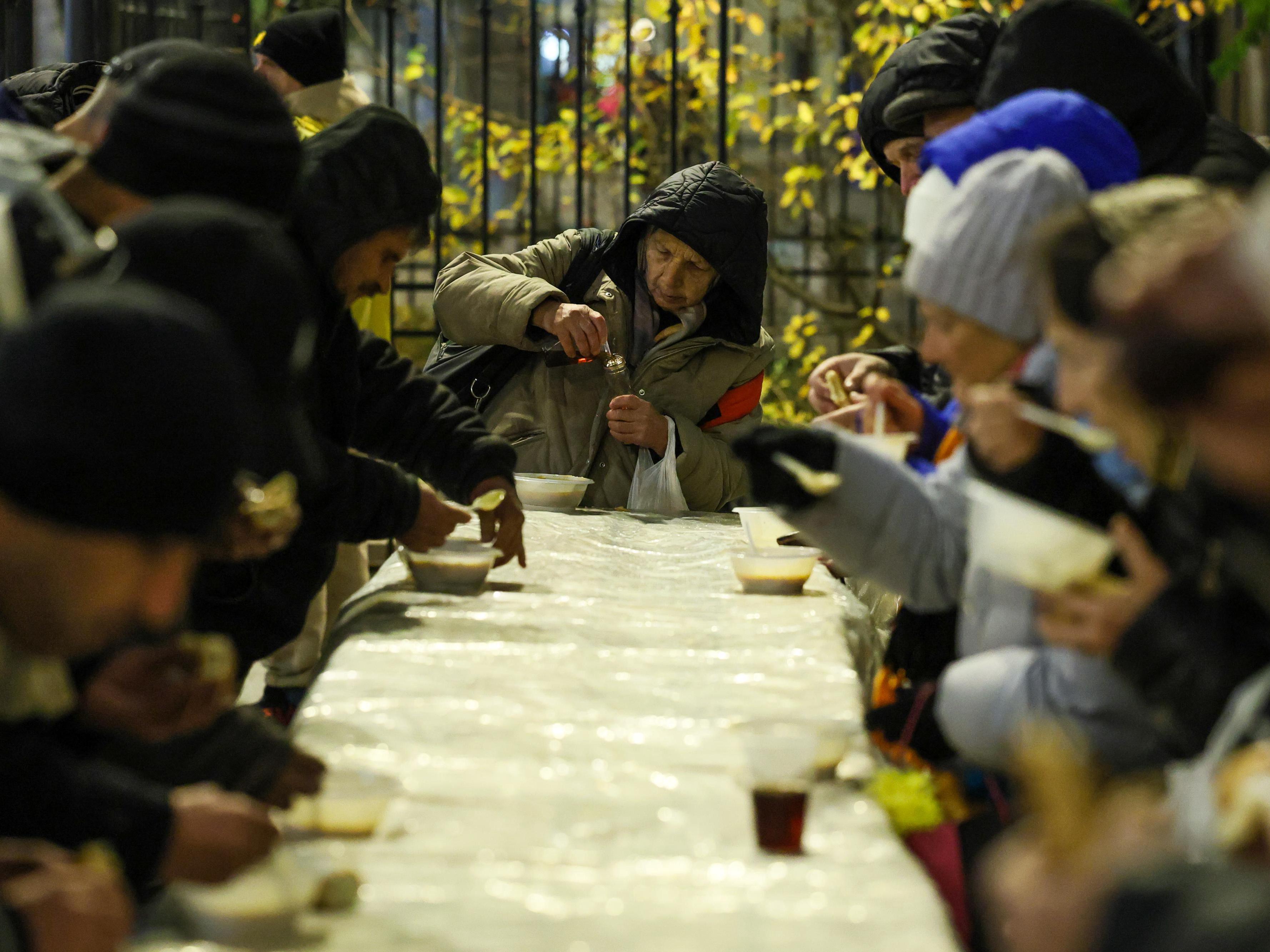
Almost the entire queue has passed, so I let my interlocutor go so he can eat too. I stop for a minute and observe. The homeless people carefully hold their bowls, are silent, chewing, arranged along the table. Almost like ‘The Last Supper.’ Someone comes for a second helping of soup, someone stuffs pieces of bread into their pockets.
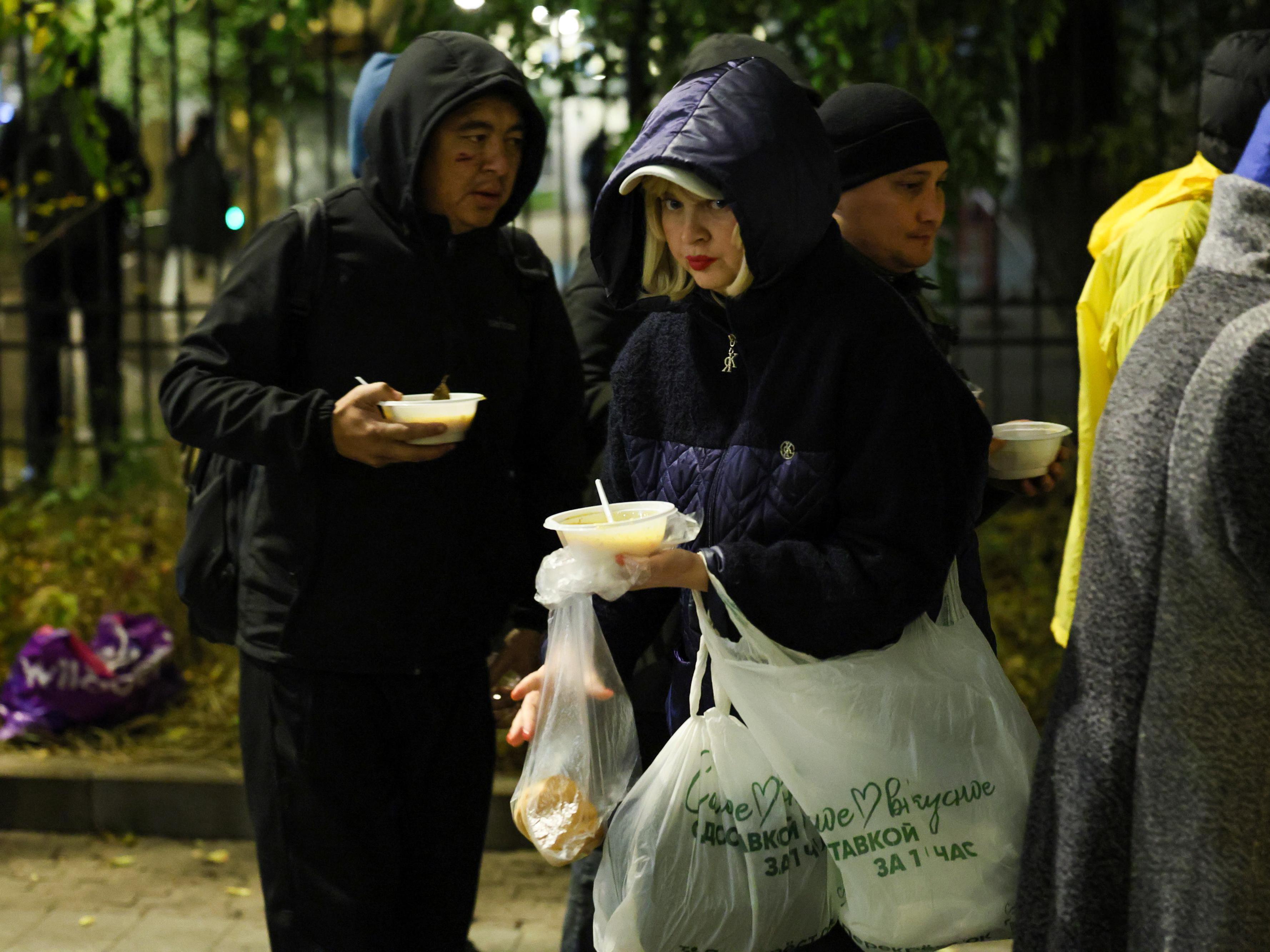
A youthful blonde with bright red lipstick on her lips approaches the table. At the sound of my voice, she turns around, and for a few seconds, fear flashes in her eyes.
— Would you share your story?
— Oh no, no, girl. What, do you want to not sleep tonight? It’s better not to tell such things.
— Don’t worry about me.
— No, no. And I’ll start crying right away, we’ll start crying, do you need that?
— Crying can be helpful sometimes.
— No, no, not at all.
I shrug my shoulders, wish her bon appétit, and walk away. From the confusion, I’m helped out by the encouragingly friendly gaze of an old woman leaning against a column of the church. I respond to her toothless smile.
‘Elena Fyodorovna, a native Muscovite,’ she introduces herself.
Elena Fyodorovna’s story, alas, is not uncommon. A two-room apartment in a Stalin-era building in northern Moscow came to her by inheritance. She lived there with her husband and child, but 12 years ago her husband died, and her adult son went abroad. Then there were calls from fraudsters, which Elena Fyodorovna remembers with difficulty. Police, lawyers. They couldn’t get the apartment back.
The pensioner was taken in by her cousin, but the pension isn’t enough for much, and Elena Fyodorovna has already memorized which day, at what time, and where in Moscow free food is distributed.
There are fewer and fewer people in the church courtyard. Many have already left, but not all: a queue forms by the car for warm clothing. Today, men’s sweaters and gloves are being distributed.
‘To avoid arguments and scuffles, we pack the items in opaque bags, just labeling the size and type of clothing,’ explains Maria.
I intercept another interlocutor in the queue for sweaters. His name is Arthur: a stocky man with gray stubble on a rough face.
— Will you tell how you ended up on the street?
— My wife kicked me out. I got into debt, life became difficult. She said, go from my apartment to all four winds.
— And where did the debts come from?
— One business venture didn’t work out… There were courts, lawyers,’ Arthur waved his hand in the air with annoyance. ‘All my pension now goes to loans.
— And have you tried to find work? You seem like a lively person.
— Well, I lost my passport… To restore it—that requires money.
— Well, it’s not huge amounts. How long ago did you lose it?
— Four years ago.
After such stories, one can’t help but wonder what in a person’s life happens by fateful chance, and what—from their own actions or inaction.
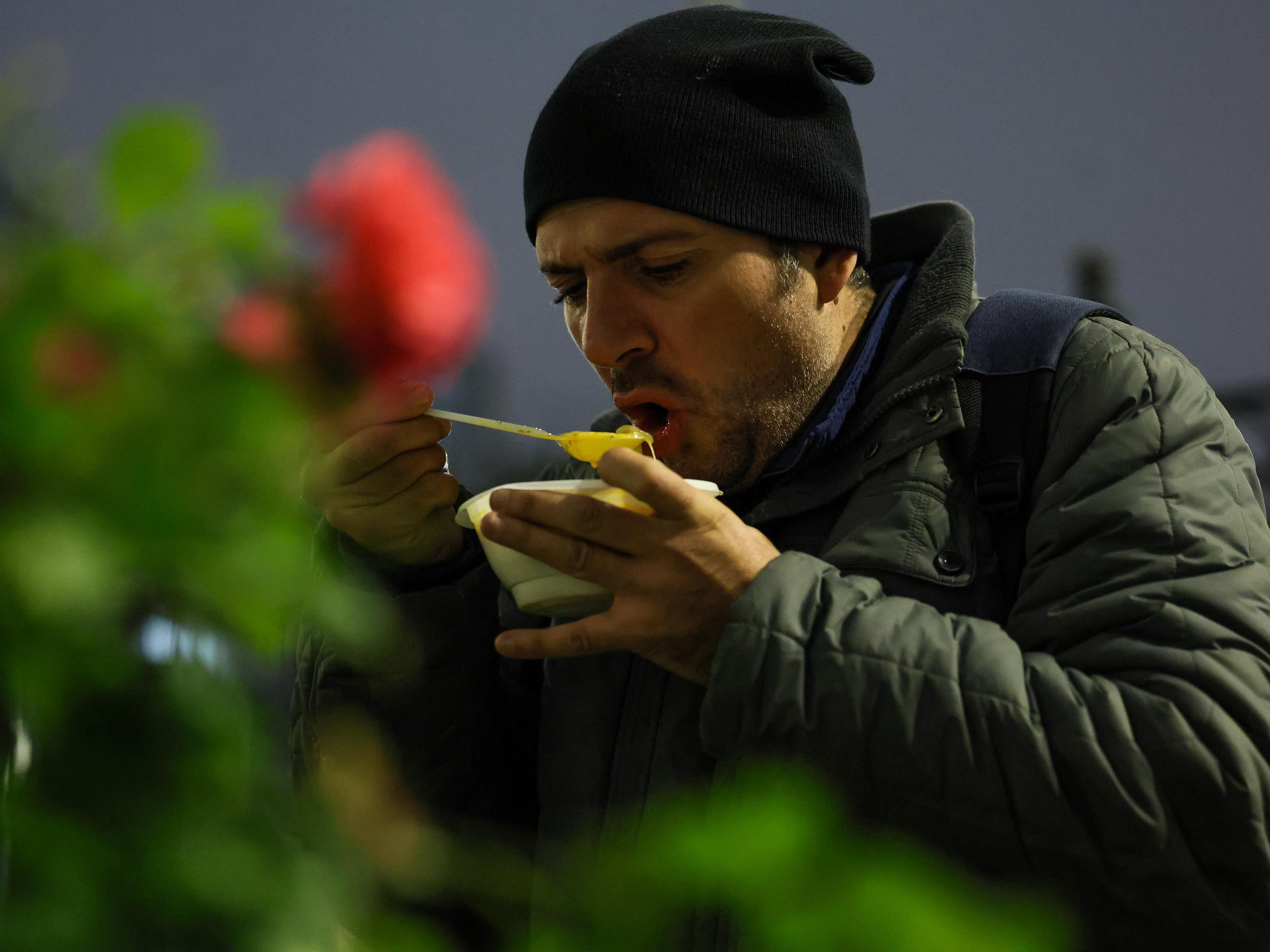
My thoughts are interrupted by an ‘old acquaintance’—the street poet.
— How about I read you something else?
— Only, please, something lyrical, without the crude parts.
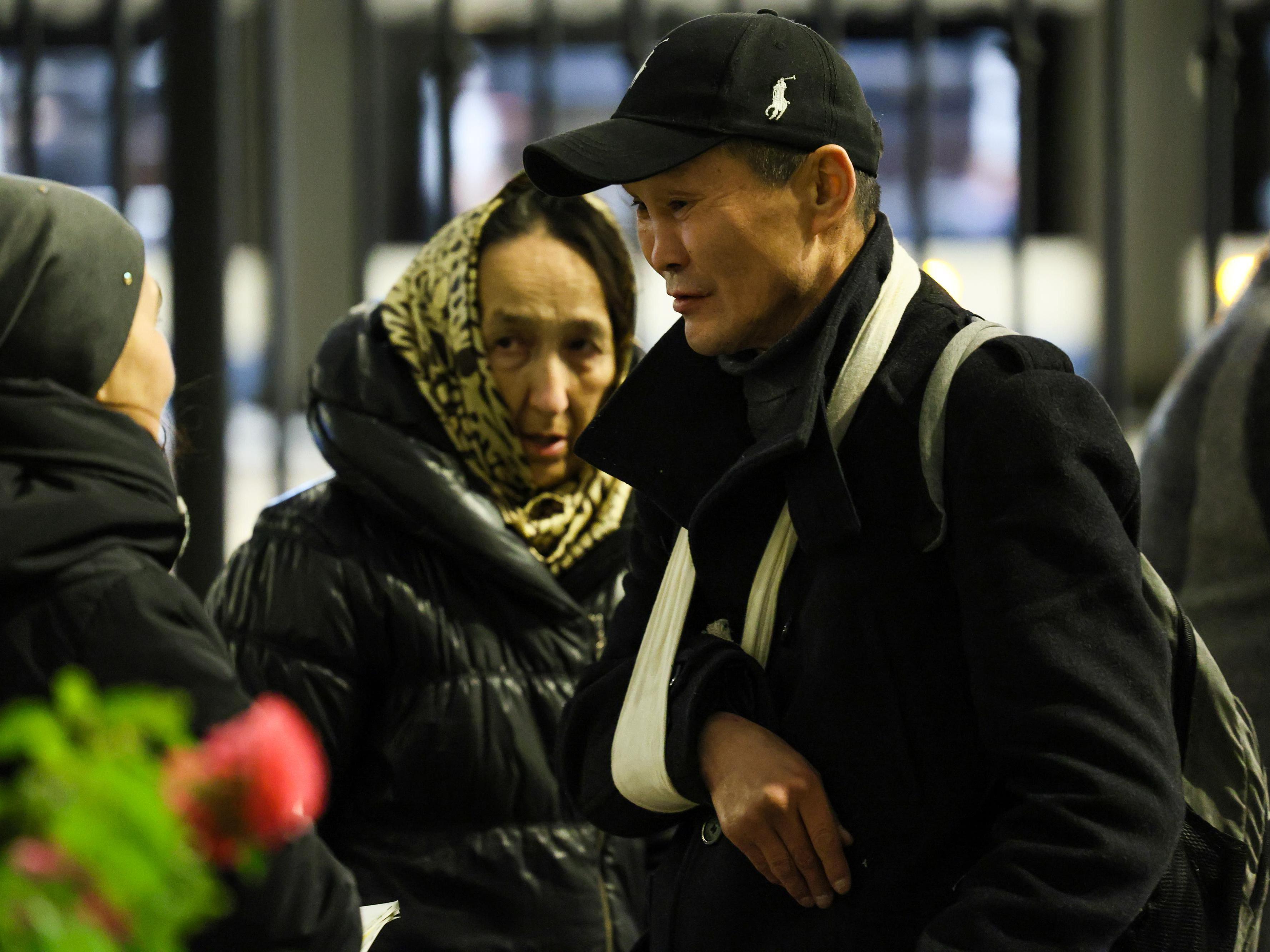
In the background, some argument breaks out, the patient voices of volunteers are heard: it seems one of the homeless didn’t like the sweater he was given. A drunk migrant man is loudly explaining something to his timid wife in a headscarf. The poetic lines mix with these sounds and the rustle of aspen trees by the fence.
‘May you dream of a mischievous summer,
Variegated carpets of field flowers,
A ribbon of a stream, blue sky
And the murmuring of pure Russian springs…’
Almost all the homeless have left, and it’s time for us to go too. We pack up the equipment, say goodbye to the volunteers, and go out through the gates. Many faces are imprinted in my memory—sad, tired, mocking, frightened. As I walk down the street to the metro, fragments of thoughts trail behind me: about a passport lost years ago, about depression that can leave a person on the street. And about field flowers.
Earlier, we decided to find out what a pension is enough for in the capital. Correspondents from MSK1.RU walked around the city to ask this question to elderly people. Watch the video here.