From soil maps to carp, officials use science with impressive results
Authorities in the Novosibirsk Region are expanding cooperation with universities and research institutes to apply scientific developments to regional problems.
Jan 26, 2026 0
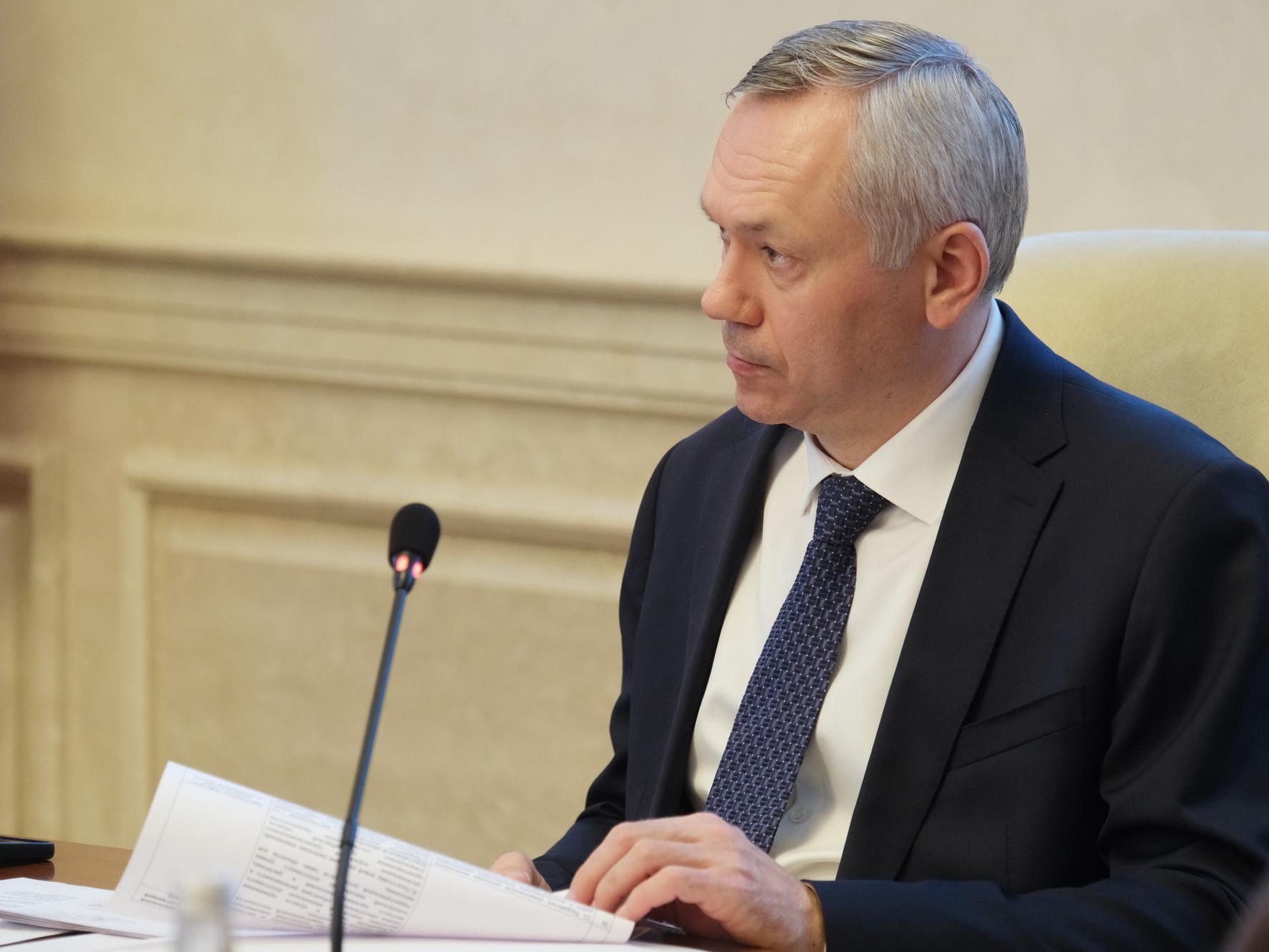

The regional governor has directed officials to increase the practical application of scientific research for local needs.
Source:
Scientific developments by Novosibirsk researchers are now being used to solve the region«s everyday tasks — from checking road quality and soil conditions to preserving monuments and providing career guidance for school students. At the instruction of Governor Andrey Travnikov, regional ministries are involving universities and research institutes for this purpose.
As reported at a specialized meeting in the regional government, nearly thirty such tasks are currently underway. Some have already been completed, while others are at various stages of implementation. For 2026, the budget allocates over 136 million rubles (approximately $1.94 million at current rates) for applied scientific projects.
One notable example is the cooperation between the region«s Ministry of Agriculture and the Siberian State University of Geosystems and Technologies (SSUGT). Together with scientists, a digital soil map of the region is being created, with recommendations for efficient land use. This will allow for more precise crop planning and increased yields. The project has been reviewed by the Russian Academy of Sciences (RAS) and became the first case where an applied regional task was included in the university»s state assignment.
Another area is the development of aquaculture. Together with the agrarian university and businesses, the region is refining technologies for growing commercial carp in recirculating aquaculture systems. Stable results have already been achieved: the fish can be brought to market weight in one year.
Science also helps in solving road problems. For the region«s Ministry of Transport, specialists from the Siberian State Transport University (SSTU) have developed a technology to combat frost heaving — one of the main causes of road damage in Siberian conditions. These recommendations are planned to be included in the project documentation for the construction and repair of regional highways.
In the field of cultural heritage preservation, drones with geodetic equipment are being used. Over two seasons, 159 archaeological sites have been surveyed, twenty of which were discovered for the first time and taken under state protection.
Among new tasks is assistance to schools. The region has developed a digital platform for career guidance, which is intended to interest school students in the teaching profession — primarily in subjects such as mathematics, physics, chemistry, and biology. It is planned to be tested and refined in the near future.
According to the regional government«s assessment, this format of interaction allows for faster translation of scientific ideas into practice — where the result directly affects people»s quality of life. Andrey Travnikov instructed to continue developing the dialogue between the authorities and the scientific community, making it more applied and useful for the region. He emphasized that for the Novosibirsk Region, relying on science is not an option but a necessity.
Read more