Chelyabinsk residents crowd Russian Post branches
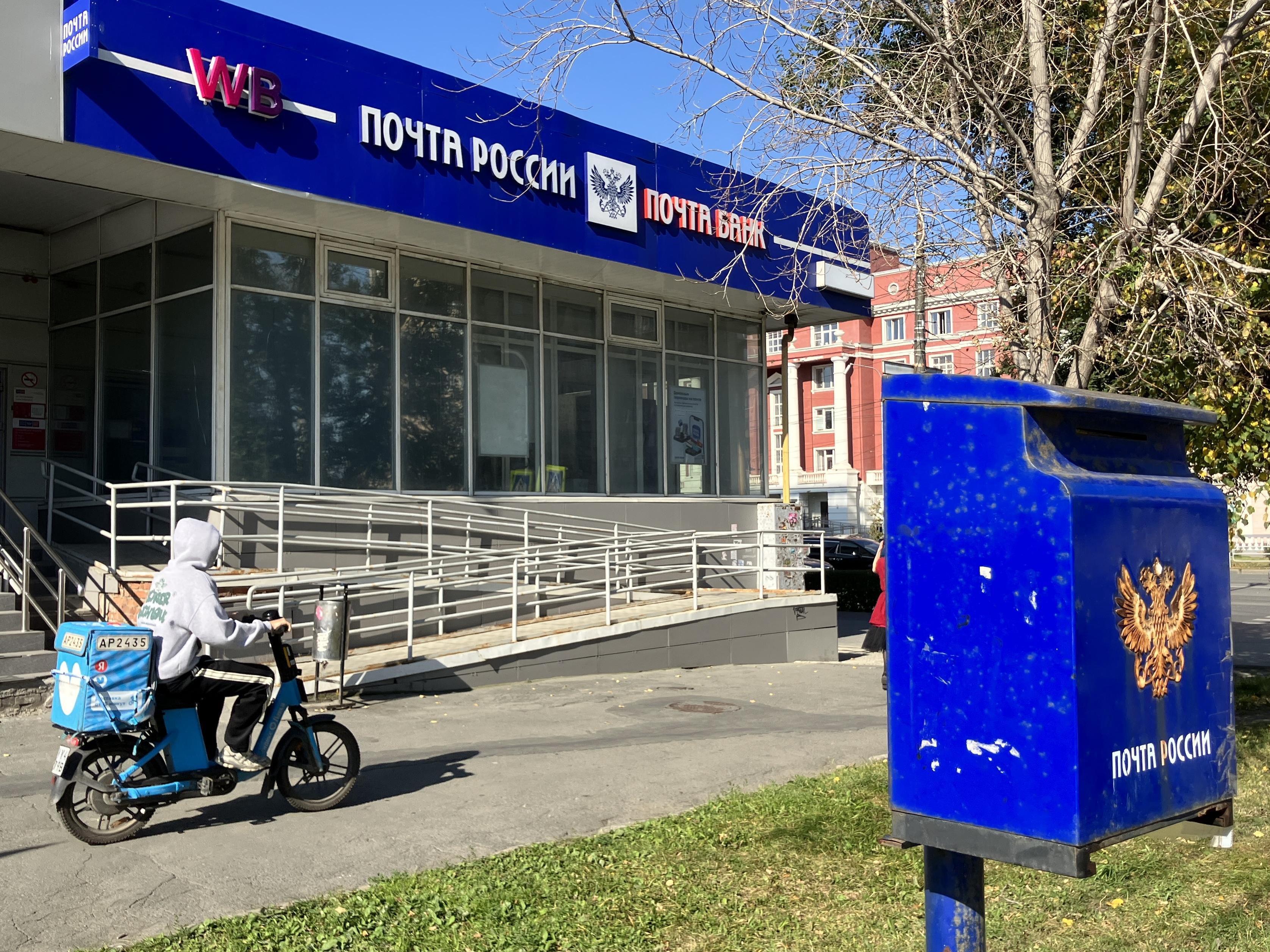

The state corporation has operated steadily for years, though steady does not always mean good.
At the Pochta Rossii, Russian Post (JSC) branch at 63a Rossiyskaya Street, everything is plastered with notices about changes to opening hours and the fact that there is only one operator. For now that operator (in fact, a woman) has to work six days a week, from 10:00 to 19:00 on weekdays and until 18:00 on Saturdays. There are quite a few people: over 10–15 minutes, 7–8 visitors gradually arrive. One of them lines up at a separate branded window marked “Wildberries order pickup”.
— It’s my first time here. I just chose the nearest point in the app, — she explains.
No one is at that window; the neighboring queue keeps growing.
— Is anyone working here? — the young woman asks timidly.
— Yes, it’s just me, just me! And there’s just one line! — the operator snaps.
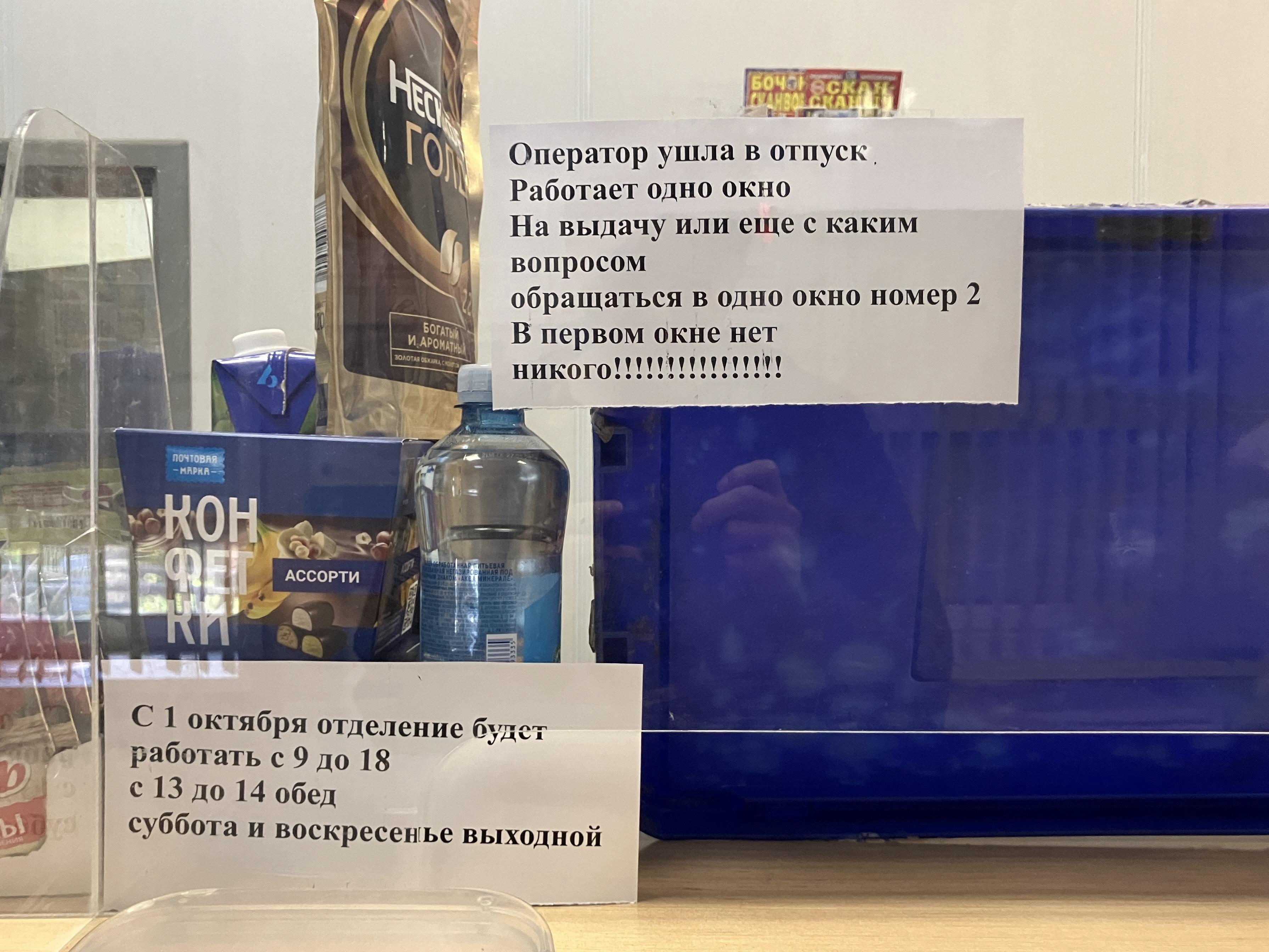
A loudspeaker announcement informs visitors about schedule and staffing changes at the branch.
Chelyabinsk residents are seeing scenes like this at Russian Post more and more often; complaints are reaching the 74.RU newsroom as well. Most often, the problems hit those who need to send or receive parcels, but the collapse affects everyone. We visited several post offices across the city and saw it firsthand.
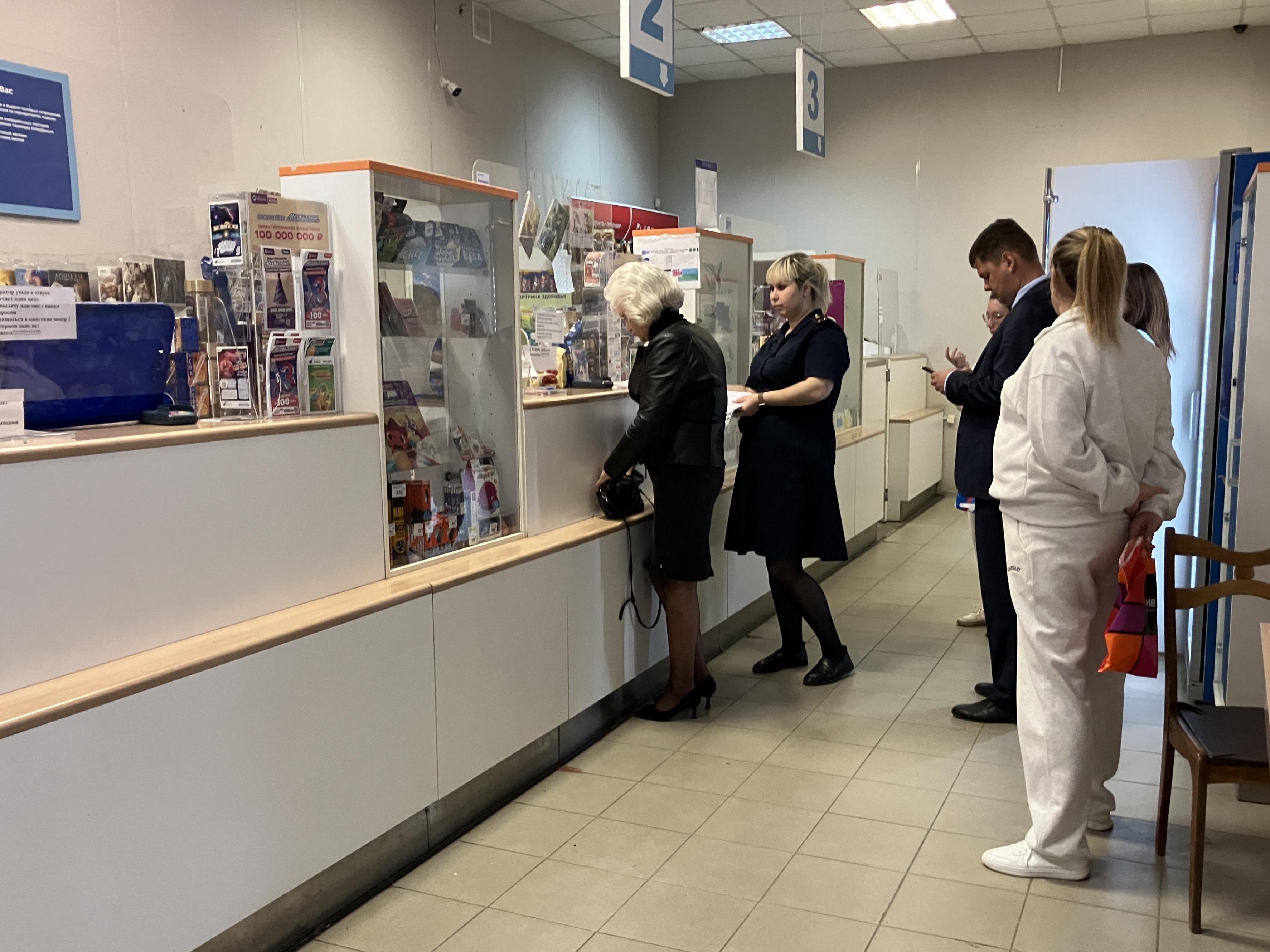
Both using the postal service and working there now feel like a serious ordeal.
«One-window mode»
Chelyabinsk residents readily share their impressions of post-office operations: various map services contain hundreds of reviews, and many branches have ratings no higher than three, so there is plenty to choose from. At the branch on 85 Tsvillinga Street, the queue consists mainly of pension and benefit recipients, and those wanting to pick up registered letters have to stand with them.
— I’m standing here for something, I don’t even know whom I’m behind, — admits an elderly woman.
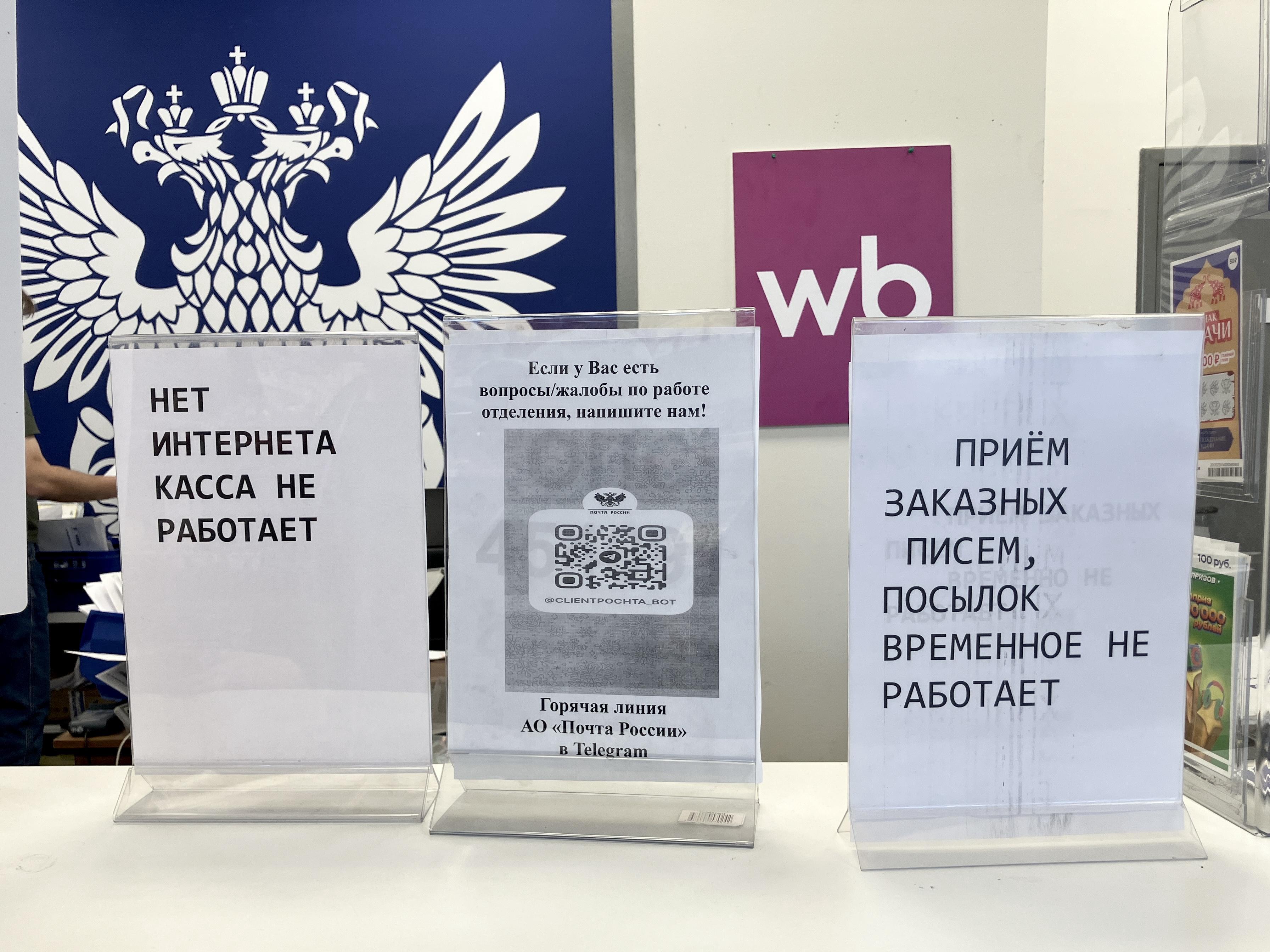
Parcels can sometimes be collected, but sending new shipments is frequently unavailable.
One visitor gets into a spat with the only employee over some hiccup:
— I’m going to complain to your bosses, — he threatens, raising his voice.
— Be my guest — go ahead! — she snorts.
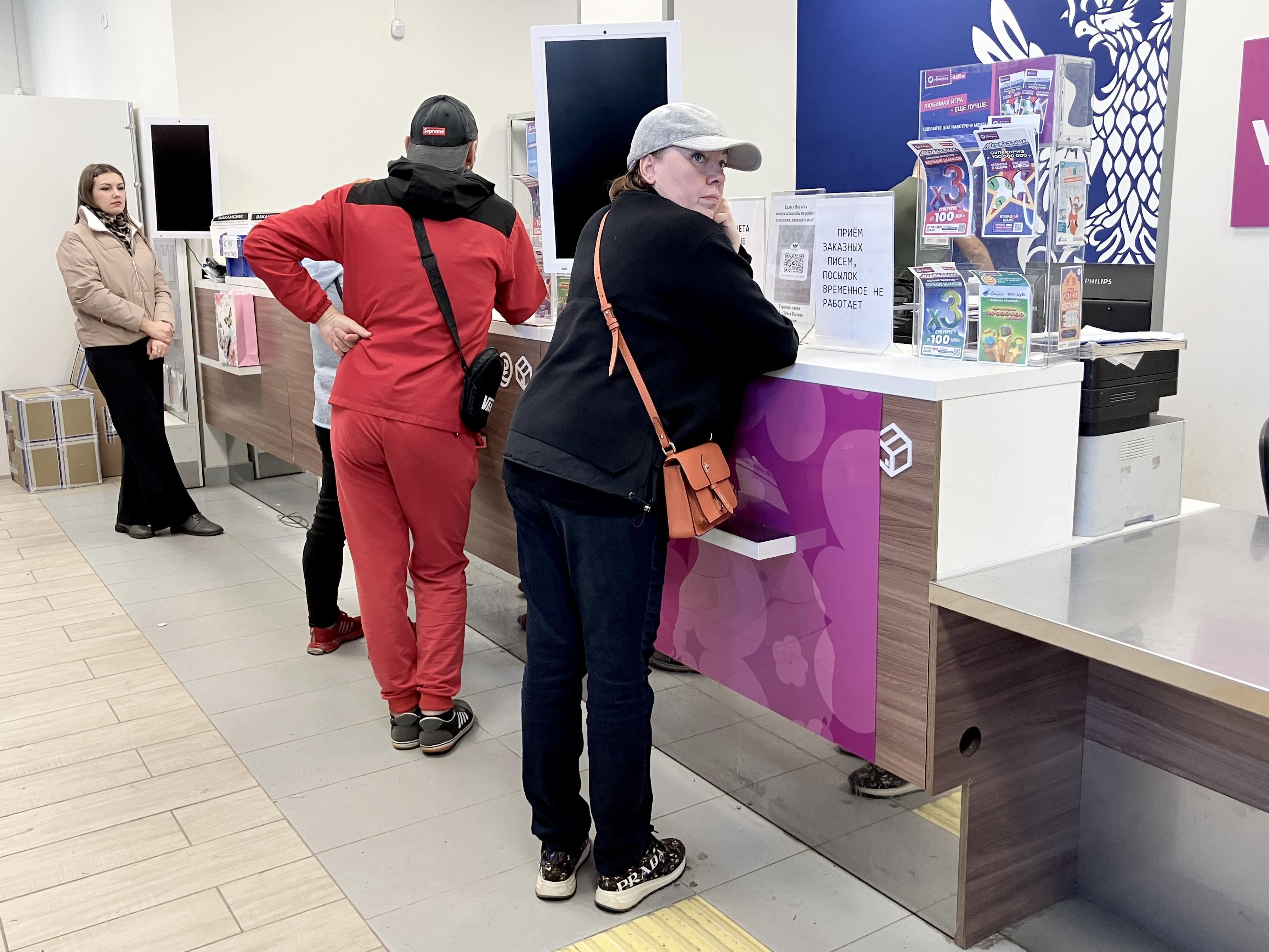
By their turn, many customers are visibly anxious and increasingly frustrated by delays.
At the Rossiyskaya branch, queues build up even though pensioners have a dedicated time and place.
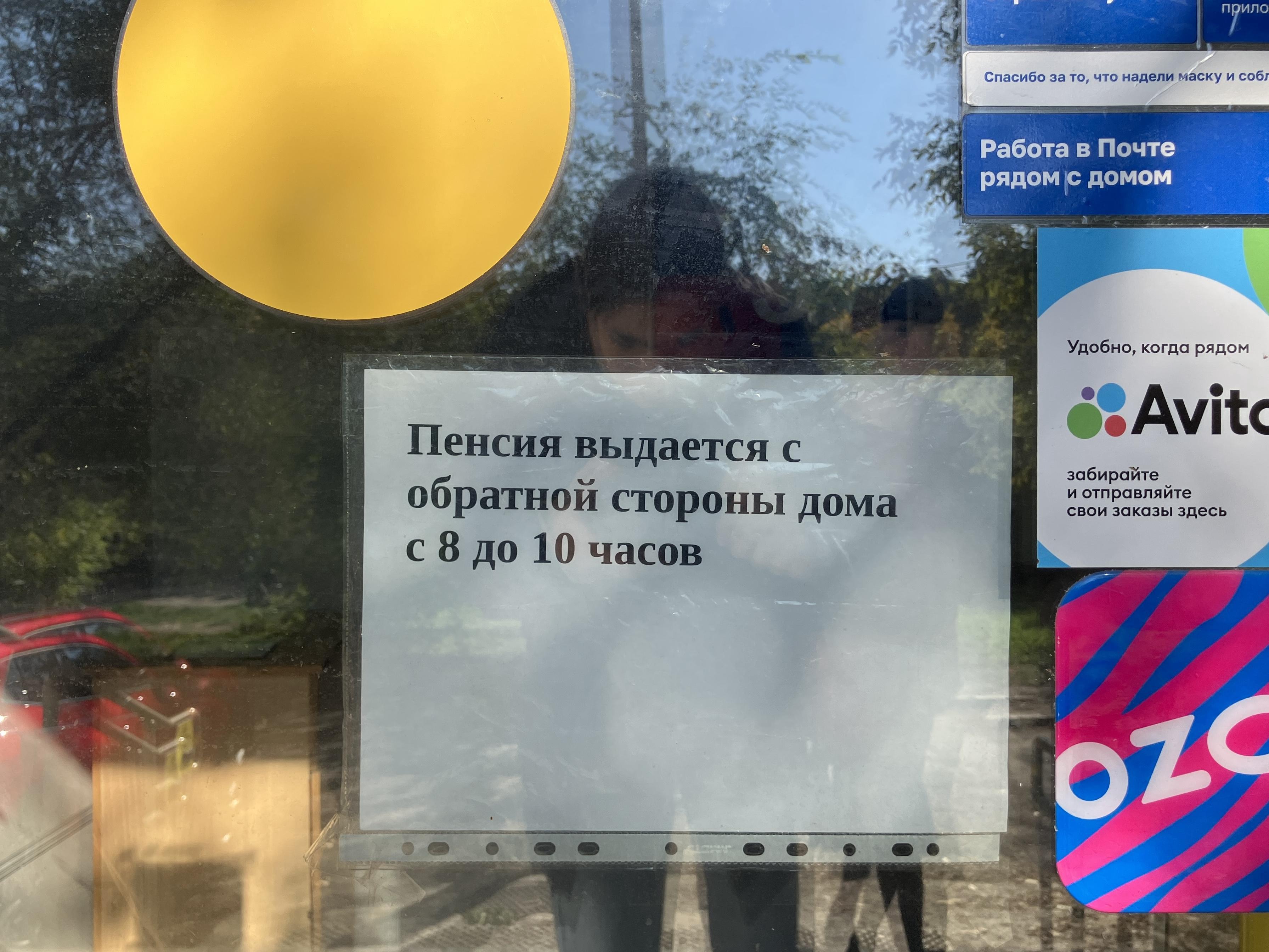
A notice on the entrance door explains temporary changes to hours and service formats.
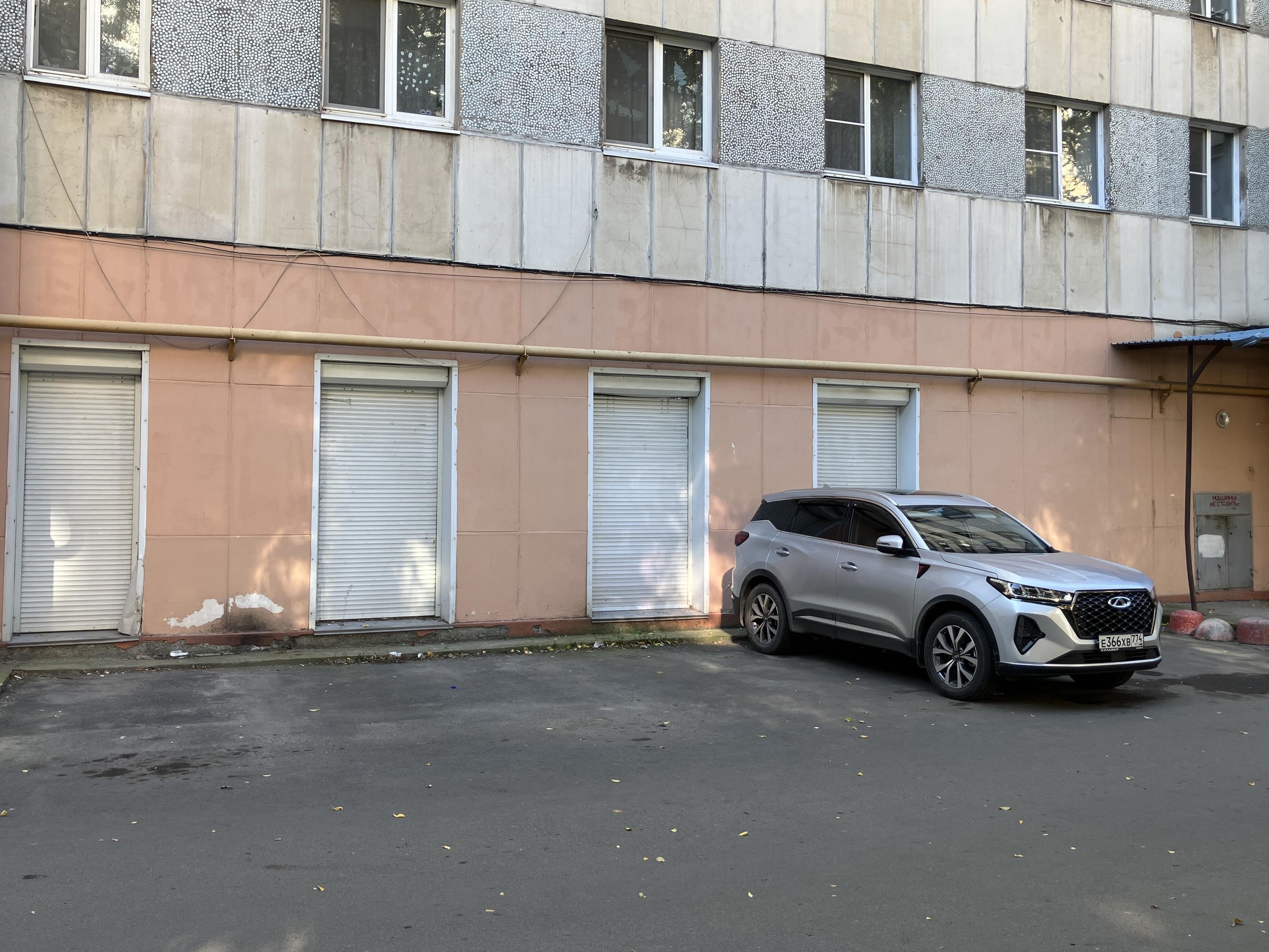
The reverse side reads ambiguously, leaving unclear where pension payments are actually issued.
At 35 Lenin Avenue, only one of six windows is staffed. There seem to be two employees: somewhere behind the shelves they are taking in fresh parcels.
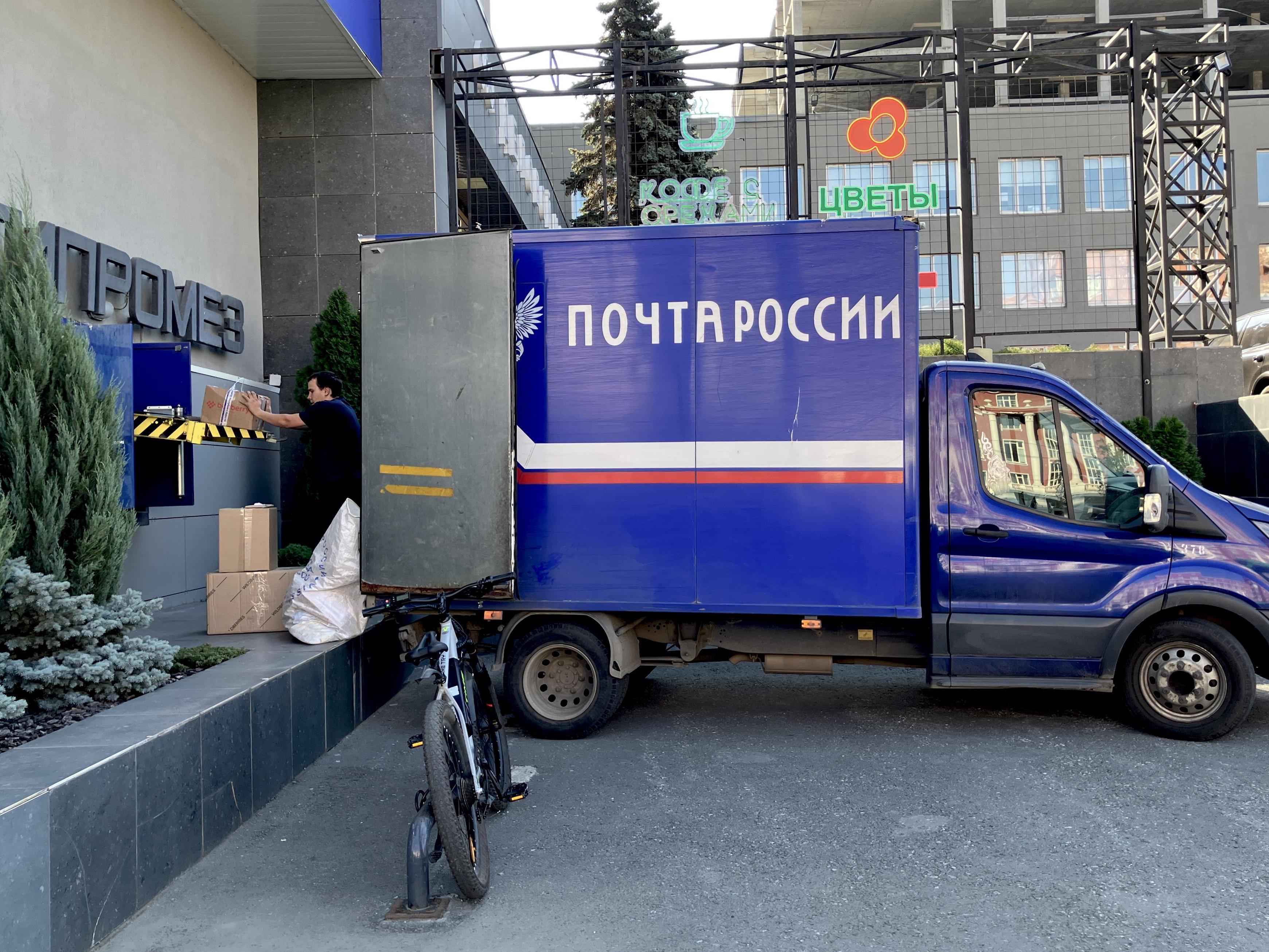
The intake process here is relatively automated, reducing the need to lift or carry parcels.
There are seven people in line, and it barely moves. When a woman who was asking the operator detailed questions steps away to pack a parcel, the next visitor lunges for the window, and another darts in front of her:
— Hey, it’s my turn!
— Oh, — the other says, genuinely flustered. — Are you in this line too?
— We’re all in this line, — responds a ragged chorus.
The woman who jumped ahead, seeing papers in the young woman’s hands, offers friendly advice:
— If you need to send a money transfer, you can use any branch; go to Kirovka pedestrian street instead — they don’t have queues like this.
Alas, people receiving parcels and letters don’t have that option.
— I’ve been standing here about 40 minutes, — says the person at the end of the line. — I don’t know how long I’ll be stuck; their lunch break starts soon. What can you do?
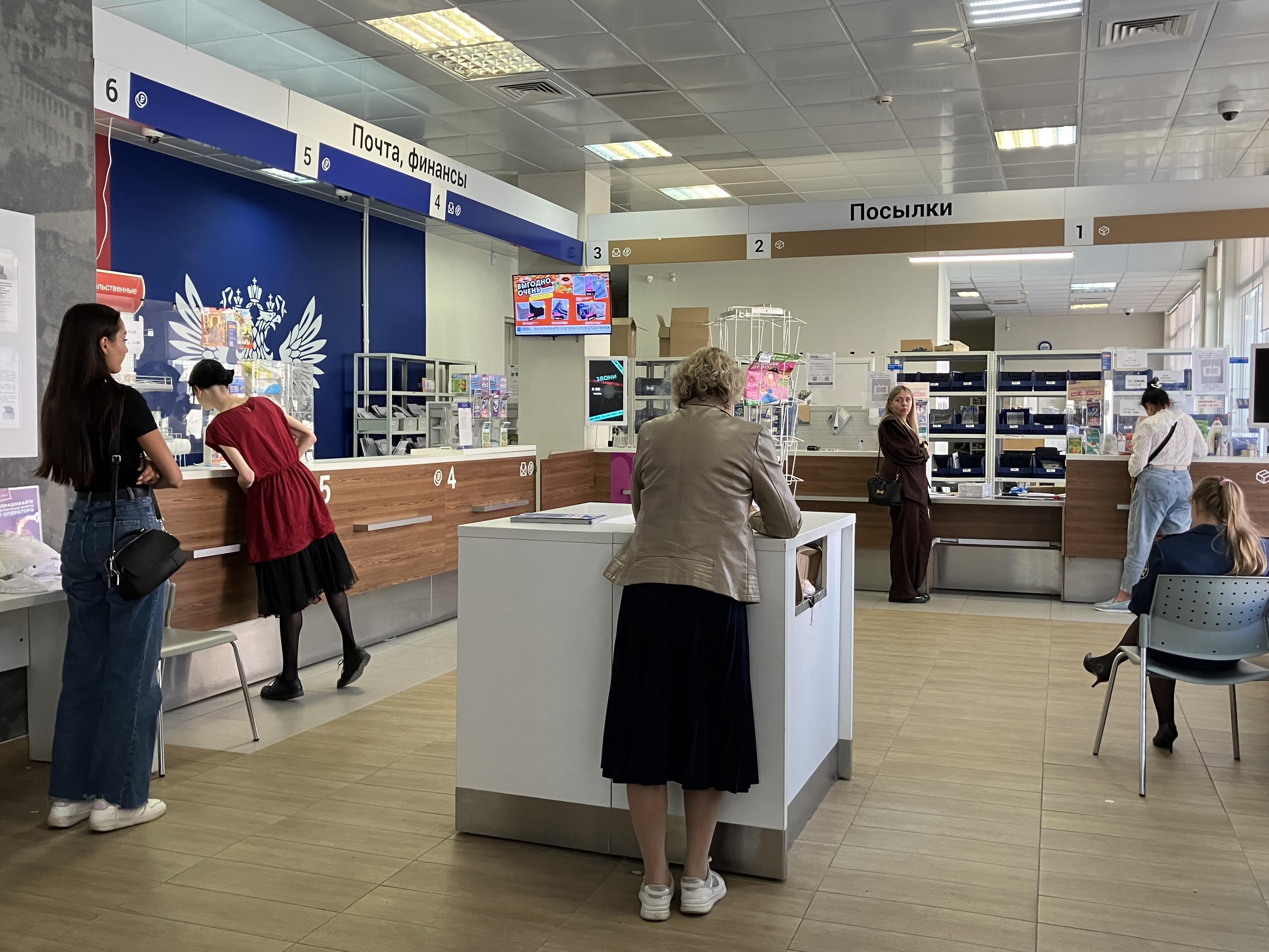
During the day, many people come to send or collect business correspondence and packages.
Overall the location looks neglected — shelves with private-label goods are almost empty, and the workstations are a mess.
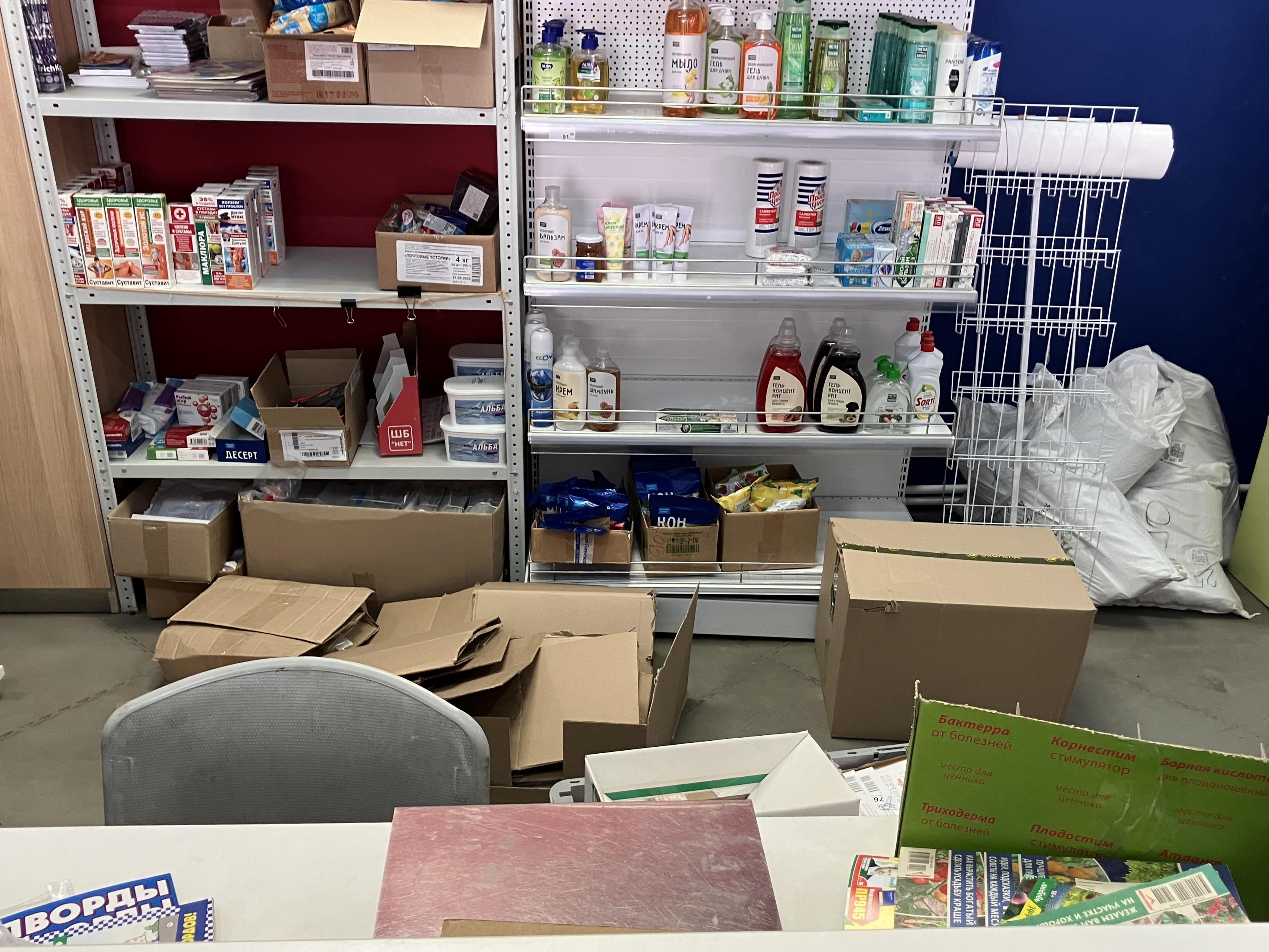
These desks appear unused for a long time, suggesting ongoing understaffing at the location.
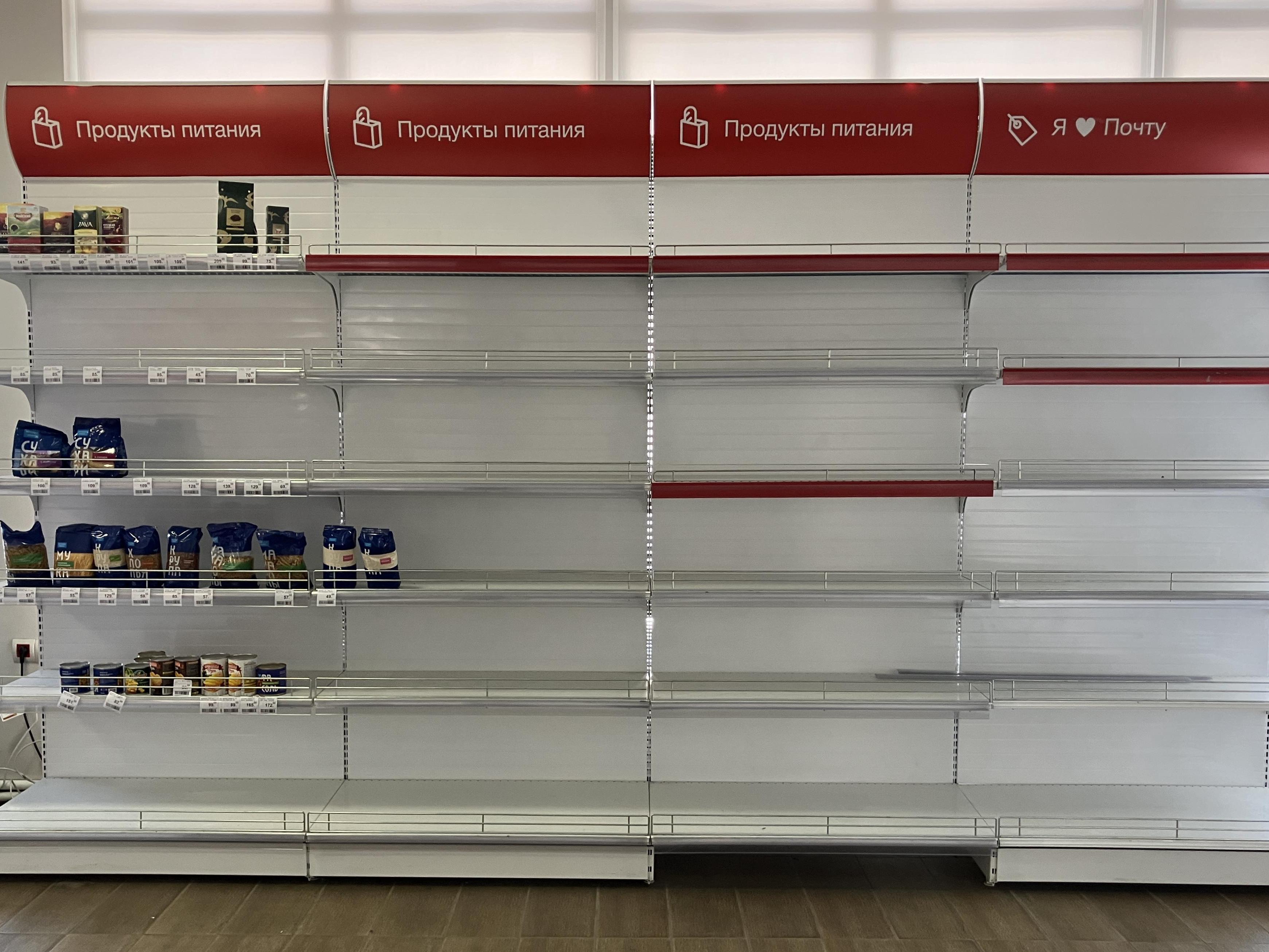
Few would want to spend half a day in line to buy basic groceries.
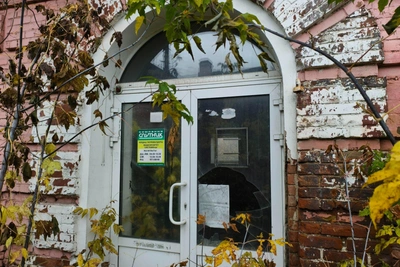
All these branches operate in central Chelyabinsk; on the outskirts, it can be worse: branches stop handling postal items or simply close “for technical reasons” for an indefinite period. For more than ten days in September, the post office at 3rd Arzamasskaya, 11 (Chelyabinsk, Russia) did not operate. On the paper notice, desperate people left their phone numbers to have a chance to receive their parcels.
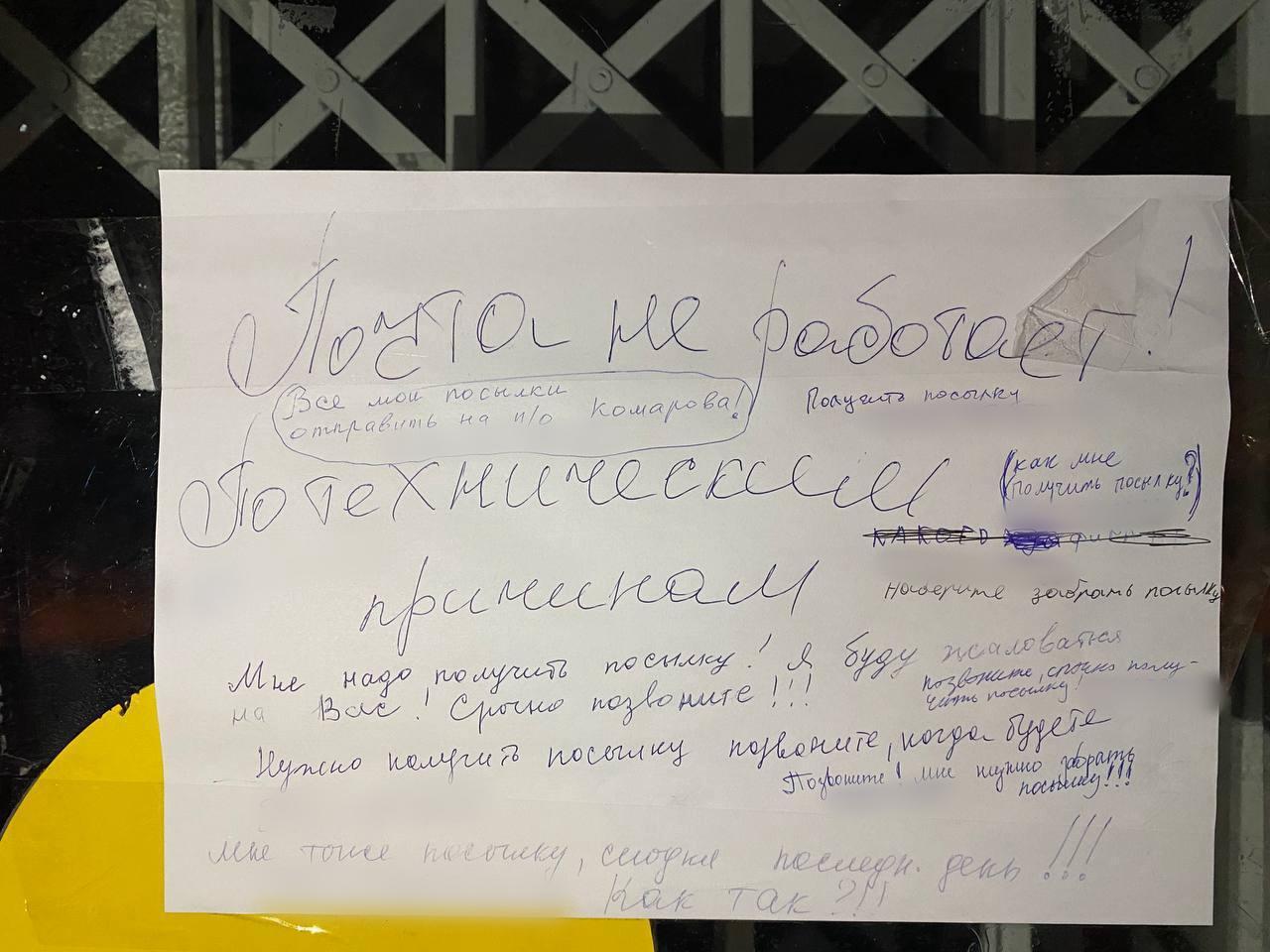
Clearly, many people could not collect urgently needed items from their local post office.
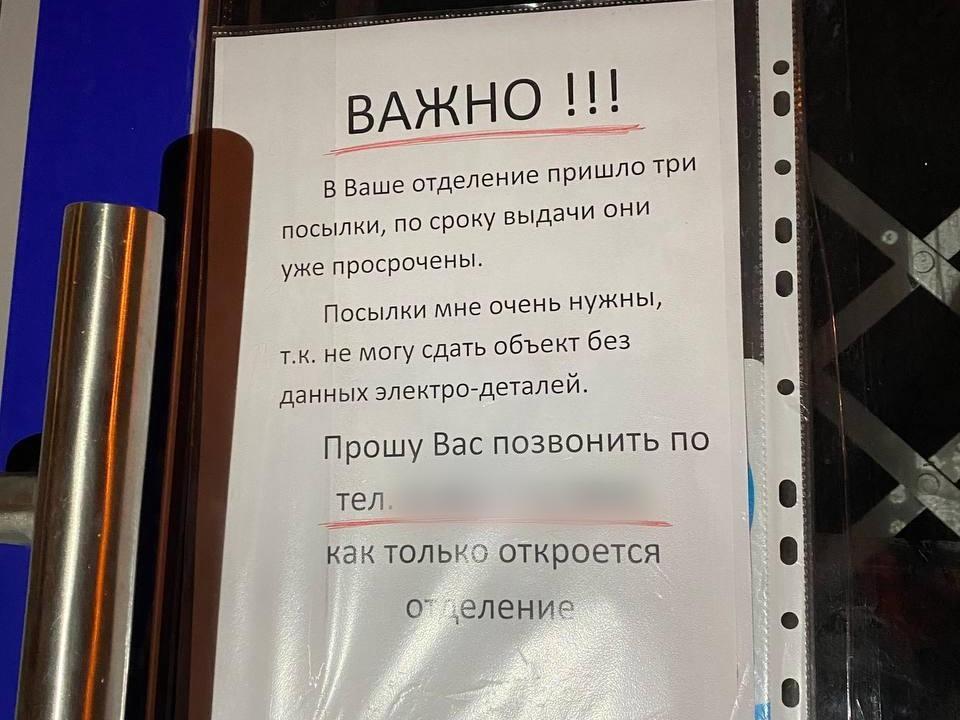
Some readers describe the situation as a setup, expressing disbelief at the persistent chaos.
To be fair, many Chelyabinsk branches of Russian Post work relatively normally: they are clean, there are several employees, and sometimes they sit idle, though they will not engage with journalists. A bored postwoman in the tidy branch at 2 Kirova Street chats with a friend that smaller branches will soon be “shifted onto” them, which will mean more work. She declines to answer a direct question about neighboring closures.
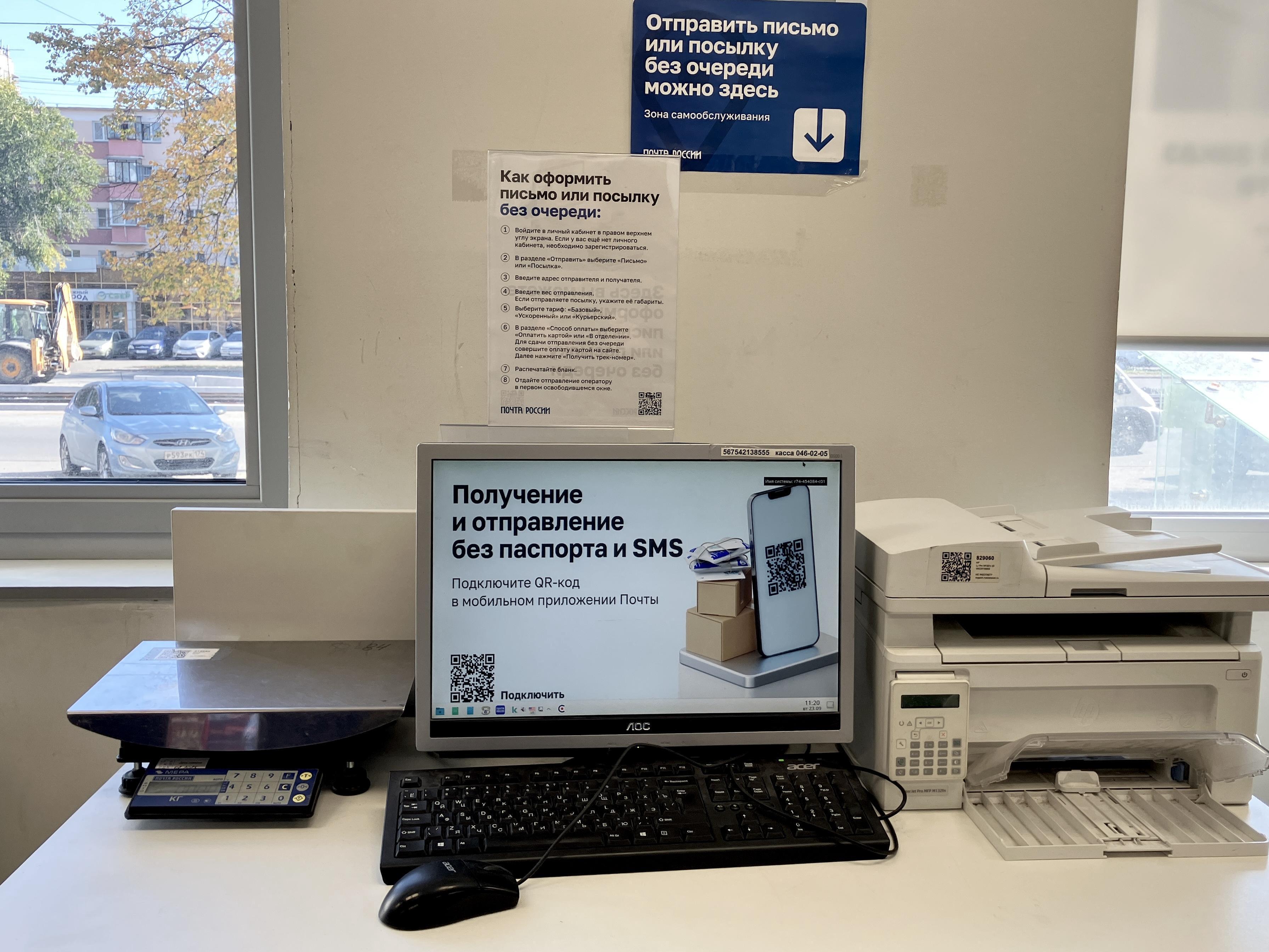
On Kirovka pedestrian street, visitors sometimes help the operator with minor tasks.
«I work for what they pay»
In all struggling branches, visitors are pointed to the same reason: a lack of staff. In Chelyabinsk post offices, the deficit is mainly among rank-and-file staff; the official Russian Post website lists about 20 vacancies for communications operators across various branches. The salary ceiling for that position is 33,000 rubles ($330 at current rates) including base pay, bonuses, and “additional payments”. Mail carriers are offered even less: 26,000 rubles ($260 at current rates).
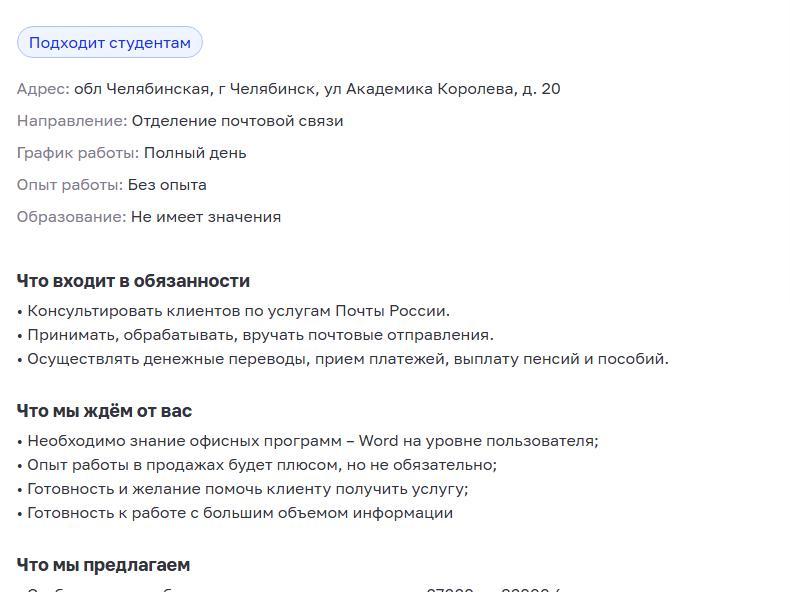
The recruitment banner promises appealing conditions, though workers remain skeptical about pay.
Meanwhile, postal employees across the country believe management is not particularly eager to recruit colleagues for them.
— Of 10 operators, three remain, with the same service area. They’re looking for a branch manager and have already raised the salary for that position twice — but raising operator pay is apparently not in the cards? — a postal worker from Pskov fumes in the “Overheard at Russian Post” community on VKontakte (VK).
— Same in Nizhny Novgorod, only they also froze hiring: if someone resigns, the position is simply removed, — says a colleague.
— Same in Chelyabinsk, — users write in the post’s comments.
Many assert that their working conditions have worsened because the company cooperates with marketplaces and free classifieds sites.
— The workload has doubled, with no extra pay, — they write. — There are proper PVZ (pickup points) in the neighboring buildings, but no, people order to us. Usually they do it once — the first and the last time — yet the flow is still substantial.
At the same time, in postal workers’ view, a separate employee to handle such orders is unnecessary.
— He’ll hand out his ten parcels and then sit all day, is that it? — they explain their view. — They’re even promising to pay 2,500 rubles ($25 at current rates) per shift for that work — no words.
Receiving goods from various online stores, according to Russian Post, is available at 80% of OPS (post offices) in Chelyabinsk. We asked marketplace representatives how they track order pickup via the post, whether they see reputational risks in such collaboration, and whether they plan to withdraw. Wildberries’ press service briefly advised the 74.RU correspondent to seek comment from Russian Post. Representatives of Ozon promised to comment later.
Many postal employees say they decided to quit this year, but there are stalwarts:
— Why should I leave a job I like? I just don’t bust my butt anymore — I work exactly for what they pay. I’ve stopped caring about the rest, — writes one of them.
— My customers are like family now — where would I go, — shares another, who works in her branch as operator, mail carrier, and cleaner. — But of course it’s very hard.
According to Kontur.Fokus, JSC Pochta Rossii (Russian Post) is 100% owned by Rosimushchestvo, the Federal Agency for State Property Management; the company’s CEO is Mikhail Volkov. Financial statements published on the disclosure portal state that revenue for 2024 was 219 billion rubles ($2,190,000,000 at current rates), with a net loss of 20.5 billion rubles ($205,000,000 at current rates).
Company representatives told 74.RU that as of today the staffing of the 727 post offices operating in Chelyabinsk Region (72 of them in Chelyabinsk) is 97% complete.
— Employee pay corresponds to the average level in the industry. It consists of a fixed part — the base salary — and a variable part — the bonus, — Russian Post explained. — The size of the bonus depends on how effectively the employee works and whether targets are met across various metrics. Employees receive add-ons, including from sales of consumer goods, lottery tickets, and the provision of insurance and financial services.
In addition, Russian Post provides a benefits package.
— The company partially pays for health-resort vouchers, insures employees and their children, provides financial assistance, and awards bonuses for professional holidays and anniversaries, — the company’s representatives added.
There are no plans to close any of the branches operating in Chelyabinsk or the region.
— They may operate in a modified format, with home service or service at the nearest branch, only during the period of selecting and training candidates for vacant positions, as well as during staff vacations and sick leaves, — the Russian Post press service told us.