Saltykov-Shchedrin: Two Centuries of Satire
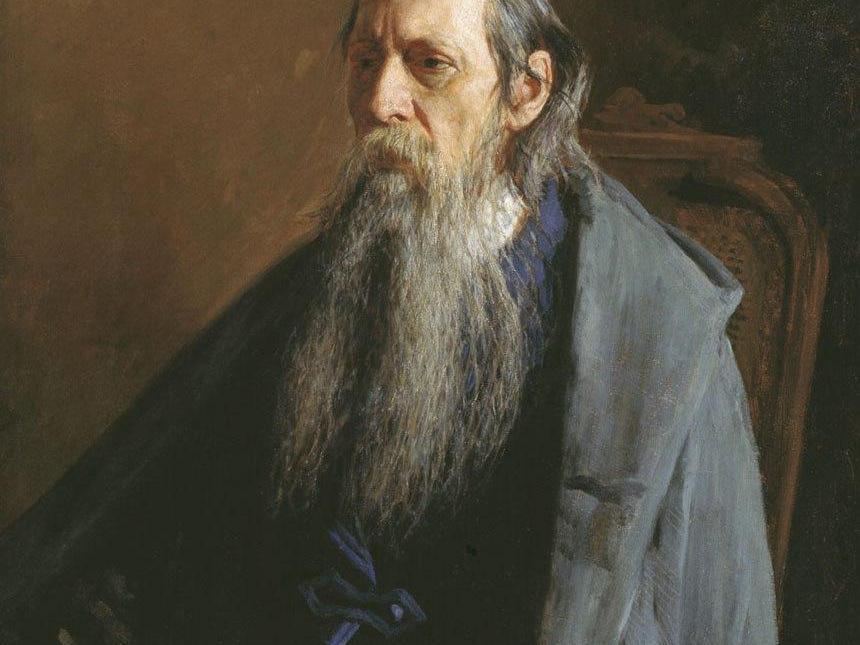

The words «golovotyapstvo» (bungling), «blagoglupost» (pious stupidity), and «zlopykhatel»stvo« (malicious carping) entered the Russian language thanks to Mikhail Saltykov-Shchedrin, whose 200th anniversary is celebrated on 27 January. His legacy is now better known through aphorisms, often mistakenly attributed to him, than through full texts. For instance, the famous phrase »They«ve started pressing patriotism—must be, they»ve stolen everything« does not appear in his works, nor does the quote about surprise in Holy Rus, which actually belongs to Leskov.
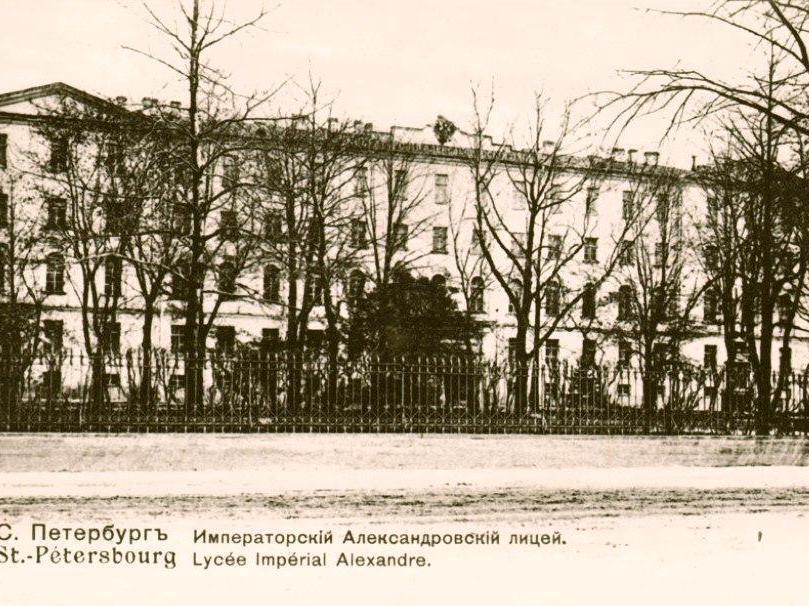
Mikhail Evgrafovich was born into a noble family not connected to the distinguished Saltykov clan. A brilliant student, he was transferred from the Moscow Noble Institute to the Tsarskoye Selo Lyceum, which soon moved to St. Petersburg and became the Alexander Lyceum. After graduating in 1844, Saltykov entered service in the War Ministry. However, in 1848, he was arrested for his story «A Tangled Affair,» in which revolutionary ideas were discerned, and was exiled to Vyatka by personal order of Nicholas I.
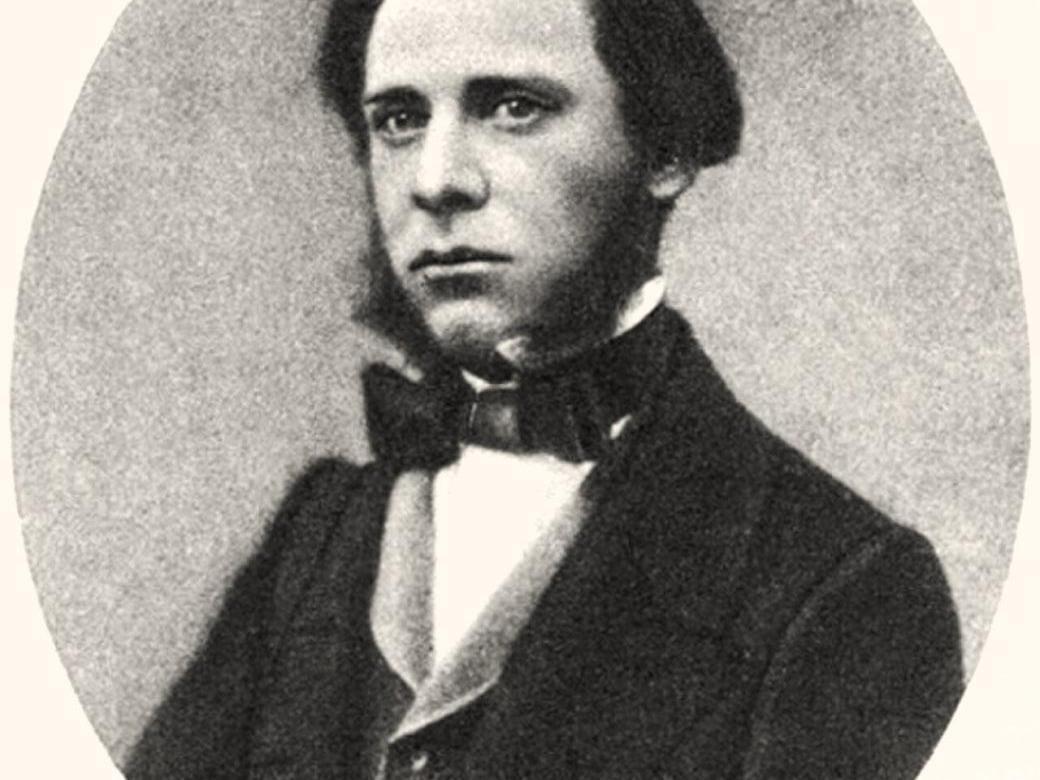
The exile did not break Saltykov. In Vyatka, he built a career, becoming a senior official for special assignments and declaring war on bribe-takers. He returned to St. Petersburg only after the death of Nicholas I in 1855 and was assigned to the Ministry of Internal Affairs. At this time, his «Provincial Sketches» were published in «Russky Vestnik» (The Russian Messenger), signed with the pseudonym Shchedrin, which the writer took from the surname of a wise Old Believer merchant from Vyatka who had impressed him. The hyphenated surname Saltykov-Shchedrin came into use only in the 20th century.
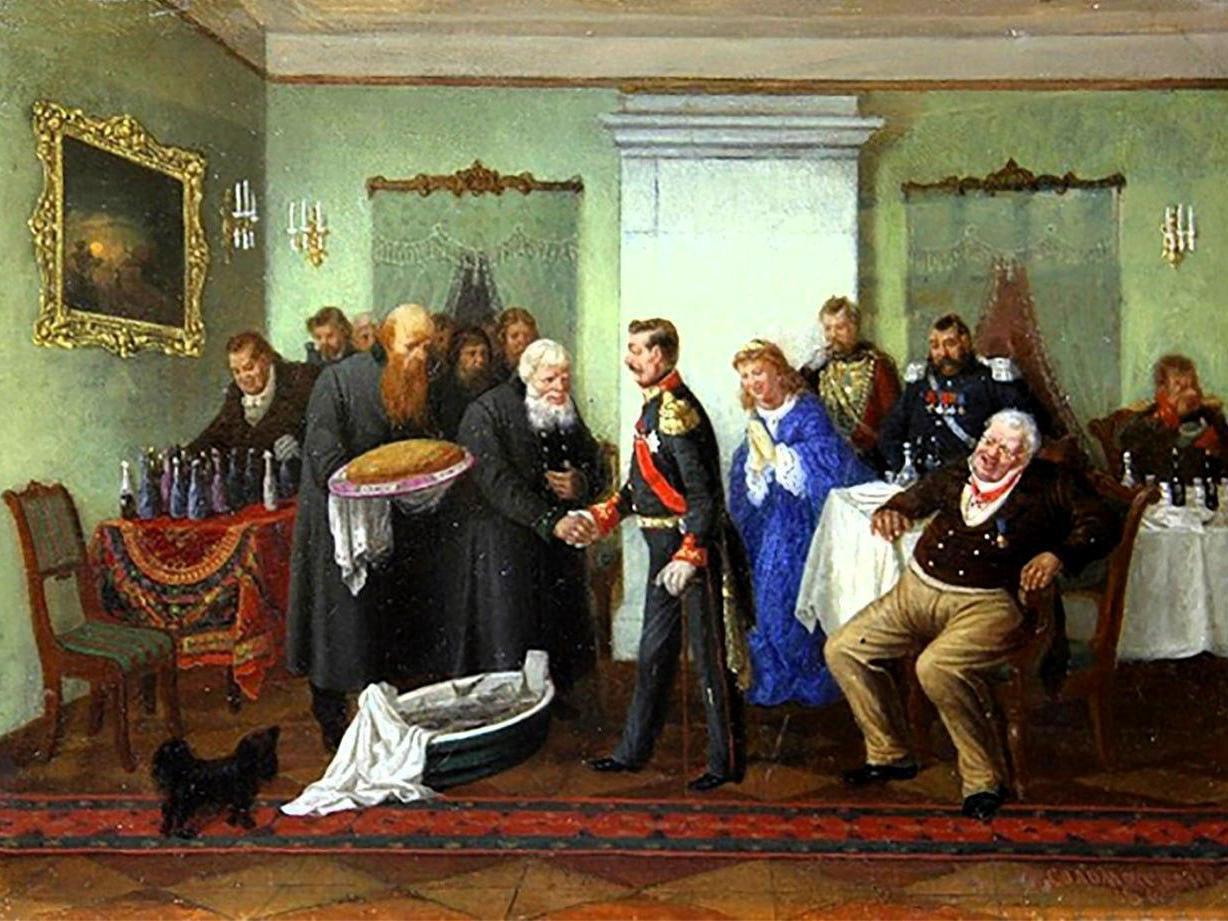
Legend has it that after reading the «Provincial Sketches,» Emperor Alexander II ordered: «Let him go and serve, and do himself as he writes.» Saltykov was appointed vice-governor in Ryazan and then in Tver. Gendarme reports described him as a knowledgeable, active, and unselfish administrator, though for his severity he earned the nickname «vice-Robespierre.»
In 1862, Saltykov retired, but literary fees could not support his family, and he returned to service, heading the Treasury Chamber in Penza. His quarrelsome nature led to conflicts with governors in Tula and Ryazan. In the end, in 1868, he was finally dismissed from service, accused of ideas «inconsistent with the views of state benefit.» Despite this, Saltykov retired with the rank of Actual State Councillor (equivalent to major general) with a high pension of 1,000 silver rubles per month, while a teacher earned about 800 rubles a year.
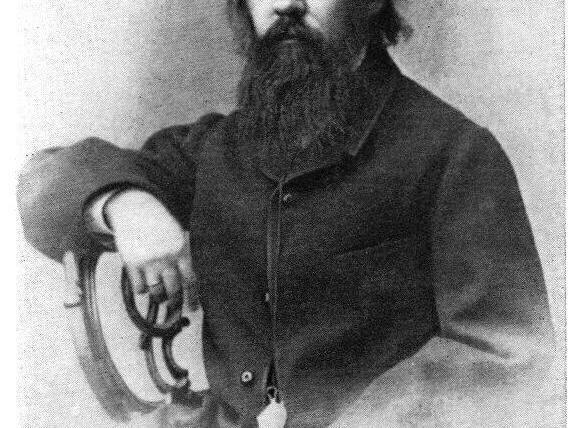
Having left state service, Saltykov devoted himself entirely to literature. He became co-editor and shareholder of the journal «Otechestvennye Zapiski» (Notes of the Fatherland), where he published his key works: «The History of a Town» and «The Golovlyov Family.» After Nekrasov«s death, he headed the journal. In a letter to the editors of »Vestnik Evropy« (The Herald of Europe) in 1871, Saltykov explained that »The History of a Town« is »a perfectly ordinary satire« directed against such traits of Russian life as »complacency carried to the point of flabbiness« and »frivolity carried to the ability to lie without blushing.«
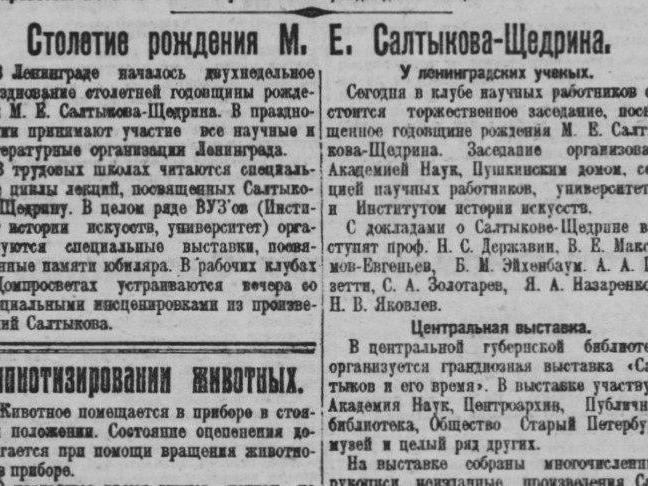
Despite his reputation as a denouncer, in the highest circles Saltykov was valued as a witty satirist. The lawyer Anatoly Koni noted: «Shchedrin writes for Strasbourg geese, which are irritated so that their livers grow for pâté.»
In 1884, the journal «Otechestvennye Zapiski» was closed. In solidarity, a delegation of students led by Alexander Ulyanov, the elder brother of Vladimir Lenin, came to the writer. This visit was later described by Yevgeny Yevtushenko in his poem «Kazan University.»
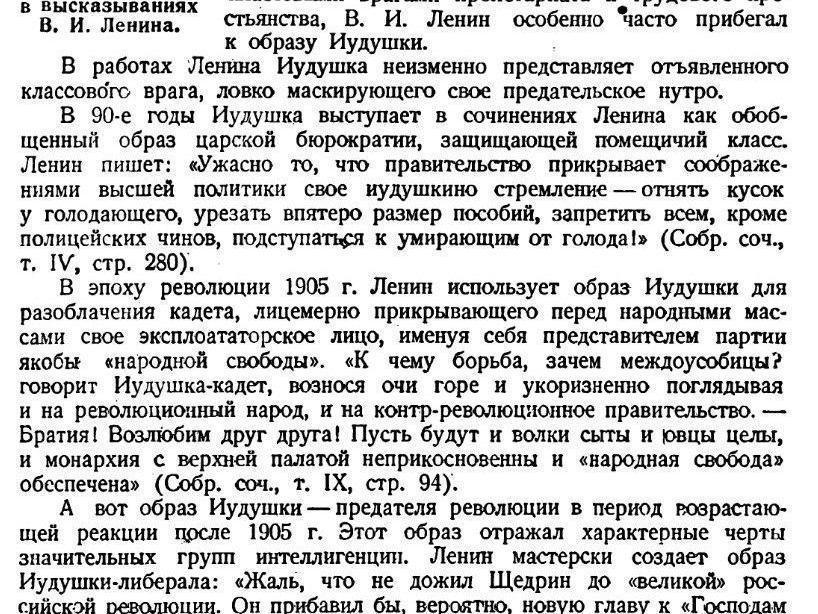
Lenin highly valued Saltykov-Shchedrin, often using his images in polemics. A 1939 literature textbook even included a sub-chapter titled «The Image of Judas Golovlyov in the Statements of V. I. Lenin.»
The novel «The Golovlyov Family» (1880) is called by critics one of the darkest books in Russian literature. The American writer Theodore Dreiser saw its author as a figure of world significance, and Japanese translators consider this work the most terrible testimony to the decay of the Russian nobility.
In addition to «blagoglupost» and «zlopykhatel»stvo,« Saltykov introduced into the language the word »khalatny« (literally »dressing-gown-like«) in the sense of a negligent attitude towards duties. According to the staff of his museum, he is the author of about 600 new words, including »glasnost« (openness), though this estimate may be exaggerated.
There are no monuments to Saltykov-Shchedrin in either Moscow or St. Petersburg. His bronze bust by Leopold Bernstamm, installed on his grave, was stolen in the 1920s and replaced with a copy. The reason for such «disfavor» may lie in the eternal resentment of the official class towards the «prosecutor of Russian public life.»
The entry in Nicholas II«s diary dated 28 June 1918, made three weeks before his execution, ends with the words: »Began reading volume VIII of Saltykov.« That volume included the satirical works »Abroad« and »The Gentlemen of Tashkent.« As Maxim Gorky would later remark, it is impossible to understand the history of Russia in the second half of the 19th century without Shchedrin.