A Samara Mother's Year-Long Battle to Enforce Child Support

Let«s skip the story of how I ended up chasing my ex-husband with bailiffs. It»s just cringe, and I wouldn«t wish it on anyone. Anyway, you»ll understand everything as you read the text.

I«ll just say that at first, after the breakup, we had a decent relationship. He stayed in touch with our child, and we even celebrated the divorce at a restaurant. At some point, about a year later, we went to a notary and drew up a child support agreement. This is a document that both parties sign voluntarily.
We fixed the amount in the document — a little over 12 thousand rubles per month (approximately $150 at the time). Now it seems laughable, but back then (in 2022) it was normal. He worked as a taxi driver and earned about 40-60 thousand rubles. We calculated everything, and 25% of that sum — 12 rubles and some kopecks — roughly matched the child«s subsistence minimum: 12,692 rubles (about $170 at the time). That»s the figure we set.
“The amount will be indexed every year,” the notary warned. “Look at how the subsistence minimum has increased, and transfer that much.”
In short, we tied the alimony to the child«s subsistence minimum. We were given a nice document on official paper, with a series and number, signatures and stamps.
A notarized child support agreement is a voluntary contract between parents or other obligated persons, which fixes the amount, procedure, and timing of payments for the maintenance of a child or other recipient. The document is certified by a notary and has the force of a writ of execution, meaning it can be sent to bailiffs without going to court. The agreement allows for flexible determination of alimony terms and their amendment by mutual consent of the parties.
First Visit to the Bailiffs – January 2025
In the autumn of 2024, problems began. My ex would transfer money with a big delay, for example, at the end of October for September; sometimes he«d transfer 4 thousand, sometimes 10. Then he stopped paying anything at all, stopped responding to messages, and wouldn»t answer the phone. Once, I got angry and started calling repeatedly. He simply blocked me.

By that time, he had almost no contact with our child and didn«t even come to our son»s birthday. It became clear there was nothing left to salvage. At the end of January 2025, I went to the bailiffs for the first time.
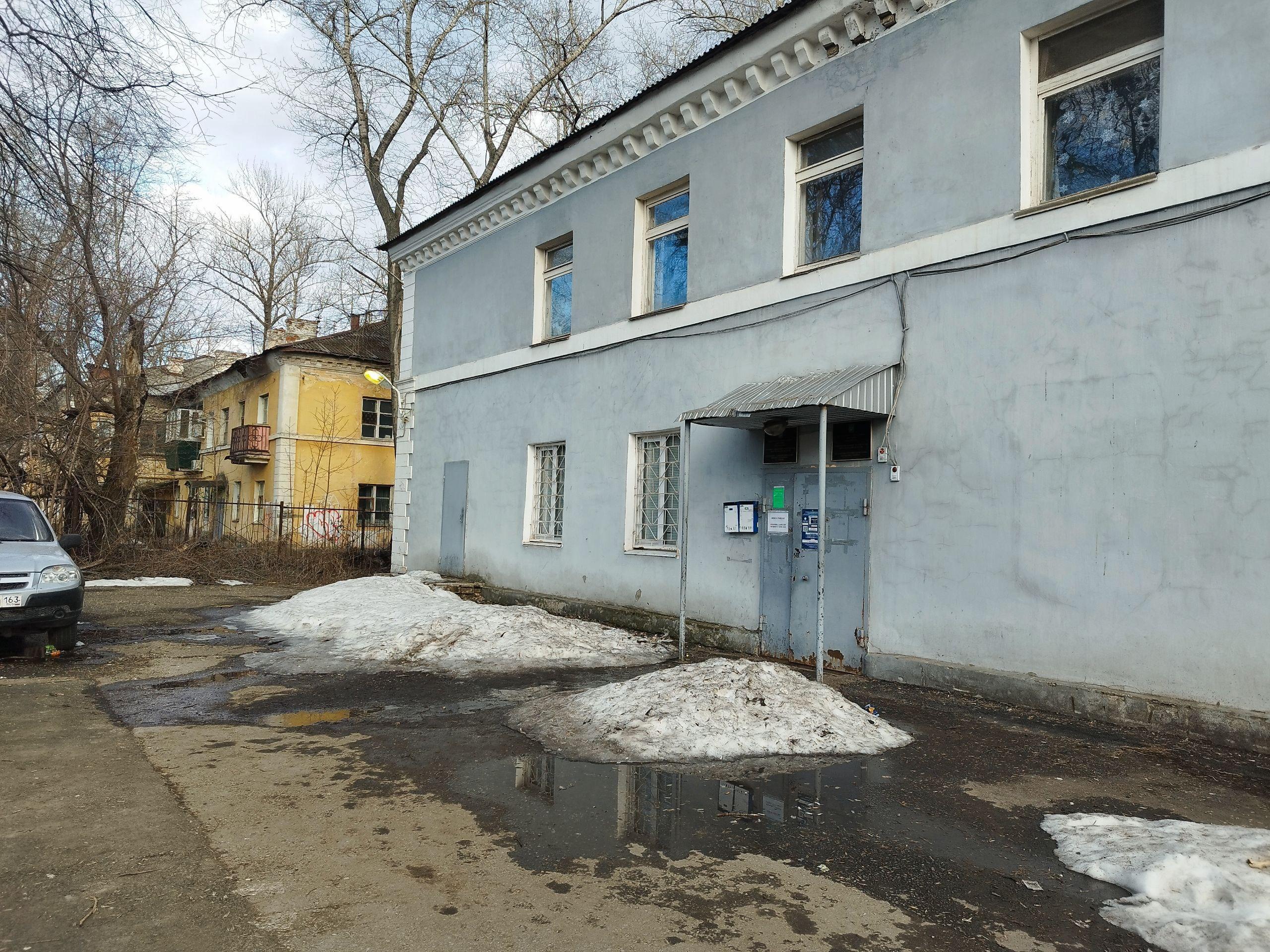
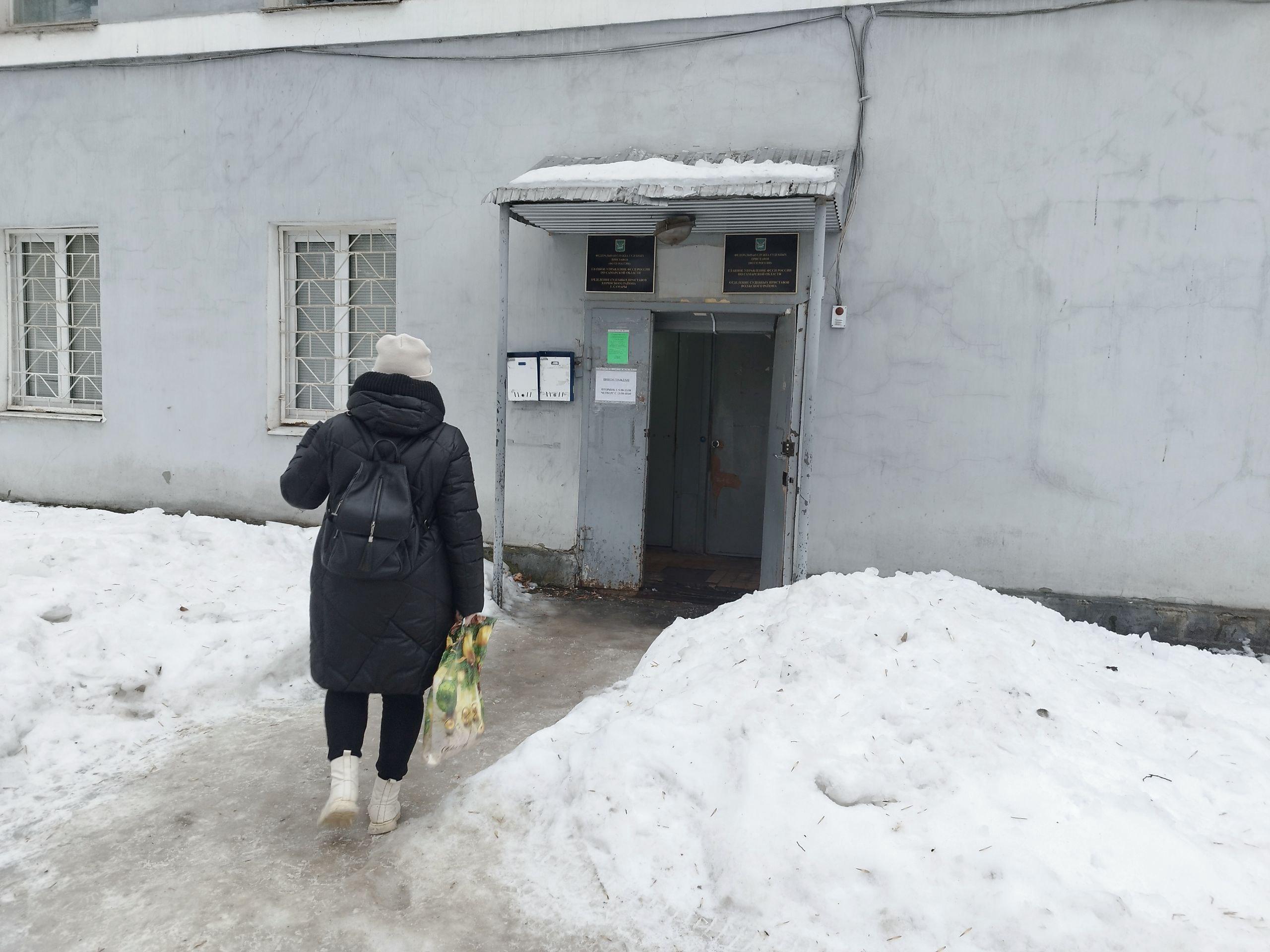
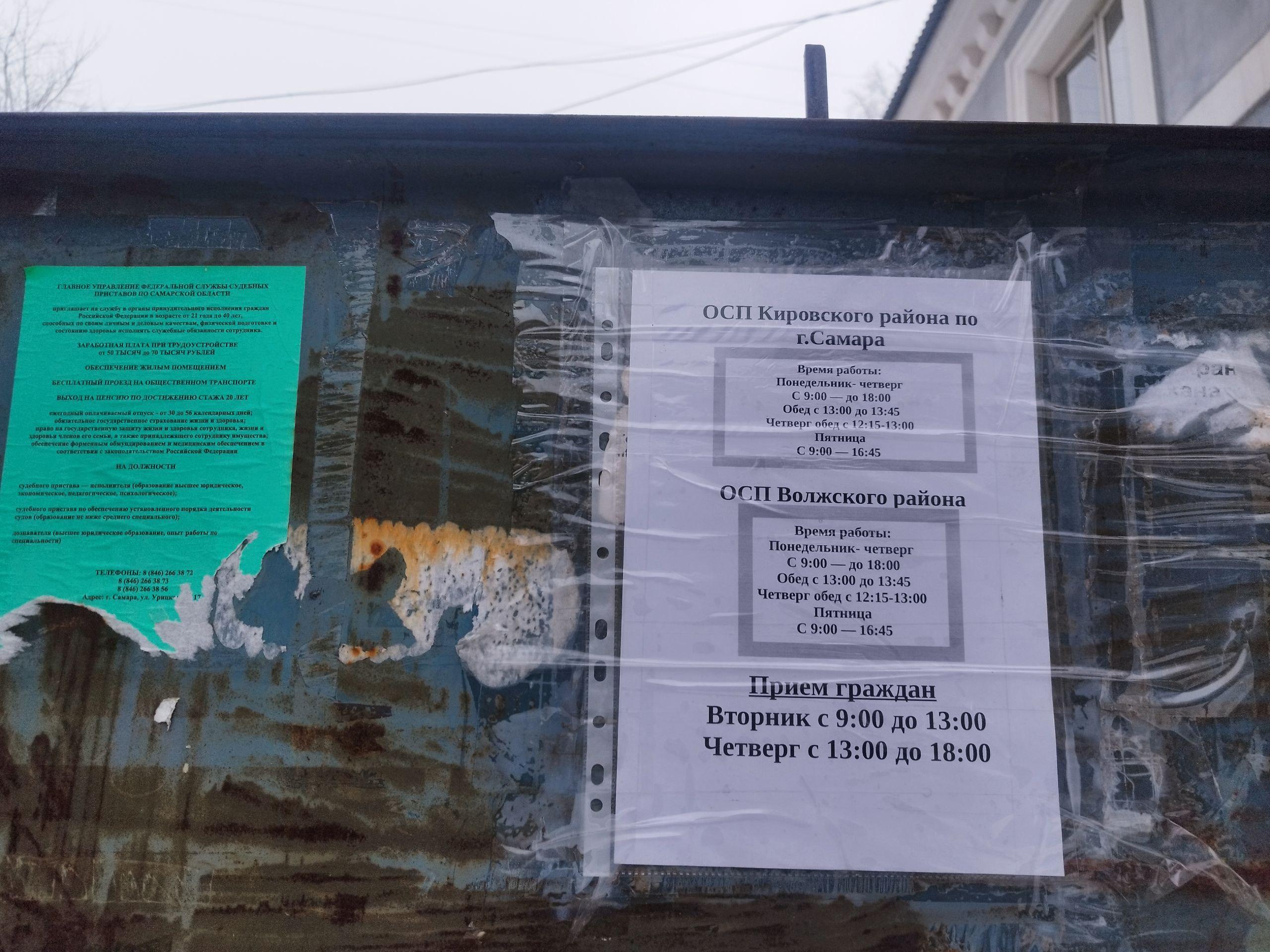
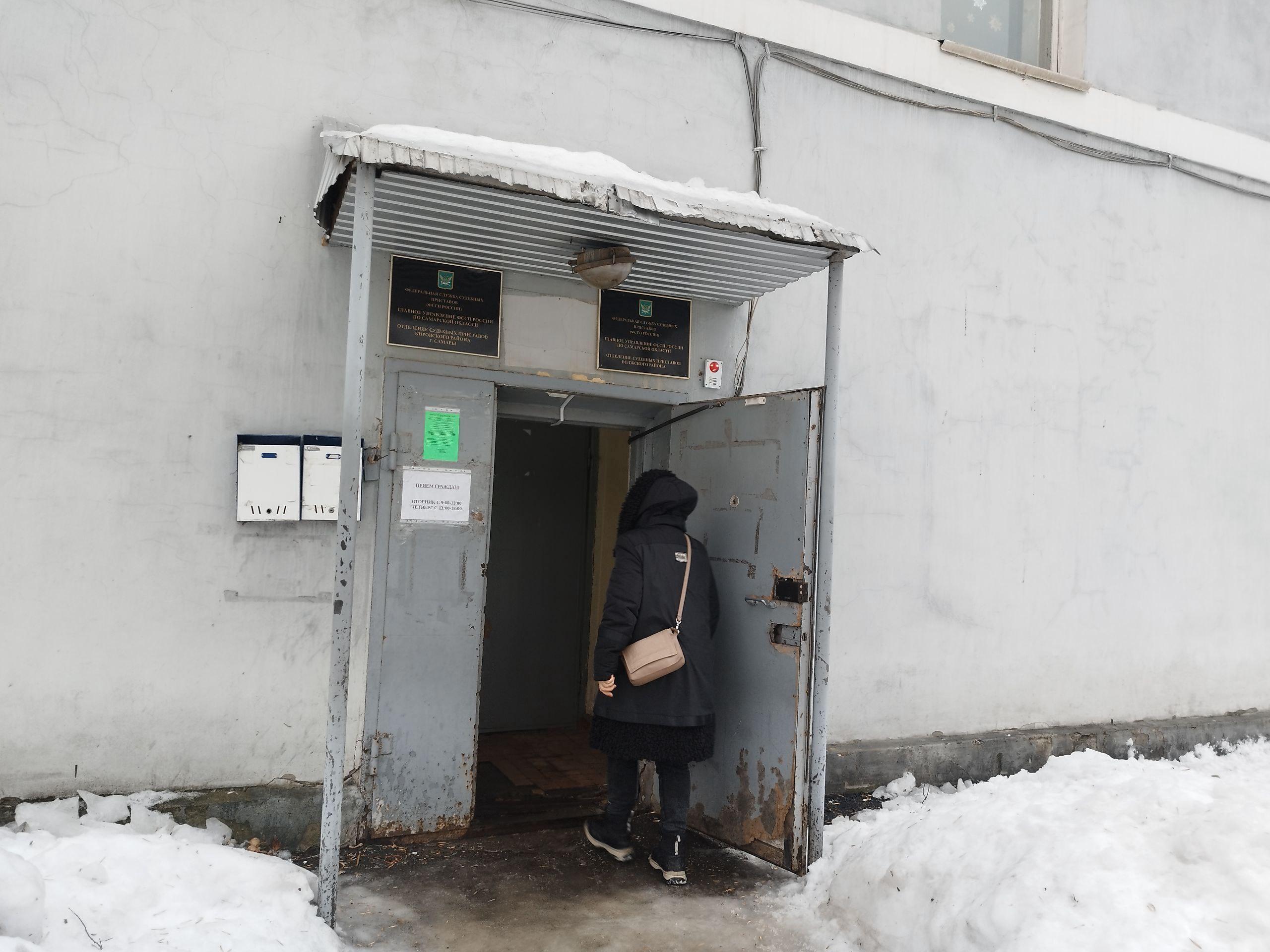
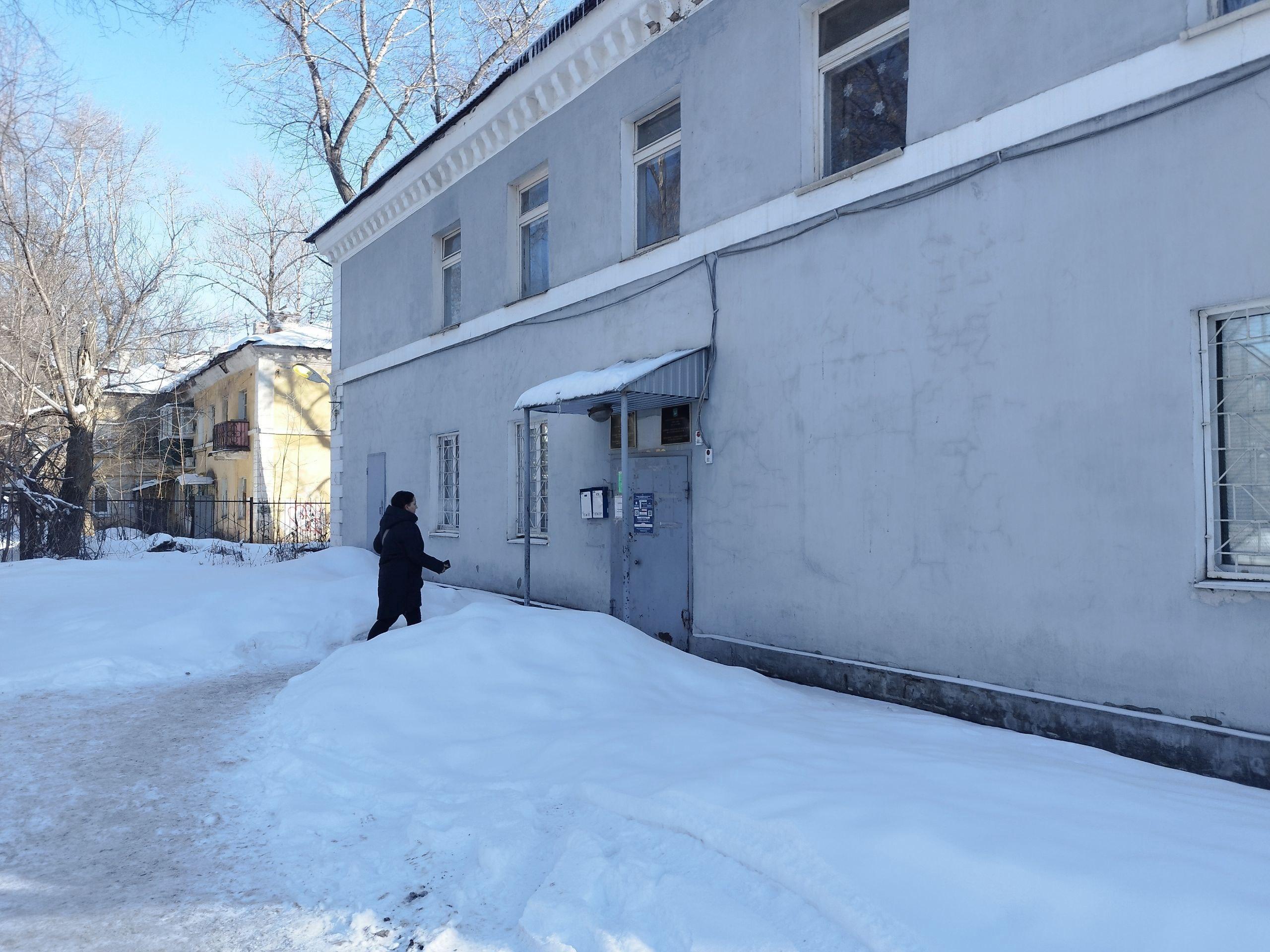
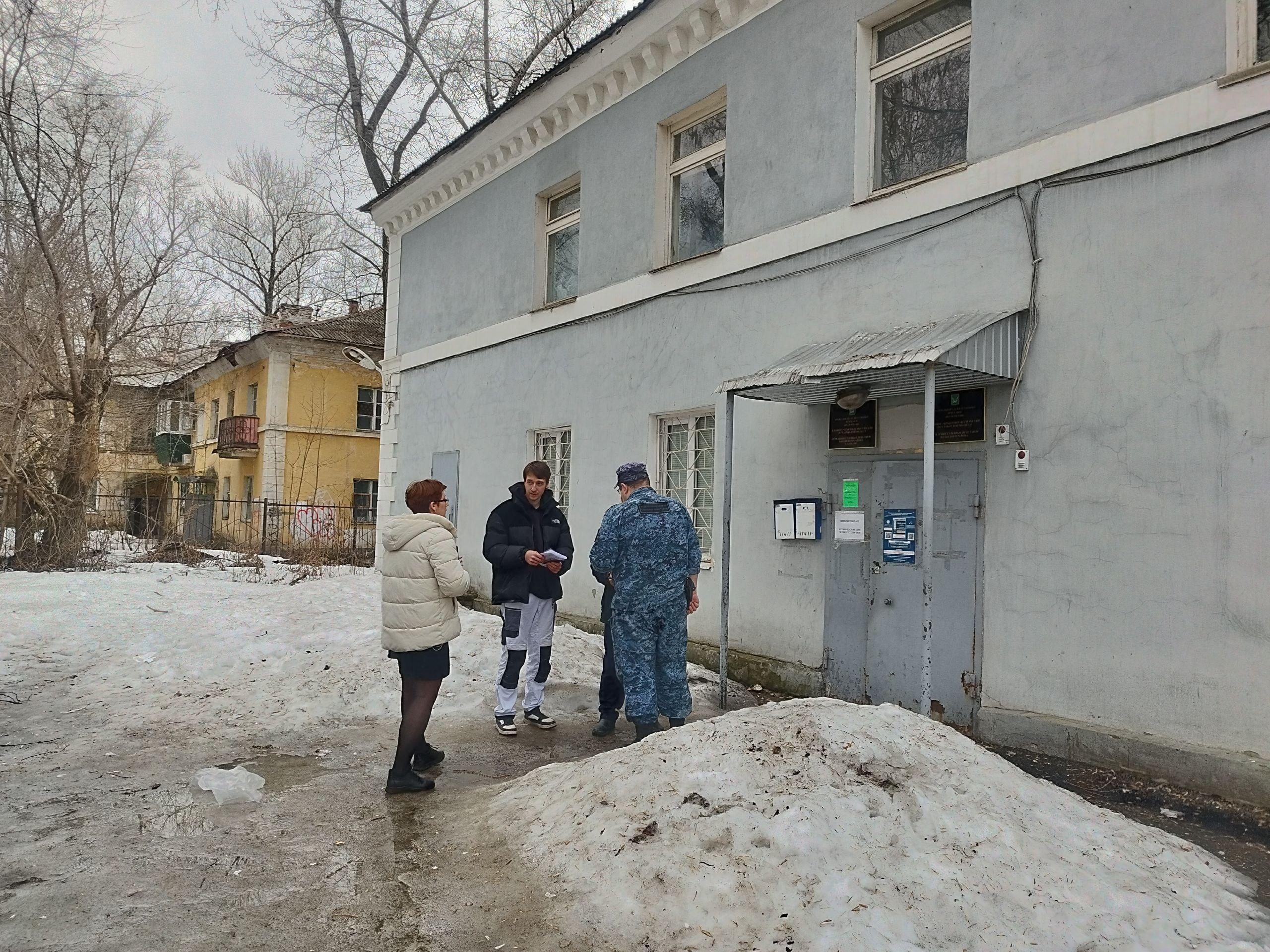
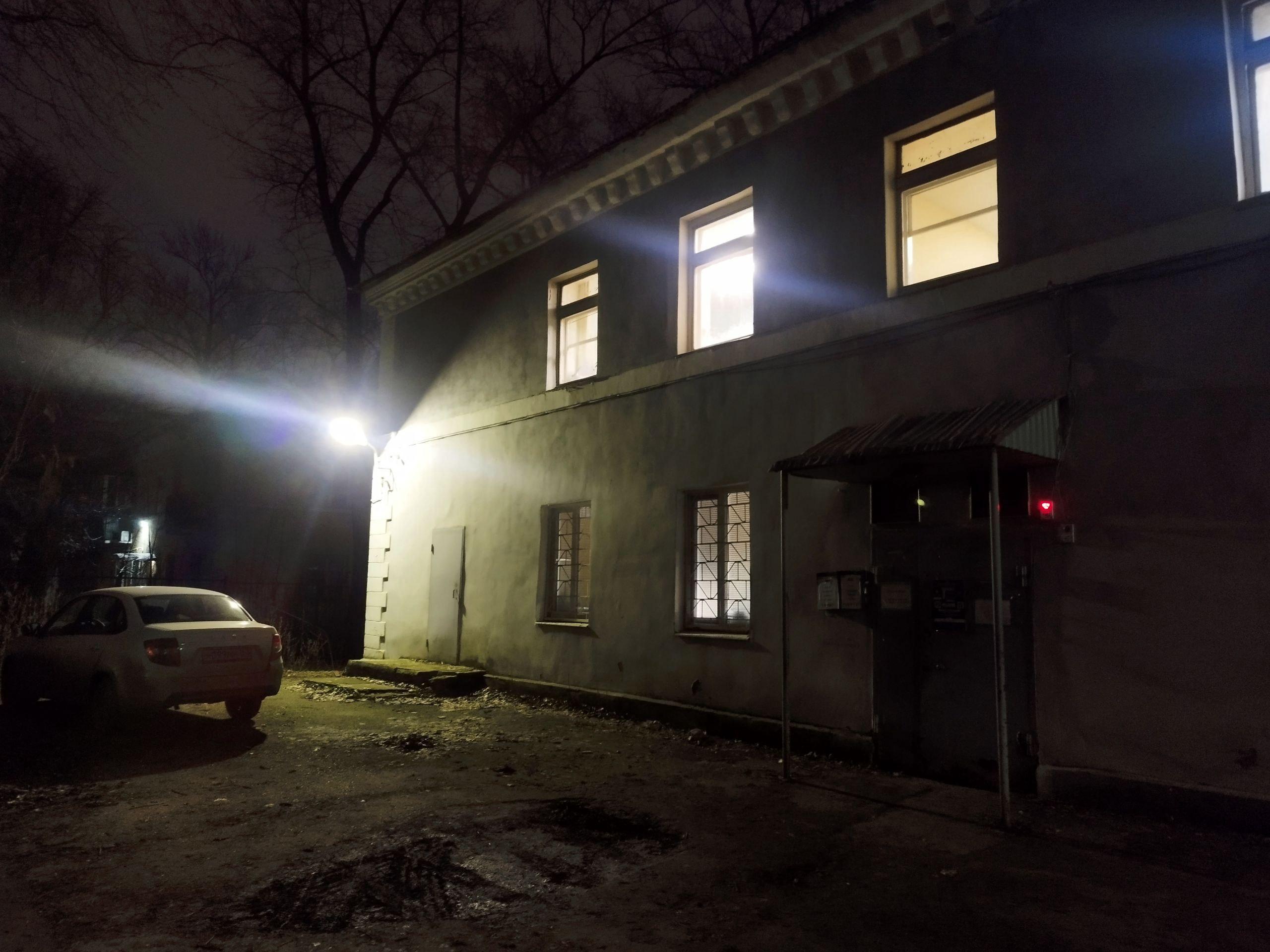
I psyched myself up for a long time. It«s a bit scary to go to such places. However, it turned out to be quite welcoming inside. At the entrance, though, they ask to show your passport and what»s in your bag. But that«s no trouble for me.
“Who is your debtor?” asked the bailiff guard.
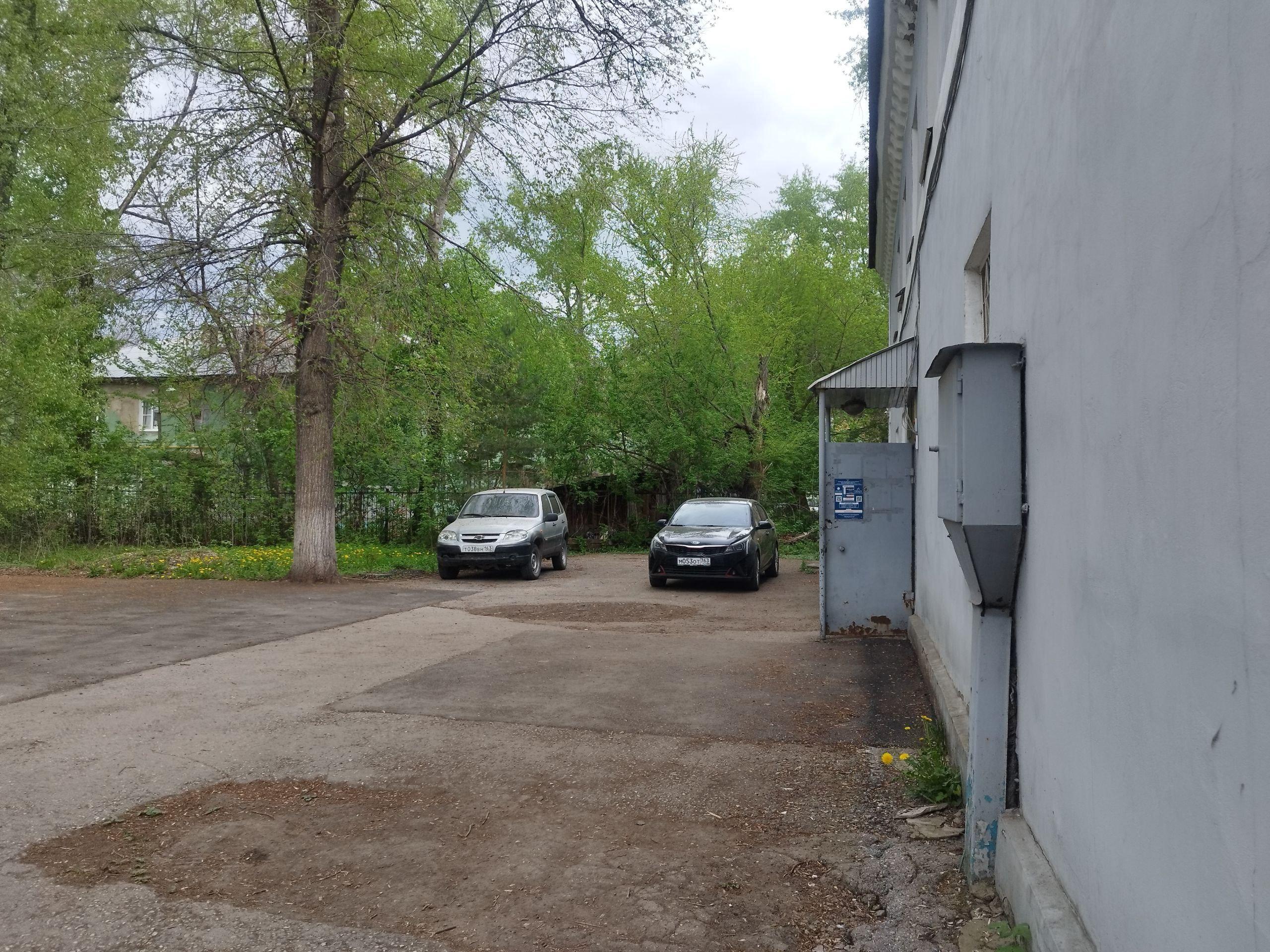
“So-and-so,” I replied.
They searched the database — he wasn«t there. I somehow explained that he couldn»t be there yet, since the case hadn«t been opened.
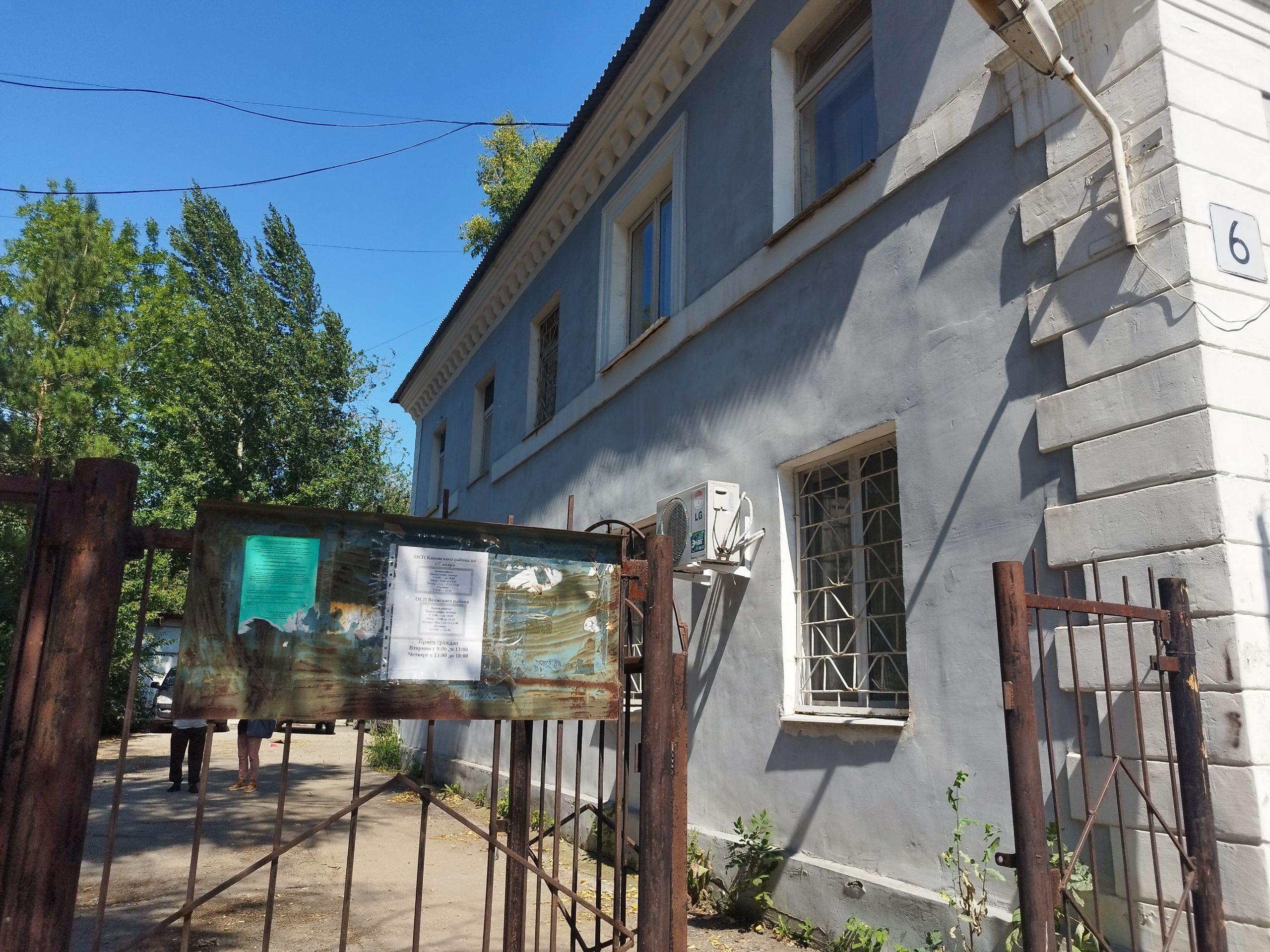
“Then you need to go to the office,” the guard explained.
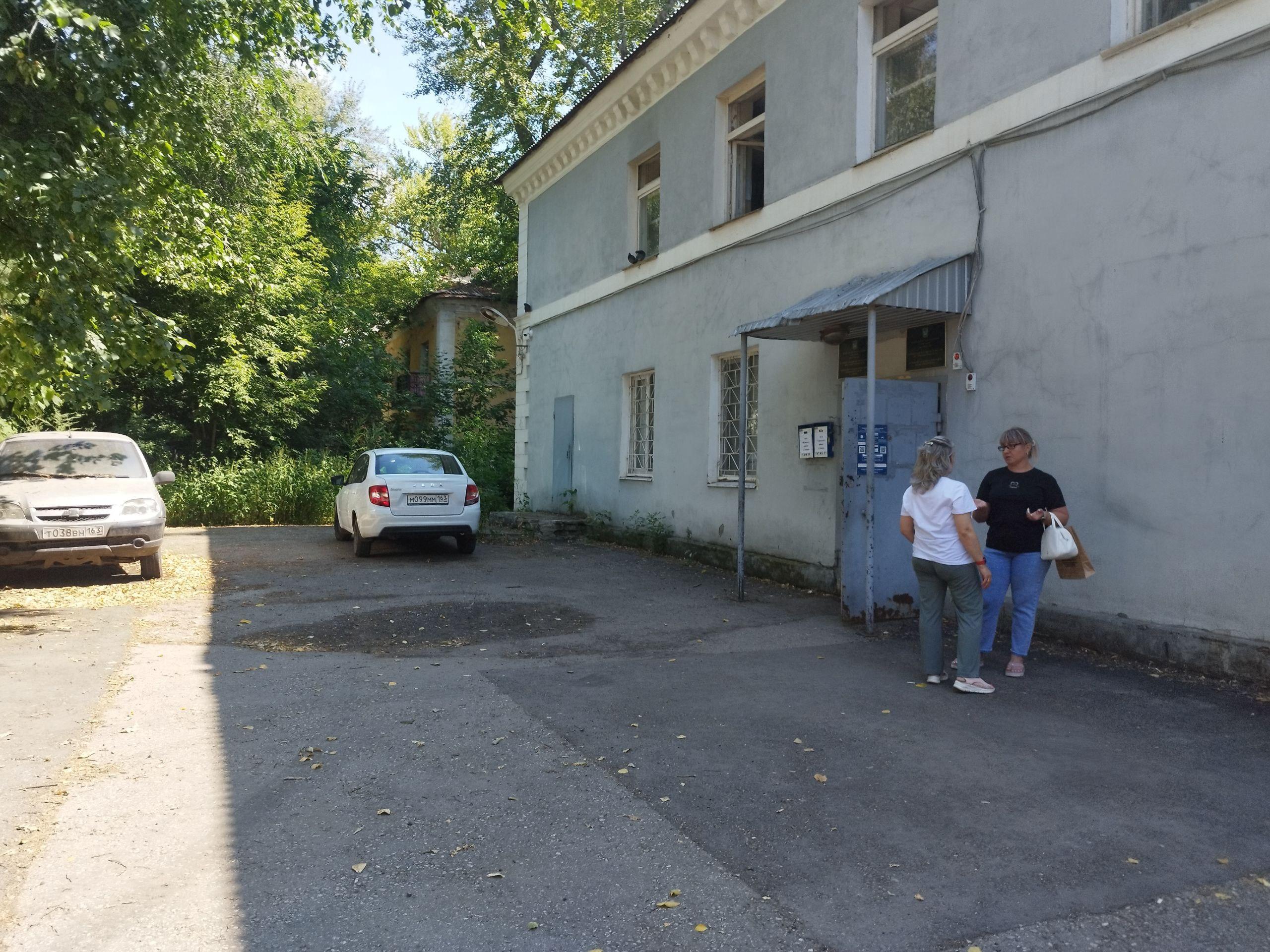
In the office sat a young red-haired girl. I started saying that I had a notarized agreement, my ex-husband wasn«t paying…
“But that«s an agreement between you, what can we do here,” the girl objected.
In principle, if I were completely “from the sticks” and had never opened the internet in my life, the story might have ended there. But I came prepared! I repeated a couple of times that a notarized agreement has the force of a writ of execution. The girl went somewhere, consulted with someone. She returned and told me to write an application.
I was supposed to write the application not in her office, but outside. Then bring it back ready.
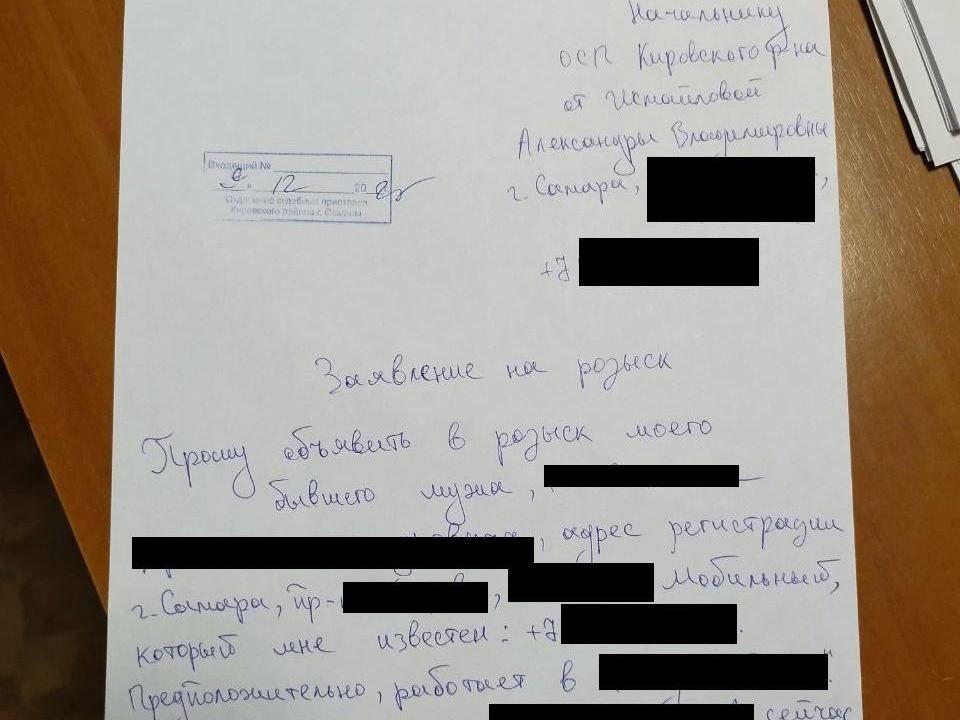
In the application, you need to indicate everything you know about the debtor: address, phone, place of work, contacts of relatives and close ones; whether there is property, a car, business, accounts, etc. If you don«t know something, you can skip that line.
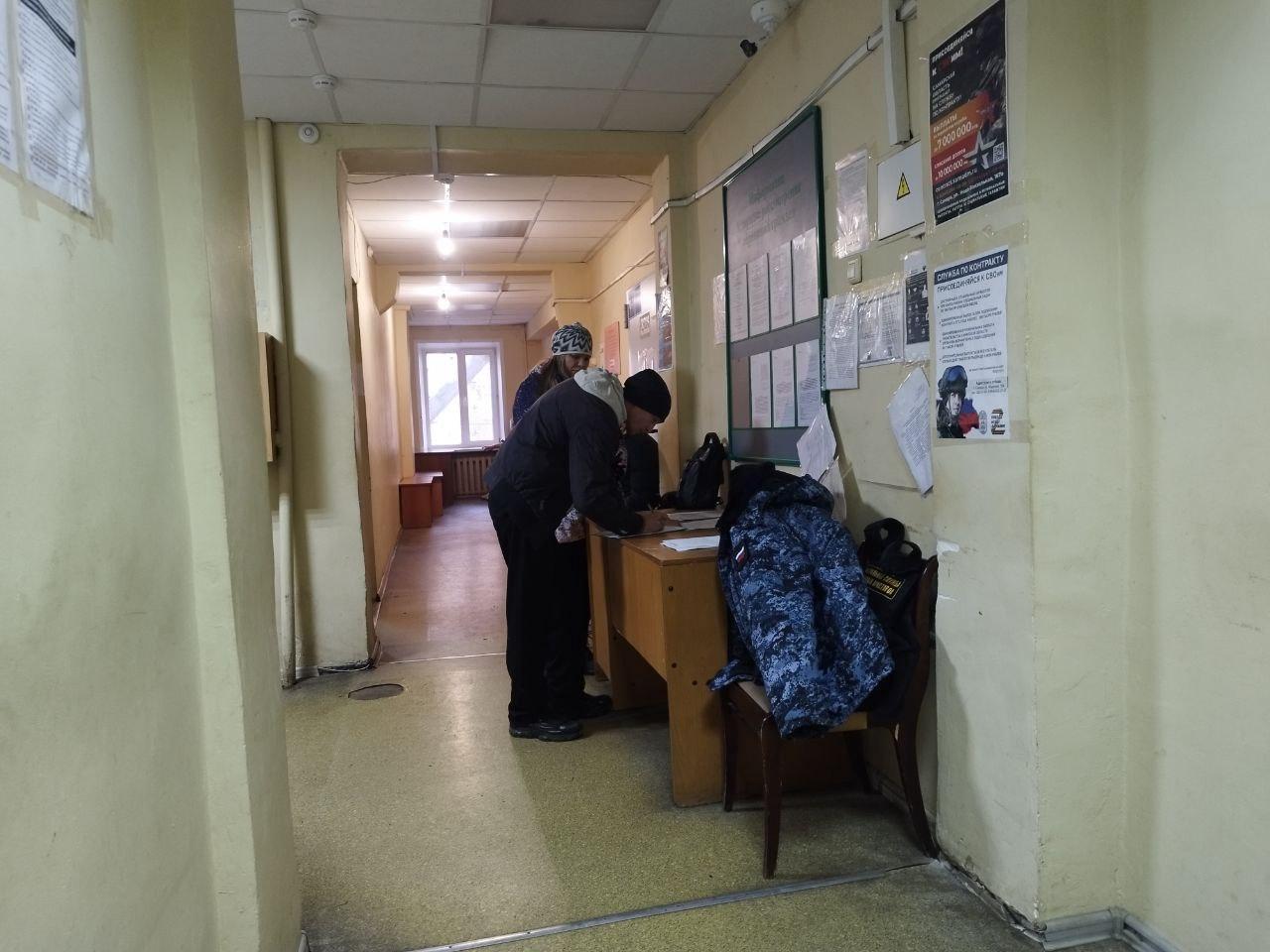
While writing, I witnessed the sweetest scene in the corridor: the bailiff guard was “consulting” a little old lady, very softly and patiently explaining what she needed to do, how to access government services from her phone, what to find there, where to click. And later I saw similar situations many times. The guards there are like saints; people shouted and cried in front of me, and they calmly and kindly sorted everything out.
I wrote everything I knew and returned to the office. They accepted the application. They also took the alimony agreement and attached it. I regretted not making at least a photocopy.
“In a few days, a notification will come to government services, and you«ll see who your bailiff is,” the red-haired girl explained.
And that was it, they let me go, and with a clear conscience, I went home.
Second Visit to the Bailiffs – February 2025
After a few days, nothing came to government services. Not after a week, not after two. So I went back to the bailiff office on foot. This was February 20.
The second time, I became a bit more experienced. I realized I didn«t need to bring a backpack with a laptop, stuff a hat and scarf in there. Showing all that is heavy and inconvenient. It»s easier to travel light, taking only my passport and phone.
I showed my passport to the guard, said who my debtor was. He told me who my bailiff was. That«s how I understood the case had been opened after all.
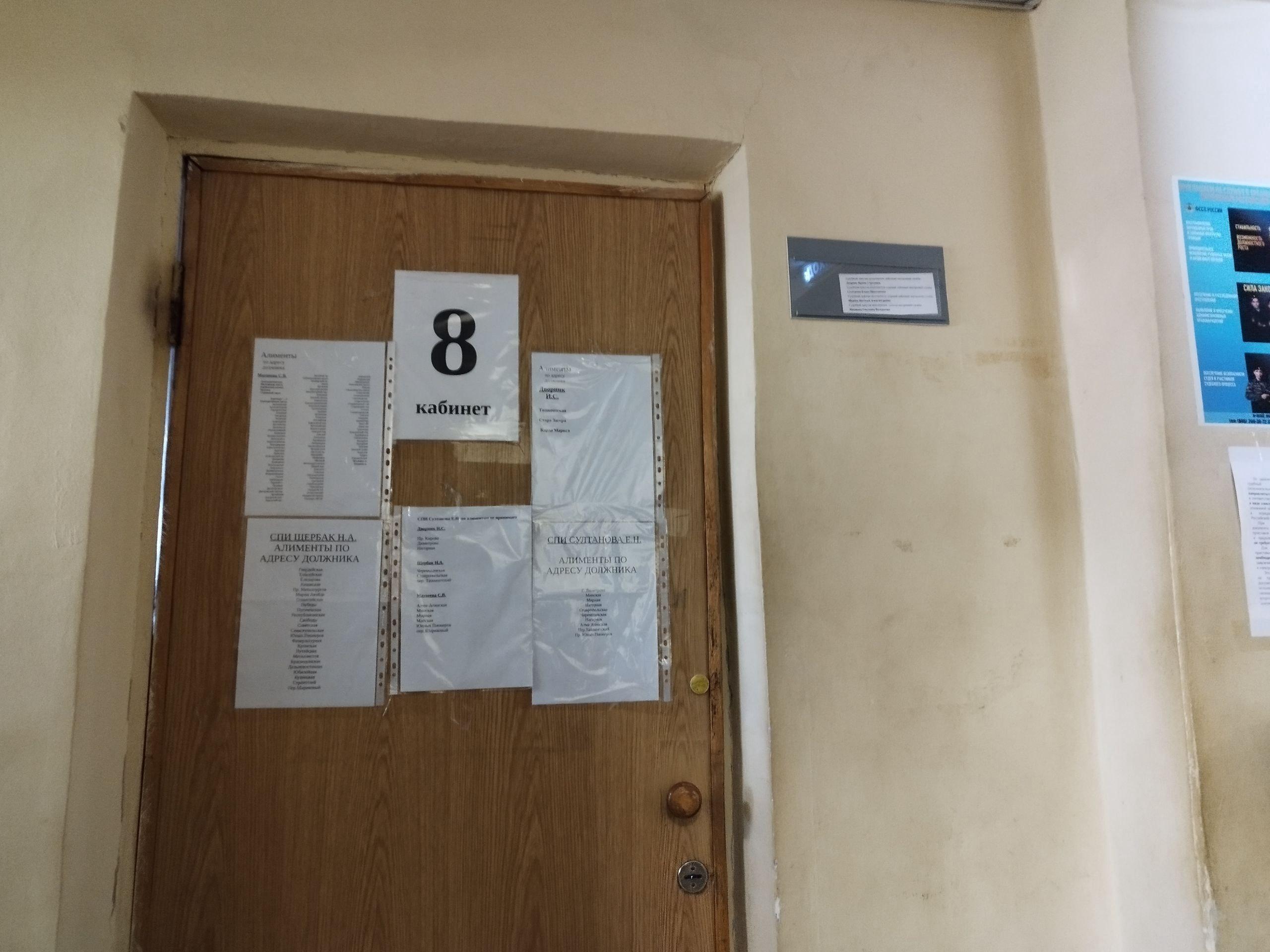
“Room 8, second floor,” they directed me.
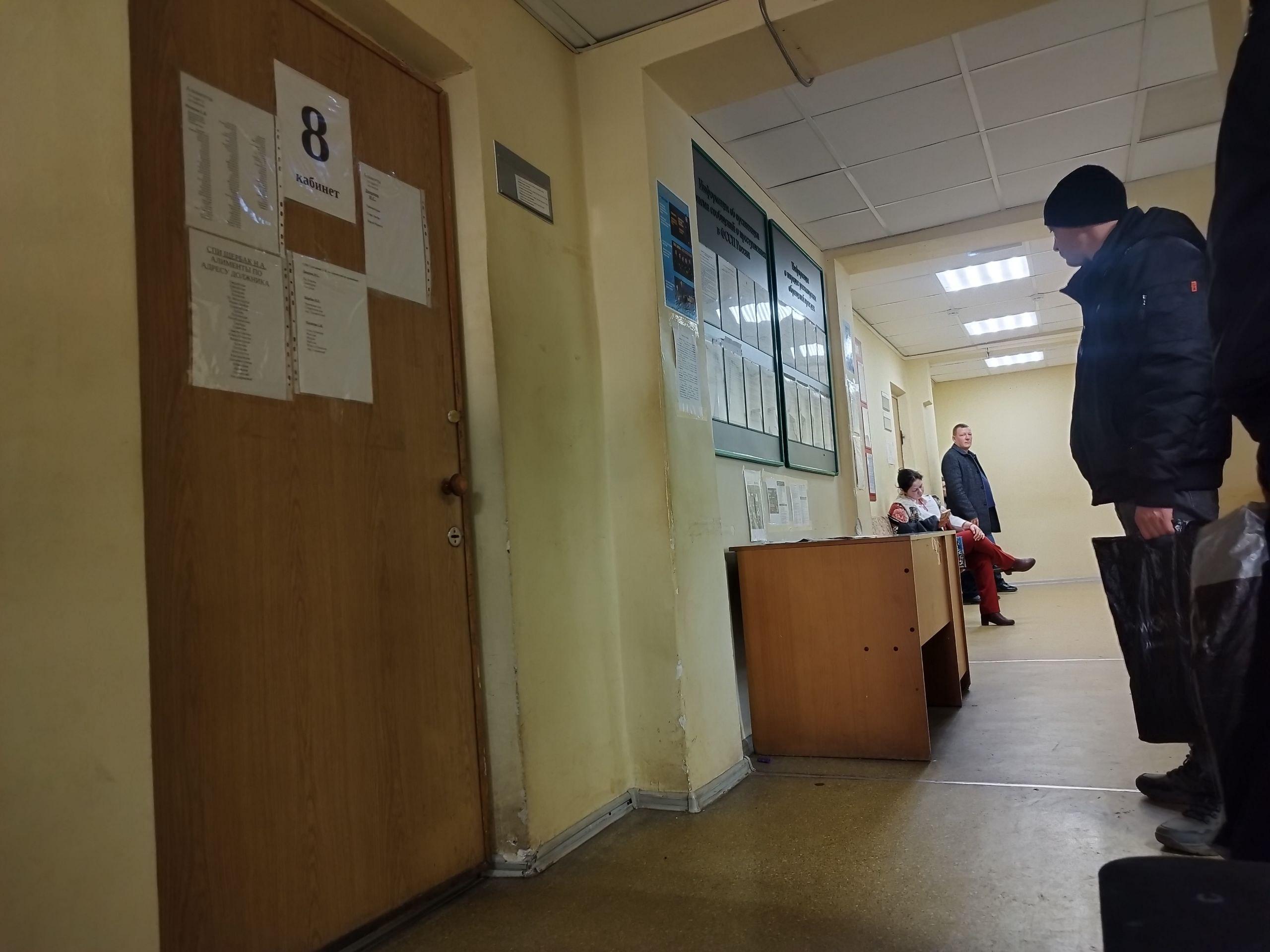
There was a queue, but a small one. Literally 1-2 people went in before me. After 30 minutes, I went in too and met “my” bailiff. She found my case in a huge, floor-to-ceiling cabinet. There were many, many other cases there.
They told me to write something like an explanatory or clarifying note — how long my ex-husband hadn«t been paying, what the current claim amount was. My handwritten paper was attached to the case.
“We«ll summon him,” the bailiff promised.
I couldn«t think of anything else to ask or say. I only asked how often I should come. But I phrased it awkwardly: “I probably don»t need to come here every week, right?” The bailiff confirmed that, of course, there was no need.
The second visit was over.
Third Visit to the Bailiffs – March 2025
I didn«t quite understand how often I should remind them of myself. And I decided that after three weeks would be just right. My third visit was on March 13.
But it turned out to be very short. There was no electricity in the building. The guard (as usual, super-polite) explained that without electricity, nothing works, the bailiff wouldn«t even see me because she couldn»t find my case on the computer.
I couldn«t think of any question to bother the men with. No electricity, come another time, it»s all simple and clear. I had to turn around and leave.
Fourth Visit to the Bailiffs – March 2025 Again
I returned after a week — on March 20.
This visit turned out more interesting. The bailiff said that my ex-husband had come, written an explanatory. He indicated that he wasn«t refusing to pay, acknowledged the debt, just had problems and no money.
“Tomorrow we«re supposed to go to court with him,” said the bailiff. “Only he isn»t answering the phone.”
“Of course, who wants to answer the phone from bailiffs!” I couldn«t help but laugh.
“No, he was here. We explained to him that it«s better to be friends with us,” the bailiff objected.
We chatted a bit more, like two friends. My spiel was that the man has two hands, two legs, a car, his health is fine. At the same time, he doesn«t have a school-aged child you»re responsible for 24/7, who needs to be clothed, fed three times a day, entertained. And with these inputs, a person can«t earn 12 thousand — well, that»s just laughable. She listened to me sympathetically.
“He has problems!” I exclaimed. “And I don«t have problems? I don»t get sick, don«t get tired, I»m an immortal pony. Is that normal? And what will happen in court?”
“As the judge decides. First, administrative punishment. Then — up to criminal.”
I understood this explanation as first a fine, then they could arrest him. Well, that«s it. I went home empty-handed.
Fifth Visit to the Bailiffs – April 2025
A month passed, no alimony, no news — neither from my ex nor from the bailiffs. I went again to remind them of myself. This was April 24.
This visit was also very short. I didn«t get past security. I gave the bailiff»s surname, and they told me she was on vacation.
“And when should I come?”
“Come in May.”
This time, I didn«t go home — I walked. The weather was inviting. I walked and reflected that I was like in a Gogol story. Or some other Russian classic.
I understood what it means to “champion” your case, what it means for something to be “swept under the rug.” How it happens. How for years people can«t resolve the simplest issue. Simply because there are many of us, and only one official. If you don»t remind them of yourself — no one moves. If you remind them — they move, but just a little. So as not to overwork.
May 2025 – First Victory
At the end of May, two sums came to my card — 20 thousand and some kopecks and another small payment, 200-something rubles (approximately $200 and $2 at current rates). This definitely wasn«t an advance, salary, or debt repayment. I wasn»t expecting vacation or sick pay either. After going through everything, I realized that only one option seemed plausible — the bailiffs had collected something and transferred it to me.
I was happy and relaxed a little. The next time I went there was only in the summer.
Sixth Visit to the Bailiffs – July 2025
I must say, carving out time for such a visit is a tricky task. You need to bite off a piece of work time from Tuesday or Thursday. Not every employer will be pleased. But mine let me go.
Of course, I myself didn«t want to go there — so much work, tasks, so many texts to submit, so many questions to solve. And instead — marching to that office, just wasting time. So I kept putting it off, putting it off. And I only went during my vacation — in July.
By this time, I had become even more savvy. In particular, I looked up information about the debtor on the FSSP (Federal Bailiff Service) website — for that, it«s enough to know the full name and date of birth. That way you can find out the case number.
Then we go to government services, select the “Bailiffs” section, a chat with a robot assistant opens. We tell it the case number. It clarifies if I«m the debtor or the claimant. I choose “claimant.” A new page opens. There you can see all the movements on the case. What the current debt amount is, where and what queries the bailiff sent, what restrictions have been imposed on the debtor.
I was puzzled that the debt amount was still a little over 12 thousand. From January to July, it should have accumulated over 80 thousand rubles. 20 thousand had been collected. So, the official debt was about 60 thousand rubles (approximately $600 at current rates).
This is the question I asked the bailiff at the meeting in July. It turned out that the debt isn«t recalculated automatically. It needs to be done manually. They recalculated on a calculator. The bailiff promised that a new amount would appear in the case. Later it really did appear.
After that, I asked how they managed to collect 20 thousand. They explained that in some bank, an account was found, there was money in it, and it was seized. I was surprised and showered them with thanks.
Then it turned out that my ex-husband still hadn«t come to court. The reason was very simple — he wasn»t answering the phone.
“That«s somehow not right. You bury your head in the sand, don»t answer the phone, and they leave you alone? That shouldn«t be. So, if you come to court, everything will happen, but if you don»t come, they«ll leave you in peace?” I was indignant.
“No, we won«t leave him,” the bailiff objected. “I even issued a summons for compulsory appearance.”
Here I became interested in what a summons for compulsory appearance is. She explained that paperwork is filed. Bailiff-enforcers go to the address. Their task is to bring the debtor to court forcibly.
But they didn«t find my ex at his place of residence. So the only way is to issue another summons and try again.
“Our boy has gone missing. He isn«t answering the phone,” the bailiff said sadly.
“Who would answer the phone from a bailiff…” I joked sadly for the second time in half a year.
“I«ll call from my personal phone.”
Then I asked if we could seize the debtor«s laptop, snowboard? After all, he doesn»t live poorly. He«s just playing poor. Do you need large debts for that?
“No, not large. But we still need to get there, to his home,” the bailiff said perplexedly.
I was also interested if we could restrict the debtor«s right to drive a vehicle. I saw that through government services, you can file a petition with the bailiff about this. Is there any point in me doing it?
“Point… In principle, probably not, it«s already there. With the traffic police, we have it, it»s automatic… a warning. It automatically pulls in,” was the response.
Well, I can«t say, a productive meeting. Alright, I»ll go home again, wait some more.
Seventh Visit to the Bailiffs – December 2025
A fair amount of time passed before I decided to go again. From July to December, nothing happened — no money, no news from my ex, no word from the bailiffs.
Only rumors reached me that my ex-husband had moved to Nizhny Novgorod (a city in Russia). I thought I should probably inform the bailiff about this, and set off on the familiar path on December 4.
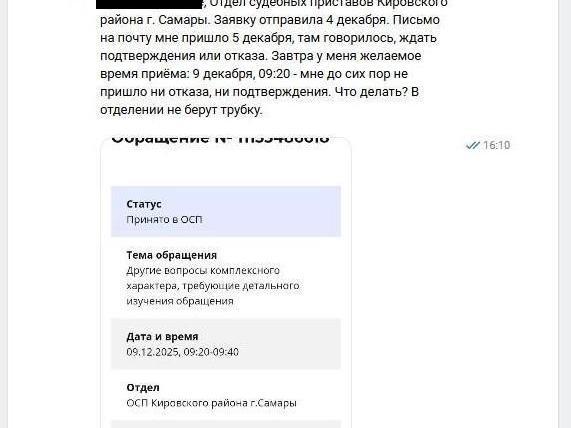
However, this time too, I was turned away. It turned out that the bailiffs now have a new system — you need to book an appointment through government services, wait for confirmation, and only then come. A maximally polite guard showed me a QR code; I tried to book for the nearest Tuesday right in front of him. He suggested which reason for the visit to choose.
Then he explained — you«ll now get an email that the application has been received. Then two more emails will come — that the application is being processed and that the appointment is confirmed. Wait for confirmation, then come.
All this happened on December 4. I applied for December 9. The first email came immediately. The next day, December 5, the second email came — saying the application had been received, being processed.
But the third email didn«t come! Not on December 6, nor the 7th. Not on the morning of the 8th. Not on the evening of the 8th. On the morning of the 9th, I needed to go to the appointment. But they weren»t confirming it. And they weren«t refusing either! If refused, the bailiff should suggest another time. I would have agreed, of course. But when nothing happens — you feel completely bewildered.
I call the department — no one answers. I call the FSSP hotline — there«s a robot, can»t get through to an operator. Okay, let«s try writing to the VK group.
Eighth Visit to the Bailiffs – December 2025 Again
“Did you book an appointment?” the bailiff asked sternly.
“Yes,” I assured her.
The bailiff found my case and gradually remembered me.
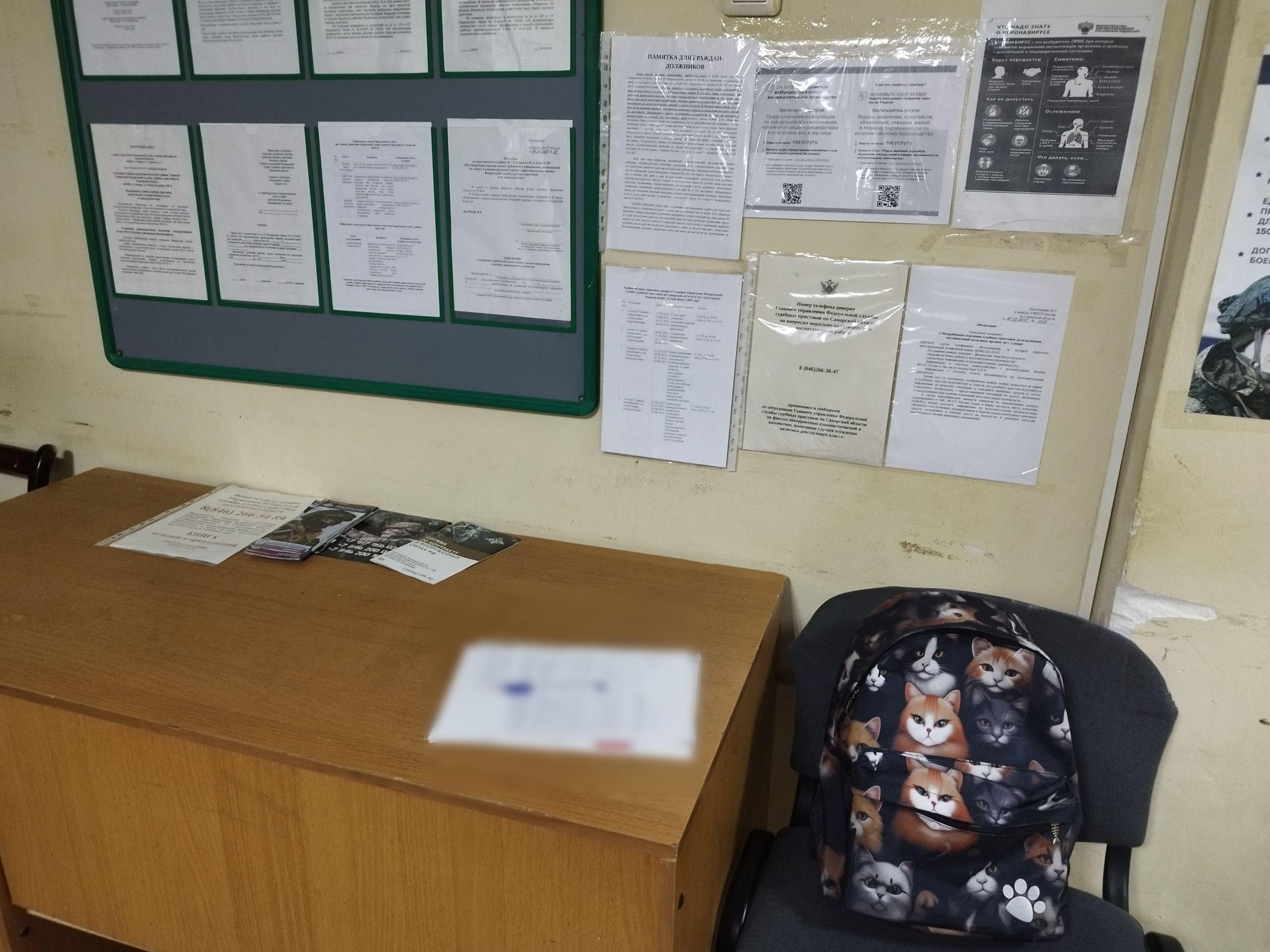
“It«s so cold in here,” complained her colleague, who was sitting at the next desk. And in front of me, she started moving a heater, looking for a warm jacket in the closet, and drinking tea with dessert.
“There was an attempt to serve him on December 2. He doesn«t live at this address,” said the bailiff. “Where could he be?”
“There«s information that he»s now in Nizhny Novgorod,” I told her what I came with.
“Write an application for a search, submit it to the girls in the office. So they can register it, so I can run it in the database. So they can start a search. They need grounds for that. We left a summons. His mom isn«t talking,” said the bailiff.
I said I understood everything and asked to recalculate the debt amount again, because in the case, the amount of about 60 thousand rubles was still hanging. As it had been since July, so it remained in December.
“We calculated it wrong with you,” said the bailiff.
It turned out that for the calculation, we needed to take this year«s subsistence minimum: 16,169 rubles for a child (approximately $160 at current rates). Not 12,692, as we did in July.
We multiplied the minimum by 11 months, because December wasn«t over yet. It came to 177 thousand and some kopecks (approximately $1,800 at current rates).
“Wow, holy cow,” I said.
“Yes, and from the new year, this minimum will increase again,” the bailiff replied.
And then she got a phone call.
“Yes, Dad. Hi. Yes, he got sick. He had a temperature of 38 yesterday… No, Dad, take this and that, please, if you«re going to get it. Uh-huh. He hasn»t woken up yet, right? He didn«t go yesterday either… Yeah. Bring it. Bring some raspberry jam too. And look for something else there. Okay? Orange, strawberry, something like that…” the conversation was quite long. I felt awkward listening to it.
Anyway, in the end, the bailiff finished her personal matters and turned her attention to me. We fixed the new debt amount, and they even gave me a copy of the order about it.
But I still had questions. In August, I sent a petition through government services, asking to restrict the debtor«s right to drive a car. I got some strange response — “service provided, explanation given.”
In the case, I saw restrictions imposed on the debtor — in particular, account seizures. But there was nothing about driving a car. This is what I asked to explain:
“And remember, I also asked about driver«s licenses. Can»t we restrict that?”
“That«s already set for him. A restriction,” the bailiff assured.
“And why don«t I see it on government services, in the case?”
“We have a warning issued so far, from September 10. We need him to sign it to issue the restriction,” the bailiff explained.
With that, we said goodbye. I went down to the office, wrote an application for a search for the debtor. They accepted the application, put a stamp on it.
A Few Conclusions and Thoughts Aloud
So, I«ve been going to the bailiffs for a whole year now. During this time, 20,000 rubles (approximately $200) have been collected. On one hand, that»s better than nothing. On the other hand, my ex hasn«t been caught, hasn»t been brought to court. He successfully moved to another city, and the money is still not there. And there was a moment when he wasn«t hiding and was practically in their hands!
I can«t say that the bailiff does nothing at all. After all, they managed to collect twenty thousand. In the case, I see that she sends queries to all banks, to the traffic police, to the Pension Fund. Answers come. So something is happening, there is some movement. But it doesn»t make it easier for me.
Thank God I have a good job, and my parents help. I can feed, clothe, and shoe my child myself. But what if those 12,000 rubles were half my monthly budget? I know that for many single mothers, every penny counts.
Would no one have helped me for a whole year, would my child have gone hungry, and would the state, which encourages us to have children, just throw up its hands? Oh, he isn«t answering the phone, what a shame!
Overall, I saw the extreme sluggishness of the system. And a kind of helplessness. I believe it shouldn«t be this way. If it»s about children, these cases should be treated a hundred times more carefully! For you, it«s just a number in a report, but for me, it»s a question of what my son will have for dinner, whether we«ll celebrate his birthday or just sit at home.
I«ll also note that I consciously went through this ordeal. I understood: if I said I was a journalist, the attitude would be a bit different. But I was interested in how the agency treats ordinary people. Basically, they treat them normally, politely. But help — they won»t help. Or this help will stretch out for years.
And it«s worth saying that drinking tea and chewing food in front of visitors, discussing on the phone what jam to buy and that your son is sick — these habits should be left in the last century. In 2025, you can»t allow yourself that. And renovation in the department certainly wouldn«t hurt.