Thought Fixers: The Evolution of Writing Instruments
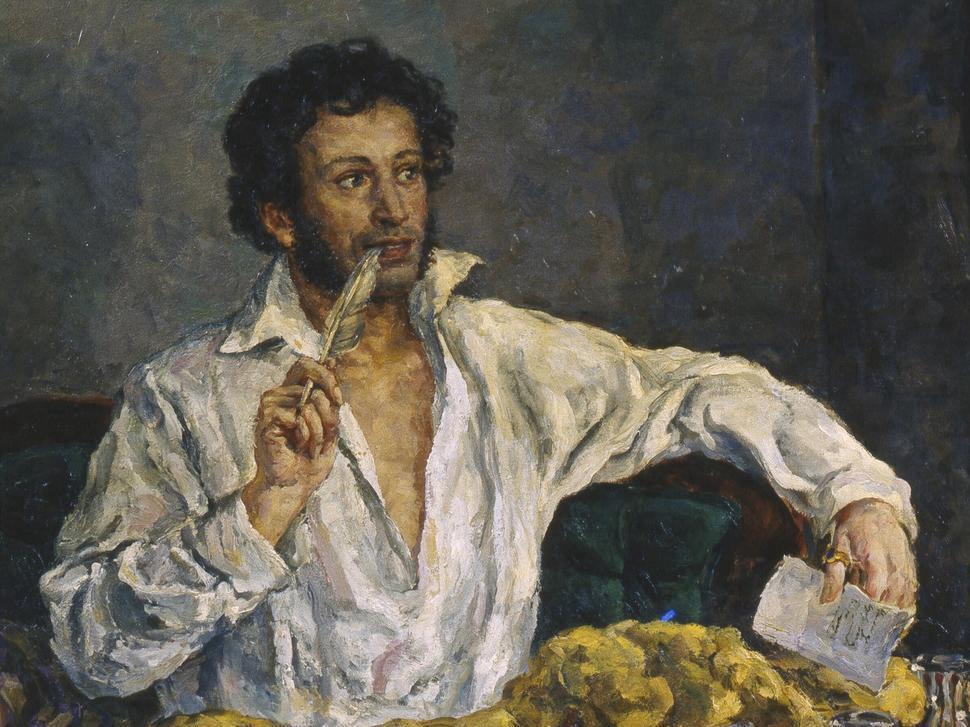

Before the era of ballpoint pens, humanity for millennia fixed thoughts with a variety of tools: from stone imprints and sharpened sticks to bird feathers. Each innovation—the steel pen, pencil, fountain pen—was perceived as a sensation. Today, in the age of digital technology, the question arises: how relevant are traditional writing implements still?
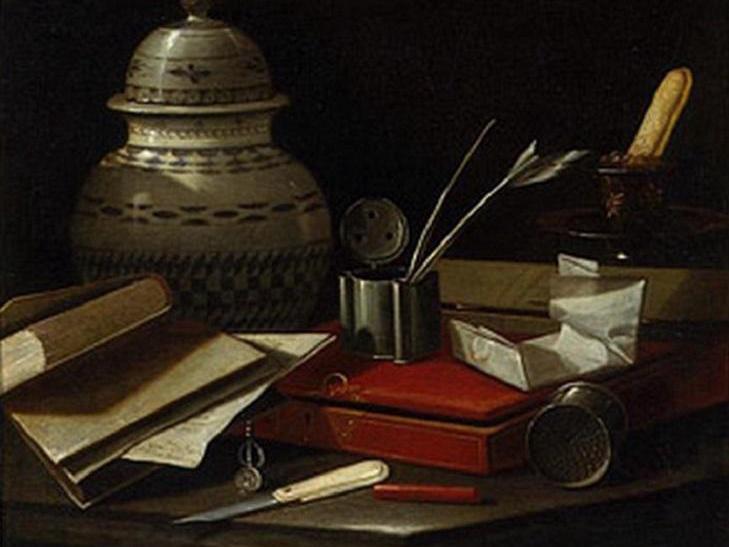
In different cultures, writing required skill and specific tools. Babylonians impressed cuneiform with stone imprints on clay tablets. In China, they used brushes made from camel or rat hair, applying ink to silk or paper. Greeks scratched wax tablets with sharpened bone styluses, and Romans, having mastered ink, wrote with sharpened reed pens. All these methods were labor-intensive and did not tolerate errors.
The Goose Quill Era
A real breakthrough in European writing culture occurred in the 7th century with the spread of bird quills. Most commonly used were goose quills, but peacock, crow, and swan quills were also suitable. However, feathers from chickens, turkeys, guinea fowls, or pigeons were not suitable for writing due to their structure.
Preparing a quill was an art in itself. In early spring, one of the five main feathers was plucked from the left wing of a young goose—right-wing feathers, due to their curve, would obscure the line when writing. Then the quill was hardened in hot sand for strength and dryness, after which the tip was sharpened with a special knife (hence the name «penknife»). The difficulty of processing was compensated by the result: letters came out even and elegant, with thin connecting lines.
Experienced scribes handled quills virtuosically, but for schoolchildren, writing with ink was an ordeal. Even in the first half of the 20th century, pupils went around with hands stained with ink that didn«t wash off until mid-summer, and notebooks were dotted with ink blots.
The Pencil: Writing That Can Be Erased
The history of writing would be incomplete without the pencil. In the 16th century, deposits of graphite were discovered in English Cumberland, which began to be used for writing. Graphite sticks were wrapped in paper to avoid dirtying hands, and for strength, sticks were tied to them—thus prototypes of modern pencils appeared.
In the 17th century, graphite began to be exported to continental Europe, where German craftsmen established production of wooden pencils with a graphite core. However, due to the softness and quick erasability of graphite, such pencils were not ideal for precise records.
The Perfect Pen
The turning point was the invention of the ballpoint pen. From the late 1950s, it began its victorious march around the world, combining the advantages of the pencil and ink pen without their drawbacks. The paste in a ballpoint pen does not leak, dries quickly, and leaves a clear, durable mark on paper.
Interestingly, during World War II, the British Royal Air Force used ballpoint pens for navigators: at high altitudes, ordinary fountain pens would leak, but ballpoint pens worked reliably.
Appeared Only to Soon Disappear?
In the USSR, ballpoint pens became widely available only in the second half of the 1960s, with a delay of two decades. The priority of Soviet industry was heavy industry, rocket building, and nuclear energy, while consumer goods were funded on a residual basis. The technology for producing cartridges with a ball long remained unsuccessful—for example, balls were made at the Kuibyshev Ball Bearing Plant, which was focused on equipment for tractors and electric locomotives.
Progress is relentless: today, a generation has grown up more accustomed to keyboards than pens, and the handwriting of many has become illegible. However, the need for handwriting has not disappeared—it has transformed. Modern technologies offer hybrid solutions: styluses for digital drawing and calligraphy, electronic pens and «smart» notebooks that save notes to the cloud, handwriting recognition systems. So, tools for fixing thoughts continue to evolve, combining traditions and innovations.