The Art of the Nativity Scene: Living Pictures of Christmas
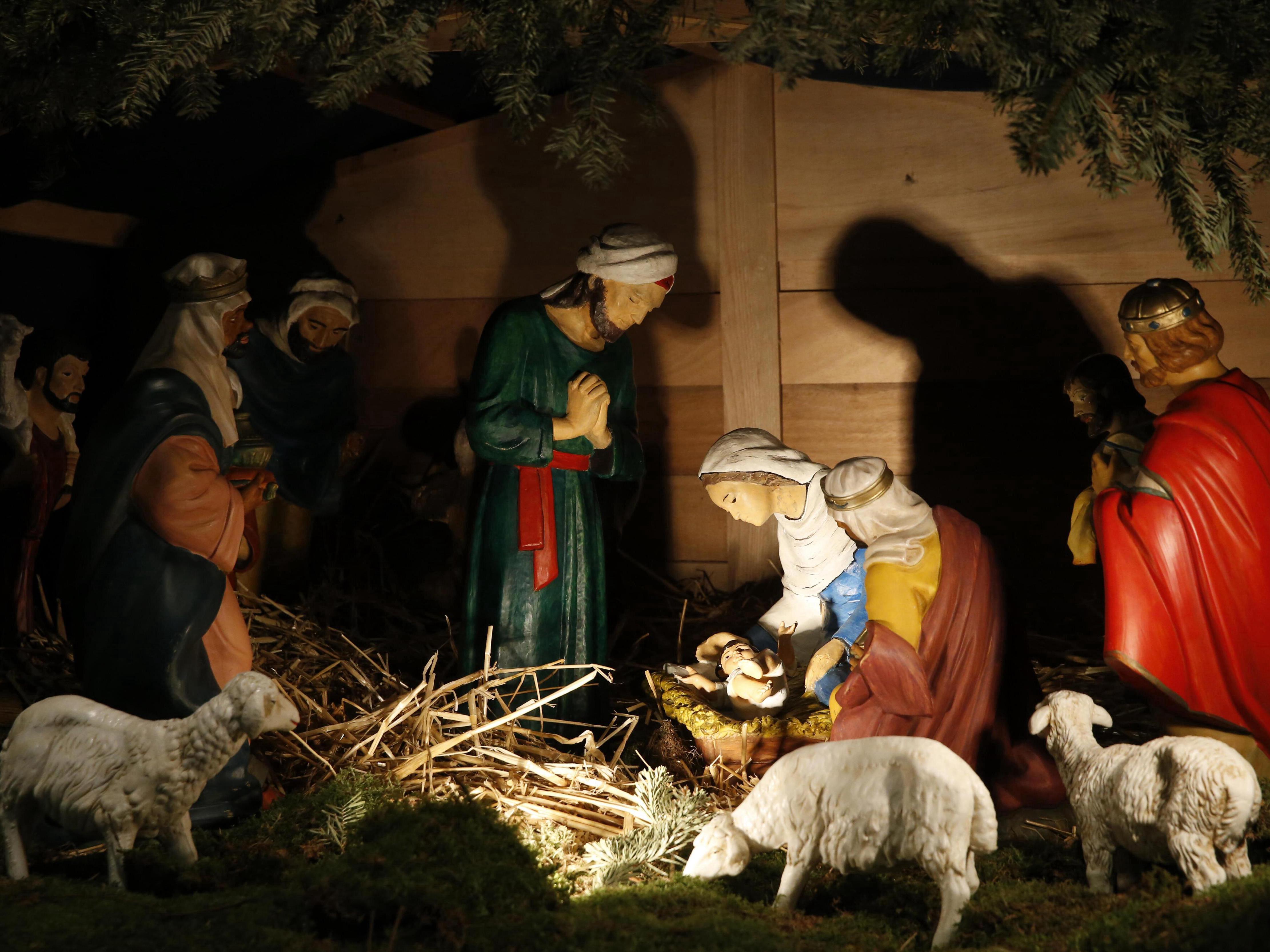

You can look at a Christmas nativity scene endlessly, each time discovering new details into which the authors have poured their imagination. The only obligatory element of any such composition is the Holy Family. Everything else depends on the creator«s taste and imagination: secondary characters, household items, decorations. The grotto can be lined with moss, sawdust, or dry leaves, and the face of the Virgin Mary can be slightly rouged to make her look like a modern beauty.
The Christmas tree, familiar to many, is a tradition of Protestant origin. Initially, it was crowned with a figurine of the Christ Child, later with an angel or the Star of Bethlehem. The image of Santa Claus, a red-cheeked old man in a red coat, is also relatively young: it formed about three centuries ago, tracing back to the image of Saint Nicholas the Wonderworker.
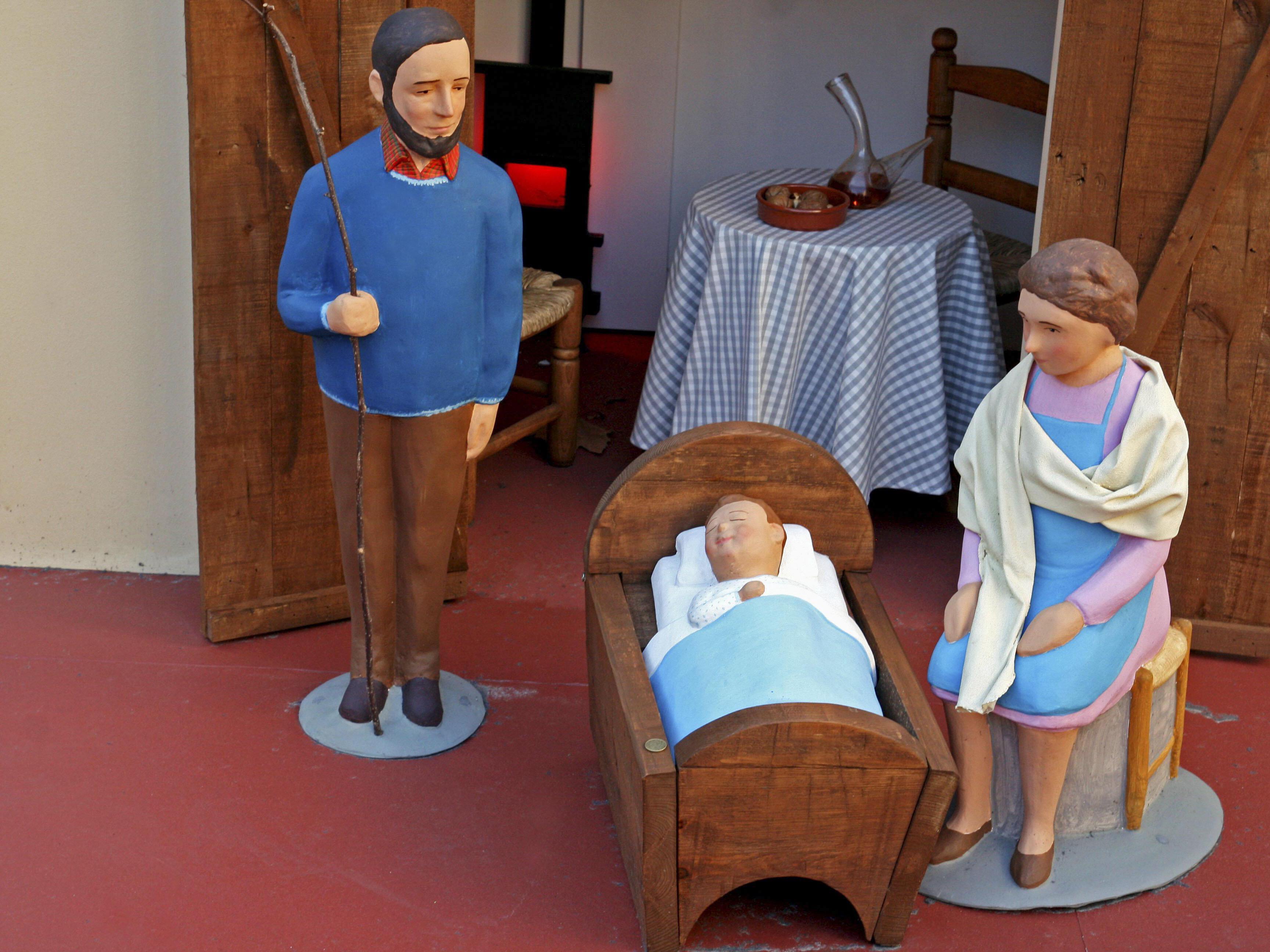
However, in the countries of Southern Europe, where snow in winter is rare, a grandfather wrapped in a fur coat on a sleigh looks alien. And the fir tree is not an original symbol of the holiday here. In Italy, for example, not so long ago children did not decorate coniferous trees or dance in circles around them.
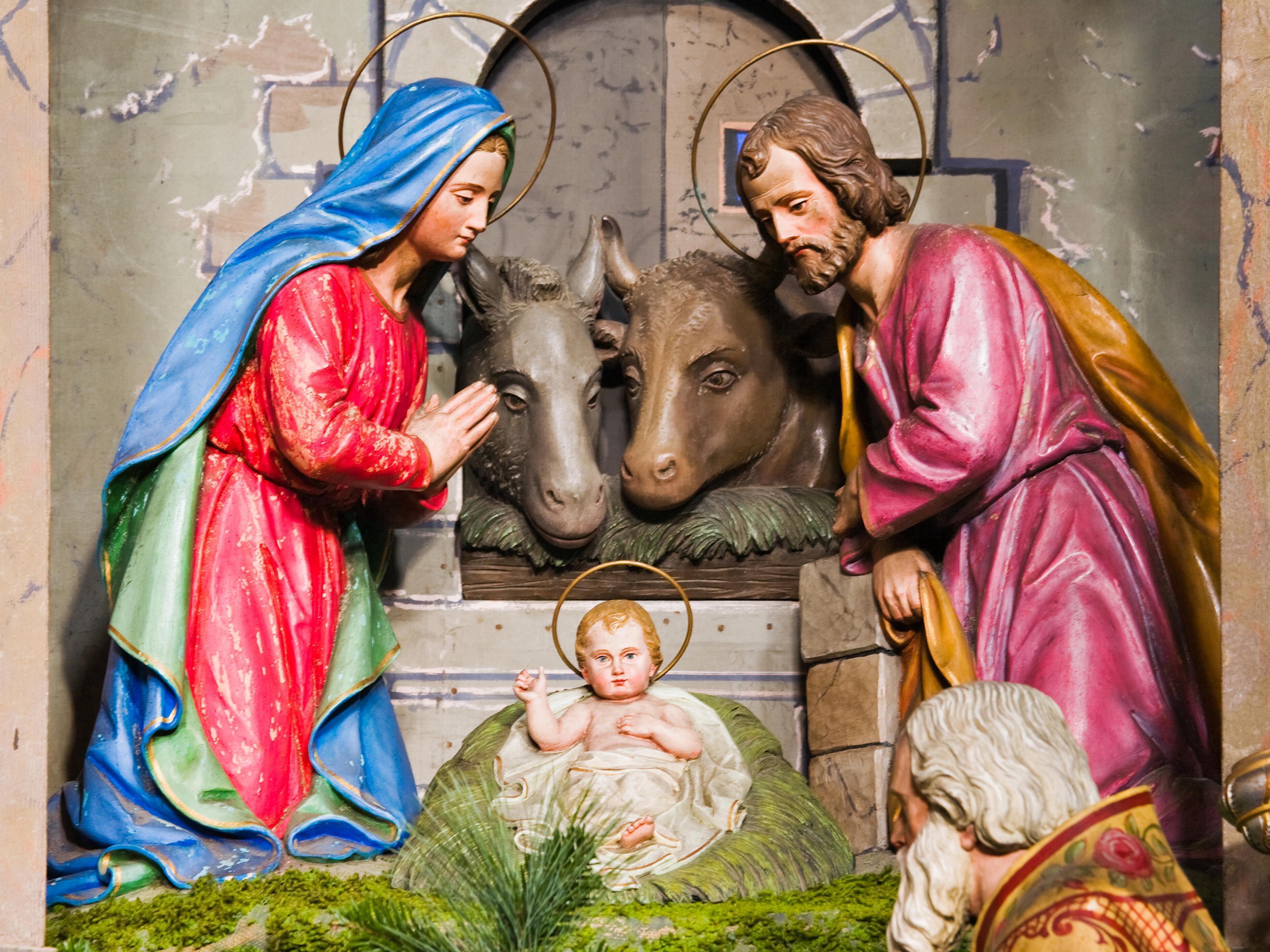
Here, an older, pre-Reformation tradition has been preserved. At Christmas, children not only receive but also give gifts. They make a «little house» for the Christ Child — they re-enact the scene of His birth as described in the Gospels. Not far from Bethlehem is a small cave that served as a stable, and in it are the Virgin Mary and Joseph. The Russian name for this composition, «vertep,» comes from the Old Slavic word for «cave.»
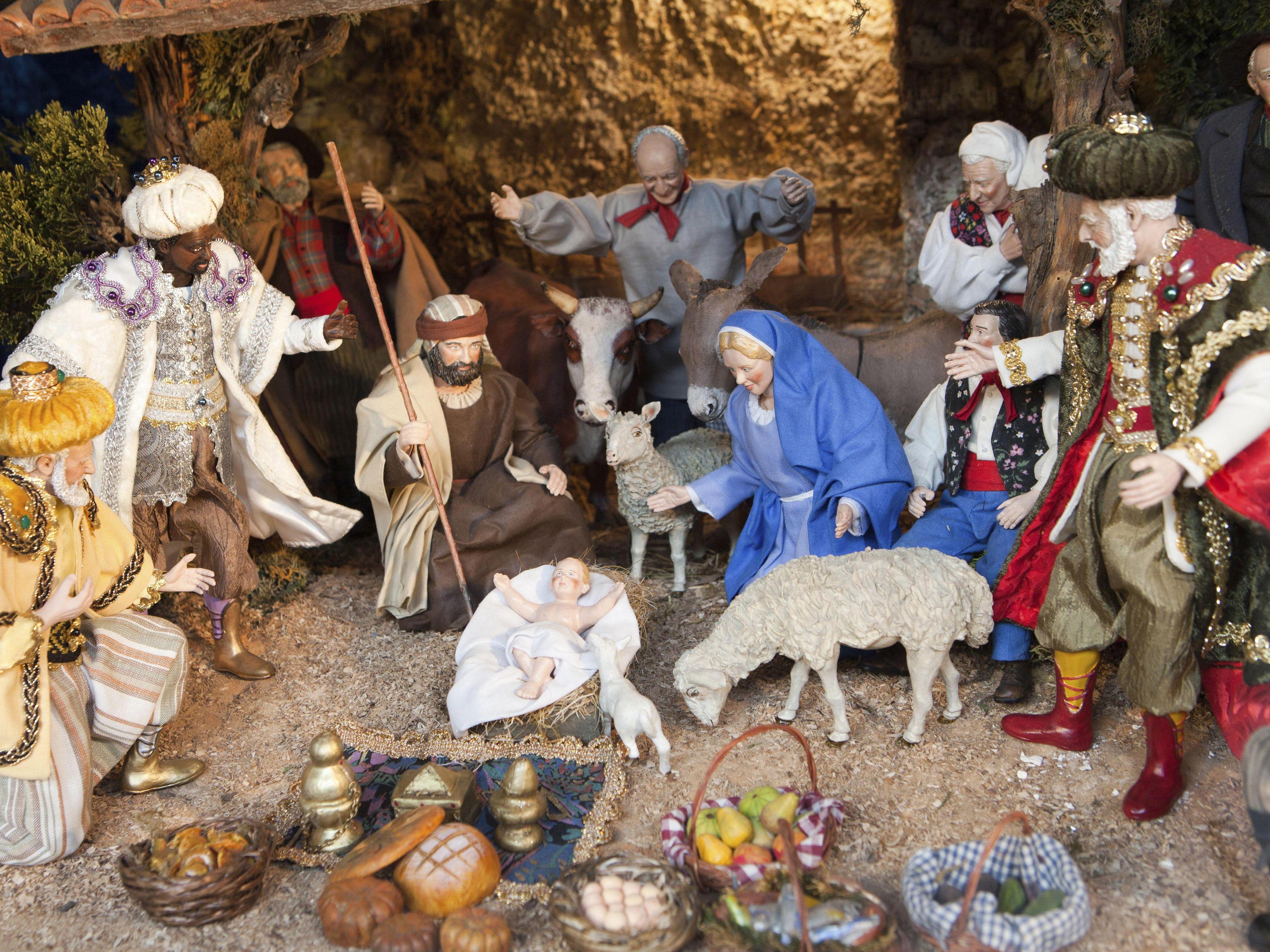
All the characters are bowed over the manger with the Son of God, an angel hovers in the night sky, and the guiding star shines above everything.
Historical Roots of the Scene
The story of the birth of Jesus in Bethlehem is contained in the Gospels of Matthew and Luke. From their restrained narratives we learn that Joseph went with the pregnant Mary to his hometown for a Roman census. «While they were there, the time came for her to give birth.» Then an angel announced the birth of the Messiah to the shepherds, and a mysterious star led the Magi from the east to the cave.
The Gospel story is concise and does not abound in everyday details. The desire of believers to know more about the first moments of the Savior«s life was satisfied by the so-called apocryphal gospels. These texts were not included in the church canon but are not considered heretical either — they are simply more poetic and full of details that allow for a brighter imagining of the event.
In Medieval Europe, the «Book of the Nativity of the Blessed Mary and the Childhood of the Savior» was popular. It describes, for example, how Mary, about to give birth, rode on a donkey, and Joseph, having found a cave, went to look for a midwife. In the absence of her husband, Mary gave birth. The apocrypha narrates that at the moment of the Nativity, time stopped: birds froze in flight, sheep stopped moving, and a shepherd«s hand hung in the air.
This picture of universal suspension, as if a page of world history had turned, is considered the prototype of the frozen figures of the nativity scene.
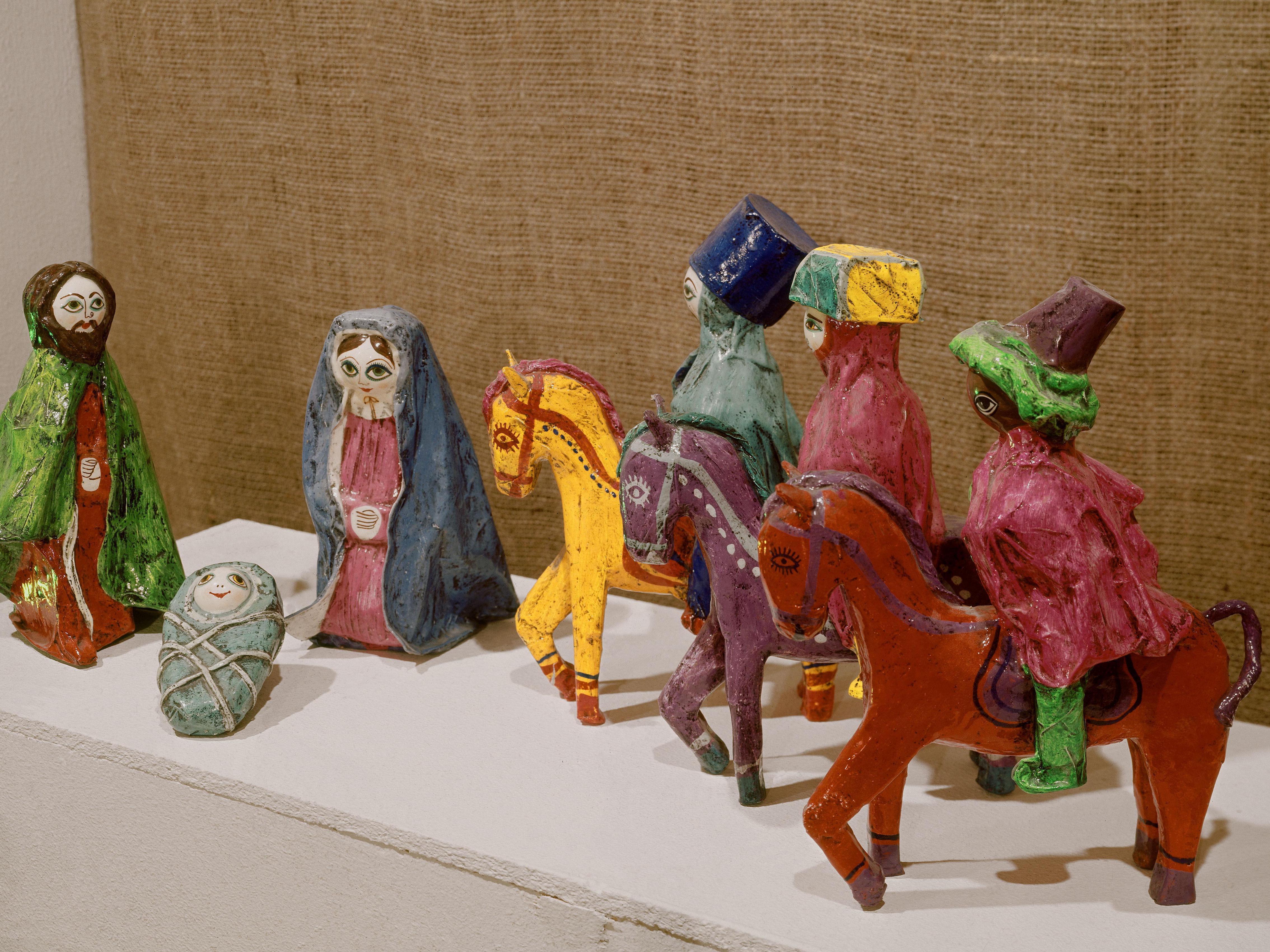
Important elements of the scene became the ox and the donkey, which, according to apocryphal tradition, warmed the Infant with their breath. In theological tradition, these animals symbolize the Jews and pagans who together will come to worship Christ.
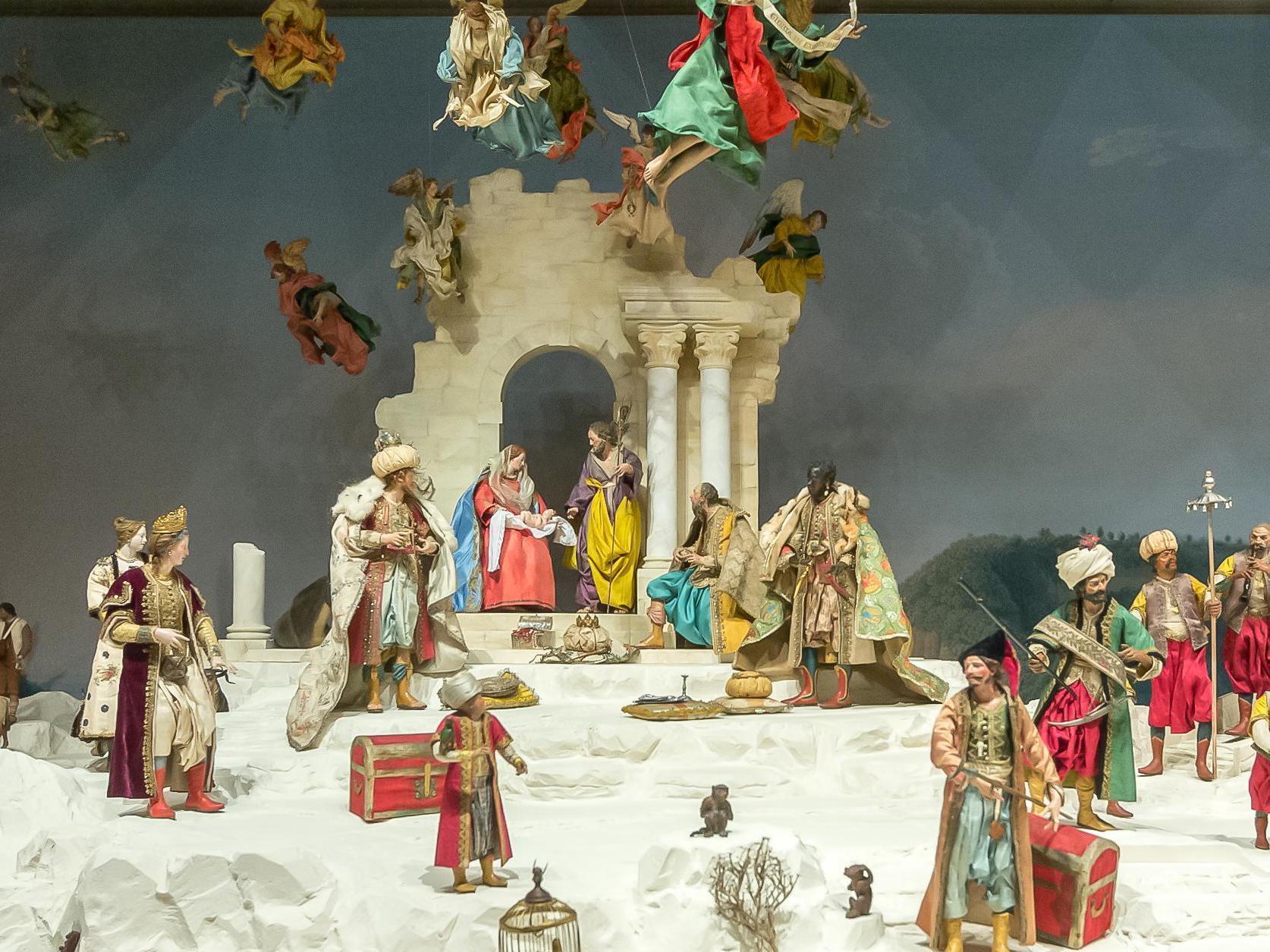
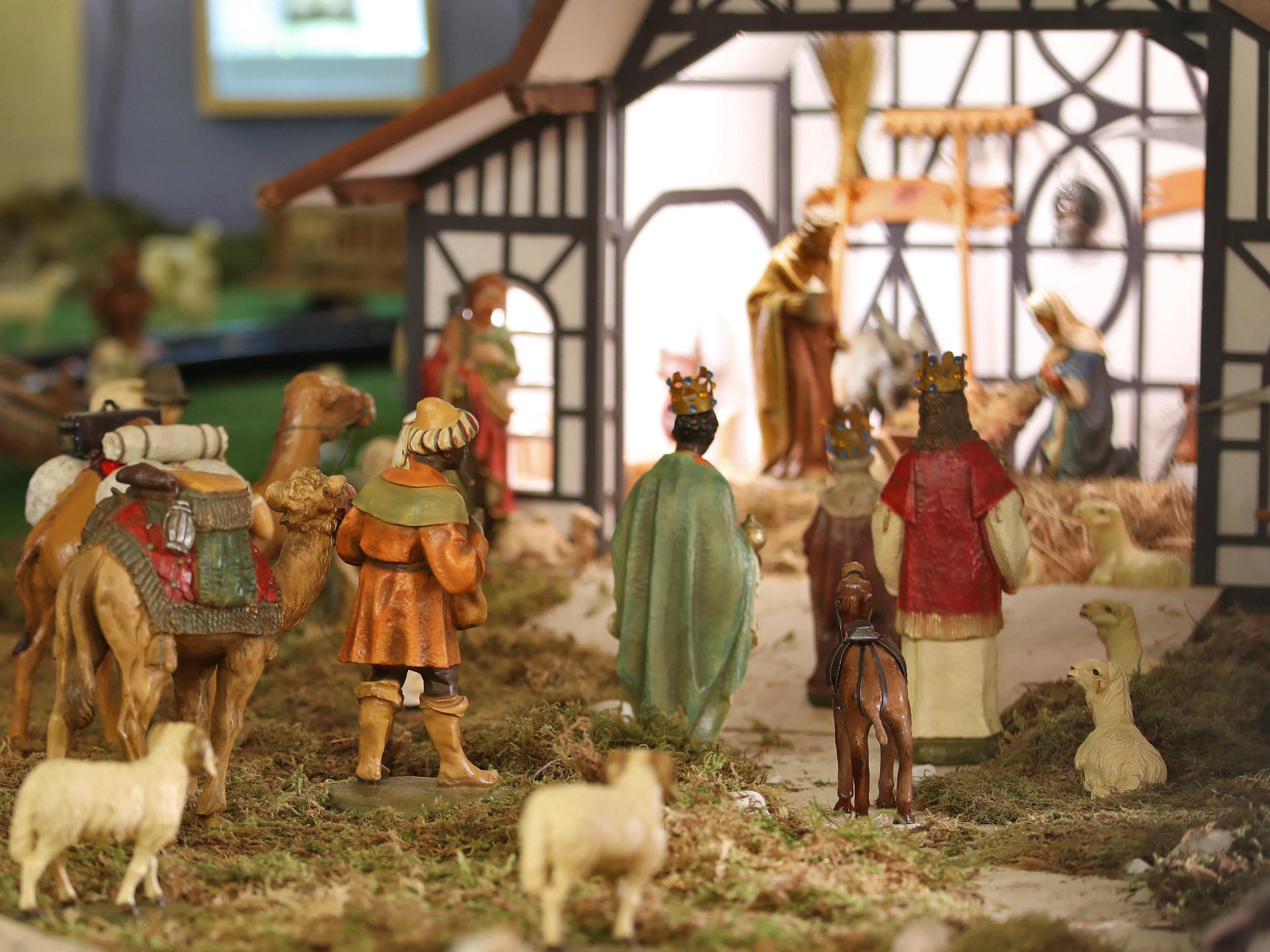
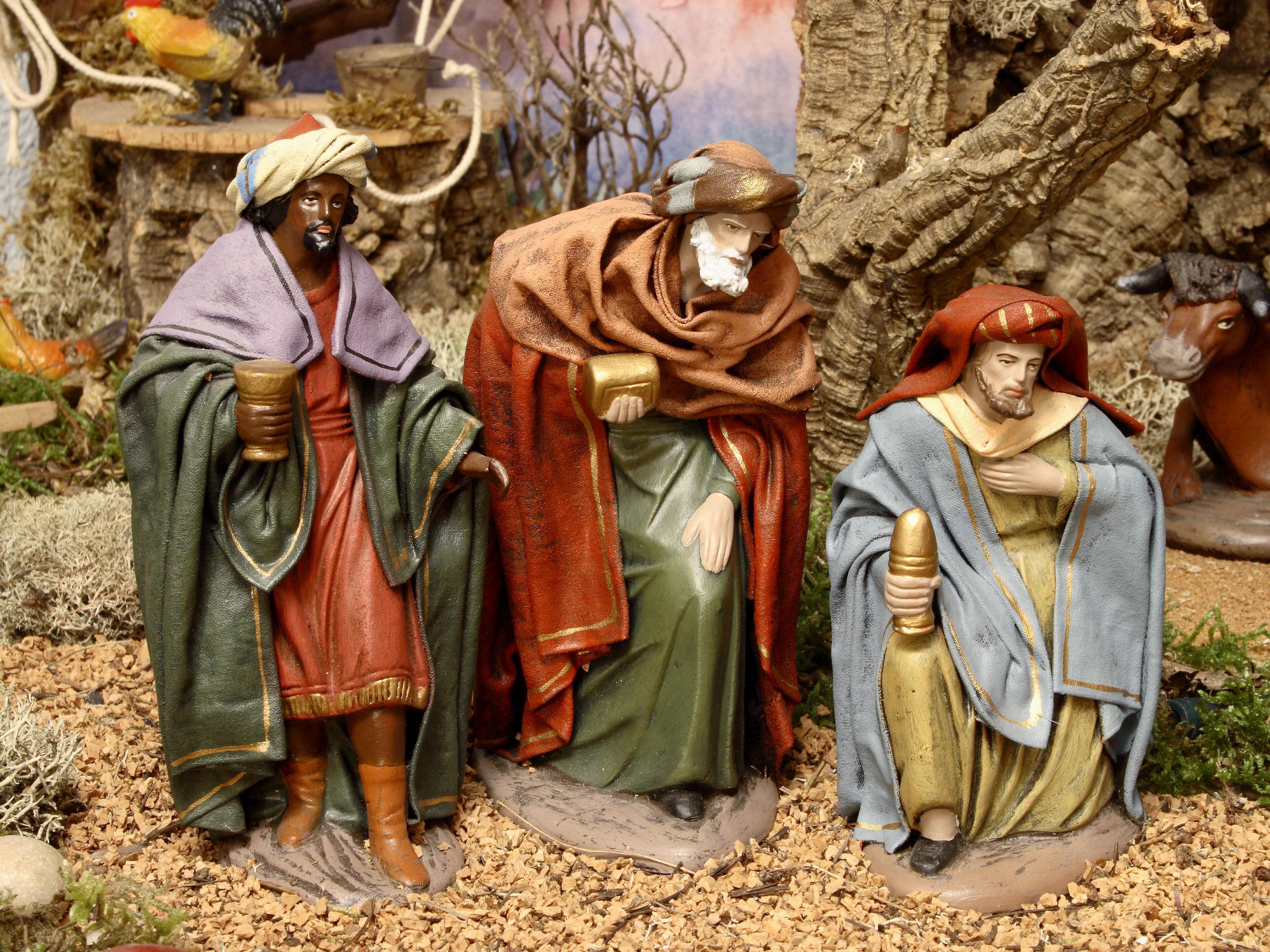
A special place in the nativity scene is occupied by the Magi. The Gospel only briefly mentions them, but in the Middle Ages, the legend of the eastern kings and wise men flourished. A sign of the birth of the King of the Jews appeared to them, and they set out on a journey, led by a star that stopped over the Bethlehem cave. The star became an indispensable attribute of the nativity scene composition.
The Gospel is silent on the number of Magi. Only by the 5th century did the Western tradition establish the idea of three figures — Melchior, Caspar, and Balthasar. Later they were given symbolic features: they came to personify the three parts of the world (Europe, Asia, and Africa) and the three ages of man, emphasizing that Divine revelation is accessible to all peoples and at any age.
The Magi brought gifts: gold — for a King, frankincense — for God, and myrrh — for a Man who is to face death. In the Middle Ages, there were even debates about the practical use of these gifts: some theologians believed that the gold helped the poor family, while the incense masked the smell in the stable.
In some elaborate nativity scenes, one can see the weeping Rachel — a reference to the Gospel episode of the Massacre of the Innocents, which overshadowed the joy of Christmas.
Fantasy in the Details
Every nativity scene holds surprises. Among the traditional figures, rare exotic birds may appear, or even modern characters — for example, a girl with ice cream or a man reading a newspaper. For many families, creating such a composition becomes a more exciting activity than decorating a Christmas tree.
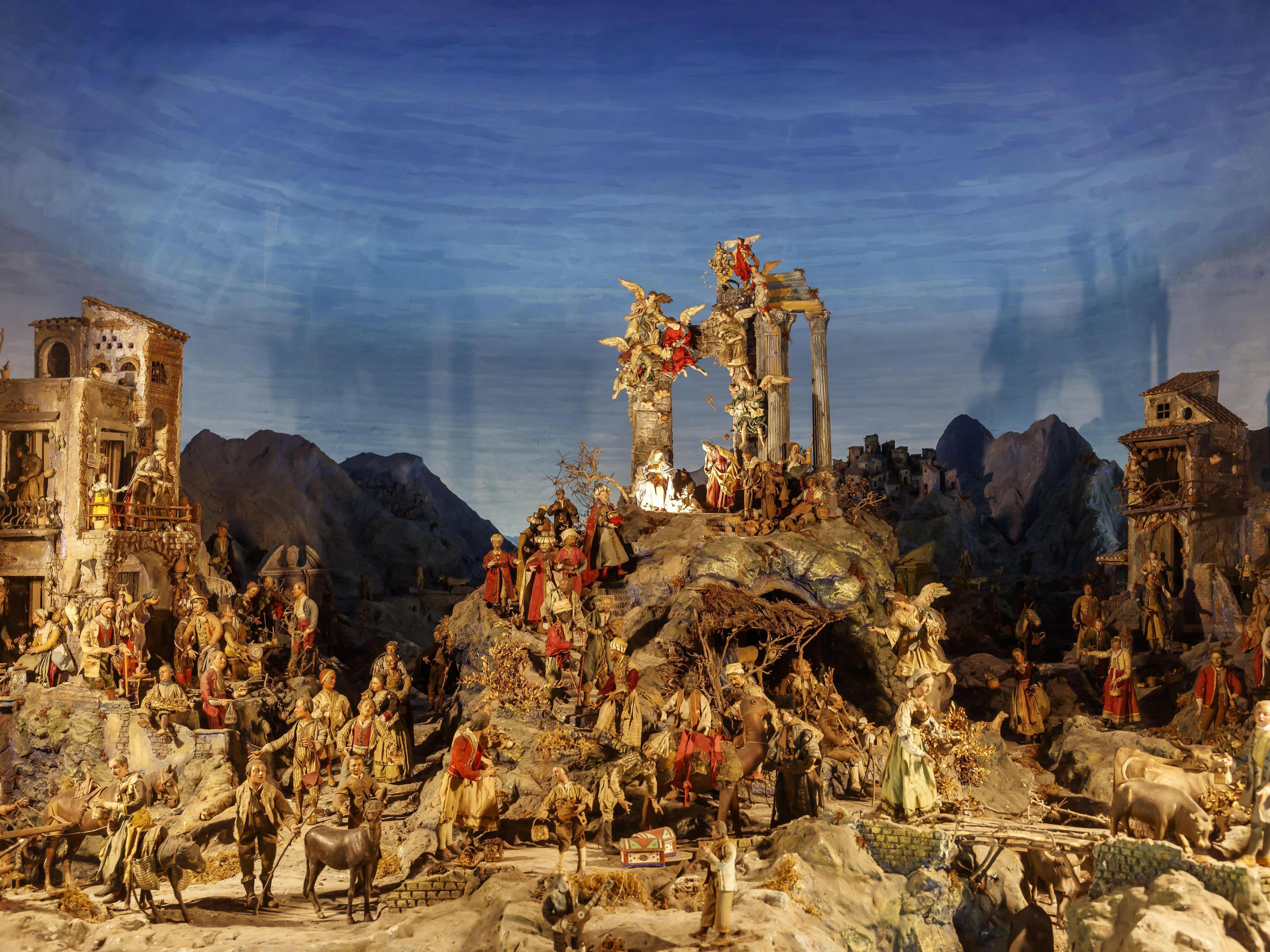
In the weeks before Christmas in Catholic countries, a real competition begins: whose nativity scene is more beautiful, detailed, inventive? As a result, compositions of the most varied scales are born — from laconic ones with several figures to entire toy towns where the Christ Child must be sought among hundreds of characters.
Neapolitan masters are renowned for their special imagination. Their presepio (from the Italian word for «manger») can occupy tens of square meters. What can«t be found in these multi-figure scenes: a plump tavern keeper dances with guests, a policeman drills soldiers, a witch casts spells in a hut, travelers have a picnic, and shepherdesses dance the can-can. Here are craftsmen at work, Gypsies, and even local celebrities — sacred history sometimes almost dissolves in the bustling life of the people.
On Christmas Eve, families visit churches, shops, and public squares to examine nativity scenes created by the hands of children and adults. These works of art can be seen in shop windows, at train stations, in airports, and, of course, on the main city squares.
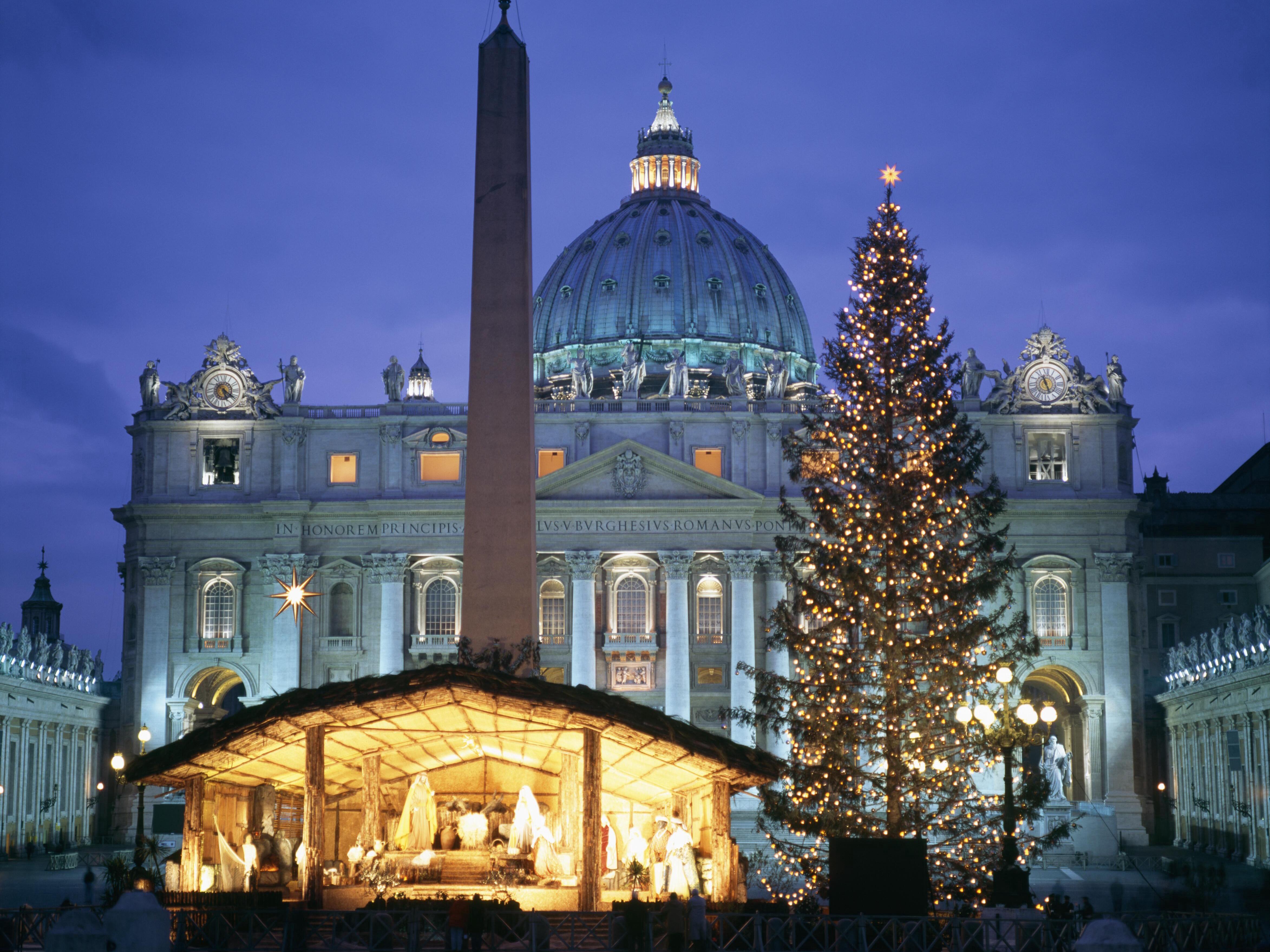
At the initiative of Pope John Paul II, a great lover of theater, a huge nativity scene is erected annually in St. Peter«s Square in the Vatican. This grand installation, comparable in height to a two-story house, is constructed a month before the holiday. A large Christmas tree is also placed next to it — in this way the pontiff sought to unite the religious and secular traditions. At midnight on December 24, a figurine of the Infant Jesus is solemnly placed in the giant manger.
A Living Tradition
Franciscans played a particularly active role in spreading nativity scenes. Wherever their missions went — to the Far East or South America — they everywhere instilled the tradition of creating presepi, following the Gospel«s »be like children.« Behind the fun activity lay serious catechization: the monks explained the complex dogma of God»s Incarnation through the nativity scene.
The Jesuits also adopted the nativity scene in their schools, following the pedagogical principle of «combining the pleasant with the useful.»
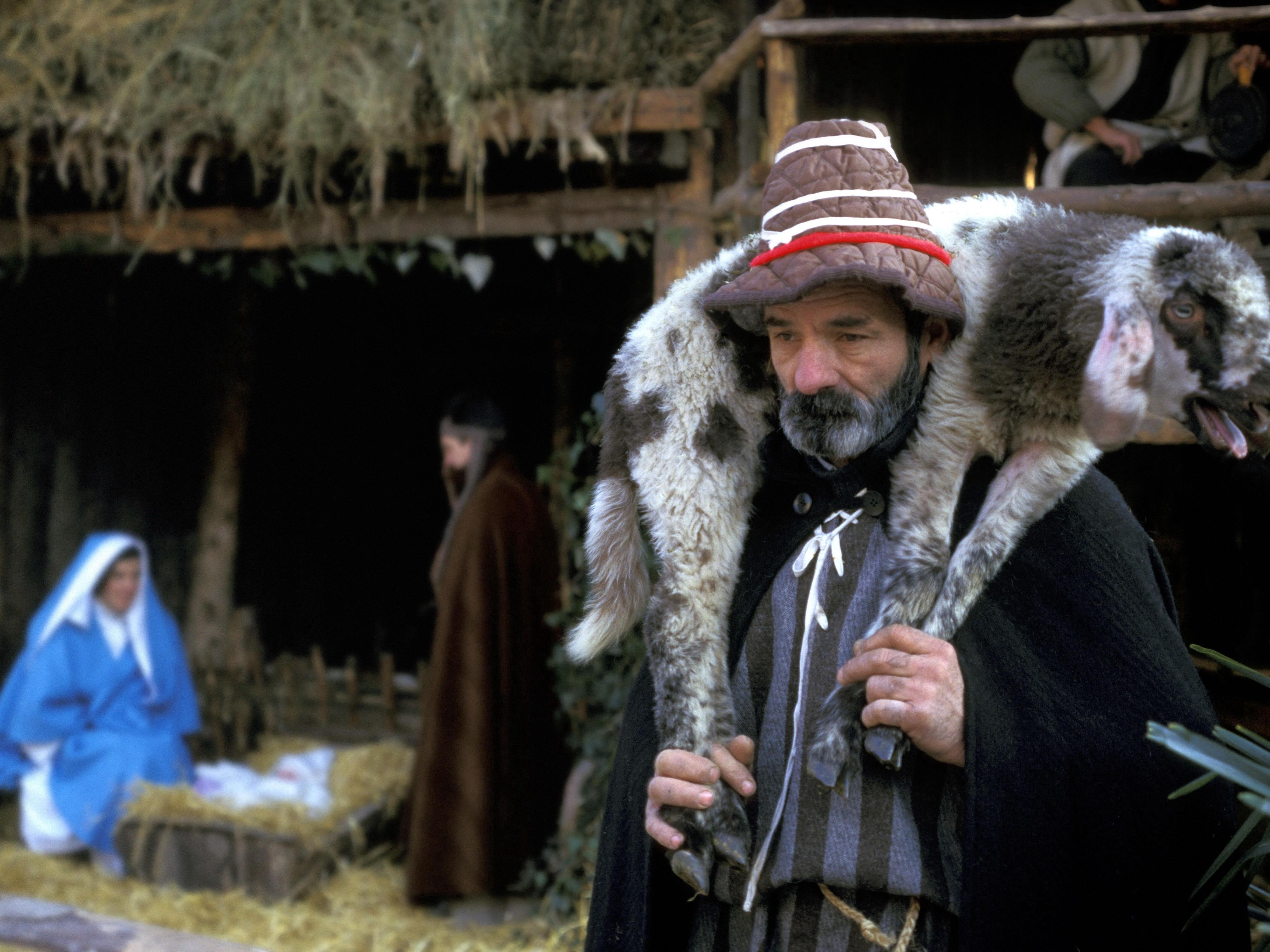
The tradition of «living nativity scenes,» where people enact the scene, is also very old. Since 1336, a liturgical drama has been held annually in Milan: Dominican fathers in Magi costumes move in a horse-drawn procession through the city, enacting the meeting with Herod and the adoration of the Infant. Similar performances can be seen today in many countries.
The golden age of the nativity scene was the 18th century, when the aristocracy and royal courts competed in creating luxurious miniature worlds. Some of these masterpieces, real «cities in a snuffbox,» are preserved today in museums, such as the Bavarian National Museum in Munich.
The Reformation, especially under the influence of John Calvin, declared war on nativity scenes as frivolous theater, and in Protestant countries, the Christmas cult was banished for a time. Nevertheless, the tradition survived locally, for example in Flanders, and after a revival of interest in the holiday in the 19th–20th centuries, it spread again throughout the world.
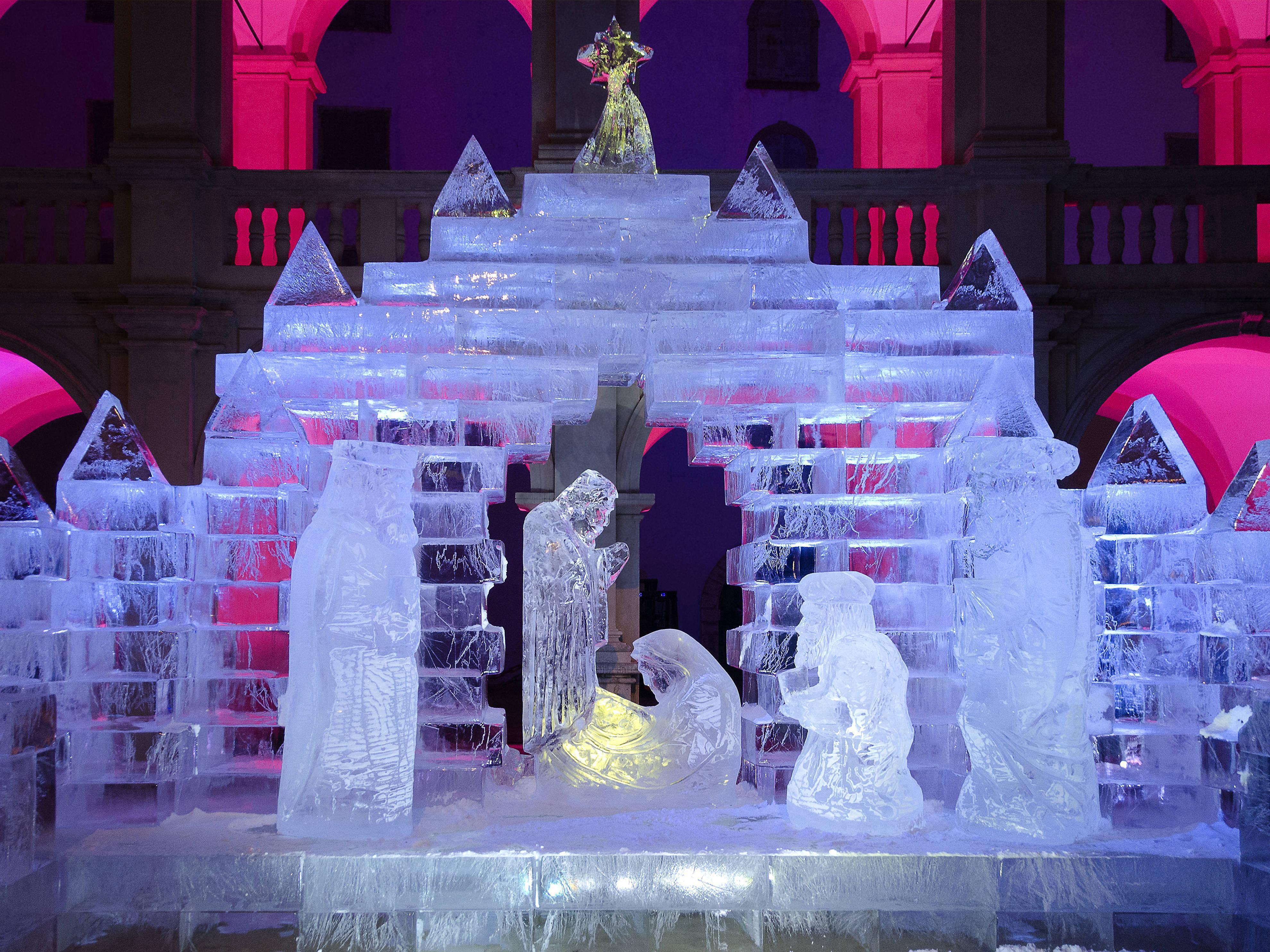
Today, the art of the nativity scene continues to live, uniting centuries-old canons with modern creative search. It reminds us not only of the Gospel event but also of the power of folk imagination, capable of bringing history to life in clay, wood, or even ice.