St. Petersburg's Mark on the Zilart Museum of Molchanov

In December, a private museum called «Zilart» began operating in Moscow, based on the collection of billionaire Andrey Molchanov and his wife Elizaveta. The building, designed by St. Petersburg architect Sergey Choban, on five floors presents many works by artists from St. Petersburg.
The Molchanovs have been collecting for 25 years, and today the collection numbers over 8,000 items. As the head of the museum«s PR department, Yulia Korotkova, explained, the collection widely features Russian avant-garde, including works by Malevich, Chashnik, and Suetin, as well as nonconformist art. »There is also a lot of St. Petersburg sculpture, because for Andrey Yuryevich it is important to preserve, present, and popularize it: he himself is from St. Petersburg, so we have a general «St. Petersburg flair»,« noted Korotkova.
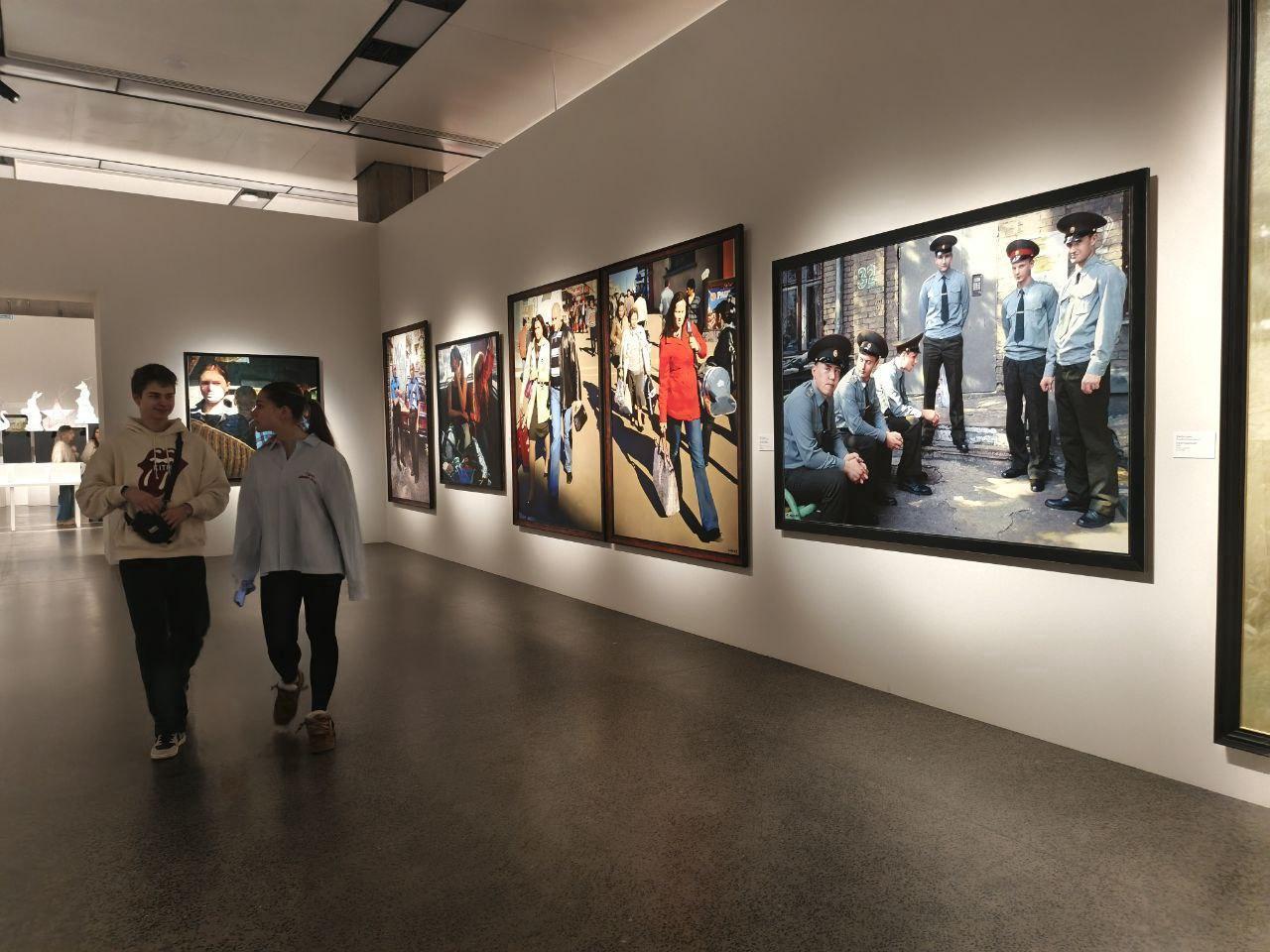
The collection also includes furniture in the Russian style from the late 19th to early 20th century, Soviet porcelain, decorative and applied art works, and photographs by classics — from Shaykhet and Rodchenko to world authors. «The collection is very diverse, it shows the passion and captivation of the collectors,» summarized the museum representative.
«Zilart» does not have a permanent exhibition; the displays will be rotating. The artistic consultant is Alexander Borovsky, head of the department of newest trends at the Russian Museum. He suggested that the first exhibitions will run for about six months, and plans include exhibitions of the Suprematist collection and porcelain.
Context of Location and Architecture
The museum is located in a historical district where the Simonov Monastery was previously situated, and later the ZIL plant. The pergola in Tufeleva Roshcha Park repeats the line of the factory conveyor. A preserved Erfurt press machine has become an art object near the museum building. Nearby, three granite sculptures by St. Petersburg author Dmitry Kaminker are installed — «Time of Text», «Aerosphinx», and «Nabokov»s Butterfly«.
At the entrance is the work «Dump Truck» by Belgian artist Wim Delvoye, made from corten steel in the shape of a Gothic cathedral. In the museum«s foyer, a ZIL limousine from the collection is displayed.
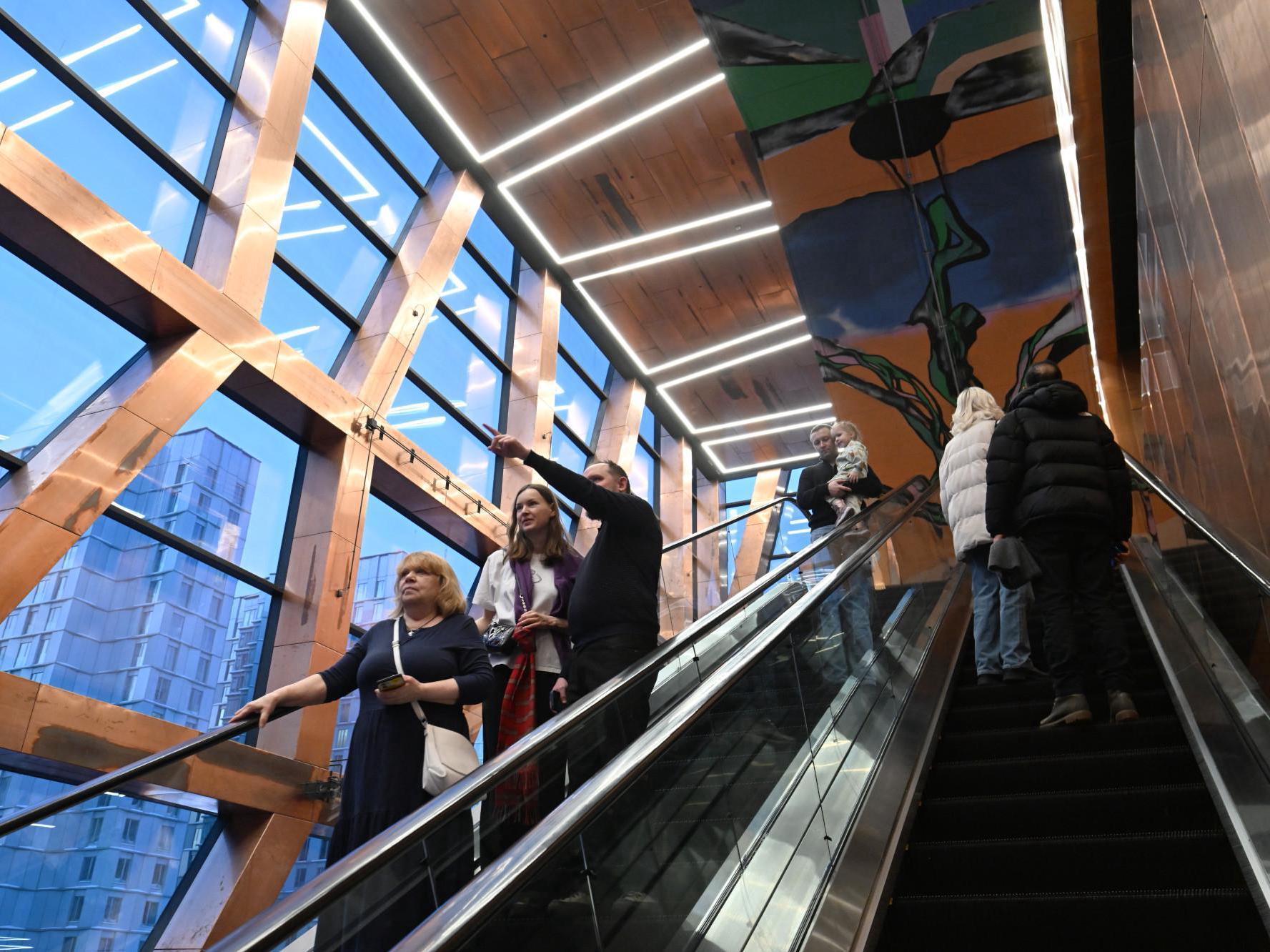
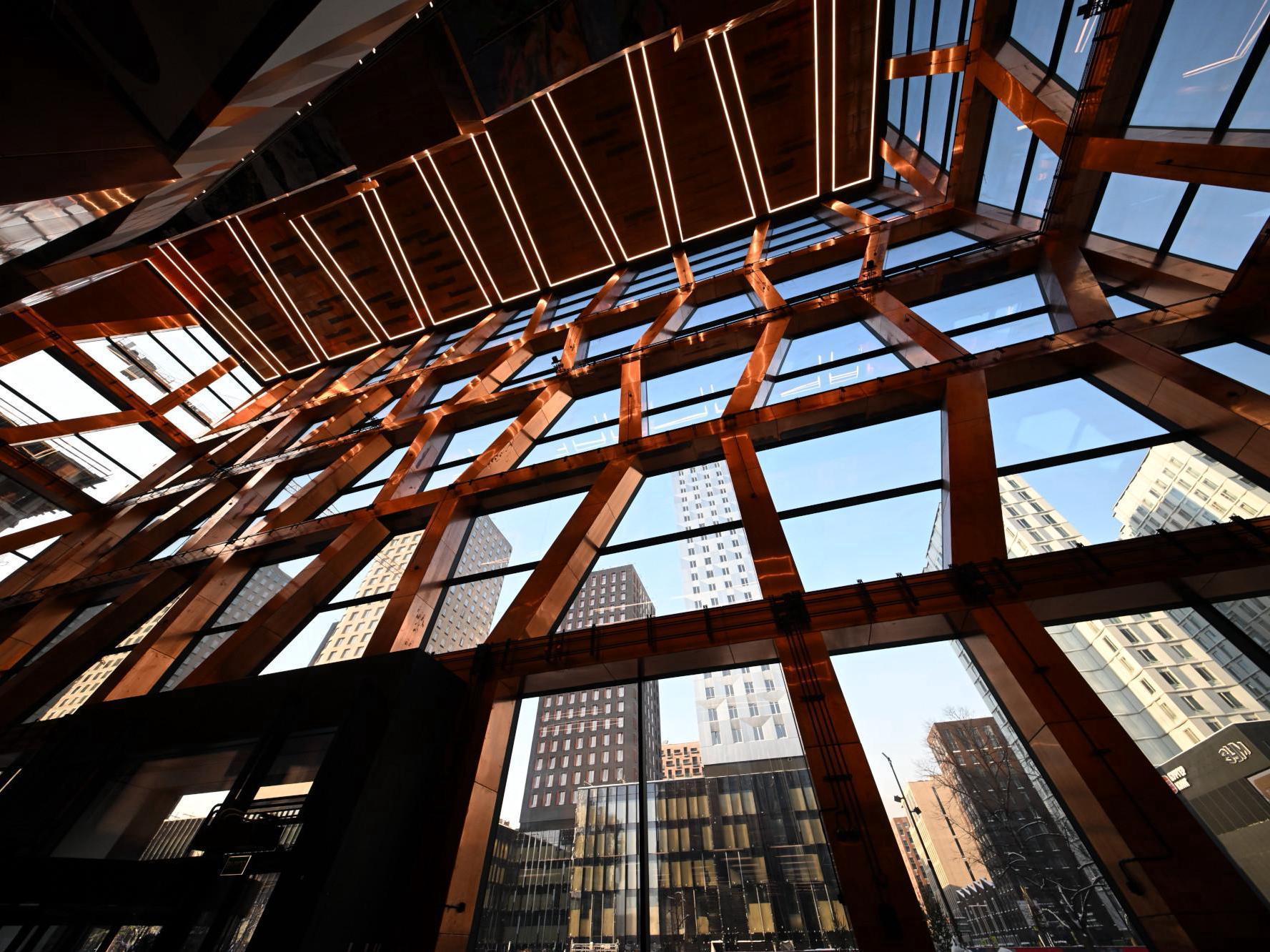
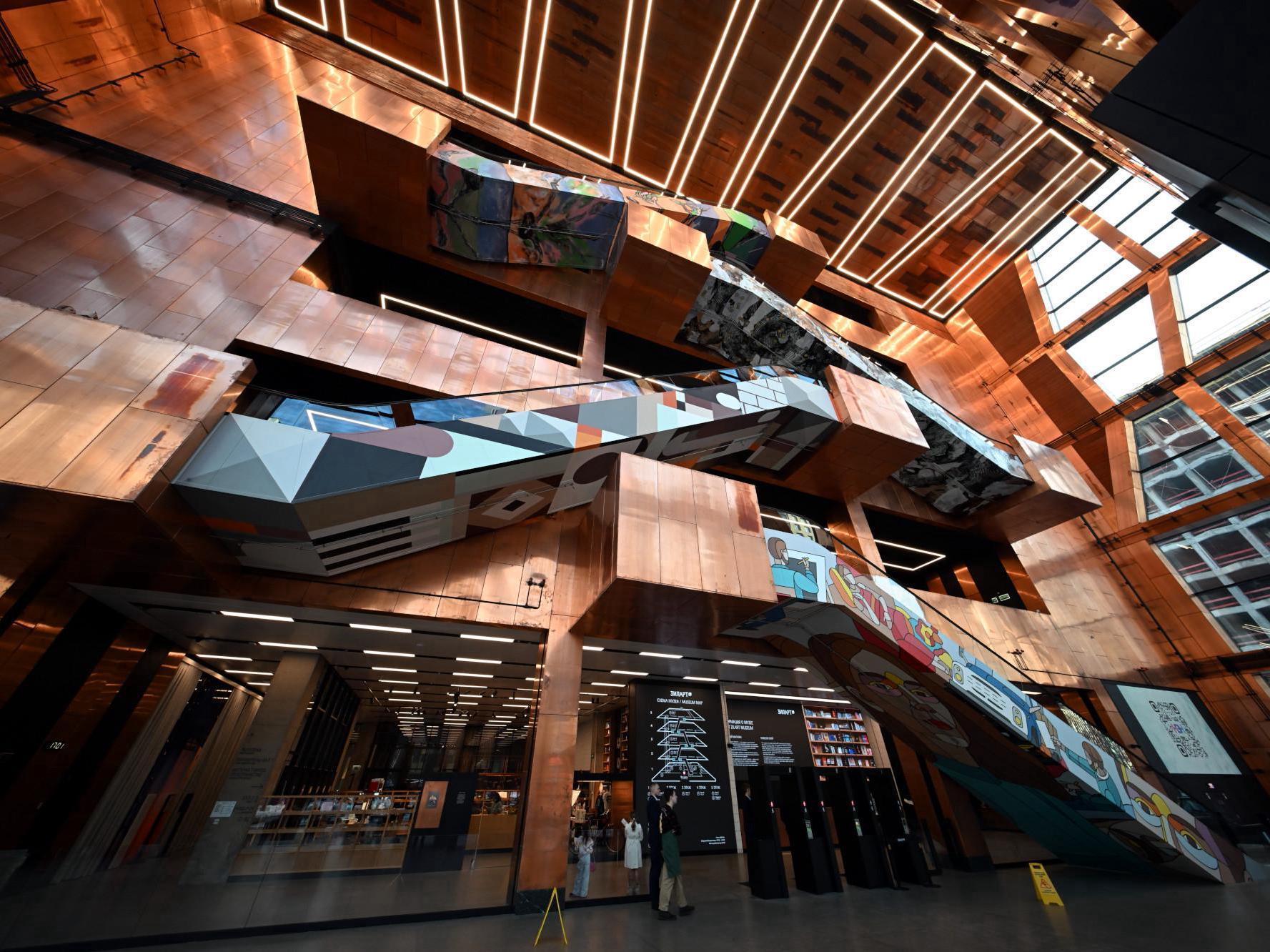
The building itself is clad in copper, which changes color over time, intended as a metaphor for the aging of a living organism.
Interior Space and First Exhibitions
Inside, visitors are greeted by a 30-meter-high atrium. The escalators leading to the floors are painted by street artists. Alexander Borovsky noted that the building meets all museum standards, including temperature and humidity control.
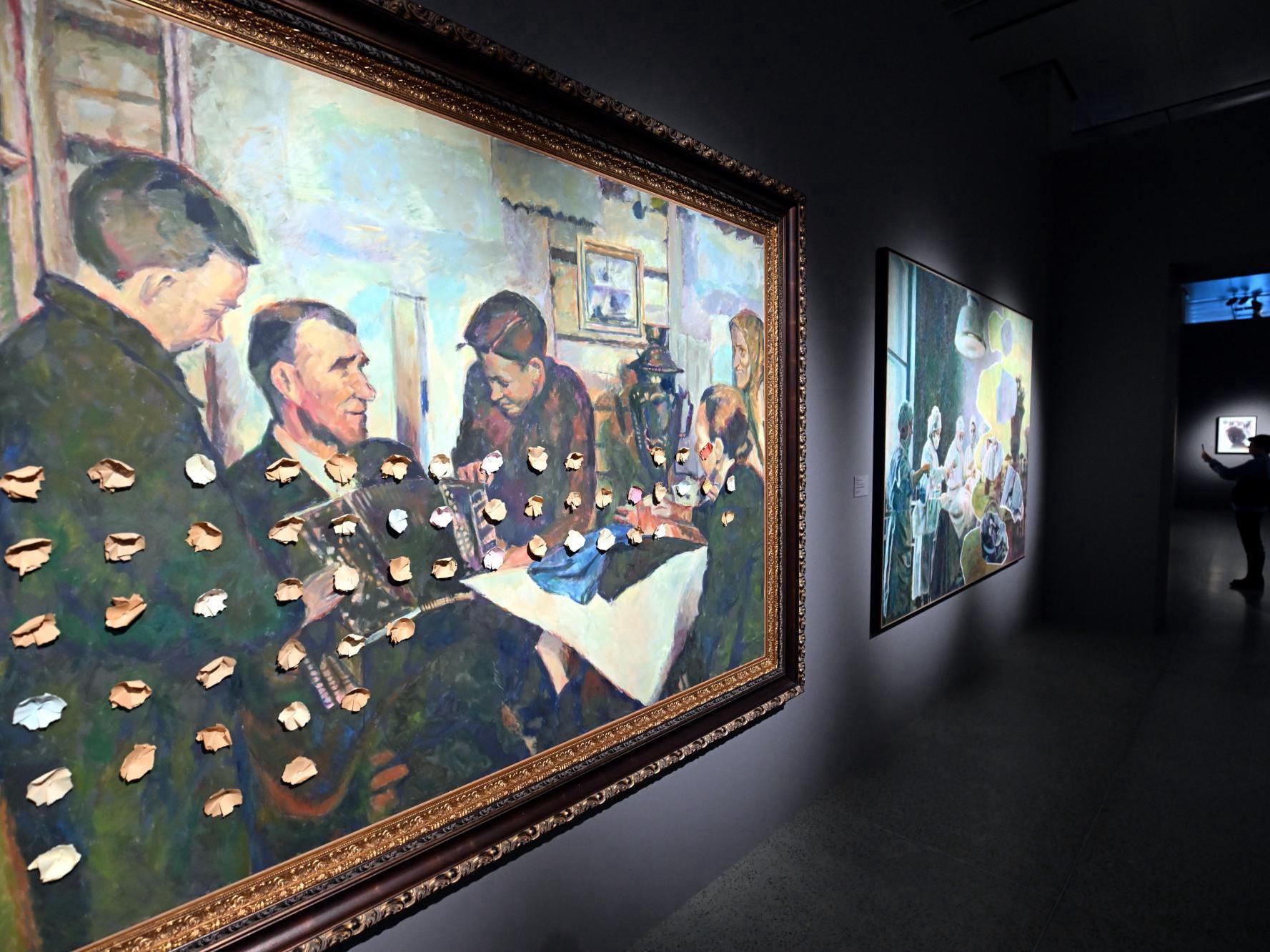
The starting exhibitions are: «Step Off the Pedestal: Sculpture in Real Space» (0+), «African Art: Gods, Ancestors, Life» (12+), and «Dies Illa» (18+) by Grisha Bruskin. The museum also has a children«s room, a workshop area, and a conference hall for lectures and events.
Exhibition on the Second Floor
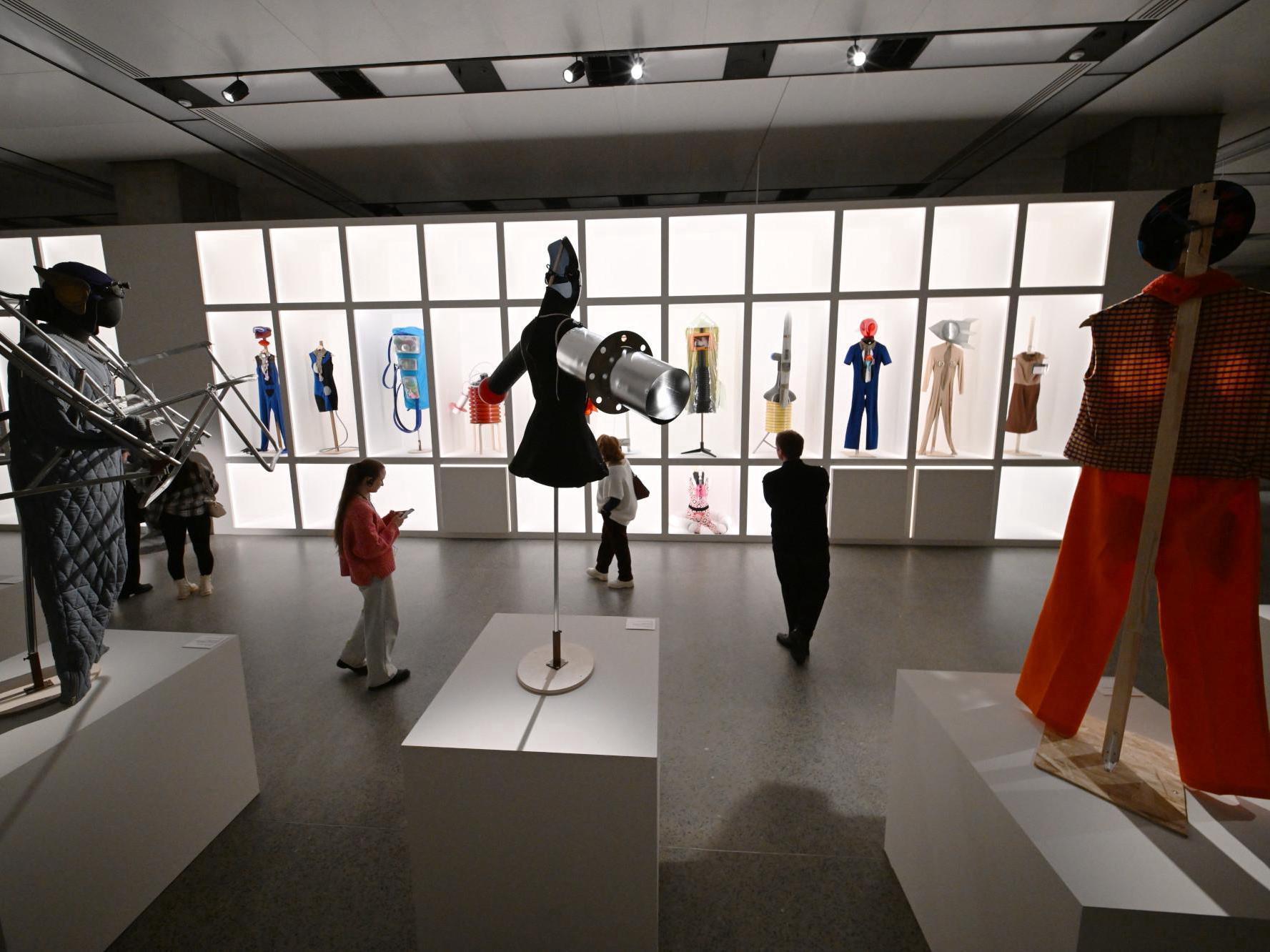
The sculpture exhibition opens with Mikhail Anikushin«s work »Athlete«. Here, fragments of Lyubov Kholina»s monument to Dostoevsky, Evgeny Rotanov«s model of a monument to Blok, and Alexander Ignatyev»s «Kneeling» are presented. Among the notable objects are installations by Dmitry Kaminker, including «Under the Heel», paintings by Mikhail Roginsky, costumes by Sergey Chernov for «Pop-Mechanics», and a photograph of the Vavelberg tenement house by Sergey Ossovsky.
Third Floor: From Alla Urban to Conceptualists
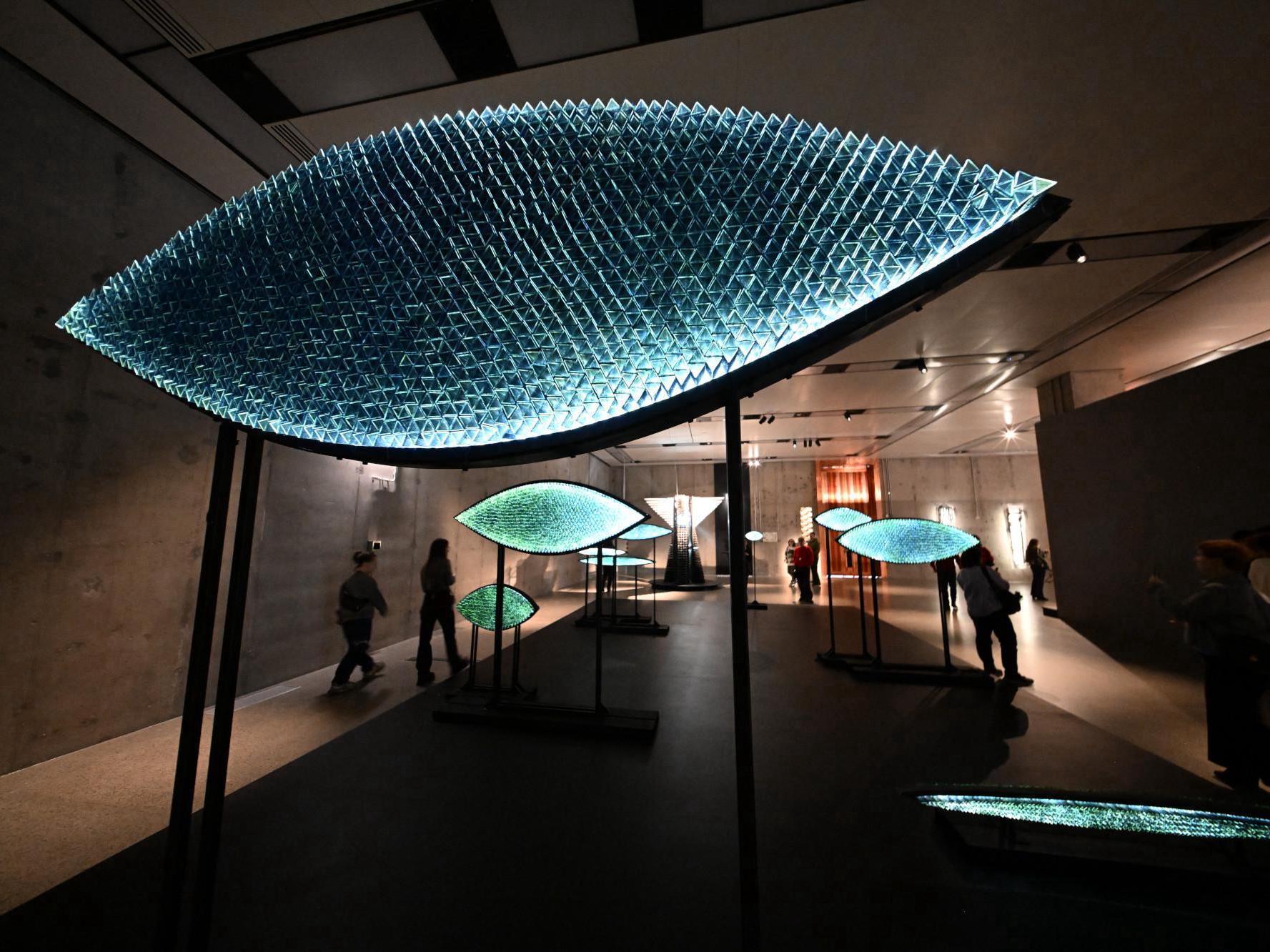
Most of the floor is occupied by installations by Alla Urban, whose works Molchanov acquired after an exhibition at the Tretyakov Gallery. These include «Wave» made of metal rods, the cardboard forest «Black. White. Black», and others. Separate halls are dedicated to works by Ilya and Emilia Kabakov, Erik Bulatov, and Ivan Chuykov.
African Art on the Fourth Floor
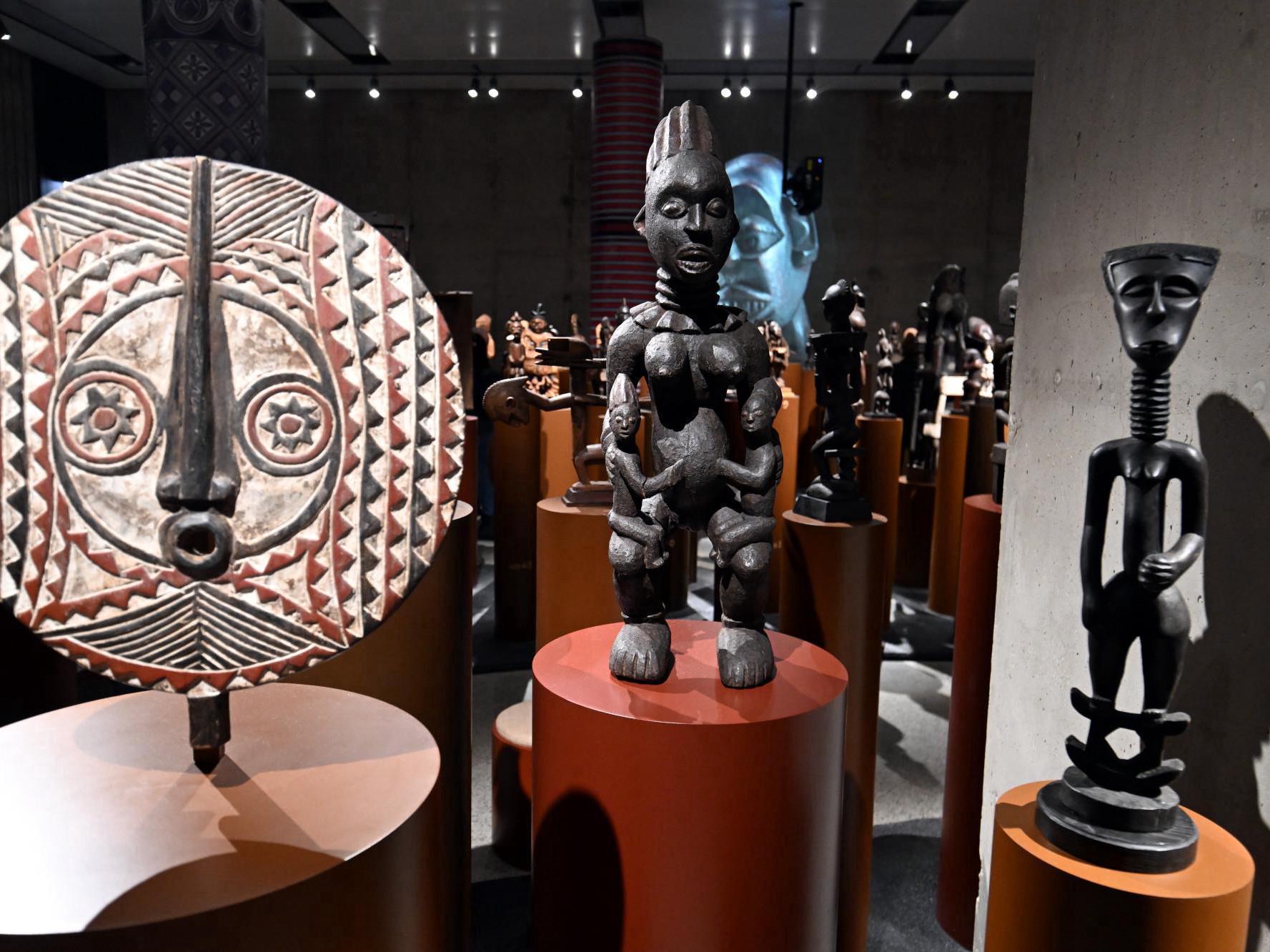
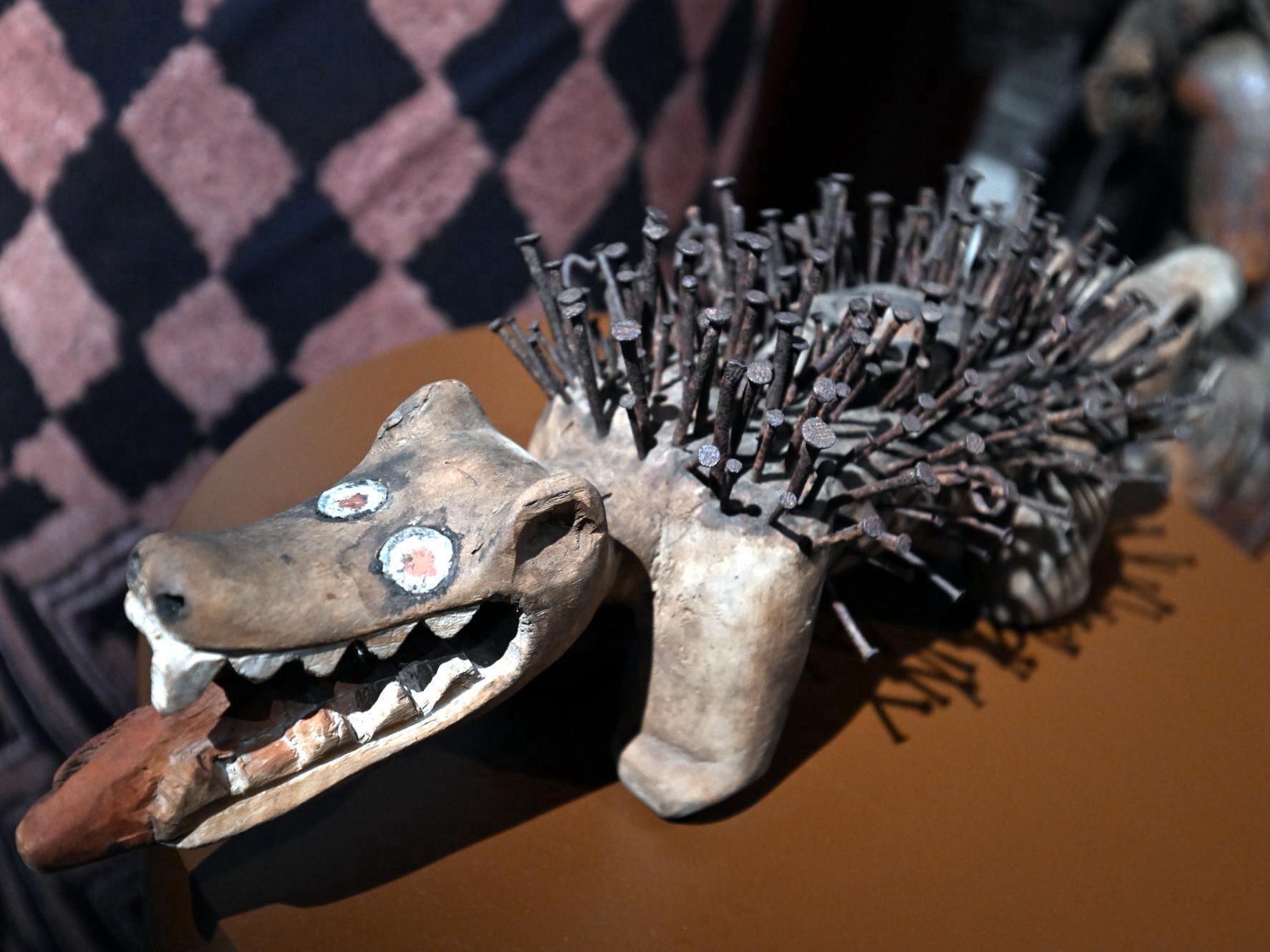
The floor is entirely dedicated to the collection of African art gathered by Mikhail Zvyagin. One thousand items from Congo, Mali, Gabon, and other countries are presented in eleven thematic «islands», illustrating the journey from birth to death. The museum guide explains: «The thing is, one should not view African sculpture as a direct depiction of a person. These are often ritual objects carrying sacred meaning.»
Fifth Floor: Grisha Bruskin
The exhibition concludes with «Dies Illa» by Grigory Bruskin, including installations created for the Russian pavilion at the 2017 Venice Biennale. The author himself describes the project as filled with «images and metaphors in which the anxieties and catastrophes of modernity appear in the guise of allegories.»
Assessment by the Artistic Consultant
Alexander Borovsky noted the St. Petersburg emphasis in the exhibition: «On the second and third floors, we showed most of the St. Petersburg sculptors, who are little known in Moscow... So there is such a Leningrad emphasis, but I wouldn»t say it«s a Leningrad museum.» He emphasized that the museum is private and this gives freedom in forming exhibitions. In the future, collaboration with other museums and the release of catalogs, for example, a catalog of the African collection, is possible.
What to See in the Vicinity
- Alexander Brodsky«s House with Doves.
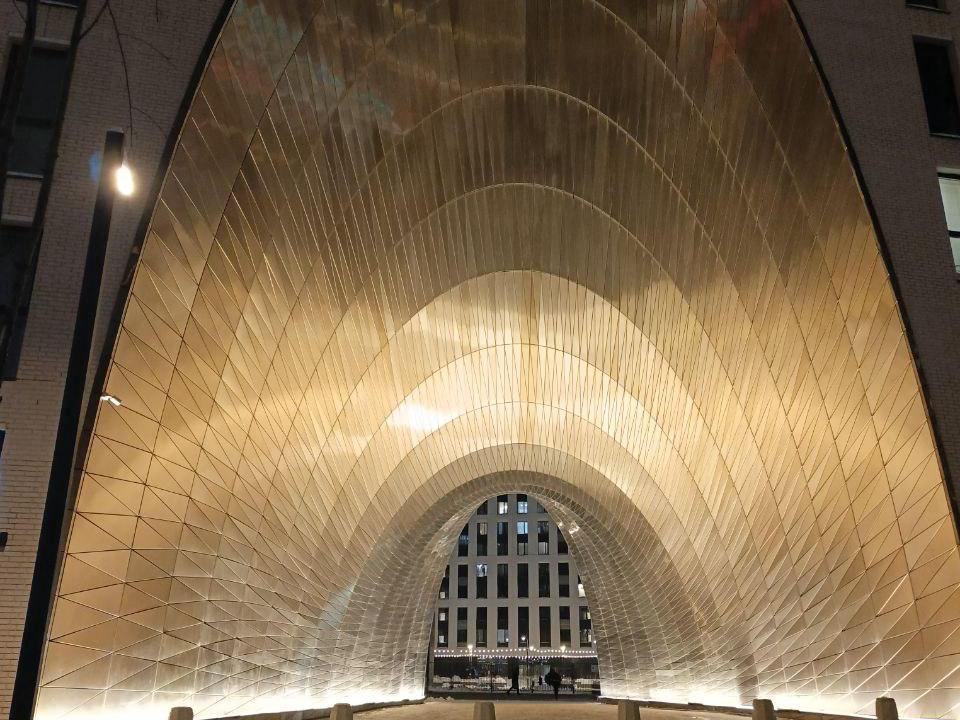
- House with the Golden Arch.
- Streets named after artists and architects: Kandinsky, Rodchenko, Tatlin, Lentulov, Melnikov, Mark Shagal Embankment.
- Tufeleva Roshcha Park with a pergola and observation deck.
- Design of the ZIL metro station.