Move Over, Roach: The Life of a Common River Dweller
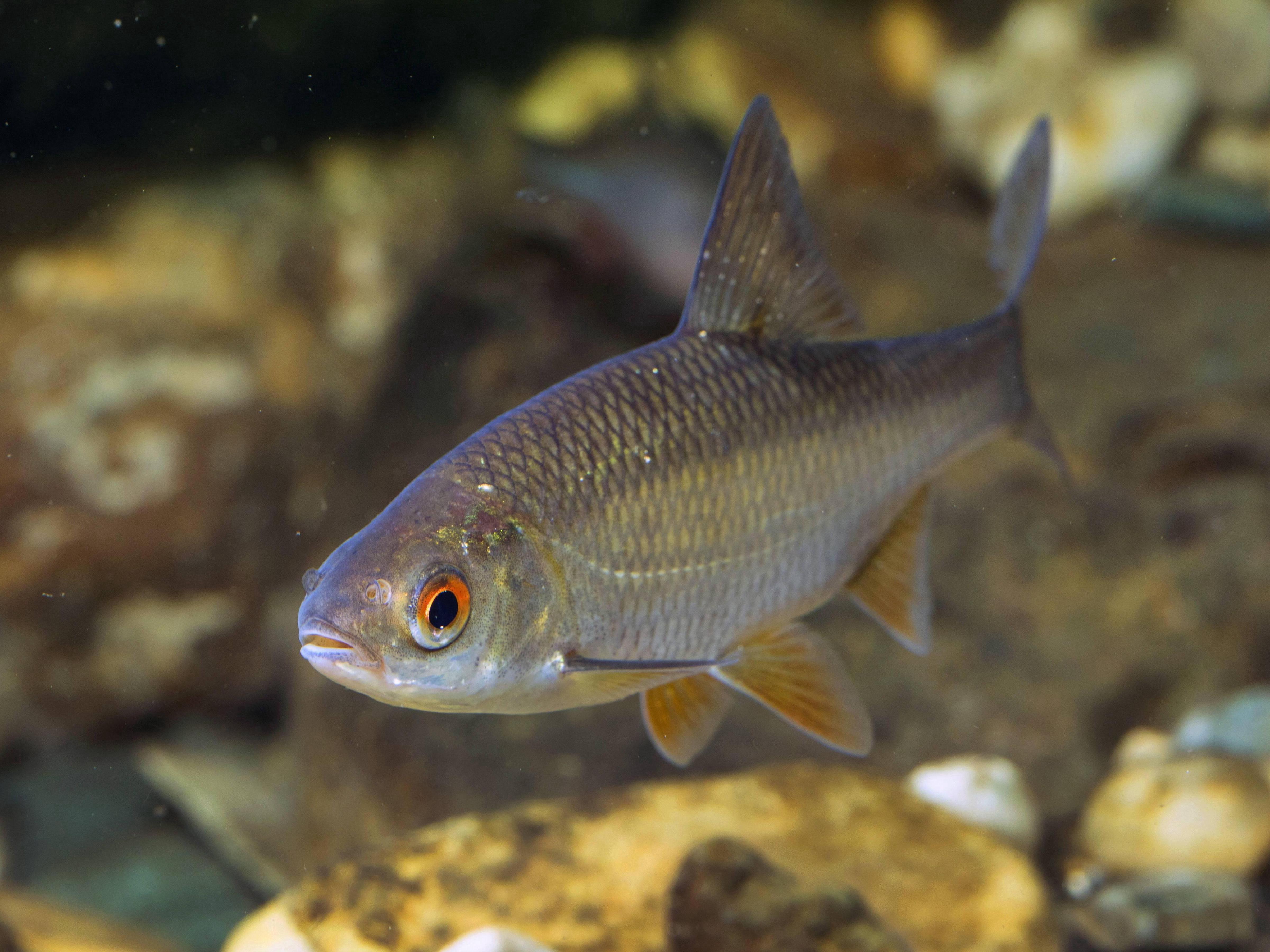

Perhaps there is no person in Russia who has never seen a roach. This small silver fish is so common in our rivers, lakes, and ponds that many perceive it as an integral part of the landscape. However, behind its apparent simplicity lies interesting biology and adaptability that have ensured the species« widespread distribution.
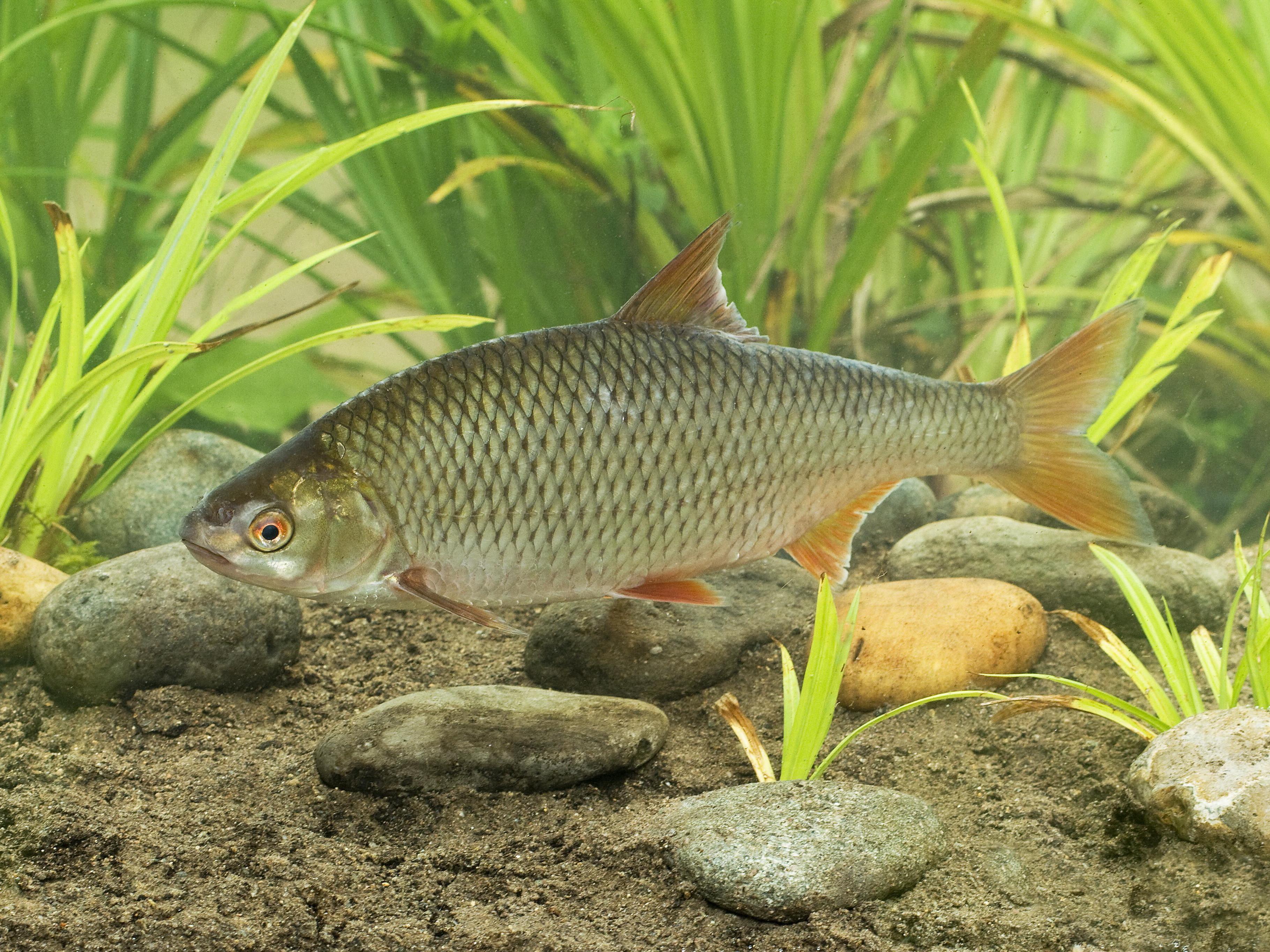
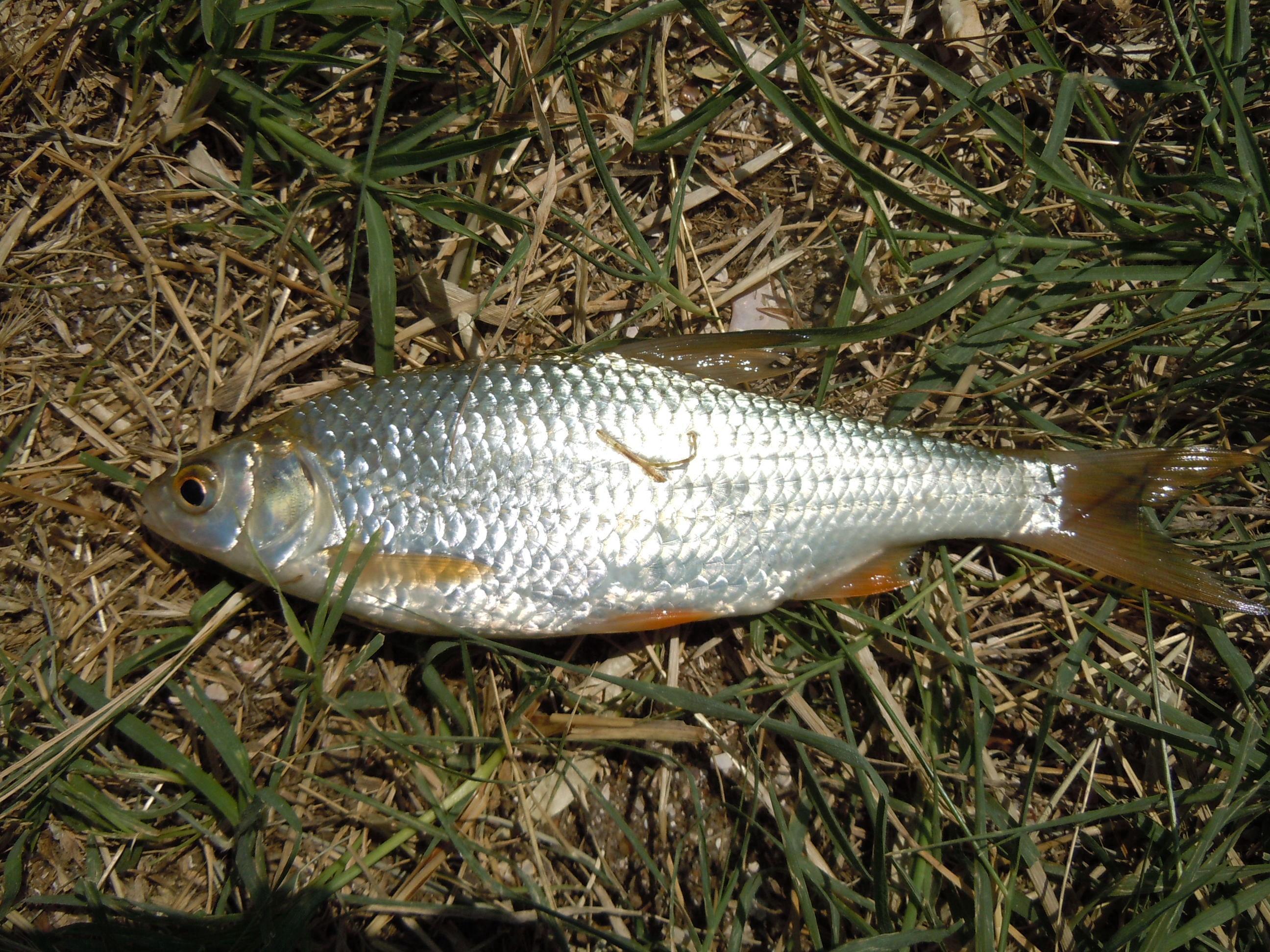
From a scientific point of view, this is the common roach — Rutilus rutilus. Most often, anglers catch individuals 15–20 centimeters (6–8 inches) long and weighing about a hundred grams (3.5 ounces). But under favorable conditions, the roach can grow to impressive sizes: some specimens reach lengths over 50 cm (20 inches) and masses over 2.5 kg (5.5 lbs). However, such giants are very rare, as to grow to them, the fish needs to live more than 15 years, which not every one manages.
Master of Survival
The success of the roach across Eurasia is explained by its exceptional hardiness. It feels at home both in cold, fast rivers and in warm, stagnant lakes, and even in water bodies with low oxygen content. Adult fish usually stay at depth, while schools of juveniles prefer quiet coastal backwaters. Separate populations have adapted to life in brackish water — they can be found in the Caspian, Azov, and Black Seas.
As early as the 19th century, the famous naturalist and angler Leonid Sabaneyev noted that the roach «is almost everywhere always numerous» and in terms of the number of individuals occupies first place among European fish, although in the north and in cold spring waters it is less common.
This ecological plasticity has led to the formation of local forms, which still cause debate among scientists. Ichthyologists discuss whether the Caspian vobla or the Azov-Black Sea taran should be considered subspecies of the common roach or independent species. Confusion is added by the many folk names: in different corners of the country, the roach is known as soroga, chebak, bublitsa. Sometimes these names are attributed to other fish, but most often they refer to local variations of the same Rutilus rutilus.
In nutrition, the roach also demonstrates omnivorousness. Its diet includes aquatic insects, worms, small crustaceans, mollusks, and algae. It is active mainly during daylight hours, always remaining vigilant — at the slightest danger, the fish instantly hides in thickets or under snags. The roach spends the winter in deep pits, significantly reducing activity.
Spring Revival
Male roaches mature for reproduction at the age of 2–4 years, females require about five years. With the arrival of spring, when the water warms to 8–10 degrees Celsius (46–50°F), characteristic tubercles appear on the scales of males. During spawning, they rub against females, stimulating the release of eggs. During this period, the roach loses its usual caution, which is actively used by pike, perch, and other predators.
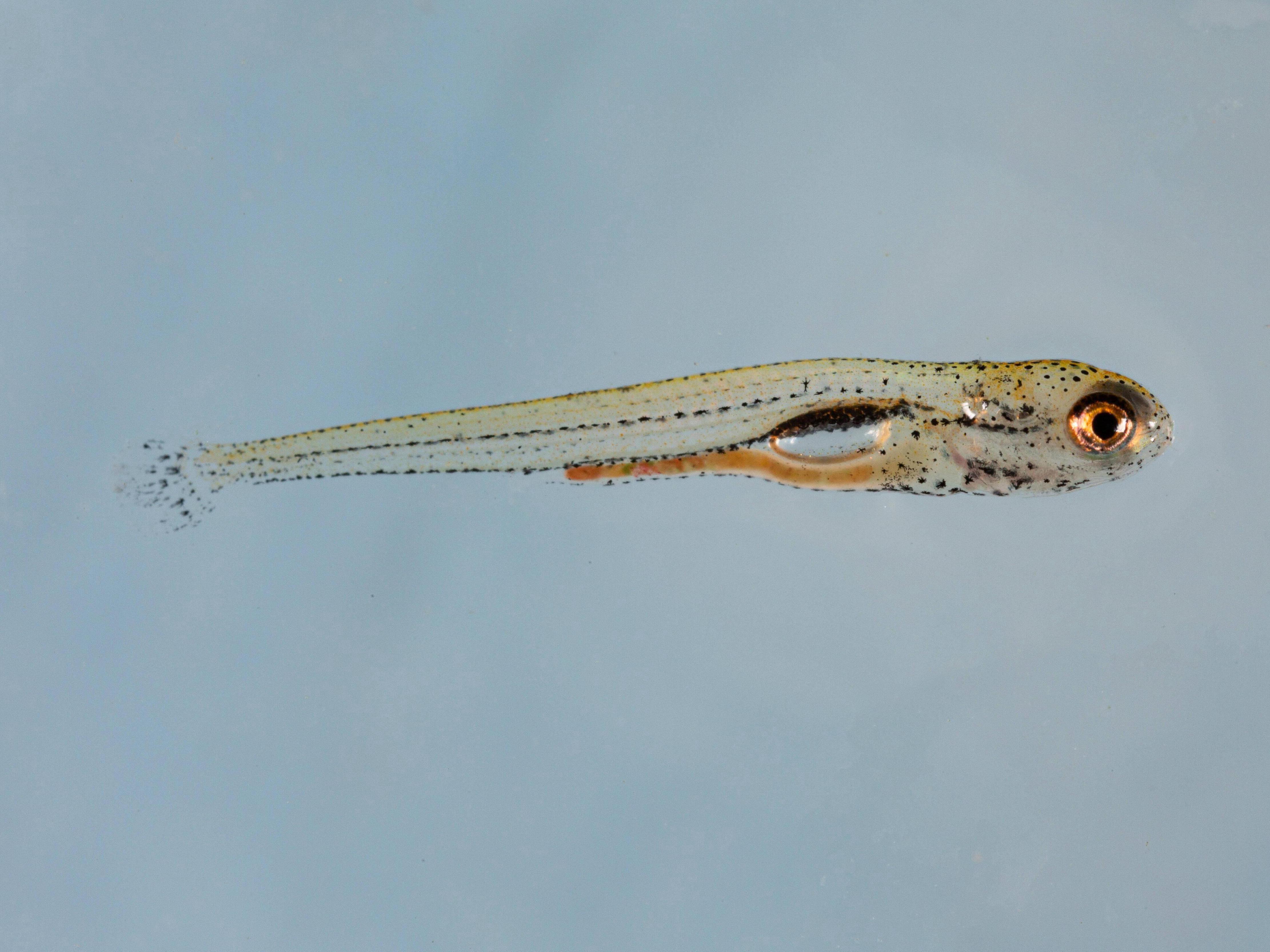
One female lays more than 100 thousand small, sticky eggs that attach to stones, snags, and aquatic plants. Parents show no care for their offspring. Incubation lasts about two weeks, after which tiny, almost transparent fry appear.
Leonid Sabaneyev described that in spawning areas «the water positively teems with the enormous number of hatched fish.» The young find shelter and food near the shores, among vegetation, under rafts and piers, where the current is weaker and threats are fewer.
The fry quickly switch to feeding on microscopic crustaceans and insect larvae. With a good food base, by the end of the first summer of life they can grow to 4–5 centimeters (1.6–2 inches).
The Art of Fishing
It would seem that catching such a common fish is a simple matter. But the roach can be capricious and choosy. Experienced anglers know: success depends on the season, weather, correct choice of tackle and bait. In summer, for example, the roach bites well on a float rod with thin rigging, on a feeder or light bottom tackle. As bait, they use maggots, bloodworms, dough, or steamed pearl barley. In winter, it is sought at depth with the help of a jigging rig.
Despite its ordinariness, the roach remains an interesting object for observation and fishing, a symbol of the living, hardy nature of Russian water bodies.