Humor over rowing skill: How to cross an ocean
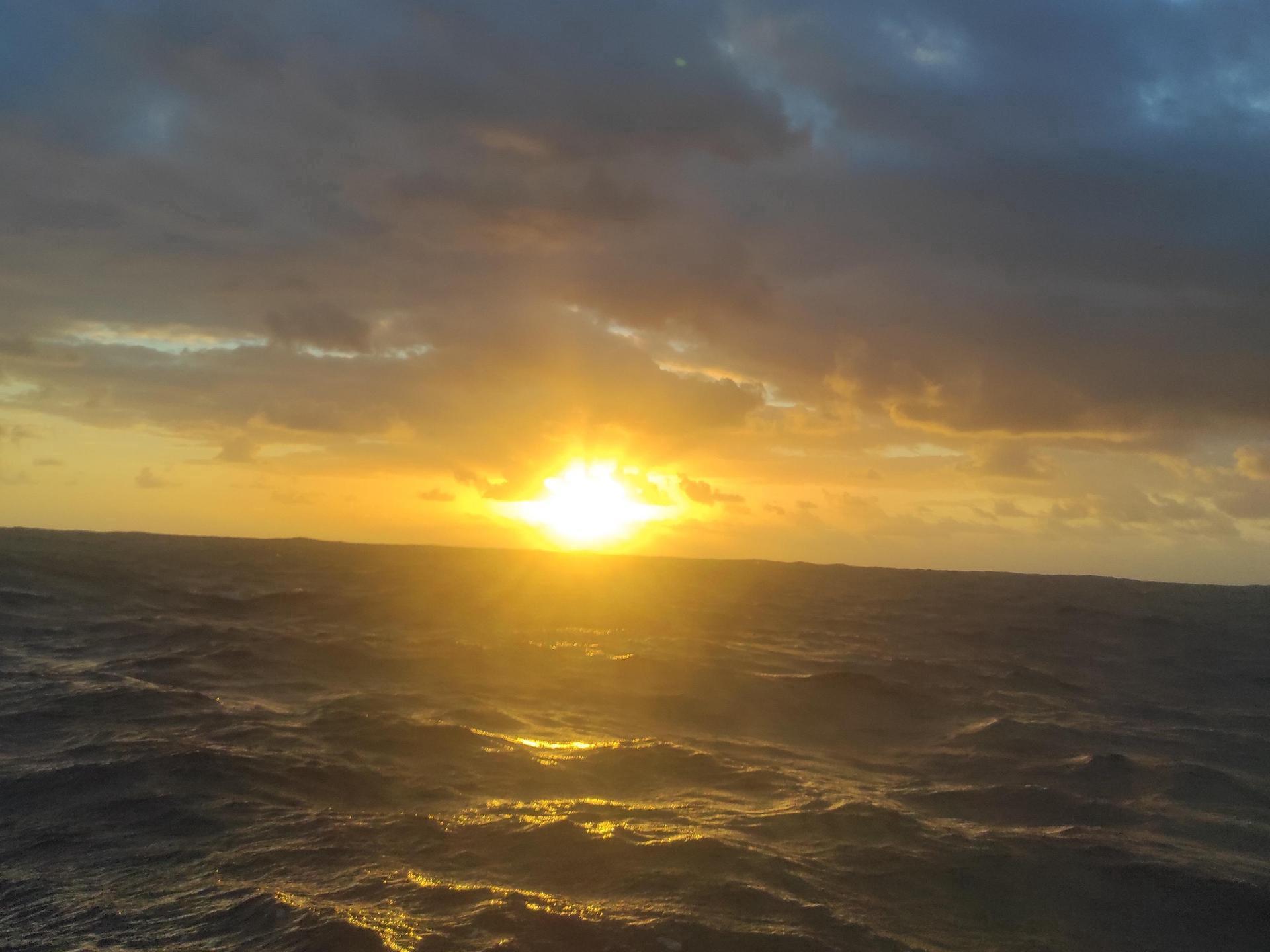

In 2023, Russian rower Denis Gorbylev crossed the Atlantic Ocean alone in a rowing boat. His journey from Portugal to French Guiana took 67 days and covered about 3,700 nautical miles.
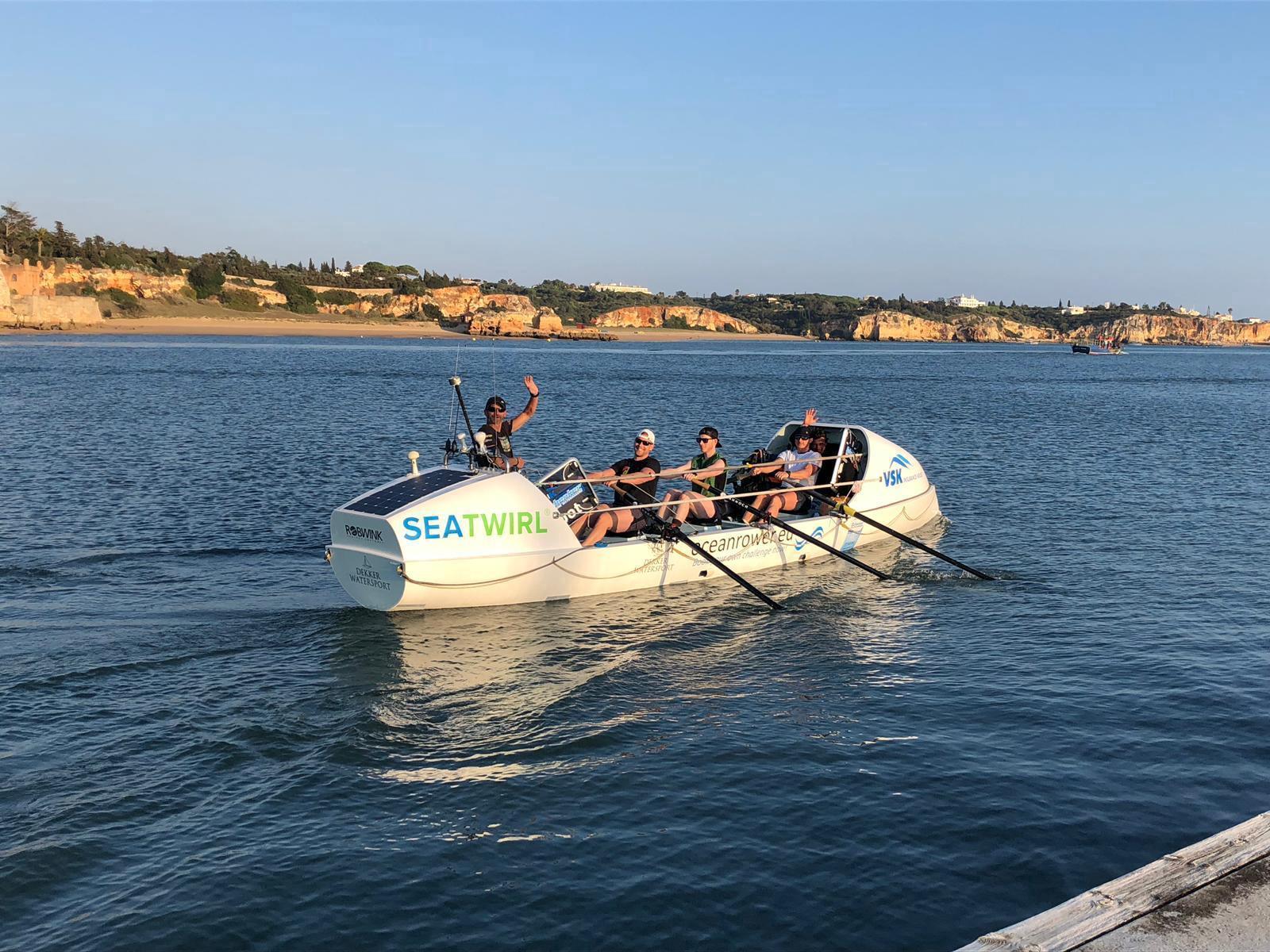
Four years earlier, he had already completed this route as part of an international team that entered the Guinness World Records as the first six-person crew to cross the Atlantic from Europe to South America.
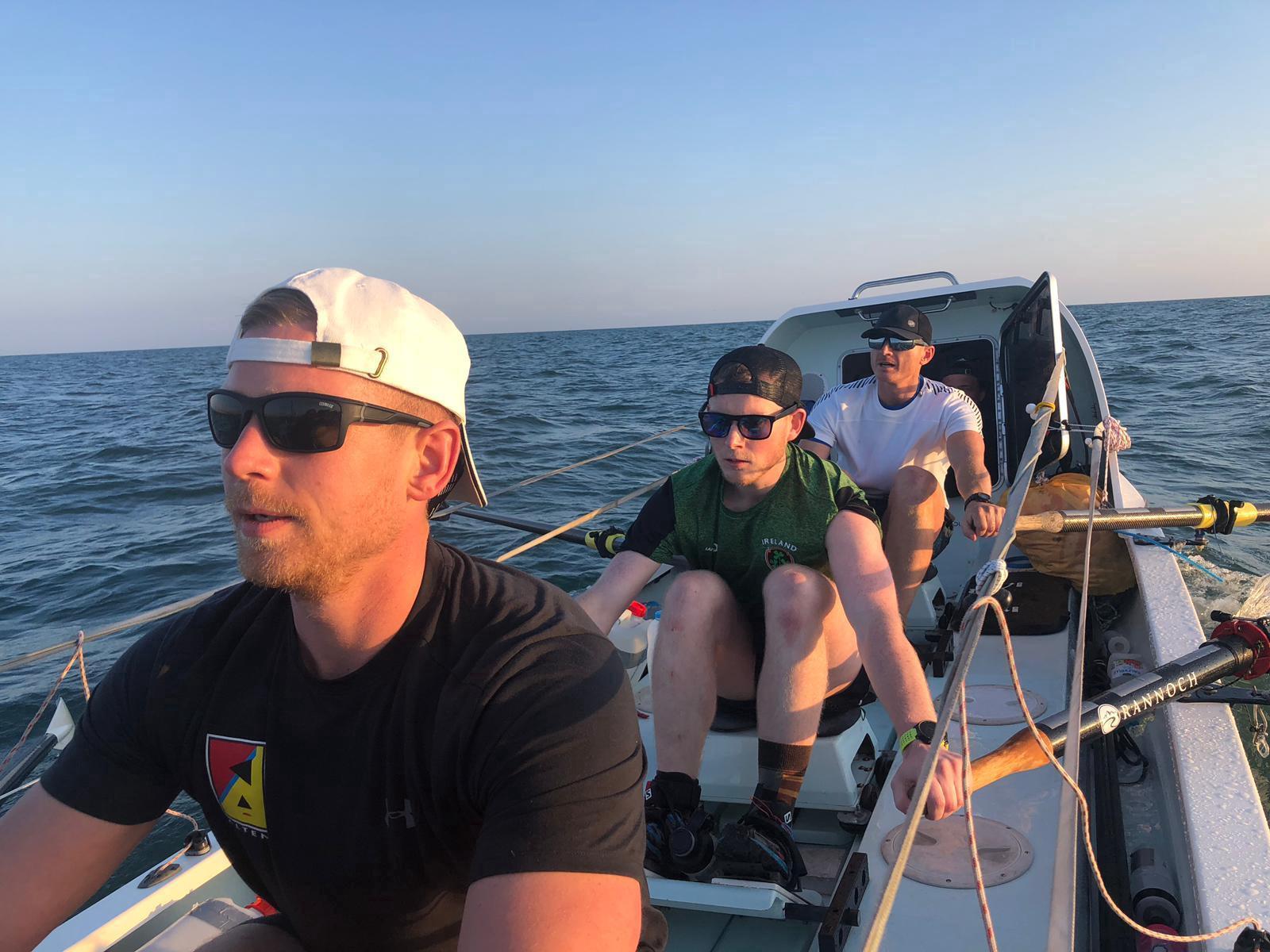
When setting out to sea, it«s important to understand: there is no room for half-measures here. Any breakdown — of a solar panel, desalinator — or a sudden storm immediately puts the rower on the brink of survival. Risk is an integral part of such a journey.
Equipment Failure: A Test of Endurance
During the record-breaking crossing in 2019, Gorbylev«s team faced an unexpected problem: the solar panel failed, and there was a catastrophic shortage of energy for the autopilot and desalinator. This prevented them from breaking the speed record, but it became a harsh test of endurance.
They had to improvise. The autopilot was turned off, and in each watch, one rower took on the role of helmsman. They abandoned the electric desalinator, the main energy consumer, entirely — water had to be produced manually, pumping for hours.
This work is monotonous and exhausting. Pumping under the scorching sun day after day is a real test for the psyche. In a team of six, they had to produce 20–25 liters of water per day, otherwise they wouldn«t survive.
Water and food were strictly rationed. Each person before watch would fill their personal bottle, and add water to the freeze-dried meal with a measuring cup — no more than 200–300 grams. Sometimes they had to eat «dry» — survival dictates its own rules.
They could have asked for water from a passing ship, but for many rowers, this would mean giving up the main challenge: to complete the entire journey independently, without external help. It is in this autonomy that the essence of ocean rowing lies.
Who Has It Easier: The Solo Rower or the Team Member
In solo rowing, there is more freedom: you set your own schedule, you are responsible for all decisions. But the risks are higher. In a team, everything is subject to a strict routine: 2 hours of rowing, 2 hours of rest — and so on for weeks.
Ask Gorbylev what he chooses — solitude or team? He answers without hesitation: solitude! It«s complete freedom, unity with the ocean, with nature, with the cosmos. In a team, you are in a mini-society where you have to adapt to others, avoid conflicts.
On land, a joke might go unnoticed, but in the ocean, against the backdrop of fatigue, sleep deprivation, and meager rations, it can trigger an outburst of aggression. Therefore, psychological compatibility in a team is worth its weight in gold.
Once, Gorbylev came across an ad online: a British team was looking for a replacement for a rower who had dropped out. The main requirement was not rowing ability, but a good sense of humor. They promised to teach rowing quickly.
The Importance of Discipline and Routine
In the ocean, discipline is the key to survival. A clear daily routine: wake up, check the weather, inspect equipment, row, desalinate water, repair breakdowns, hygiene. You cannot deviate from the schedule.
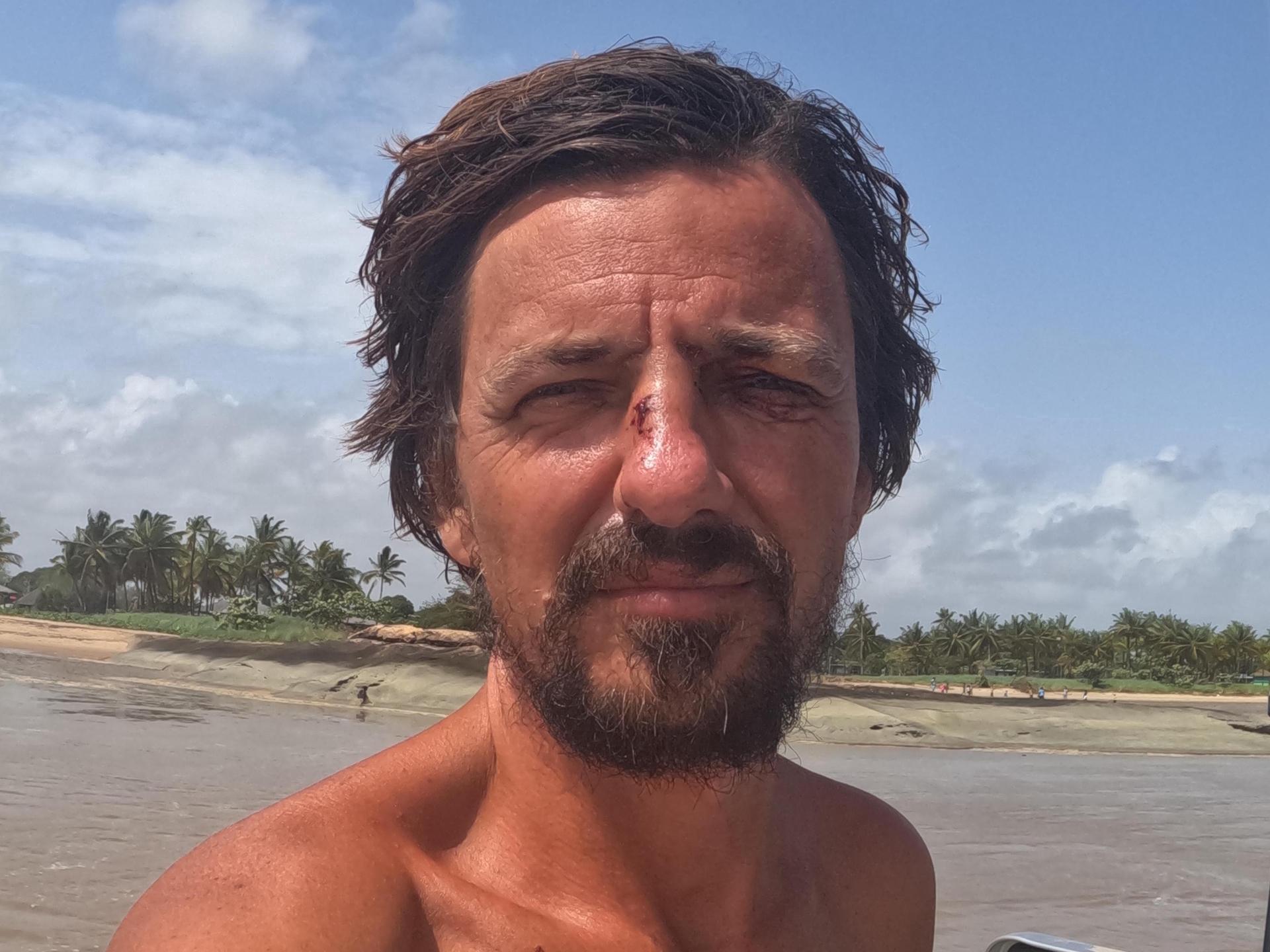
And обязательно — sunscreen. In mid-latitudes, we are not used to such aggressive solar radiation, but in the ocean, neglecting sunscreen threatens serious burns. Sunburned skin heals poorly, and you won«t be able to row at full strength.
And when everything is set — a tailwind, the boat gliding on the waves — you can finally look around. The ocean is not a lifeless desert at all. Here, whales swim in the distance, dolphins play on the waves, tuna chase small fish, forcing them to jump out of the water.
Closer to the shores of South America, scout gulls appear. Seeing a school of fish, they give a signal, and thousands of birds dive from the sky. The ocean literally boils from their diving attacks. Underwater at this time, predators finish the feast. Life here is bustling.
Psychological Resilience
Readiness for the crossing is an internal state. When you ask yourself: «Can I do it?» — and answer «yes,» it gives strength.
There were moments when water was left with one liter per person per day, and they had to row all day. You look at the bottle and think: that«s it. Instinct demands a big gulp, but you have to drink in tiny portions, only wetting your lips. For a modern person accustomed to abundance, this is difficult.
You go out on deck, and the sun beats down so hard that you want to hide anywhere. You look at the sky in search of at least a cloud — five minutes of shade. And you dream of ice-cold water, lemon, and the shade of a tree.
Can you lose your mind in the ocean? If you are unprepared — yes. The ocean is not our natural environment. But a prepared person will fight to the end.
The boat of my Dutch acquaintance in the Indian Ocean was rammed by a tanker. The ship broke in half. He sealed himself in one of the fragments, which sank, but after a while he was thrown to the surface. With broken nails, with a broken arm, he still climbed onto a floating fragment of the hull. He was accidentally noticed from a passing ship and saved. And what? He did not give up rowing. To this day, almost every year he crosses the Atlantic with new teams.
The main helpers in an extreme situation are a cool head, discipline, and self-organization. There must be a clear plan in your head, and you need to cling to life, never giving up.
How to describe a solo crossing of the ocean? It«s like living another life. Leaving the pier, you enter the world of the unknown like an infant. You grow, gain experience, experience ups and downs. Sometimes you are on the verge of despair, but you find the strength to continue. Then come moments of delight from the surrounding beauty. And when you step on solid ground, you understand: you have changed, grown. The ocean has made you a different person.