Concert Organizer on Show Business After COVID and Mobilization

The times when musicians, singers, and other artists were considered almost deities have faded into the past.
The internet has erased boundaries between people, and now one can read about the life of any celebrity, their successes and failures, deceptions, experiences, and beliefs at any time of day or night on endless social media channels.
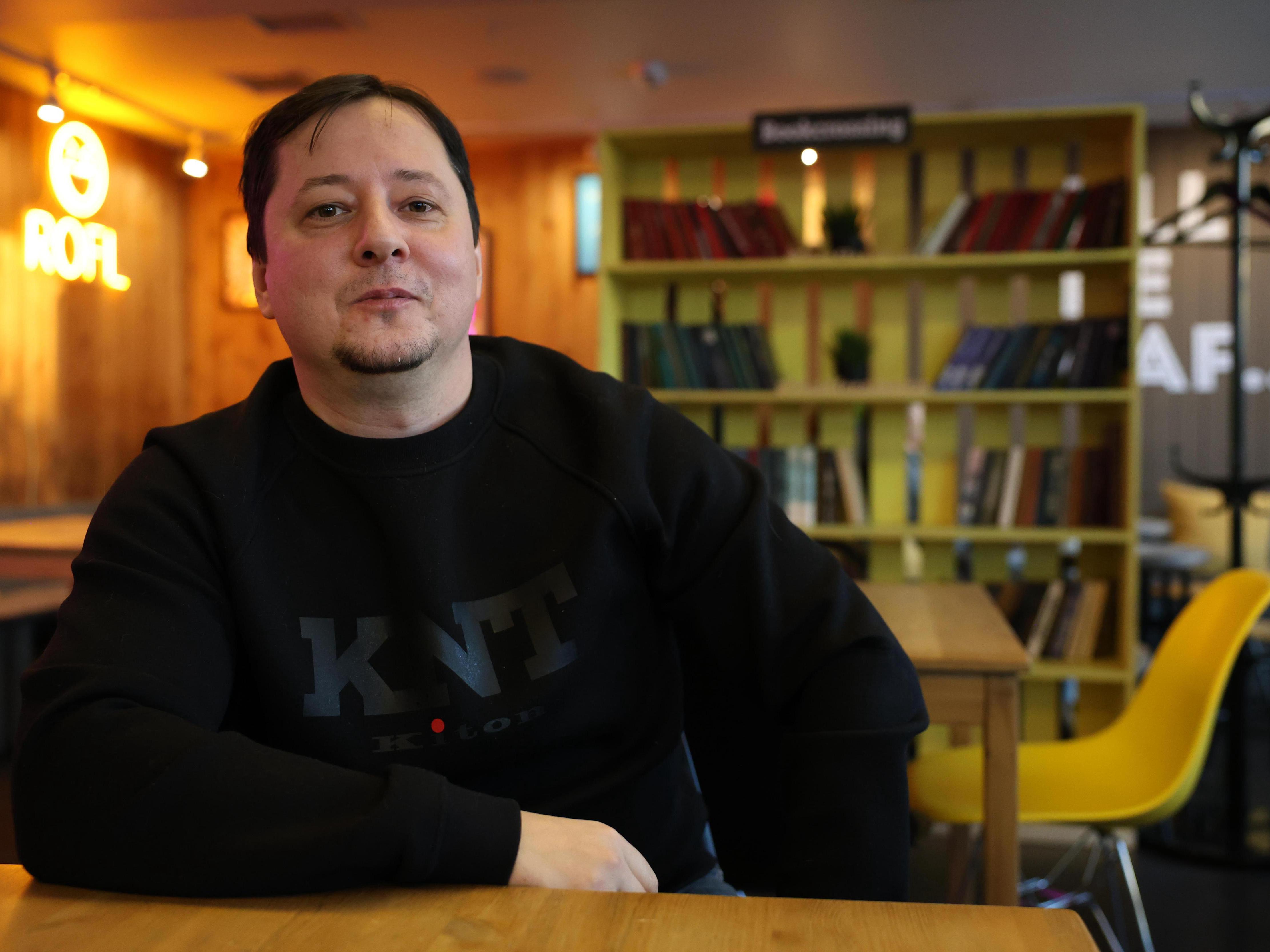
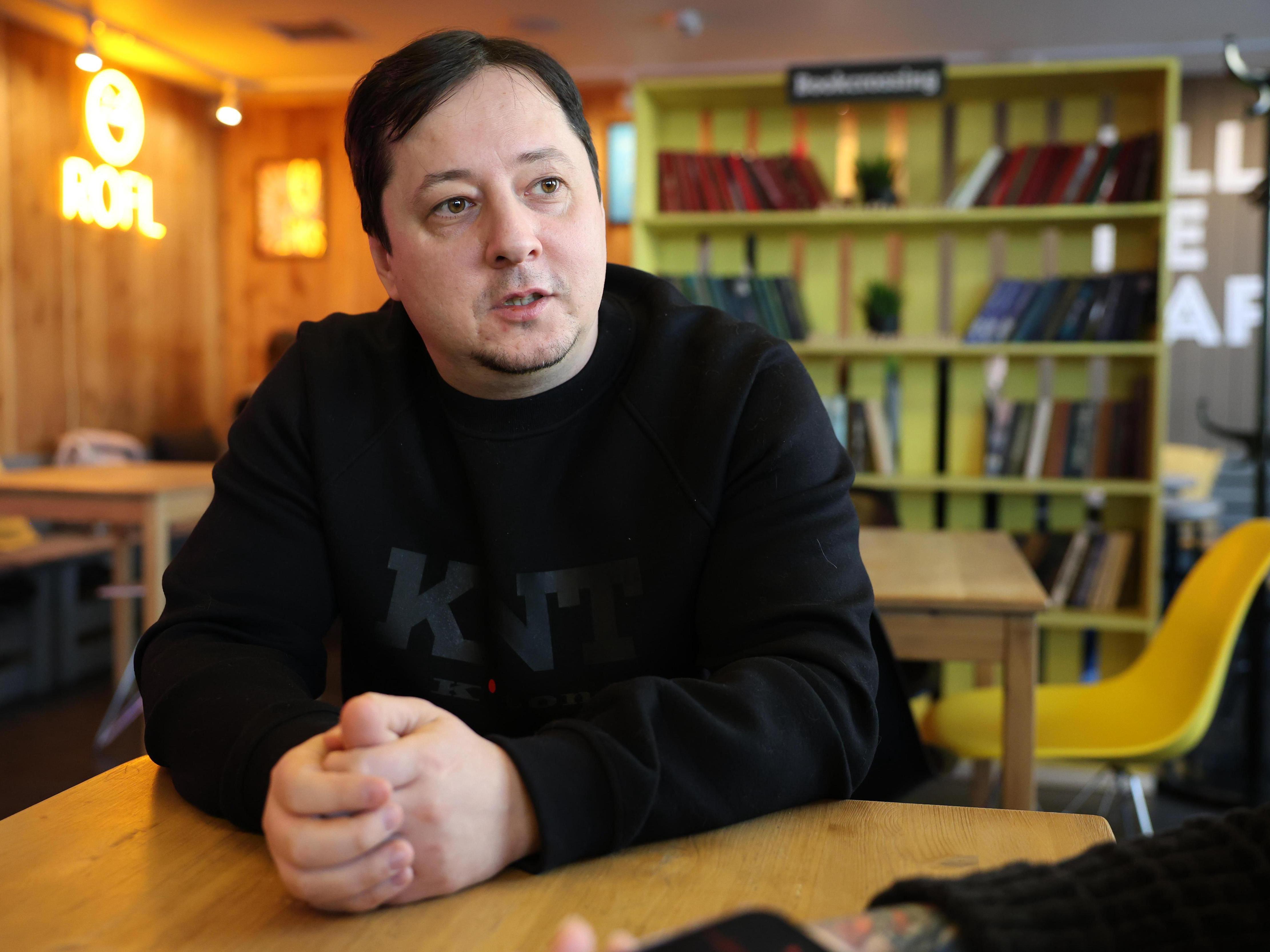
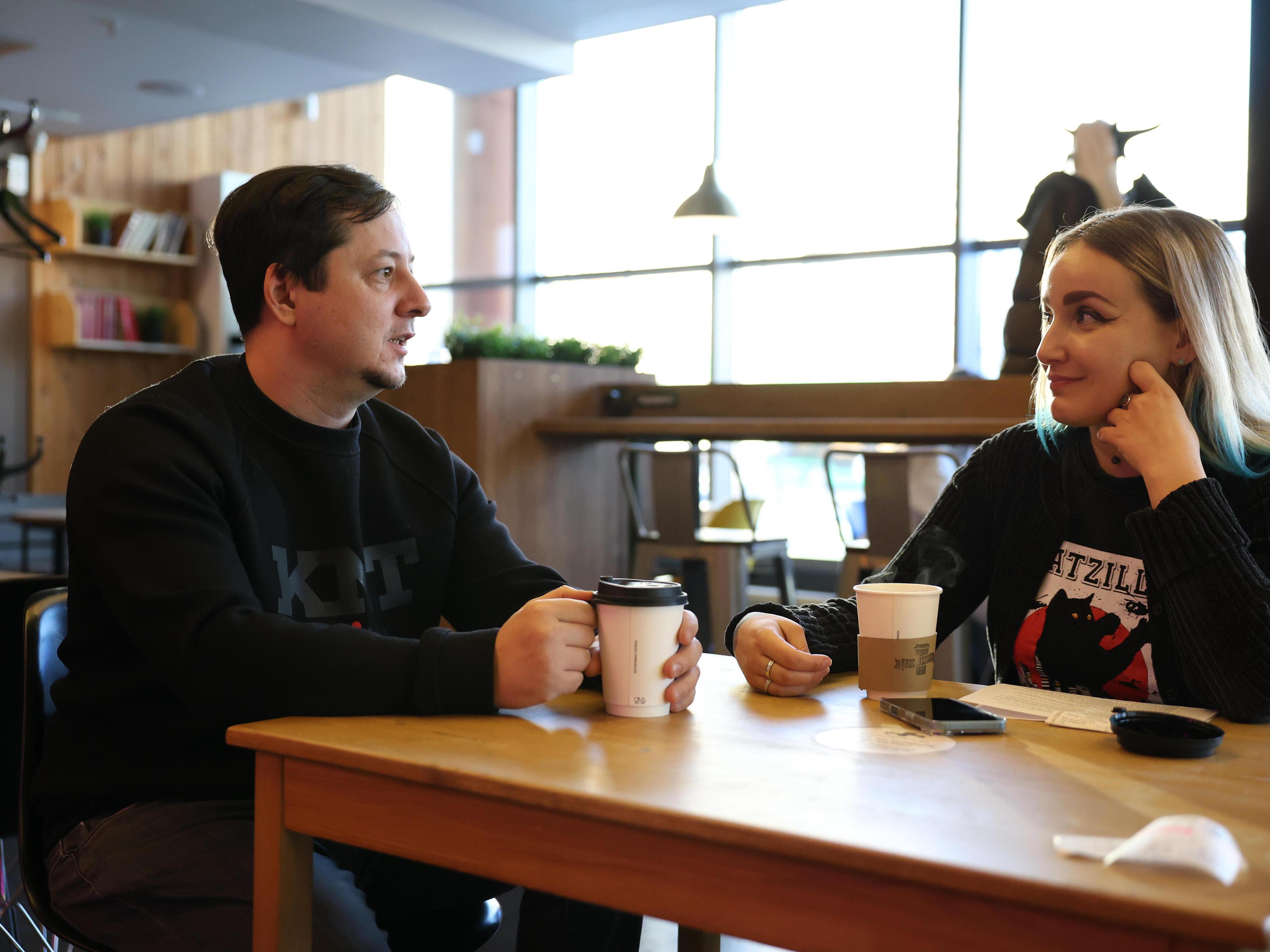
Omsk concert organizer Roman Semenov has been working in this field for 20 years, and for him, stars descended from heaven to earth much earlier. In an interview with NGS55.RU correspondent Tamara Bashayeva, Roman talked about how the industry has worked in recent years, about those in favor and out of favor, the secrets of success with the public, and much more.
What Factors Hit the Concert Industry the Hardest
— How has the concert industry changed in recent years? COVID, then the special operation, the foreign agent law, the cancellation of tours by Western artists… Surely all this has affected the usual rhythm of your profession.
— The industry survived the raging coronavirus, unimaginable restrictions, and the halt of business as such. After that, only an alien invasion could scare us. Everything was unpredictable, no one knew anything about the virus, and people didn«t understand how it would be? Like in the film »28 Days Later« or somehow different? In my opinion, the measures taken were overly excessive, and the general hysteria was created artificially, but never mind…
In Omsk, restrictions due to COVID didn«t last as long, but do you remember how they looked? People queued at ATMs on special circles, in concert halls they sat spaced apart, but in buses everyone rode packed in tight, »cheek to jowl.« There were cities where we couldn»t do anything for two years. And only in 2022, with the start of the SMO, when people forgot about the virus and focused on something new, venues opened there, and we started working.
— So, did COVID hit concerts harder than 2022?
— Of course. When you«re told: »Dude, you can«t do anything at all. Leave the house, sell tickets, do your job.» It paralyzes you, and nothing can compare to that. Certainly, any conflict, any war or special operation is very scary, but people continue to go to the store, continue to live somehow, and, most importantly, all these ups and downs taught people adaptability.
I noticed that when something happens, a crisis or some new misfortune, at first everyone falls into prostration, and after a couple of months they start living more or less their former lives. We held concerts in Voronezh and Novorossiysk. Once — a siren turns on, warning of drone danger. And some kids, riding past us on bicycles, check an app to see what«s happening and calmly ride on. People get used to it and continue to live within new realities.
I don«t want this to sound sacrilegious or disrespectful to those on the front lines now, but in all, even the hardest times, people celebrated New Year, weddings, birthdays, and went to concerts. No one benefits from life freezing.
— Did the tragedy at Crocus City Hall in 2024 affect concert activity in the country?
— It hit events much harder than mobilization. Especially large ones. For about three months, there was a huge decline. We held events, but people came and returned tickets. There«s a part of society where people are more prone to anxiety. However, small events were attended just as much; they specifically feared large venues, even though in fact they are much safer. For example, to get into G-Drive Arena, you can»t just run in: turnstiles, security — hundreds of people. But in people«s minds, an associative chain works: the tragedy happened at a large venue, so it»s dangerous there.
During mobilization, for about two months, there was a decline in audiences at youth concerts. Apparently, people took time to comprehend what was happening, some left, some stayed.
What«s Happening in Show Business After the »Split in Opinions«
— By the way, wasn«t there also a split among artists? Some supported the SMO, some didn»t.
— Yes, of course. This only shows that Russia is a very democratic country. Because, say, in America or elsewhere in the West, artists are part of the media industry, it«s their weapon. There, it»s never possible to become popular and famous without supporting the party«s politics. That they don»t tour here now isn«t because they don»t want to, but because their contracts forbid it.
Here, I«m referring to category A artists who fill stadiums and really influence the minds of millions. They always support the »right« protests, always wave the »right« flag, and always tell their audience where totalitarianism is and where democracy is. In the West, the entertainment sector long ago became a mouthpiece for the political agenda. In Russia, it»s not like that.
Here, you could do what you wanted, live in the country and badmouth it with or without reason. Starting from the «90s, you could build a career by systematically badmouthing everything around. And I don»t think a split happened in 2022. It«s just that at some point, everyone came out of the shadows and voiced the position they always had.
— Probably, many trust the opinions of stars?
— I«ve been working in this field for 20 years and want to say one important thing. When we watch TV and see celebrities there, it seems like they are a separate class of people with more information and more knowledgeable about something. But that»s not true. Often, they are even less knowledgeable than the ordinary person sitting in front of the TV, an armchair analyst. An artist lives in a sort of bubble between tours and shootings, receiving fragmented and sporadic information.
And considering that since the «90s, a fairly liberal environment has formed here, artists» opinions are shaped through this environment. There are no analysts there. No political scientists, no sociologists, no geopolitics specialists. And there are no special sources of information, but at the same time they influence millions of people with their opinions and should be responsible for that.
To take on analyzing what«s happening globally is not the same as simply protesting. Most often, such protest lacks constructiveness. When a person criticizes without offering anything in return. Something in the spirit of Letov»s «I will always be against.» Fortunately, it so happened that from «my list» of artists whose concerts I«ve organized more than once, I didn»t have to refuse cooperation with anyone.
— Were the places of those who left Russia quickly taken by others?
— Our show business is still very tied to television. Youth idols advanced through the internet, but even they only filled clubs until they got on TV shows. And now they fill stadiums because TV gives colossal recognition. This structure is quite monopolistic, closed; since the «90s, many people settled there, whom everyone saw for years on the »Golubye Ogonyoki« (Blue Lights) New Year»s shows and were fed up with.
But while they were there, audiences went to their concerts. Now many have disappeared, some forgotten, some not, but their places were taken by those who simply lacked space on TV. Airtime isn«t elastic, or maybe they lacked connections, but these people were nearby and immediately occupied the »vacant« spot. Many of them are no worse than those who left. And that»s it: they got exposure and now gather audiences.
— So people go not to listen to a new album by a favorite musician, but to see the musician as such?
— Yes, there are such. It all depends on the genre, actually. There are people passionate about music as a subculture. They follow the work, listen to all songs, wait for a new album. If you organize a tour for such a subcultural musician, the hall will be sold out because they were waiting specifically for him.
But 90% of people simply go to a concert. And the artist themselves is only part of the motivation to go somewhere, and often one artist can be replaced by another. People will care about what day the event is on, which venue, at what time. All this is very important to consider for a concert to be successful.
Yes, there are musicians who have gained popularity over decades, and their creative legacy is ingrained in our consciousness. They cannot be erased. And their fans calmly travel to countries near and far abroad to listen to their favorite songs. But mostly, celebrities are interchangeable. Time will pass, and new artists will grow, because culture is like a tree that sprouts new branches.
Art and Politics
— Don«t you feel that some trends in music are being artificially imposed now, too quickly and on a large scale?
— In the West, entire institutes work on social engineering and proper interaction with society, here it«s all quite spontaneous. And when in America a rock musician runs around the stage with an American flag, no one calls it state propaganda; it»s woven into part of the general subculture, and patriotism is the natural state of society.
Here, patriotic pop music is a separate subculture or a kind of subgenre. And we also need some positive propaganda, promotion, but organic. Not like, you went to a certain concert — good job, now you«re reliable and respectable.
— But some now agree to perform in such a «respectable» key.
— I think it was like this. A person sat in a government position, got money for promoting state ideology, organized some pilaf festival in honor of friendship of peoples, but then saw a guy who recorded a patriotic song, and people really liked it. The person was delighted and promoted him on all channels, and checked off a merit for themselves. And such an artist, for lack of others, became an icon of Russian patriotism, that«s all. I might be wrong, but for me as a marketer, it looks like that.
This isn«t systematic work, not analytics, not social engineering. No one is forming influencers, dividing them by social segments and niches, no one is investing propagandistic narratives into their songs. So, the most anxious should stop looking for totalitarianism where it isn»t. Proper propaganda you don«t feel; it»s part of children«s cartoons, window displays in hypermarkets, folk holidays and family gatherings, part of customs, part of your deep cultural code.
— Yet there«s an opinion that culture and art should stand apart from political movements.
— I don«t believe in that. Show business as a means of forming ideology and propaganda was invented long ago. Perhaps art outside politics is only possible in periods when everything is very calm and you can not think about anything at all. But not in periods of escalation. After all, it»s completely obvious that no matter how many wars with weapons in hand you win, if you lose the war in people«s heads.
I think censorship in the sphere of culture and entertainment will tighten worldwide. Now we often out of habit try to separate the musician«s personality into the person and the creator. But, in my view, gradually this will fade away. The world is changing a lot, and all artists will have to accept these rules of the game.
— So that«s why the »apartment scheme« played out so powerfully?
— People became disillusioned with many celebrities and stopped perceiving people on the other side of the TV as if they lived on another planet and were all smart, talented, and well-informed. And yes, with this scheme, it«s the same story. When all this started, many were disillusioned or outraged about it. Then on social media, it turned into an avalanche. In the end, no sacredness remained from the people»s artist. Yes, maybe that«s for the better.
— Did this affect audience turnout in halls?
— And it will affect for more than a year. Now few will dare to invest in this project.
Who is Profitable to Tour and Do All «Make It» to Omsk
— Who is profitable to tour now?
— At all times, it«s profitable to tour artists whom women love. Male musicians can be counted on fingers; there aren»t many. Ladies are more inclined to active cultural leisure, and they will bring men or girlfriends. I«ve seen more than once how men suffer at concerts their wives dragged them to.
There are musicians who form a certain fan base, for whom it«s more than music. It»s a reflection of their way of thinking, worldview, if you will. Such artists will always fill halls.
— Does it happen that you don«t organize an event in Omsk because it will be expensive, and people don»t have money for tickets?
— Omsk is a fairly large city, and among touring groups, there are none who, for financial reasons, wouldn«t come to our city. And in general, it depends on organizers who weigh risks and potential profit. It happens that a large arena won»t gather enough audience, and a small hall won«t fit all who want to attend. And then, no matter how much the artist wants to come, their performance will be considered inexpedient by organizers. Now the SKK Blinova will open, and some concerts that don»t gather an audience of 10,000 but gather 3–4 thousand will move there.
As for paying ability, it all depends on the season. For example, it coincides that in a short time, several projects are planned in the city that haven«t been for several years. That»s what happened last autumn: a bunch of top artists perform within two months. And then it«s a question, because when a ticket costs 15,000 rubles (about $160 at current rates), you can»t go everywhere. But even in such situations, there were no empty halls.
In Omsk, salaries are lower, but tickets will be a bit cheaper than in Yekaterinburg and Tyumen. The city«s standard of living always affects infrastructure costs, and so expenses for organizing a concert become lower: venue rental, hotel, advertising.
The Romance of the Profession
— You«ve been doing concerts for so many years, and many dream of meeting stars in person. Do you enjoy the work?
— Initially, it was a very romantic idea — to bring favorite musicians to my hometown. But you can«t be a romantic all your life. Romance lures with the unknown, and when you»ve experienced everything, it becomes ordinary. Not that I«ve brought everyone I wanted… I just don»t have a mission as a cultural educator. We worked with foreign, domestic stars, but, as I said, over time it became clear that all artists are ordinary people, just like us. That«s very grounding.
Often I«m asked: »Who would you like to bring?« Actually, there are no such artists. The technology of organizing a concert is the same: a stadium for 40,000 people or a club — the principle is the same, then it»s a matter of technique. I have my own list of favorite musicians, but they«re definitely not commercial groups, so it»s easier to go and listen myself than to organize. And in general, I go to concerts and plays, sometimes up to 20 times a month, there«s almost no time left to go somewhere for my own pleasure.
An organizer promotes others« creativity; some of it is close to him, some not so much, but overall, starting to work in this field, you fairly quickly move away from the idea of only touring your favorite artists. To do some large-scale festival in Omsk, perhaps, would be interesting, but that»s a whole different story.