Butterflies: 9 Incredible Facts of Adaptation
Butterflies are not only beautiful but phenomenally resilient. They survived the dinosaurs, mastered extreme climates, and set hard-to-imagine records.
Feb 10, 2026 0
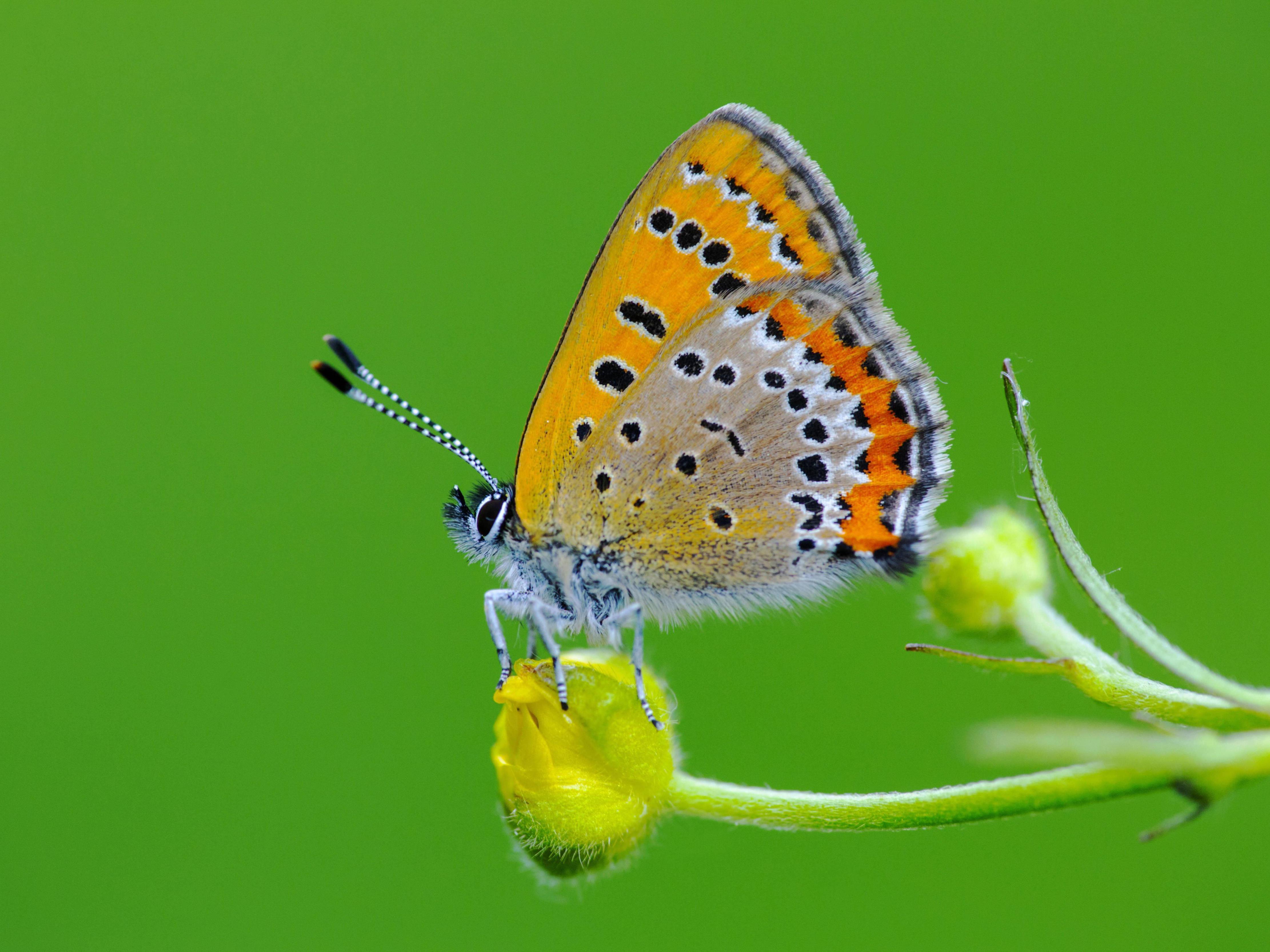

Behind the apparent fragility of butterflies lies incredible strength and ancient history. These insects demonstrate wonders of adaptation that amaze the imagination.
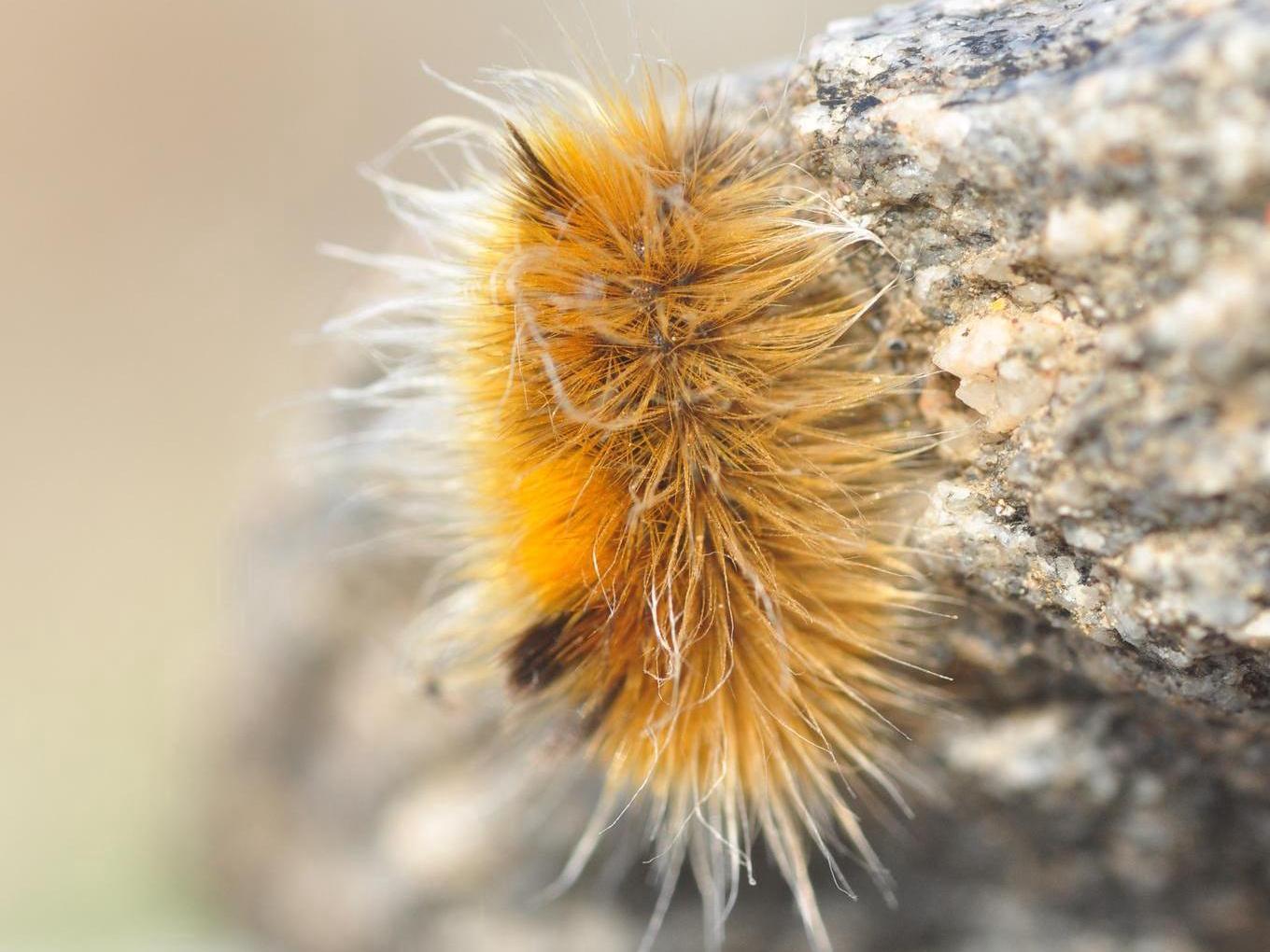
The Greenland bear moth caterpillar survives extreme cold, enduring temperatures as low as -70°C (-94°F).
Source:
Their history goes back to deep antiquity. About 190 million years ago, in the Jurassic period, the butterfly Archaeolepis (Archaeolepis mane) was already fluttering over Earth, resembling modern toothed moths. The bright, familiar day butterflies began to appear much later — approximately 56 million years ago, when the world had long forgotten about dinosaurs. Scientists believe the first among them were the inconspicuous skippers (Hesperiidae).
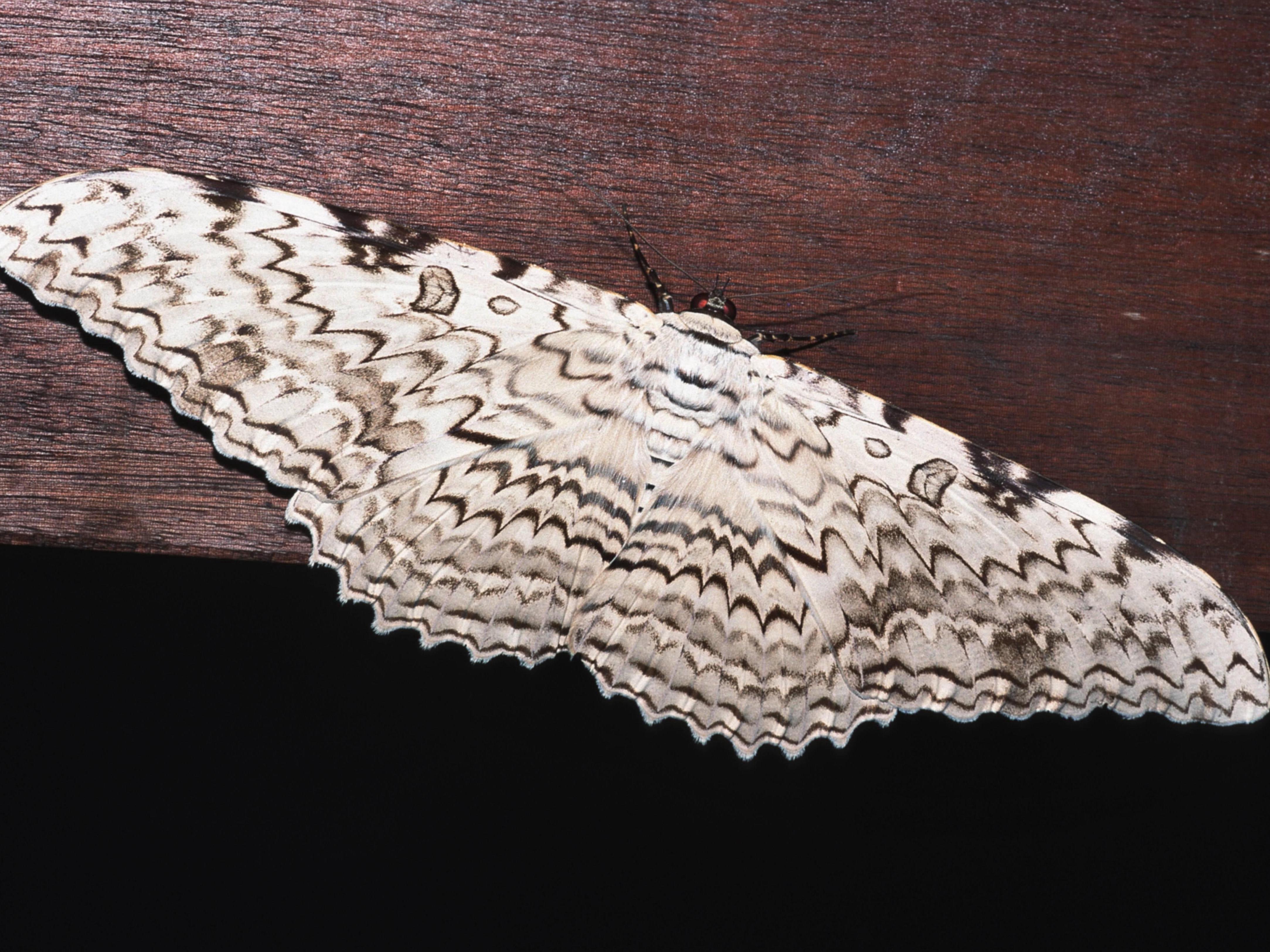
The agrippina owlet moth has the largest wingspan among butterflies, measuring 298 mm (about 12 inches).
Source:
Some butterfly species have mastered survival in conditions that seem impossible for life. The caterpillars of the Greenland bear moth (Gynaephora groenlandica) calmly endure frosts down to -70 °C (-94 °F), making them the most cold-resistant butterflies on the planet. Another example of longevity in a state of dormancy is the caterpillars of the yucca moth (Prodoxus y-inversus) from the Nevada desert. They can lie dormant for 30 years, and after overwintering, pupate and turn into butterflies.
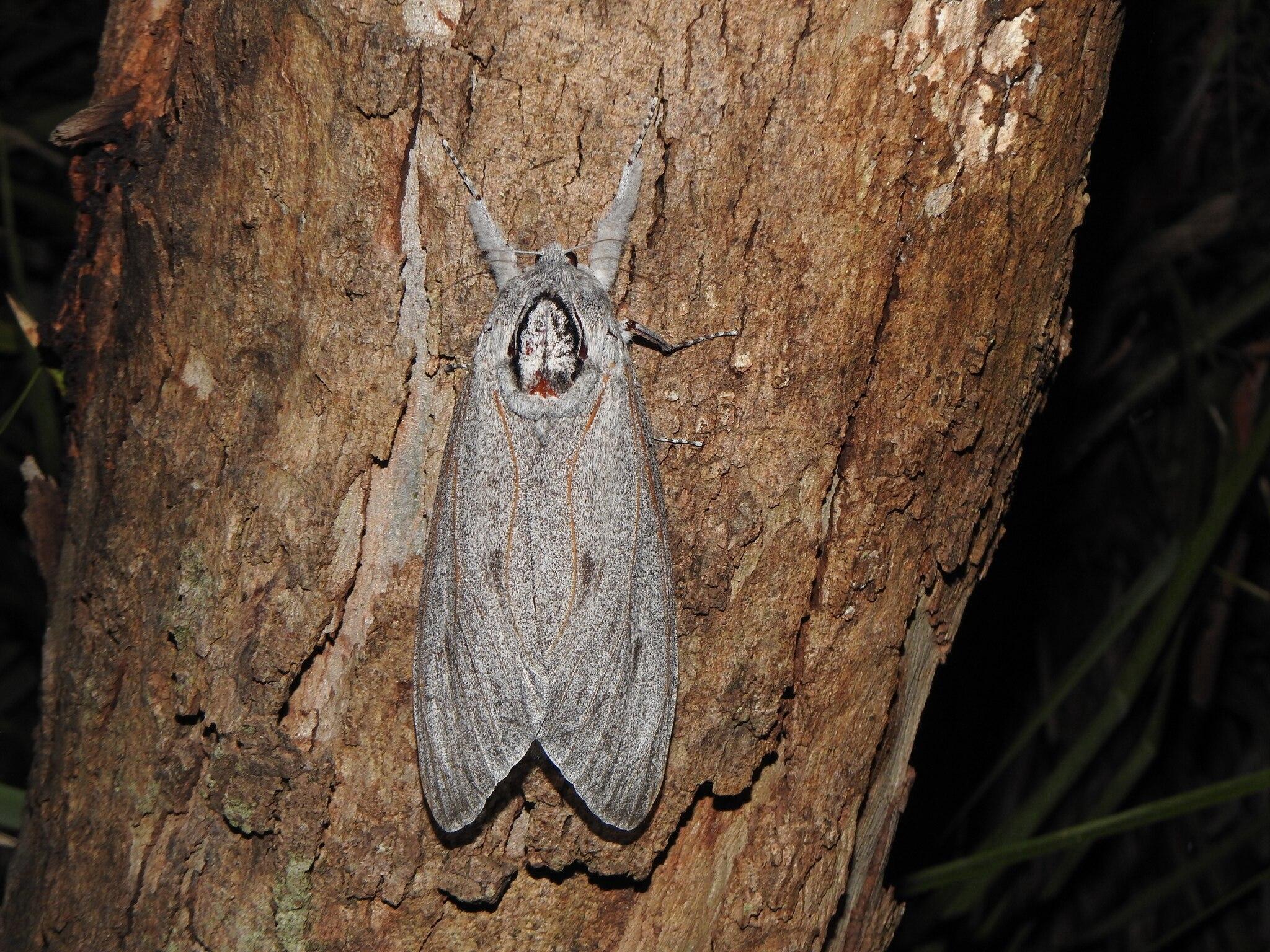
The female Australian wood moth is the heaviest butterfly, weighing around 30 grams and laying up to 20,000 eggs.
Source:
Butterflies also break records in movement. The death«s-head hawk-moth (Acherontia atropos) can reach speeds of up to 54 km/h over long distances, being one of the fastest fliers. And the takeoff speed of flight in some species, for example, in the green-veined charaxes, reaches 5 meters per second.
The sizes of these creatures are also impressive. The largest wingspan — 298 mm (about 12 inches) — belongs to the agrippina owlet moth (Thysania agrippina), which can be found in the tropics of America. And the title of the heaviest butterfly in the world belongs to the female Australian wood moth (Endoxyla cinereus). Her mass is about 30 grams (about 0.07 pounds), and she lays up to 20,000 eggs, completely without feeding in the adult state.
If all her offspring survived and reached the adult stage, the total weight of this «family» would be about 600 kilograms (about 1,300 pounds) — roughly the weight of nine people. This example shows the incredible reproductive potential hidden in the fragile body.
The growth rate at the caterpillar stage is also astounding. The larva of the monarch butterfly (Danaus plexippus) increases its weight by 2,700 times in just two weeks. For comparison: if a newborn baby weighing 3 kilograms grew at the same rate, after 14 days it would weigh more than 8 tons.
Modern research continues to reveal new facets of butterfly life, emphasizing their role as indicators of ecosystem health. Their ability to transform — from egg to winged form — remains one of the most amazing phenomena in nature, reminding us of the fragility and incredible resilience of life.
Read more