10 Amazing Facts About Seahorses
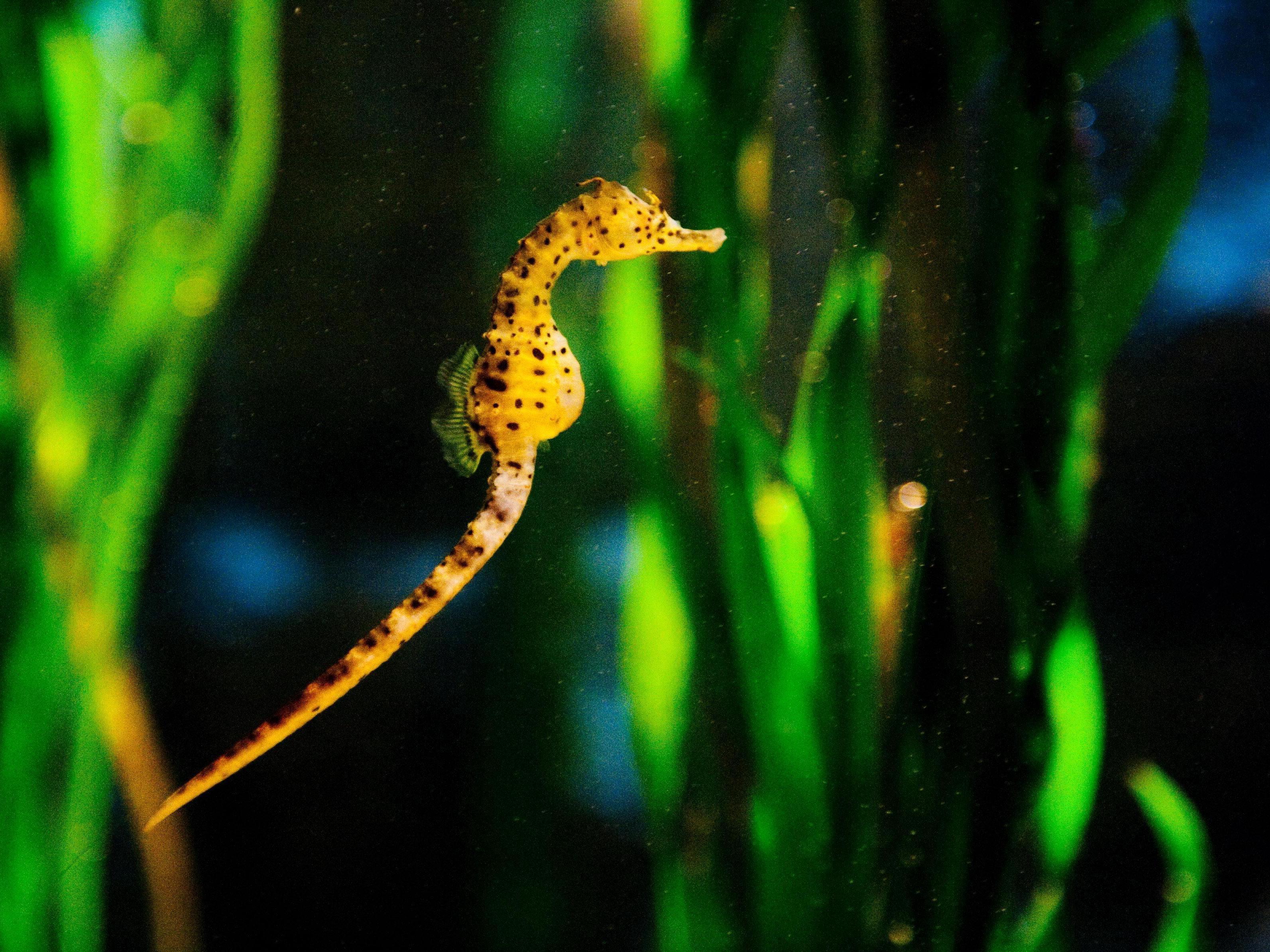

Seahorses have puzzled naturalists for centuries. Their bizarre shape and habits raised questions about which class of animals they belong to. These creatures, formally fish, break many familiar rules: they swim upright, and their reproductive system turns traditional roles upside down. However, their unique body structure and behavior are just the tip of the iceberg.
Eyes That See Independently
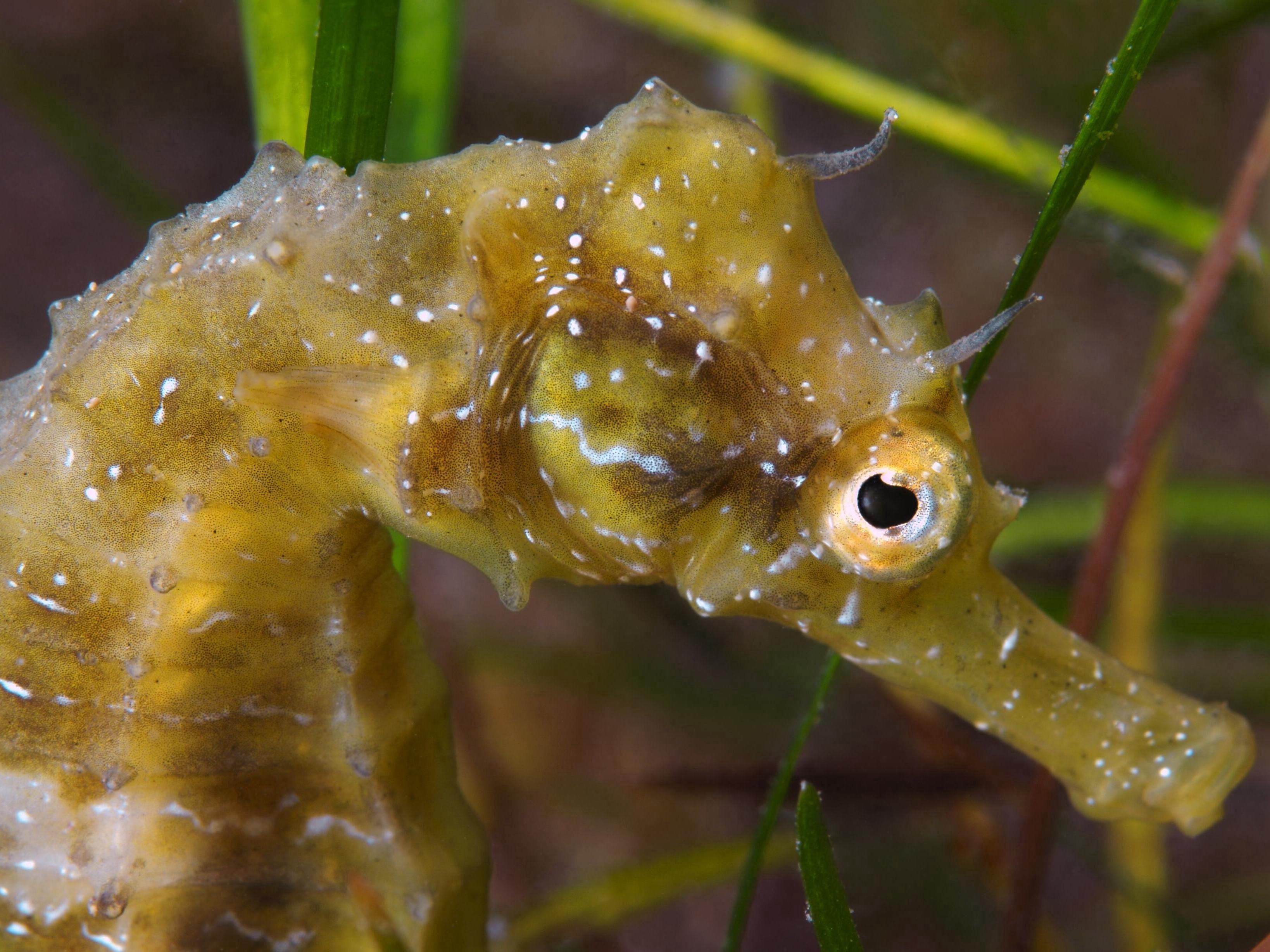
The vision of seahorses is no less unusual than their appearance. Their eyes move completely independently of each other. While one eye scans the space ahead and above, the other can simultaneously examine the surroundings from the side or below. This feature gives them almost circular vision, which is critically important for detecting food and promptly covering their tracks from predators.
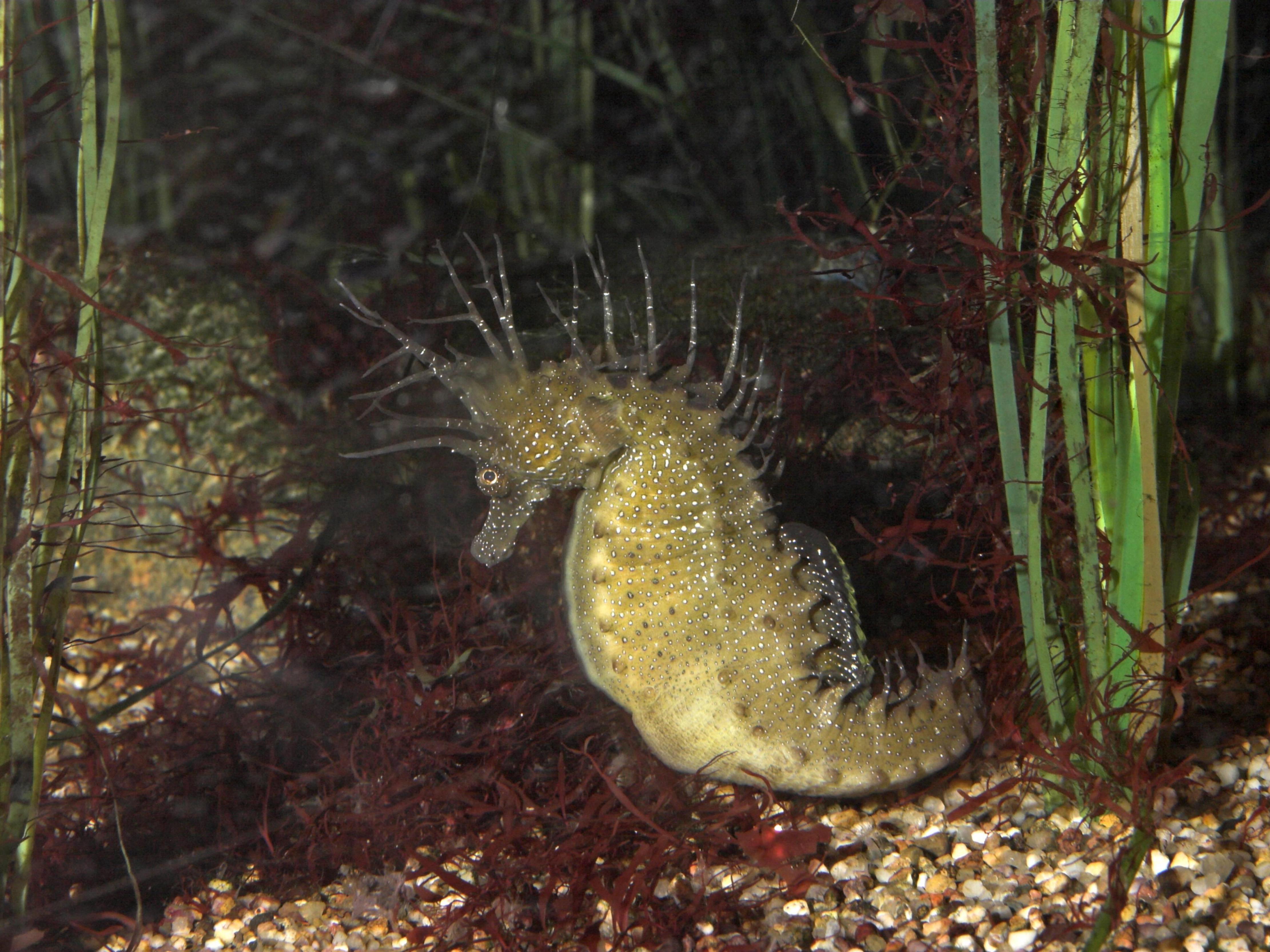
Virtuosos of Camouflage
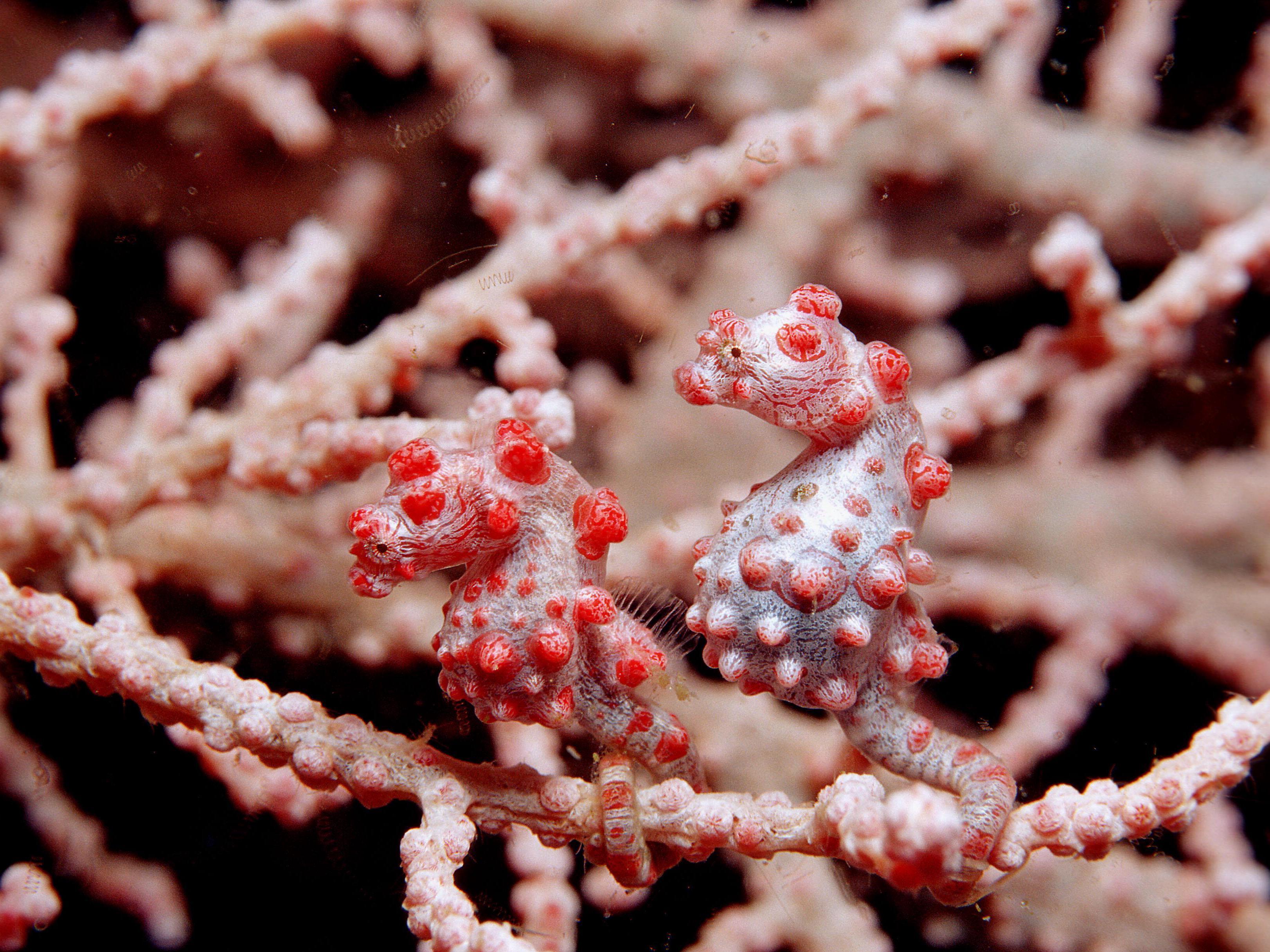
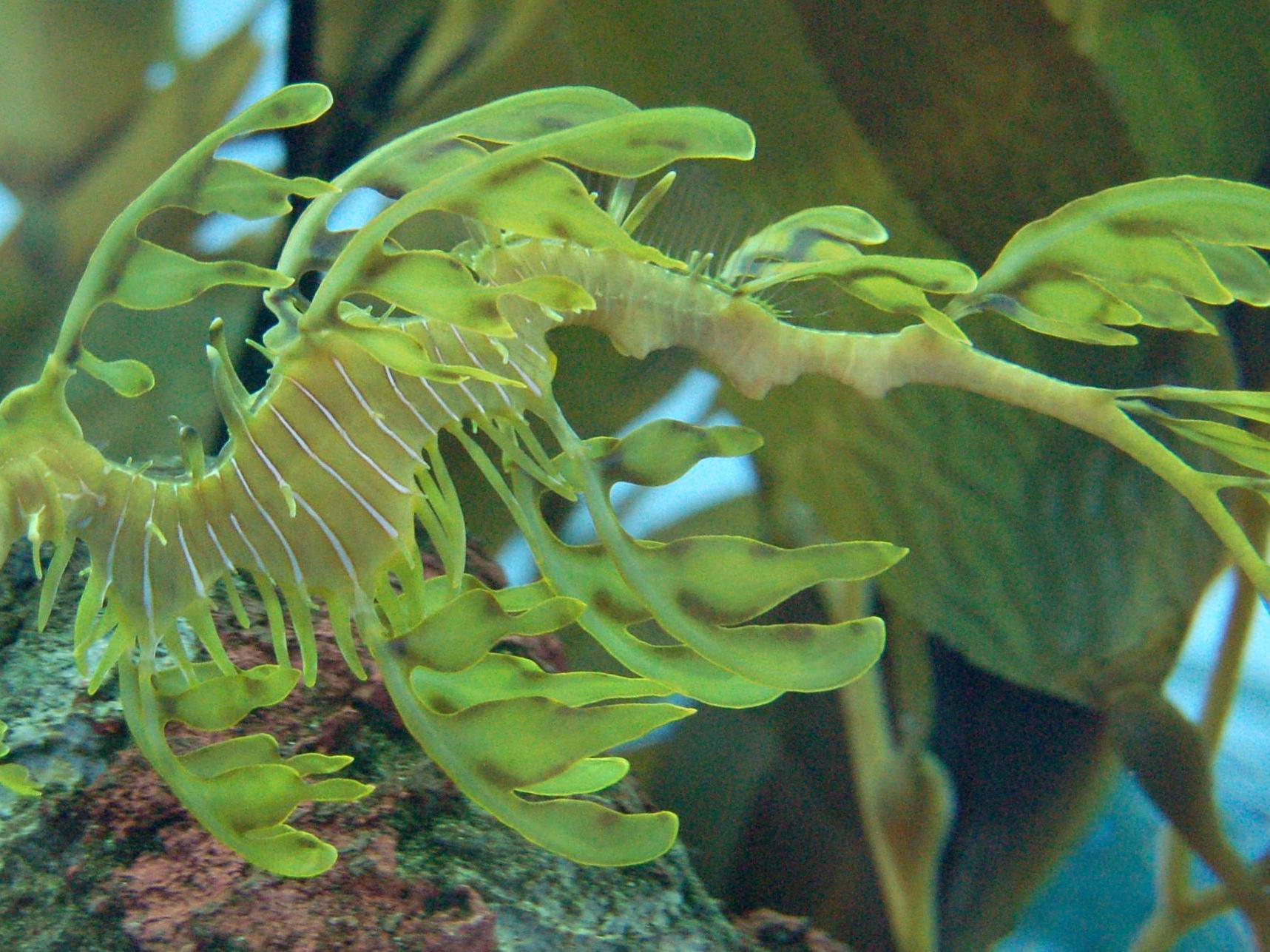
Camouflage is their second nature. Seahorses masterfully blend in with their environment. The absolute champion in this art is the leafy seadragon. Its body is covered with numerous spines and ribbon-like skin growths resembling seaweed, making it almost invisible among thickets.
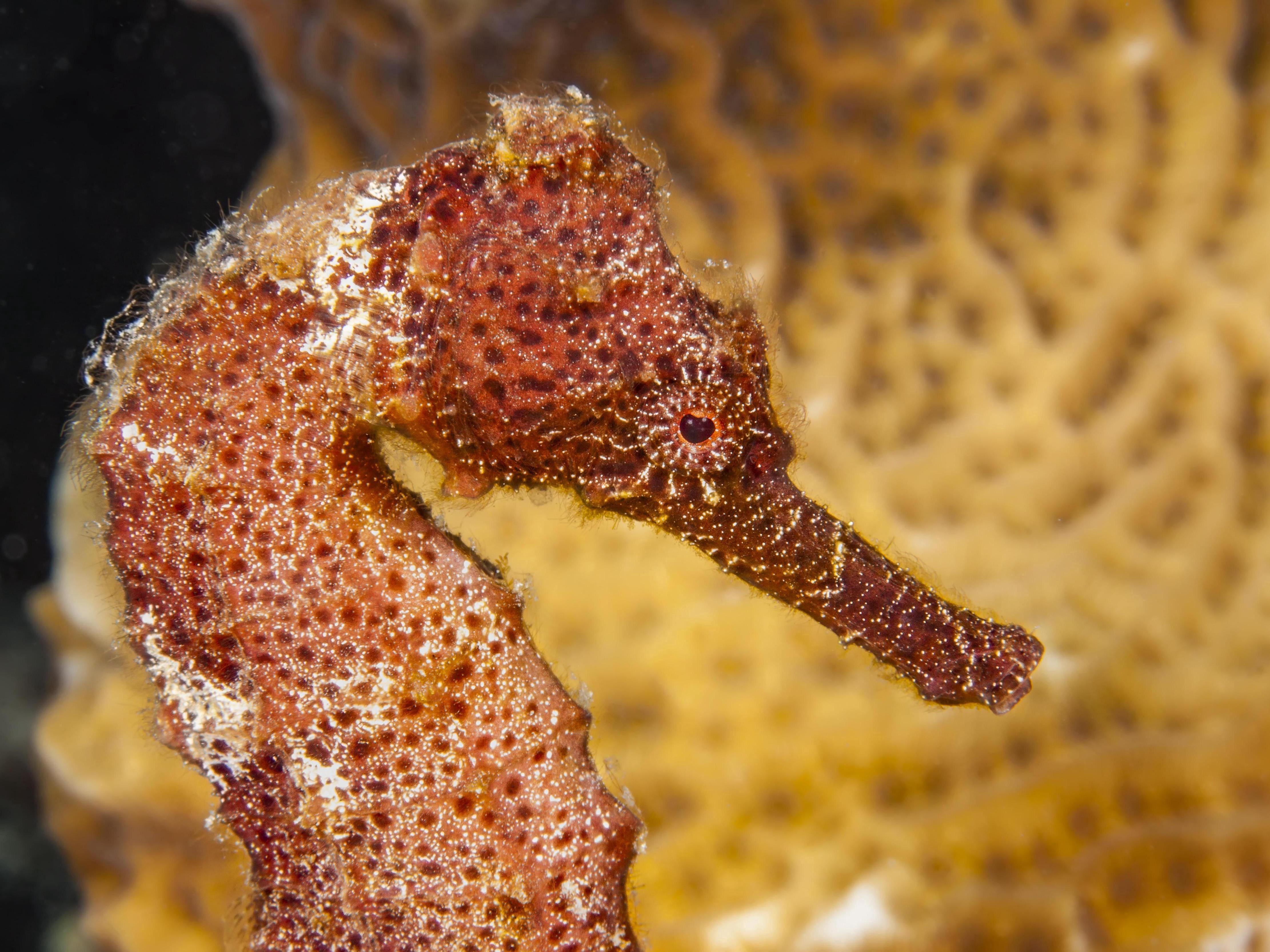
Their coloration usually matches their habitat: green shades for life among algae. However, in areas with bright corals, sponges, or jellyfish, one can find more colorful seahorses — fiery red, sunny orange, or spotted.
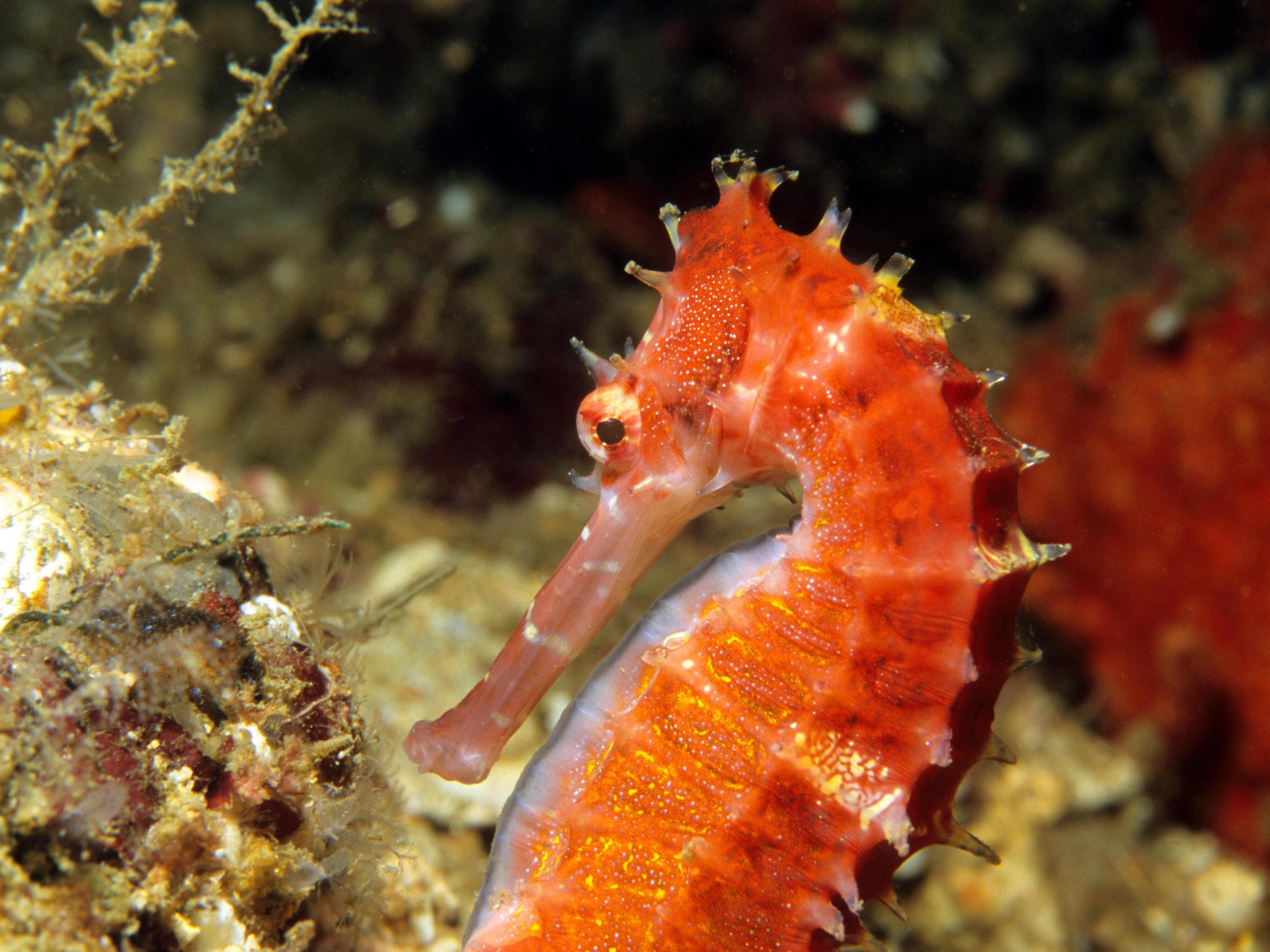
Citizens of the World from Tropics to Temperate Waters
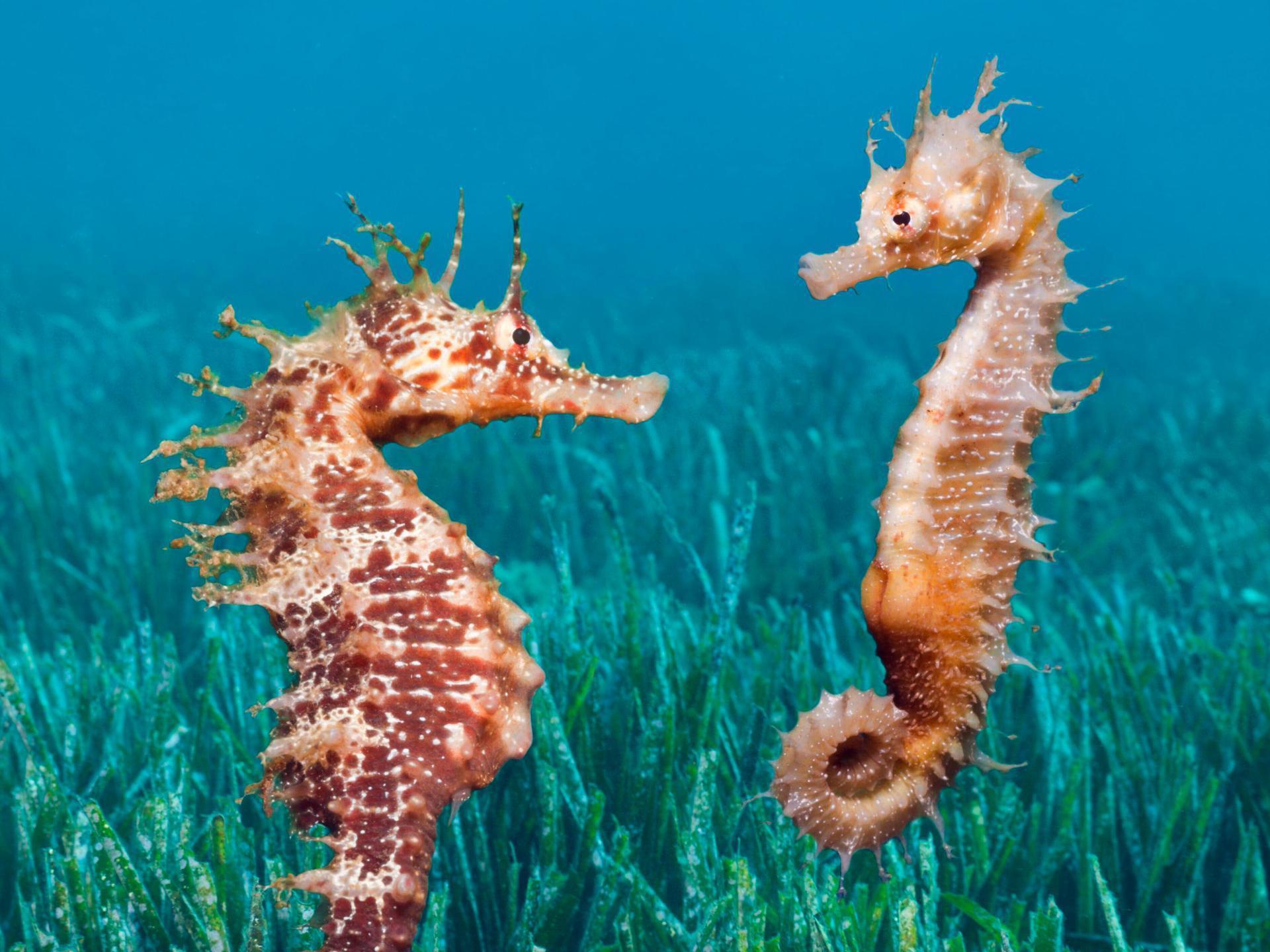
There are several dozen species of seahorses. Their sizes vary from tiny creatures a couple of centimeters to giants reaching 30 cm in length. Their habitat range is astonishingly wide: they have spread across the warm and temperate waters of the entire globe, from the coasts of Korea and Canada to Australia and South America. For example, in the Black Sea, the Black Sea seahorse inhabits, which some scientists distinguish as a separate species.
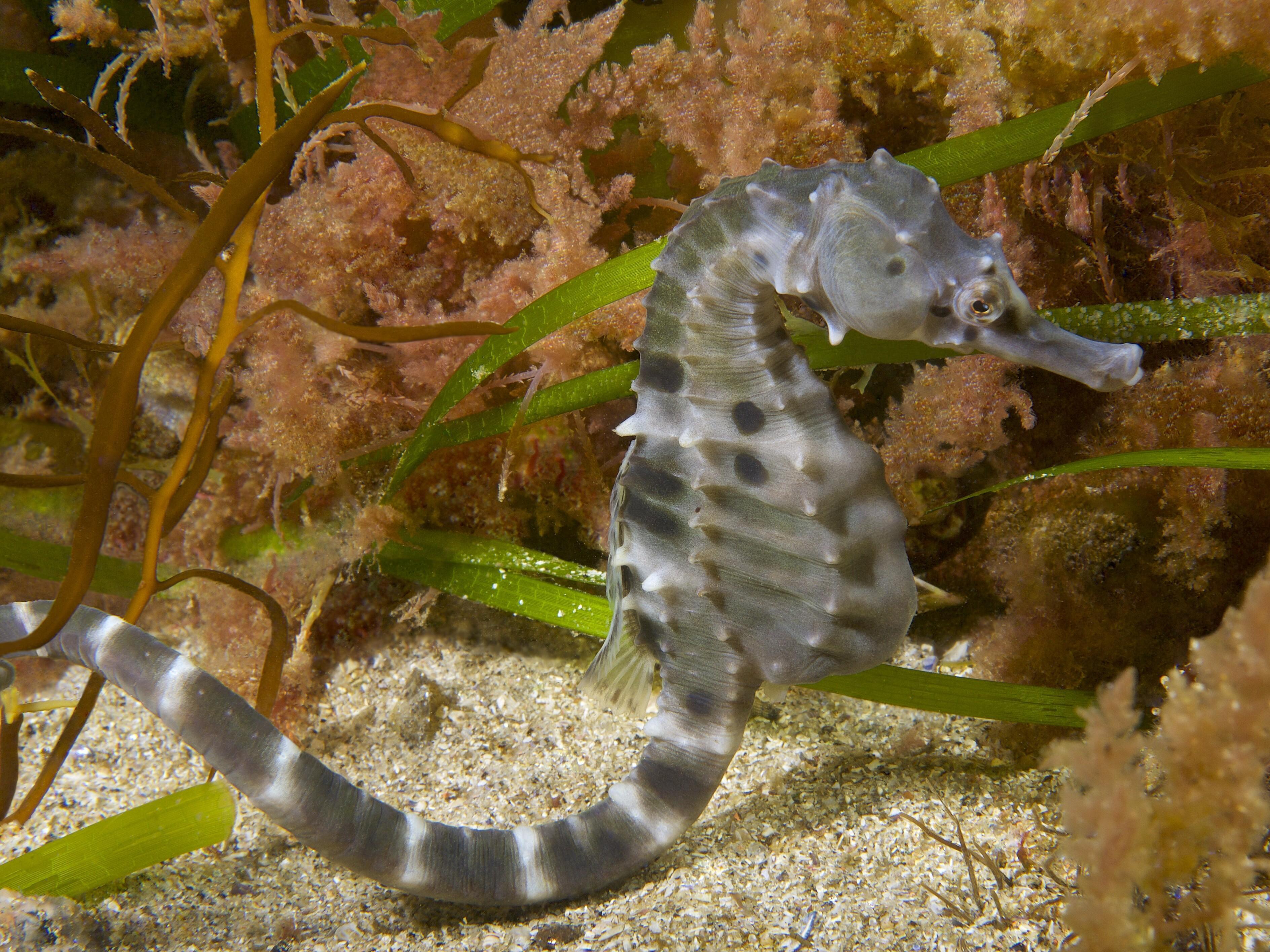
Although most species prefer saltwater, some have adapted to freshwater conditions, but such are a minority.
Lovers of Quiet and Warmth
Seahorses are homebodies. They adore calm, sun-warmed shallows with an abundance of aquatic vegetation, where they can reliably hide. These fish are quite heat-loving and feel most comfortable at water temperatures above 21°C (70°F). Most species lead a diurnal and extremely leisurely, almost sedentary lifestyle.
Eternal Eaters
Feeding for seahorses is an almost continuous process. At the end of their head is a small tube-like snout, acting like a pipette. The seahorse stealthily approaches its prey — planktonic crustaceans — and from a distance of about 4 centimeters, sharply sucks it in, puffing out its cheeks. Due to their tiny mouth (about 1 mm in diameter), they have to feed for up to 10 hours a day, consuming thousands of small organisms.
Chatty Spines
The body of a seahorse is covered with bony plates forming a kind of armor. Along the back, there are often small spines. On the back of the head, many species have a spine-like growth resembling a crown. Sharply tossing its head and touching this growth against the spines on its back, the seahorse produces a rather loud click, which is amplified by a swim bladder resonator. Seahorses click especially actively during the mating season, communicating in this way with their partner.
Standing «At Attention» in Water
Seahorses belong to the family Syngnathidae, but unlike their horizontally swimming relatives, they move in a vertical position, with their head tilted down. This «at attention» stance is due to the unusual structure of the swim bladder. It is divided by a septum: the part near the head is smaller and lighter, and the abdominal part is larger and heavier, which forces the seahorse to adopt a vertical position.
They move slowly, helping themselves with undulating movements of the dorsal and pectoral fins. The caudal fin is so small that it almost does not participate in swimming.
Tail-Anchor
The rear part of the seahorse«s body has turned into a long, prehensile, and flexible tail, devoid of swimming function. However, it is perfectly adapted for grasping onto seaweed stems, coral branches, or each other. This allows the seahorse to firmly hold its place even in fairly strong currents.
Monogamous Dancers
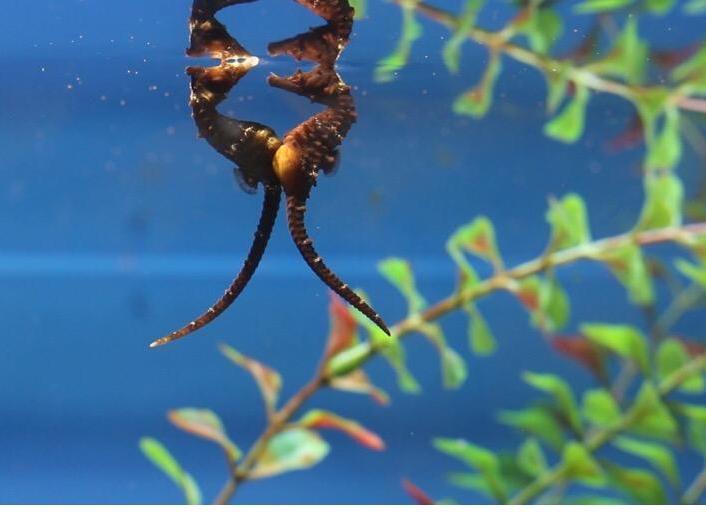
Reproduction in seahorses is an amazing spectacle. Many species form stable pairs that can last for several seasons, and sometimes years. Courtship resembles an elegant, prolonged dance. Partners meet, entwine each other with their tails, and whirl among seaweed, synchronizing their movements.
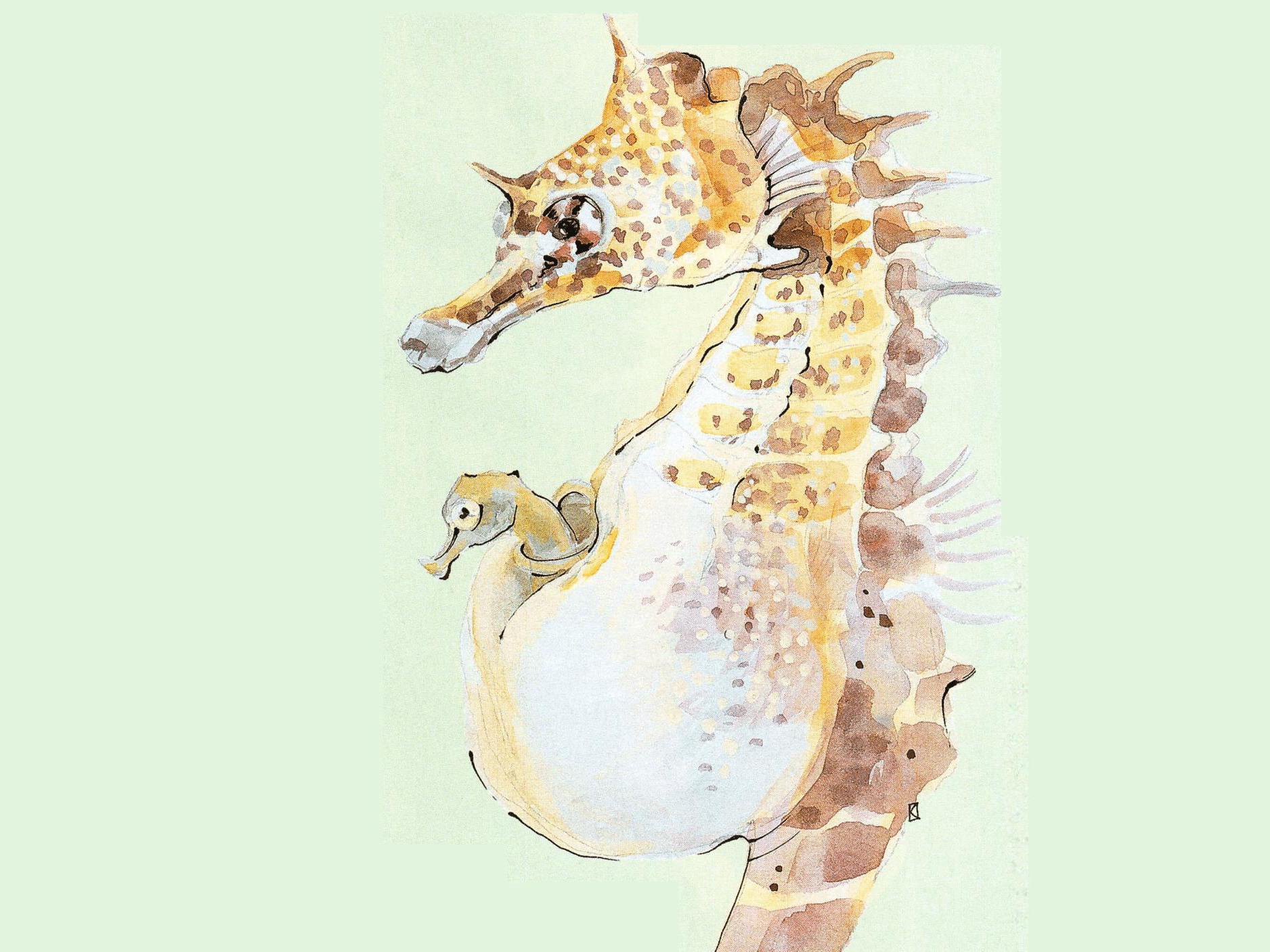
The culmination of this dance is the moment when the female, using a special ovipositor, places eggs into a special pouch on the male«s abdomen. There, the eggs are fertilized. Thus, the male gets the role of the carrying parent, and the female, after transferring the eggs, often swims away to attend to her own affairs.
Pregnant Dad
In the male«s brood pouch, there can be from 20 to 1000 eggs. The embryos develop there for 20 to 30 days, receiving oxygen and nutrients through the pouch walls. Before birth, the male begins to make rhythmic contractions to gradually release the fry.
Newborn seahorses, only 1–2 cm in size, are exact but transparent copies of their parents. They are immediately independent, although at first they may stay near their father. The fry grow quickly and soon acquire their own coloration.
Fragile Balance
Despite perfect camouflage, the future of many seahorse species is under threat today. They are massively caught for the needs of traditional medicine, for sale as souvenirs, and for aquariums. The degradation of coastal zones — pollution and destruction of coral reefs and seaweed meadows — deprives them of their homes.
Currently, many species of seahorses are listed in Red Books and protected by international agreements. The preservation of these amazing creatures depends on responsible attitude towards marine ecosystems and limiting their uncontrolled catch.