Cabbage Prices Plummet; Other Goods Cheaper in 2025


Prices in Russia can not only rise — sometimes they fall, and 2025 suddenly proved this. While we notice price increases on many goods, statistics provide a rare reason for optimism. Our colleagues from MSK1.RU looked at which products saw price drops last year and asked experts why it happened and what to expect next.
«A Cabbage Stalk for Crazy Money»
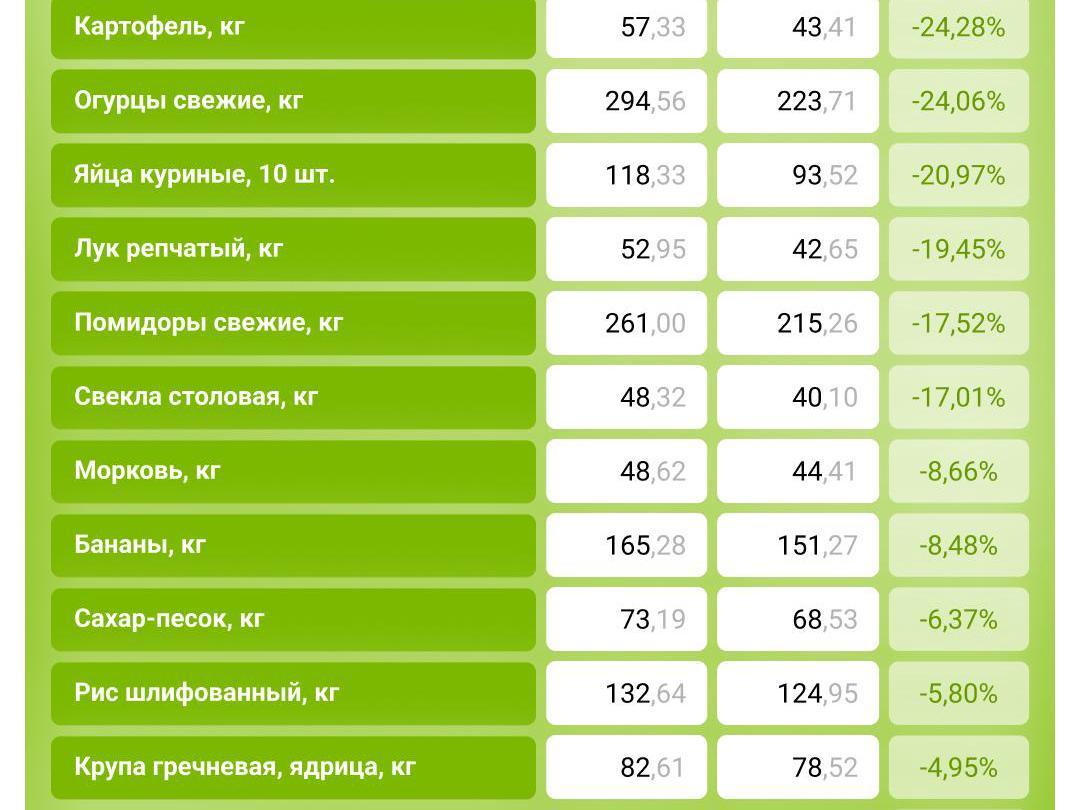
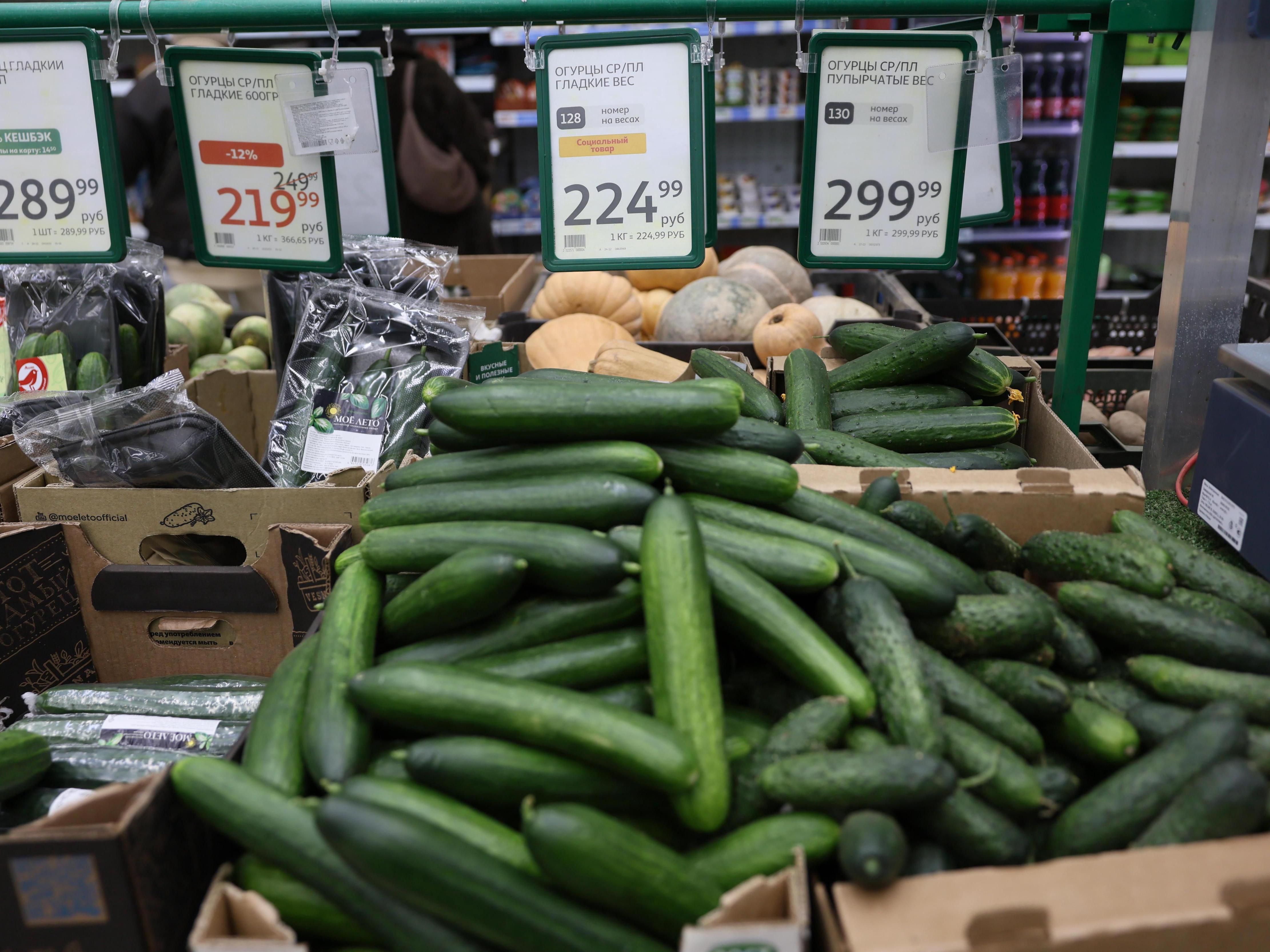
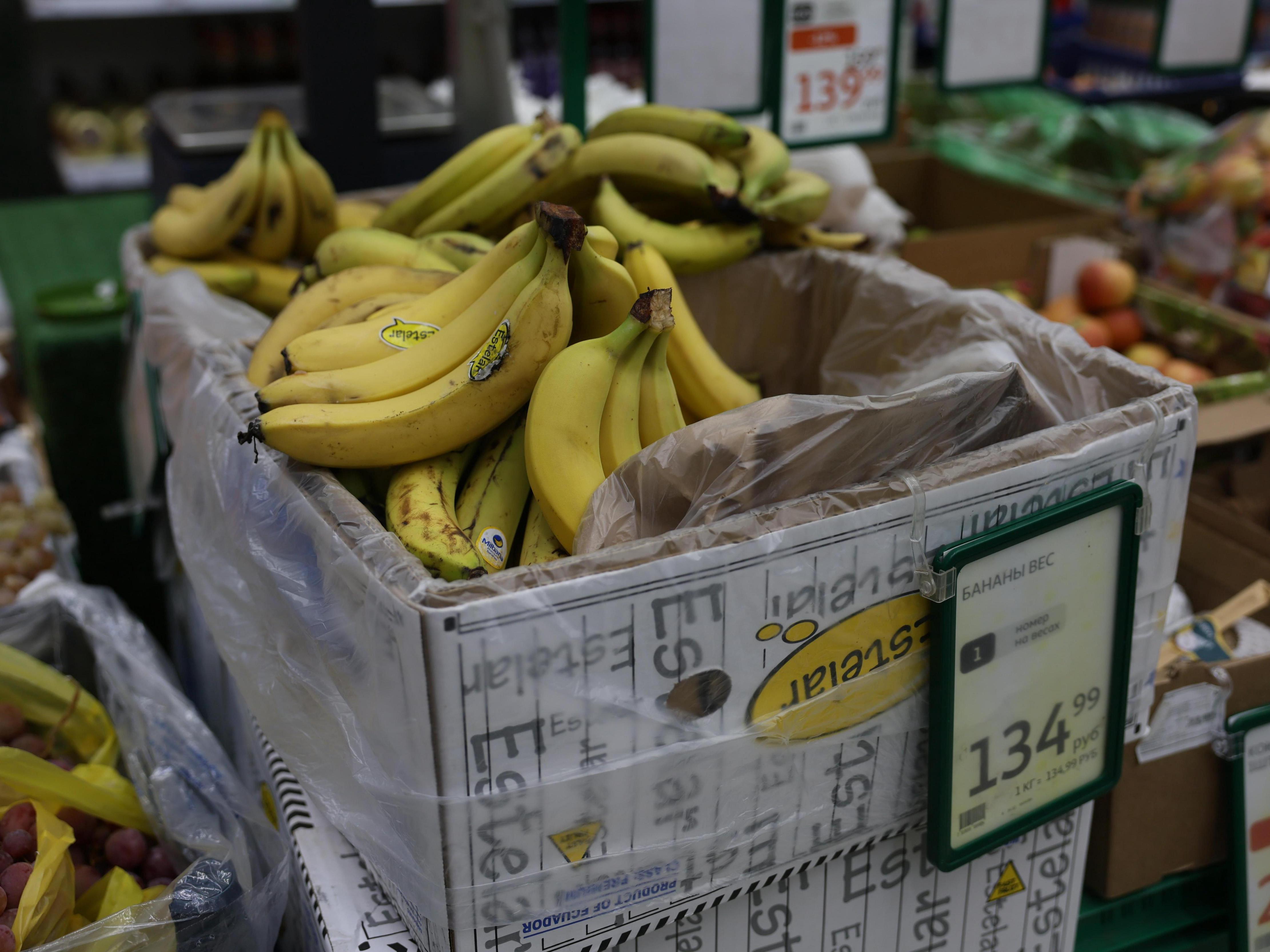
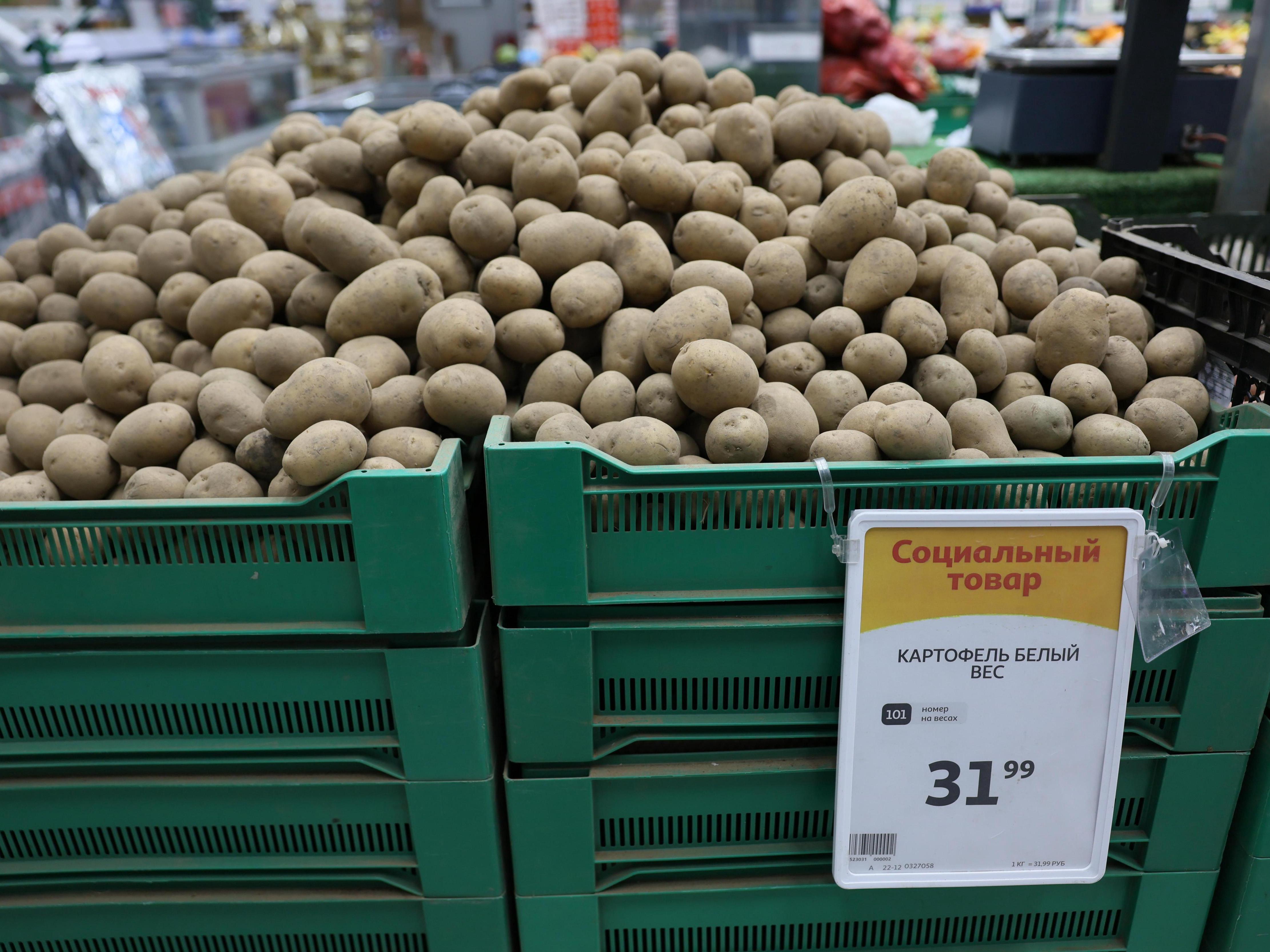
The absolute champion in price reduction is white cabbage. A drop of almost 30% — and now borscht is no longer a luxury. Next are potatoes and cucumbers — both products lost about a quarter of their price. Onions, tomatoes, and beets fell by 17–19%. Carrots and bananas also became more affordable, though not as much — down 8–9%.
«In my perception, eggs have become cheaper, and sugar has gotten slightly more expensive. More precisely, the price jumped in summer and has stayed that way,» says MSK1.RU reader Ksenia. «We don»t buy cabbage because mom grew a lot in the garden. But pensioners are forced to sometimes buy things like a single cabbage stalk for crazy money.«
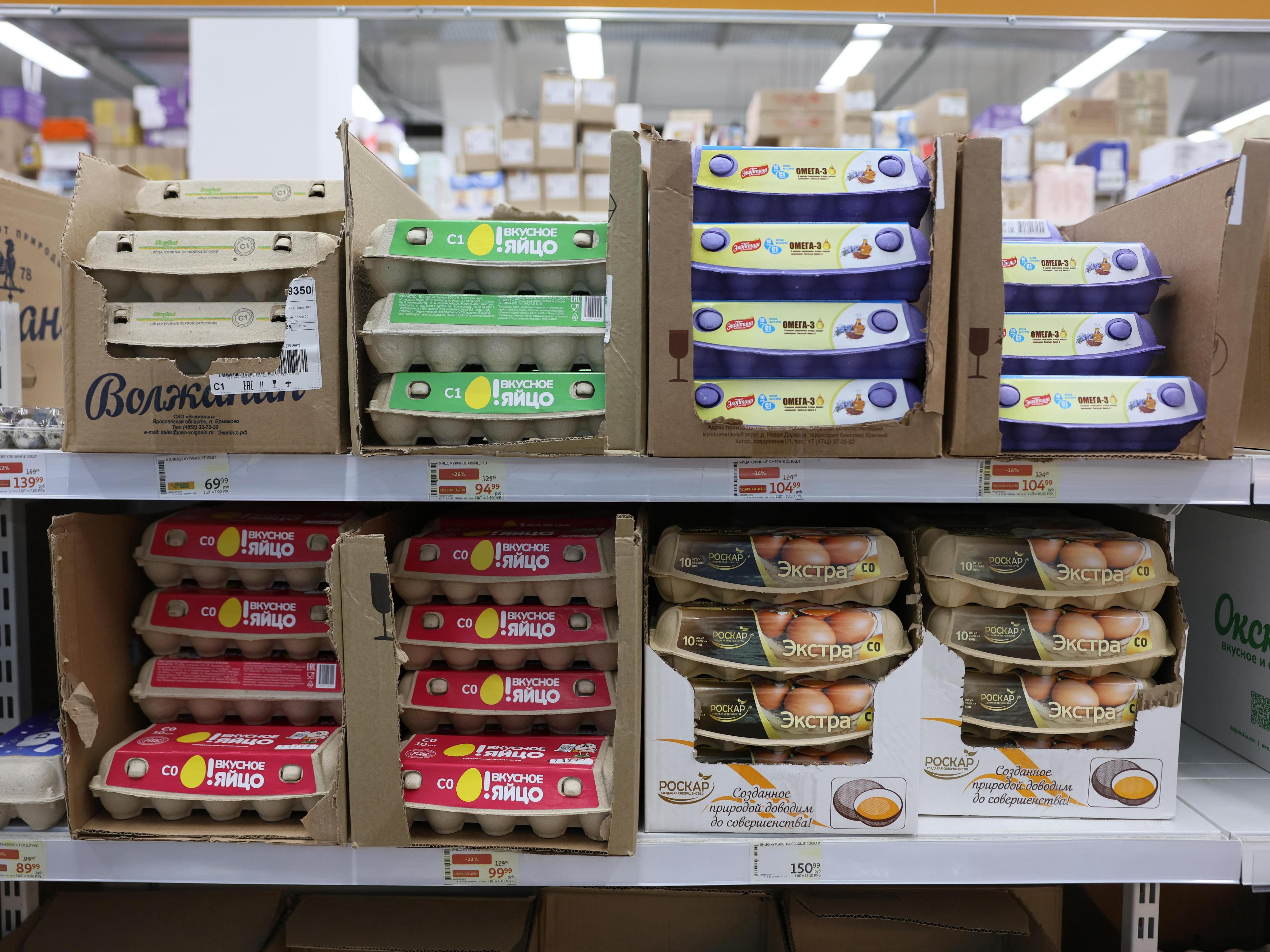
«Strategic» products, like sugar, rice, and buckwheat, also showed price decreases — albeit small: from 5 to 6%. An unexpected surprise is eggs. After all the price swings of recent years, in 2025 they became cheaper by 21%.
«After a sharp increase in 2024, eggs became one of the products showing a price drop. Since the beginning of 2025, they have become cheaper by 9%,» MSK1.RU marketer Yulia Ignatenko told us.
And that«s not all. According to Rosstat (the Russian Federal State Statistics Service), in 2025, not only food but also appliances are becoming cheaper. For example, vacuum cleaners became almost 8% more affordable. The average price dropped from 9,756 to 8,989 rubles (approximately $98 to $90 at current rates) — a nice bonus for those who postponed purchases until better times. Televisions fell in price a bit more modestly — down 6.24%. Against the backdrop of talks about electronics getting more expensive, this looks almost anomalous.
The price monitoring service «Tsenozavr» has different statistics: cabbage in Russia in 2025 became even cheaper — by 41%. Also among the products that lost the most in price are potatoes, onions, eggs, and beets: 20%, 17%, 12%, and 11% respectively.
Some goods, unlike Rosstat«s data, on the contrary — increased in price from January to December 2025. Sugar became more expensive by +2.2% — a change in average price from 92.3 to 94.7 rubles per kilogram (about $0.92 to $0.95), buckwheat — by almost 10%, from 82.6 to 90.9 rubles (about $0.83 to $0.91). The most significant price increase last year was for rice — by 13.5%: from 126.7 to 143.8 rubles (about $1.27 to $1.44).
Statistics Numbers vs Shelf Prices
If by the beginning of 2026 cucumbers are in the top three cheapest products, in January 2025 they were among the leaders in price increases. Then, at Lenta, gherkins in packages cost about 670 rubles per kilogram. At Magnit, cucumbers marked «Social Price» were sold for 300 rubles per kilogram, and Lukhovitsky cucumbers — for 130 rubles. At the end of December 2025, «social» cucumbers already cost 225 rubles per kilo.
«A decrease in cucumber prices is certain. This is an annual price dynamic, it»s not unique,« explained in January 2025 Doctor of Economic Sciences and former Deputy Minister of Agriculture and Food Leonid Kholod.
The experts« forecast about lower prices for household appliances is also coming true. Economist Igor Balynin previously said that in 2025, televisions, refrigerators, and vacuum cleaners could become cheaper — on average by 7–12%. Judging by Rosstat»s data, this scenario is indeed being realized, at least at the lower bound of the forecast.
«Rice can rarely be found at the price that official statistics talk about. In December, Rosstat shows that a kilogram cost less than 80 rubles, but that»s the price including all discounts, promotions, or social goods. Normal rice in the store costs more than 250 rubles,« believes reader Alla.
«Potatoes and buckwheat in stores can be found for 30–35 rubles,» adds pensioner Lyubov Pavlovna.
«Can Become Cheaper Even with Inflation»
Prices for sugar, buckwheat, and rice went down last year after a spike in 2024. The prices dropped most sharply for products where there was a good harvest and supply noticeably increased — primarily cabbage, potatoes, and other basic vegetables.
«Stocks from the 2024 harvest, for example potatoes +10% — up to 8 million tons, exceeded demand, and greenhouse complexes increased volumes thanks to state support. Seasonal abundance provoked sales, especially in regions with excess, such as Krasnodar Krai,» MSK1.RU marketing analyst Ivan Tylesov told us.
After stabilization in 2025, experts do not expect sharp spikes for these products.
«In 2026, prices for socially significant products will not rise,» explains MSK1.RU candidate of economic sciences, associate professor at the Financial University under the Government of Russia Ruta Abramova. «The state will restrain them and may set a price ceiling. This will be monitored by the Federal Antimonopoly Service. We»re talking about essential goods: buckwheat, flour, milk, bread, which people cannot give up.«
The decrease in prices for vacuum cleaners and televisions in 2025 looks not like a one-time action, but a stable trend. The household appliance and electronics market remains overheated with supply, competition between brands is intensifying, and it«s increasingly difficult for sellers to maintain high price tags.
«With vacuum cleaners and televisions, the logic is different: these are product categories with fierce competition and a high share of imports/components,» explains MSK1.RU marketer Lyudmila Kalinina. «In 2025, Rosstat recorded price decreases for a number of types of household appliances and electronics. Usually, they are the fastest to reflect the strengthening of the ruble at certain times of the year, sales, replacement of supply channels, and cheaper components on the global market, so appliances can become cheaper even with general inflation.»
Read about which product prices may change this year. Also, we discussed whether to expect a new pension reform in 2026.