Woman paid psychiatrists to keep mother in hospital
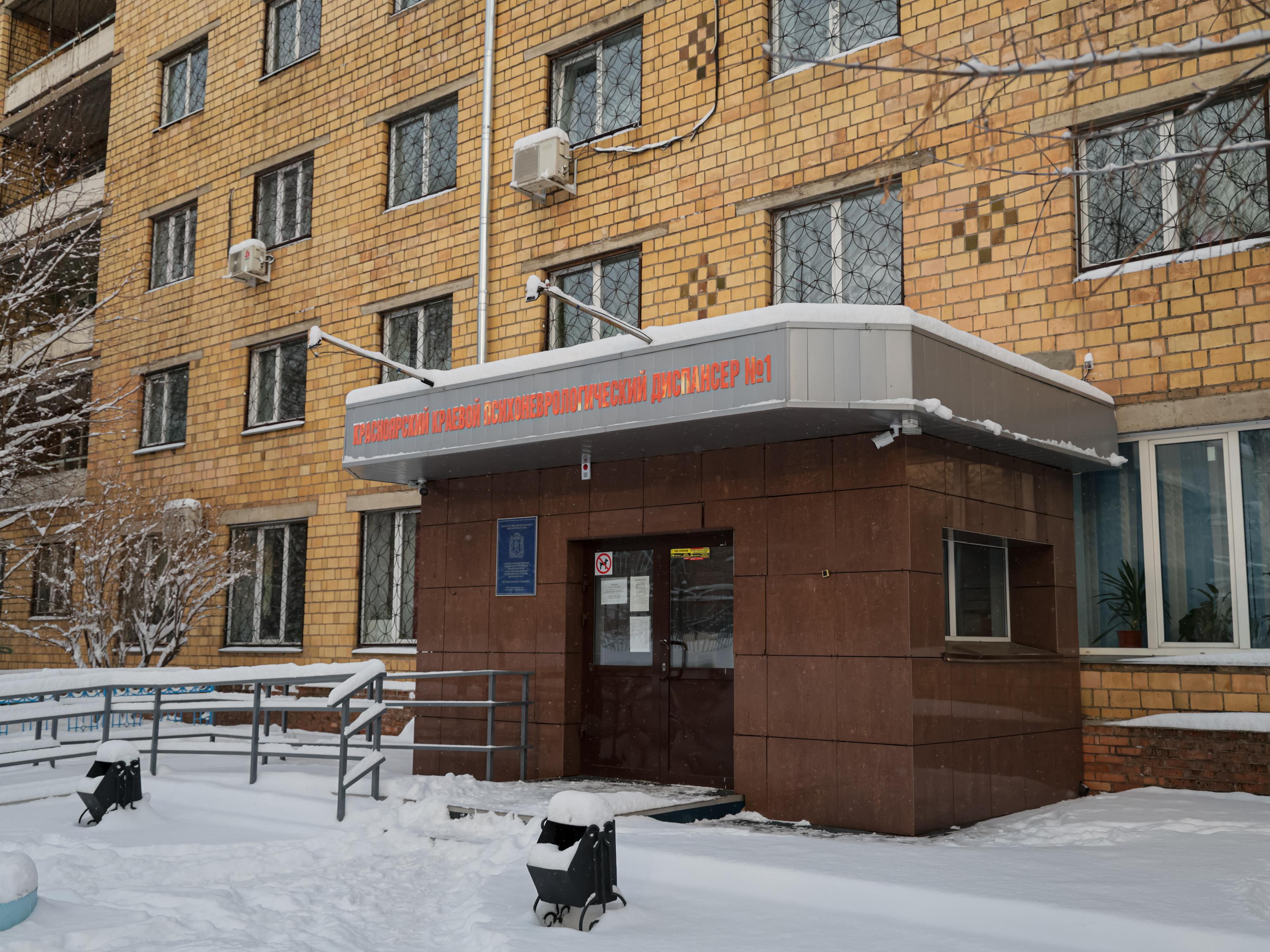

In Krasnoyarsk, relatives paid to keep patients from being discharged from a psychiatric hospital.
In Krasnoyarsk, a woman paid staff at a psychoneurological dispensary for several years to prevent her mother«s discharge and keep her in the department.
According to court documents, in November 2020, a resident of Krasnoyarsk approached the head of the psychiatric department at the regional psychoneurological dispensary with a specific request: to hospitalize her mother and subsequently not discharge her, regardless of the patient«s condition. The woman directly informed the doctor that she could not provide care at home and was willing to pay to extend her mother»s stay in the hospital.
The department head agreed and stated the conditions—monthly payments of 10,000 to 15,000 rubles (approximately $100 to $150 at current rates). For this money, the patient was kept in the psychiatric department despite the lack of grounds for further hospitalization.
Money was transferred systematically for more than three years. The case materials record dozens of transfers: initially for amounts of several thousand rubles, then the payments became regular and increased to 15,000 rubles per month. Transfers came not only from the woman«s personal bank card—money was also transferred from her mother-in-law»s card and from the patient«s own card. The total amount transferred was 395,500 rubles (about $4,000 at current rates), which the court classified as giving a bribe on a large scale.
In court, the woman fully admitted guilt and confirmed that she understood the illegal nature of what was happening. She explained that her mother suffered from a severe mental illness, behaved aggressively, and taking her home was, in her words, impossible. At the same time, she did not use official mechanisms—social services, a nursing home, or other options—preferring to pay for the actual «maintenance» of her mother in the hospital through informal payments to doctors.
However, the criminal case was dropped because in August 2025, she voluntarily came to law enforcement and told about the scheme, confirmed all transfers, and gave testimony against medical workers. The court noted that at the time of her appearance, she was not a suspect and actively contributed to the disclosure of the crime, which became the basis for releasing her from criminal responsibility.
The patient, for whose stay the relative paid, was not the only one. Similarly, in the same psychoneurological dispensary, other patients were kept in the hospital for years for money—at the request of relatives and guardians.
These circumstances were established in the framework of a criminal case against the head of the psychiatric department of the dispensary, Olga Veselovskaya. The court concluded that over several years, she systematically received money from relatives and guardians of patients for extending their stay in the psychiatric hospital.
The sentencing materials describe several such stories in detail. Among the patients were elderly people with various forms of dementia, as well as patients with schizophrenia, including those with a continuous course of the disease. Relatives and guardians approached the department head with requests not to discharge their loved ones from the hospital until guardianship was arranged or they were sent to a psychoneurological nursing home, citing the impossibility of care at home.
As the court established, Veselovskaya acted similarly in other cases. For regular remuneration, patients were kept in the hospital indefinitely, despite improvement in their condition.
For individual patients, such payments continued for months. In one case, it involved receiving 150,000 rubles (about $1,500 at current rates), in another—85,000 rubles (approximately $850). All these episodes were classified by the court as receiving bribes on a significant and large scale.
In total, the court counted twenty episodes of corruption crimes. According to the court verdict, Olga Veselovskaya was sentenced to six years of imprisonment to be served in a general regime colony. Additionally, the court ruled to recover over six million rubles (about $60,000 at current rates) from her for state revenue. The actual serving of the sentence is deferred until her child reaches the age of 14.