Ryazan Detective's Five Hair-Raising True Crime Tales
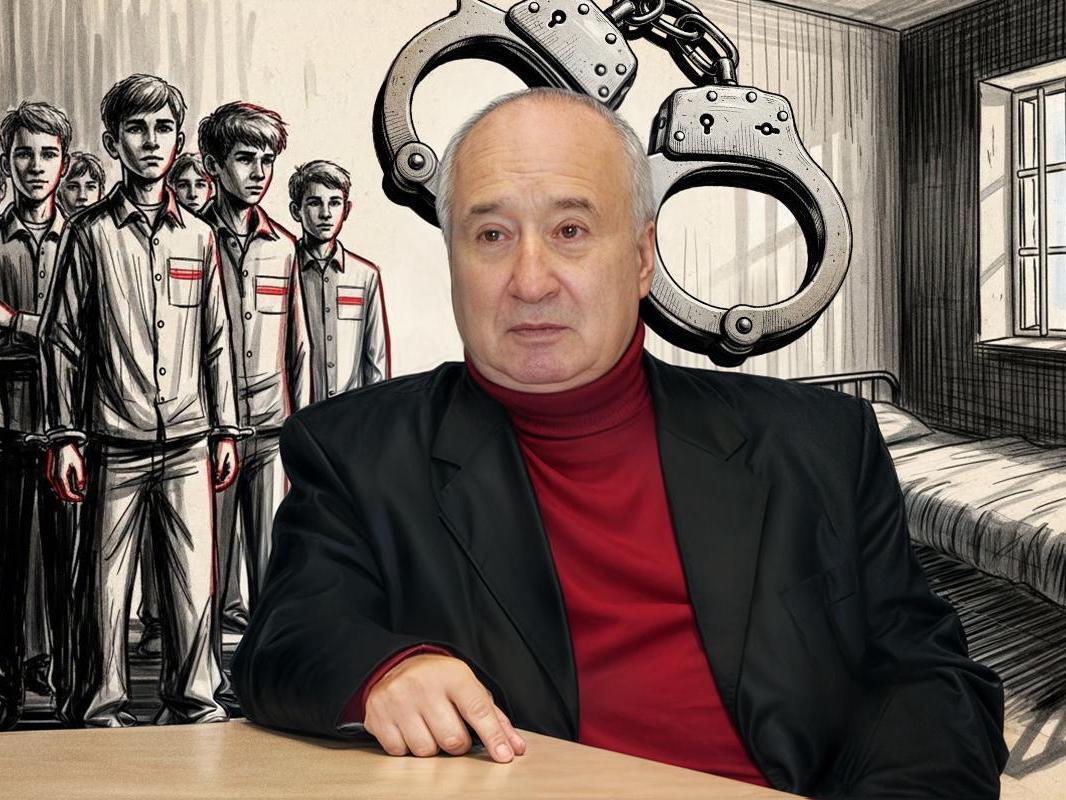

Plotkin«s first brush with the criminal underworld came during his university days at a juvenile detention colony.
Dmitry Plotkin was dubbed the Ryazan Sherlock for solving numerous high-profile cases. He investigated the Skopin maniac Viktor Mokhov, serial burglar, rapist, and murderer Vyacheslav Markin, cannibal Sergey Soplin, and even managed to speak with Sergey Kashintsev—a disabled serial killer who claimed responsibility for over 50 crimes, though only eight were proven.
But aside from the high-profile cases, over 30 years in investigative work, Dmitry Plotkin accumulated other stories. He shared them with a YA62.RU journalist.
«Snitching Was Severely Punished»
His first experience in what became a legendary career in Soviet and Russian investigation began during his studies at the Kharkiv Law Institute. When Plotkin was 20, he got a job as a supervisor at a reinforced-regime juvenile colony in the village of Kuryazh. The age gap with the inmates was small—they were criminals aged 14 to 18.
But to fully immerse himself in the life of the colony and understand the criminals, Dmitry Plotkin moved into the correctional facility himself.
The village of Kuryazh is in the Kharkiv region. The juvenile colony named after Maxim Gorky was moved there in 1926. It was headed by educator and writer Anton Makarenko.
«Of course, becoming a criminal yourself and going to prison to study that life—that»s too extreme a maneuver. I set up a bed in a separate office, just like theirs [the inmates«], no sofas with foam rubber or anything. I ate with the guys in the same cafeteria—porridge, potatoes, soups, pasta, sometimes a little meat. I sat at the same table with them.
I had the reinforced-regime zone. That«s where all the cream of Ukraine»s crop who had committed serious crimes were gathered: murders, rapes, robberies, thefts. All of them were juveniles—aged 14 to 18,« recalls Dmitry Plotkin.
The door to the office where Dmitry Plotkin lived was always open—he never locked it. And, despite working with serious criminals, no one ever stole anything from the investigator«s sleeping quarters.
«Snitching was severely punished there. Some people I didn»t know, there were several hundred of them, would come up and ask to borrow my watch for a while. I only knew that in front of me was a murderer, rapist, or thief—that«s all. But I»d take off my watch and ask them to return it in the evening. And they did return it,« noted Plotkin.
But once, a unique incident occurred, the investigator recounts. Two young guys decided to escape. Pulling that off in the colony was practically impossible: lots of guards, barbed wire… The teenagers almost succeeded.
«During the evening roll call, they noticed two lads were missing—they had recently arrived. We started searching, and then one of the officers noticed that the hatch leading down to the warm pipes wasn»t fully closed. An ordinary person couldn«t crawl through there, and we practically announced a contest to find the smallest guy who could fit.
We found such a guy, tied him up, and he felt someone«s foot on the descent. It turned out like this: two lads wanted to reach the wall and dismantle it underground. The one crawling behind, helping the other move forward, had diabetes. He felt sick—there was practically no air down there. So one couldn»t go forward, and the other couldn«t go back; they were stuck against a wall,» recounts Dmitry Plotkin.
The investigators had to call an excavator to dig up the space to the slabs. Then they extended a rope and managed to pull the lads out—they survived.
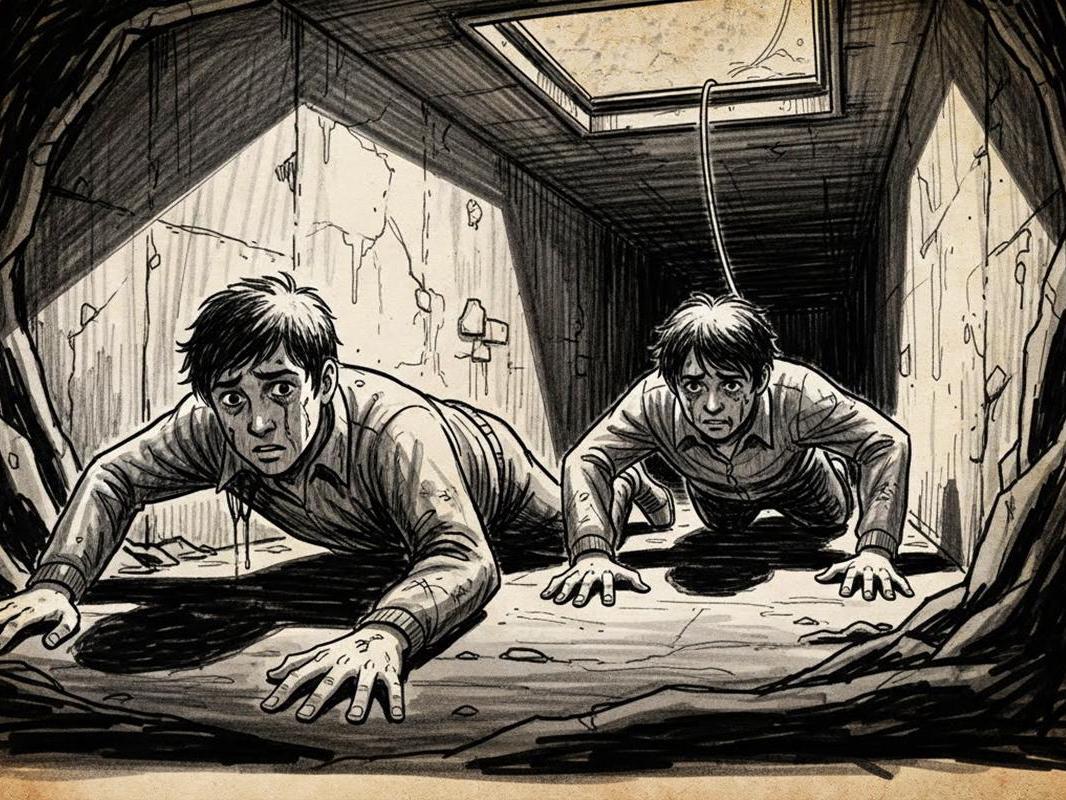
The desperate escape attempt through a narrow pipe required a frantic search and rescue operation.
«A Person Should Be Re-educated in a Normal Community»
But amid all the horror that often occurred in the juvenile colony, Dmitry Plotkin also recalls a more positive story. Around 1980. A school operated at the correctional facility, and physical education was taught by Viktor from Kherson. He himself had once served time there for a violent crime.
Viktor grew up in a poor family and once decided to steal a pair of jeans. After all, back then, something that«s now commonplace for CIS residents was out of reach. For the robbery, the guy served six years, but after his release, a miracle happened—instead of going back to his mother to continue his old life, he enrolled in a pedagogical institute.
He was most supported in this by a Russian language and literature teacher from the prison school. The woman had no children of her own but wanted to give warmth.
«She somehow arranged it with the authorities and took him to her home—she lived near the zone. The teacher talked with Vitya, read him books, fed him, and gradually re-educated him,» says Dmitry Plotkin.
Thanks to being one of the few the teacher took home and cared for, Viktor himself became a teacher. The guy graduated from the institute with good grades and decided to teach right where he had been—he wanted to set an example for the lads.
«The guys respected Vitya—he was »one of them«,» added Plotkin.
Such a story is like a rose among thorns in the criminal world.
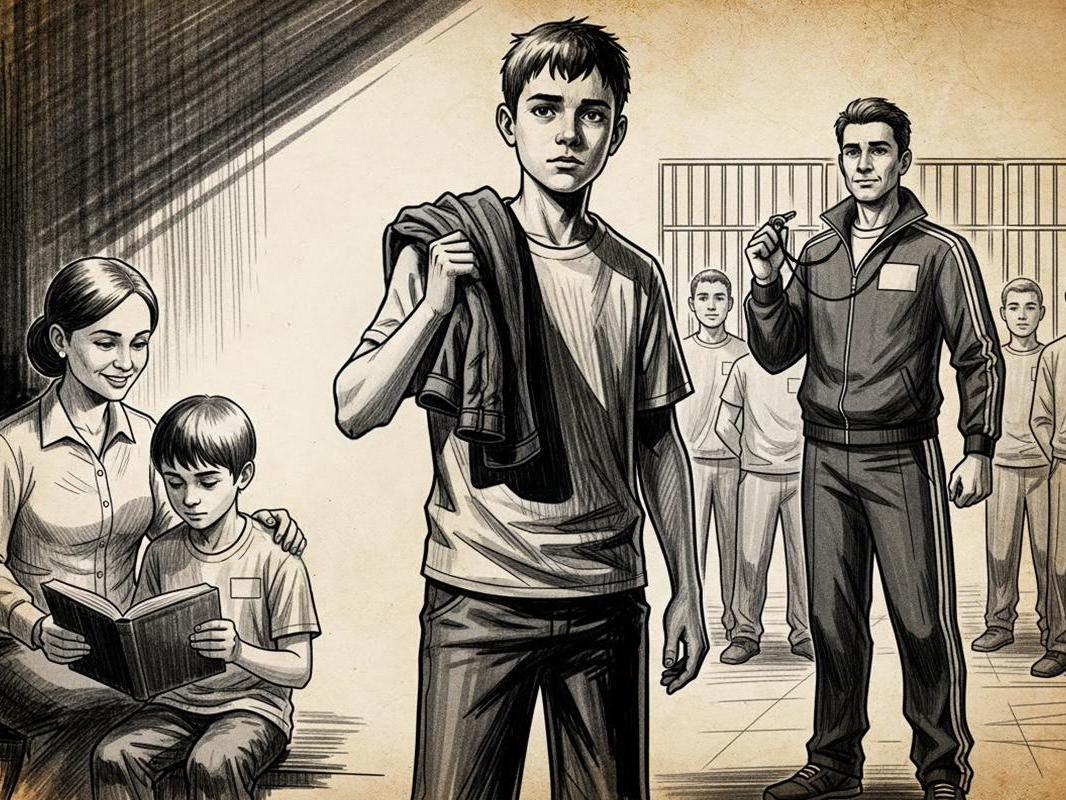
A former inmate turned teacher became a rare success story of rehabilitation and hope.
«When You Hold Someone»s Life in Your Hands, You Can«t Make Mistakes»
In 1982, Dmitry Plotkin graduated from university, left the juvenile colony, and got a job at the Skopinsky District Prosecutor«s Office. This was a higher and more serious level—he wasn»t just overseeing criminals but deciding fates.
«When you essentially hold a person»s life and fate in your hands, you can«t make mistakes. Especially since we worked during a time when the death penalty existed. Everything was very serious, and the work could lead to grave consequences,» clarified Plotkin.
Nevertheless, investigations made errors. In the nineties, when Plotkin headed a group for non-obvious murders, he was sent on a business trip to Tula Oblast. He was to investigate the murder of a young man in a pre-trial detention center.
«There was this kid—studying in the 10th grade, intellectual, he had a modest girlfriend and good parents. And in the same house, a one-story communal apartment for several families, lived a family: a girl about fourth grade, her mother, and her father, a policeman who liked to drink.
Since childhood, the guy had been taking this girl to kindergarten and then to school. Apparently, at some point, hormones kicked in, and he touched the schoolgirl in an intimate place with his hands. For her, it was something incomprehensible; she came home and said: «Sasha touched me there.» The girl«s mother went to the police and filed a report of rape, and since the father was an officer, the case was opened quickly. They didn»t even conduct an examination,« recalls Dmitry Plotkin.
In those times, a prosecutor could issue an arrest warrant without going to court. So the 16-year-old quickly ended up in a pre-trial detention center on rape charges. His cellmates, learning the charge, started bullying the schoolboy, and one day it escalated to «Parachutists.» Only the harmless children«s game of jumping from bench to bench was »modernized« in the zone.
According to him, the case could have been classified as lewd acts—which it was, but not rape. In that case, the guy would have served time and stayed alive because his cellmates wouldn«t have been so cruel, the investigator believes.
«The guy was humiliated in every way, forced to do very bad things. Did he deserve such punishment?» Plotkin still wonders.
In the end, a police officer was convicted for negligence in charging the boy incorrectly, and the cellmate killers received additional sentences for the «game.»
The business trip to neighboring Tula Oblast turned Dmitry Plotkin«s life upside down.
«I had to deal with such maniacs and rapists! There are different situations, but sometimes they turn out very ambiguous. This tragic story made me reflect. I realized that life is much more complicated than books or textbooks,» concluded Dmitry Plotkin.
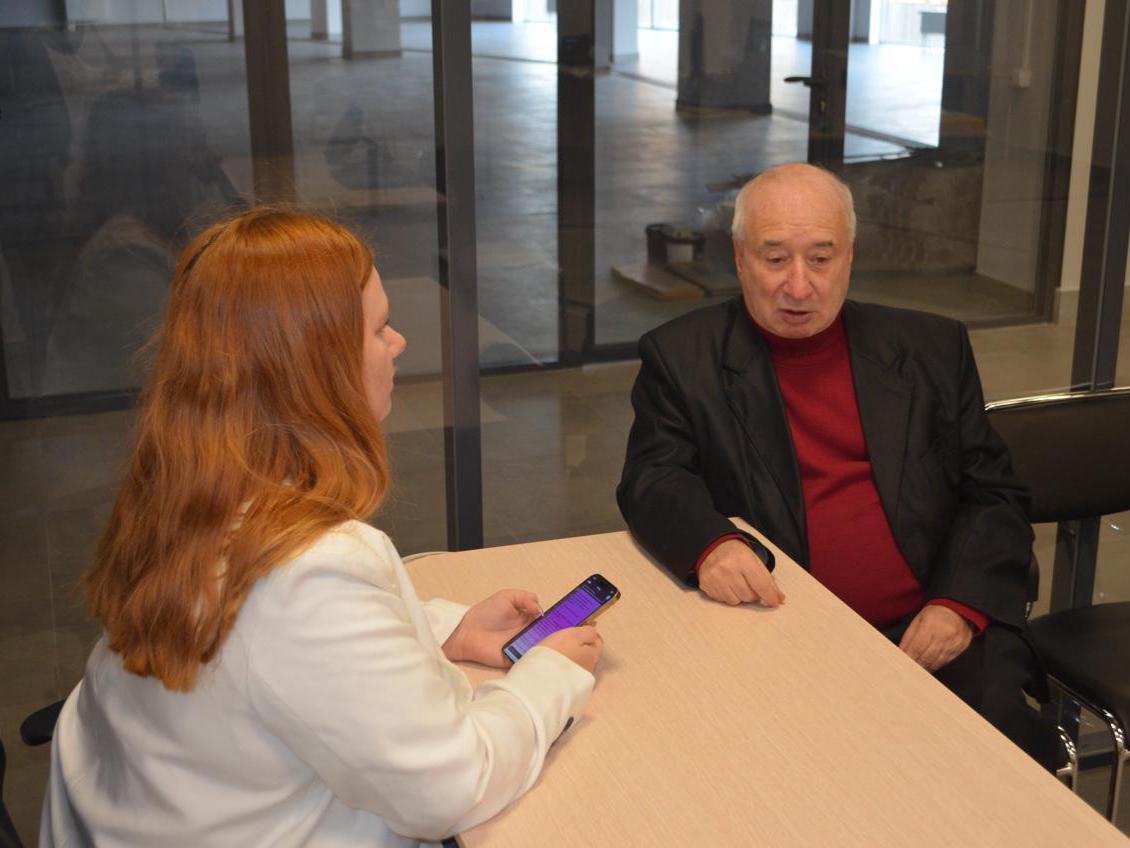
Clarification: The case involved the murder of a schoolboy, not an investigation into a rape allegation.
«Cargo 200» in Ryazan Style
Dmitry Plotkin had another story that might remotely recall the film «Cargo 200» (18+). Once, the investigator had to prepare a case for the ultimate punishment—the death penalty—for his good acquaintance, police officer Sergey.
Sergey«s girlfriend, a tax inspector employee, got pregnant. But the policeman wanted neither marriage nor the child—they just lived together in the village of Metallurg in Skopinsky District. And then a gynecologist wrote different pregnancy dates in the medical protocol for the Ryazan woman.
«The policeman knew he hadn»t been with the girl at that time and thought she was trying to trick him and just get money. She gave birth, and here was another problem: in the first year, you couldn«t take blood from newborns to confirm paternity by blood type. And there were no DNA tests like now.
Sergey refused the child, said he had nothing to do with it. After a year, the court ordered an examination: it confirmed he could be the father. He was ordered to pay alimony for the entire year—a rather large sum,« recounts Plotkin.
After the trial, the upset policeman came to duty, and his pistol was issued earlier than scheduled. Not half an hour, but an hour before the start of his shift. In that time, Sergey managed to drink a bottle of wine and went to settle scores with his ex-lover, whose life had stabilized, and she had found a new man.
Sergey went in full police uniform.
«The girl»s mother opened the door—the policeman shot her immediately. Next, the new man was sitting—he shot him too, right with a cigarette in his hand. The girl tried to run to the neighbors, but she was shot. He only spared the child in the stroller—relatives from a union republic took it later.
After that, he [Sergey] stops a driver—an old man—and starts threatening him with the pistol too. The man jumped out of the moving car. On the way, the policeman at the wheel hits a pedestrian and breaks the window of a KAMAZ truck driven by a sturdy man. He ran after Sergey, who fell into a snowdrift and fired. But the bullet missed,« recounts Dmitry Plotkin.
In Soviet times, according to Plotkin, there weren«t what you»d call extremist actions. Once in Ryazan Oblast, a representative from the Caucasus cut a factory conveyor, halting production, due to a conflict with the enterprise«s manager. In Soviet times, this was assessed as sabotage. Policeman Sergey himself caught the perpetrator.
The policeman was sentenced to death.
«Preparing cases for the ultimate punishment—that»s not the best thing,« concluded Dmitry Plotkin.
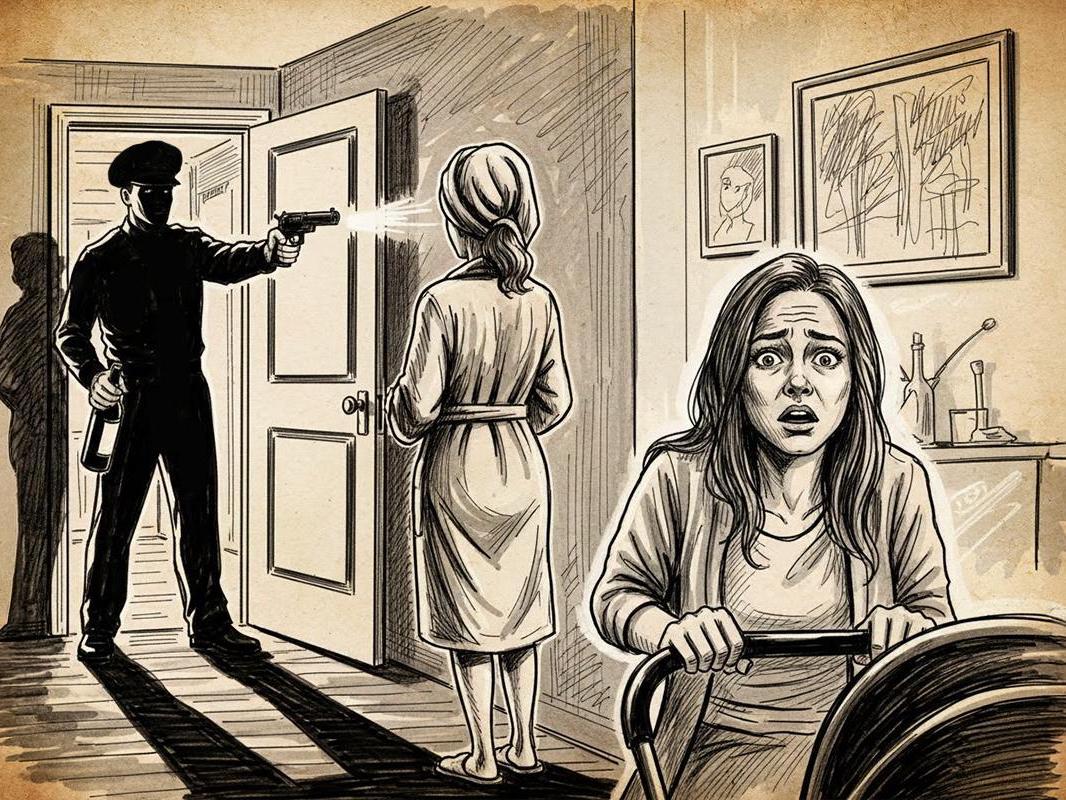
The court did not consider the police officer«s prior service record during his murder trial.
«Mom, There»s a Hand Sticking Out of the Sewage!«
After almost 40 years, Dmitry Plotkin still clearly remembers his first case at the Skopinsky District Prosecutor«s Office. He wasn»t disillusioned with the profession, but he felt it deeply once again. And not just in a moral sense.
Children were playing near the railway station in Skopin and became interested in gaps in a wooden board covering a cesspit. Adults probably wouldn«t have decided to peek to see what was there. But the schoolkids» curiosity got the better of them.
And not in vain: it seemed to the kids that a hand was sticking out of the cesspit.
«The children ran to their parents and said: »Mom, mom! We looked into the toilet, and there«s a hand sticking out of the sewage!» They didn«t believe them, but the kids were persistent; they approached a driver and told him the same thing,» recounts Dmitry Plotkin.
The taxi driver, while he had no clients, agreed to go with the kids. He looked and also saw a hand! The driver called his son, who worked in the police, and the matter reached Dmitry Plotkin—he had to go.
«And I had just arrived in a white shirt, dress pants. And that cesspit was who knows how deep. After that, the romance was gone immediately—I had to retrieve the body, examine it,» the investigator adds with a smile.
A colleague of Dmitry Plotkin partly suggested a solution: they invited hooligans who were under 15-day arrest to the site. For early release and a bottle of alcohol, they were willing to retrieve the body. Firefighters used a hose to clean it of sewage, and the investigator began examining the corpse.
It was complicated by the fact that the man had no documents on him, and no one had reported him missing. A clue came from an operation scar on the deceased«s arm—it resulted from surgery for vascular inflammation.
«A doctor at the morgue said the scar was no more than three years old and the operation was planned. Overnight, they dug through everything and by morning learned that only six people had had such an operation. Police were sent to all the patients» addresses: five were found, but one was missing. The apartment was completely closed,« recalls Plotkin.
Through the patient data, law enforcement reached his relatives. They said the murdered man had gone to visit his wife with cancer in the hospital before disappearing but never returned. Investigative actions revealed that the man had been standing with a local guy who tried to persuade him to buy a bottle of vodka and drink.
He agreed to one bottle, but a second—that was too much.
«The guy punched the victim in the nose; he lay motionless for a while and seemed dead. To get rid of the body, the local threw it into the cesspit. The most interesting thing is that if not for that last action, the man would have survived,» added Dmitry Plotkin.
As later discovered, the killer was helped to move the body to the cesspit by a young guy. According to Plotkin, he wasn«t held accountable. And the criminal himself counted on his imminent conscription into the army: thinking it would »be forgotten.«
On that note, Dmitry Plotkin became more intimately acquainted with the world of investigation.